
 By

Paris in 4 days looks completely different from Paris in three. With three days you tick off the sights and leave feeling you ran the whole time. With four you have room for a full day outside the centre, or for the quarters where Parisians actually live, and the rest of the programme relaxes by itself.
A day by day itinerary organised into areas that connect on foot, with the real distances, the breaks and the two options for the fourth day.
Paris in 4 days: one area a day, not a list of sights
Paris inside the ring road covers about a hundred and five square kilometres, which means you can cross it by metro in half an hour. That is exactly what creates the temptation to jump from one end to the other three times a day. It is the best way to lose both time and energy.
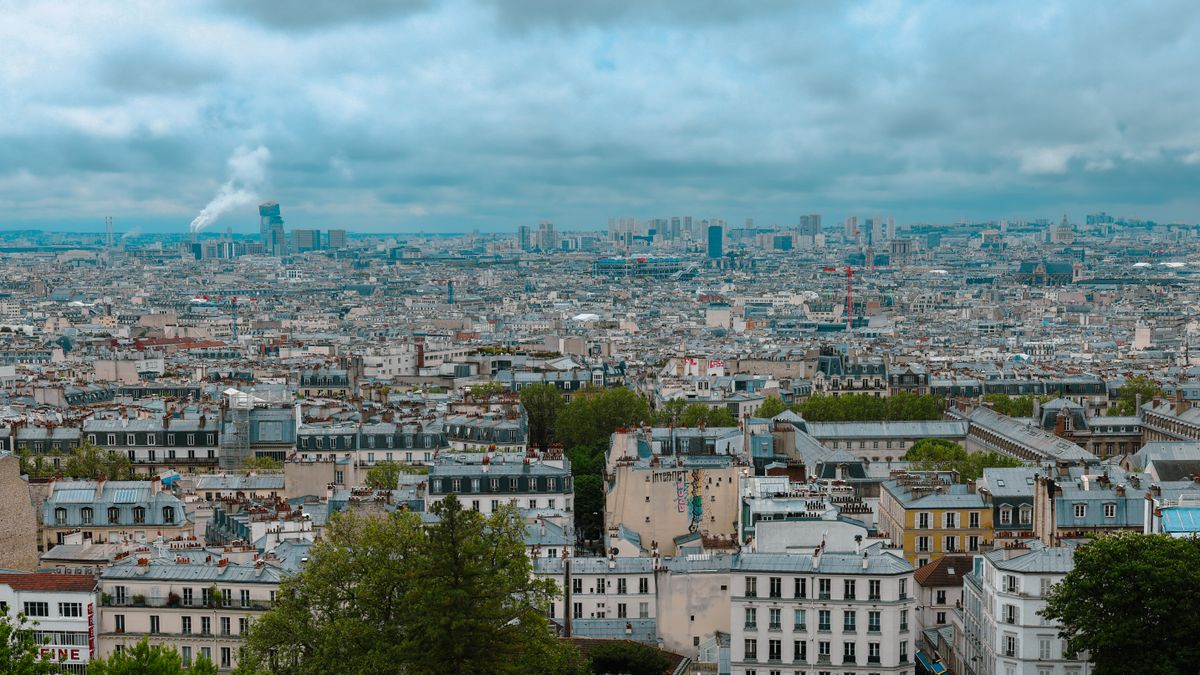
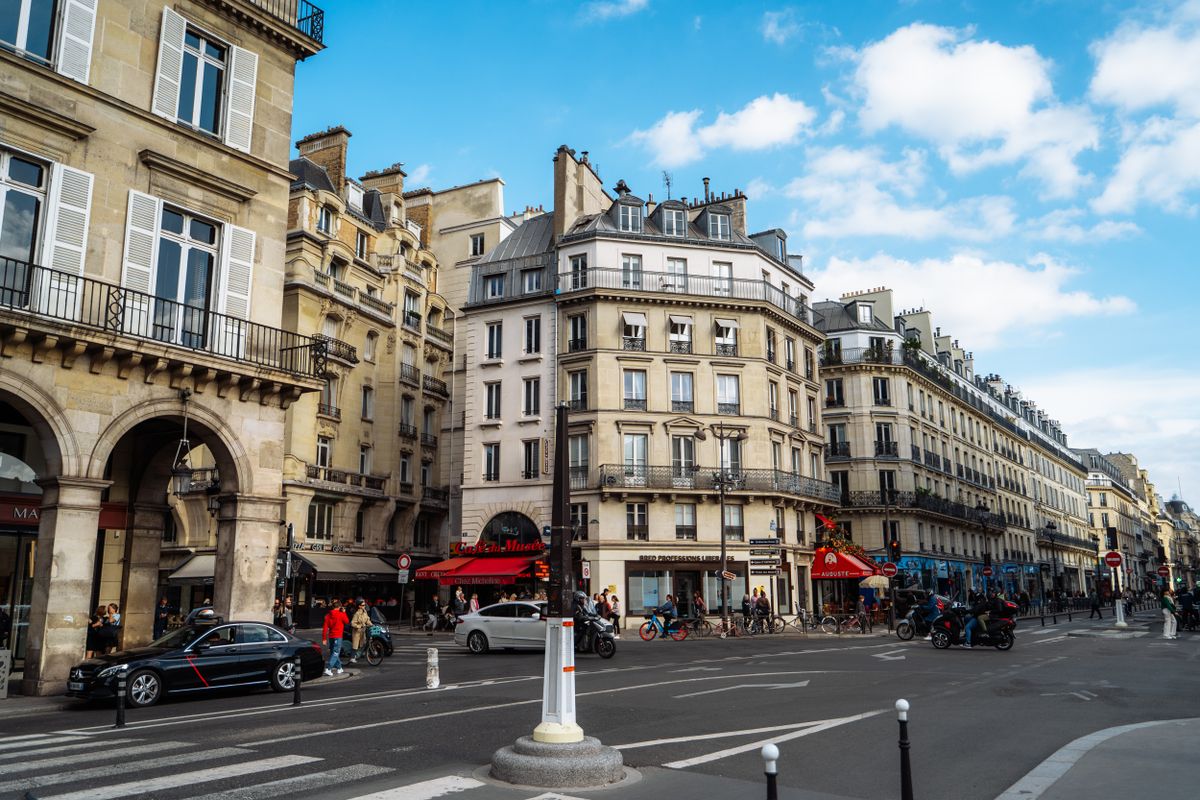
The city is divided into twenty arrondissements arranged in a spiral outwards from the centre. You do not need to learn them, but it helps to understand that every day in the itinerary below stays inside a compact area, where you move on foot rather than underground.
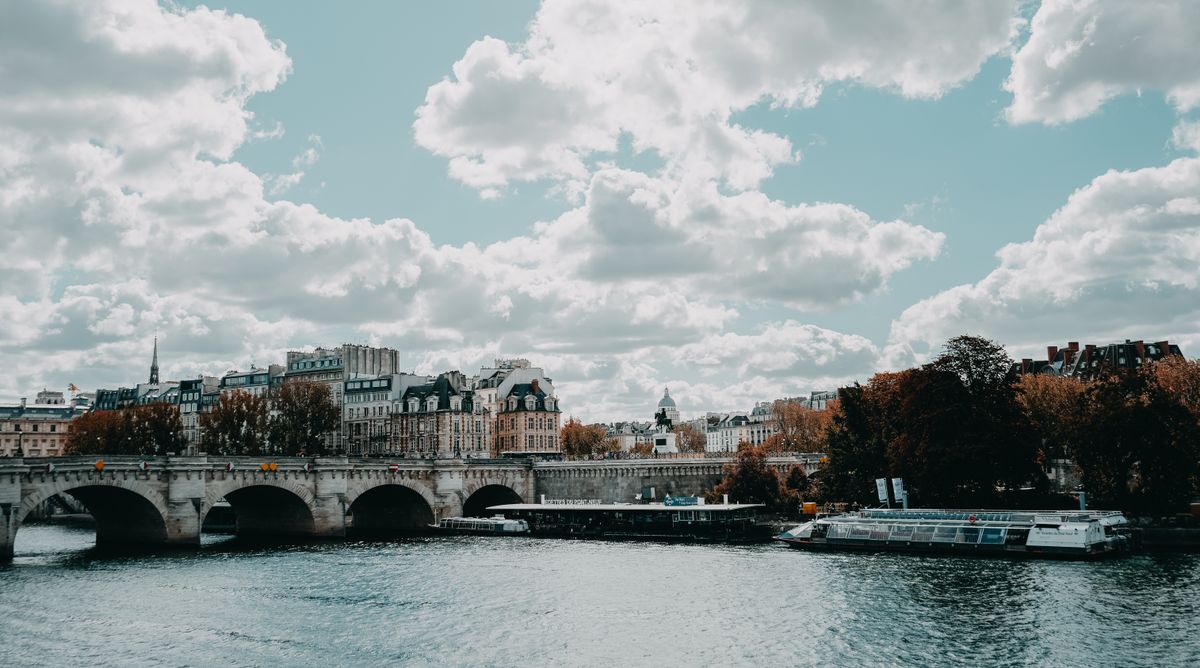
An itinerary like this means between eight and twelve kilometres a day. That is not much for anyone used to walking, but it is a lot in new shoes. Comfortable footwear matters here more than any other packing decision.
Day 1: the historic centre and the Marais
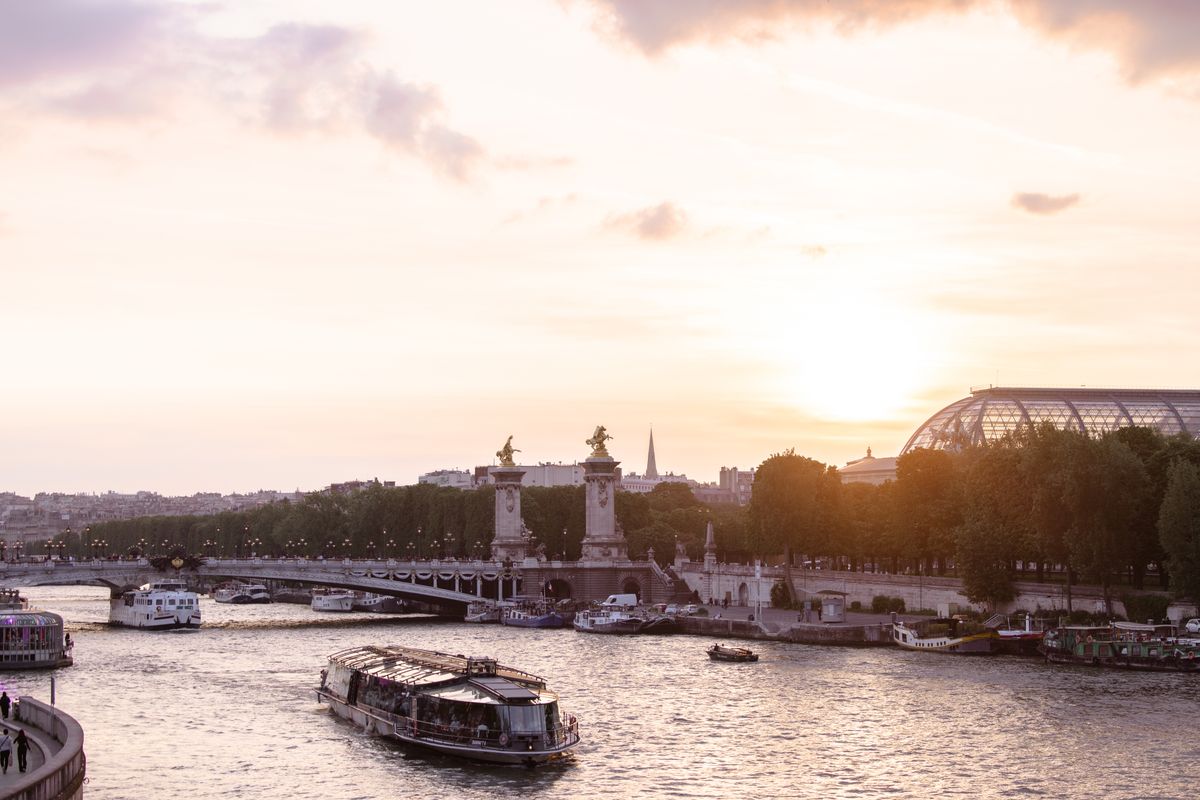
The first day stays on the islands in the middle of the Seine and in the quarter across the water. Start on Ile de la Cite, where the whole city began, then cross to Ile Saint-Louis, far quieter, with a single main street.
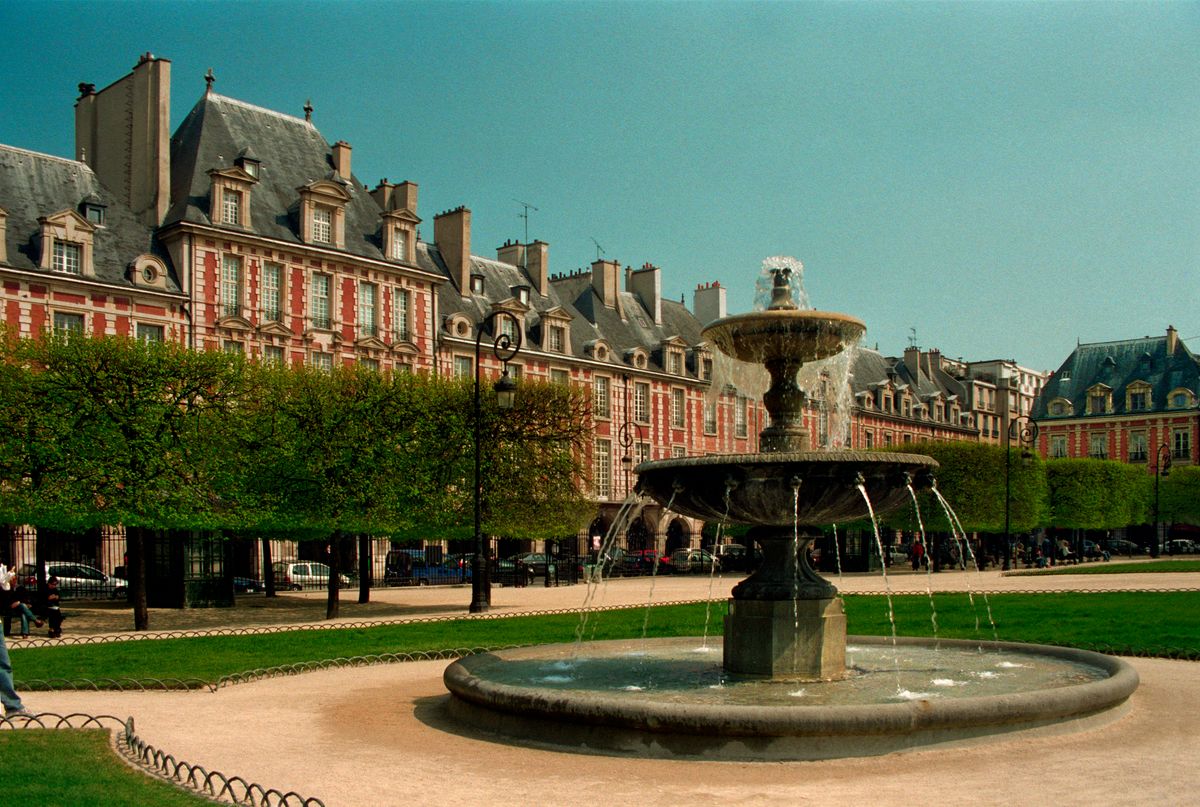
From there you walk into the Marais. The quarter escaped the nineteenth century rebuilding and kept its medieval scale, with narrow streets and low buildings. Place des Vosges, completed in 1612, is the oldest planned square in the city and the best place to stop.

The rest of the afternoon needs no plan. The Marais is walked without a map, and the small shops, galleries and courtyards turn up on their own. In the evening the quarter stays lively late.
Day 2: the Eiffel Tower and the left bank
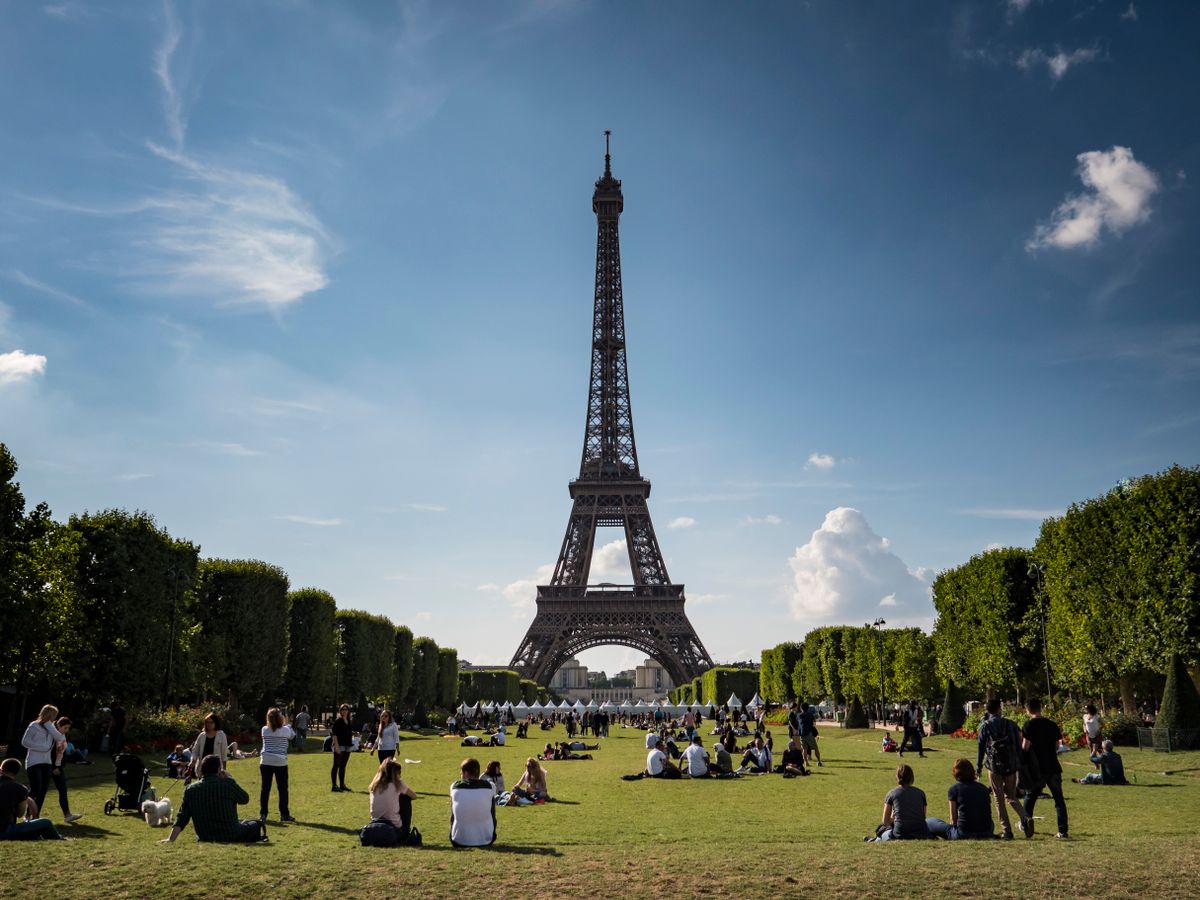
The second day starts early at Trocadero, for the classic view of the Eiffel Tower without the crowd. Then you drop to the Champ de Mars, the park in front of the tower, where Parisians genuinely sit on the grass.
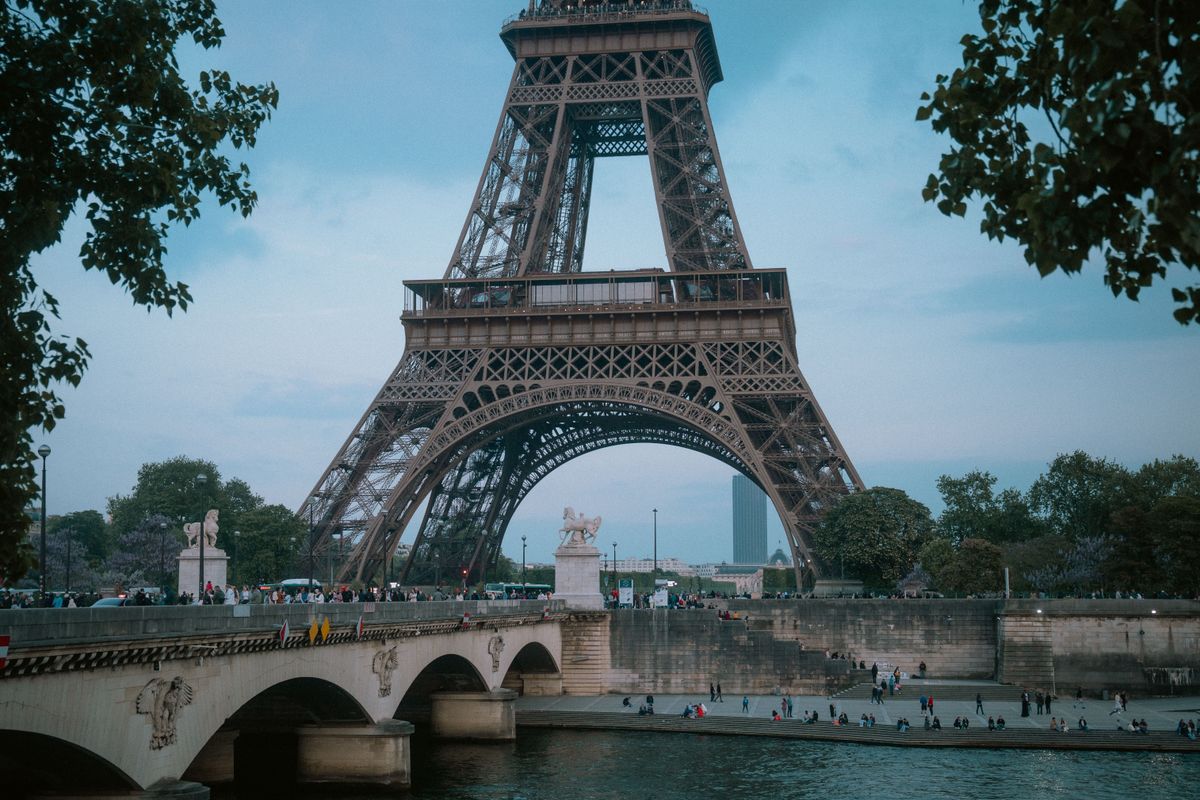
The left bank runs east from there: Les Invalides, then the Latin Quarter, with its sloping streets and small bookshops. This is the university side of the city, the oldest inhabited area on this bank, and food prices are noticeably lower than beside the big sights.
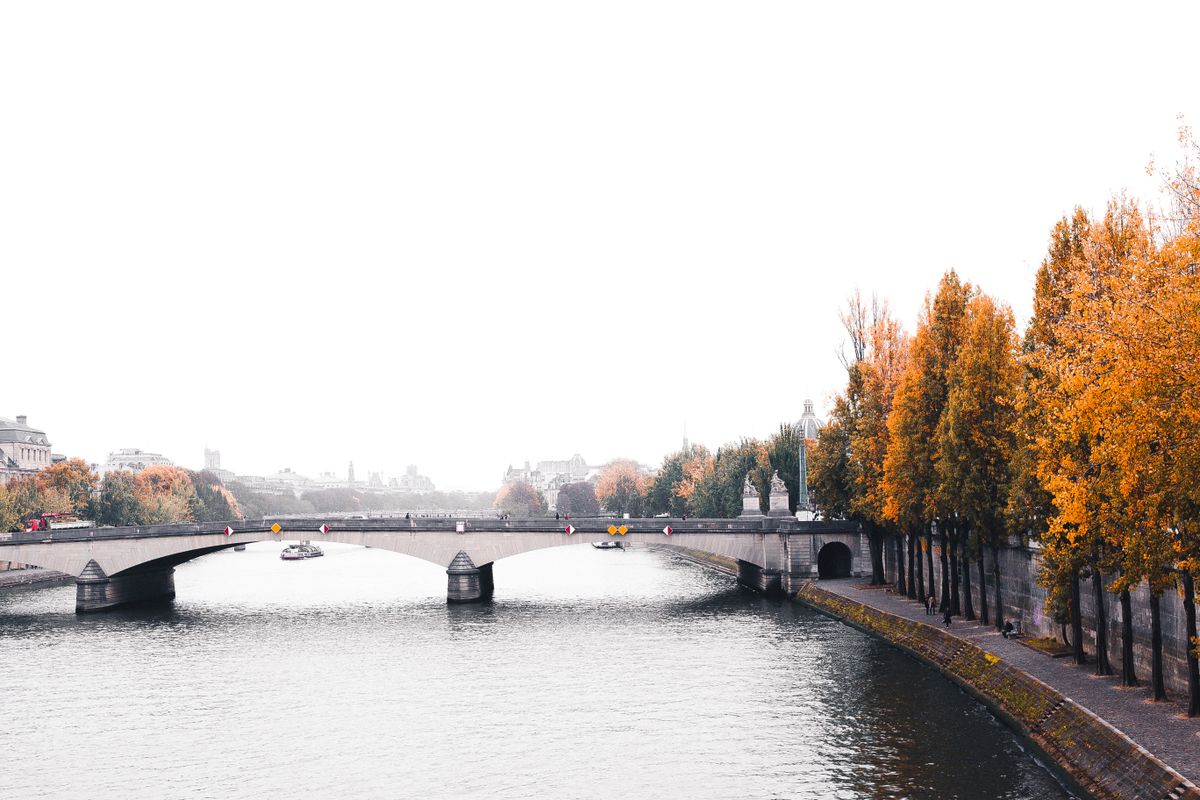
The evening closes on the water. The banks of the Seine have been UNESCO listed since 1991, and the pedestrianised stretches fill up at sunset. The tower sparkles for five minutes on every hour after dark, which is best seen from the bridges.
Day 3: Montmartre and the north
The third day climbs the northern hill. Montmartre was an independent village until 1860, with vineyards and windmills, and the steep slope preserved a structure completely unlike the wide boulevards below.
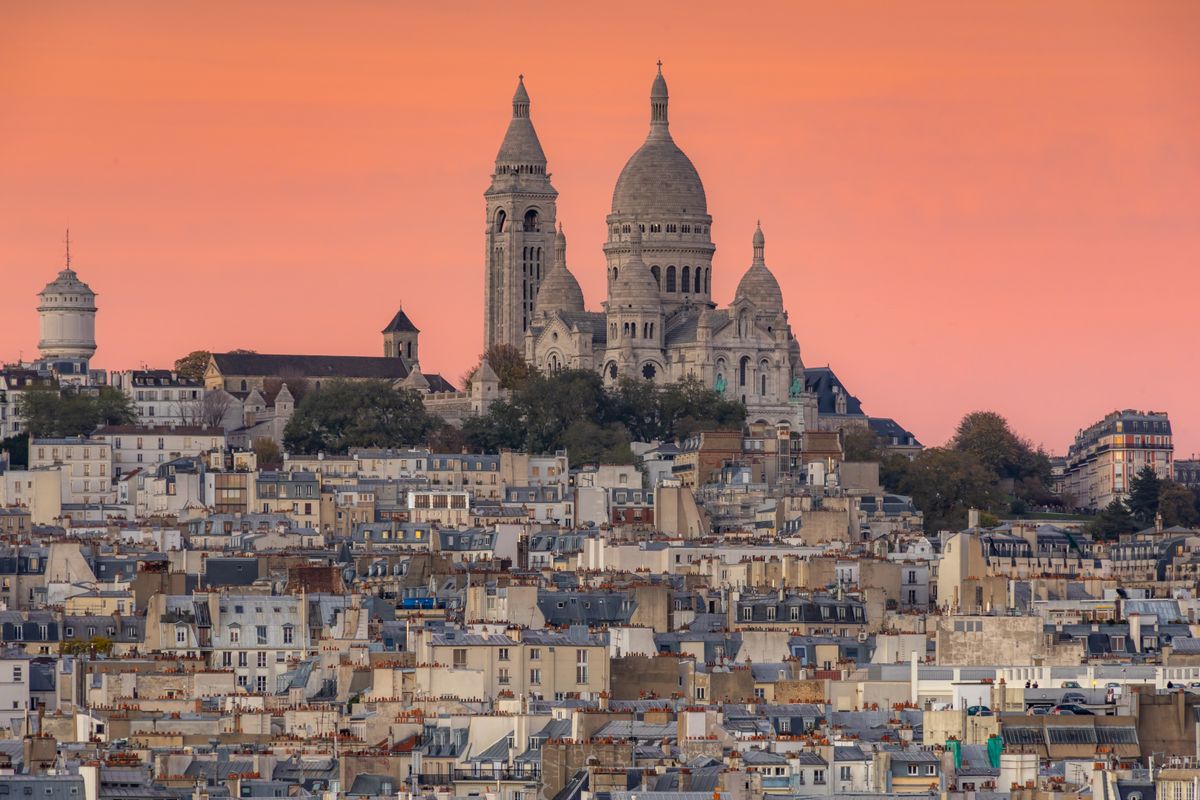
From the steps in front of the basilica you see the whole city, for free. Come before ten, or the steps are full. Place du Tertre, the painters square, is the most touristed piece of the quarter and is crossed quickly.
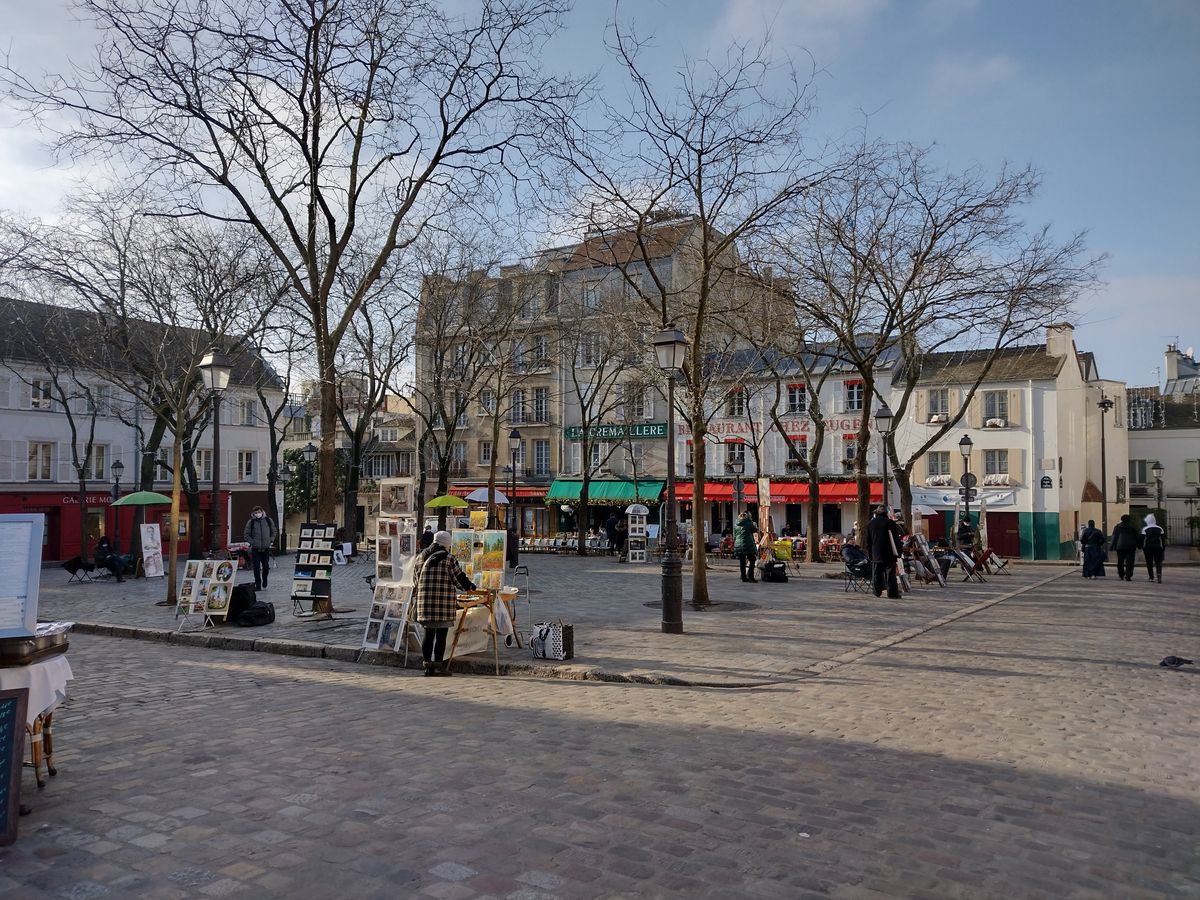
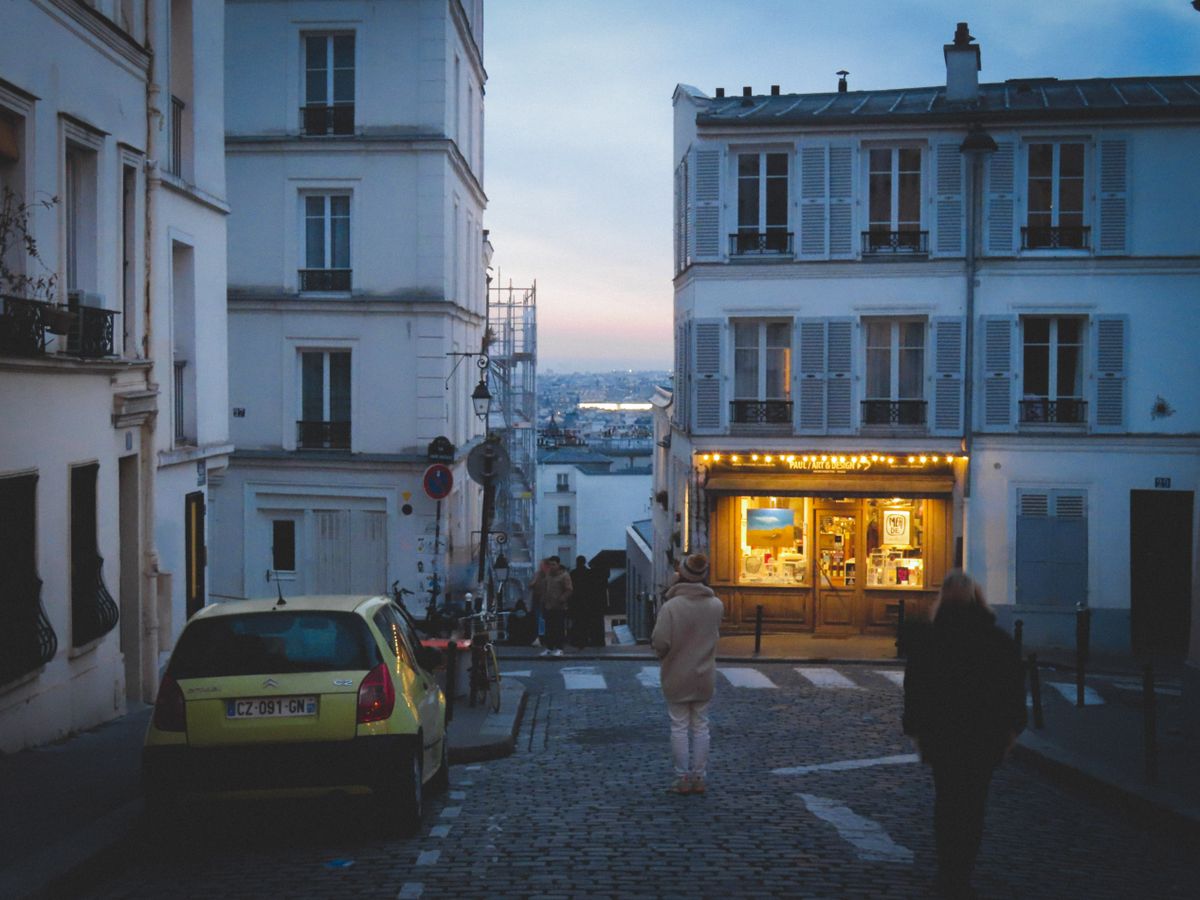
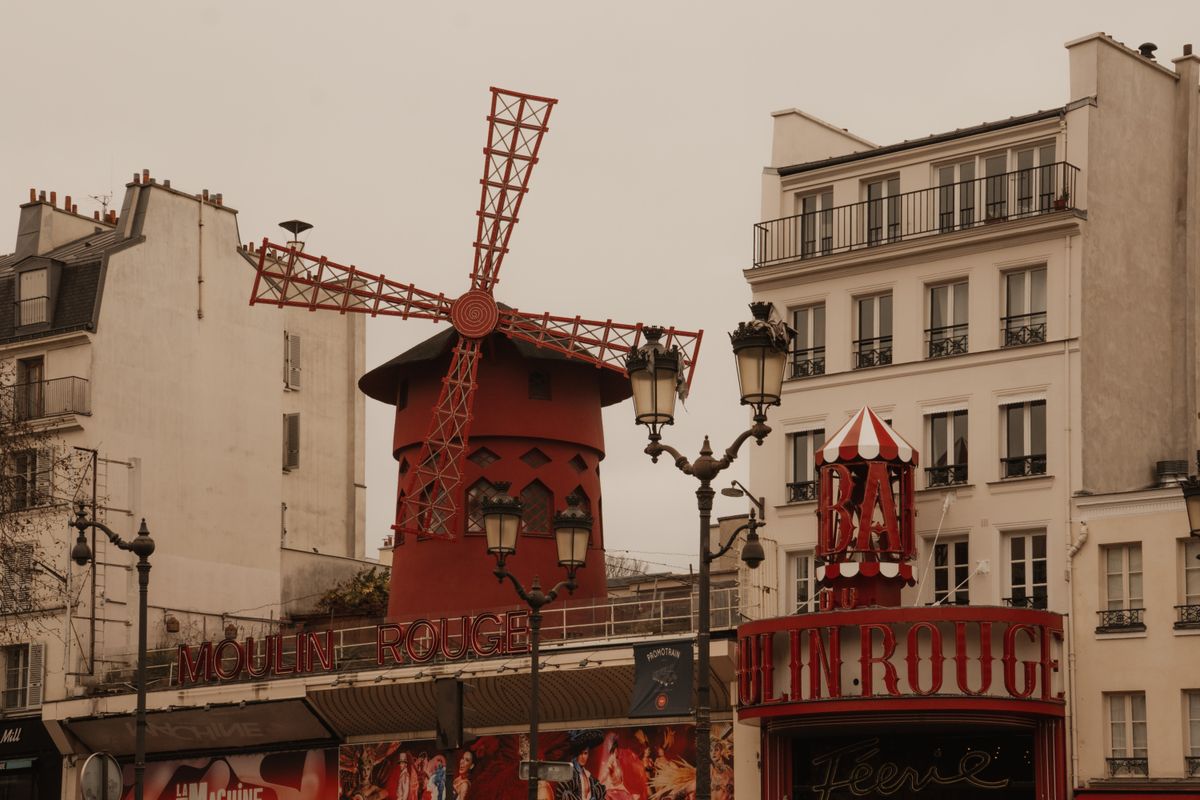
The good part of Montmartre begins a few streets from the square: staircases, houses under wisteria, streets without cars. Towards evening, when the groups leave, it turns back into a residential quarter and the terraces fill with people who live there.
You can ride the funicular up to the basilica, and it runs on the same ticket as the metro, with no separate charge. That is over a hundred steps you do not have to climb.
Day 4: two options, depending on what you want
This is where the character of the trip is decided. The fourth day has two completely different directions, and both are good. Choose one, do not try to combine them.
- Option A, out of the city. Versailles needs a full day: about forty minutes by train from Paris, then the palace and the gardens, which are in fact the better part.
- Option B, the Paris you do not see in three days. Pere-Lachaise cemetery in the morning, then the eastern quarters, the neighbourhood markets and the Canal Saint-Martin. This is the day when the city looks least like a postcard.
If you go to Versailles, book online and start early: the palace fills at midday, and the gardens are at their best in the morning. Current opening times are on the official estate site.
If you take the second option, the eastern quarters need no programme at all. Start at the cemetery, walk down towards the canal, and let the afternoon happen.
Transport, budget and mistakes to avoid
| Item | Detail |
|---|---|
| Walking | 8 to 12 km a day |
| Public transport, 4 days | 30 to 45 euros |
| Train to Versailles, return | around 8 euros |
| Best season | April to June, September to October |
| Museums | many close on Monday or Tuesday |
| Booking | essential for the Eiffel Tower and the Louvre |
The three mistakes that most often spoil a four day stay are: too many sights in one day, no advance booking for the Eiffel Tower and the Louvre, and accommodation chosen on price alone at the far end of the city. The last one is covered separately in the guide to cheap accommodation in Paris by area.
For museum hours and events during your dates, the official source is the city tourist portal. Some museums are free on the first Sunday of the month, which is also the busiest day of the month.
Frequently asked questions (FAQ)
Conclusion
Four days in Paris does not mean four days of sights. It means three days of sights and one day of city. Organised into areas that link on foot, the itinerary runs without rushing and without hours lost underground.
Book the Eiffel Tower and the Louvre, decide in advance between Versailles and the eastern quarters, and leave at least one afternoon entirely unplanned. That is the one you will remember.
