
 By

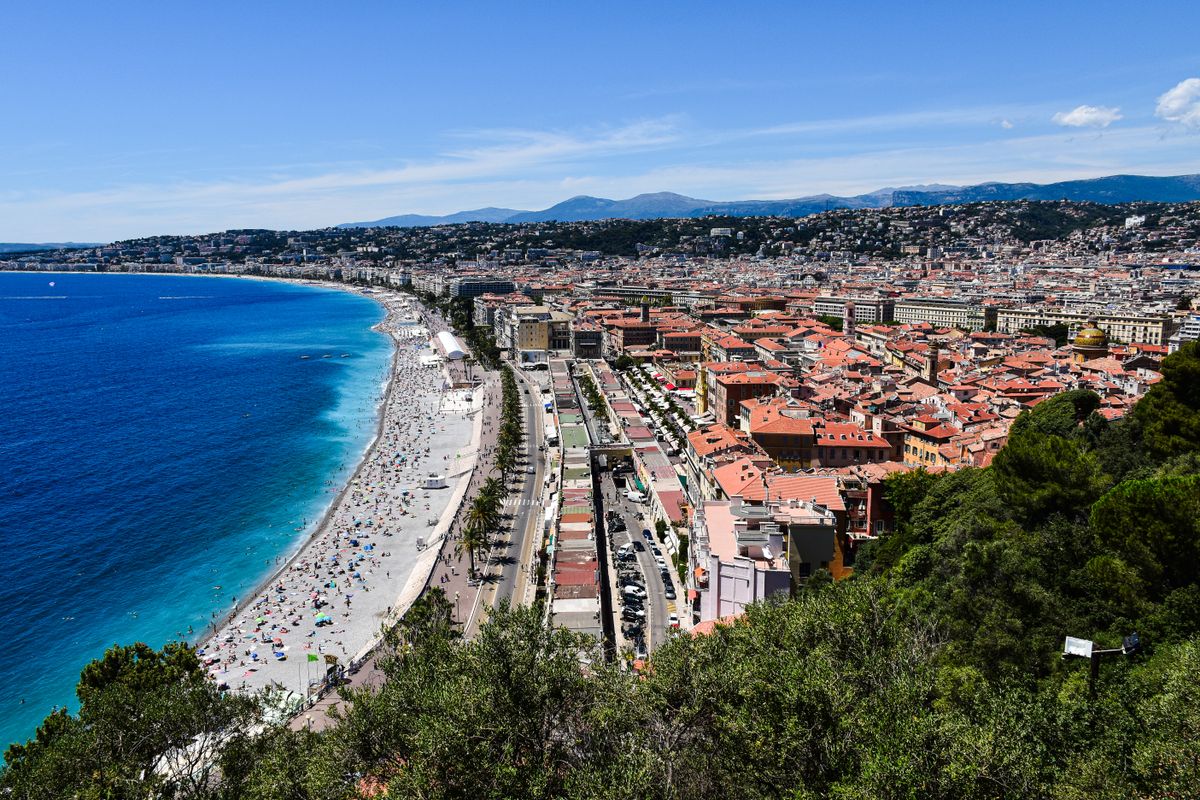
The French Riviera has a rare advantage: everything is close. Nice, Cannes and Monaco sit under an hour apart, the roads run along the sea, and the three towns are so different from one another that you never feel you are visiting the same place three times. By car, a route linking all of them fits comfortably into four or five days.
How the three towns connect, how long to spend in each, where to park, what it costs and what to add if you have extra days.
The French Riviera route, in brief
The coast runs roughly from Saint-Tropez to the Italian border, and the dense stretch holding everything that matters covers some seventy kilometres. Nice is the largest town and the natural starting point, because it has an international airport and the widest choice of accommodation.
| Route | Distance | Time |
|---|---|---|
| Nice to Monaco | about 22 km | 30-45 minutes |
| Nice to Cannes | about 33 km | 45-60 minutes |
| Cannes to Saint-Tropez | about 90 km | 1 hour 30 minutes |
| Nice to Eze | about 12 km | 25 minutes |
| Monaco to Menton | about 15 km | 25 minutes |
| Nice airport to the centre | about 7 km | 15-20 minutes |
Three parallel roads run between Nice and Monaco, called the corniches, at different heights. The upper one, the Grande Corniche, has the most spectacular views and the least traffic. The lower one runs along the water and is the busiest. Take one on the way out and the other coming back.
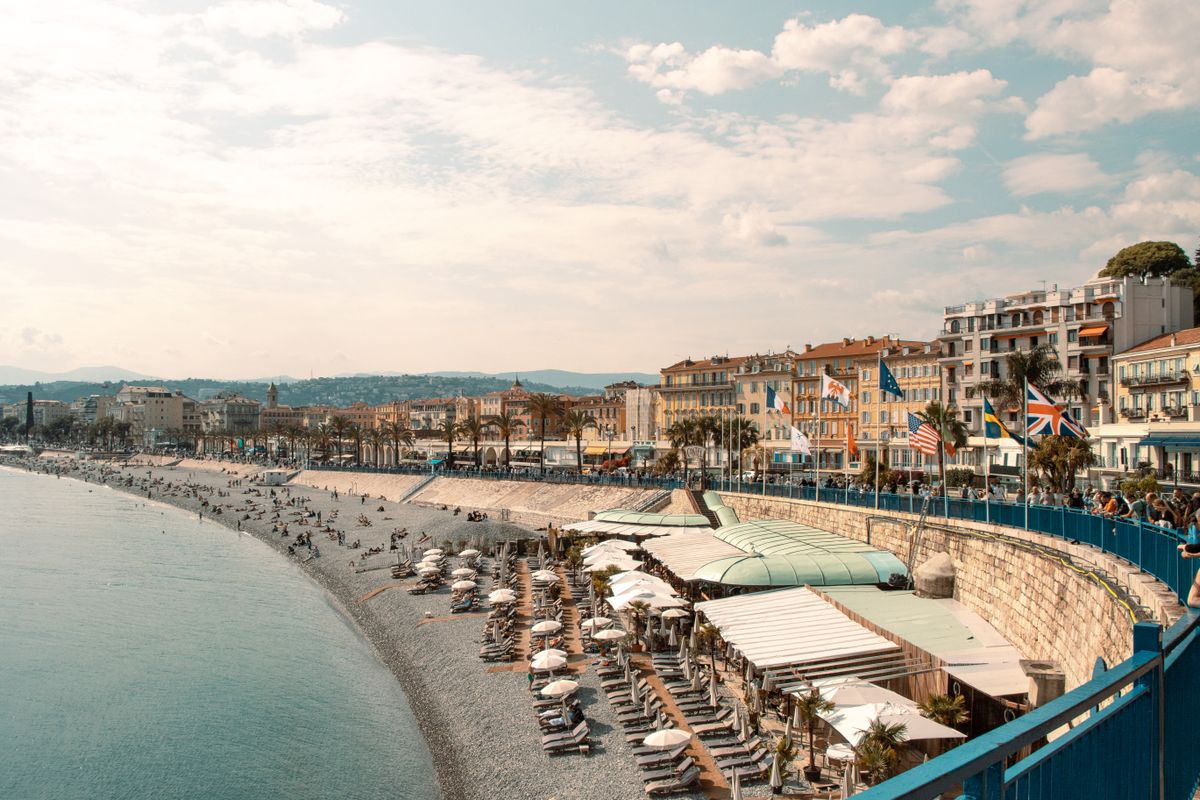
In the centre of all three towns the car is a liability: parking runs two to four euros an hour and summer traffic is slow. Park in an underground garage at the edge of the centre and walk. Between the towns, on the other hand, the car gives you the hill villages the train never reaches.
Nice: the base for the route
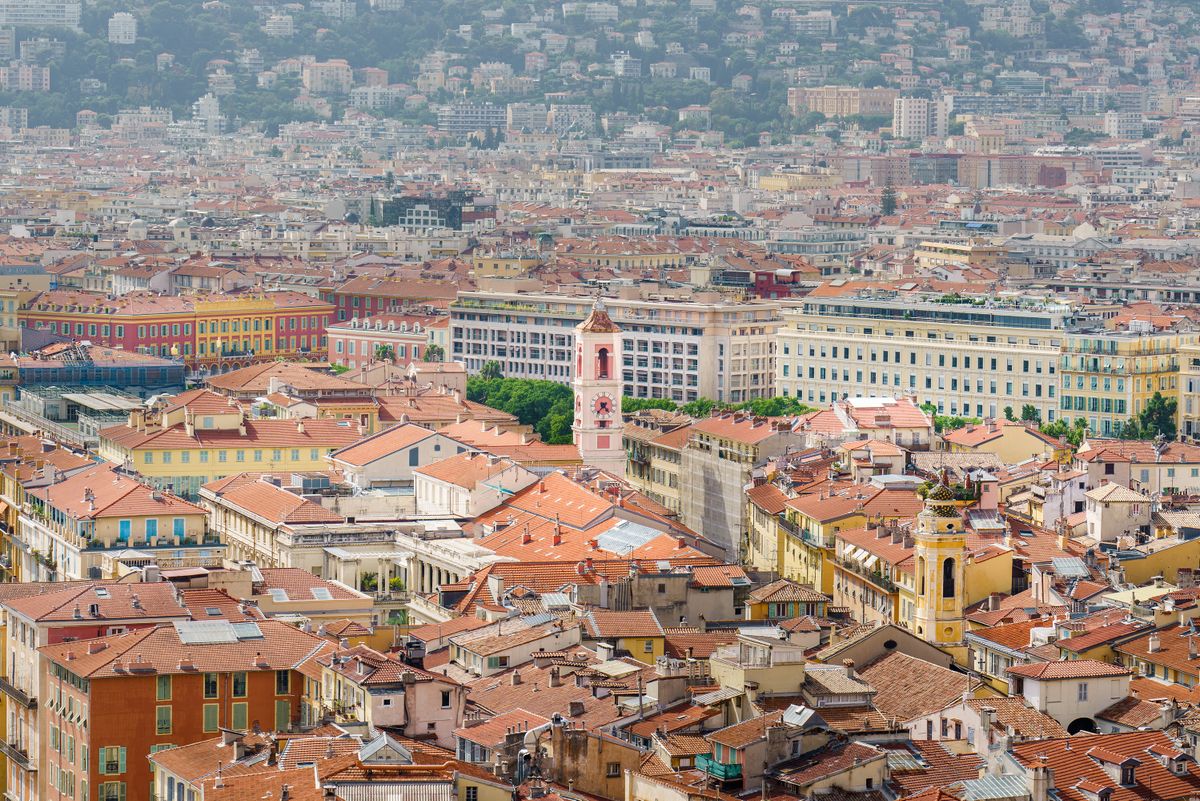
Nice has nearly three hundred and fifty thousand residents and functions as a real city rather than a resort. That means more reasonable prices, restaurants that do not live on tourists alone, and life outside the season too.
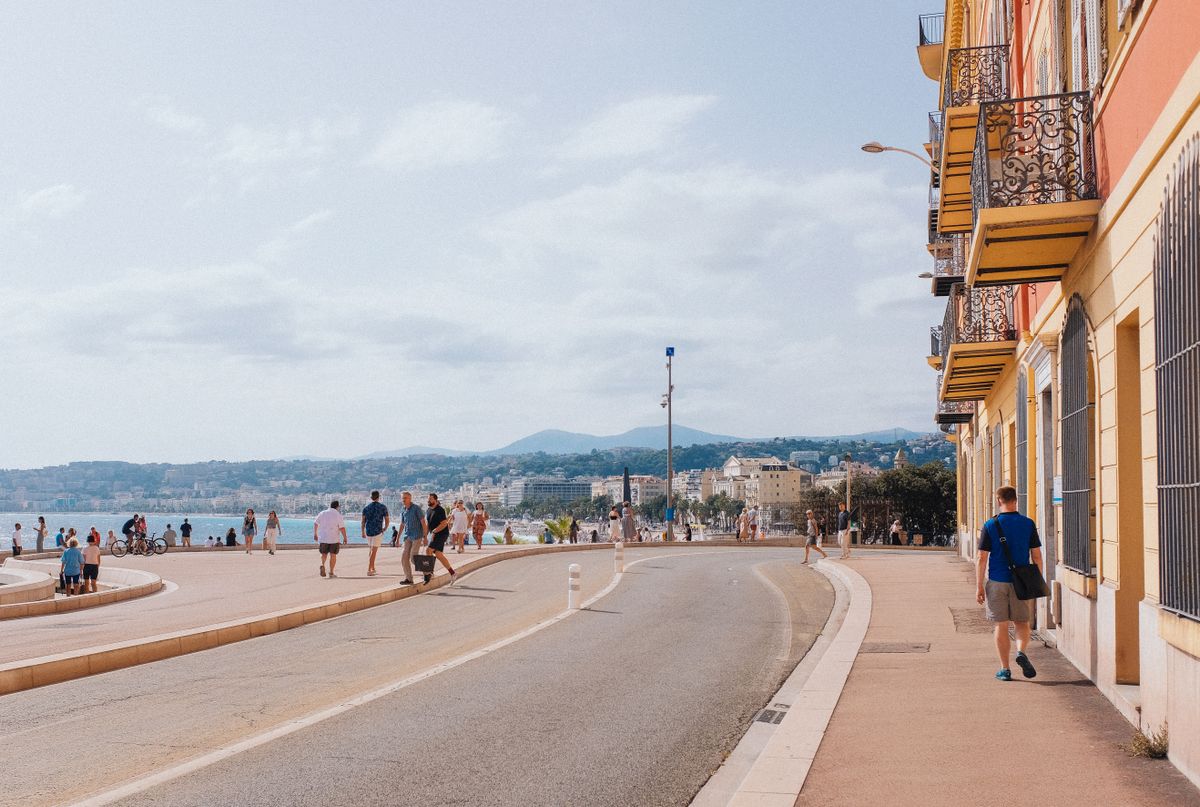
The Promenade des Anglais runs for almost seven kilometres and is where everyone walks, morning and evening. The beaches are round pebbles rather than sand, which often surprises first-time visitors. Beach shoes are not optional.
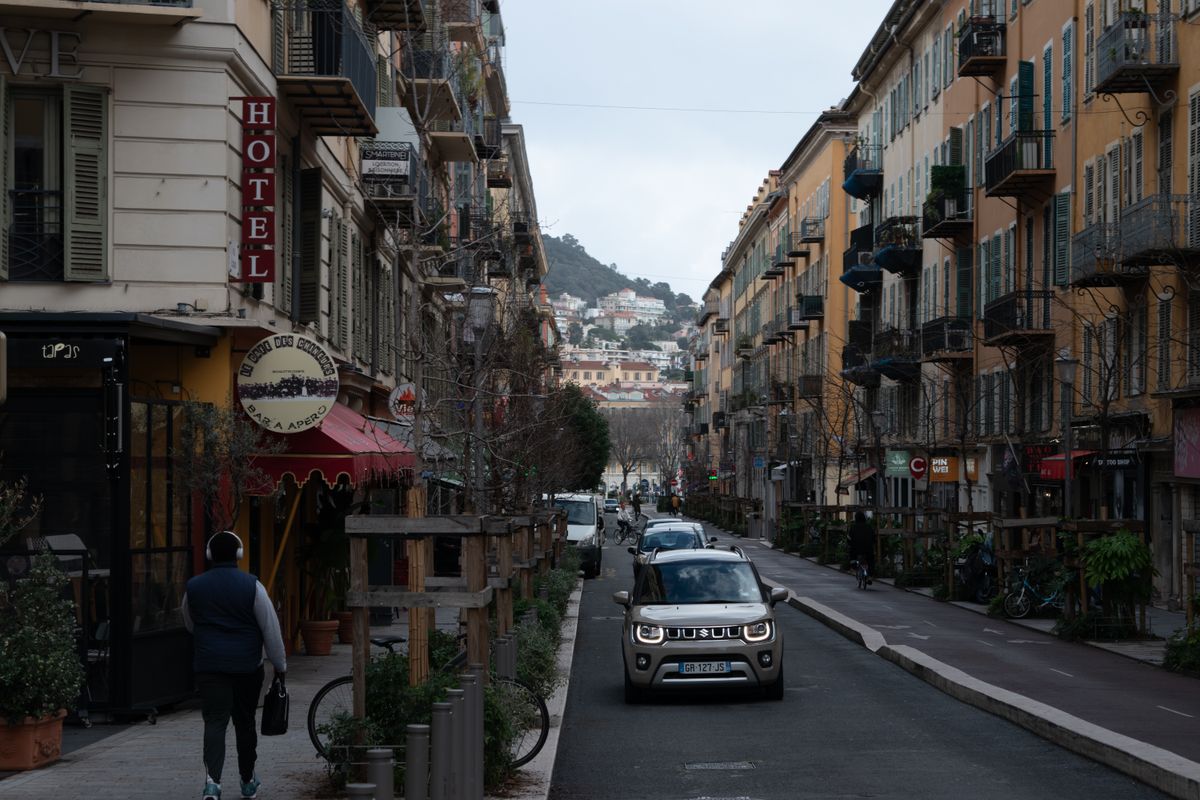
The old town, Vieux Nice, is a maze of narrow car-free streets with the Cours Saleya flower market at its centre. From Castle Hill, at the eastern end, you see the whole bay, and the climb is free, either up the steps or by lift.
Two days are enough for the town. Museum opening times and events are listed on the regional tourist portal.
Cannes: two towns in one
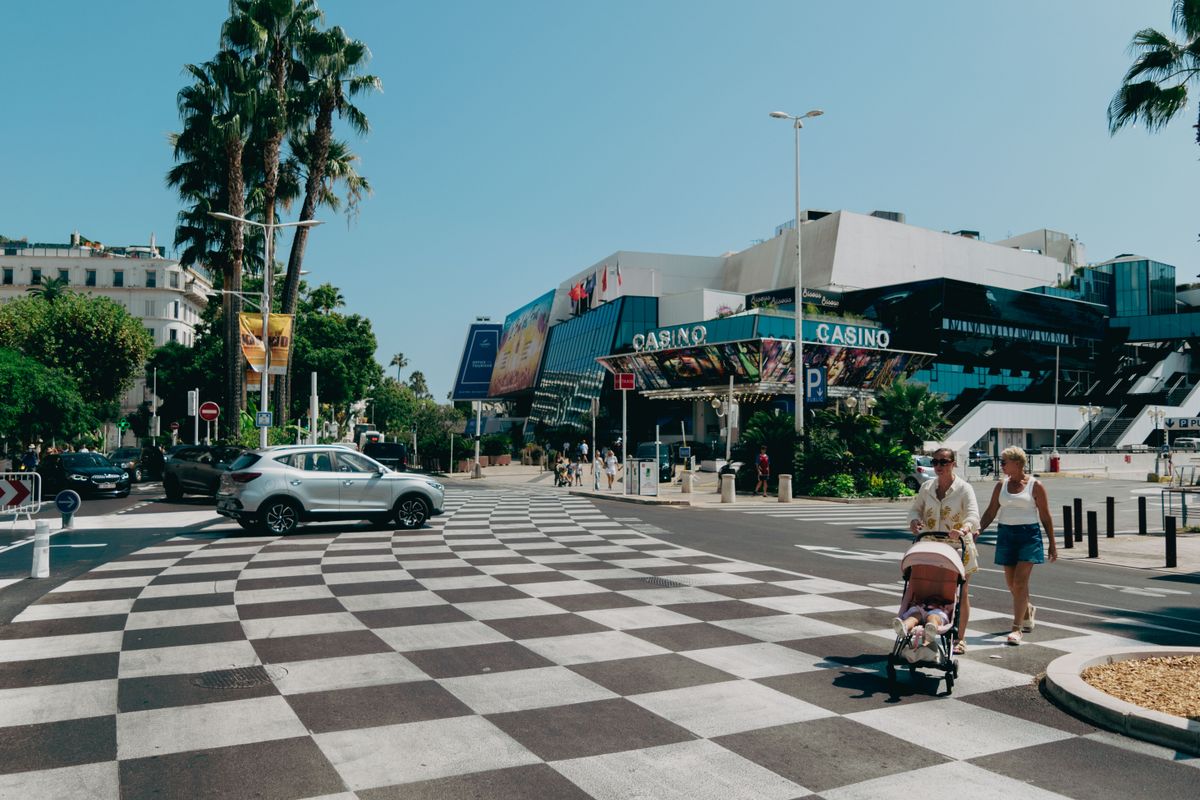
Cannes carries a reputation for luxury that puts many visitors off, but the reality is split in two. The Croisette boulevard concentrates the big hotels, the expensive shops and the private beaches. A few hundred metres uphill, another town begins.
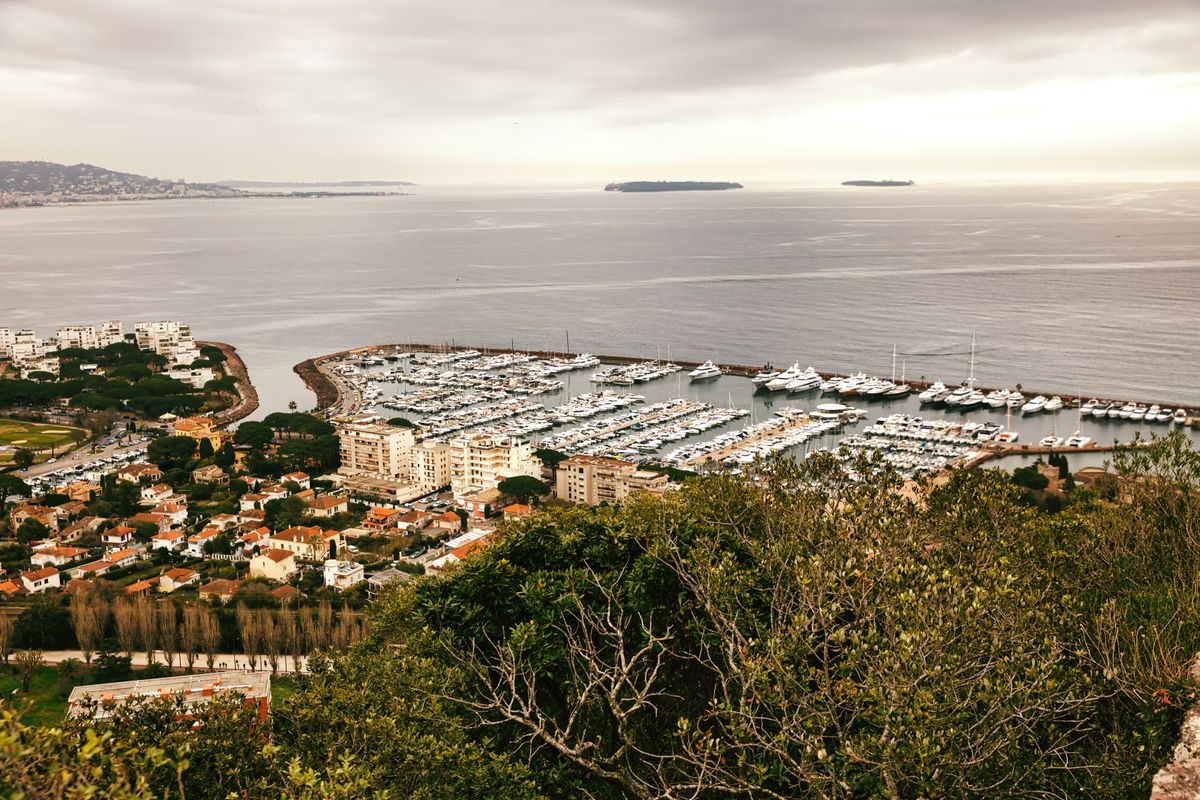
Le Suquet, the old town on the hill, has steep streets, plain houses and restaurants at normal prices. From the top you see the whole bay and the Lerins islands. This is the part of Cannes most visitors miss entirely.
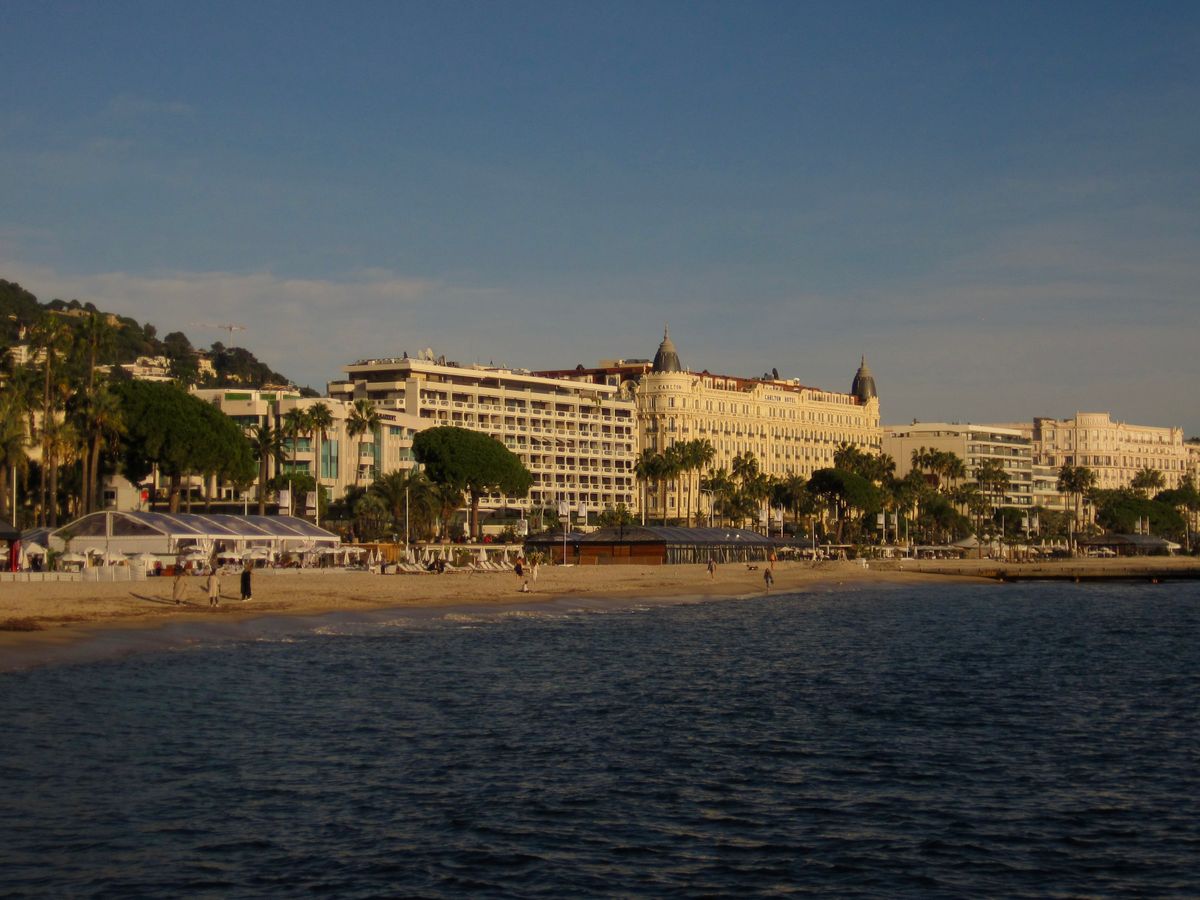
The private beaches on the Croisette cost between twenty and fifty euros a day for a lounger, but there are free public beaches between them, less obvious. The Lerins islands, fifteen minutes away by boat, have clear water, a working monastery and almost no building.
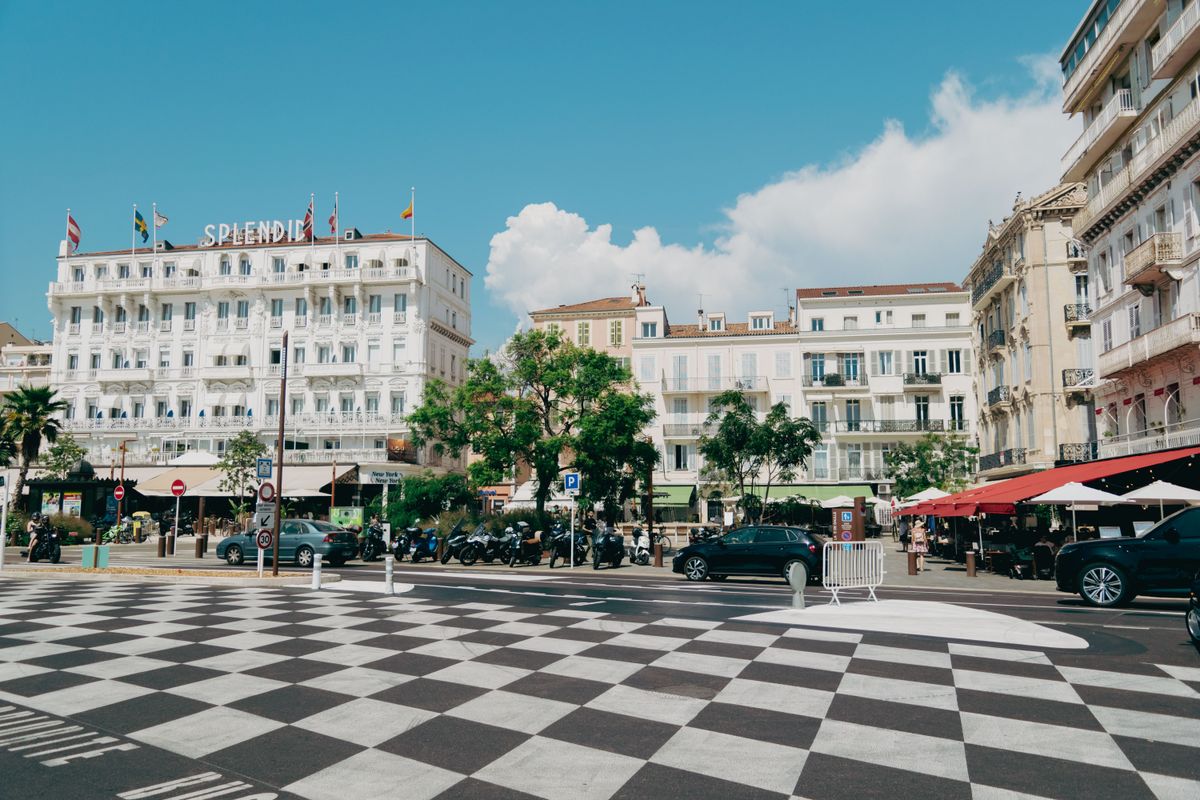
A day is enough for Cannes, two if you add the islands. Ferry information and events are on the town tourism site.
Monaco: one day is enough
Monaco covers two square kilometres, which means it can be walked from end to end in a day, provided you accept the climbs. The state is built on a steep slope, and the height difference is handled by free public lifts scattered through the city.
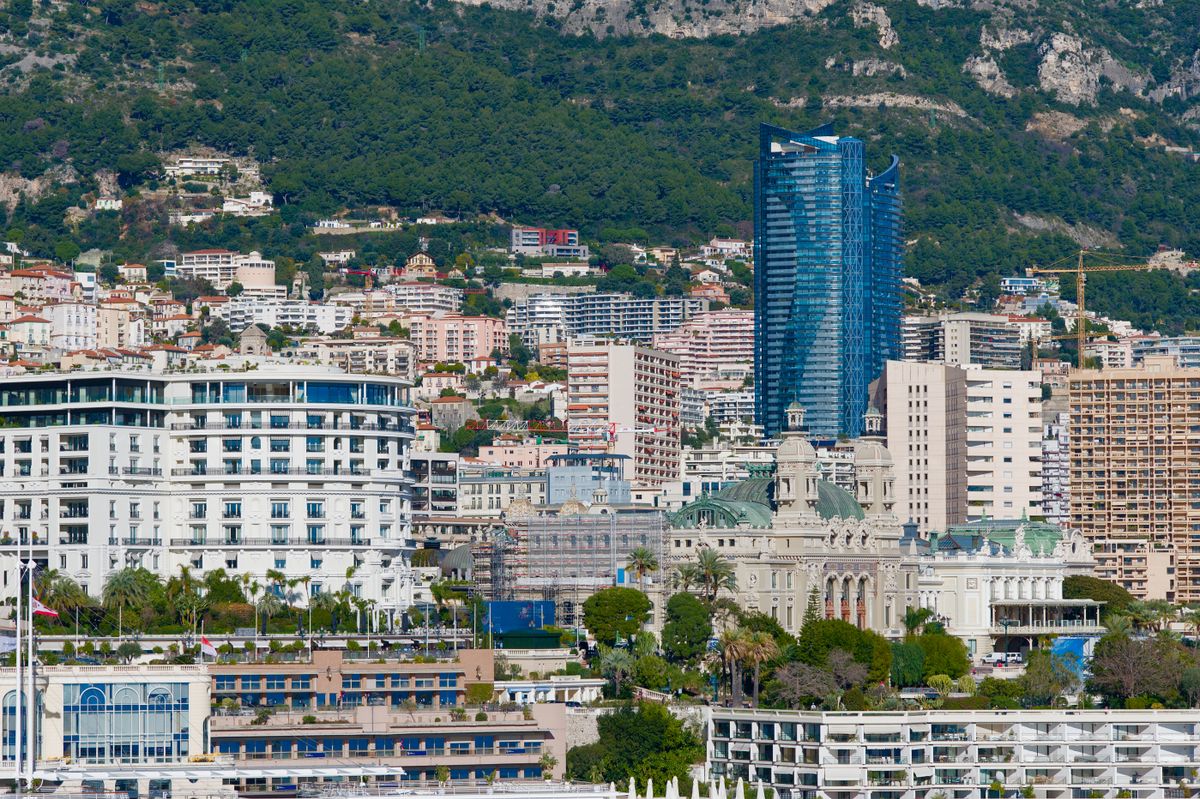
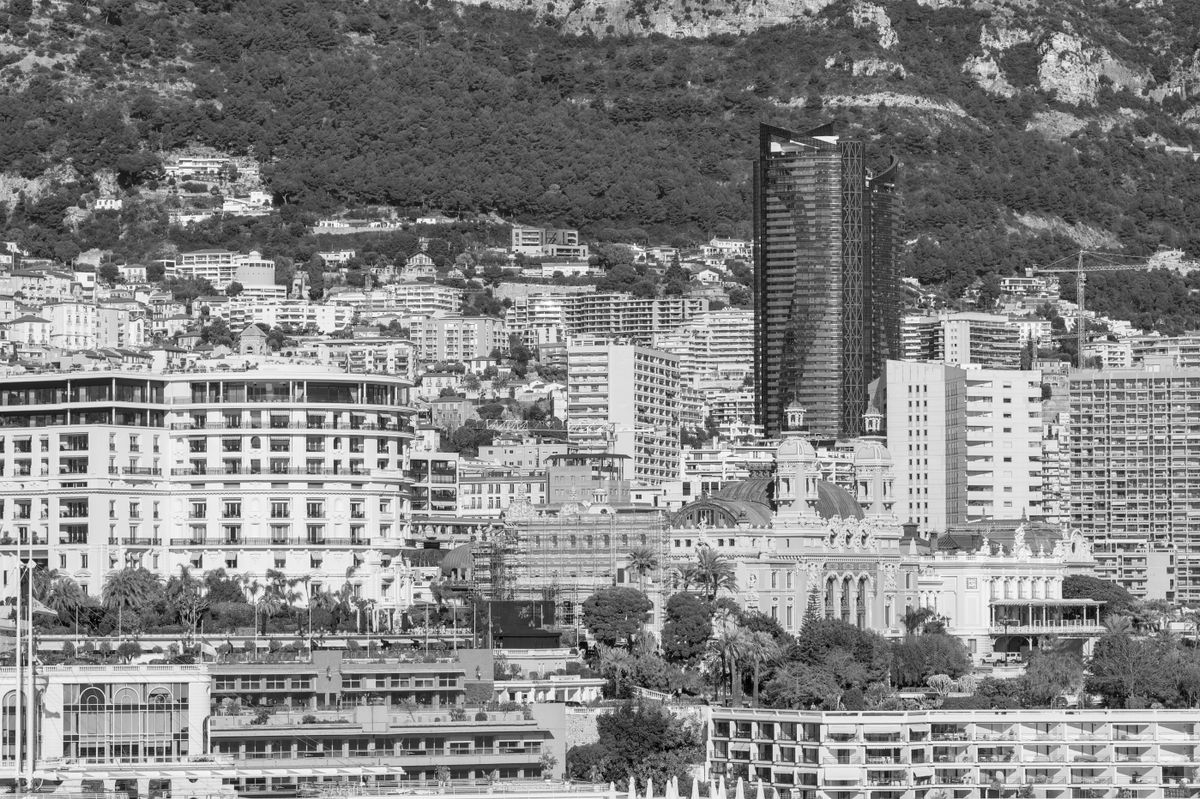
The rock, Le Rocher, holds the old town, the princely palace and the cathedral. The changing of the guard takes place at midday in front of the palace. Monte Carlo, the quarter with the casino, sits on the other side of the harbour.
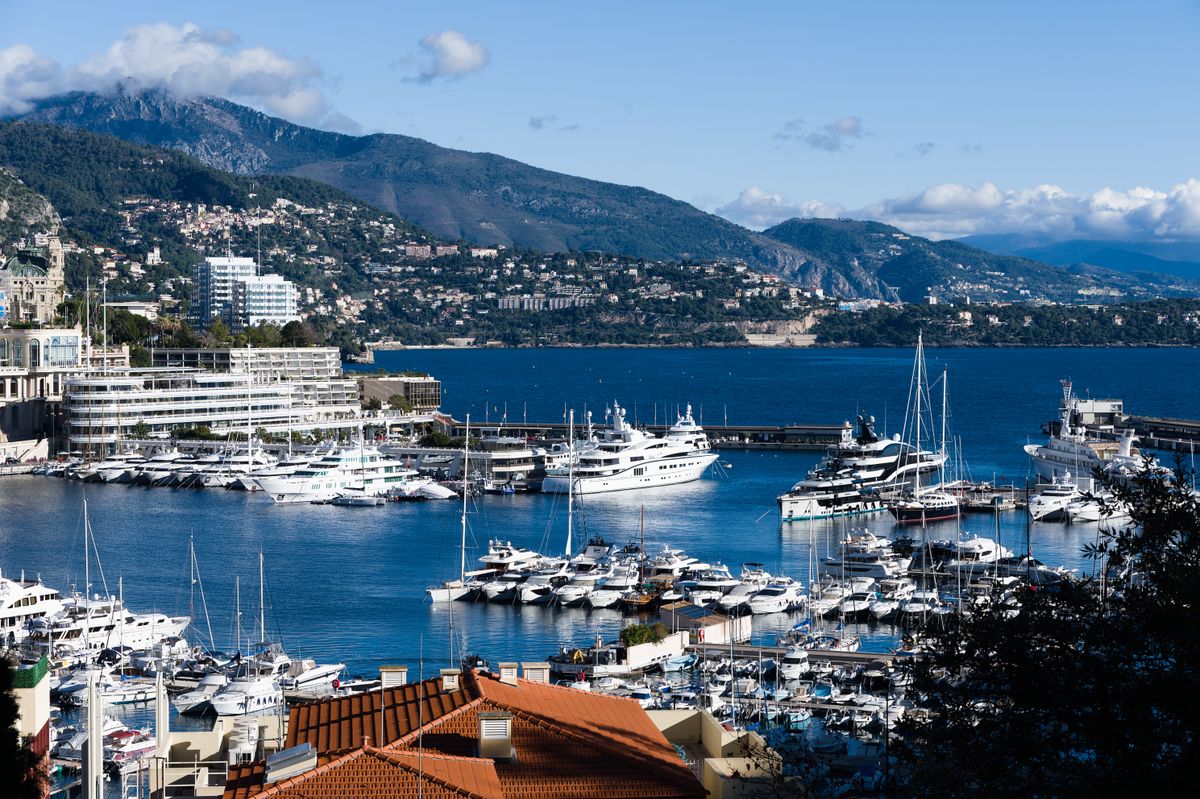
The casino can be visited without gambling, for an entry fee, in the morning. There is a dress code and an age limit of eighteen. Port Hercule, the yacht harbour between the two districts, is where every visitor ends up, and rightly so.
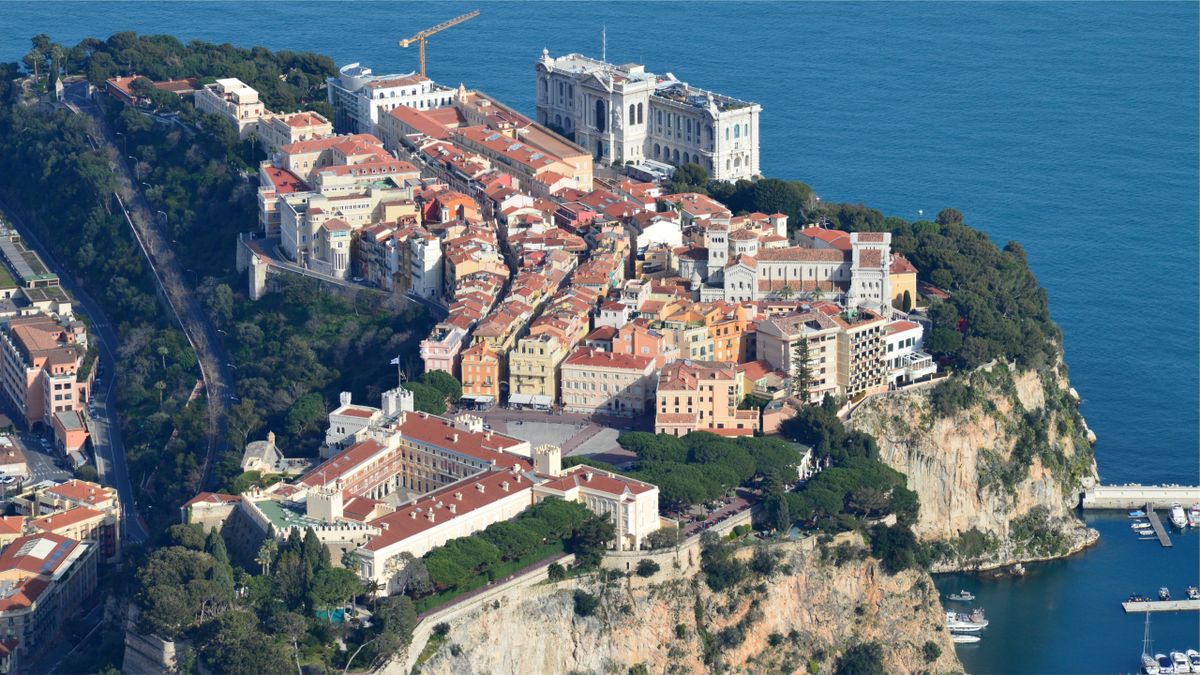
Parking is expensive and hard to find, and traffic is heavy. Leave the car in Nice or in Beausoleil, the French town right against the border, and come in by train or bus. The train from Nice takes about twenty five minutes and costs a few euros.
What it costs, when to go and what to add
The Riviera is expensive in July and August and surprisingly affordable in May, June and September, when the sea is already good and prices drop noticeably.
| Category | Amount |
|---|---|
| Accommodation, low season | 90-140 euros a night |
| Accommodation, July-August | 160-260 euros a night |
| Car hire | 35-60 euros a day |
| Fuel and tolls | 60-90 euros total |
| Parking | 15-25 euros a day |
| Food | 60-100 euros a day |
With extra days, the natural extension runs west, towards Saint-Tropez, an hour and a half from Cannes. Eastwards, the villages along the corniche roads are worth just as much: Eze, in particular, sits on a rock several hundred metres above the sea.
In August, traffic on the coast road can double the times in the table above, and the central car parks fill by ten in the morning. That is the one serious argument for avoiding the month.
Frequently asked questions (FAQ)
Conclusion
Nice, Cannes and Monaco are three entirely different places less than an hour apart: a real city, a resort with two faces, and a state of two square kilometres. The route linking them is short, and the corniche roads are half the pleasure.
Take the car for the distances between them and leave it in a garage in each town. Come in May, June or September, and add a day for the villages on the heights.
