
 By

A rail pass looks like unlimited travel and is not quite. The Interrail pass gives you access to most of the European rail network, but on a growing number of trains you still pay a compulsory reservation on top, and that is where the budget goes wrong.
What the passes are, how travel days work, the reservation trap explained properly, when a pass is worth it and three routes you can copy.
What an Interrail pass actually is
They are the same product with two names. Interrail is sold to residents of Europe, Eurail to everyone else. Both give access to the national rail networks of around 33 countries.
One important limit: with an Interrail pass you get a restricted number of journeys in your own country of residence, usually two, so it is not a way to travel cheaply at home.
The types of pass
- Global pass: all participating countries, the standard choice for a multi country trip.
- One country pass: cheaper, and often the better buy for Italy, Spain, Germany or Norway alone.
- Flexi: a number of travel days used within a longer window, for example 7 days within a month.
- Continuous: unlimited travel for a fixed block, for example 15 days straight, which suits fast moving trips.
- Youth, adult and senior pricing, with a discount under 28 and over 60.
- First and second class, where first class is rarely worth the difference on regional trains.
Travel days and the night train rule
A travel day runs from midnight to midnight and you can take as many trains as you like within it. This is why sensible planning groups several short hops onto one day rather than spreading them out.
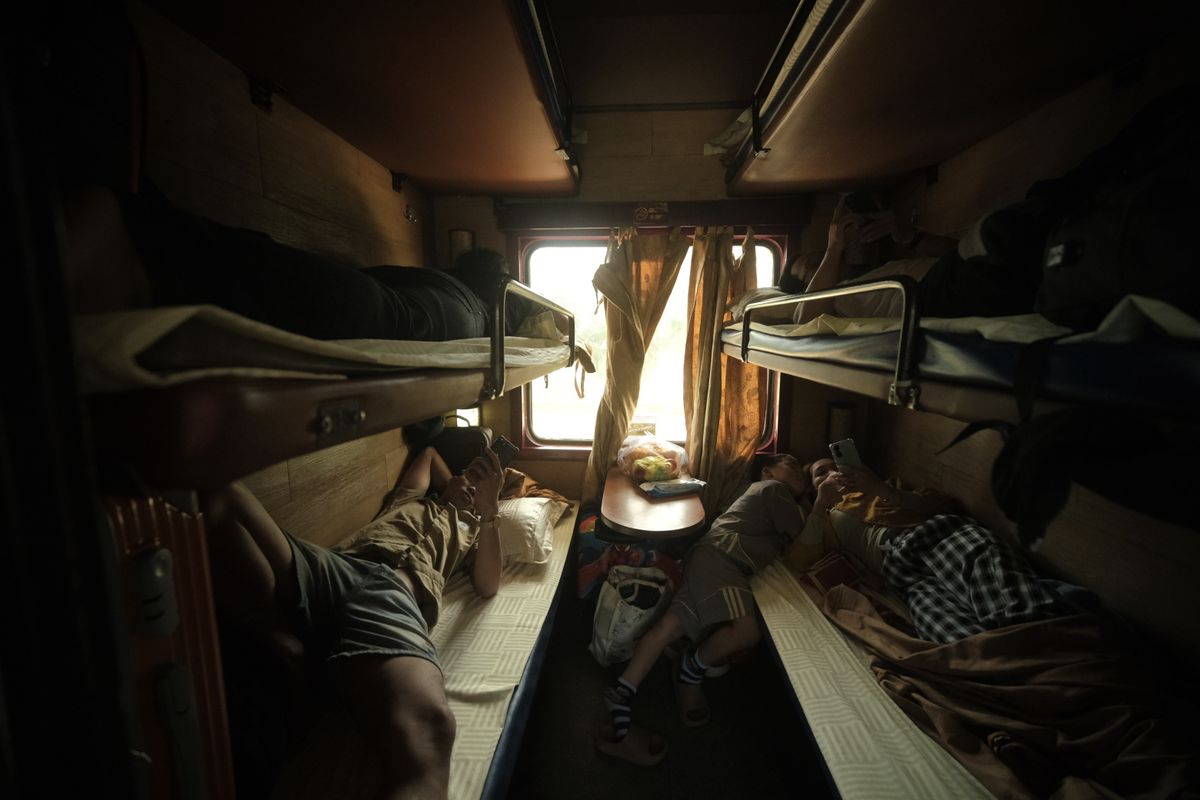
Night trains have their own rule: if you board after 7pm on a direct train that arrives the next day, the journey generally uses only the first day, not both. That makes overnight trains double value, saving a travel day and a hotel night at once.
The reservation trap
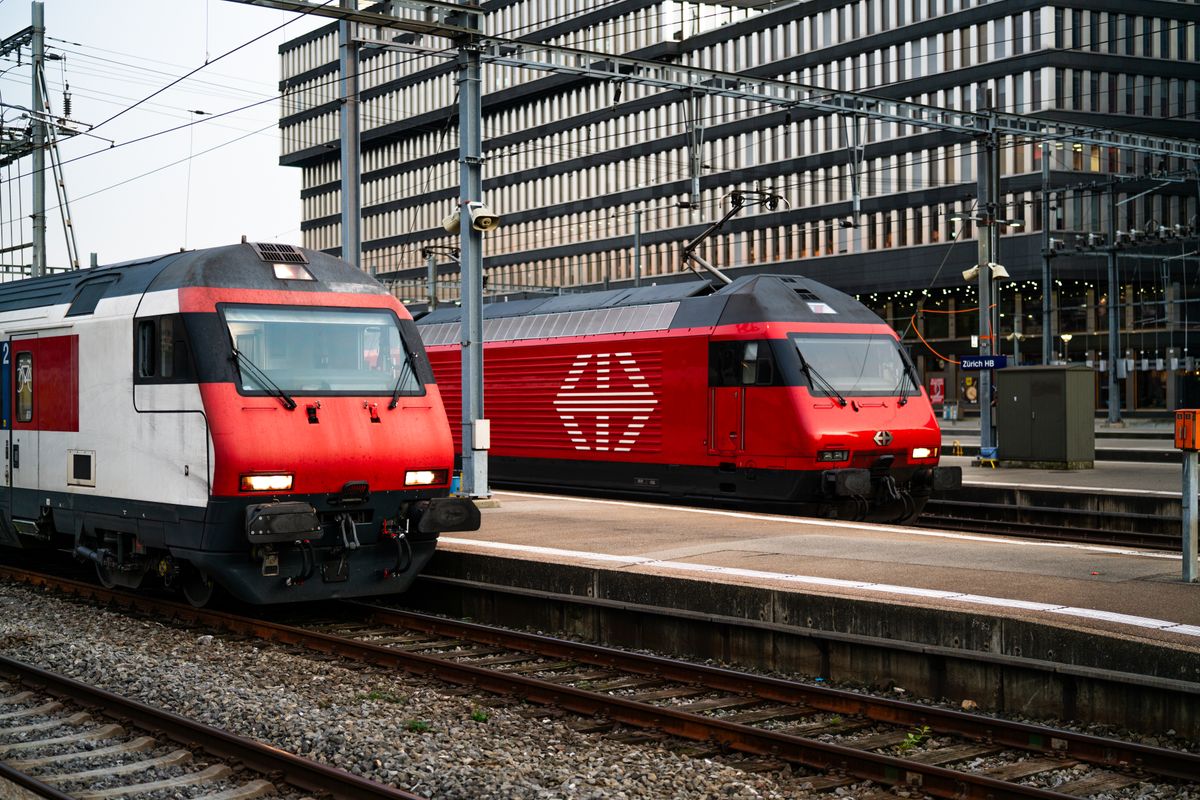
This is the part that surprises everyone. In Germany, Austria, Switzerland, the Czech Republic and most of eastern Europe, you board regional and intercity trains with the pass and nothing else. That is what the pass was designed for.
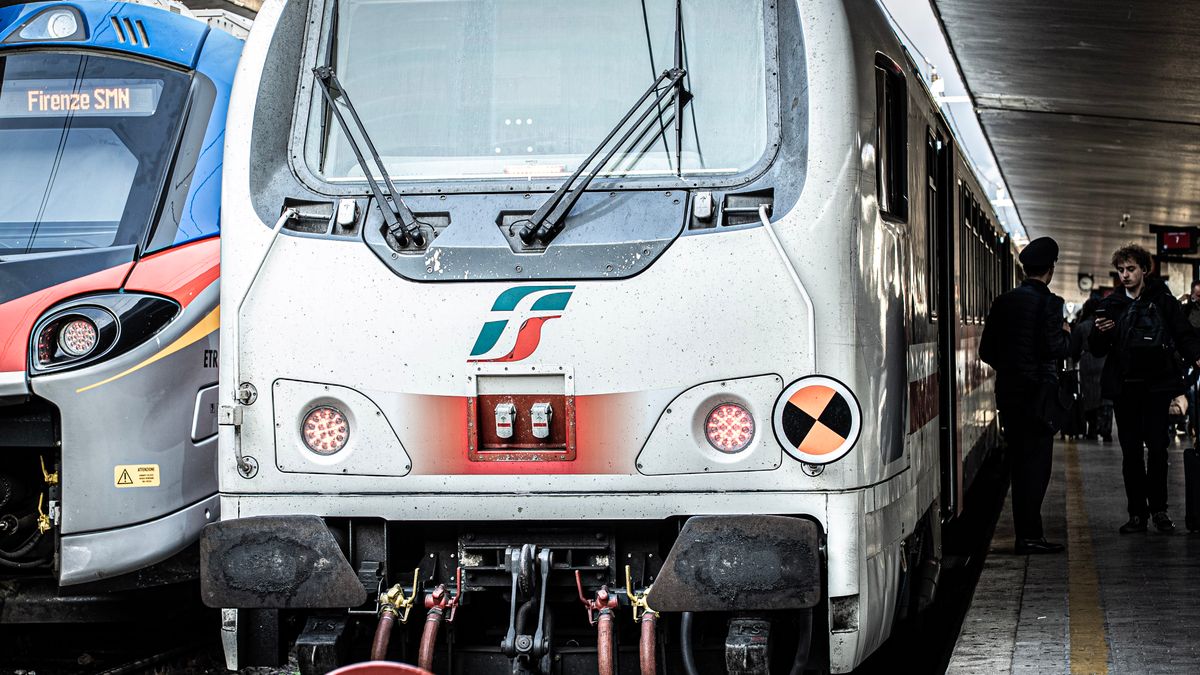
In France, Spain, Italy and Portugal, the high speed trains require a paid seat reservation on top of the pass, typically between 10 and 30 euros, and the quota of pass seats on each train is limited. On busy routes they sell out weeks ahead.
Build the route through countries where reservations are not required, and take slower regional trains where they are. Milan to Venice on a regional train costs nothing extra with a pass and takes an hour longer than the fast one. On a two week trip that habit saves more than a hundred euros.
When a pass is worth it and when it is not
A pass wins when you are moving often, when you want the freedom to change plans, when you travel in countries with high walk up fares like Switzerland and Norway, and when you use night trains.
It loses when you have a fixed itinerary booked months ahead, because advance point to point tickets in Germany, Italy and Spain can be extremely cheap, and when your route runs mainly on French or Spanish high speed lines where you pay reservations anyway.
Three routes you can copy
| Route | Shape |
|---|---|
| Central Europe | Berlin, Prague, Vienna, Budapest, Krakow |
| Alpine | Zurich, Lucerne, Interlaken, Milan, Tirano, Bernina |
| Mediterranean | Barcelona, Marseille, Nice, Genoa, Rome, Naples |
| Reservations needed | few, several, many, in that order |
| Best pass | 7 in 1 month flexi for all three |
| Night trains | Vienna to Rome, Munich to Venice, Paris to Nice |
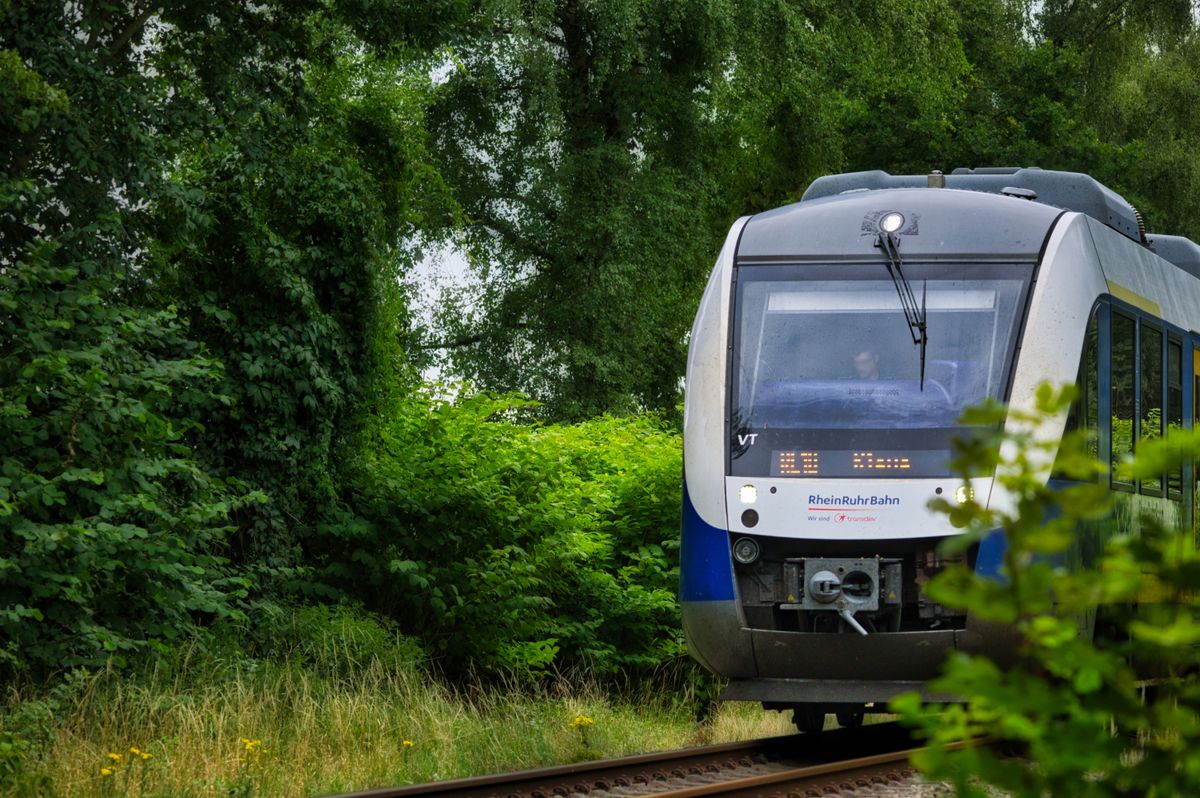
Practical advice
The pass is now a mobile ticket in an app, and you activate each journey before boarding. Keep a screenshot and a charged phone, because a dead battery means travelling without a valid ticket.

Pack light. Almost no European train has a proper luggage system, and a large case in a busy carriage is the fastest way to make enemies. Pass conditions are published on the official Interrail site, and route and reservation details are documented in detail at the Man in Seat 61.
Frequently asked questions (FAQ)
Conclusion
A rail pass is a very good deal for people who move often and a poor one for people with a fixed plan booked months ahead. Which of those you are decides everything.
Route through the reservation free countries, take the slow trains where the fast ones charge, use night trains, and keep the phone charged.
