
 By

London in 3 days has one feature that completely changes the budget: almost all the great museums are free. The British Museum, the National Gallery, Tate Modern, the Natural History Museum, all of them. What costs money is the private attractions, the transport and the food, and those are far easier to control than most people expect.
What you see on each of the three days, what is free and what is not, how transport works and what it honestly costs.
Day 1: Westminster and the South Bank
The first day covers the classic image of the city. The Palace of Westminster, with the Elizabeth Tower housing the bell known as Big Ben, stands directly on the Thames. Big Ben is the name of the bell, not the tower, a confusion so widespread it has become effectively accepted.
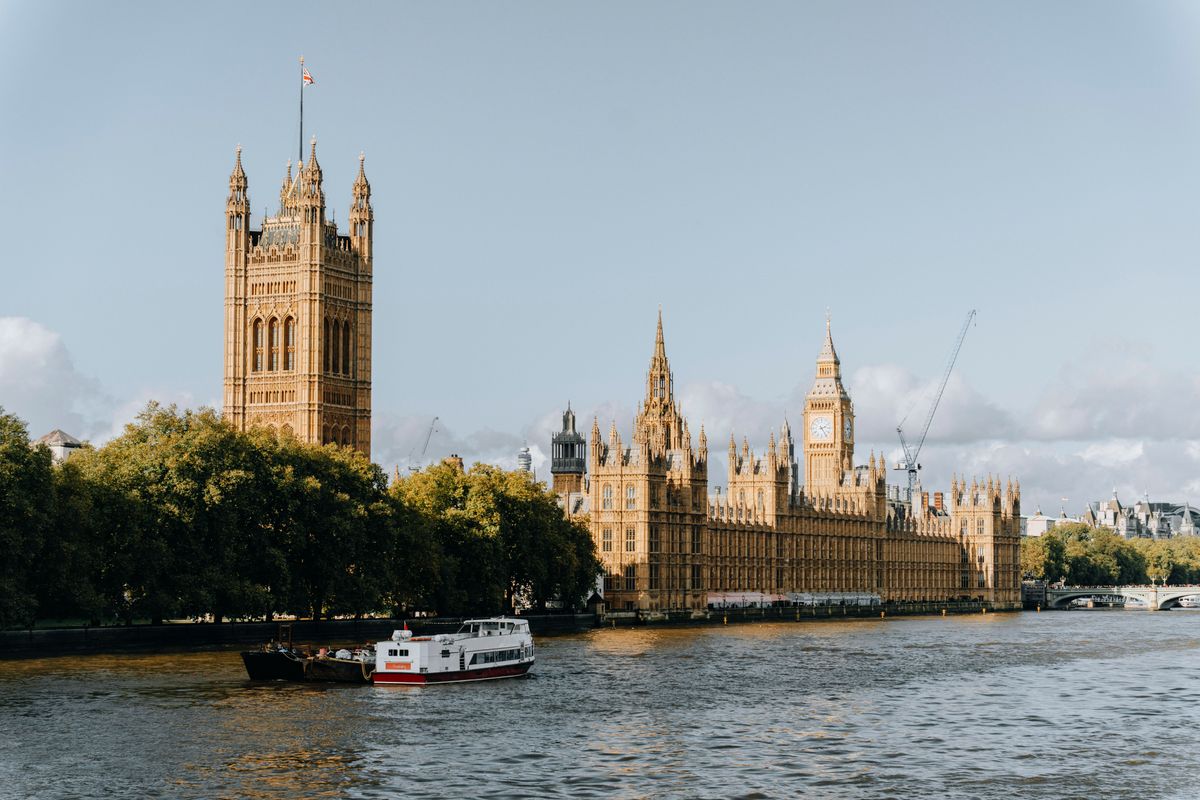
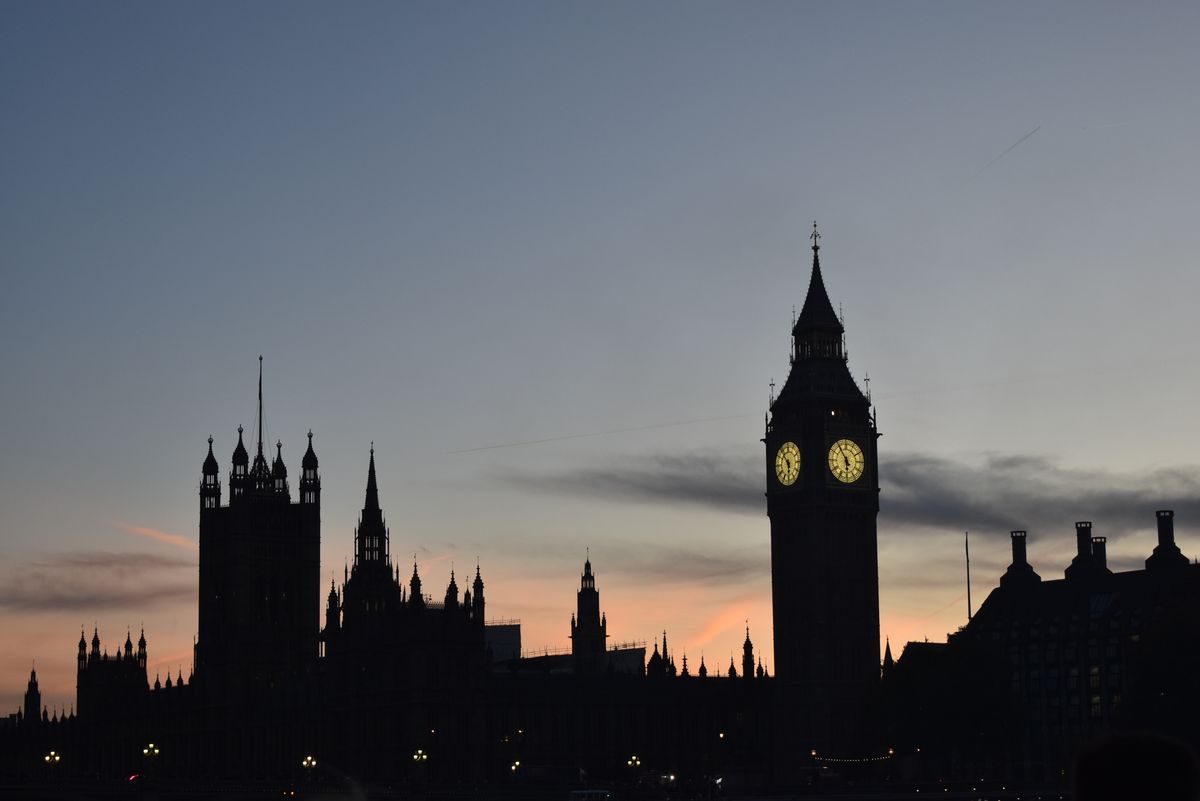
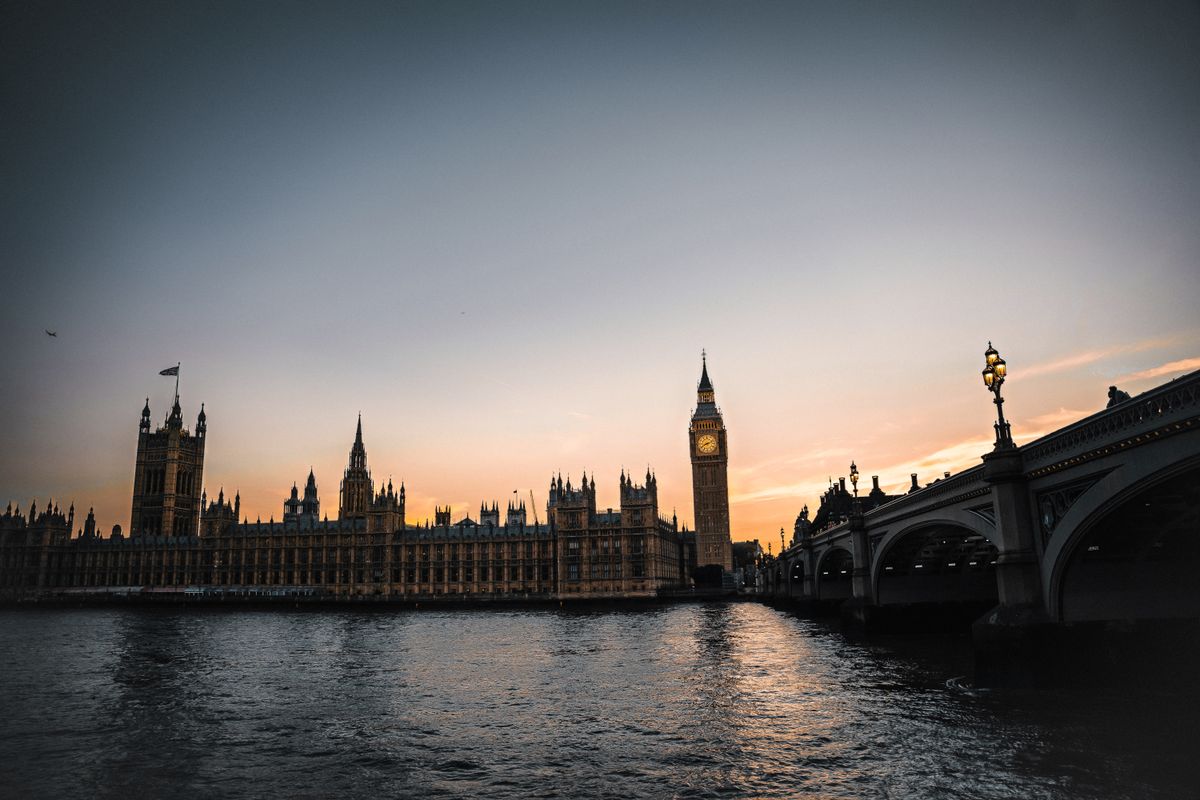
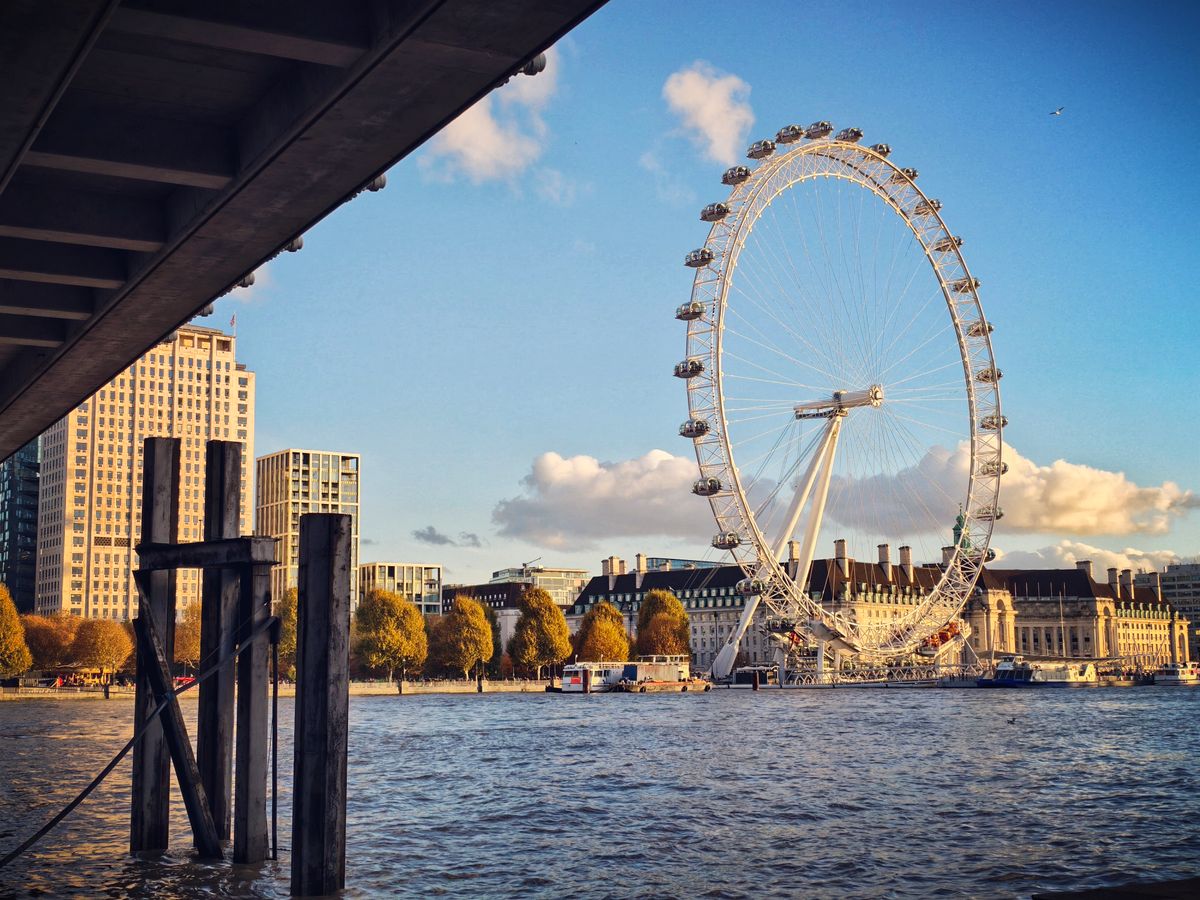
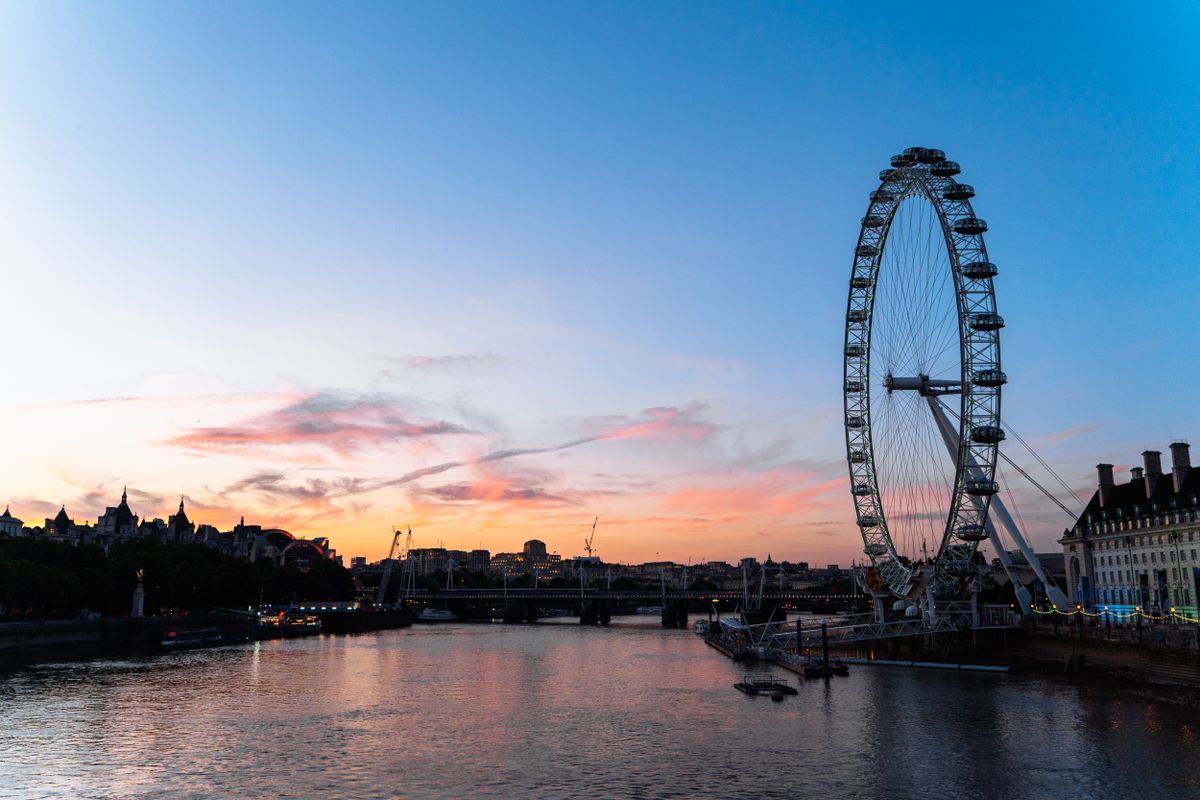
Westminster Bridge gives the frame everybody knows. From there you cross to the south bank, where the London Eye stands. A full rotation takes around thirty minutes, and tickets bought online are noticeably cheaper than at the desk.
Westminster Abbey, across the road from Parliament, has hosted the coronations of British monarchs since 1066. Entry is charged and not cheap, but the interior justifies the price for anyone with a real interest in history.

The rest of the afternoon is walked east along the south bank. It is a continuous promenade, with street performers, book stalls under the bridge and views across to the city. It costs nothing and is one of the most enjoyable walks in London.
Day 2: the City, Tower Bridge and the free museums
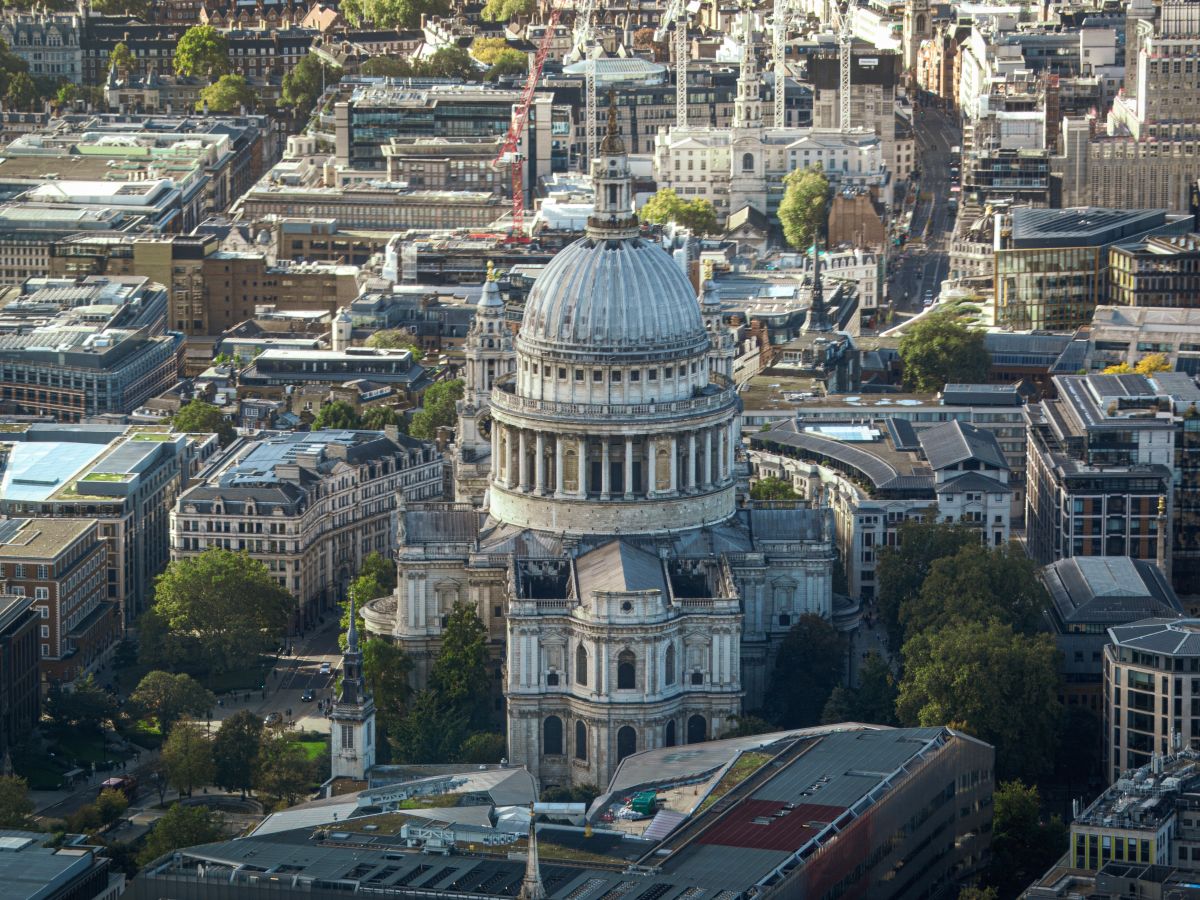
The second day starts in the City, the financial district, which is in fact the original town, bounded by the Roman walls. St Paul cathedral dominates the area, and its dome survived the bombing of the Second World War, becoming a symbol of the city resilience.
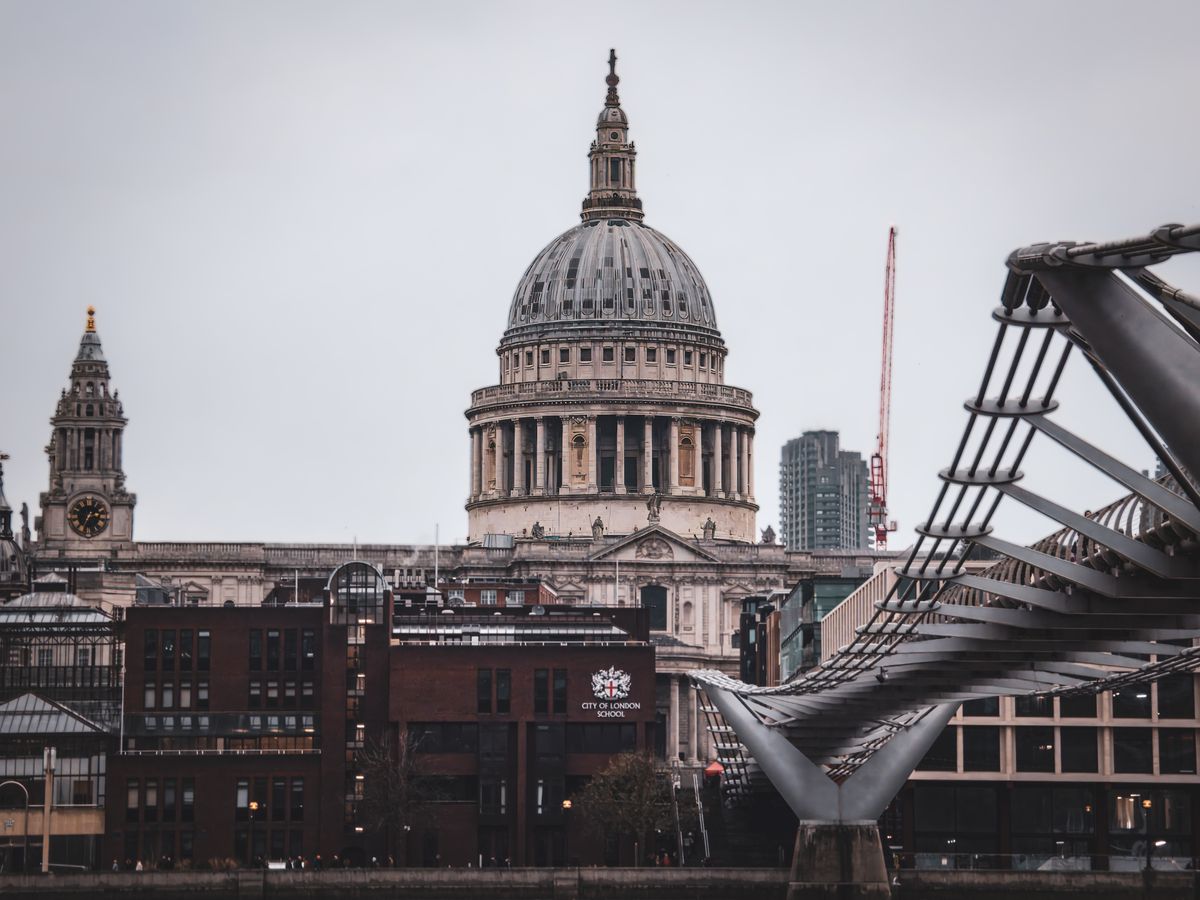
From the cathedral, the Millennium footbridge leads directly to Tate Modern, the modern art gallery housed in a former power station. Entry to the permanent collection is free, and the top floor terrace looks out over the Thames.
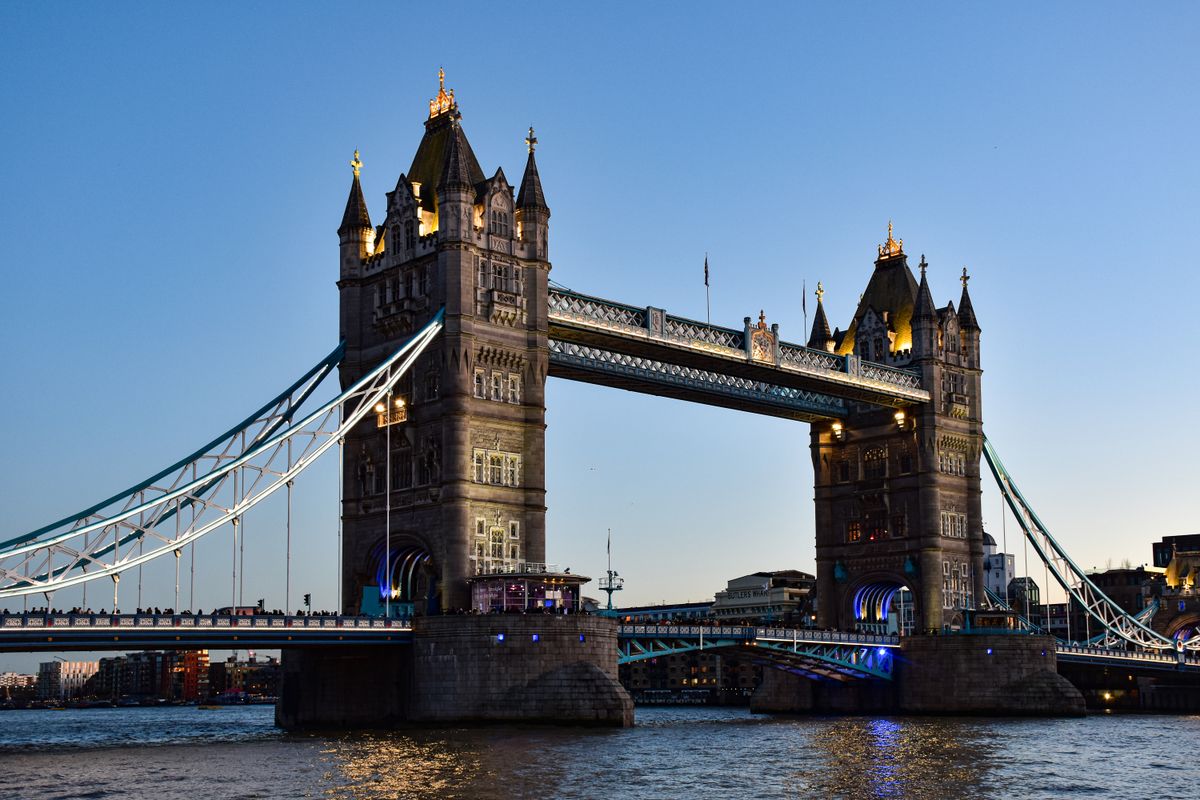
Eastwards you reach Tower Bridge, the most confused bridge in the world: it is not London Bridge, which sits further upstream and looks entirely ordinary. Tower Bridge was completed in 1894 and lifts a few hundred times a year, to a schedule published online that is worth checking in advance.
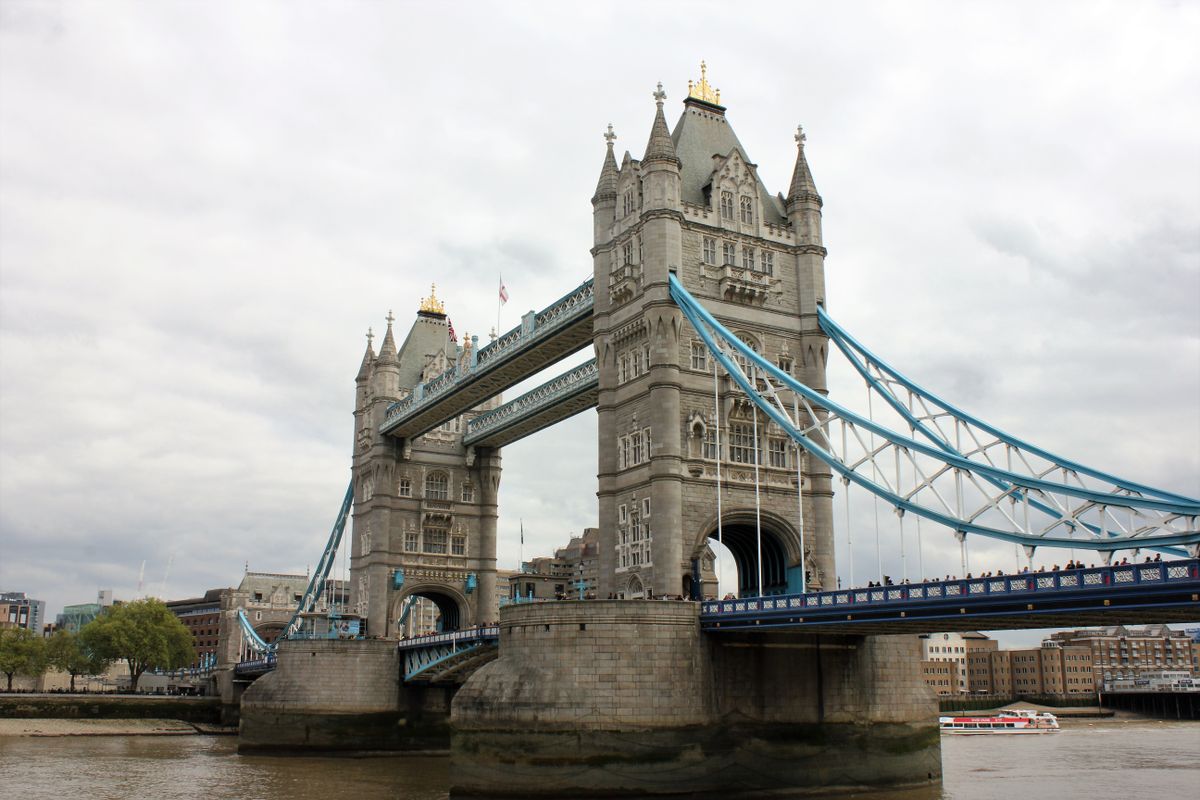
Beside it stands the Tower of London, with the Crown Jewels. It is one of the most expensive entries in the city, around thirty five pounds, but also one of the few that earns the price if you only have one day for history.

Day 3: London beyond the centre
The third day leaves the big sights alone. London is better understood through its neighbourhoods, and those are free.

- Covent Garden, with the covered market and the street performers, a good starting point.
- Soho and Chinatown, next door, the best areas for cheap food in the centre.
- Hyde Park and Kensington Gardens, nearly two square kilometres of green, with Speakers Corner at the Marble Arch end.
- Notting Hill and Portobello market, on Saturdays, for antiques and coloured houses.
- Camden Market, for something else entirely: street food and a completely different aesthetic.
- Greenwich, if you prefer the water: reached by boat along the Thames, and the prime meridian is there.
The free museums are fitted into this day according to interest. The British Museum needs two hours minimum, the National Gallery the same, and the Natural History Museum is the best choice with children. All have free entry to the permanent collections, with a suggested donation.
Many free museums still ask for a timed booking, particularly at weekends and in the holidays. It is done online, takes a minute and costs nothing, but without it you may queue or, at peak times, be turned away at the door.
Transport: how you pay and what it costs
London has solved transport more simply than almost any other European city. You need no tickets, no passes and no special cards: you touch a contactless bank card or your phone on the reader at entry and exit, and the system works out the best fare itself.
| Item | Detail |
|---|---|
| Payment | contactless bank card or phone, no tickets |
| Daily cap | you never pay above a maximum per day |
| Buses | contactless only, no cash accepted |
| Zones | almost everything you visit is in zones 1 and 2 |
| From the airport | underground, express train or bus, depending on the airport |
| Walking | the centre is more compact than the map suggests |
Use the same card or phone throughout the stay, otherwise the daily cap does not apply correctly. Buses take no cash at all. Official information, maps and any line closures are on the Transport for London site.
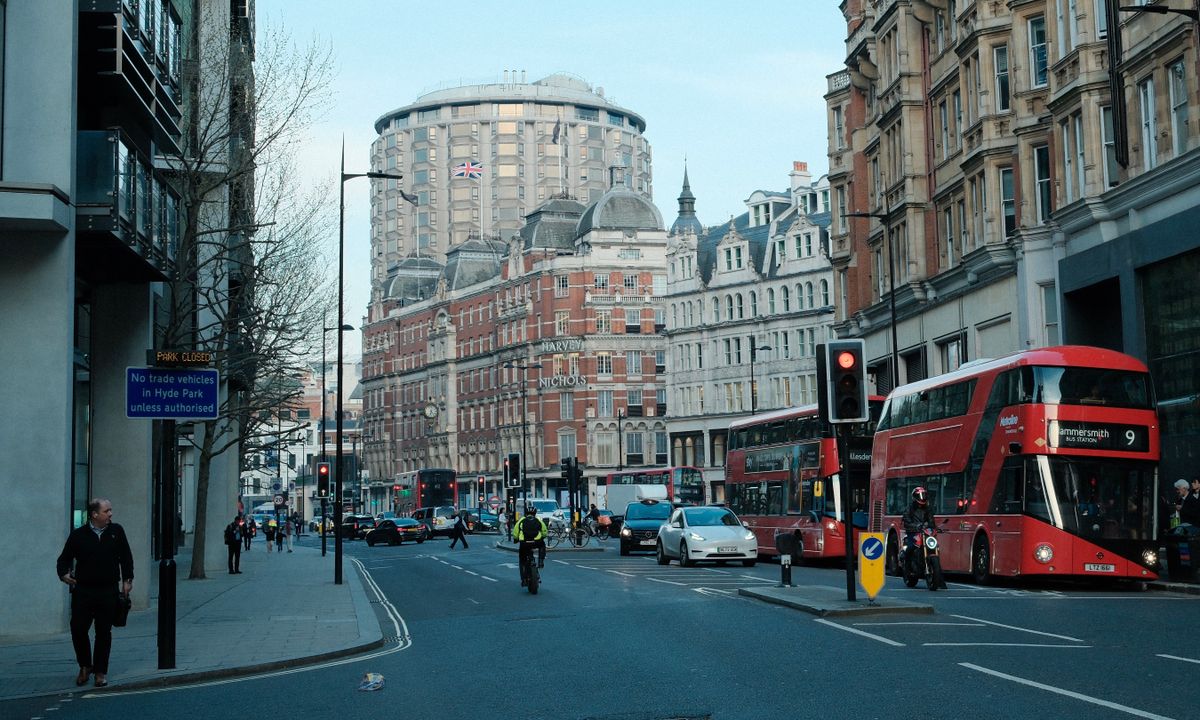
The top deck of a red bus, in the front seats, is the cheapest sightseeing tour in the city. The routes crossing the centre pass most of the sights and cost the same as any other journey.
What London in 3 days costs and when to go
London has a reputation for being very expensive, which is true of accommodation and false of culture. The free museums change the equation entirely compared with other European capitals.
| Category | Amount |
|---|---|
| Transport, 3 days | 25-35 pounds |
| London Eye | around 30 pounds |
| Tower of London | around 35 pounds |
| Westminster Abbey | around 30 pounds |
| Major museums | free |
| Food, 3 days | 90-150 pounds |
| Total excluding accommodation | approximately 210 to 280 pounds |
You save seriously by dropping one or two of the paid attractions and replacing them with free museums. Accommodation is the largest variable and is best booked well ahead.
The United Kingdom is no longer in the European Union, so a passport is required, not an identity card, and current entry rules are published on the official government site. The currency is the pound sterling, and card payment works effectively everywhere, including street stalls. Cash is close to useless.
May, June and September, for reasonable weather and long days. Winter is cheap for accommodation, but darkness falls around four in the afternoon, which cuts the usable day in half. Check the entry requirements for your nationality before booking, since these have changed in recent years.
Frequently asked questions (FAQ)
Conclusion
London is expensive for accommodation and surprisingly cheap for culture. With the great museums free and transport paid contactless and capped automatically, three days cost less than most people expect.
Split the days by area, book a timed slot even at the free museums, use the same card throughout the stay, and ride the top deck of a red bus. It is the cheapest tour of the city.
