
 By

Four people from one city changed popular music, and the city has spent sixty years working out what to do about it. Liverpool and the Beatles is a day of pilgrimage sites, some genuine, some rebuilt and some simply a street sign, plus a port city that is worth a second day on its own.
What is real and what is a reconstruction, the two halves of the trail, which tour actually earns its price, and the city underneath.
Where to start with Liverpool and the Beatles
The sites split into two clusters: the city centre around Mathew Street, which you walk, and the southern suburbs around Penny Lane and the childhood homes, which need a bus, a car or a tour.
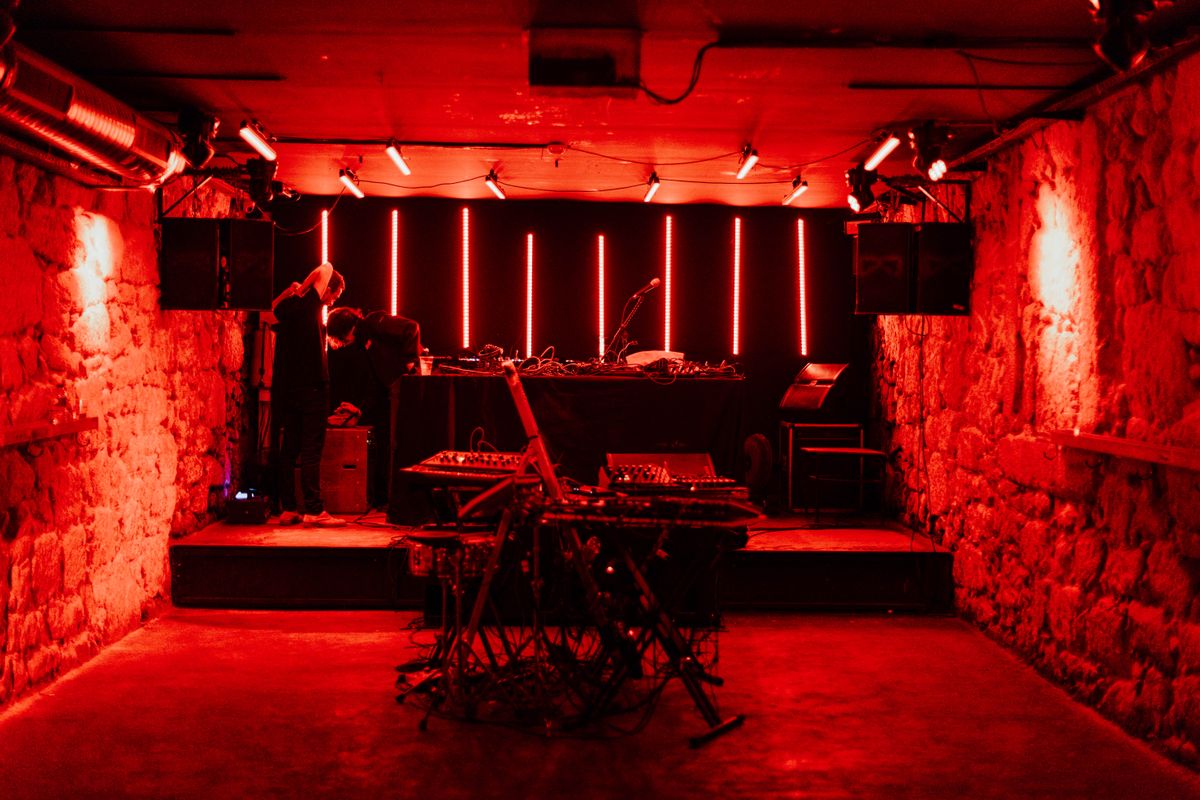
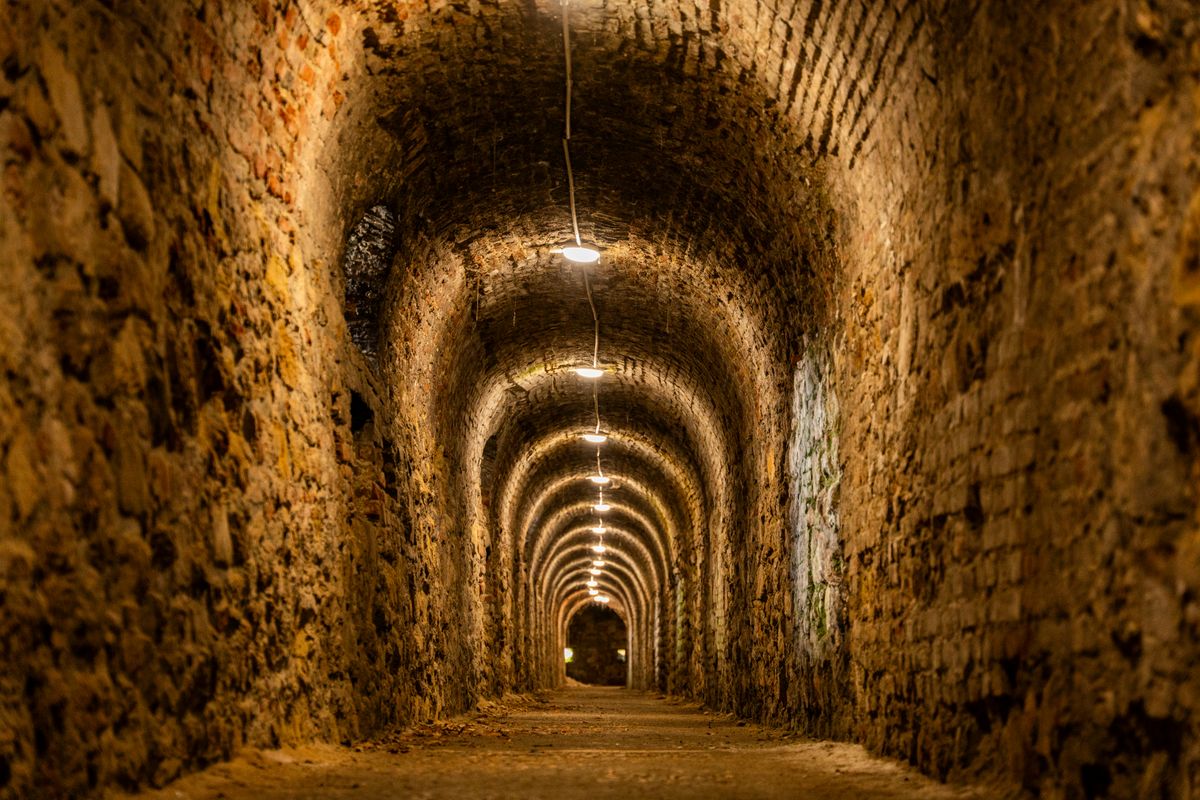
It is worth being clear from the start about what survives. The original Cavern Club was demolished in 1973 and the current one is a reconstruction on almost the same site, using some of the original bricks. Knowing that in advance makes the visit better rather than worse.
The centre: Mathew Street and the museums
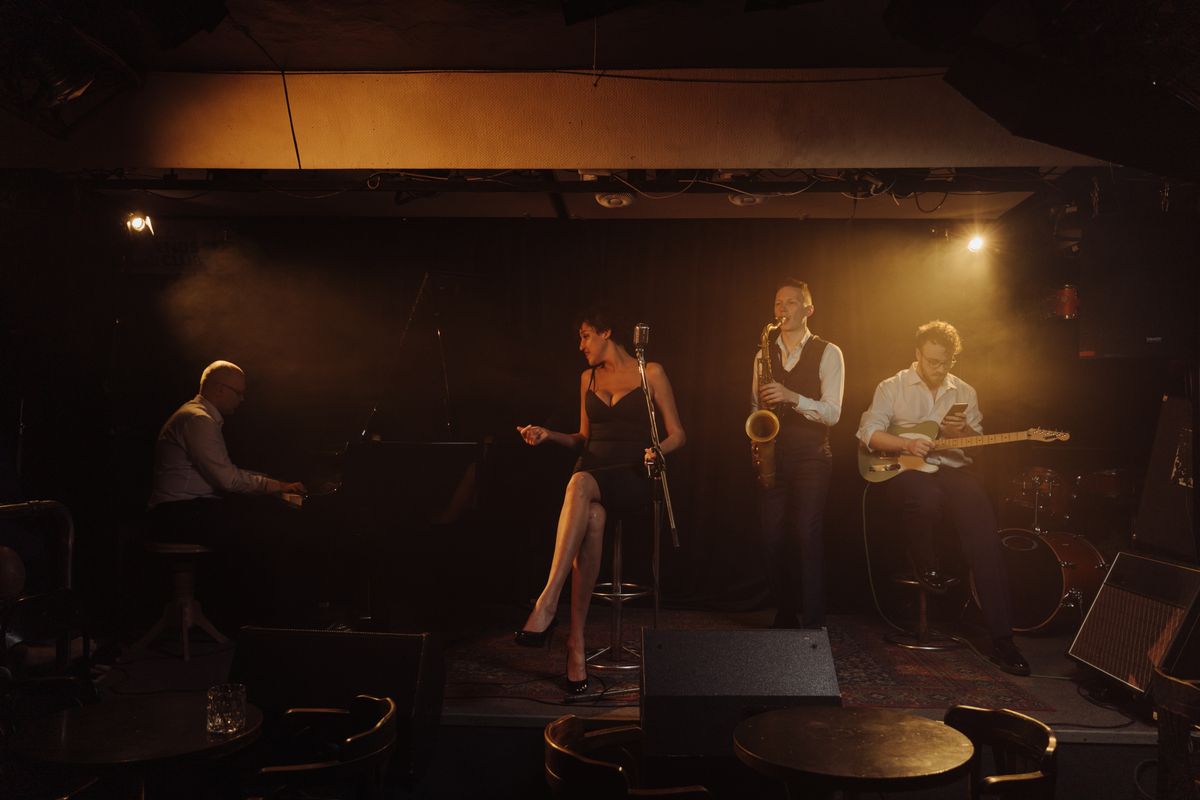
Mathew Street is a short lane of bars, statues and plaques, and it is busy every night of the week. The Cavern is halfway along it, underground, and there is live music from lunchtime until late.
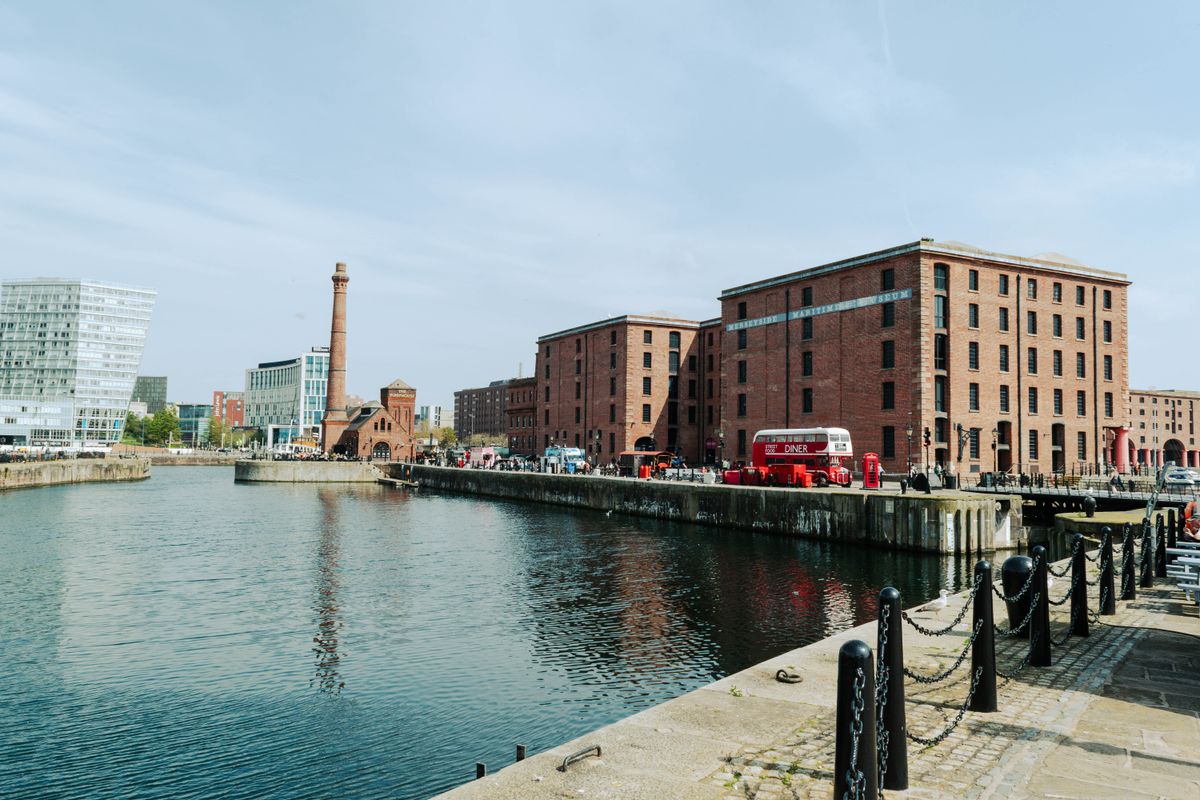
The Beatles Story at Albert Dock is the main museum: a walk through chronological exhibition with an audio guide, aimed squarely at people who want the story told properly rather than at completists.
The south: Penny Lane and Strawberry Field
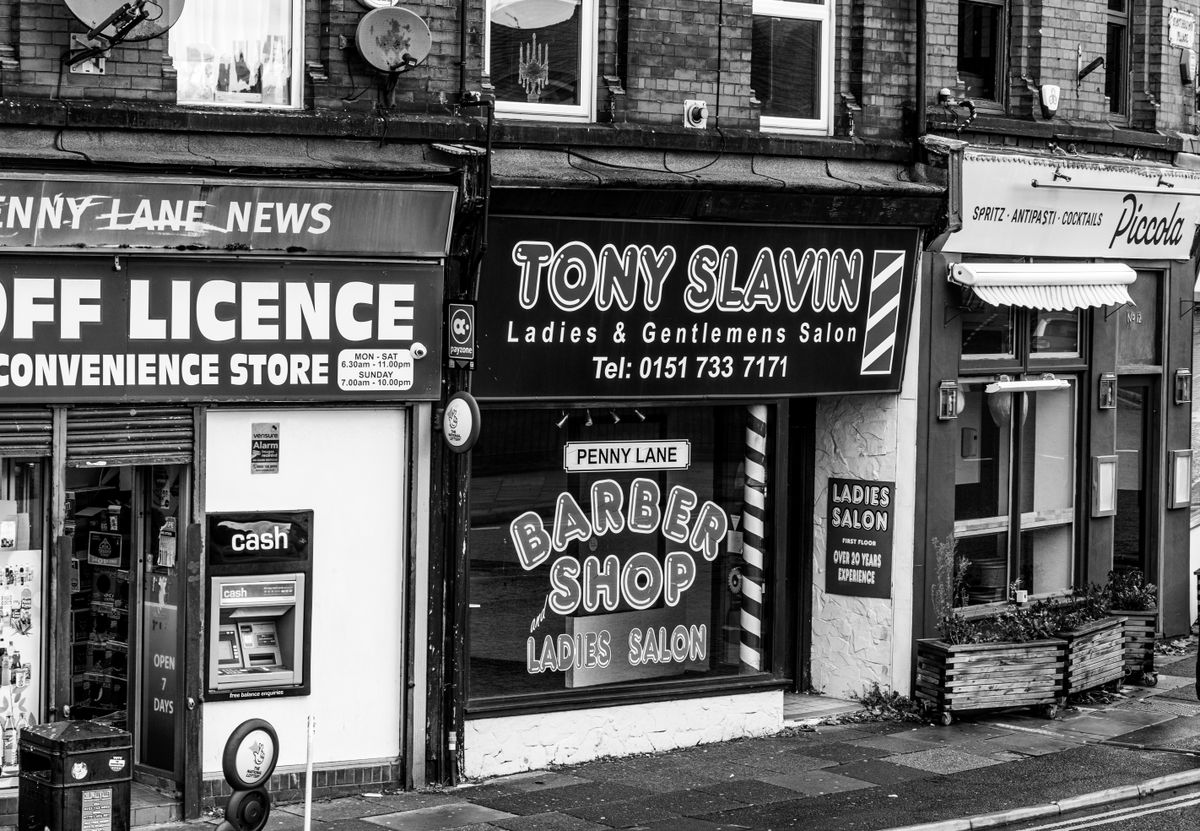
Penny Lane is a real suburban street with a barber shop, a bank and a roundabout, all of which appear in the lyrics. The street sign has been stolen so many times it is now painted directly on the wall.
Strawberry Field was a Salvation Army childrens home behind a red gate that Lennon played near as a boy. It opened as a visitor centre in 2019 and remains a working project for young people with learning difficulties, which is worth knowing while you are there.
The childhood homes of Lennon and McCartney are owned by the National Trust and can only be visited on a small minibus tour with a guide. They are the most genuine thing on the trail and the only way in is booking ahead.
Which tour is worth the money
- The National Trust minibus to the two childhood homes: the only access, small groups, books out weeks ahead.
- The Magical Mystery Tour bus: two hours, covers the southern sites, ends at the Cavern.
- Private taxi tours: flexible, more expensive, and the driver is usually a genuine enthusiast.
- Walking the centre yourself: free, and the centre sites are all within ten minutes of each other.
- The Beatles Story museum: a ticket, indoors, and the best single overview.
- A ferry across the Mersey: cheap, and a song in its own right.
The city beyond the music
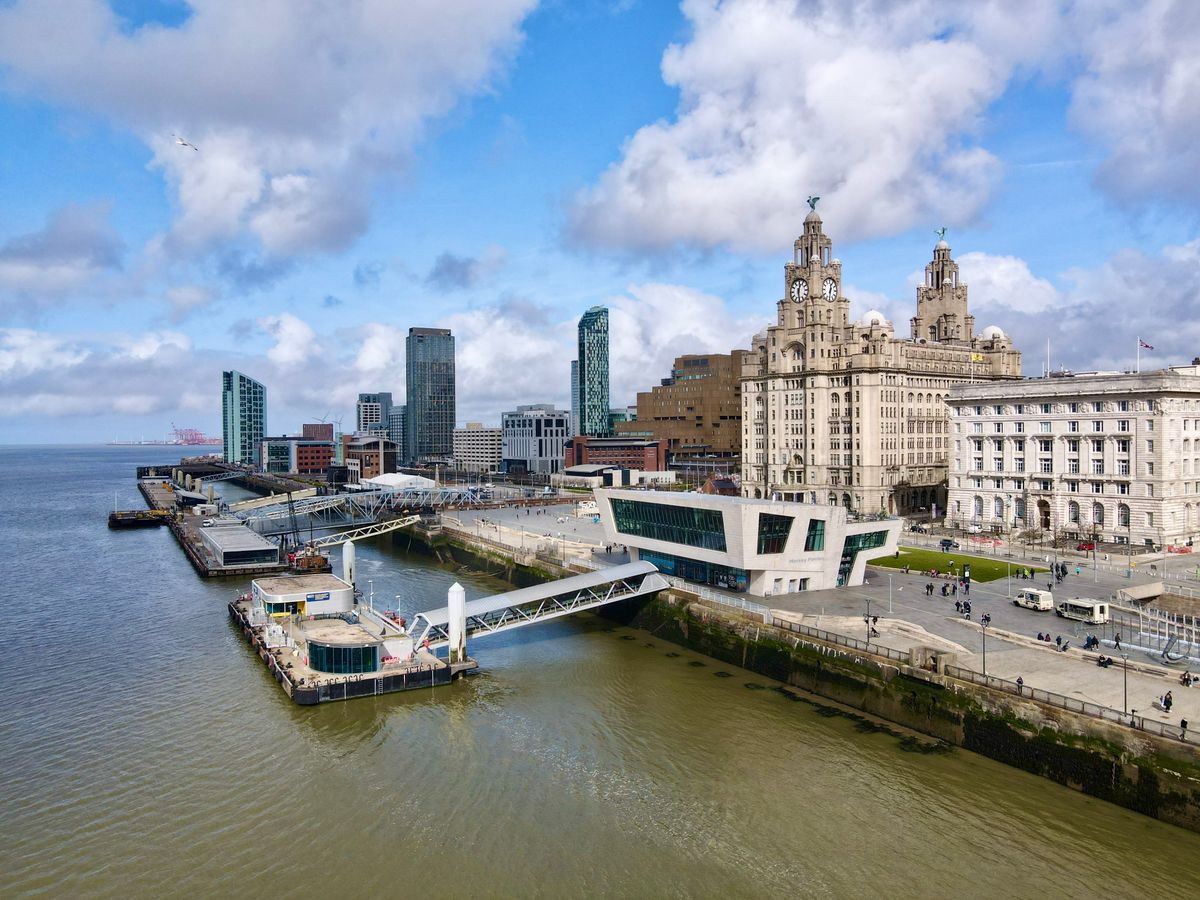
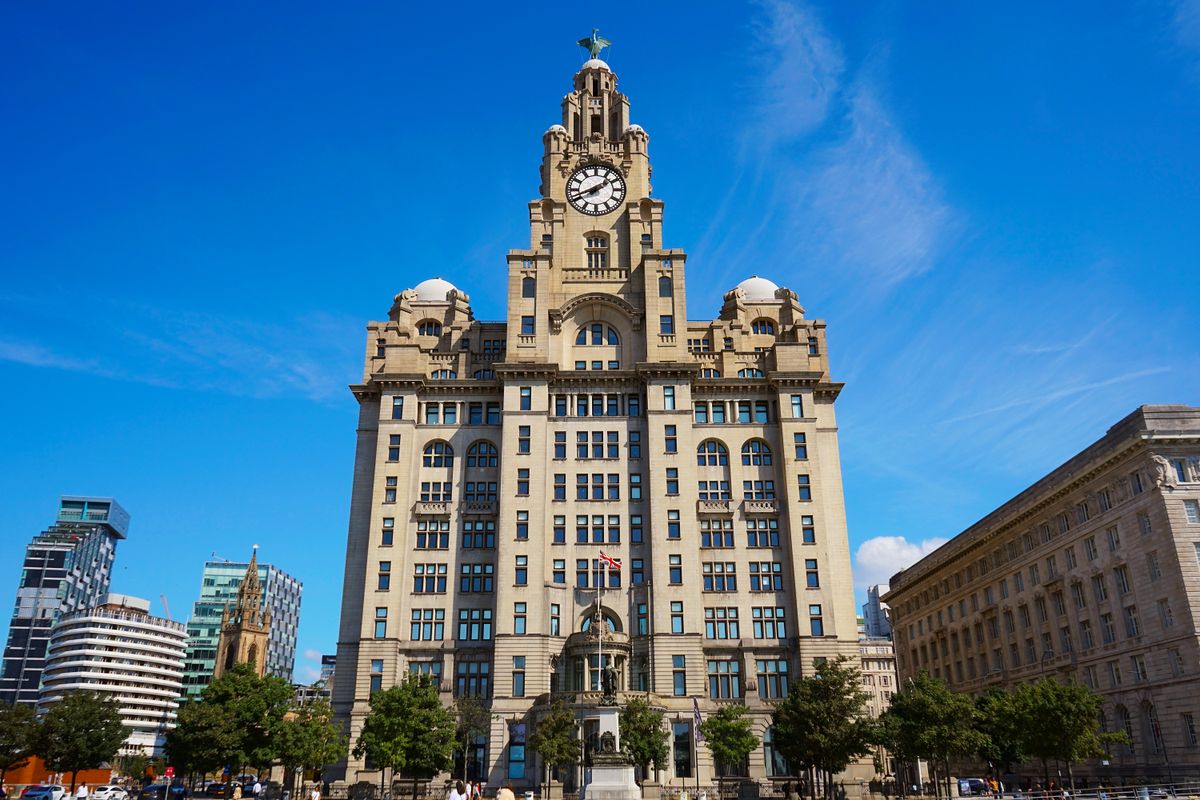
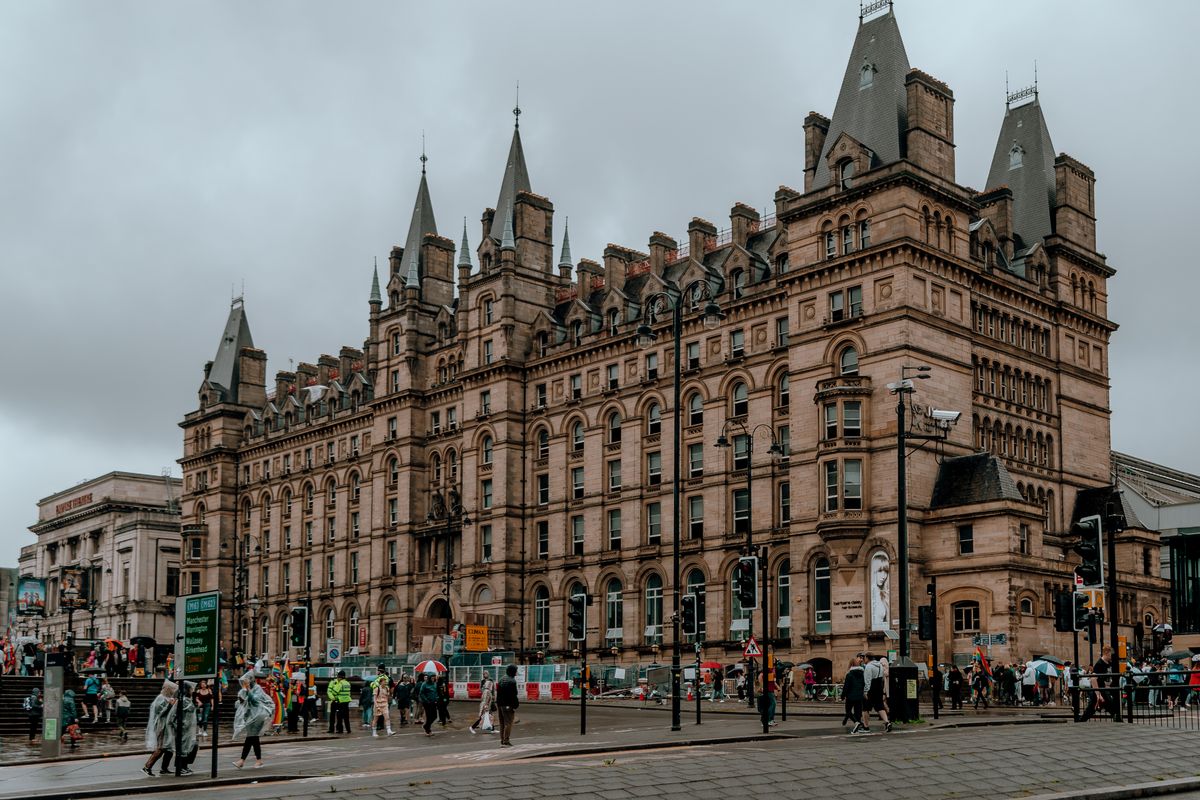
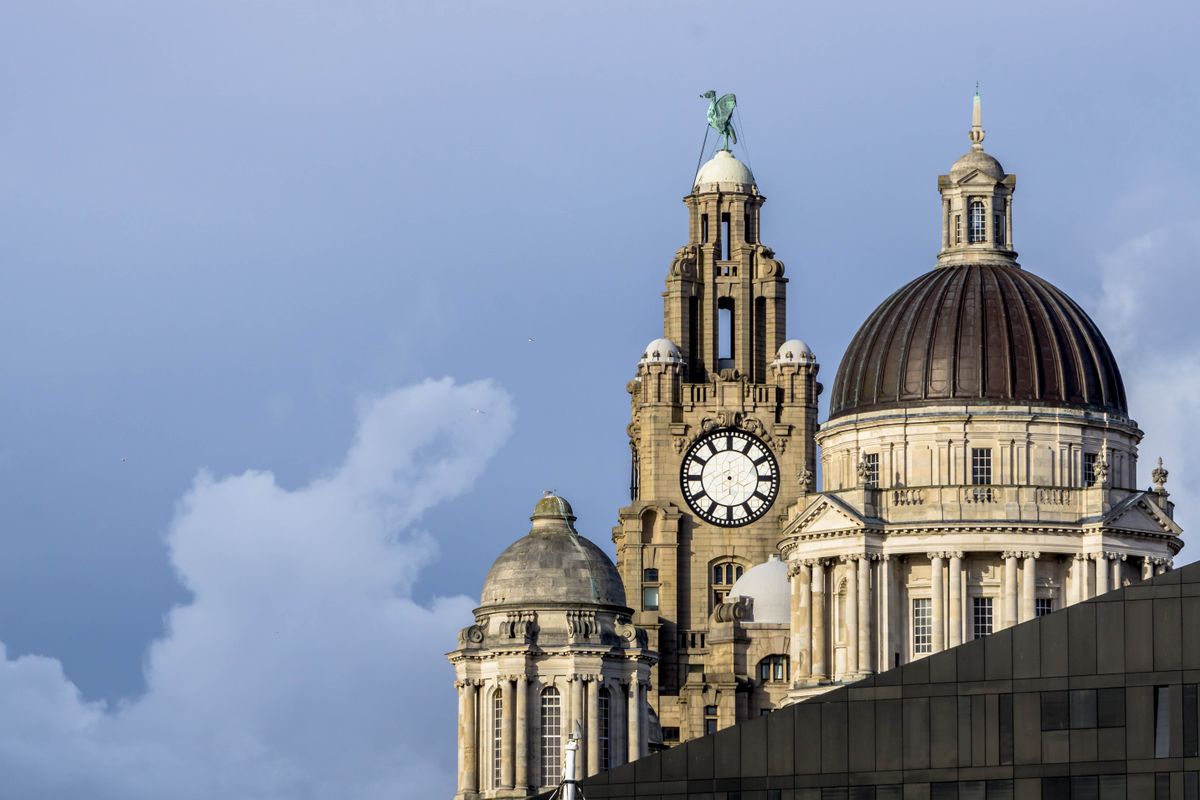
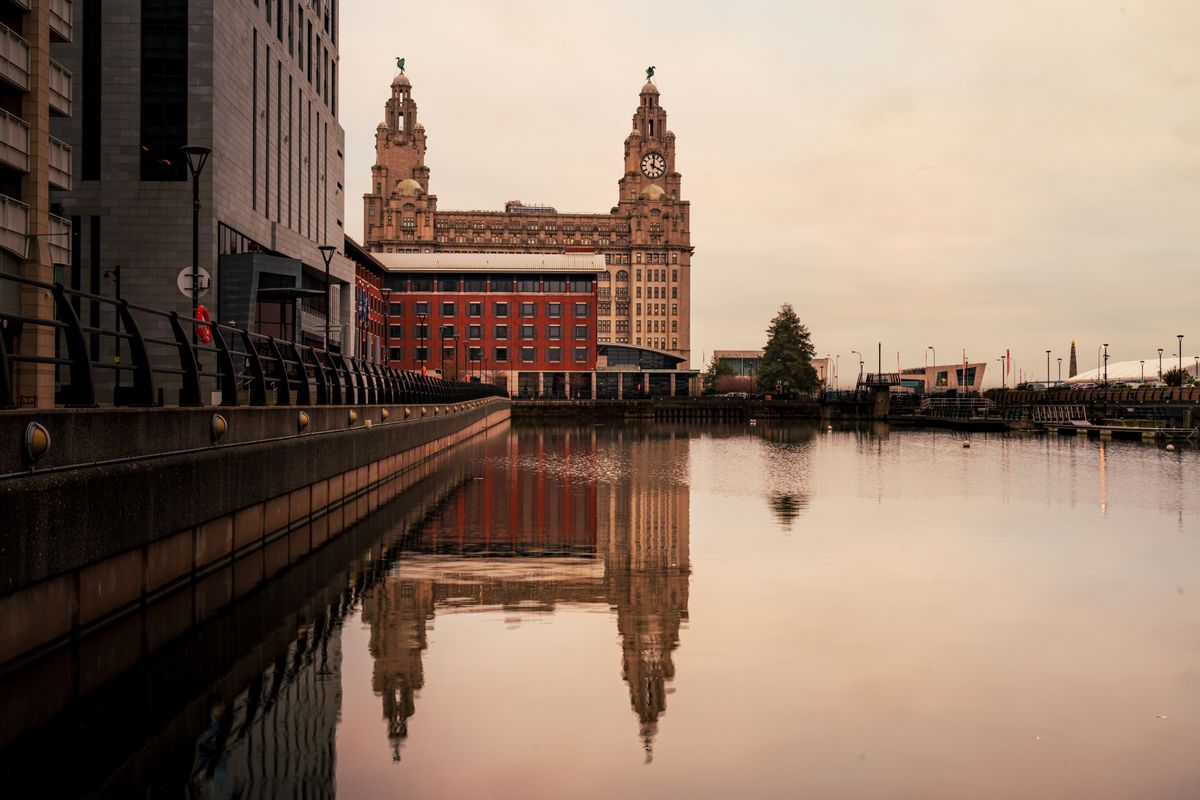
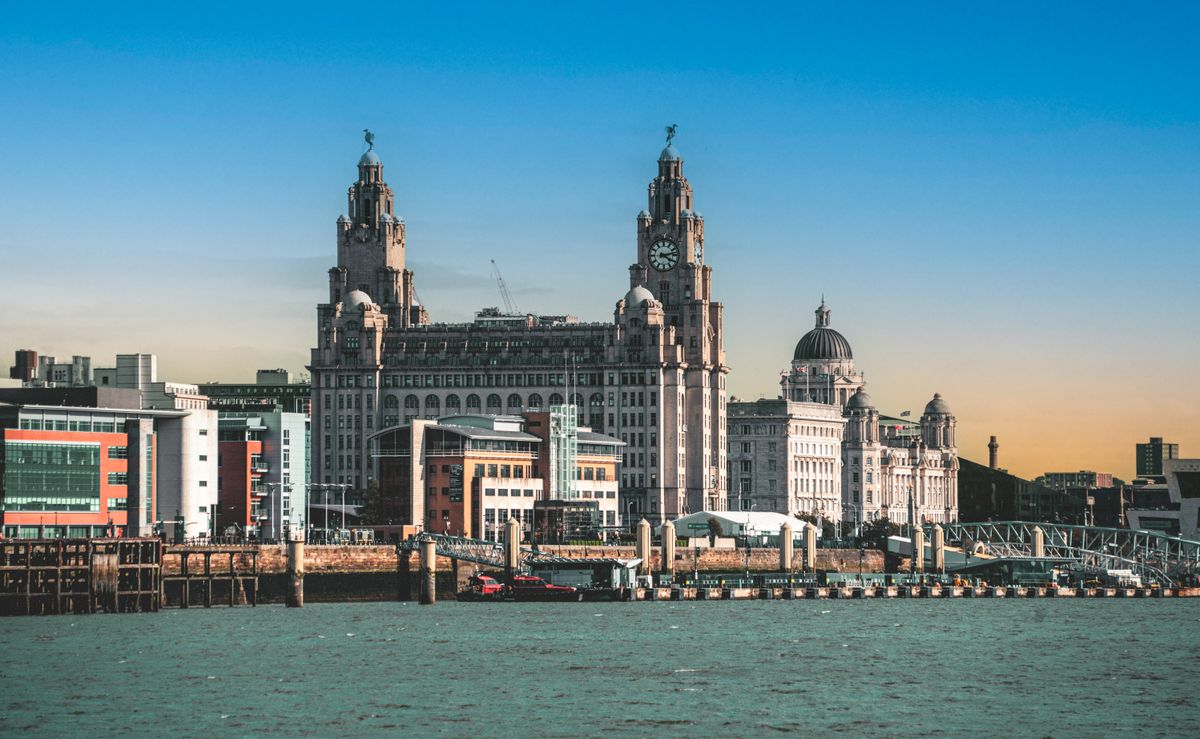
Liverpool was the second port of the British Empire, and the waterfront was built to look like it. The Three Graces at Pier Head, the Albert Dock warehouses and the Victorian centre are all products of that trade, including the parts of it that were in people.
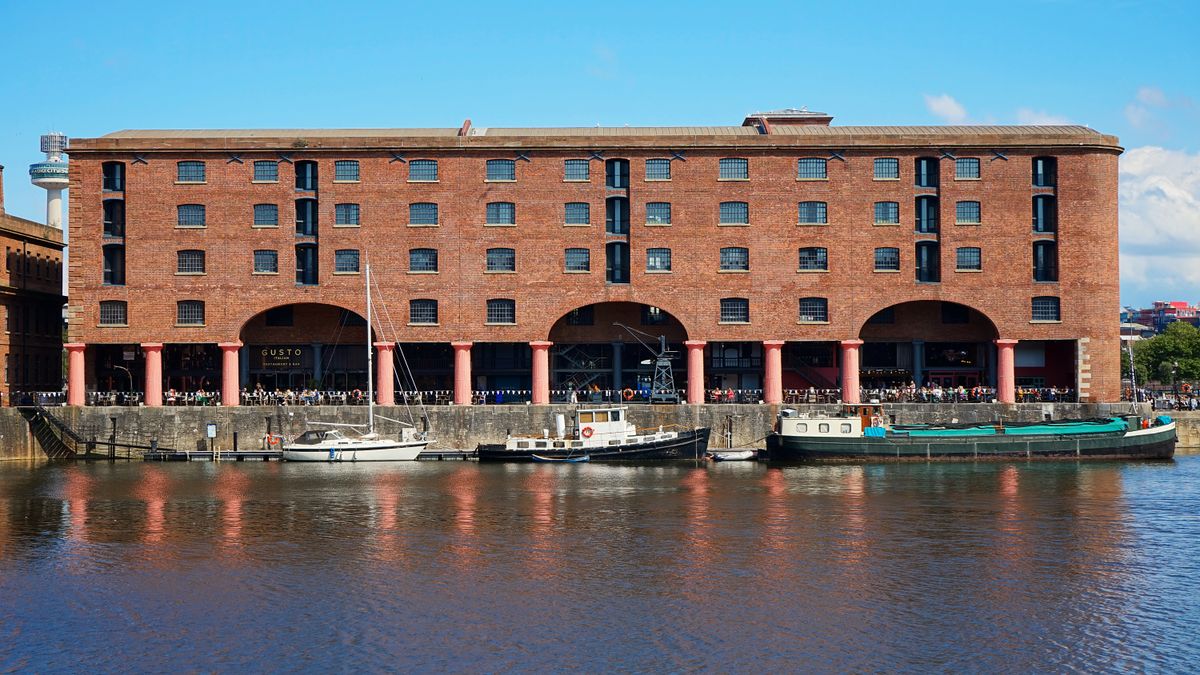
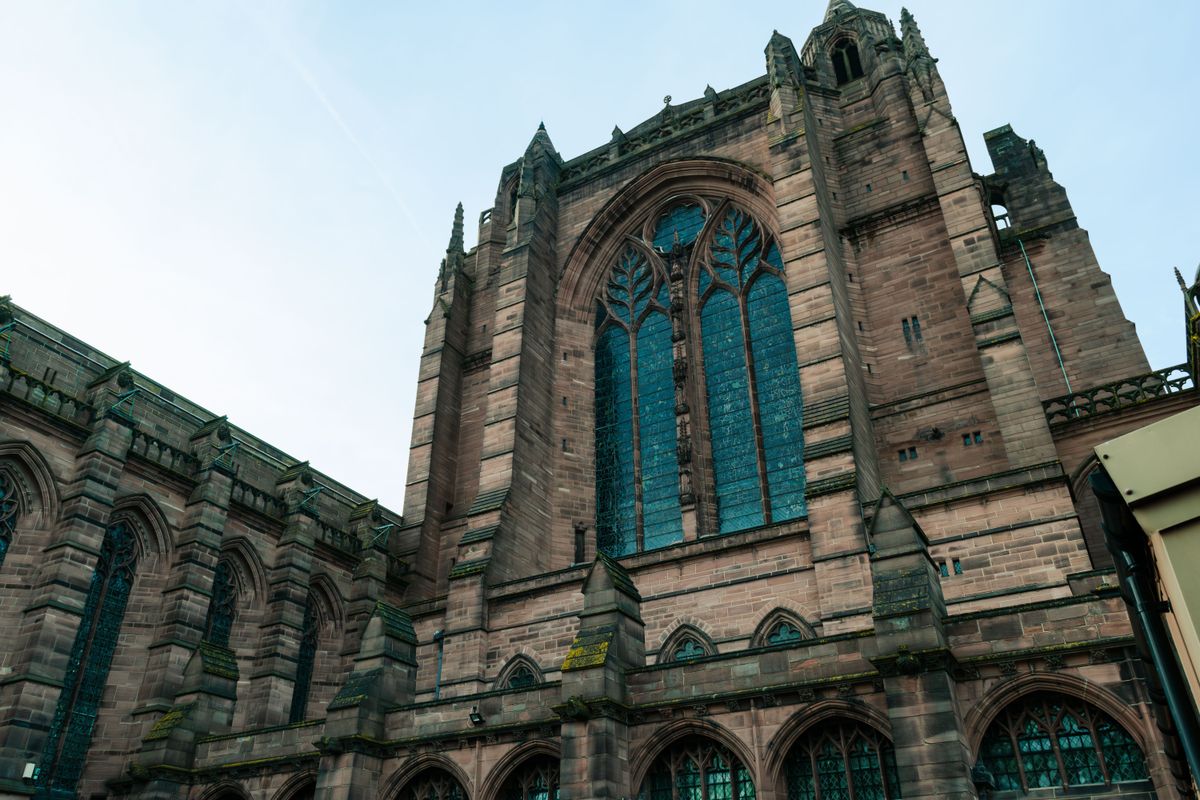
The International Slavery Museum at the docks addresses that directly and is one of the more serious museums of its kind anywhere. The two cathedrals at either end of Hope Street, one gothic and one modernist, are both worth an hour.

Costs, transport and the evening
Liverpool is about two hours from London by train and forty minutes from Manchester. The centre is entirely walkable and the museums at the docks are almost all free, which makes it one of the better value city breaks in Britain.
| Item | Detail |
|---|---|
| From London | about 2 hours 15 by train |
| Childhood homes | National Trust minibus only, book weeks ahead |
| Cavern Club | a reconstruction, live music from lunchtime |
| Museums at the docks | most are free |
| Days needed | two: one for the trail, one for the city |
| Evenings | Mathew Street for tribute acts, the Baltic Triangle for everything else |
Museum details are on the Beatles Story site, the childhood homes are booked through the National Trust, and city information is on the tourist board site.
Frequently asked questions (FAQ)
Conclusion
A reconstructed cellar, a suburban street sign, two National Trust houses and a waterfront built by an empire. Liverpool gives you the story and the city that produced it.
Book the childhood homes weeks ahead, walk the centre yourself, and give the second day to the docks and the two cathedrals.
