
 By

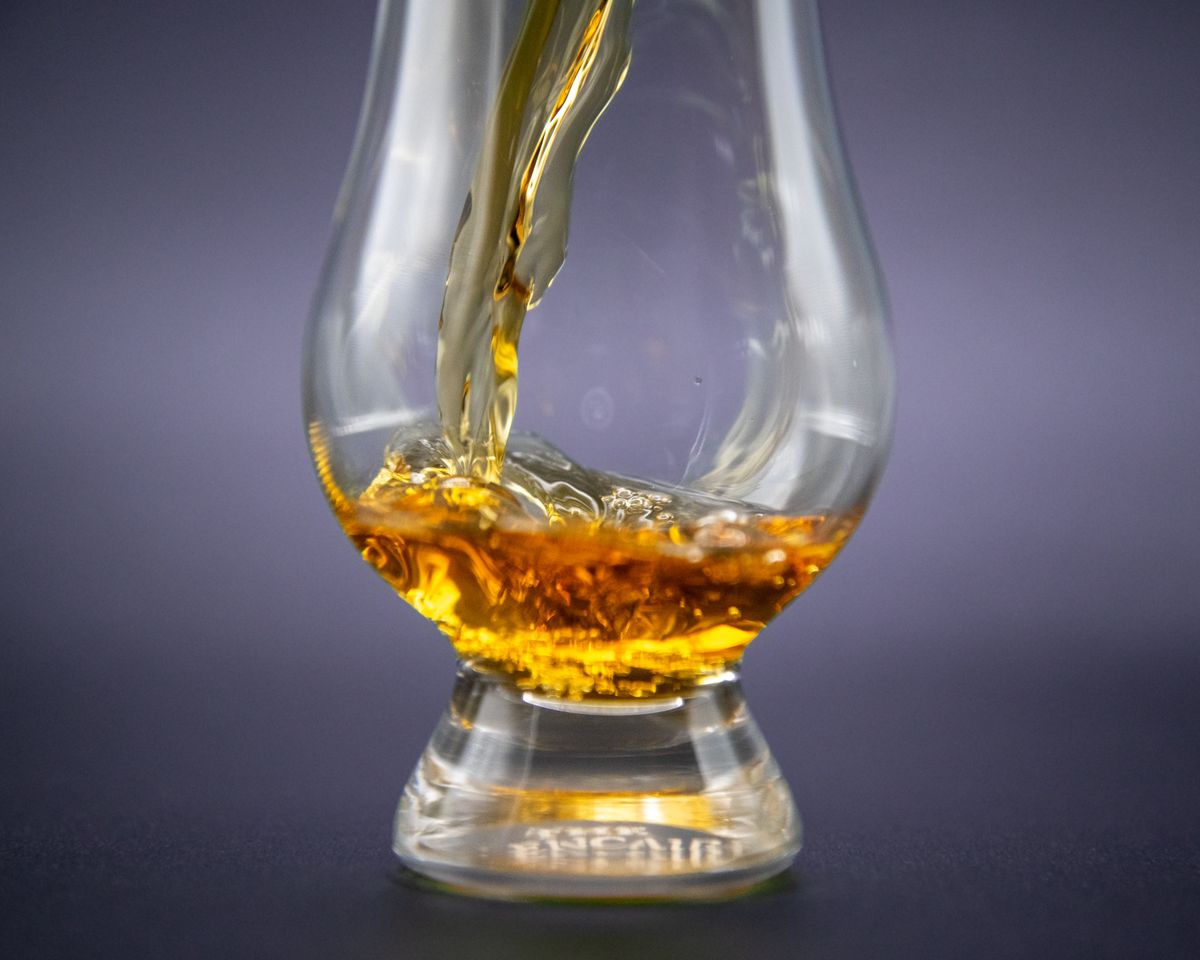
An island of about three thousand people in the Inner Hebrides with a dozen working distilleries on it, producing the most divisive whisky in the world. Islay whisky tastes of smoke, seaweed and iodine, and people either build holidays around it or cannot finish a glass.
Why the whisky tastes like that, which tours to book and how, a three day route, and how to get there.
Why Islay whisky and not somewhere else
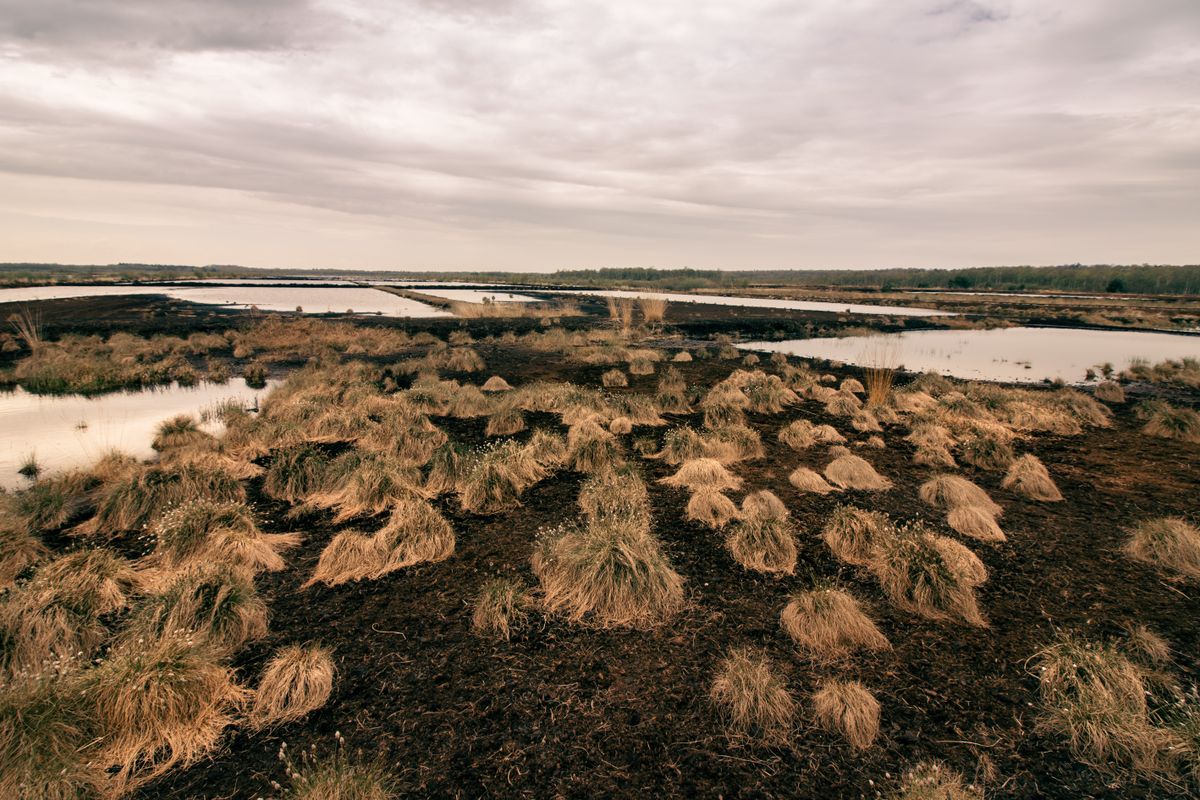
The island is flat, wet and treeless, with a deep layer of peat that formed over thousands of years. Peat was the only fuel available, so it was burned to dry the malted barley, and the smoke went into the grain.
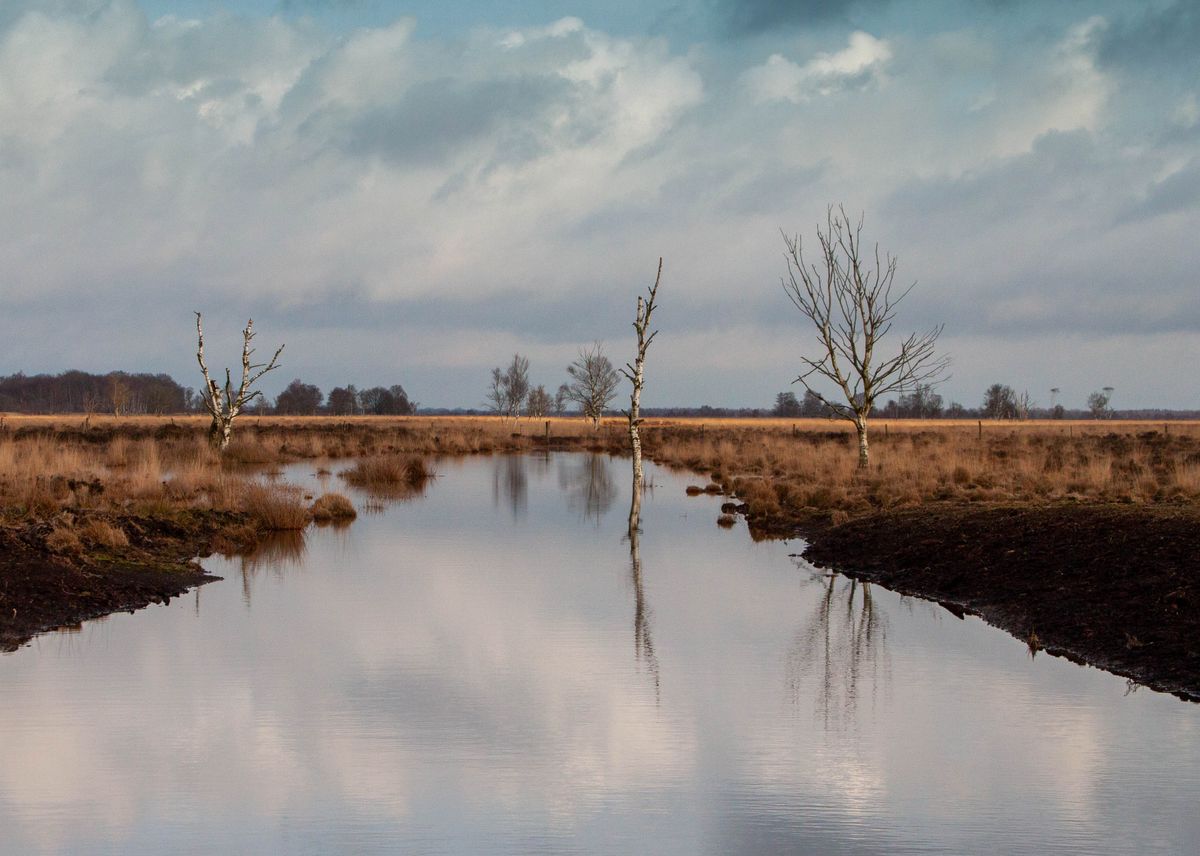
That was originally necessity rather than style. It became the defining characteristic, and now the peating levels are measured, controlled and advertised.
Where the smoke actually comes from
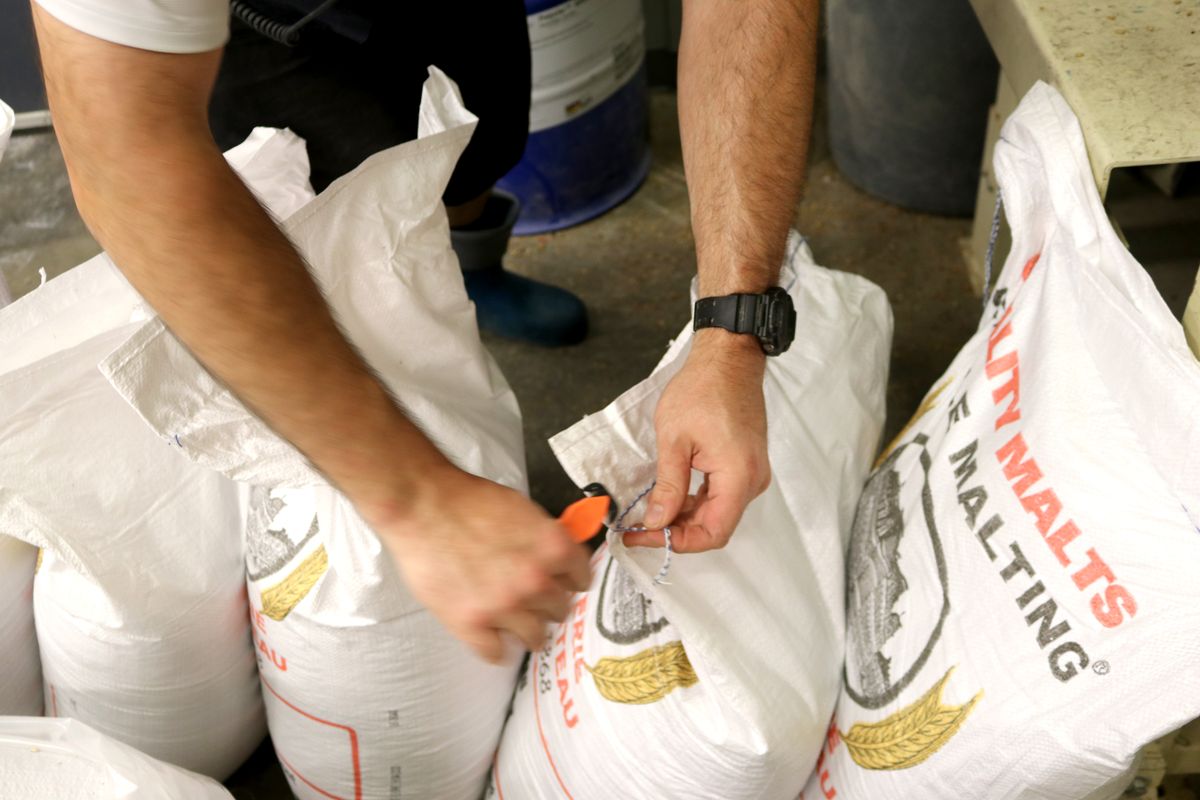
Barley is soaked until it germinates, then dried to stop the process. If the drying uses peat smoke, phenolic compounds from the smoke attach to the grain and survive fermentation and distillation.
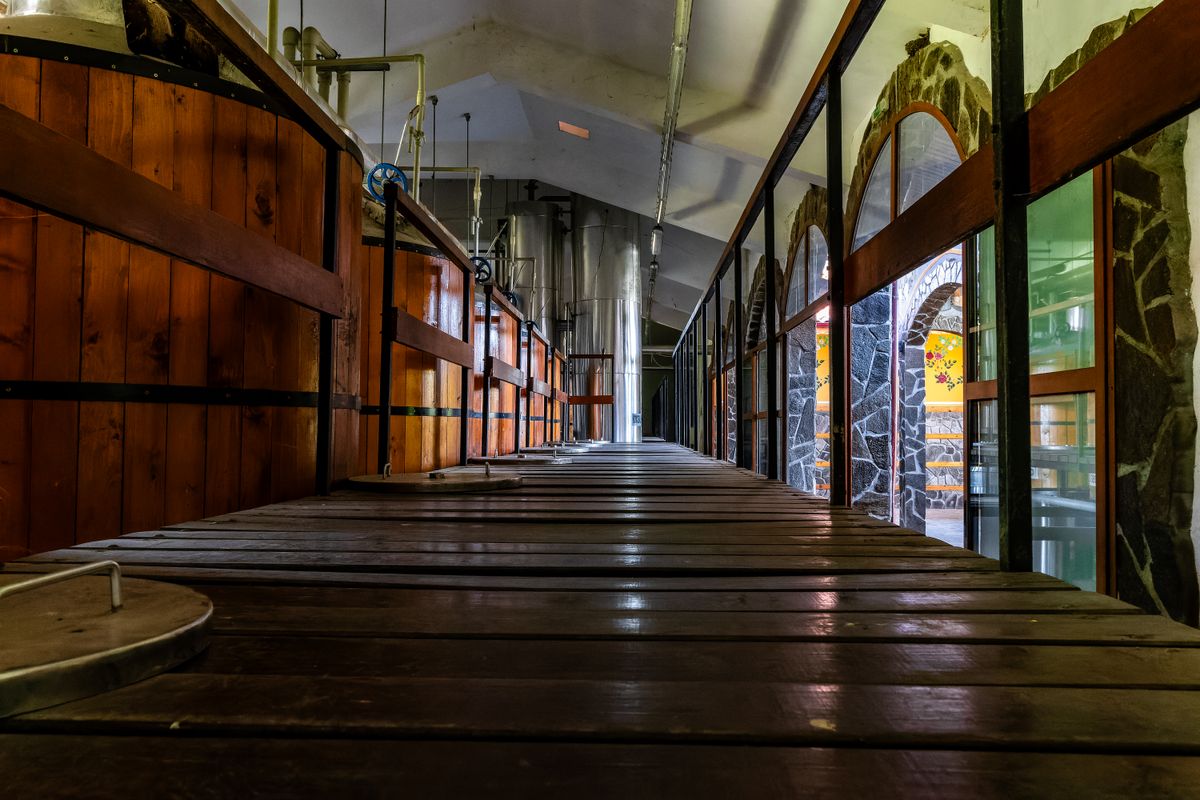
The level is measured in parts per million of phenol. An unpeated whisky is close to zero, a lightly peated one is around five, and the heavily peated Islay malts run from twenty five to over fifty. The sea air in the warehouses is often credited with the salt note, which is disputed and probably partly true.
Which tour to book
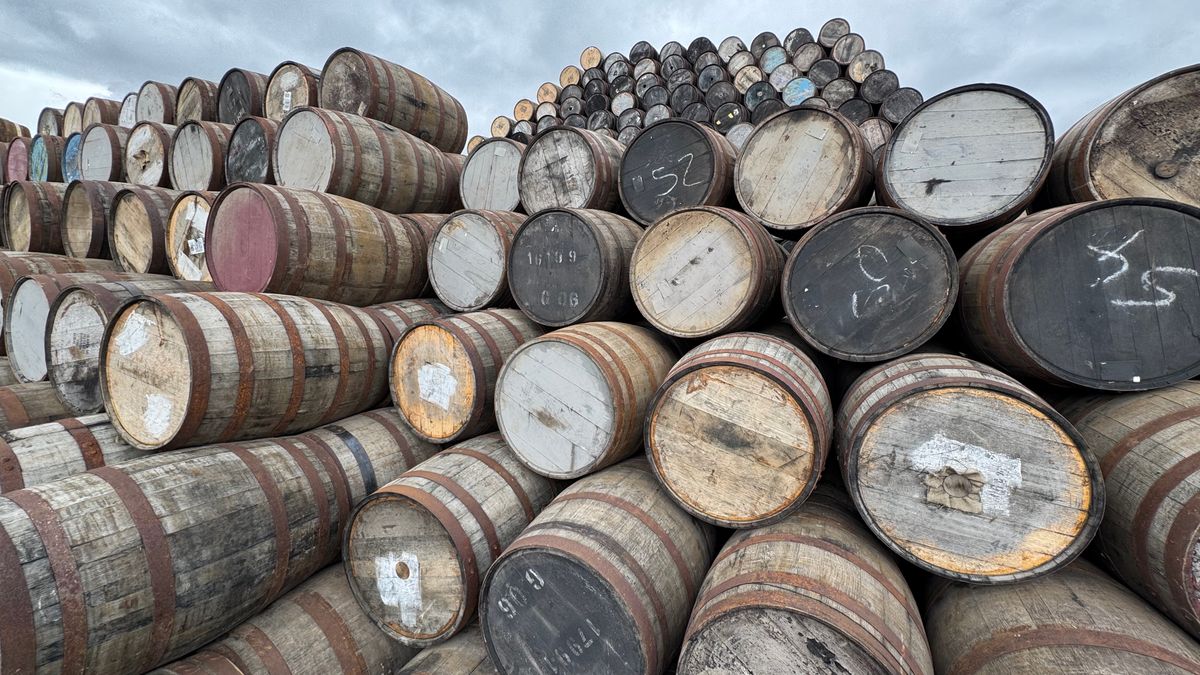
Nine distilleries currently run visitor operations, and they are not interchangeable. The standard tour runs about an hour and a quarter: mash tun, washbacks, stills, warehouse, tasting. The premium tours add cask samples drawn straight from the barrel.

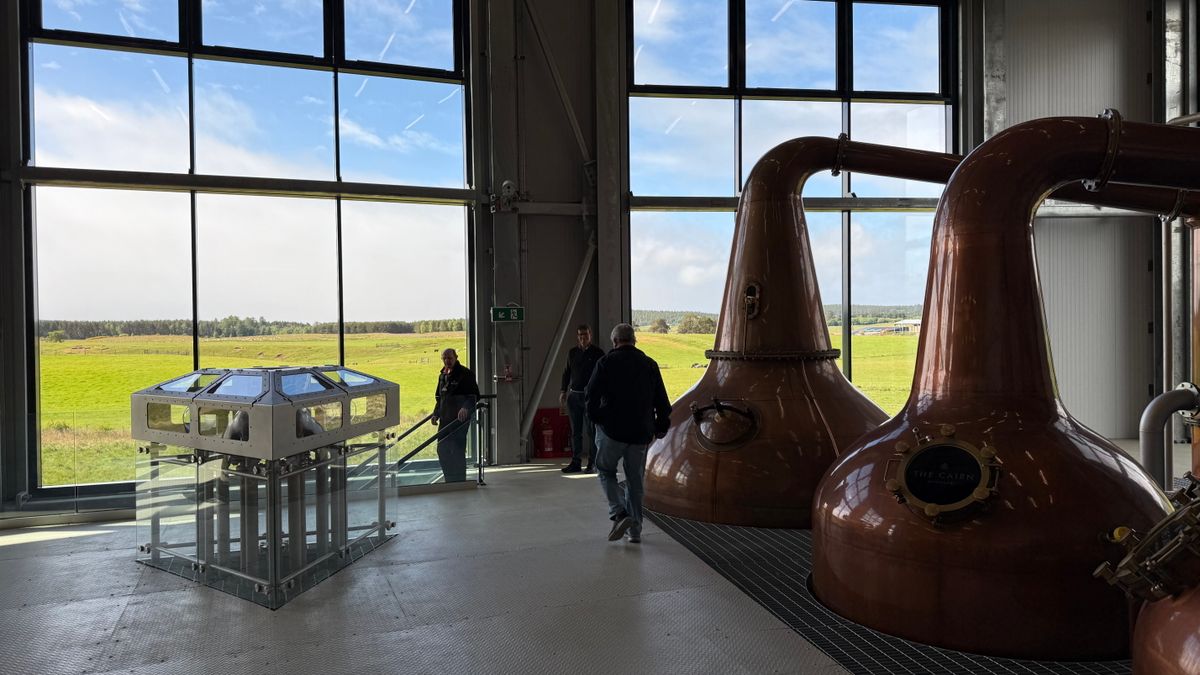
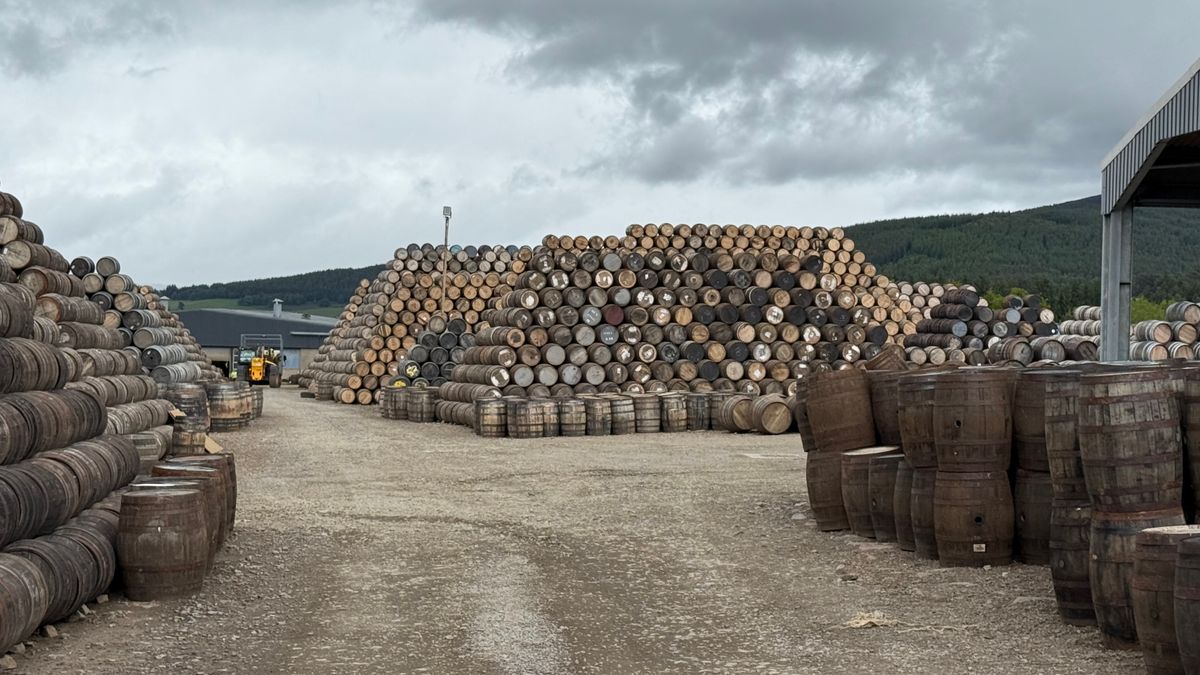
Book everything in advance, particularly in summer and during the Feis Ile festival in late May, when the island fills completely. Two distilleries in a day is comfortable, three is a stretch, and four is not a plan.

A three day route
| Day | Where |
|---|---|
| 1 | the south coast three, walked along the shore path |
| 2 | the west: Bruichladdich, Kilchoman and the beaches |
| 3 | the north east and Bunnahabhain, plus Finlaggan |
| Driving | single track roads with passing places, and sheep |
| Feis Ile | late May, and the island is fully booked |
| Drivers | take the sample home in a bottle rather than drinking it |
The three southern distilleries sit within a few kilometres of each other on the same shore, and the coastal path linking them is the best walk on the island and the only way to visit all three without driving.
The island beyond the whisky
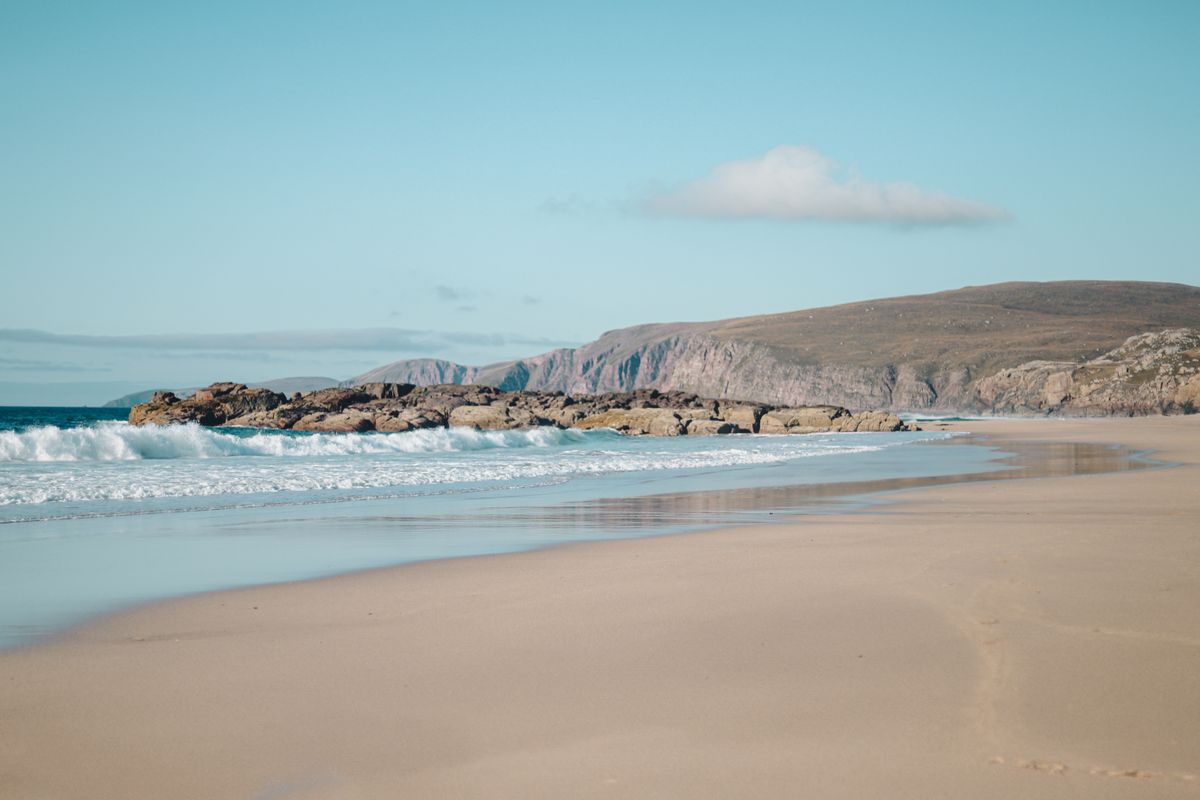
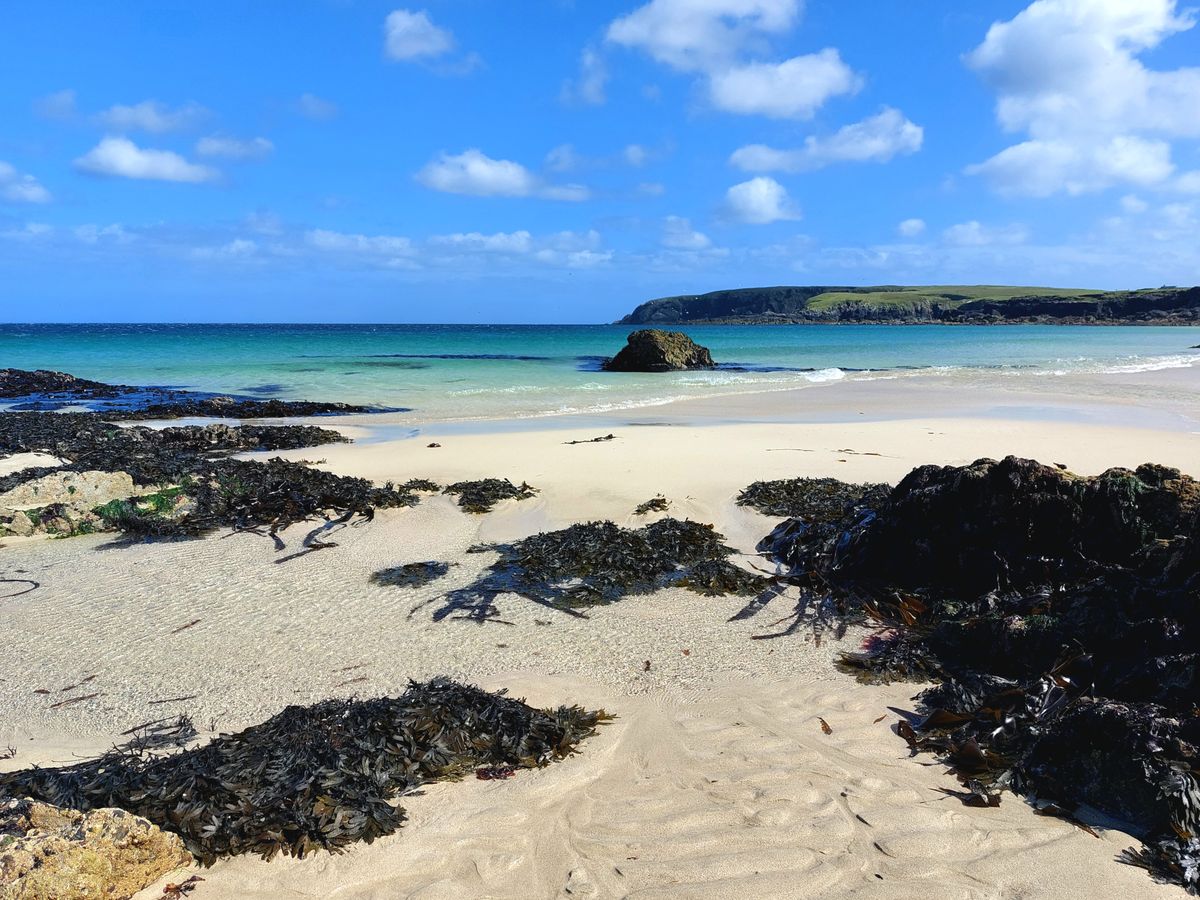
Islay has empty white beaches, more geese in winter than anywhere else in Britain, and the ruins of Finlaggan, the seat of the Lords of the Isles who ruled the western seaboard from here in the Middle Ages.
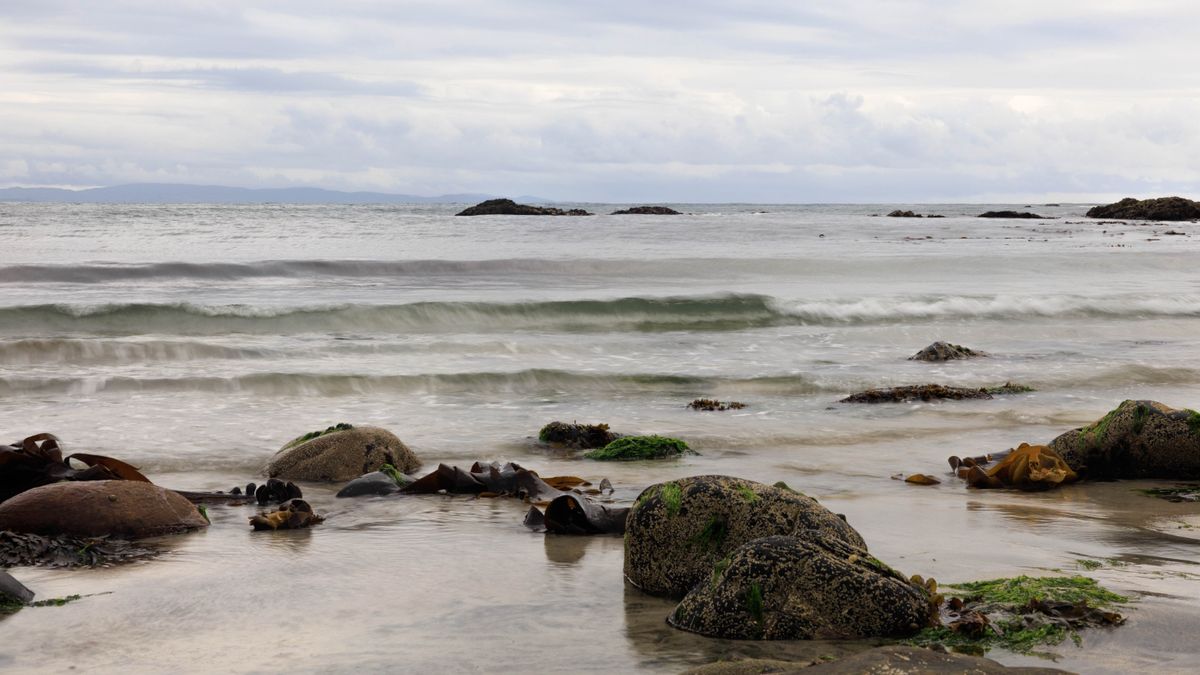
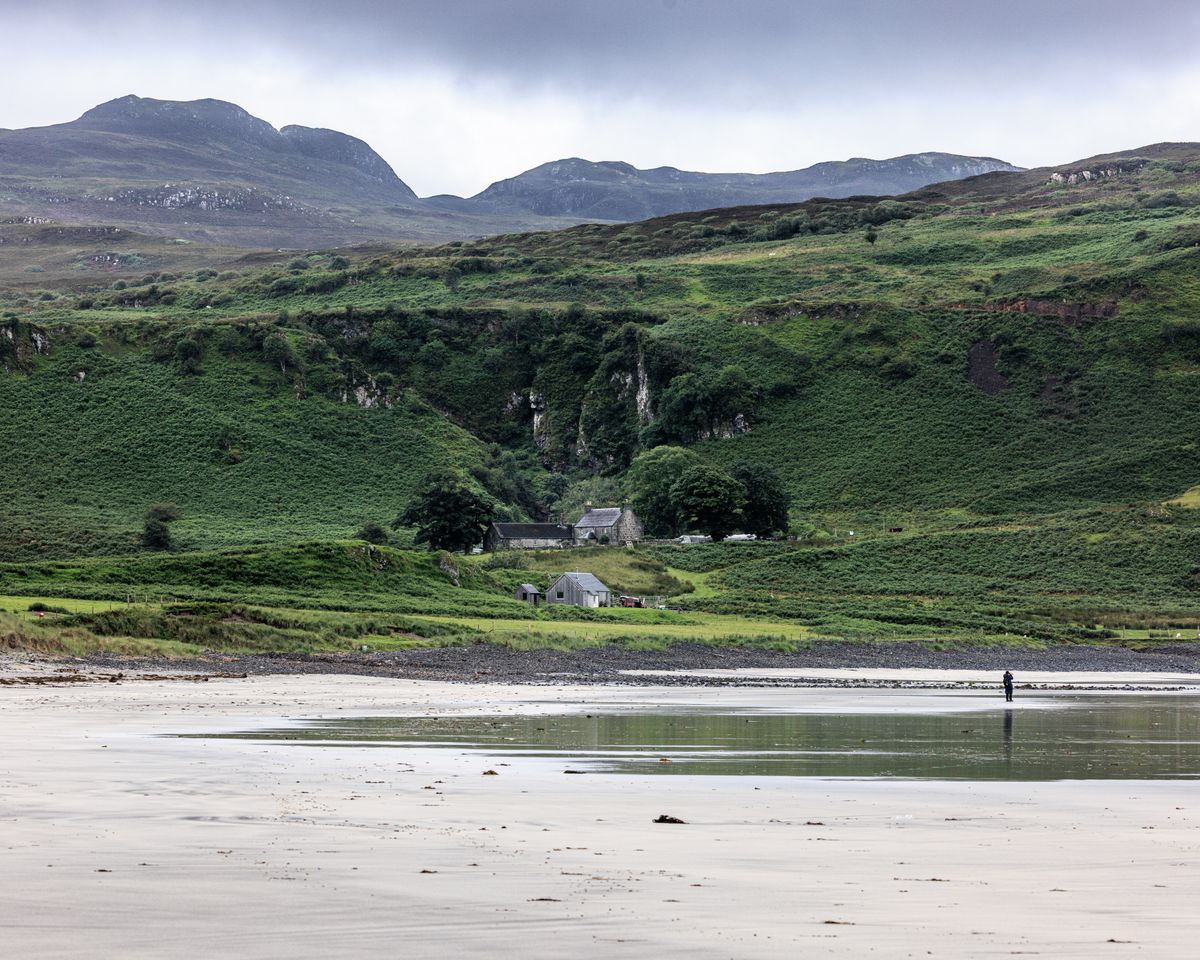
Sheep outnumber people comfortably, there is one small town, and the light on a clear day is the reason photographers keep coming back.
Getting there and staying
The ferry from Kennacraig takes about two hours and books out early in summer, especially for cars. There are also flights from Glasgow, which take forty minutes and are weather dependent.
Accommodation is limited: a few hotels, guesthouses and self catering cottages, and almost all of it is taken months ahead for the summer and the festival. Book the bed before you book the tours.
What is worth buying there
Distillery only bottlings and hand fill casks are the genuine reason to buy on the island: they are not available anywhere else and the price is the same as a standard bottle elsewhere.
Everything else is available at home, often cheaper. Note the liquid limits for hand luggage and the customs allowances for your destination before filling a bag. Ferry timetables are on the CalMac site and island information at the Islay visitor site.
Frequently asked questions (FAQ)
Conclusion
A flat wet island with a dozen distilleries, empty beaches and a whisky that tastes of smoke and the sea because peat was the only thing there was to burn.
Book the bed first and the tours second, walk the south coast path between the three, and take the sample home in a bottle if you are driving.
