
 By

Paris in 3 days is not enough for everything, but it is enough for a great deal more than most people manage. The classic first-visit mistake is to chase a list of ten sights scattered across the whole city and spend half the trip on the metro. Paris rewards being visited by area, and the best moments of each day are decided the evening before.
What you see on each of the three days, what the entries cost, when to arrive to avoid the queues and what you can leave out without regret.
Day 1: the Eiffel Tower, Trocadero and the Seine
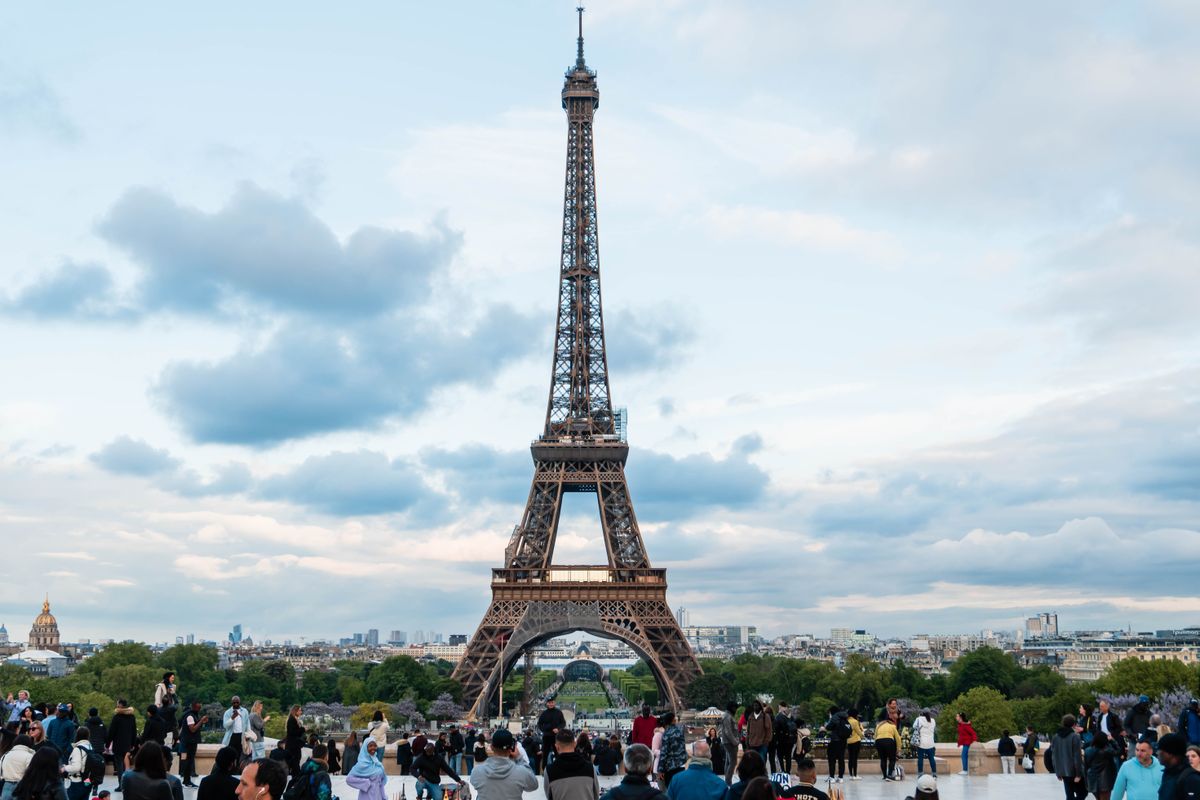
The first day starts with the sight everyone comes for, at the hour nobody comes. The Eiffel Tower looks best early in the morning from the Trocadero esplanade, where the light falls on the side facing you and where before nine there is not half the crowd of midday.
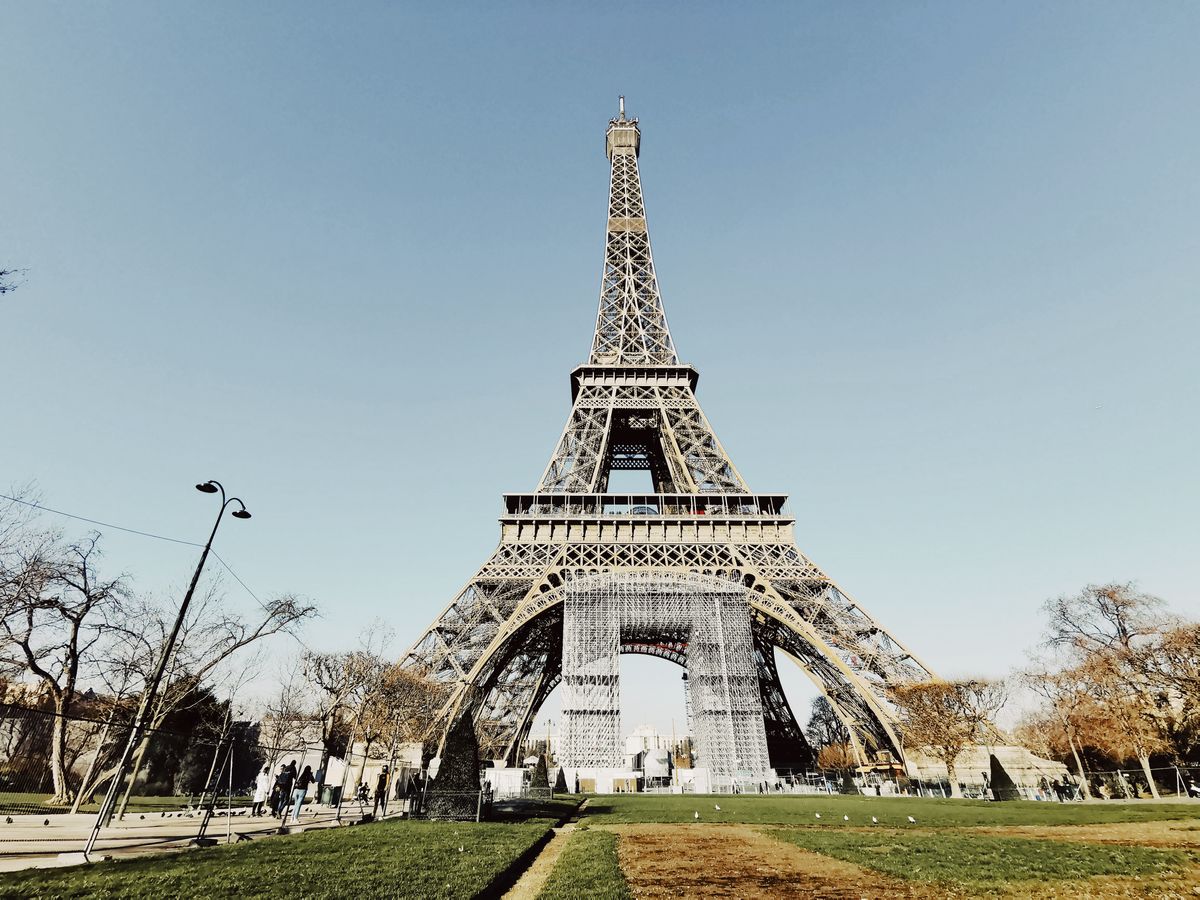
Going up is booked online for a fixed date, and tickets are released around two months ahead. If you did not get a lift ticket, the stairs to the second floor are significantly cheaper and the queues far shorter. Anyone who only wants the view over the city has better options, covered below.
| Option | Detail |
|---|---|
| Lift to the second floor | around 20 euros, adults |
| Lift to the summit | around 30 euros, adults |
| Stairs to the second floor | around 12 euros, much shorter queues |
| Booking | online, tickets appear about 60 days ahead |
| Best hour for photographs | early morning, from Trocadero |
| Evening | it sparkles for 5 minutes on every hour |
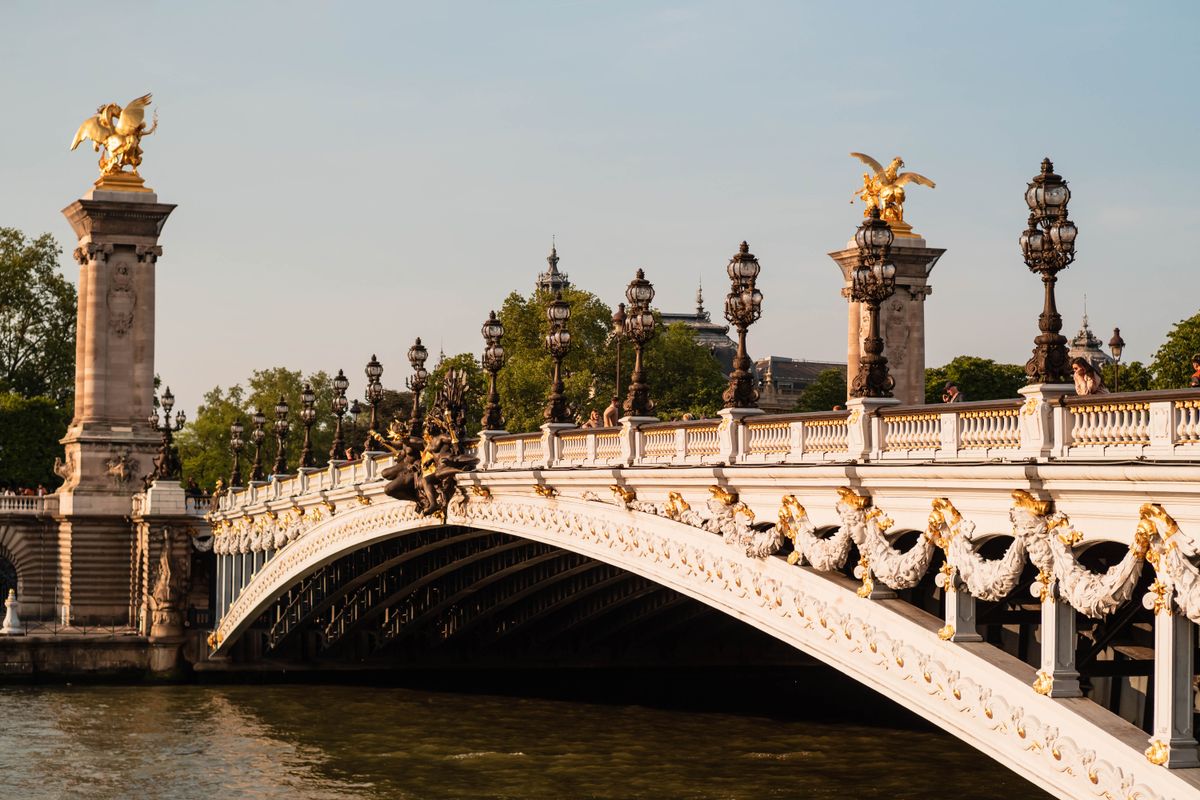
The afternoon drops down to the Seine. From the Champ de Mars to the Pont Alexandre III is about twenty minutes along the water, and that bridge, built for the 1900 Universal Exposition, is by far the most ornate in the city.
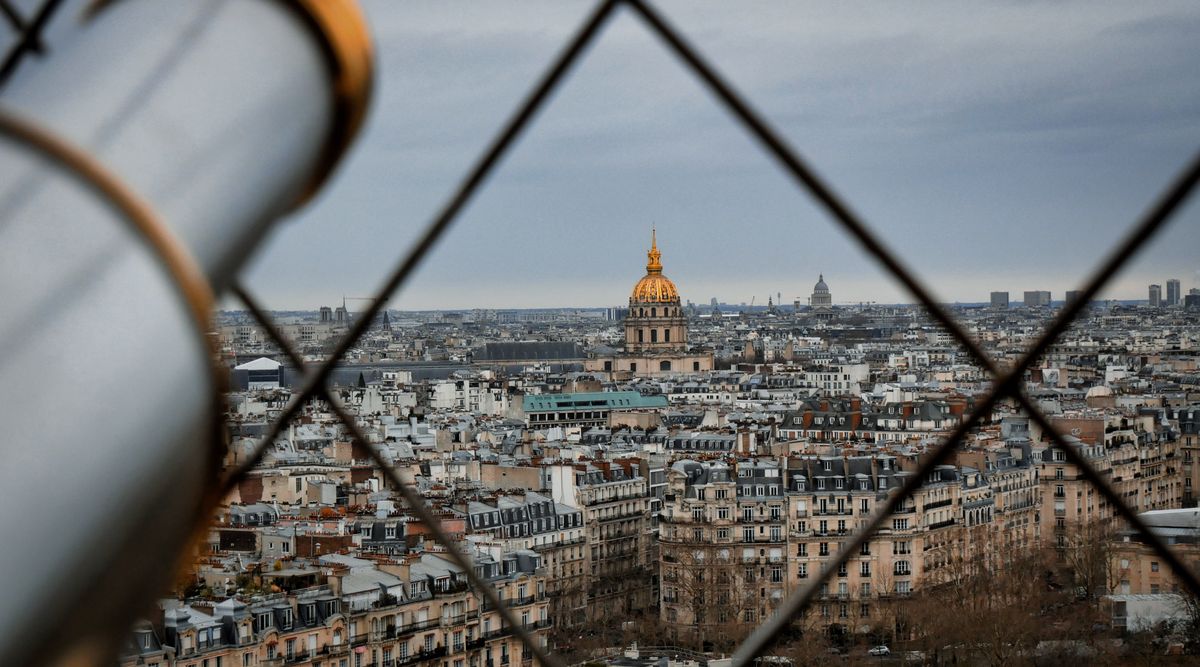
The same walk reaches the gilded dome of Les Invalides, beneath which lies Napoleon tomb. Even if you do not go in, the dome is one of the landmarks you will use to orient yourself for the rest of the trip.
The sixth floor of the Galeries Lafayette department store has a terrace with free access and a direct view of the Eiffel Tower and the rooftops. It costs nothing, has no queue and, unlike the tower itself, puts the tower in your photograph. Check the terrace hours first, it closes early.
Day 2: the Louvre, Ile de la Cite and the Marais
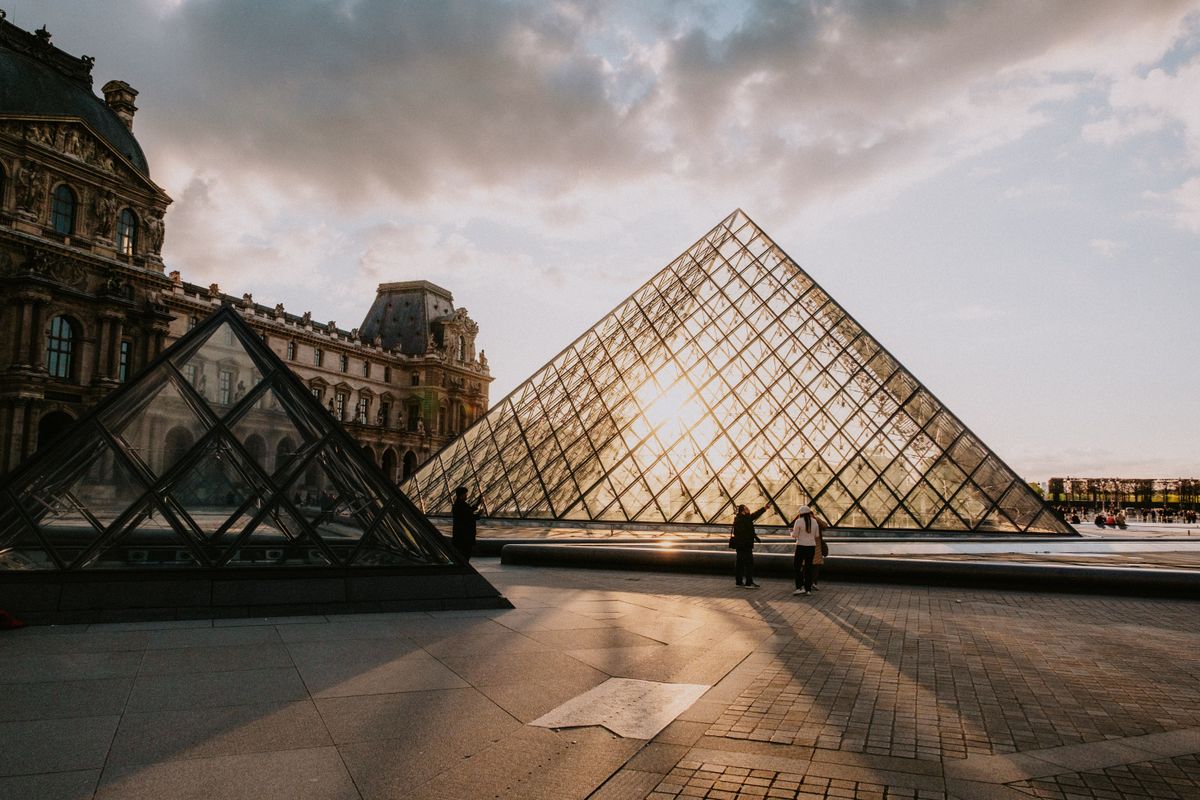
The second day is the museum day. The Louvre needs three hours even in the short version, and if you go in without a plan you come out tired and dissatisfied. Choose two or three wings in advance and accept that the rest waits for another time.
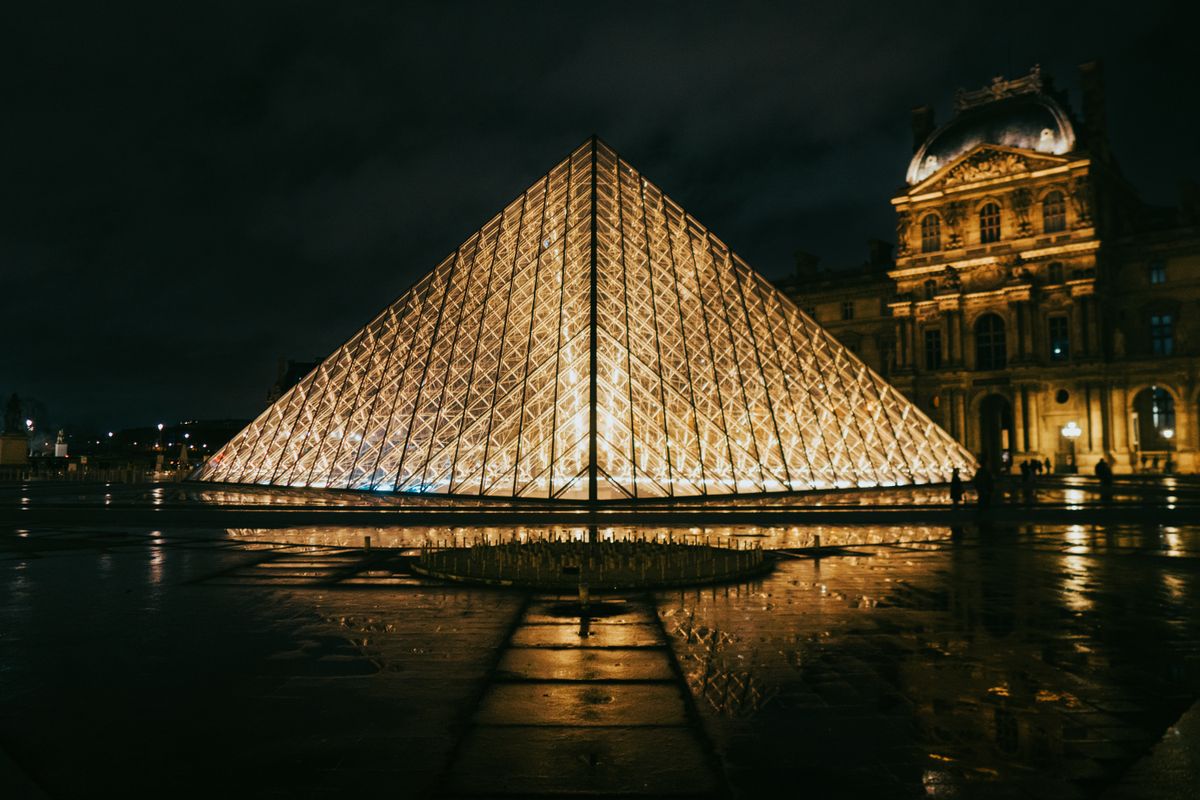
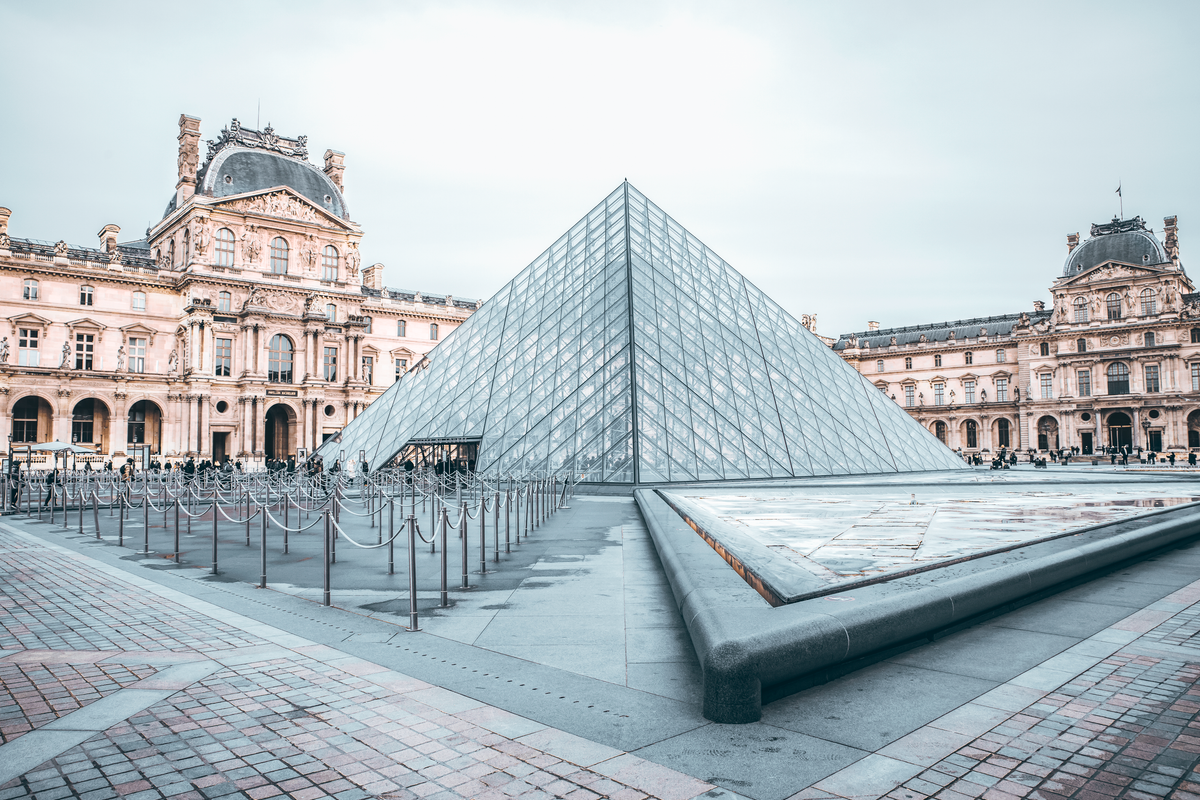
Book online with a timed slot. The pyramid is not the only entrance, and the side entrances usually have shorter queues. Current opening hours and the gallery map are on the official museum site.
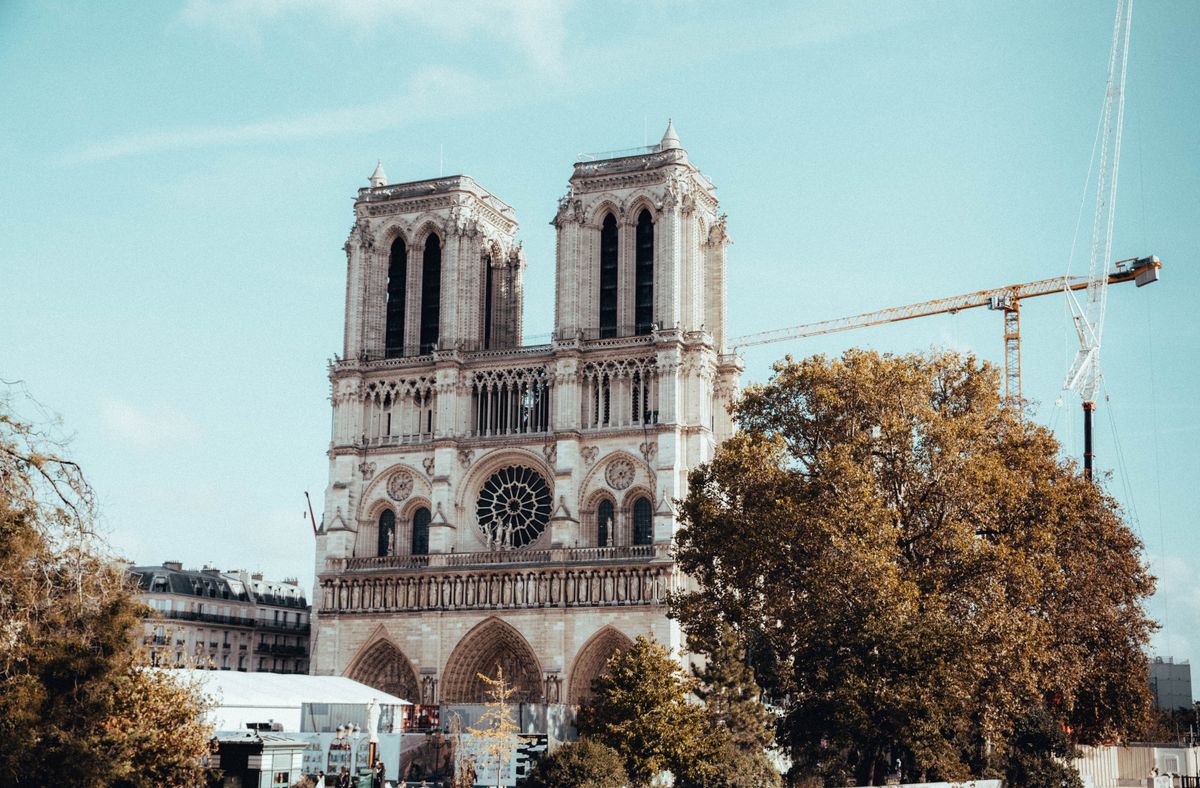
The afternoon crosses to Ile de la Cite, the island where the city began. Notre-Dame reopened in December 2024, after five years of reconstruction following the 2019 fire. Entry to the cathedral is free, with a timed booking to control the crowds.
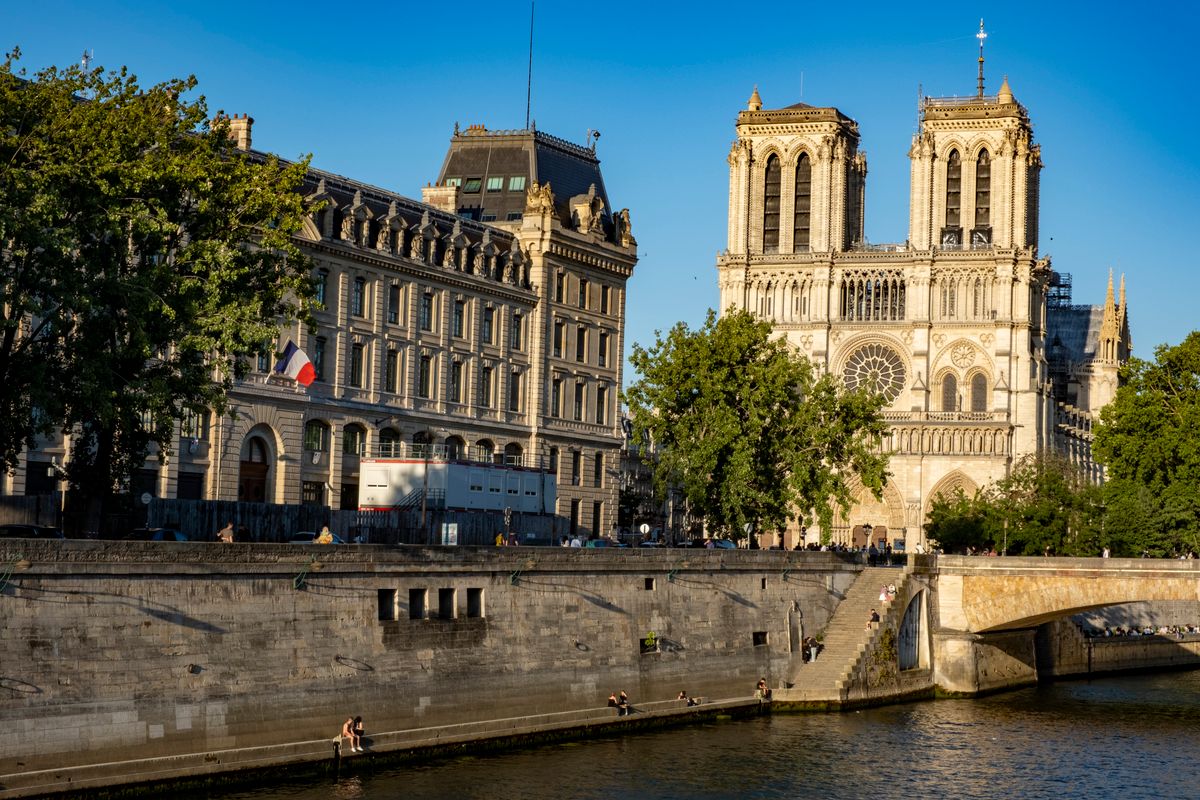
From the island you walk into the Marais, the quarter that escaped the Haussmann demolitions. The narrow streets, the Place des Vosges and the small galleries need no plan at all. This is the part of Paris where getting deliberately lost is the point.
Paris rains often and without warning. The best fallback is to swap the days: move the museum day onto the bad weather and keep the riverside walks for the sun. Check the forecast each evening and rearrange rather than suffering in the rain because that was the plan.
Day 3: Montmartre, the Arc de Triomphe and the opera
The third day climbs the hill. Montmartre was an independent village until 1860 and still looks unlike the rest of the city: steep streets, staircases, small houses. The Sacre-Coeur basilica is far more recent than it appears, finished only in 1914.
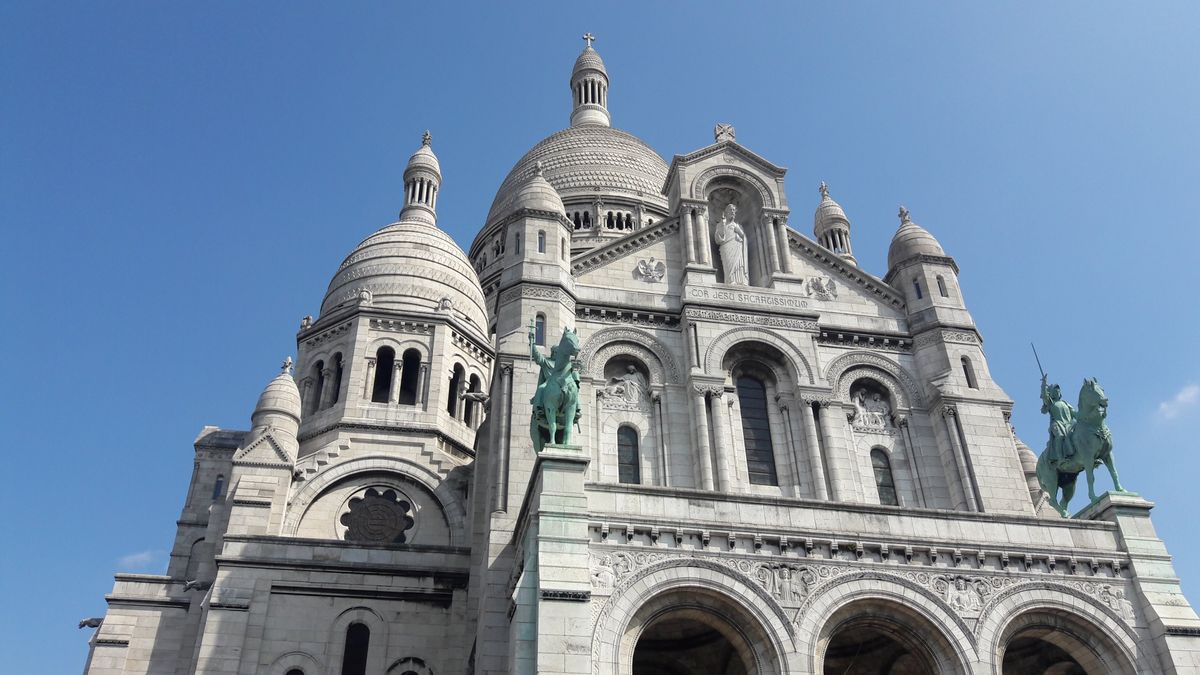
From the steps in front of the basilica you see all of Paris, for free, and the view is among the best in the city. Come before ten: after that the steps are full, and Place du Tertre, the painters square next door, becomes hard to cross.
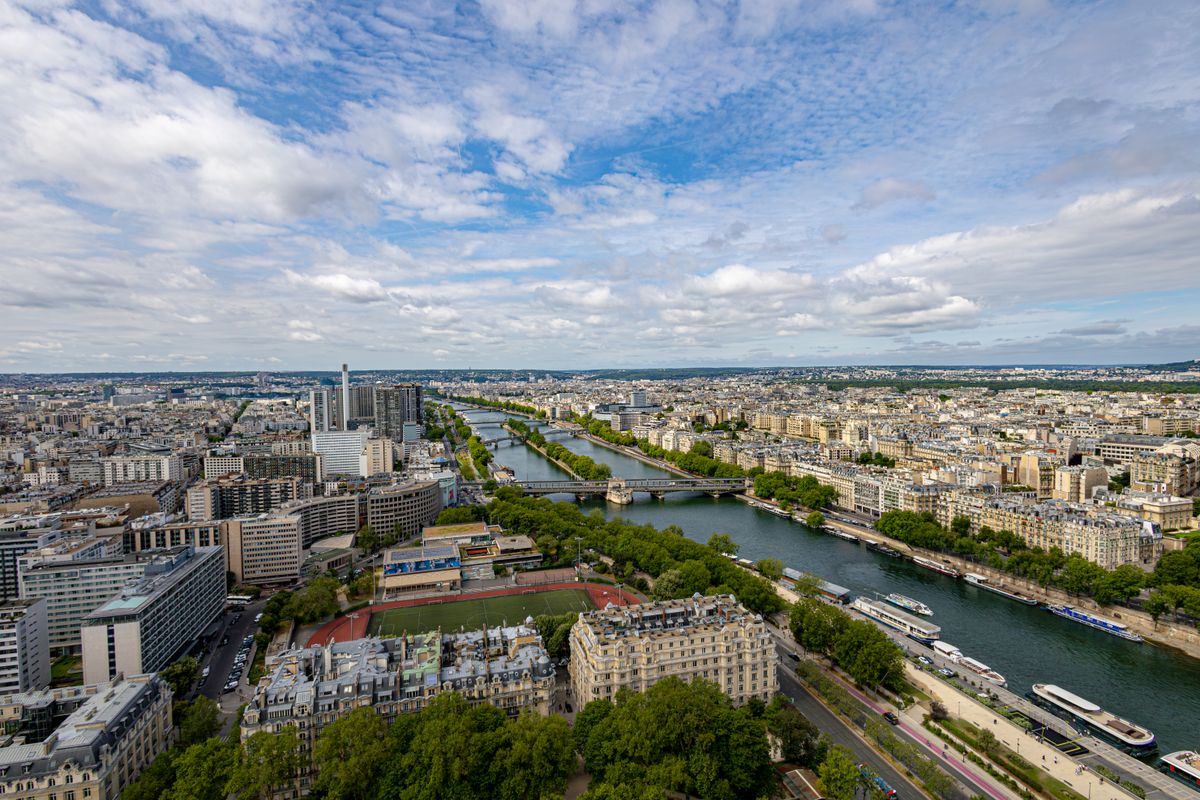
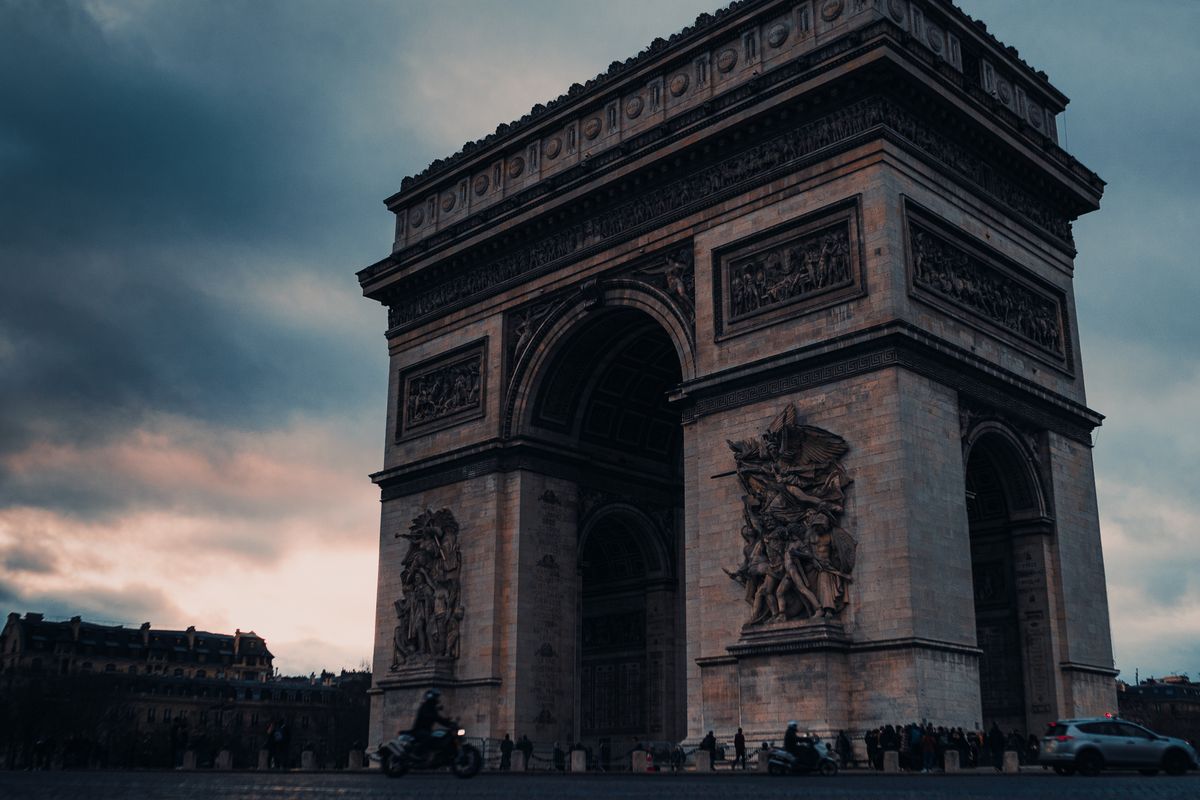
The afternoon drops west. The Arc de Triomphe stands in the middle of a junction of twelve avenues, and you reach the rooftop terrace through an underpass, not by crossing the traffic. The view from up there has one advantage over the Eiffel Tower: the tower is in the frame.
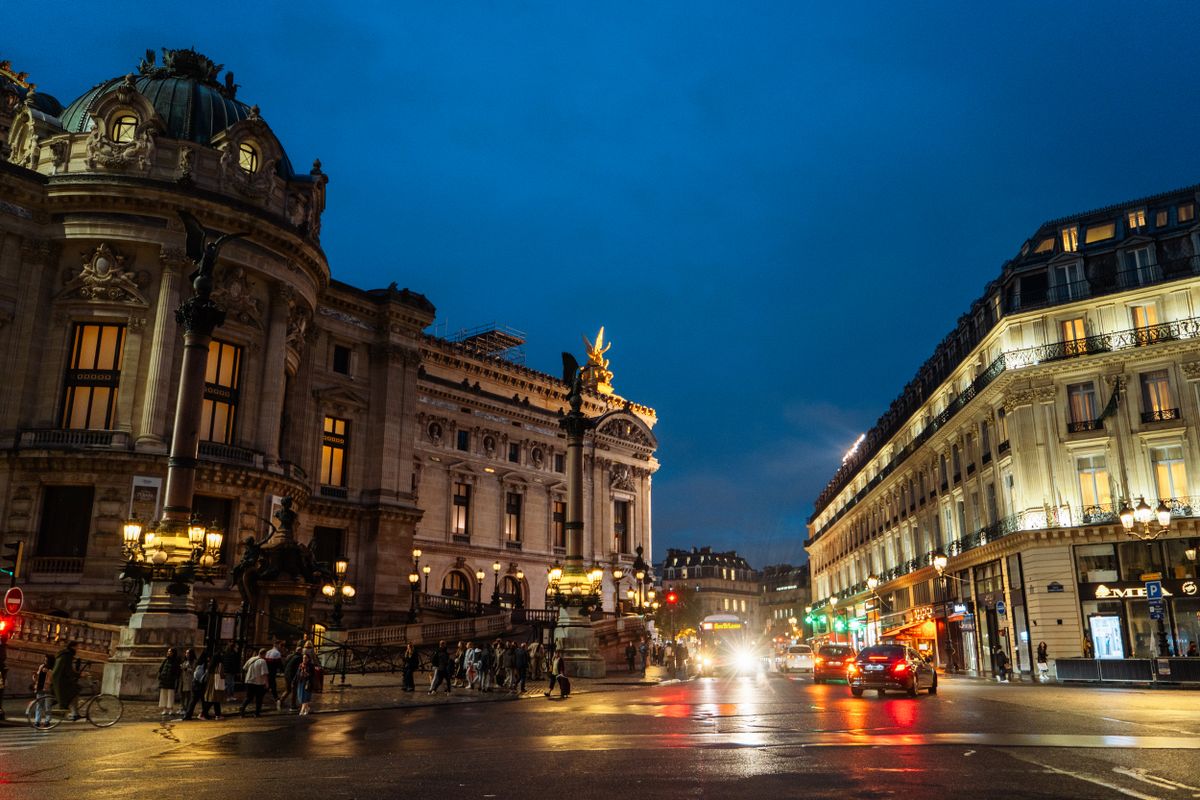
The last stop is the Palais Garnier, open for daytime visits with a ticket, no performance required. The grand staircase and the auditorium with its ceiling painted by Chagall justify the entry on their own, and the visit takes under an hour.
Transport, tickets and what Paris in 3 days costs
The metro solves everything. There are more than three hundred stations and you are rarely more than five minutes walk from one. Paper tickets have been withdrawn, and payment is by contactless card, through an app, or with a rechargeable card bought from a machine.
| Category | Amount |
|---|---|
| Public transport, 3 days | 25 to 35 euros |
| Eiffel Tower, second floor | around 20 euros |
| Louvre | around 22 euros |
| Arc de Triomphe | around 16 euros |
| Palais Garnier | around 15 euros |
| Food, 3 days, reasonable | 90 to 150 euros |
| Total excluding accommodation | approximately 190 to 260 euros |
Accommodation comes on top and is the biggest variable. Where you sleep matters more than what it costs per night, which is covered separately in the guide to cheap accommodation in Paris and which areas to choose.
Versailles needs a full day and does not fit honestly into three. Likewise a second big museum after the Louvre is usually too much. A Seine cruise is pleasant but not compulsory: the banks look just as good on foot, for free. Three things done without rushing beat six done at a run.
When to go and what to know first
| Item | Detail |
|---|---|
| Best season | April to June and September to October |
| Busiest | July and August |
| Cheapest | January and February |
| From the airport | train or bus, 30 to 60 minutes |
| Museums | many national museums close on Monday or Tuesday |
| Free entry | some museums on the first Sunday of the month |
Check the hours of each sight the day before, because they shift with the season. Some museums are free on the first Sunday of the month, which is also when they are fullest. Official information about the city is on the Paris tourist board portal, and for the cathedral directly on the Notre-Dame site.
Watch your pockets on the metro and around the big sights, particularly at Trocadero, at Sacre-Coeur and on the lines running to the airports. It is not a dangerous city, but pickpocketing is real and organised.
Frequently asked questions (FAQ)
Conclusion
Three days in Paris works if you give up the idea of seeing it all. One area a day, the big sight early in the morning, the rest of the day on foot. That leaves time for coffee on a terrace, which is, in the end, half the reason for coming.
Book the Eiffel Tower and the Louvre early, save Versailles for next time, and check the forecast each evening so you can move the museum day onto the rain.
