
 By

Olavinlinna is one of those buildings that geography explains immediately. It was raised on a rock in the middle of a strong current between two lakes, exactly where nobody could pass unseen. Five and a half centuries later, that same inner courtyard hosts every July one of the more unusual opera festivals in Europe.
Why it was built there, what you see inside, what the opera is about, what else the town has and how to reach it.
Olavinlinna, a castle placed in everybody way
The castle was founded in 1475 by Erik Axelsson Tott, a nobleman in the service of the Swedish crown, as a defensive point on the eastern frontier of the realm. Beyond that line lay Novgorod, and later Russia. The name comes from Saint Olaf, patron of northern knights.
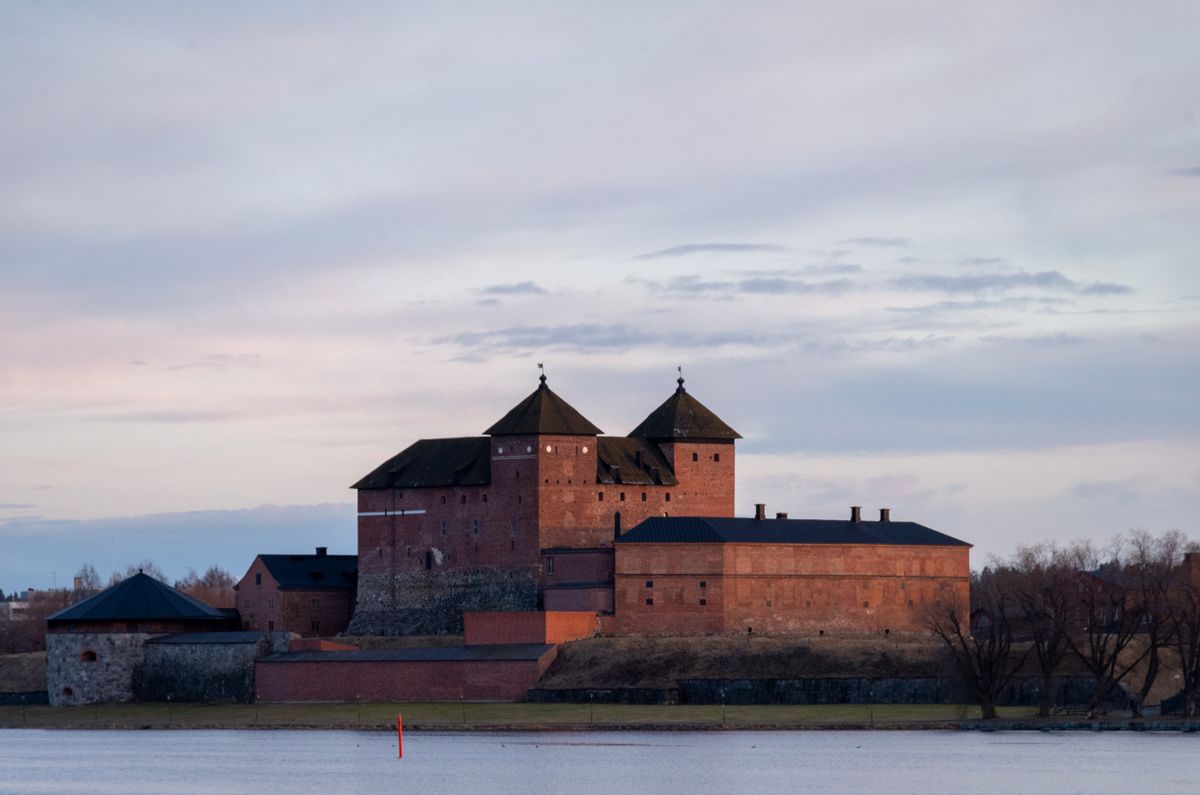
The position is the entire argument. The castle stands on a rocky island in the Kyronsalmi strait, which links two basins of Lake Saimaa. The current there is strong and the water does not freeze easily, which meant that in winter, when the rest of the lake became a road, the castle stayed hard to attack.
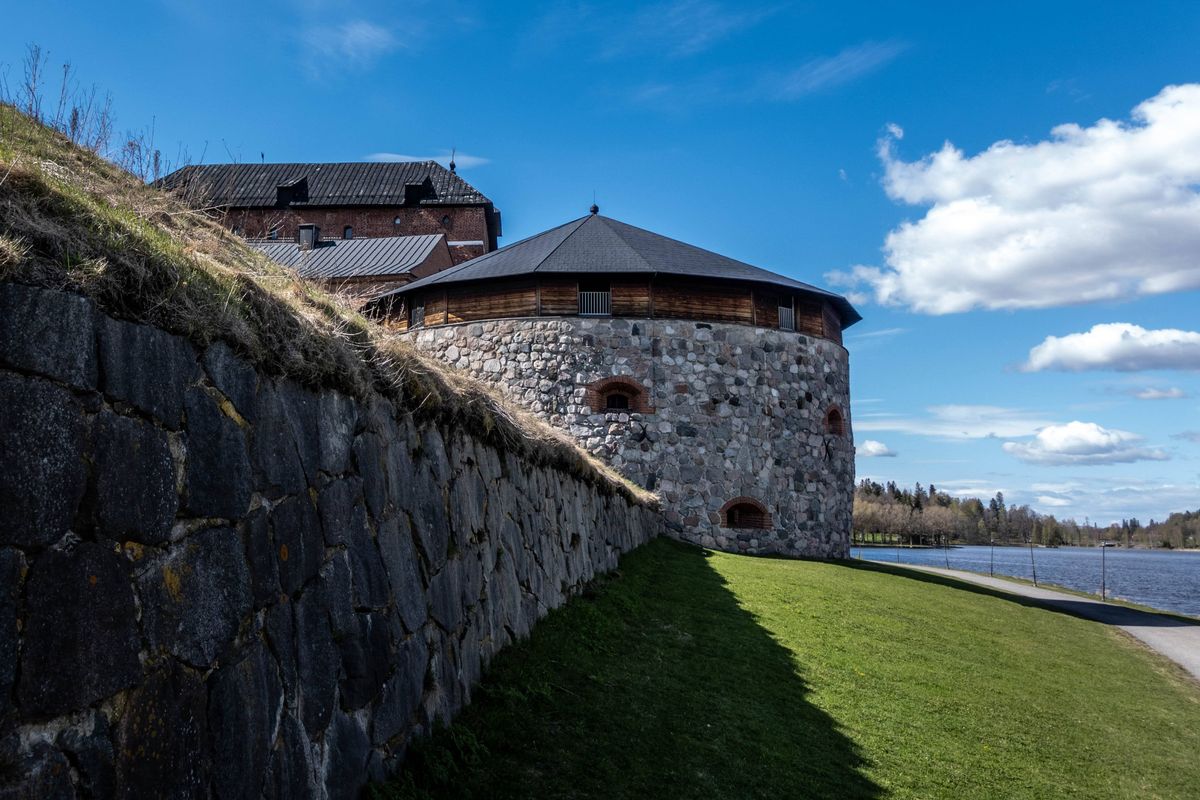
Three of the original five round towers survive, along with the thick stone walls and the inner courtyards. It is considered the northernmost medieval stone fortress still standing anywhere, which says something about how far European military building had reached.
| Element | Detail |
|---|---|
| Founded | 1475, by Erik Axelsson Tott |
| Position | a rocky island in the Kyronsalmi strait |
| Towers surviving | 3 of the original 5 round towers |
| Role | defence of the eastern frontier of the Swedish realm |
| Ceded to Russia | by the Treaty of Abo, in 1743 |
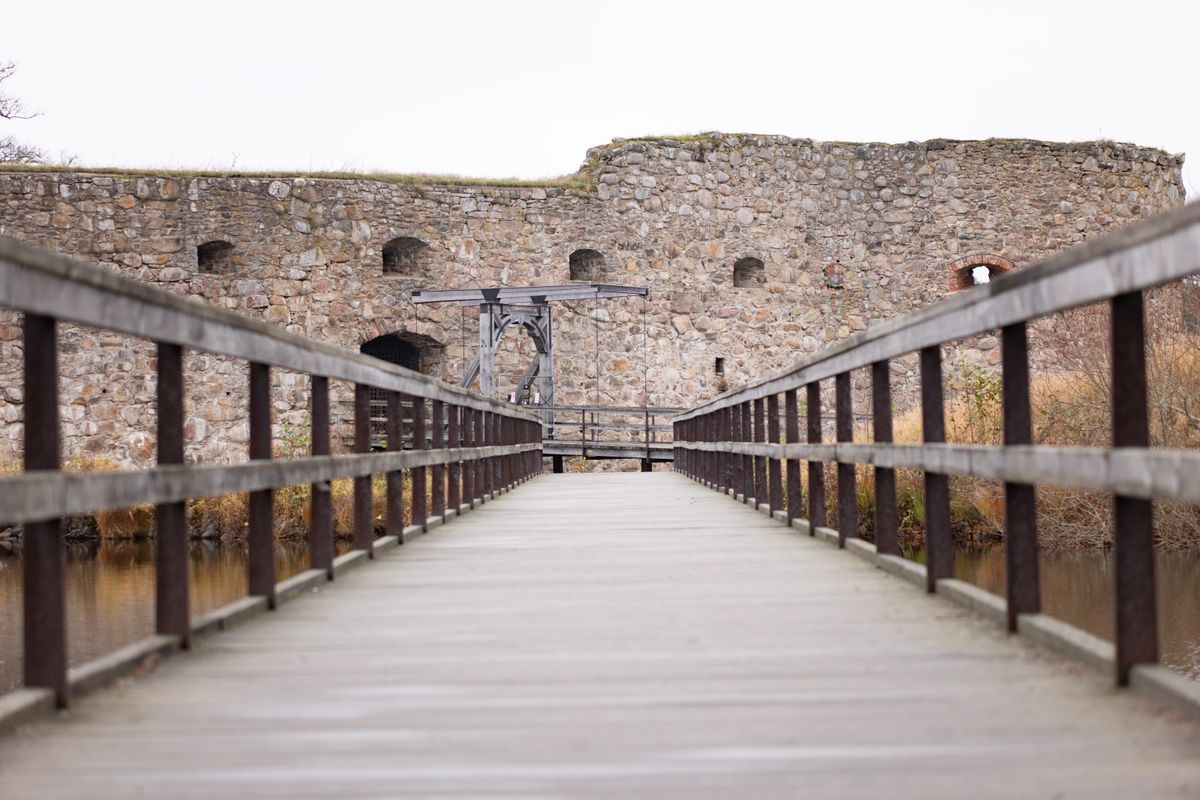
| Access | across a floating bridge that opens for boats |
The castle interior can only be seen on a guided tour, and English tours run at fixed times and can fill up in summer. Buy online or arrive early. The tour lasts around an hour and covers the towers, the chapel and the living quarters.
Sieges, changes of master and a moved border
The castle was built for a war that came more than once. It held out against several Russian sieges in the sixteenth century, then fell during the Great Northern War at the start of the eighteenth, and was returned to Sweden by the peace treaty.
The second time it did not come back. In 1743, by the Treaty of Abo, Olavinlinna and the surrounding district passed permanently to the Russian Empire, almost seventy years before the rest of Finland followed the same path. The Russians strengthened the fortifications, after which the castle lost its military purpose and served for a while as a prison.
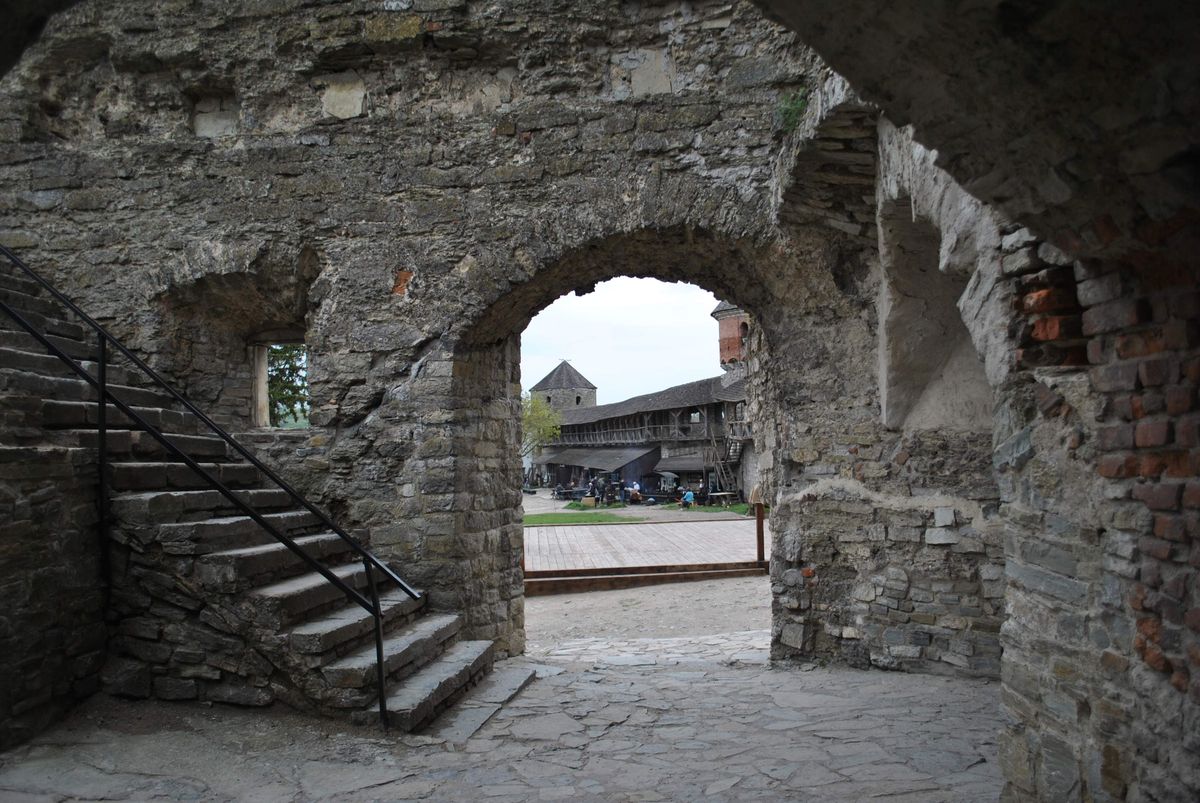
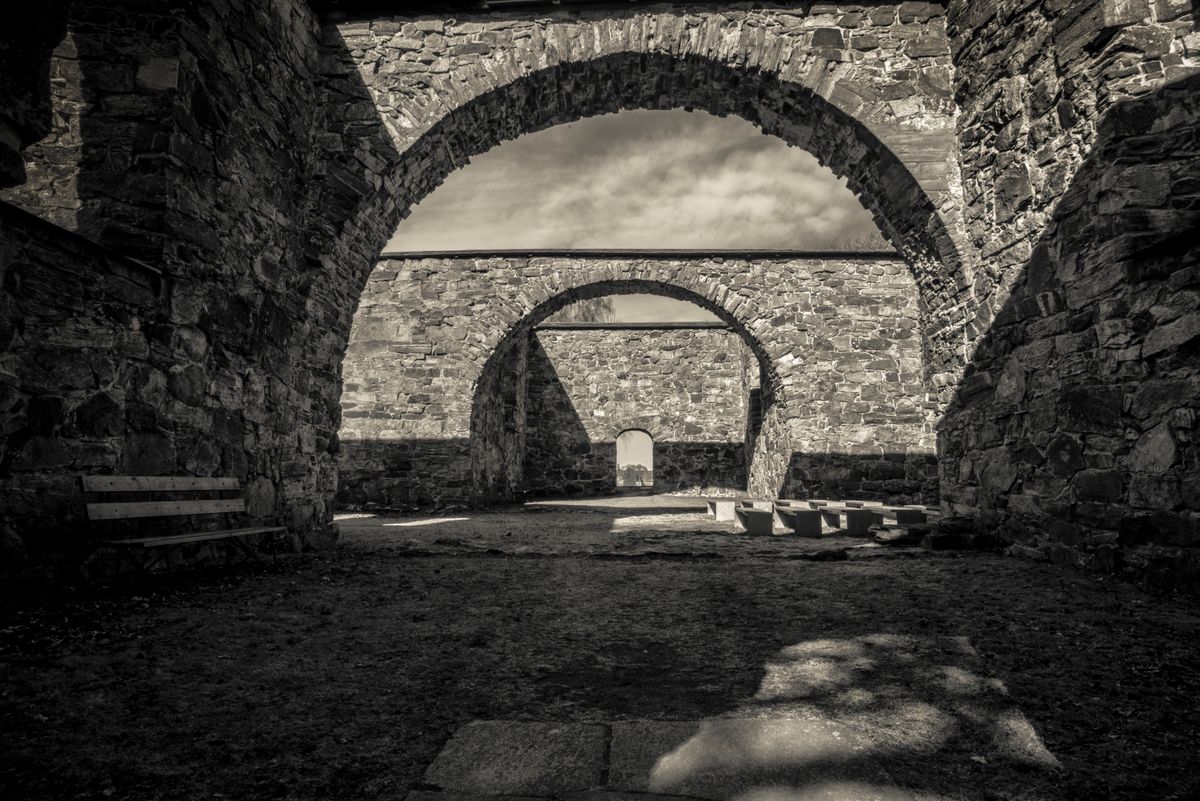
Restoration began in the nineteenth century and continued, with pauses, into the nineteen eighties. What you see now is a consolidated castle fitted out for visitors rather than a ruin, which makes the tour far more concrete than at many fortifications of the same age.
The opera festival in the castle courtyard
Since 1912 the inner courtyard has turned into a performance space every summer. The idea belonged to the soprano Aino Ackte, and after a long interruption the festival was revived in 1967 and has run annually every July since.
Stage and seating are built into the courtyard under a canopy, for roughly two thousand two hundred places. The acoustics of the stone walls, and the fact that the performance happens inside a fifteenth century castle on an island, make the experience hard to compare with an ordinary hall.
- It runs in July, every year, with a handful of productions in repertory.
- Tickets go on sale many months ahead and the good ones sell out quickly.
- Accommodation in Savonlinna rises noticeably in price and fills up during the festival.
- Evenings are cool even in July, and the courtyard is open at the sides: bring a coat.
- Programme and tickets are on the official festival site.
The castle is open for normal visits during the festival too, outside performance hours, and the town in July has an atmosphere it does not have the rest of the year. It is worth coming even without the opera, provided you booked a bed early.
Savonlinna and Lake Saimaa
The town has around thirty thousand residents and sits on several islands linked by bridges. The centre is small and walks in an hour, and the square by the harbour is where people gather in summer.
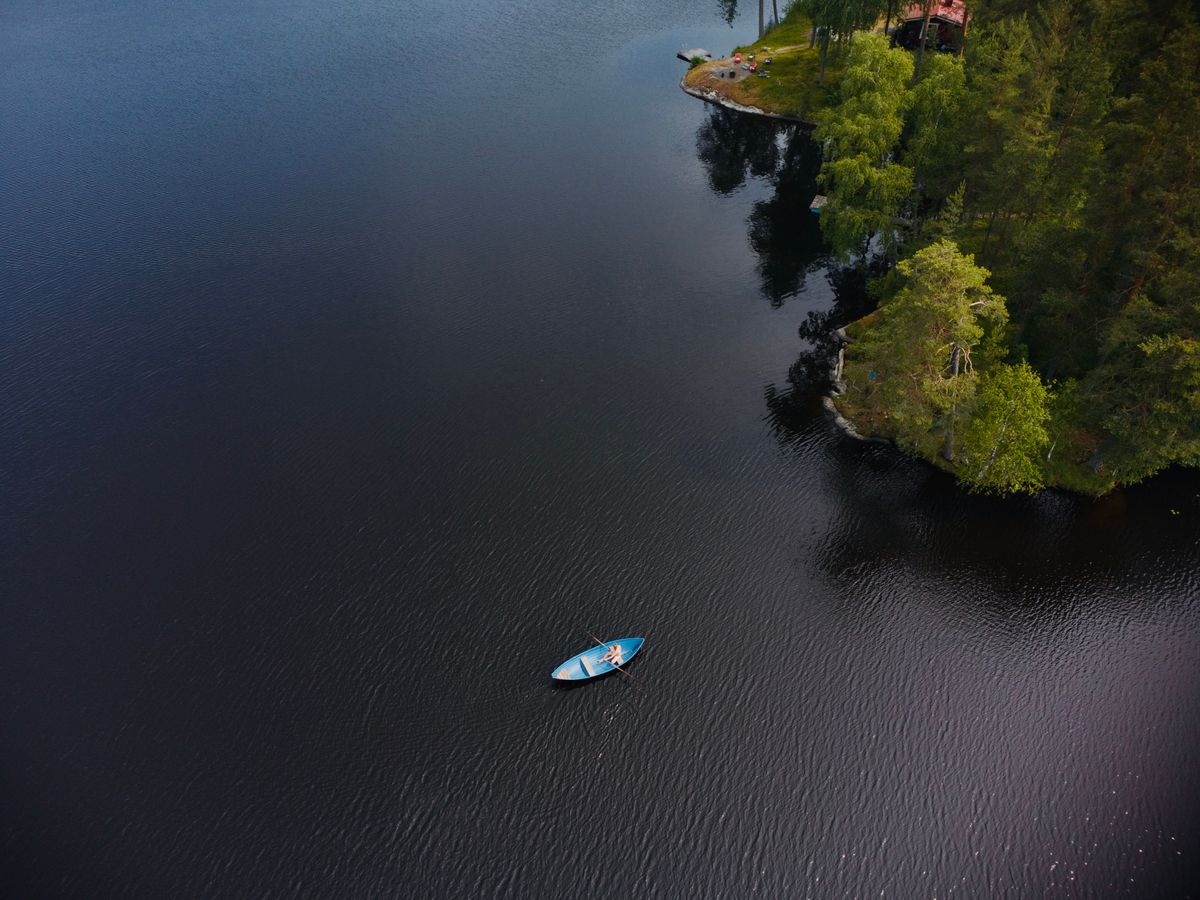
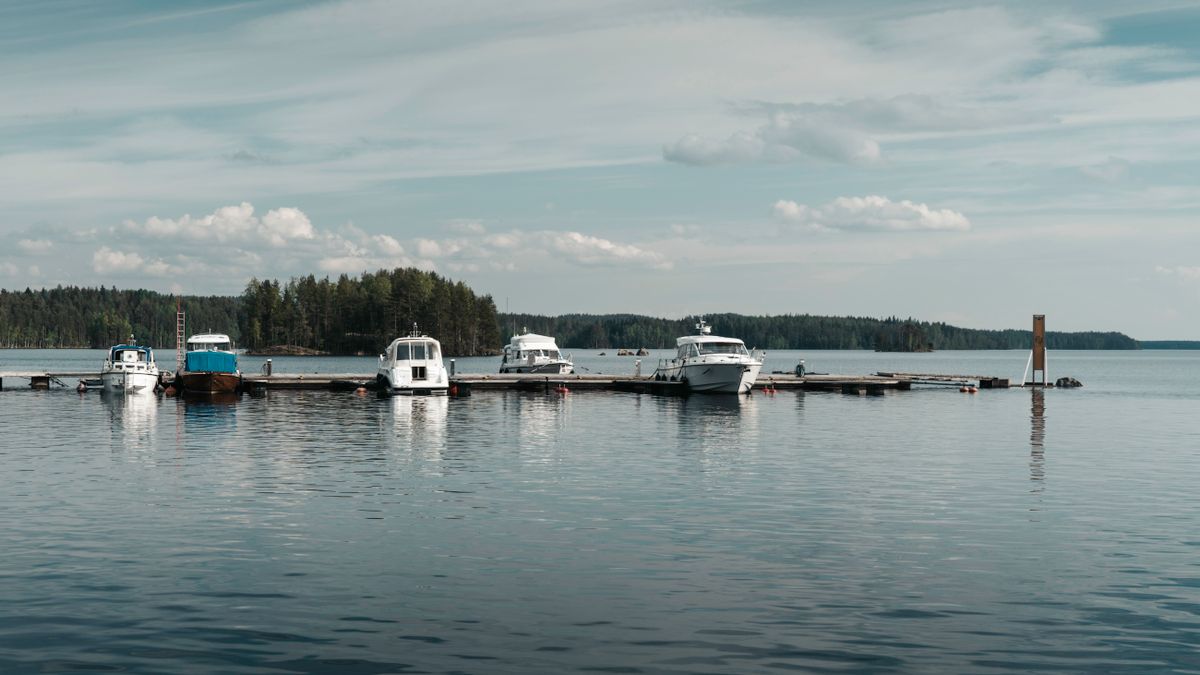
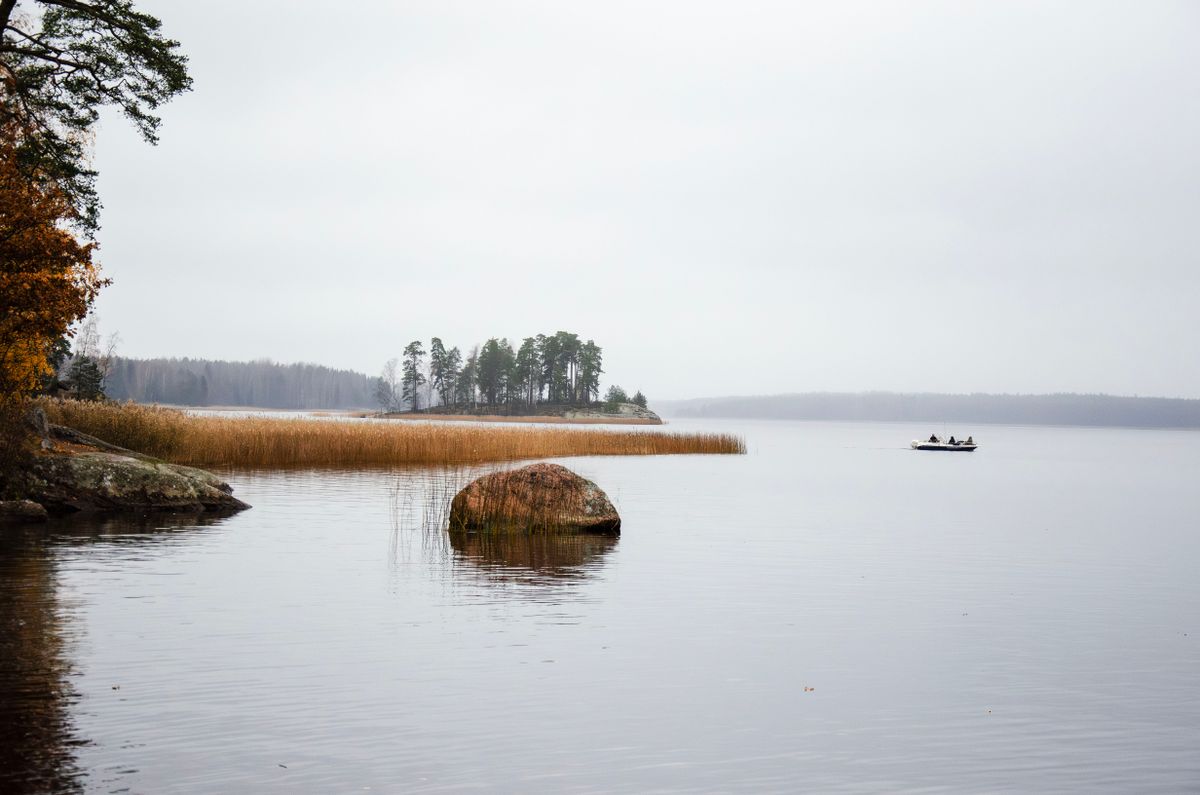
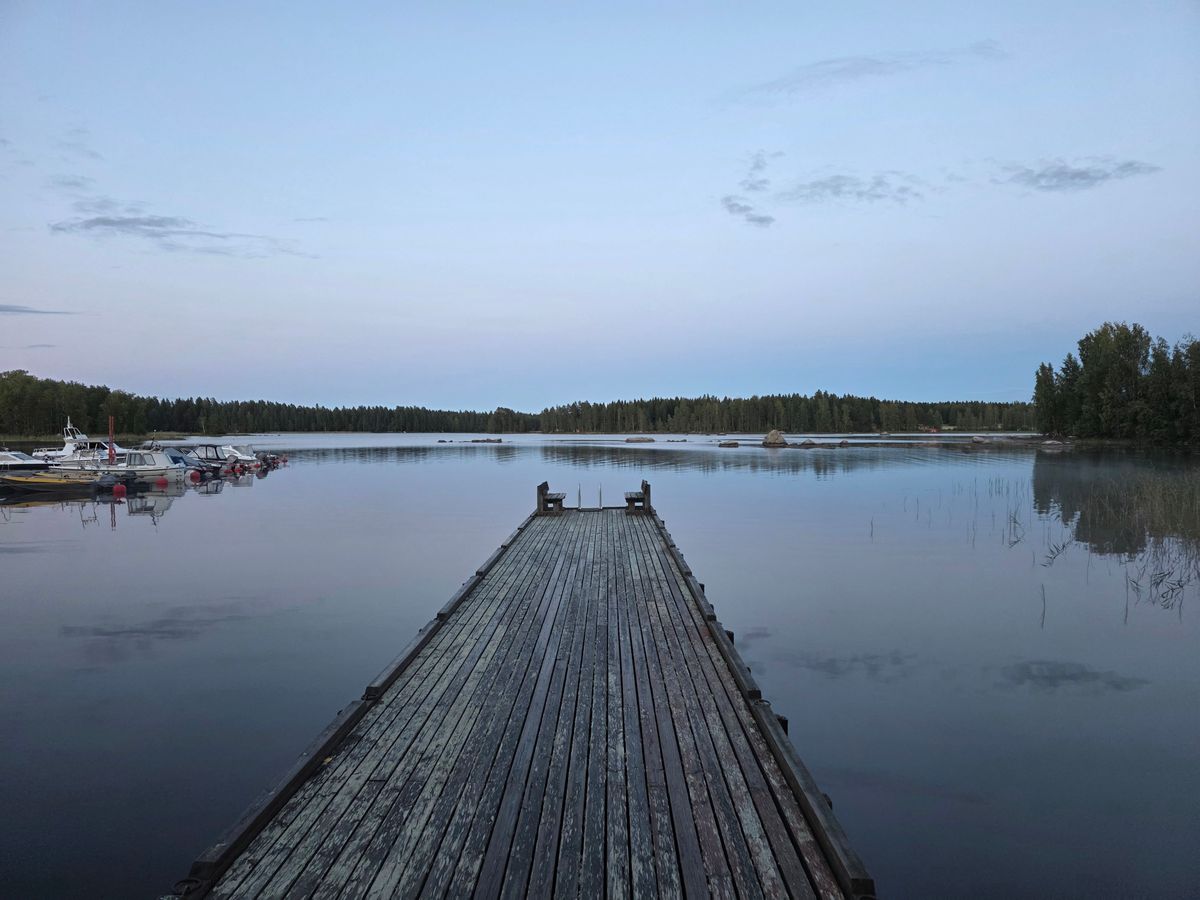
Saimaa is the largest lake in Finland and one of the largest in Europe, a maze of arms, straits and islands spread over thousands of square kilometres. The island count runs past thirteen thousand, depending on where you draw the line.
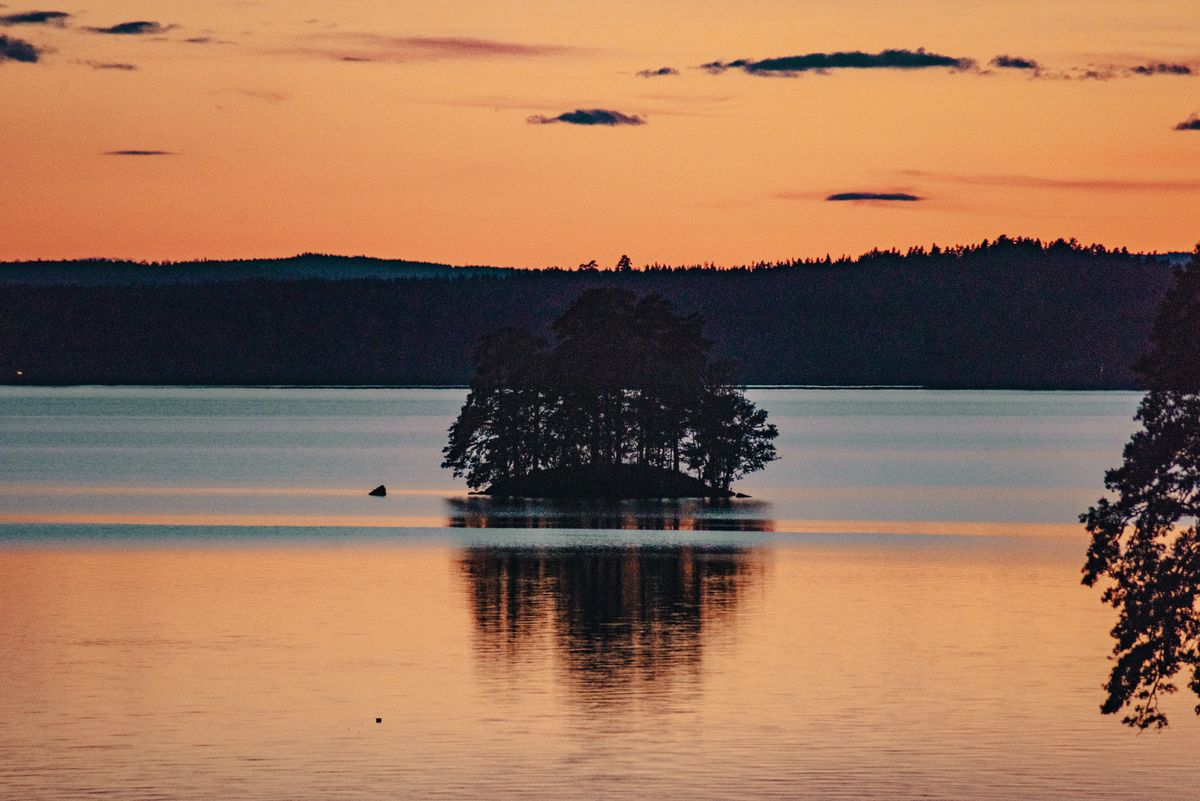
The lake has an inhabitant nobody else has: the Saimaa ringed seal, a subspecies left isolated here since the end of the last ice age. The population is measured in a few hundred animals, which makes it one of the rarest seals in the world. It is seen rarely, and only from a boat, with patience.
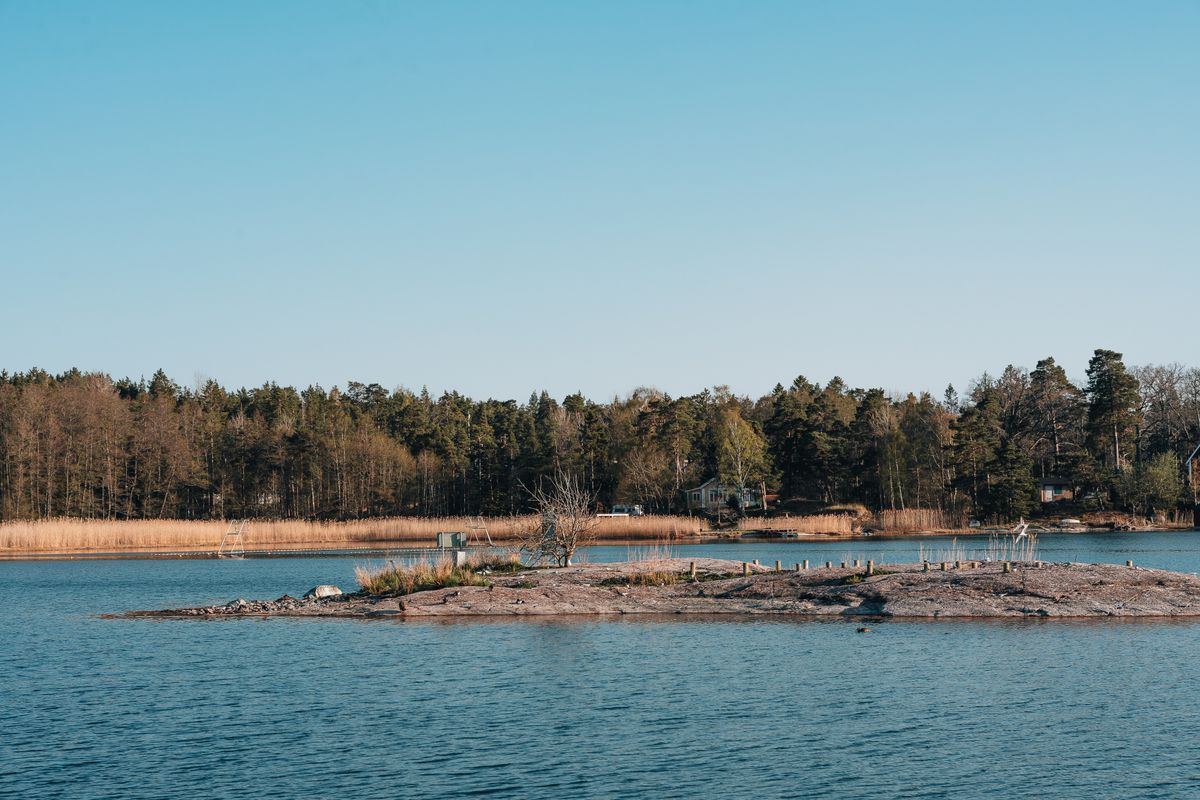
- Cruises of a few hours on Saimaa, leaving from the town harbour.
- The Riihisaari regional museum, right beside the castle, on lake navigation and on the seal.
- The harbour market, with lortsy, the local crescent shaped pastry.
- Muikku, the small fish fried whole that is eaten everywhere in eastern Finland.
- Boat or kayak trips among the islands, hired on the spot.
Getting there and when it is worth it
| Item | Detail |
|---|---|
| From Helsinki by train | around 4 hours, with one change |
| From Helsinki by car | roughly 340 km, about 4 hours |
| From Joensuu | around 2 hours by car |
| Castle visit | about an hour, guided only |
| Time in town | one day, two if you go to the opera |
| Best season | June to August |
It links naturally with the rest of eastern Finland. Koli is around two and a half hours to the north, and the drive runs through the classic landscape of lakes and forest, which is itself a reason to stop. Many rental cabins sit directly on the shores of Saimaa.
Information on opening hours, cruises and events is on the town tourism portal, and general background on Finland at Visit Finland.
Frequently asked questions (FAQ)
Conclusion
Olavinlinna explains its own existence: a rock in the middle of a current, between two lakes, on a border that moved across it more than once. Three round towers, thick walls and a bridge that opens for passing boats.
If you can choose the month, choose July and buy the opera ticket in winter. If not, come in June or August, when the town is yours and so is the lake.
