
 By

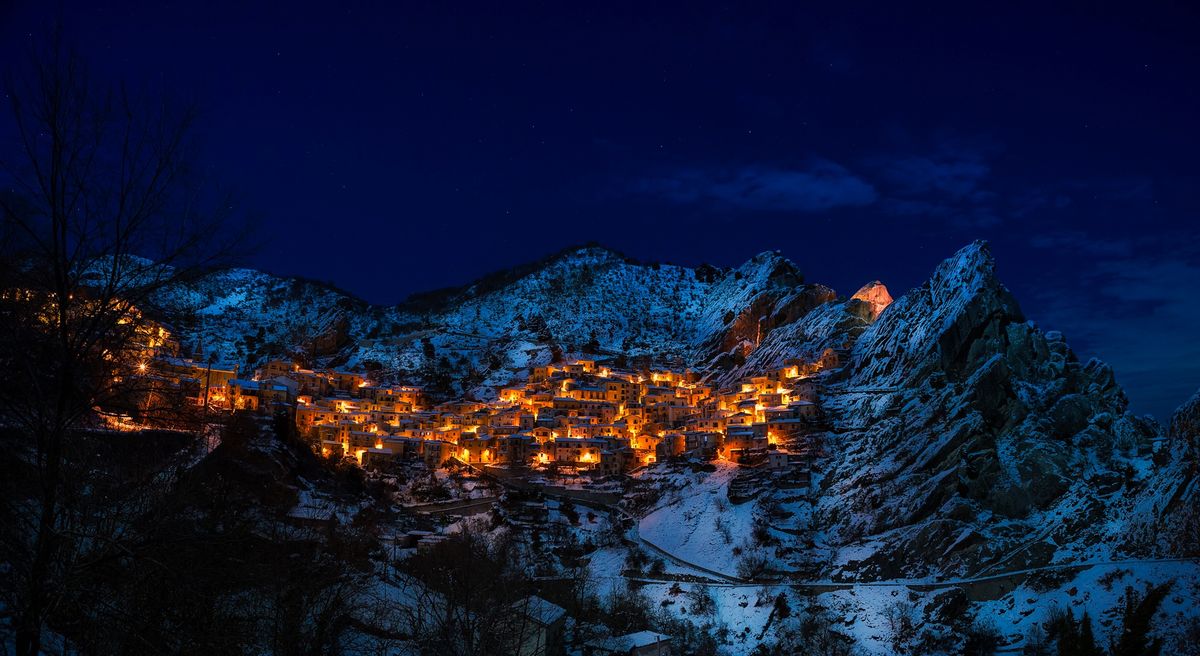
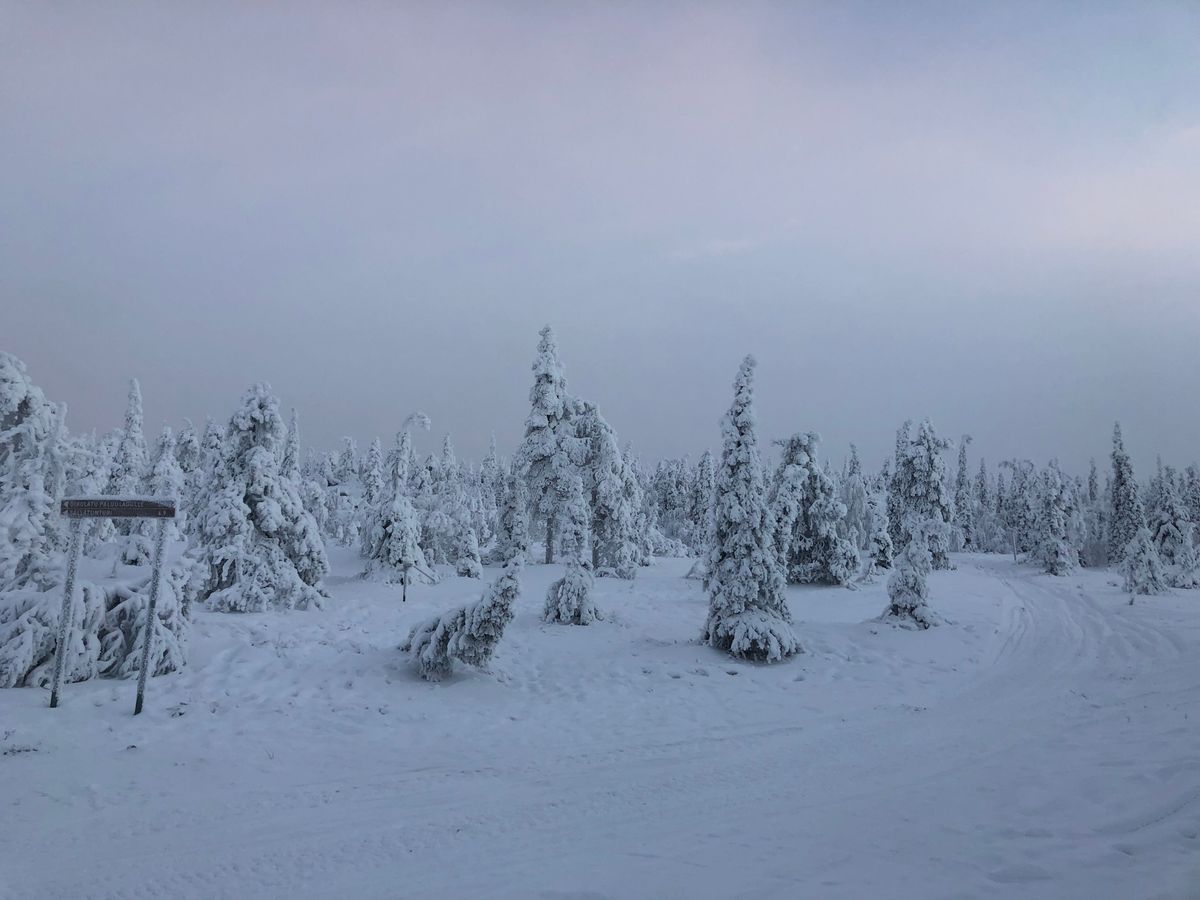
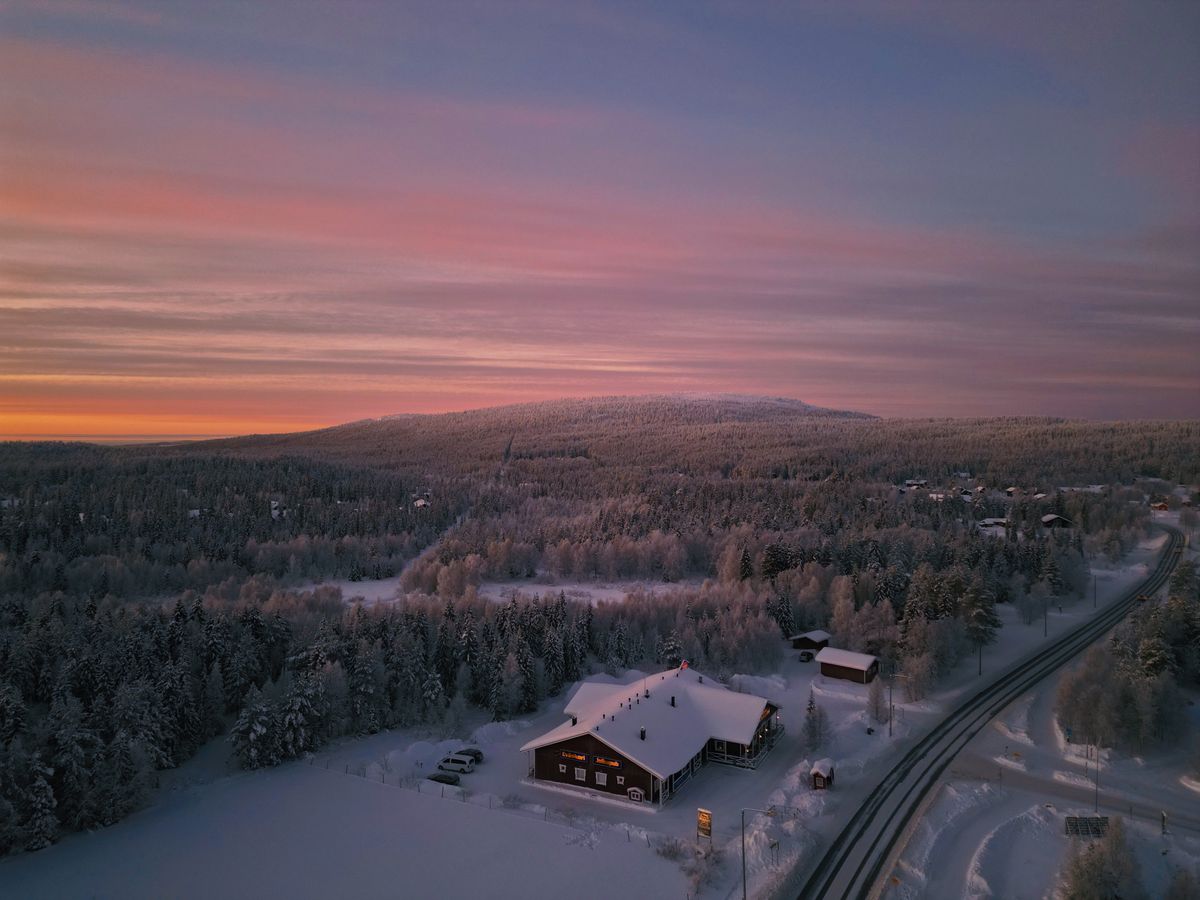
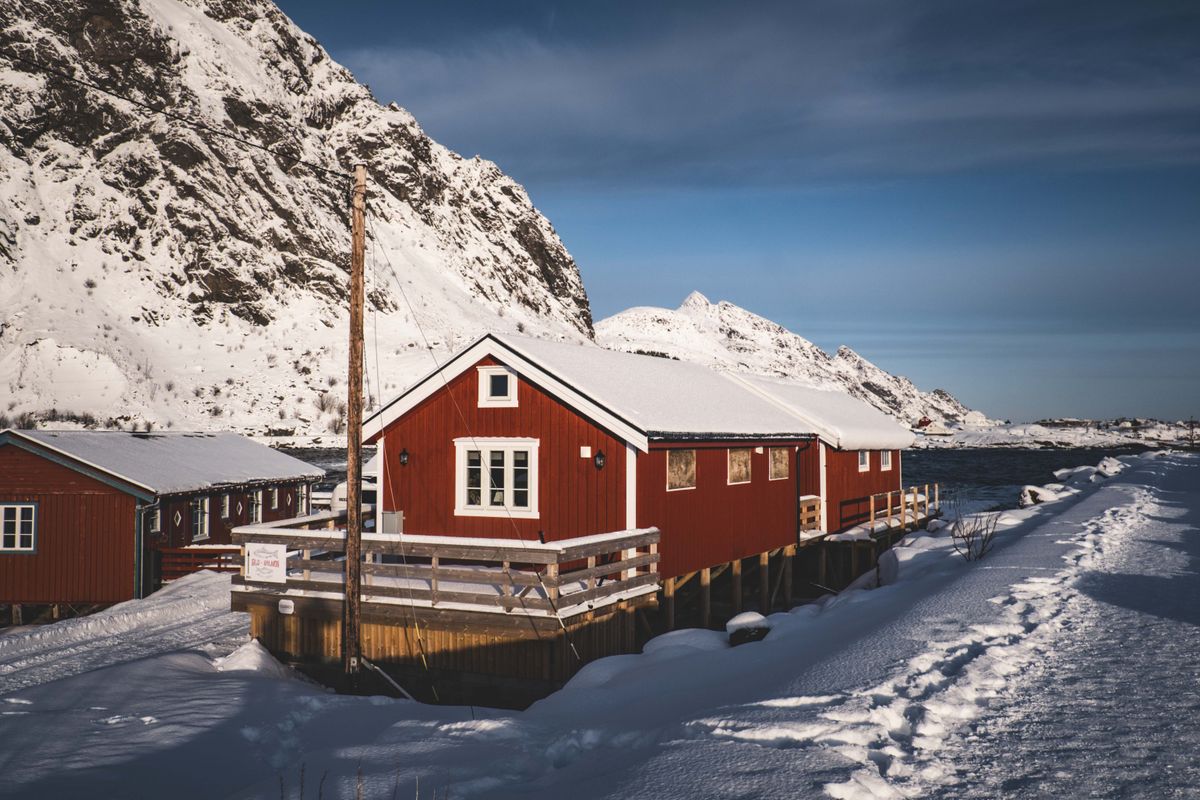
The Arctic Circle runs through the northern edge of Rovaniemi, and someone had the commercial sense to put a Santa Claus Village exactly on the line. Finnish Lapland delivers the version of winter people have in their heads: snow to the roofline, reindeer, huskies and a sky that sometimes turns green.
What the Santa village actually is, sledding with reindeer and dogs, glass igloos and the aurora, and the alternatives to Rovaniemi.
Why Finnish Lapland
Lapland covers about a third of Finland and holds around three per cent of its population. The snow arrives in November and stays into April or May, the temperature routinely drops below minus 20, and the tourism infrastructure is genuinely good.
Rovaniemi is the capital, has an airport with direct flights from across Europe, and is on the Arctic Circle, which is the whole basis of what happens there.
The Santa Claus Village at Rovaniemi
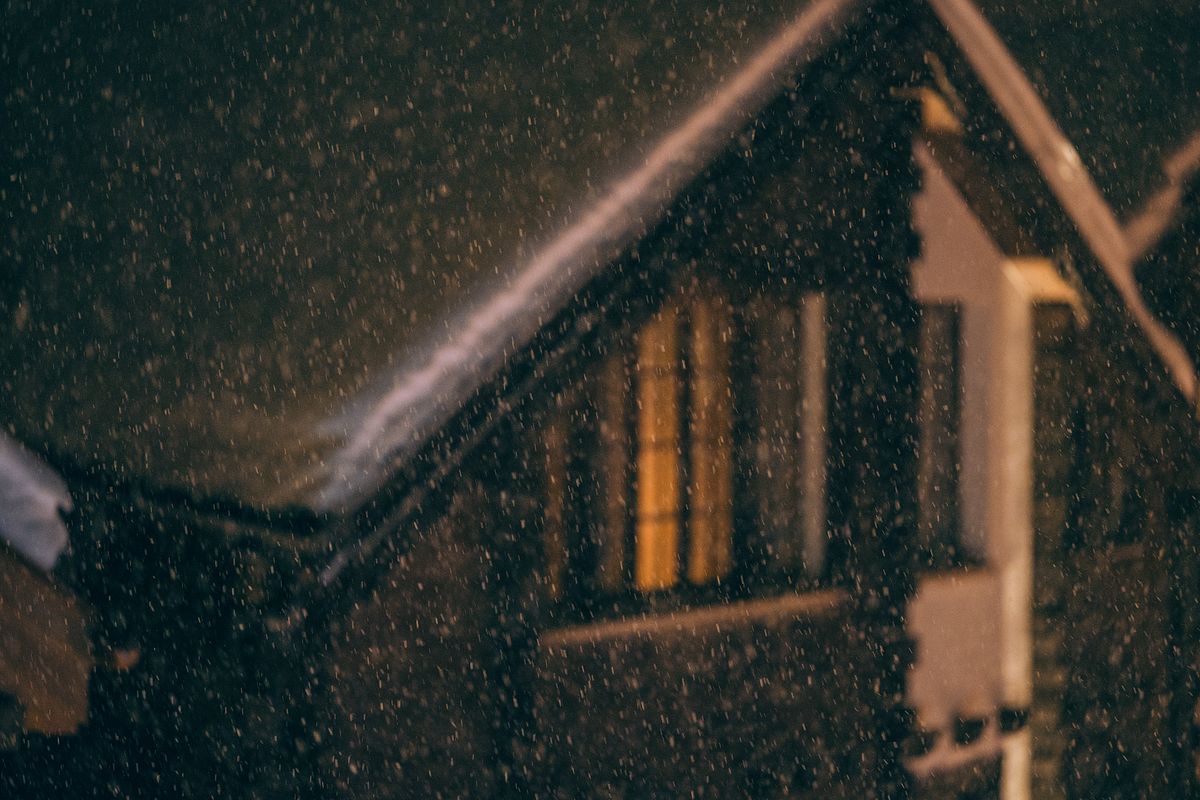
It sits eight kilometres north of the town, directly on the Arctic Circle, and it is open all year. Entry is free. You can meet Santa, who speaks a startling number of languages, cross the marked line, and post a letter from the Santa post office with a special postmark, which can be held and delivered at Christmas.

It is unashamedly commercial, the photograph with Santa costs money and cannot be taken yourself, and children under about ten find it entirely convincing. Adults expecting something folkloric will be disappointed. Adults expecting a theme park will be pleasantly surprised.
Reindeer and huskies
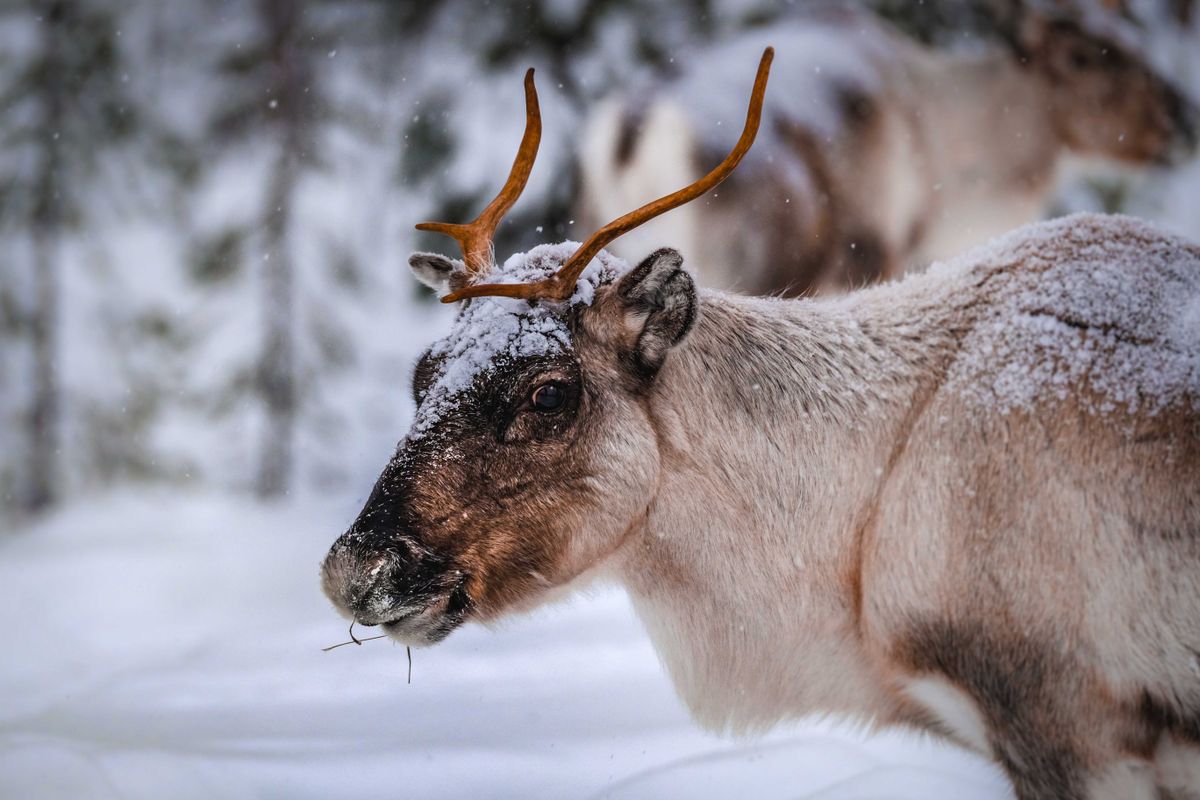
Reindeer sledding is slow, quiet and closer to a walking pace than to anything dramatic, which is exactly what makes it pleasant. The herds are semi domesticated and owned by Sami herders, and the better farms explain the herding year rather than only selling rides.
Husky sledding is the opposite: fast, noisy before departure and physically involving if you drive your own team. Both are half day activities and both are booked separately.
The aurora and the glass igloos
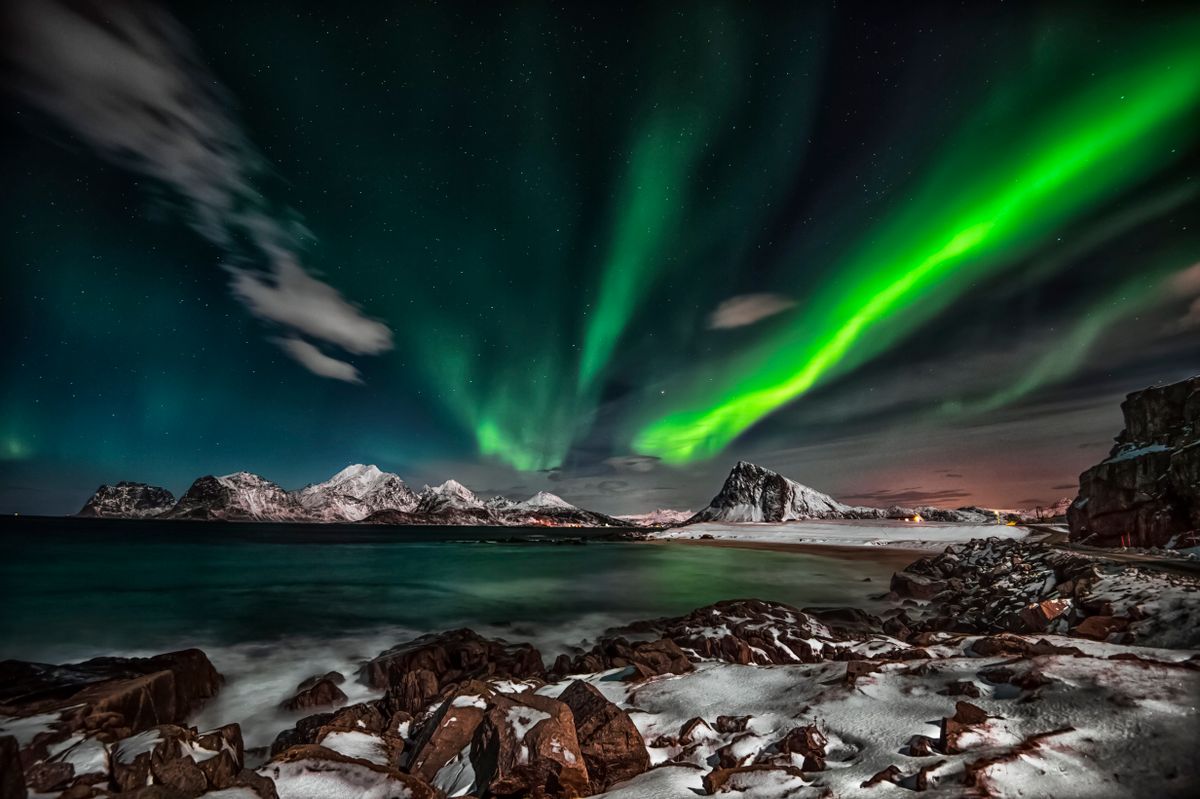
The aurora is visible on around two hundred nights a year in Lapland, cloud permitting. Season runs from late August to early April, and the best conditions are clear, cold and away from town lights.
The glass igloos are the famous accommodation: a heated dome with a transparent roof so you can watch the sky from bed. They are expensive, they book out a year ahead for the peak weeks, and they only work if the sky is clear. Treat them as a luxury rather than as an aurora guarantee.
Winter activities
- Snowmobile safaris, on marked routes, with a licence required to drive one.
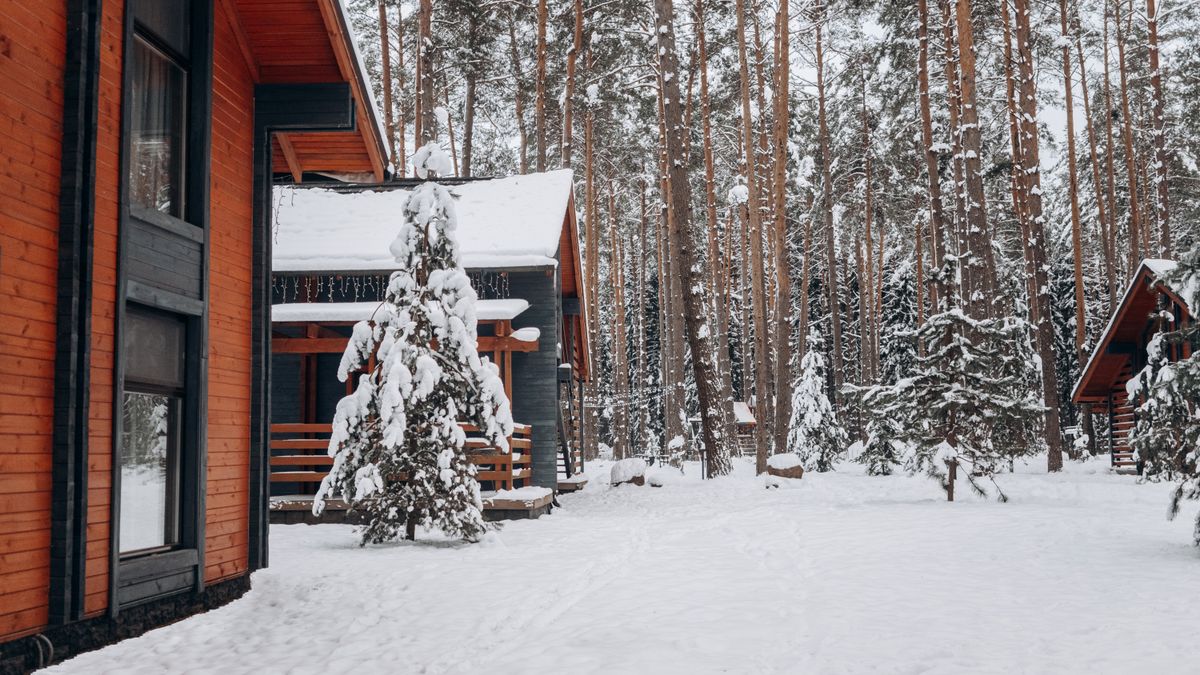
- Snowshoeing through forest where the trees are shapeless with snow.
- Ice fishing, which involves drilling a hole and then a great deal of patience.
- Ice swimming after a sauna, which is normal here and briefly extraordinary.
- Cross country skiing, on hundreds of kilometres of prepared track.
- Downhill skiing at Levi and Yllas, small by Alpine standards and very well run.
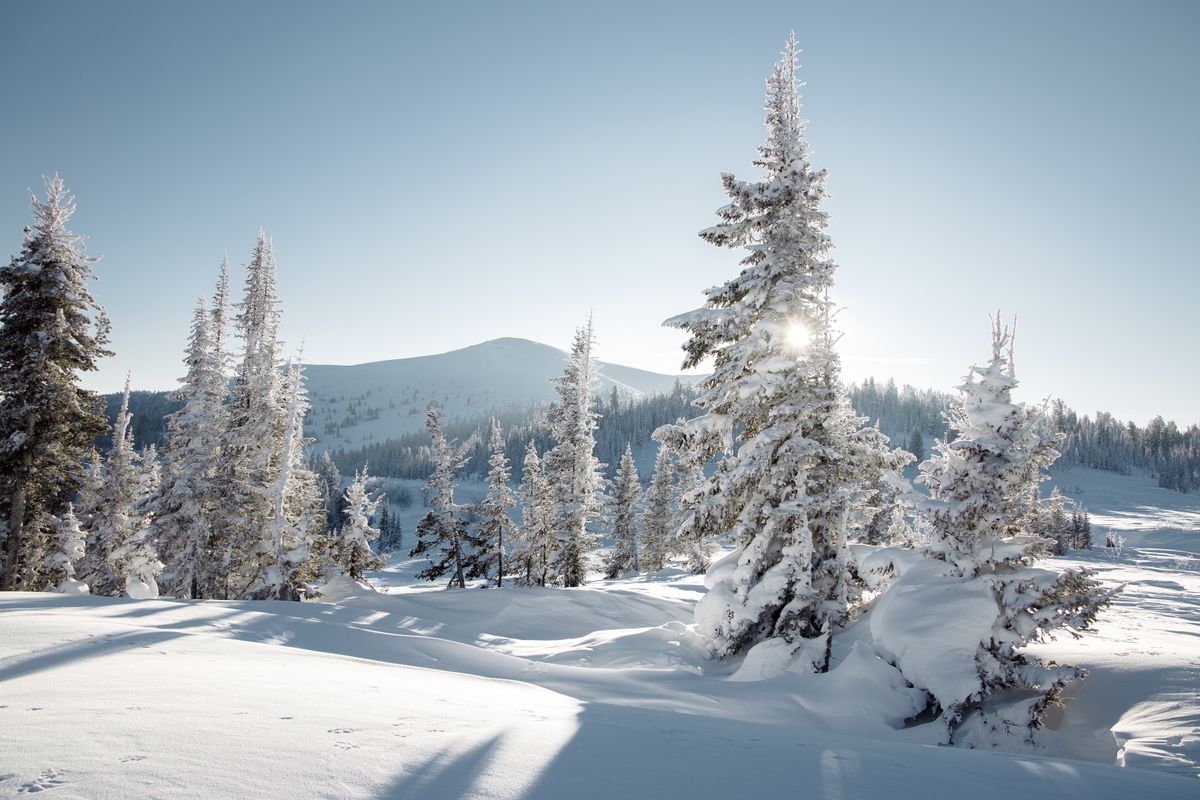
Rovaniemi, Levi, Saariselka and Inari
Rovaniemi has the airport, the Santa village and the widest choice of activities, and it is the busiest. Levi and Yllas are ski resorts with better snow and a quieter atmosphere. Saariselka is further north, closer to the true wilderness.
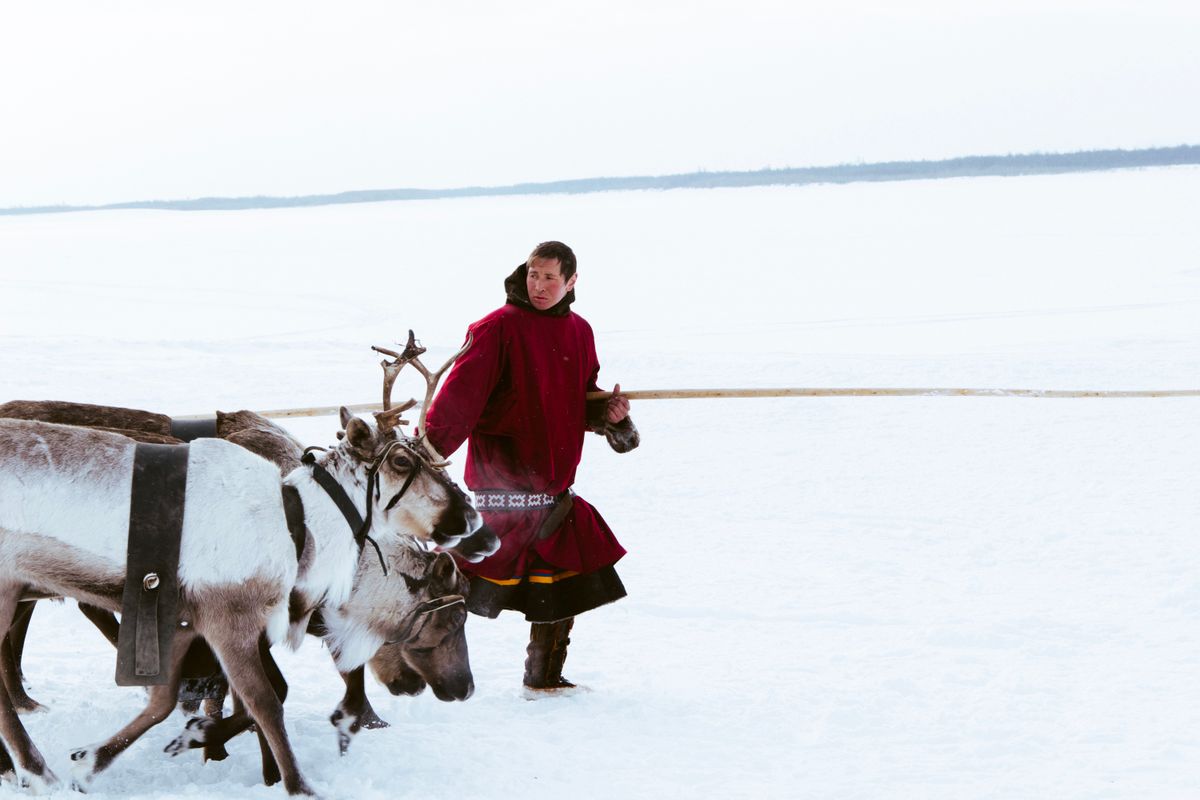
Inari is the cultural centre of the Finnish Sami, with the Siida museum, which is the best place in the country to understand the Sami as a people rather than as a photograph. It is worth the extra drive.
When to go and what to wear
| Period | What it is like |
|---|---|
| Late Aug to Oct | autumn colours, aurora, no snow |
| Nov to early Dec | snow arrives, polar night, quieter and cheaper |
| Christmas period | the most expensive and most booked weeks of the year |
| Jan to Feb | coldest, most reliable snow, best for activities |
| Mar to Apr | light returning, good snow, strong aurora activity |
| Summer | midnight sun, hiking, mosquitoes in quantity |
Thermal overalls and boots are provided with almost every organised activity, which means you do not need to buy an arctic wardrobe. Bring wool base layers, a hat, thick gloves and a scarf. Village information is on the Santa Claus Village site and national information at Visit Finland.
Frequently asked questions (FAQ)
Conclusion
Snow to the rooflines, reindeer at walking pace, huskies at the other extreme, and a sky that turns green on about two nights in three when it is clear.
Go in January or March, book activities before accommodation, treat the glass igloo as a treat rather than a plan, and drive up to Inari for the Sami museum.
