
 By

Turku is the oldest city in Finland and was its capital until 1812, when the Russians moved the administration to Helsinki to pull it further from Sweden. Fifteen years later a fire destroyed three quarters of the town. What survived, and what was rebuilt, now forms a quiet university city on a river, with the largest archipelago in the world beginning immediately outside it.
What is left of the old town, what to see in the castle and cathedral, how life on the river works and how to get into the archipelago.
Why Turku no longer looks like an old town
The first written mention dates from 1229, and for almost six centuries the city was the administrative and religious centre of the Finnish part of the Swedish realm. The bishopric was here, the university was here, and any decision concerning the country was taken here.
In 1809 Finland passed from Sweden to the Russian Empire, and in 1812 the capital moved to Helsinki, then a far smaller port but closer to Saint Petersburg and further from Stockholm. Turku became a provincial town overnight.
The decisive blow came in 1827, when fire destroyed around three quarters of a city built almost entirely of wood. It is the largest urban fire in Nordic history. The university moved to Helsinki as well, and the town was rebuilt on a new plan with wide streets, precisely so that it could not happen again.
The Luostarinmaki quarter, an area of wooden houses on a hill, was untouched and now works as a handicrafts museum, inside the original buildings on their original sites. It is the only place that gives you a sense of what Turku looked like before 1827.
The castle, the cathedral and life on the river
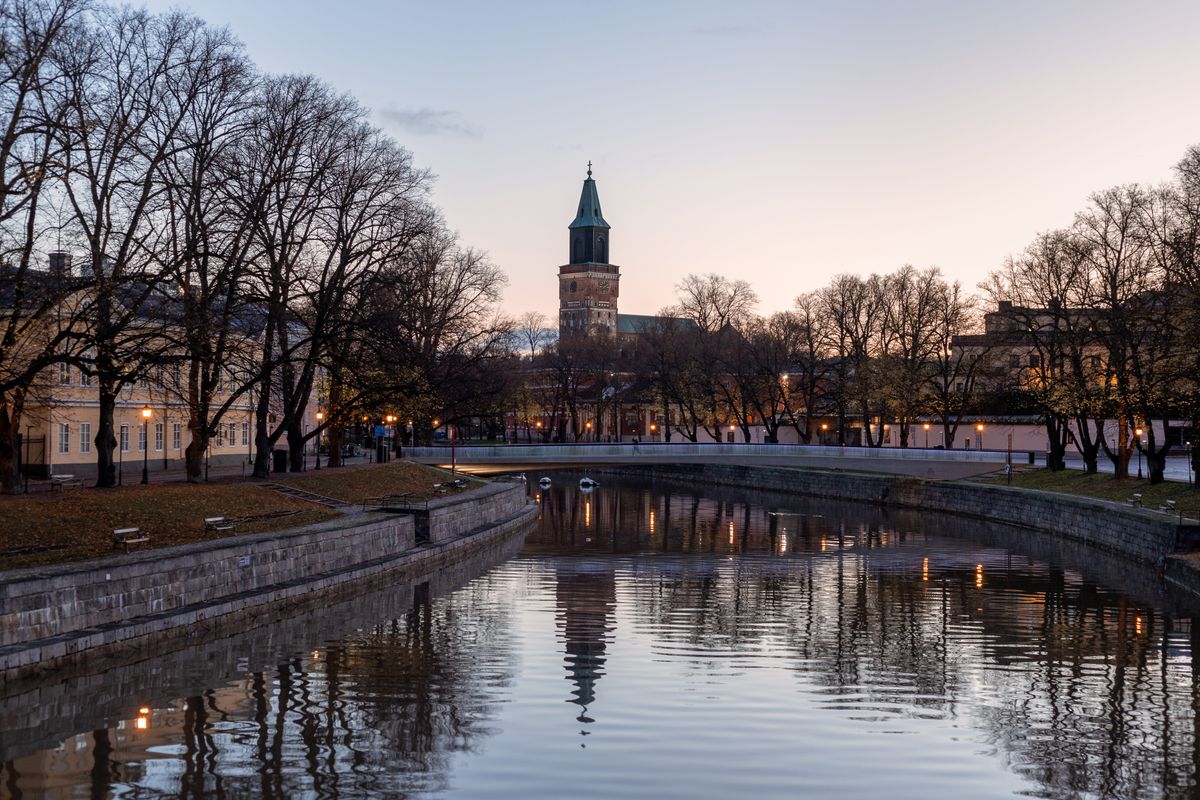
The two important buildings stand at opposite ends of the Aura river, about three kilometres apart, and the walk between them is in fact the best thing to do in the city.
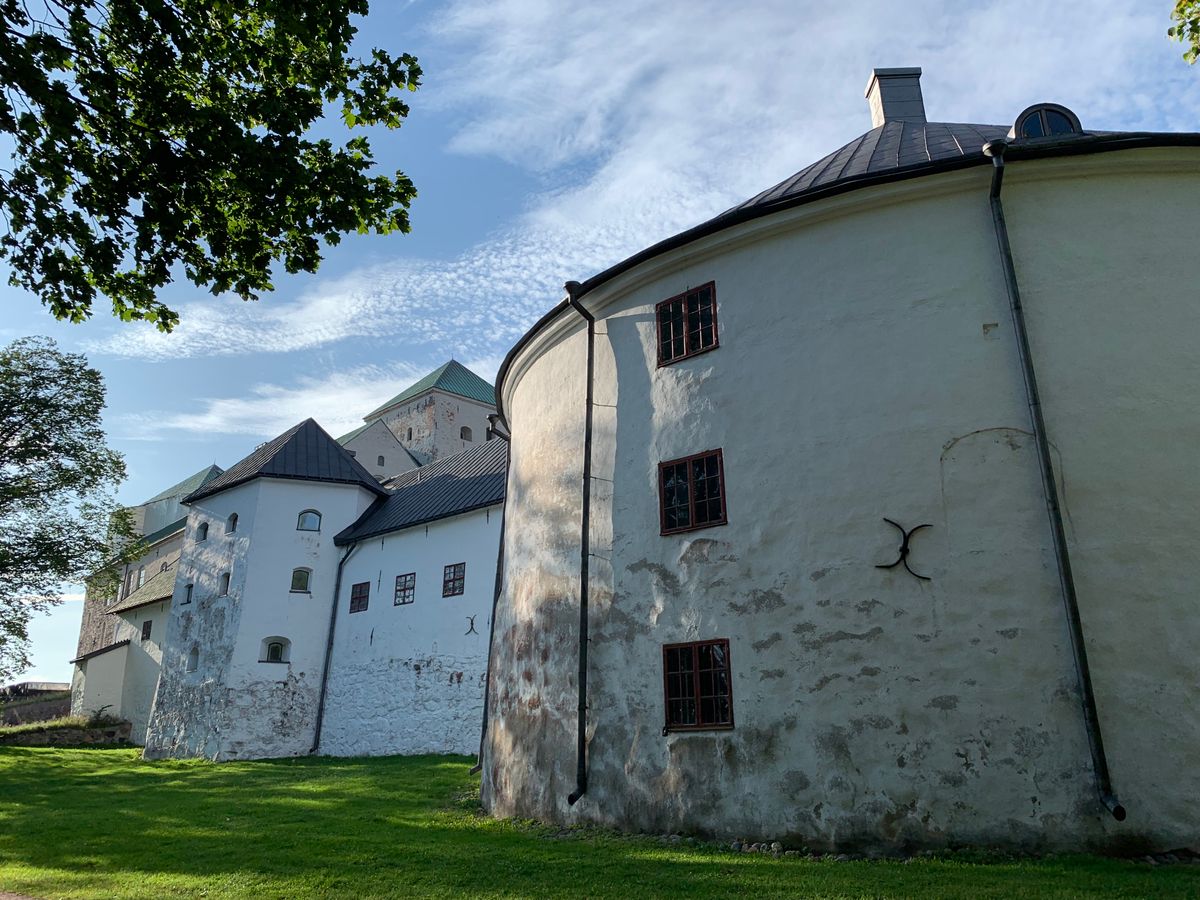
- Turku Castle, begun around 1280 at the river mouth, one of the largest surviving medieval buildings in Finland, with a museum, inner courtyards and Renaissance halls.
- Turku Cathedral, consecrated around 1300, the principal church of the Finnish Lutheran church and the most important medieval monument in the country.
- Luostarinmaki, the wooden quarter that escaped the fire, now an open air museum.
- Forum Marinum, the maritime museum, with museum ships moored on the river.
- The Fori, the small cable ferry that has crossed the Aura since 1904, free, in a matter of seconds.
- The Aura banks, with terraces and restaurants fitted into old vessels, busy from May to September.
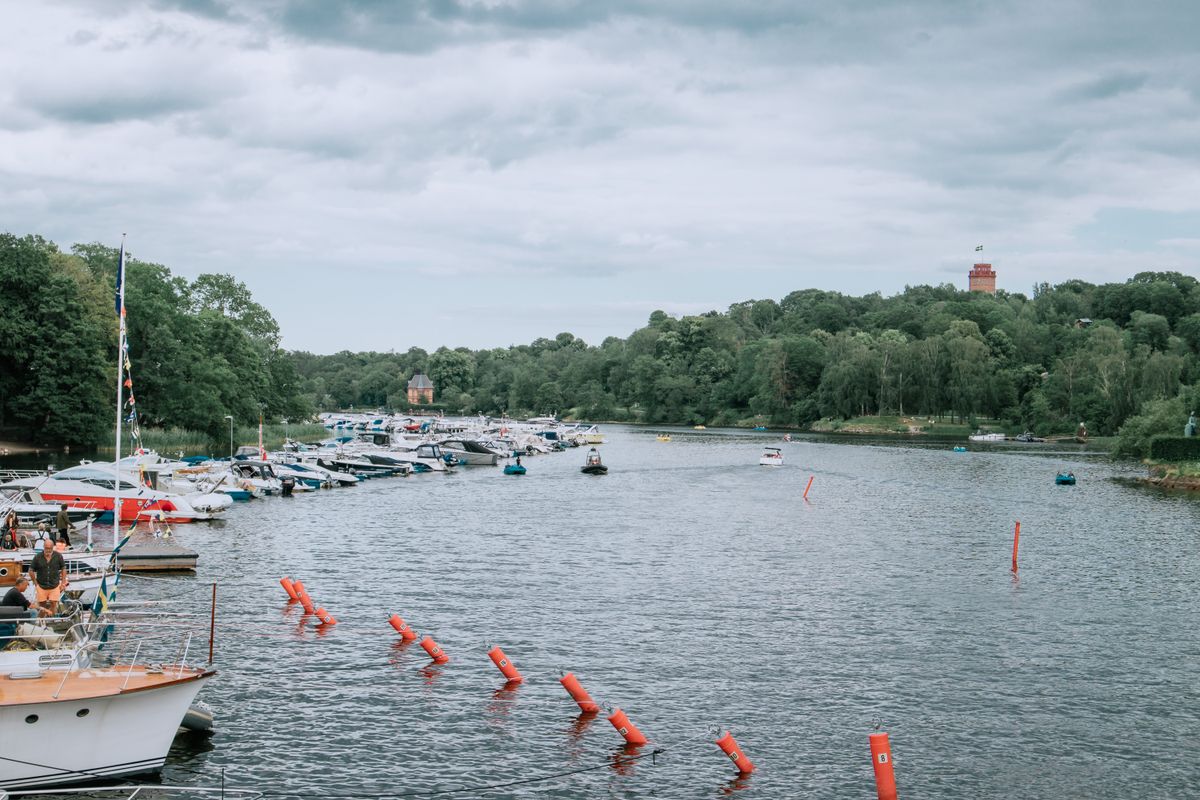
The Fori deserves a separate mention, because it says something about the city. It is a tiny ferry pulled across on a cable, running for more than a century, free, and carrying bicycles too. Nobody treats it as a tourist attraction. It is simply infrastructure.
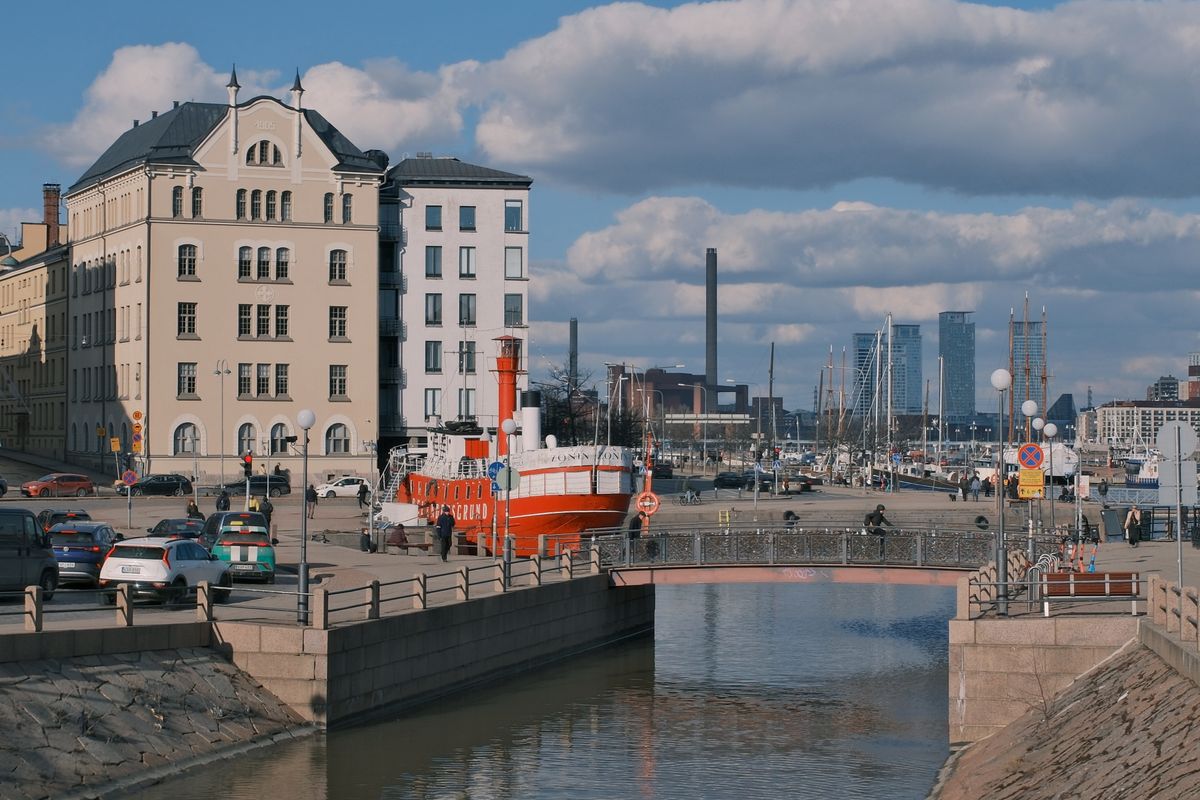
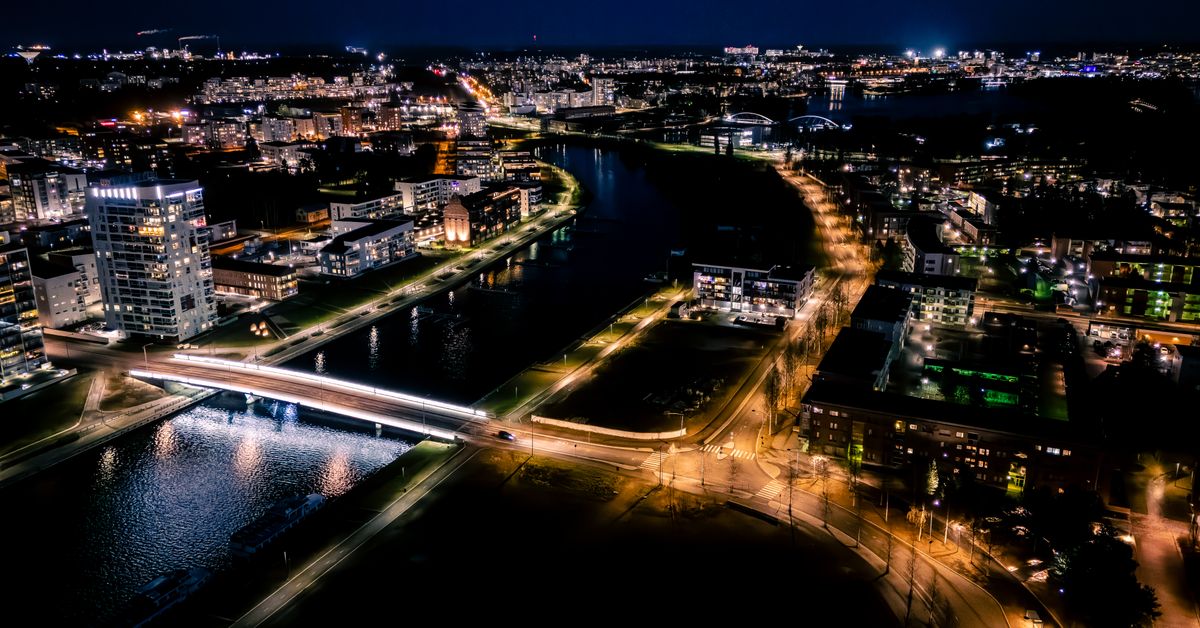
Turku was European Capital of Culture in 2011, and the riverbanks have been seriously reworked since. In summer the life of the city moves almost entirely onto the water and the quays.
The archipelago, the main reason to come
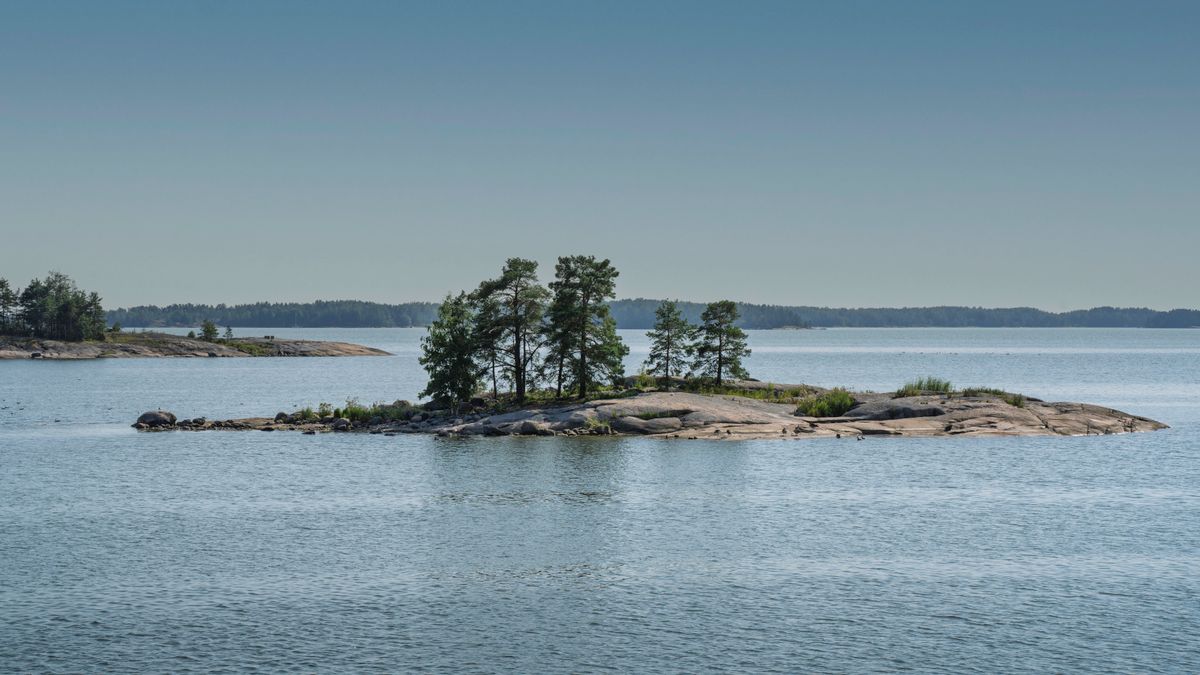
Just outside the city begins the Archipelago Sea, a spread of tens of thousands of islands and skerries between Finland and Sweden. By island count it is considered the largest archipelago in the world, even if many of them are only lumps of granite above the waterline.
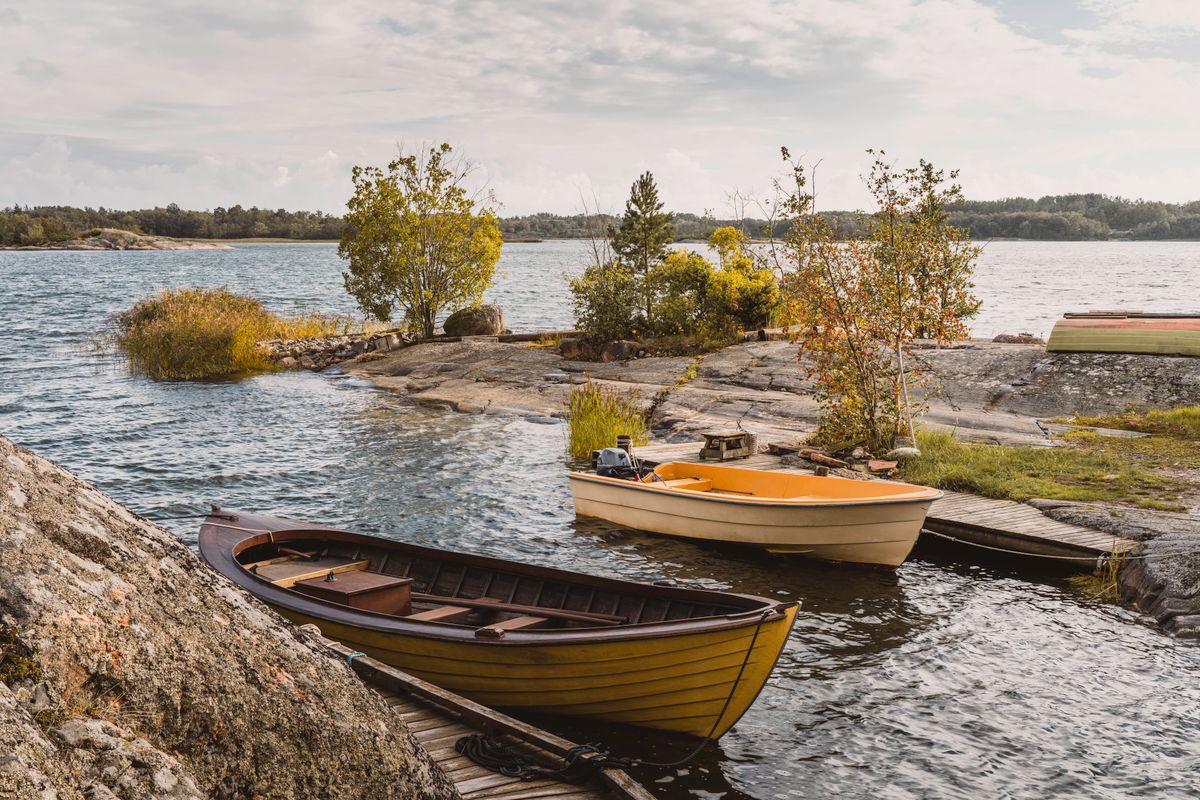

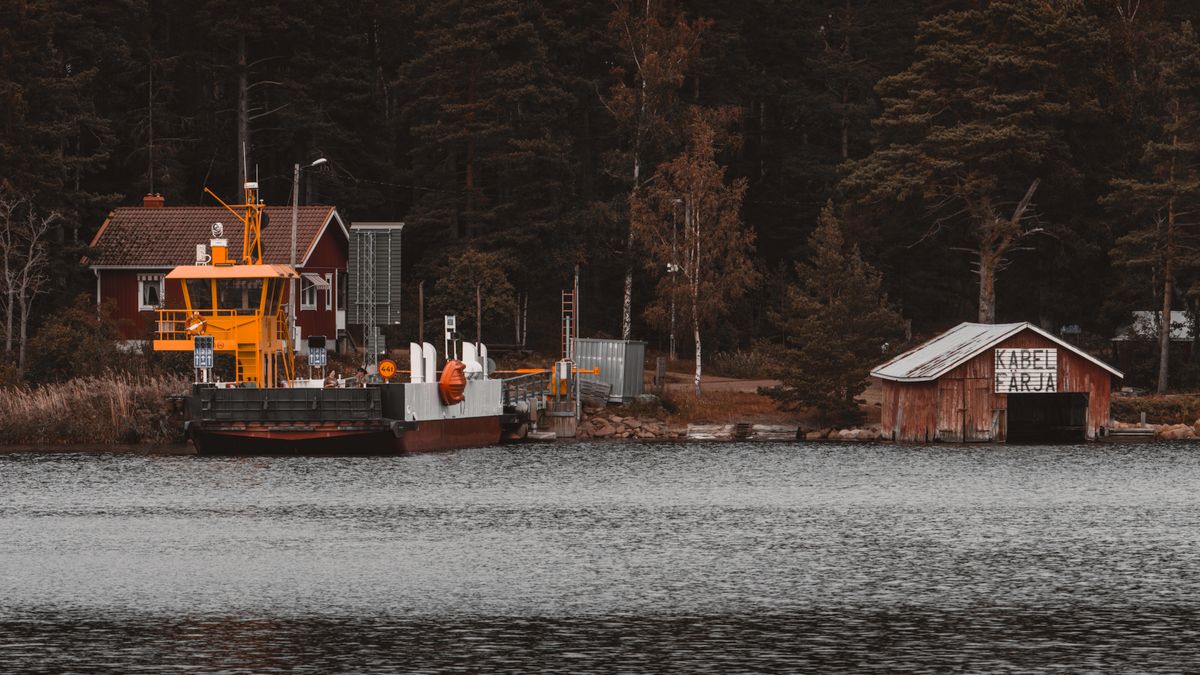
The larger islands are linked by bridges and ferries, and the state ferries are free for everyone, cars included. It is a system built for residents, which visitors use in exactly the same way.
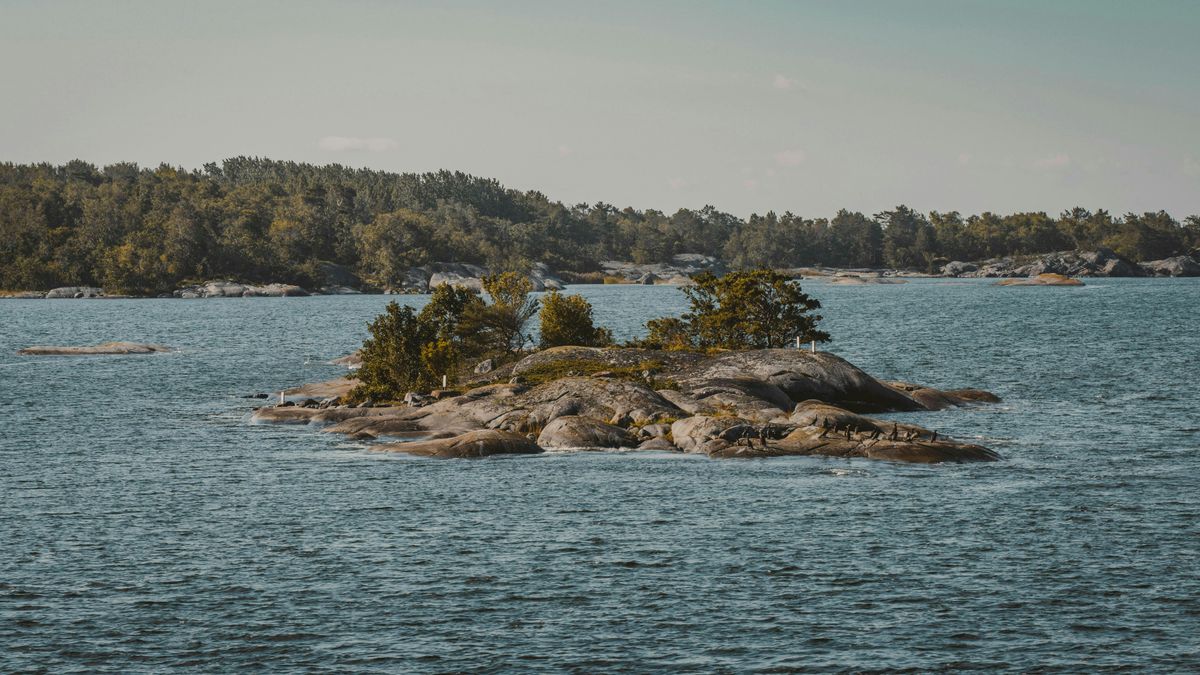
The archipelago ring road, Saariston Rengastie, is the classic route: a circuit of roughly two hundred and fifty kilometres linking the islands by bridge and ferry and closing back at Turku. It can be driven, but it works best by bicycle, over three or four days.
| Item | Detail |
|---|---|
| Length | around 250 km for the full circuit |
| By bicycle | 3 to 5 days at an easy pace |
| By car | possible in a day, but that misses the point |
| Ferries | free on the state routes |
| Full season | roughly mid June to the end of August |
| Out of season | only the shorter small ring operates |
The full circuit depends on two seasonal ferries that run only at the height of summer. Outside that window the route does not close and you have to return the way you came. Current timetables are on the ring road site.
What else is nearby
Turku is a good base for several short trips, all under an hour away.
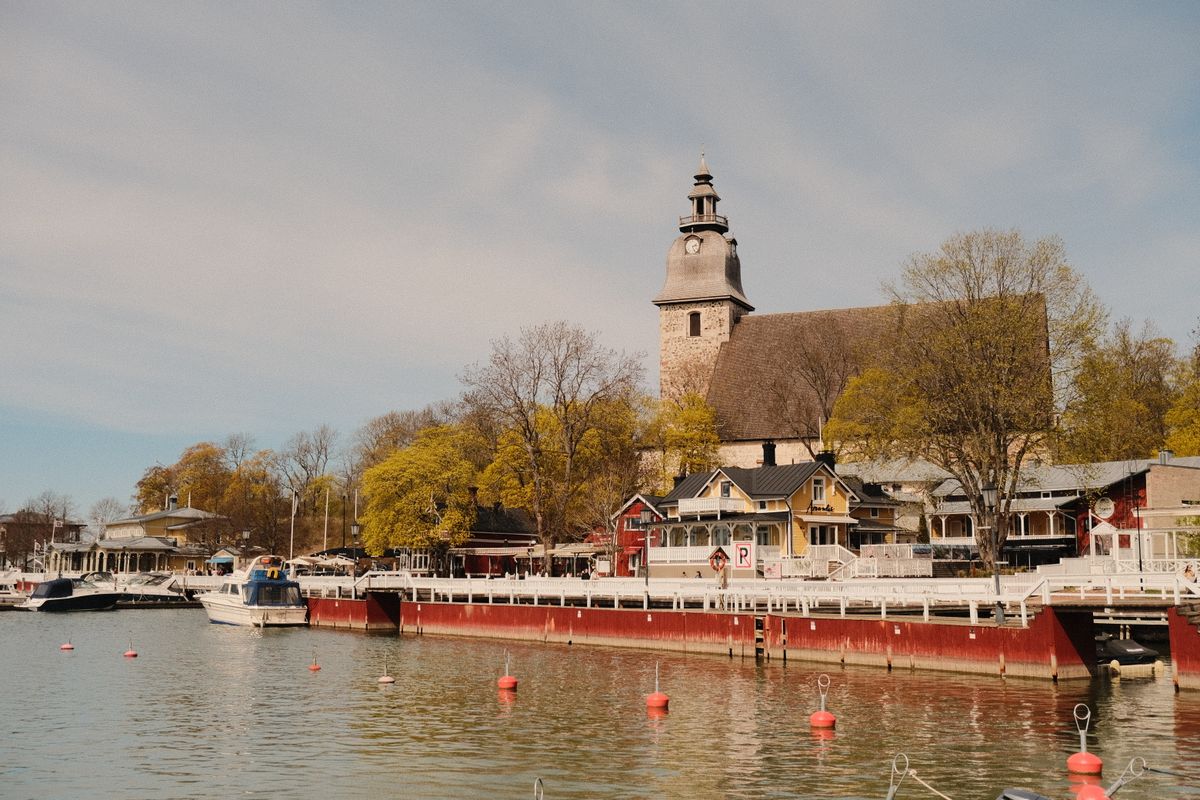
- Naantali, a small town half an hour away, with a wooden old town, a yacht harbour and the Moomin theme park, open in summer.
- The nearer archipelago islands, reachable by ferry on a day trip.
- Ruissalo, the island beside the city, with oak woodland, a beach and nineteenth century wooden villas.
- Ferries to Stockholm and to the Aland Islands, leaving from the city port and crossing overnight.
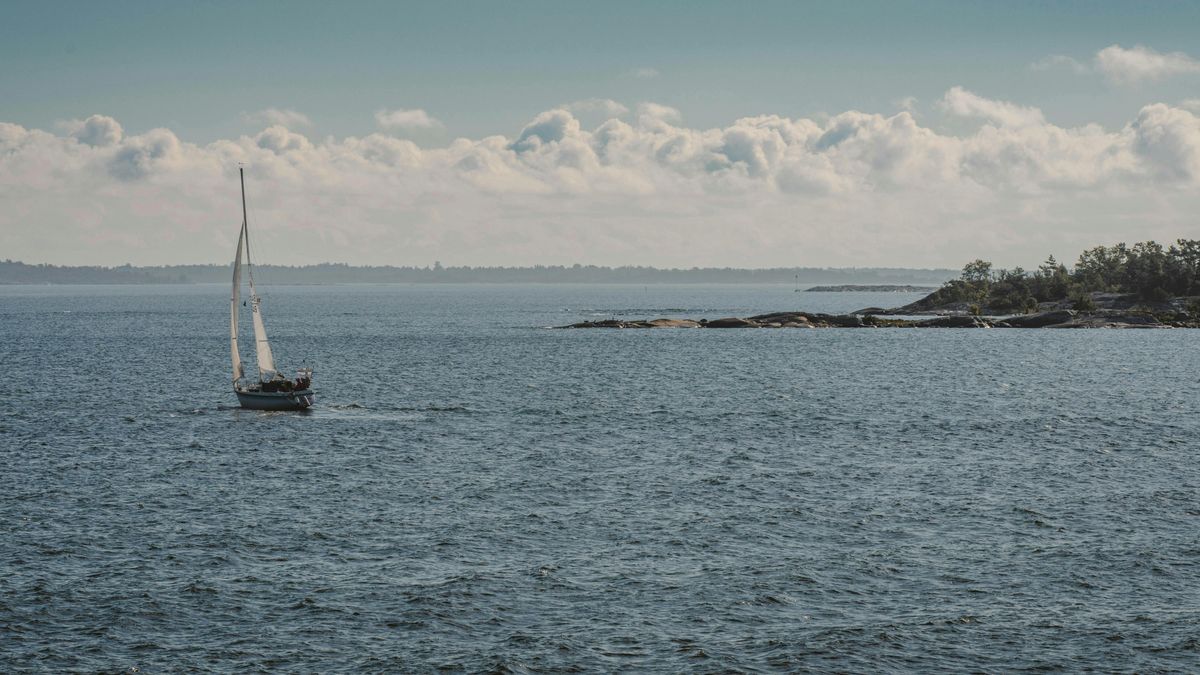
The Stockholm link is worth remembering: the crossing takes around eleven hours, usually overnight with a cabin, and passes through the archipelago in daylight at both ends. It is one of the finest ferry routes in Europe and costs surprisingly little out of season.
Getting there, how long to stay and what it costs
| Item | Detail |
|---|---|
| From Helsinki by train | around 2 hours |
| From Helsinki by car | roughly 165 km, about 2 hours |
| Airport | Turku, with limited flights; the alternative is Helsinki |
| Time in the city | 2 days |
| With the archipelago | 4 to 6 days |
| Best season | June to August |
The city walks and cycles well, and bicycles are easy to hire. Prices are Nordic, but Turku is noticeably cheaper than Helsinki for accommodation. A restaurant meal runs between twenty and thirty euros, while the weekday lunch deals in university canteens and neighbourhood restaurants are far better value.
Museum hours, ferry timetables and events are on the official portal Visit Turku. For general background on the country, Visit Finland.
Frequently asked questions (FAQ)
Conclusion
Turku lost the capital, then the university, then three quarters of its buildings in a single fire. What remains is a university city on a river, with a medieval castle at one end and a cathedral at the other, and a direct gateway to the largest archipelago in the world.
Spend two days in the city, then take a bicycle onto the ring road. That is where the journey pays off.
