
 By

Four hundred and ninety six kilometres across the roof of Norway, from the capital on one coast to the fjord city on the other, in just under seven hours. The Oslo to Bergen railway crosses the largest mountain plateau in Europe and is regularly named one of the most scenic rail journeys in the world.
The route section by section, the highest station in northern Europe, the branch line worth taking, and how to pay a third of what most people pay.
The Oslo to Bergen railway, in short
The line opened in 1909 after twenty years of construction, much of it by hand, across terrain that had no roads at all. It reaches 1,237 metres at its highest point, which is above the treeline, and about a hundred kilometres of it lie in permanently harsh conditions.
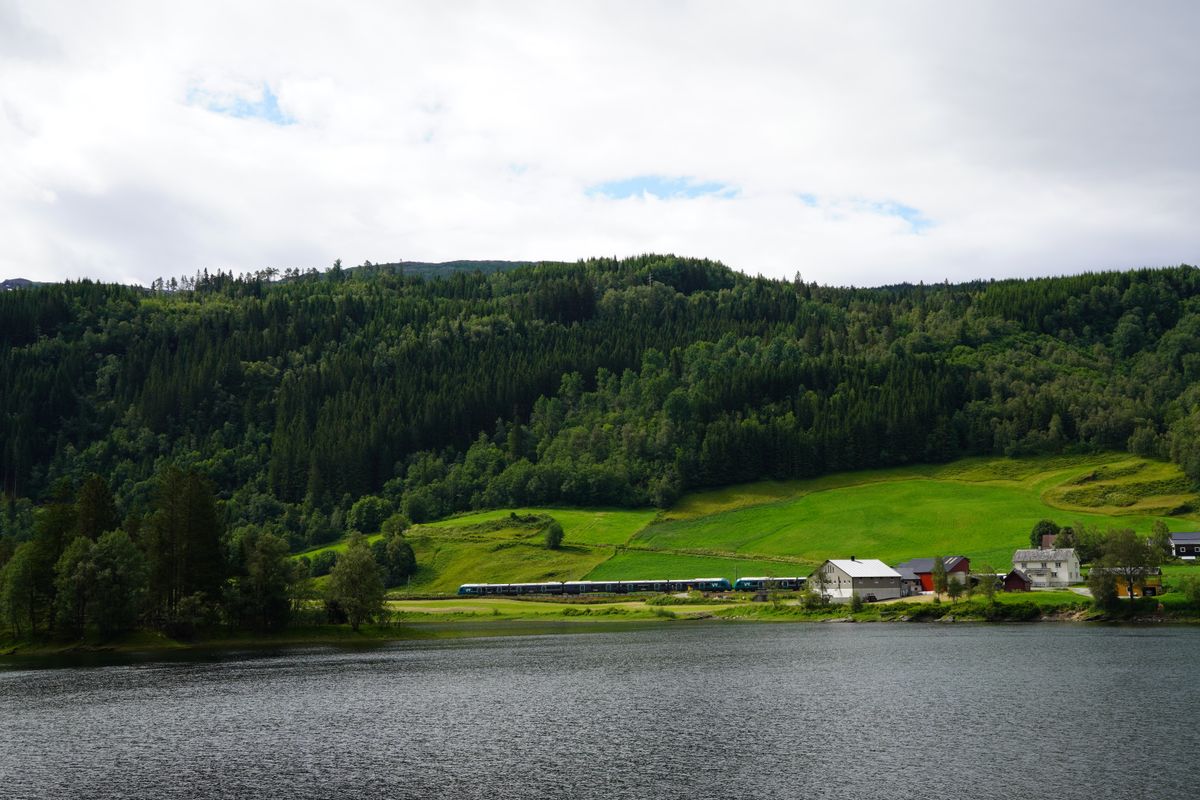
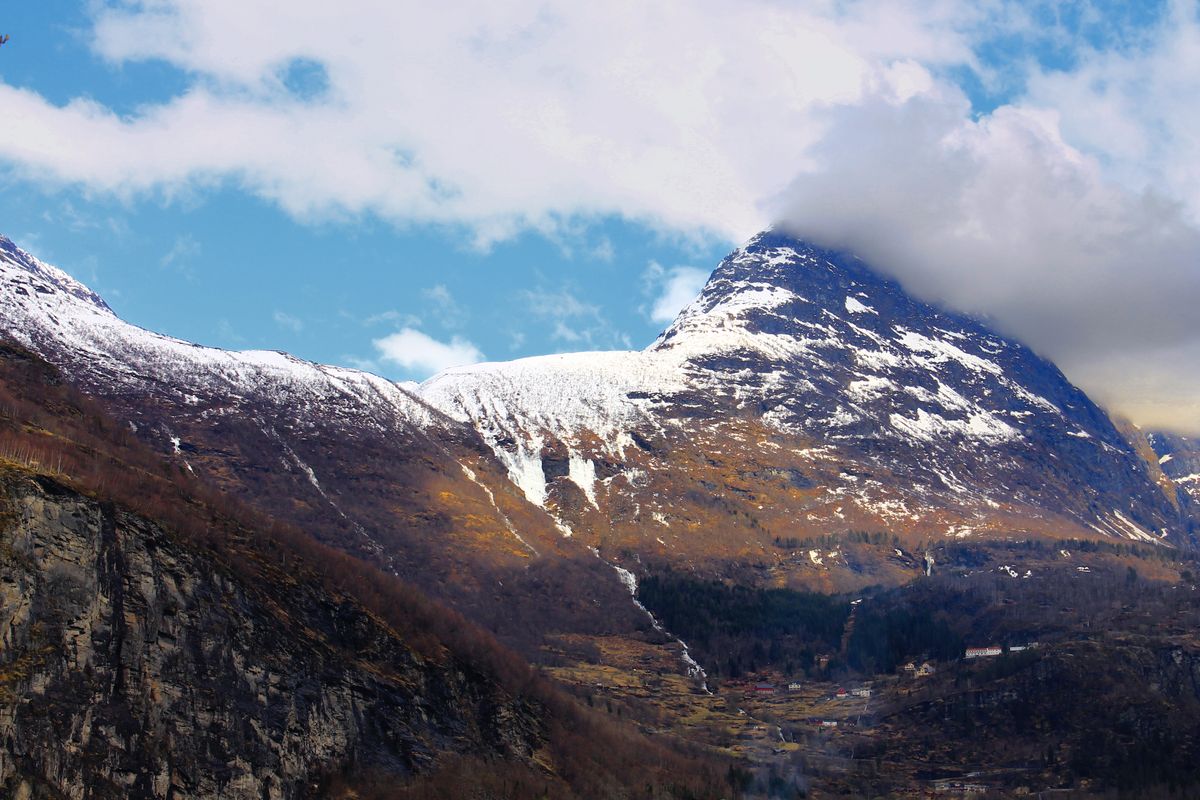
The full journey takes six hours and forty minutes, with four to five departures a day in each direction.
The route, section by section
- Oslo to Honefoss: forests, lakes and farmland, and the least dramatic hour.
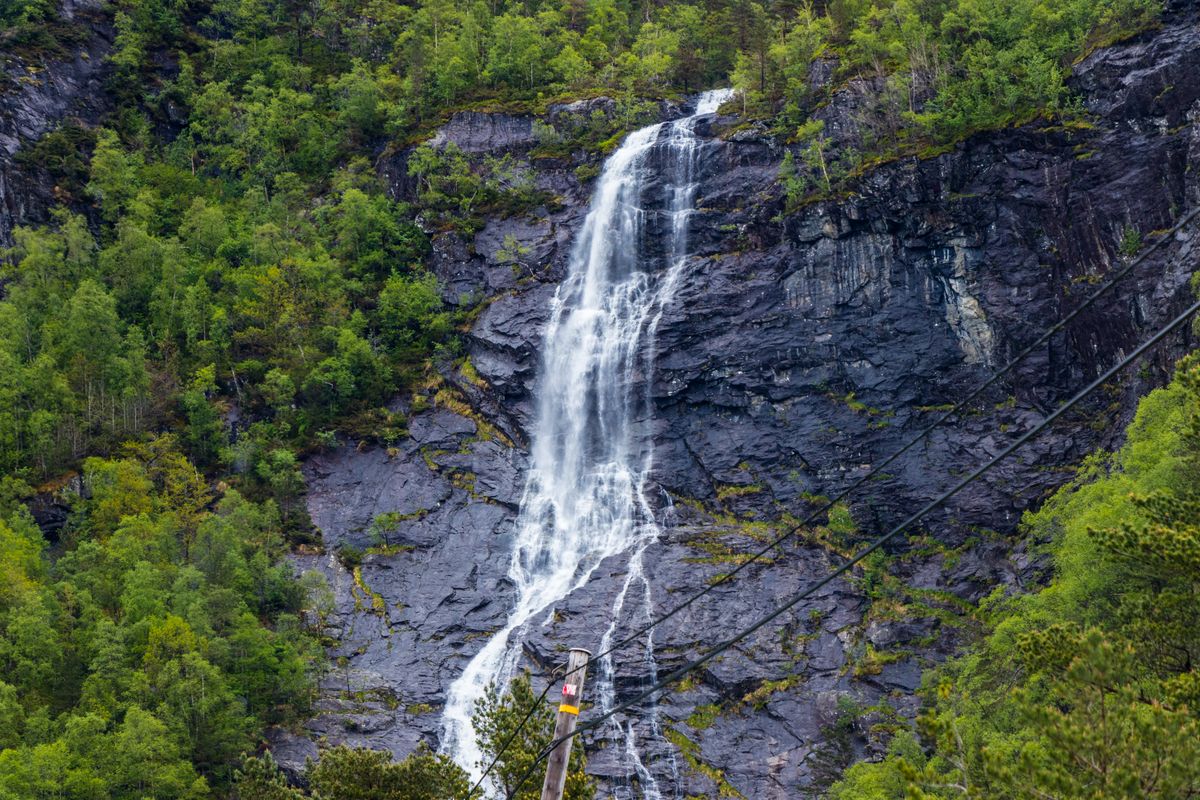
- Honefoss to Geilo: the climb begins, valleys narrow and the first waterfalls appear.
- Geilo to Finse: above the treeline, onto the Hardangervidda plateau, and often snow in June.
- Finse to Myrdal: the highest and bleakest part, with snow tunnels and glacier views.
- Myrdal to Voss: the descent, steep valleys, waterfalls at the window one after another.
- Voss to Bergen: fjord arms, tunnels and the arrival at the coast.
Finse and the Hardangervidda
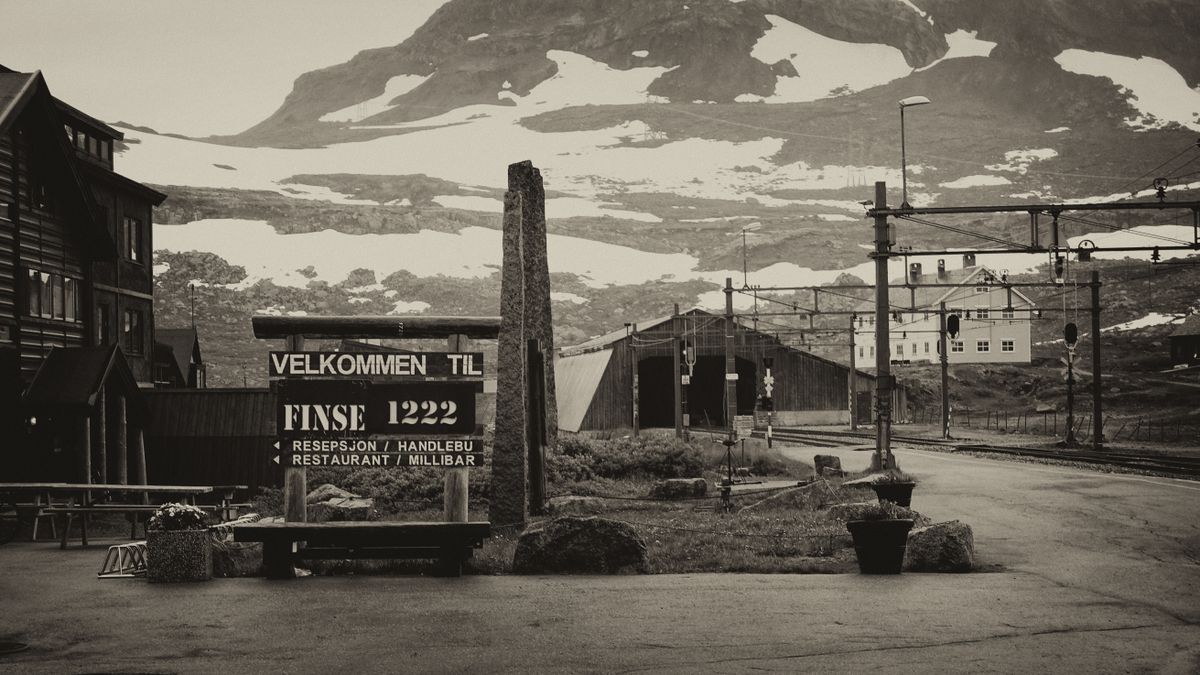
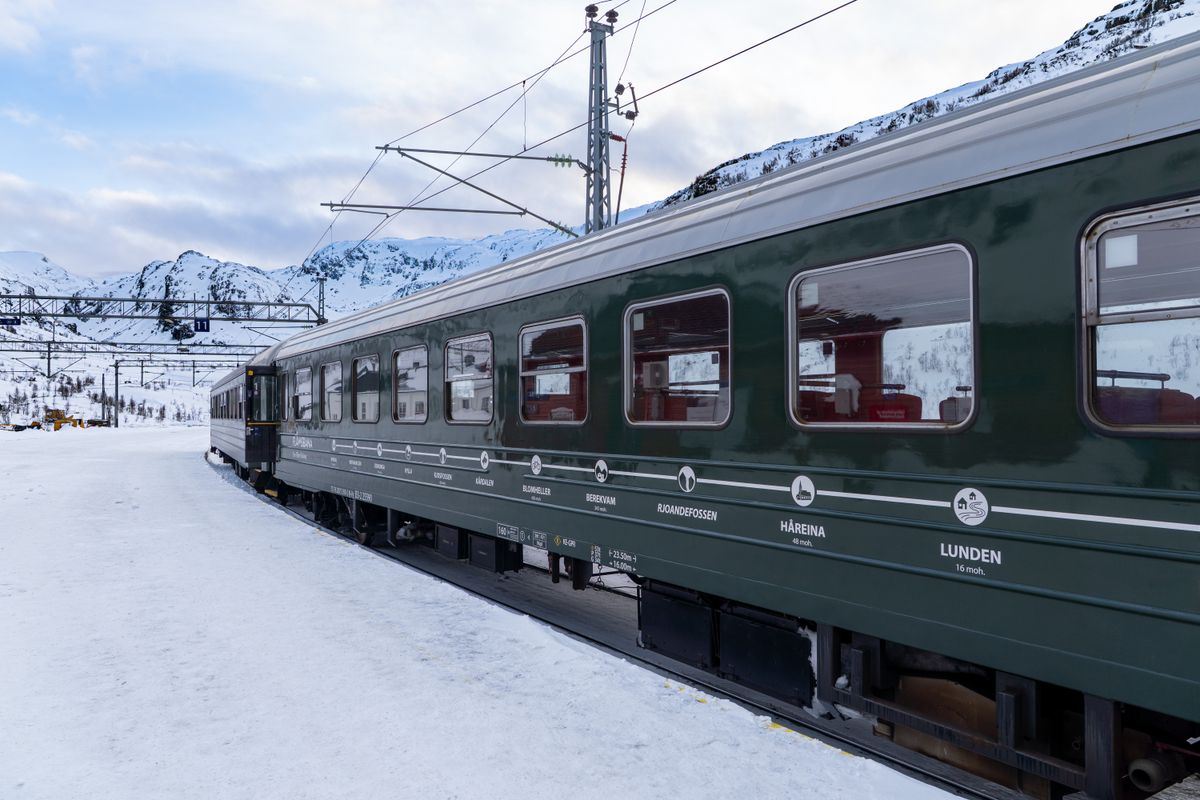
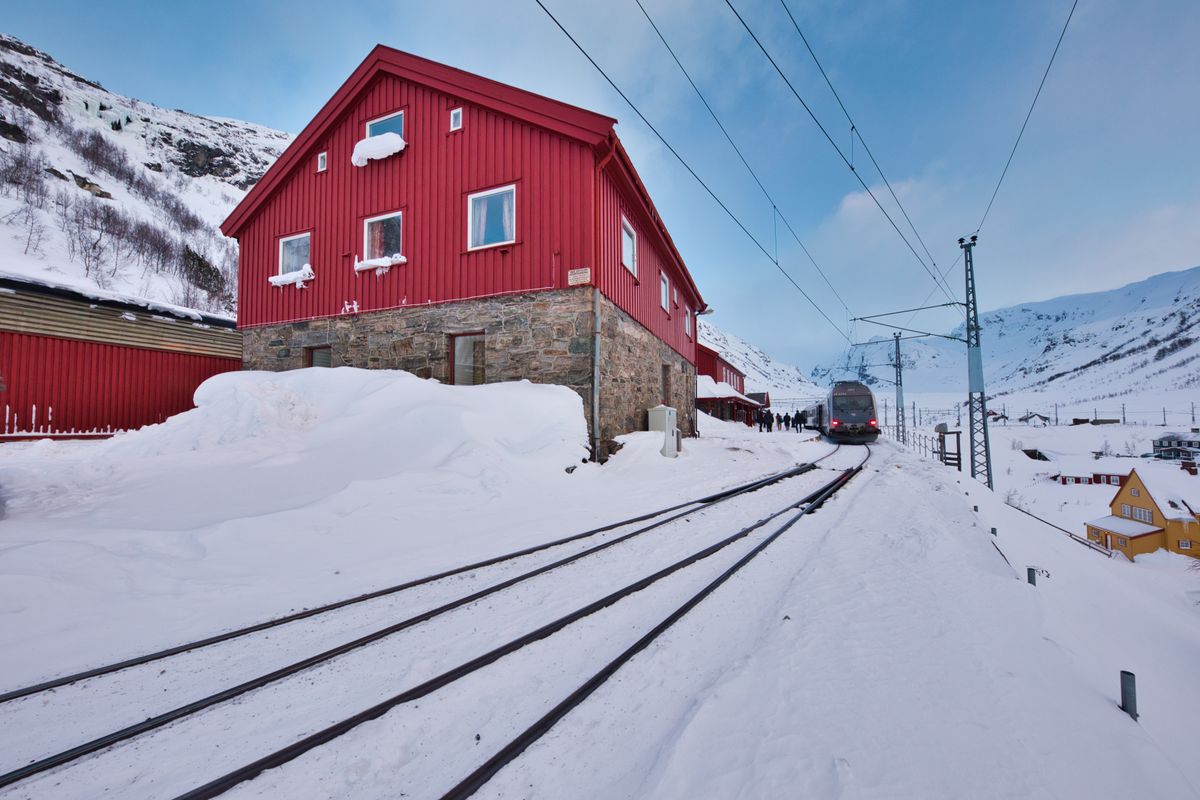
Finse sits at 1,222 metres and is the highest station in northern Europe. There is no road to it: the only access is by train, on foot or on skis, and about forty people live there.
The Hardangervidda around it is the largest mountain plateau in Europe, with a wild reindeer herd on it. Scott of the Antarctic trained here, and the Hoth scenes in The Empire Strikes Back were filmed on the glacier above the station.
The Flam branch
At Myrdal, a branch line drops 866 metres in twenty kilometres to sea level at Flam, on an arm of the Sognefjord. The gradient is one of the steepest of any standard gauge line in the world, and the train stops at the Kjosfossen waterfall so everyone can get out.
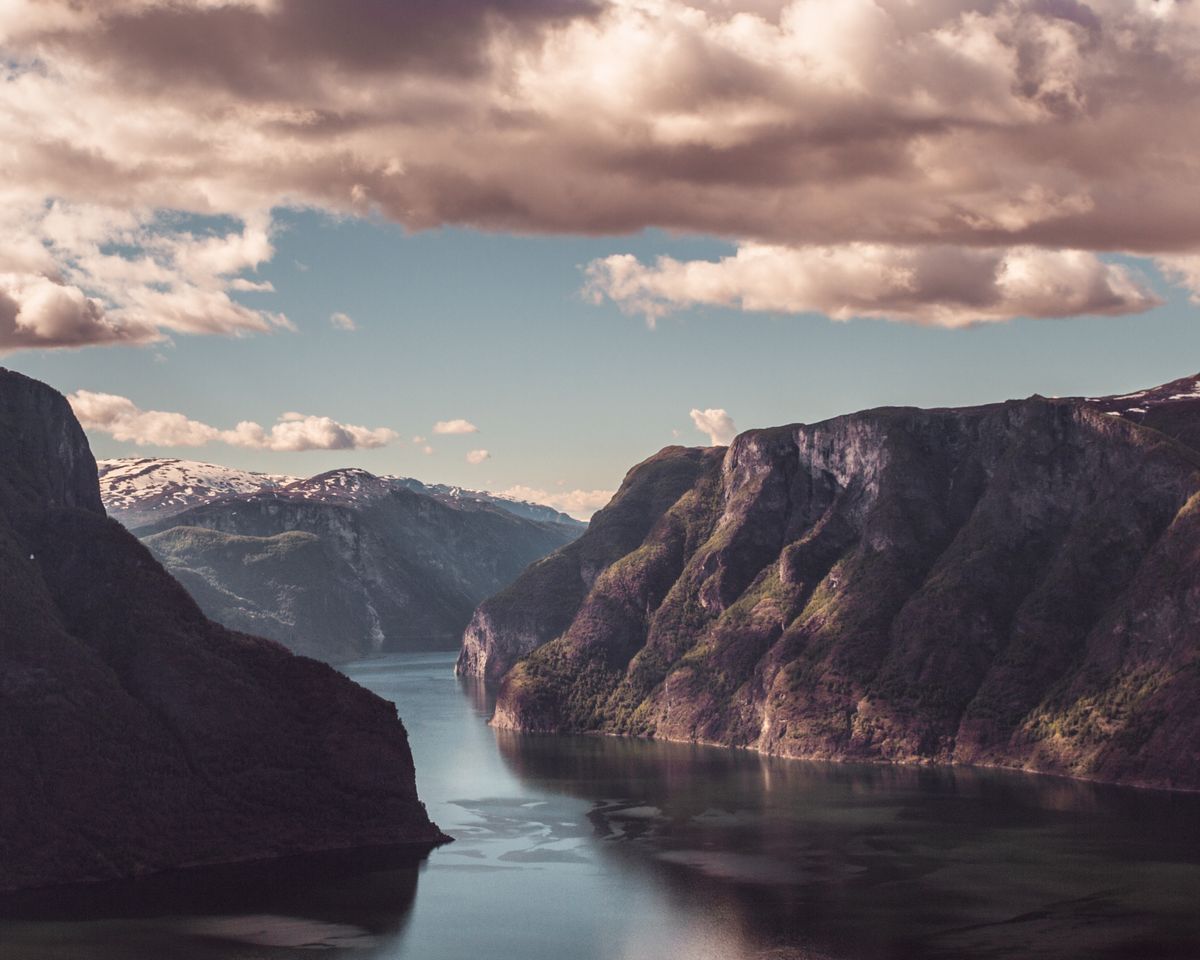
It takes an hour each way and is worth every minute. At the bottom you can take a fjord boat onward to Gudvangen and rejoin the main line by bus at Voss.

Norway in a Nutshell, or doing it yourself
Norway in a Nutshell is a packaged combination of the main line, the Flam railway, a fjord cruise and a bus, sold as one ticket. It is convenient, it is well organised and it costs considerably more than the same journey booked separately.
Every leg of it is a scheduled public service that you can book yourself, in the same order, on the same day. If your Norwegian is nonexistent and your patience is short, buy the package. Otherwise, book the four tickets.
Tickets, and paying a third of the price
Norwegian railways sell a fixed number of cheap advance tickets on every departure, called minipris, released about three months ahead. They are non refundable and they sell out, and they cost roughly a third of the walk up fare.
| Item | Detail |
|---|---|
| Journey time | about 6 hours 40 minutes |
| Departures | four to five a day each direction |
| Minipris | released about 90 days ahead, limited numbers |
| Best side | no clear winner, the views alternate |
| Comfort class | more legroom, coffee included, modest supplement |
| Night train | runs, and defeats the entire purpose |
The night train exists and is a perfectly good way to travel between the two cities. It is also a completely wasted opportunity, since the point of this line is what is outside the window.
Oslo and Bergen at either end
Oslo deserves a day at least: the opera house you can walk on the roof of, the Munch museum, the Viking ships and the Vigeland sculpture park.
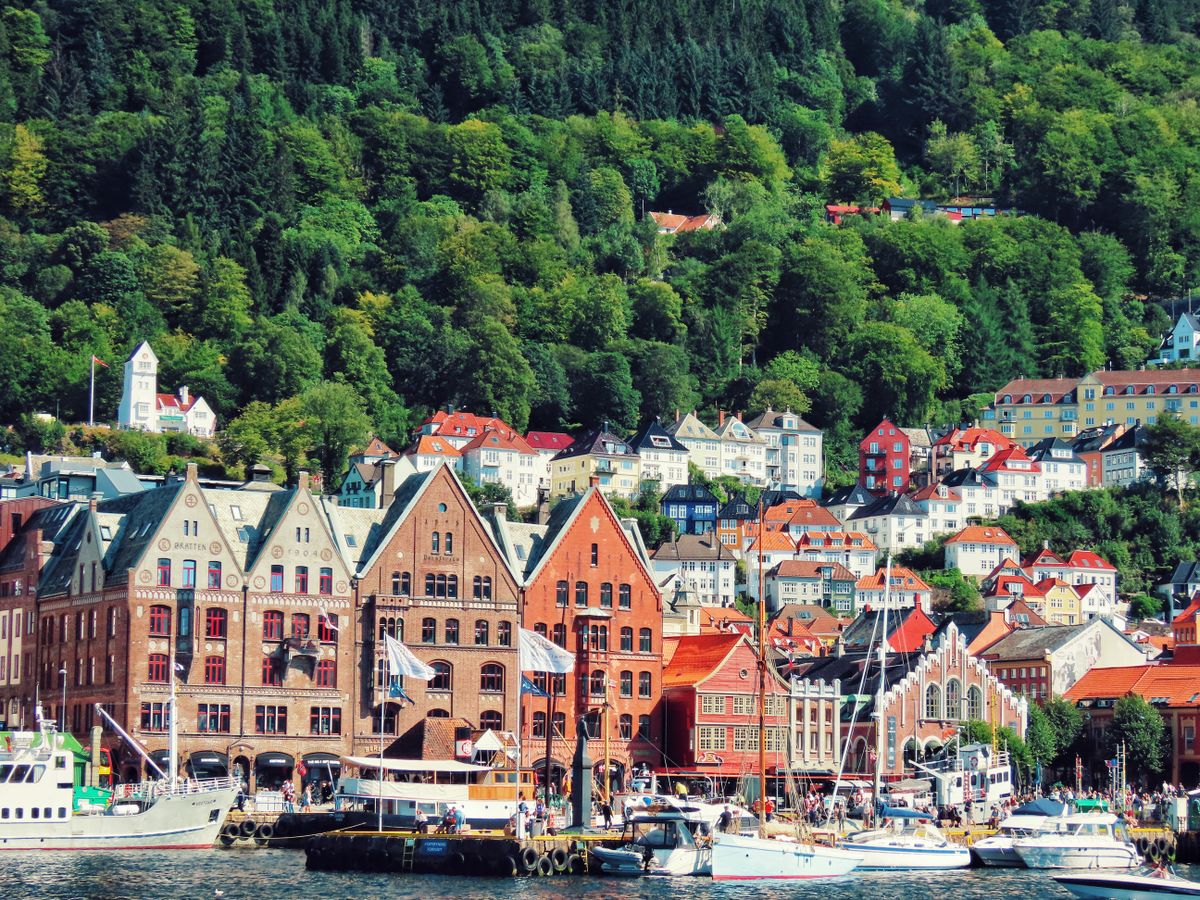
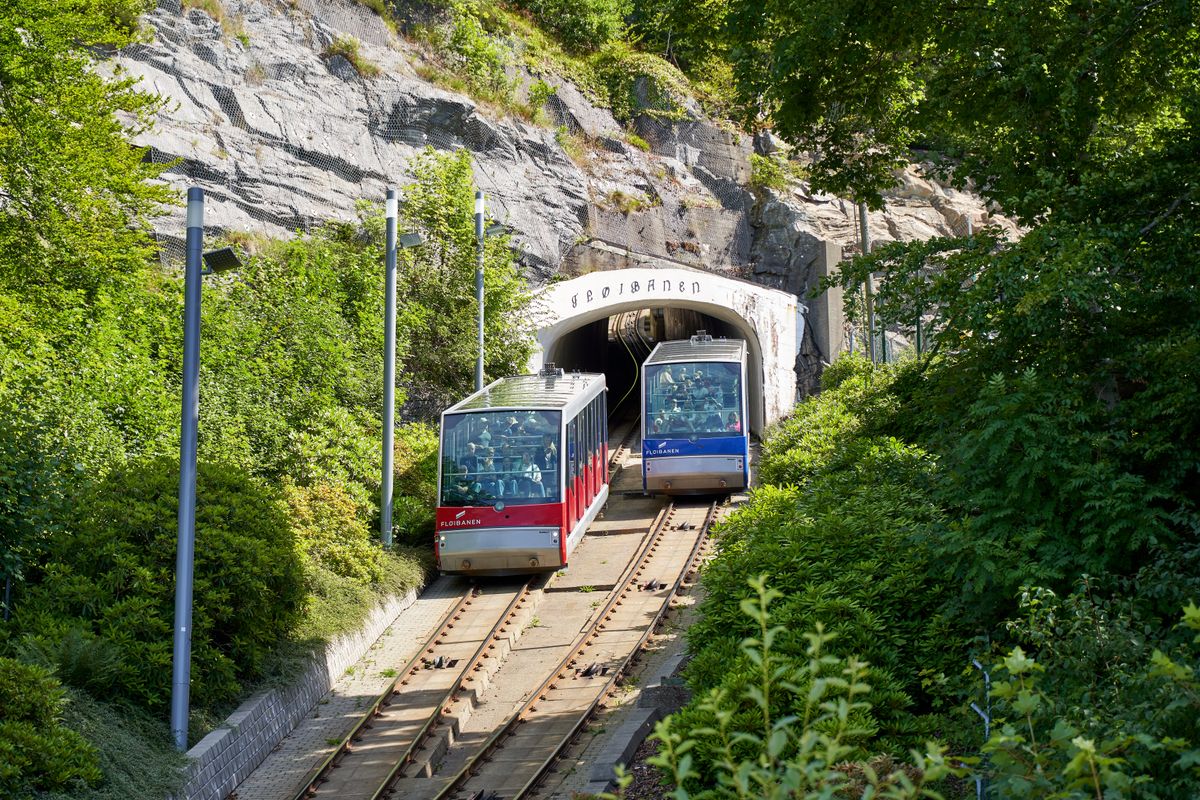
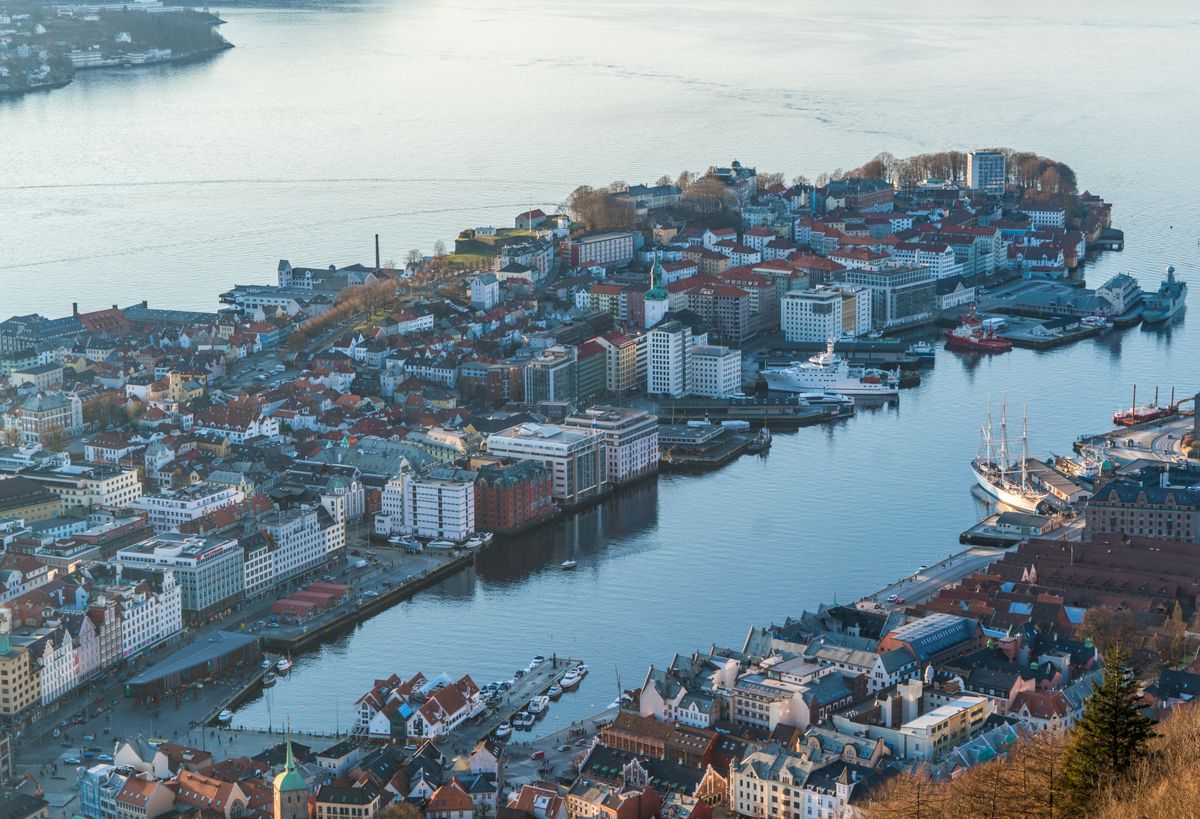
Bergen deserves two: the Hanseatic wharf at Bryggen, the funicular up Floyen, the fish market and the fjord trips that leave from the harbour.
Practical information is on the Norwegian railways site and regional information at Visit Norway.
Frequently asked questions (FAQ)
Conclusion
Almost five hundred kilometres from one coast of Norway to the other, across a plateau with no roads on it, past a station with forty residents and no way in but rail.
Book a minipris fare three months ahead, take the Flam branch at Myrdal, and do not take the night train unless the point is simply to arrive.
