

 By
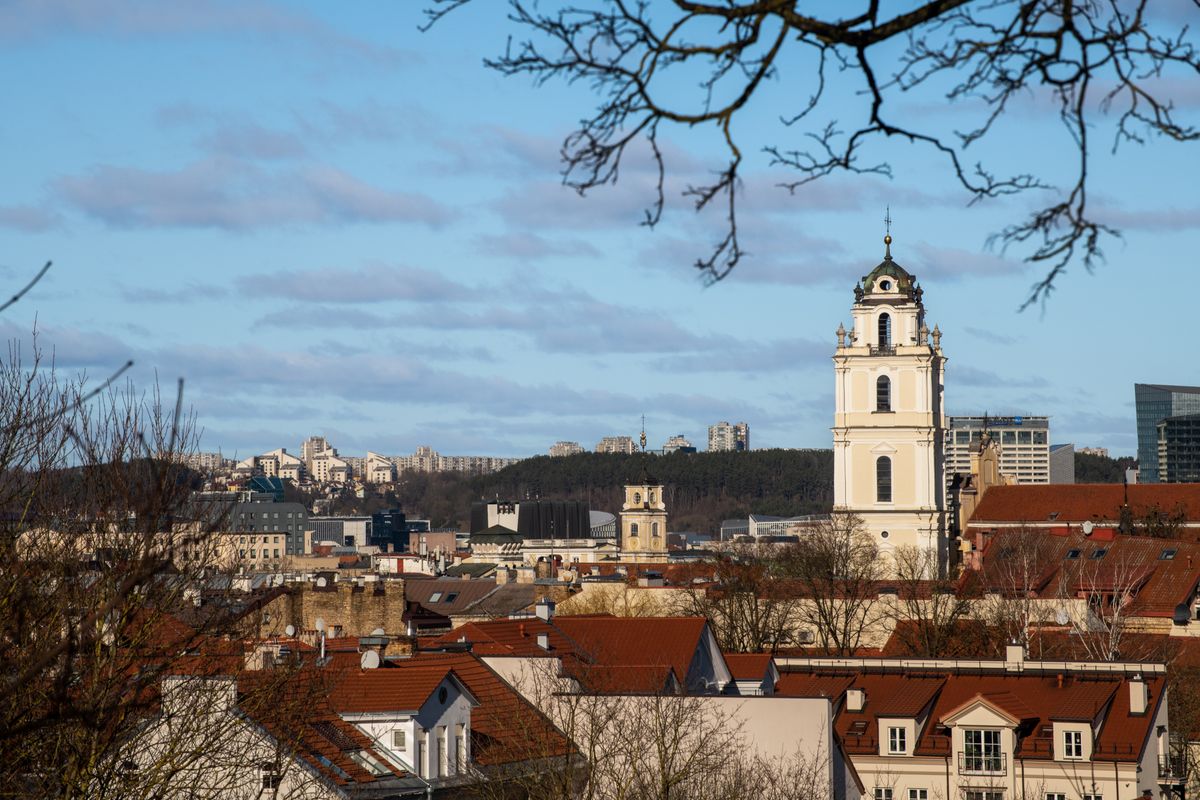
The Baltic states are the most efficient combination of sovereign countries in Europe: three capitals, three languages, three quite different histories, and six hundred kilometres from end to end. You can see all three properly in a week without ever feeling rushed, which is true of almost nowhere else on the continent.
This is a concrete seven day itinerary, day by day, with the transport between capitals, what to see in each, what is worth stopping for on the way and what the week costs for two people.
The Baltic states: why one week works so well
All three are in the European Union, in Schengen and use the euro, so nothing changes at the borders. There are no checks, no currency exchange and no roaming charges.
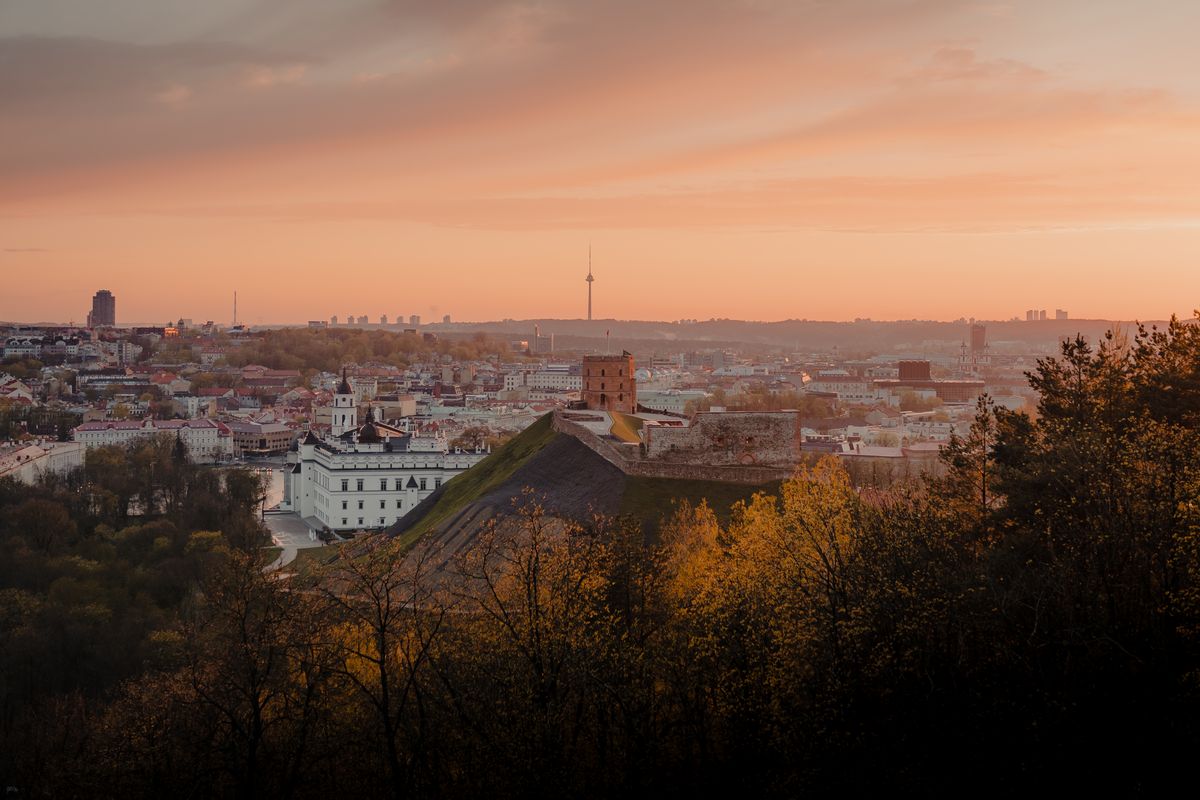
The three historic centres are all UNESCO listed, all compact enough to walk, and all within four or five hours of each other by coach. The logistics are about as simple as European travel gets.
The differences between them are larger than the map suggests. Lithuania is Catholic, baroque, and carries the memory of a medieval great power that once stretched to the Black Sea. Latvia is Lutheran, mercantile, and its capital is a Hanseatic port with the largest collection of Art Nouveau architecture in the world. Estonia is Nordic in language and outlook, closer to Finland than to its southern neighbours.
It looks logical and it does not work. Tallinn has the densest historic centre and the most to see, so it deserves two full days. Riga needs two if you want the Art Nouveau quarter as well as the old town. Vilnius is the largest baroque old town in eastern Europe but reads quickly, so one and a half days plus a half day at Trakai is the right shape. Splitting seven days evenly leaves you short in Tallinn and idle in Vilnius.
Days one and two: Vilnius and Trakai
Vilnius has the largest baroque old town in eastern Europe, with more than a thousand historic buildings in a compact area. It is also the least polished of the three capitals, and the most surprising.
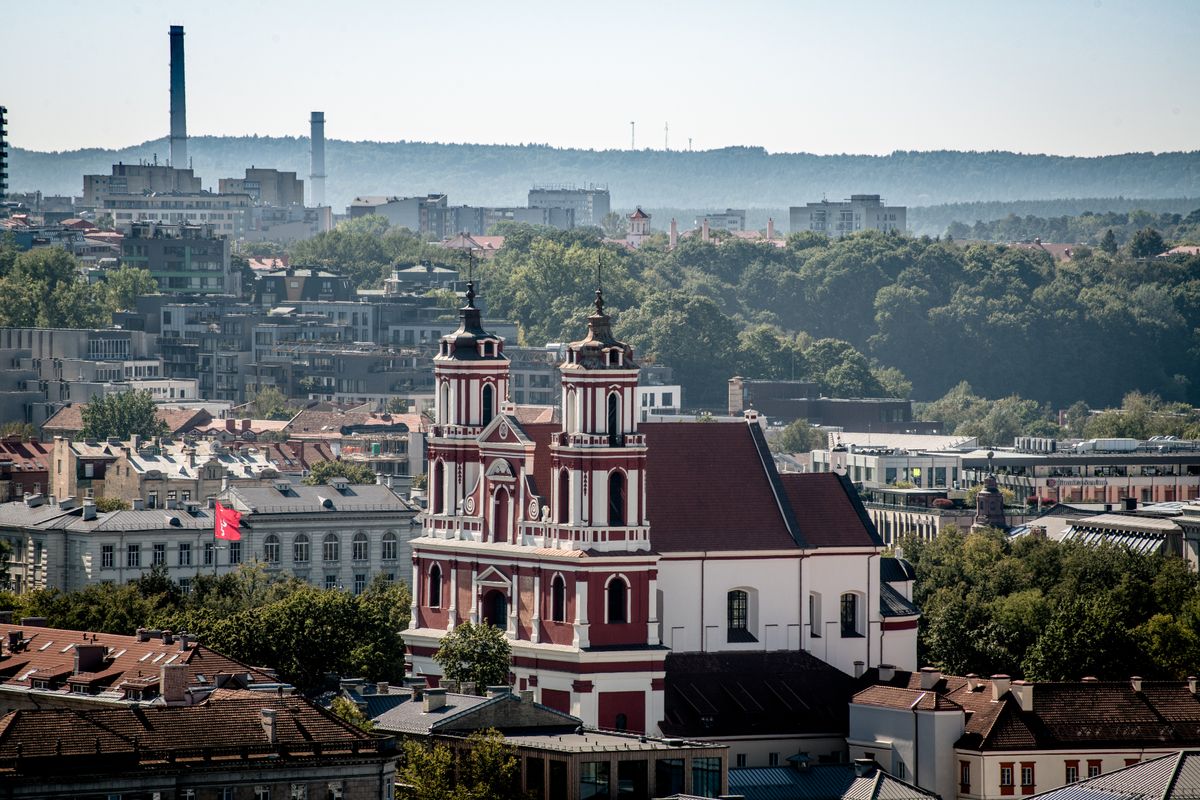
What is worth the time: Gediminas hill for the panorama, the university with its thirteen connected courtyards, the Gate of Dawn with its icon, and the church of St Anne, a piece of flamboyant Gothic in red brick that Napoleon reportedly wanted to carry back to Paris.
Uzupis, the self-declared artists republic across the river, has its own constitution posted on a wall in dozens of languages. It takes twenty minutes and is worth every one of them.
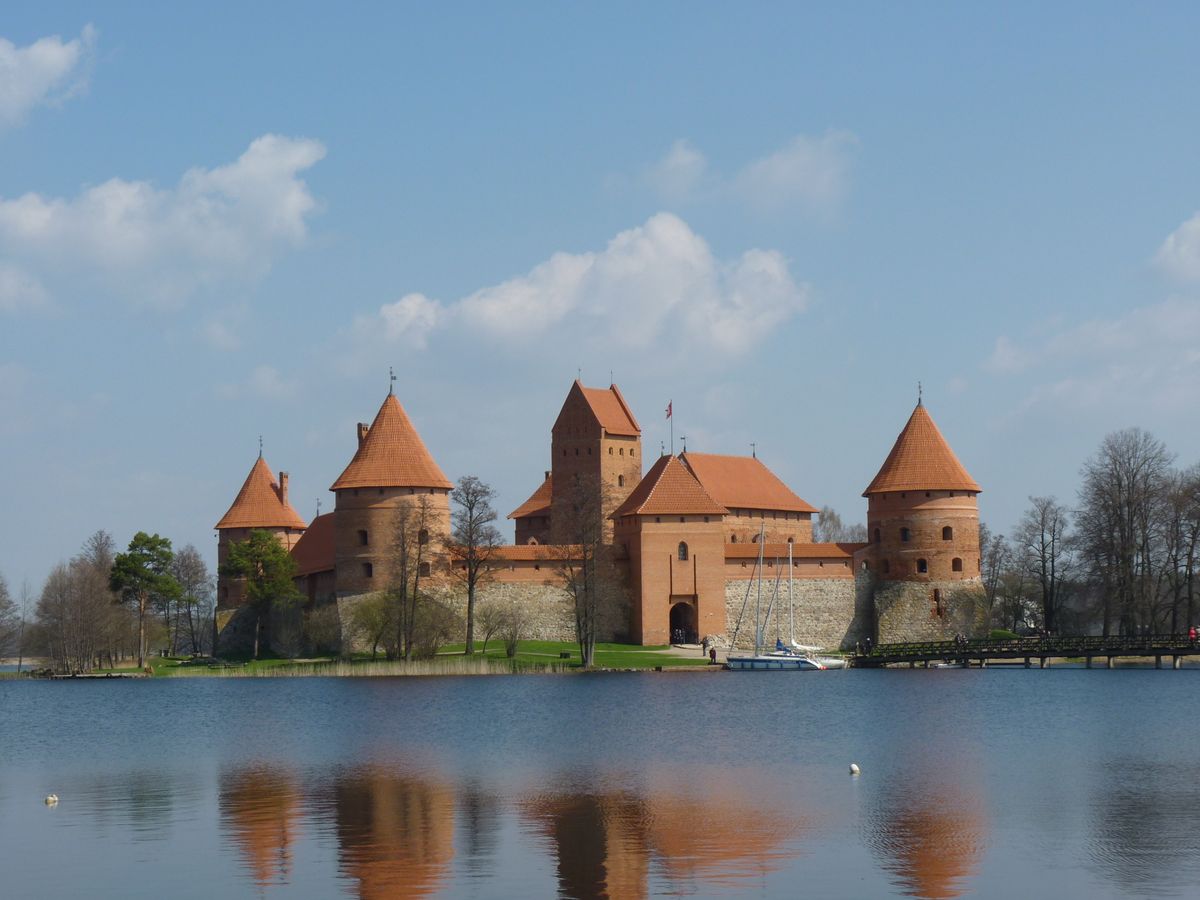
The second day belongs to Trakai, thirty kilometres away: a red brick castle built on an island in the middle of a lake, reached by a footbridge, and one of the most photogenic places in the region.

Days three and four: Riga
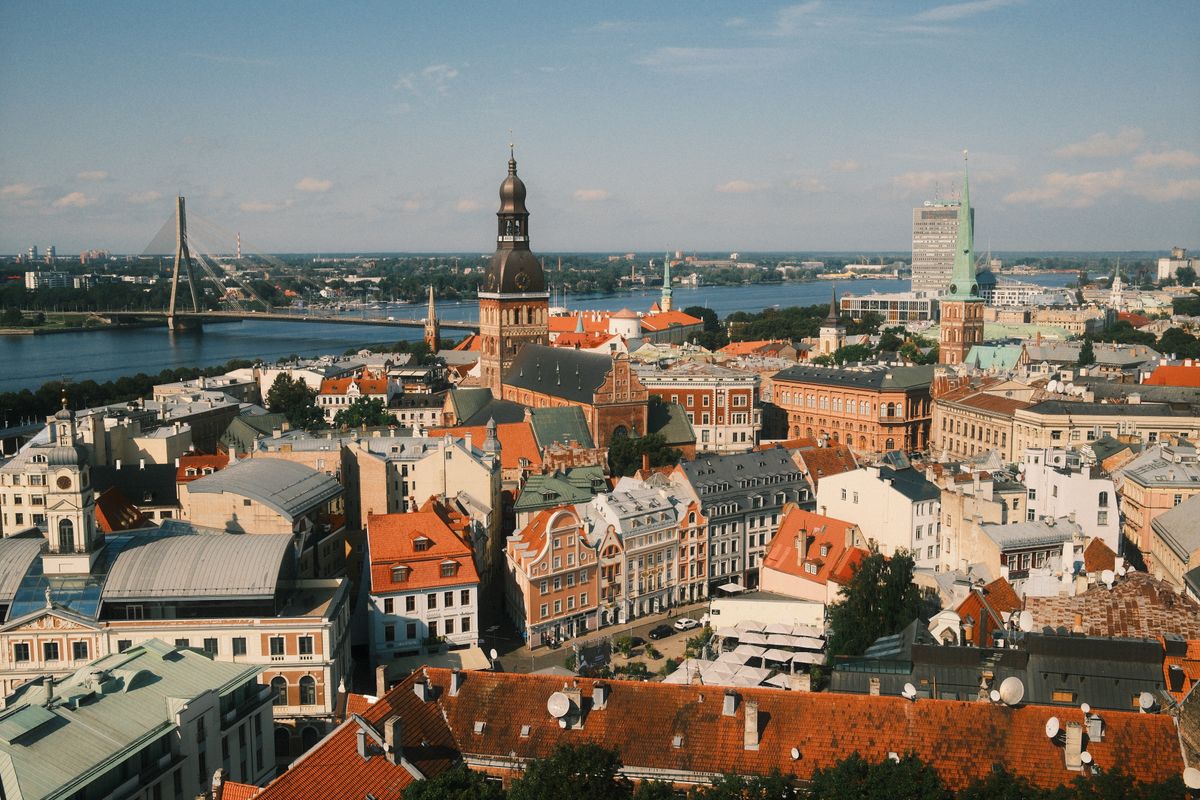
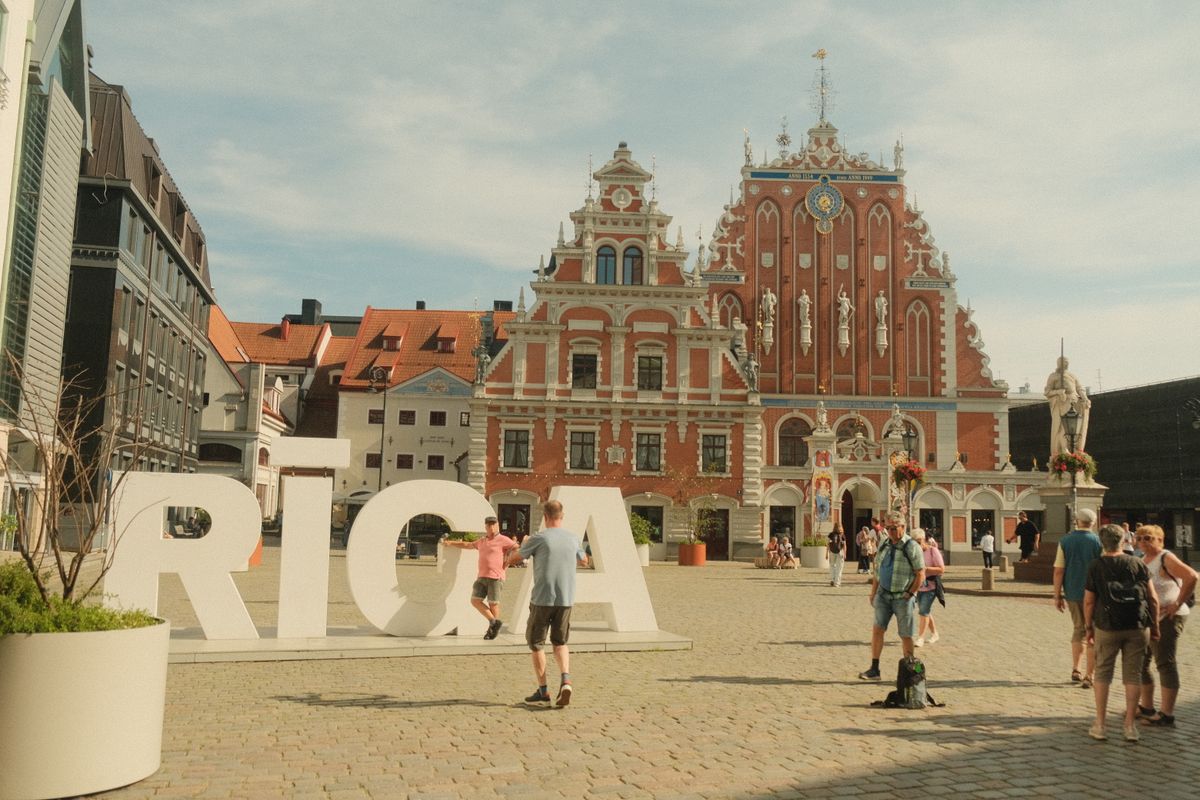
Riga is the largest of the three capitals and the most varied. The old town is medieval Hanseatic, with the House of the Blackheads rebuilt from photographs after the war, and it is small enough to cross in fifteen minutes.
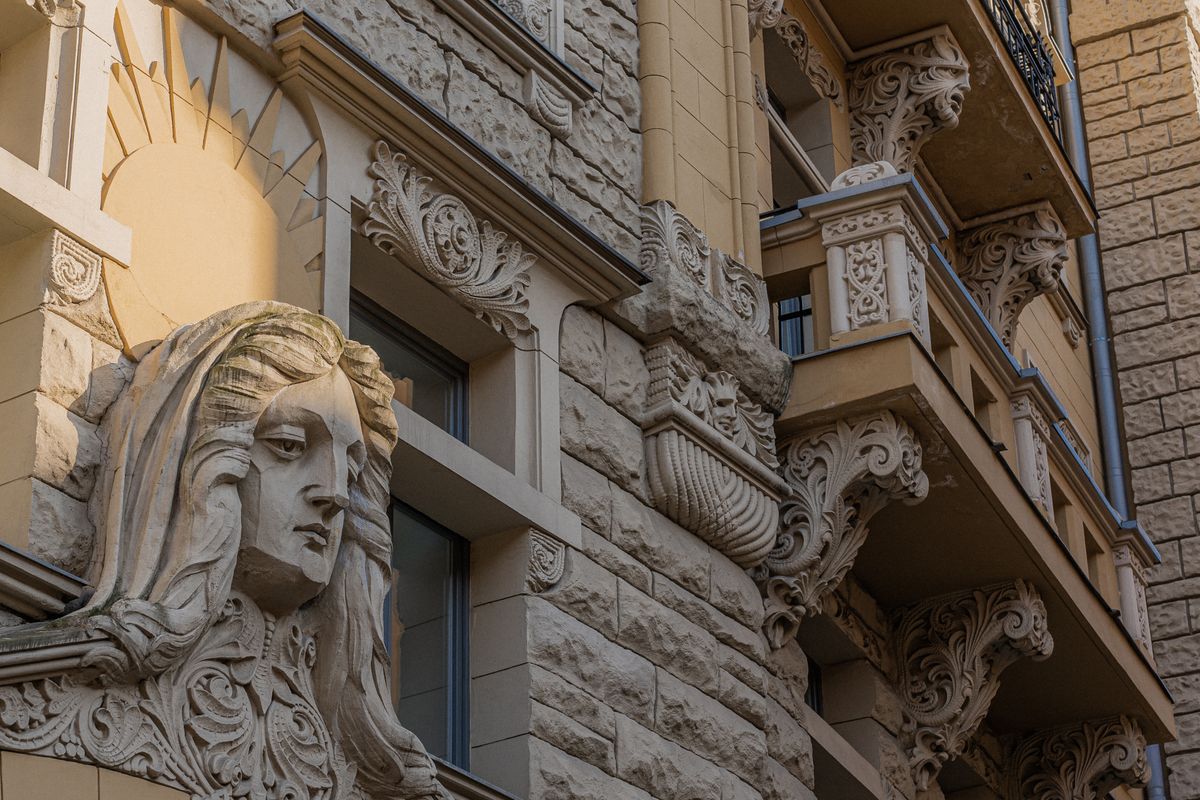
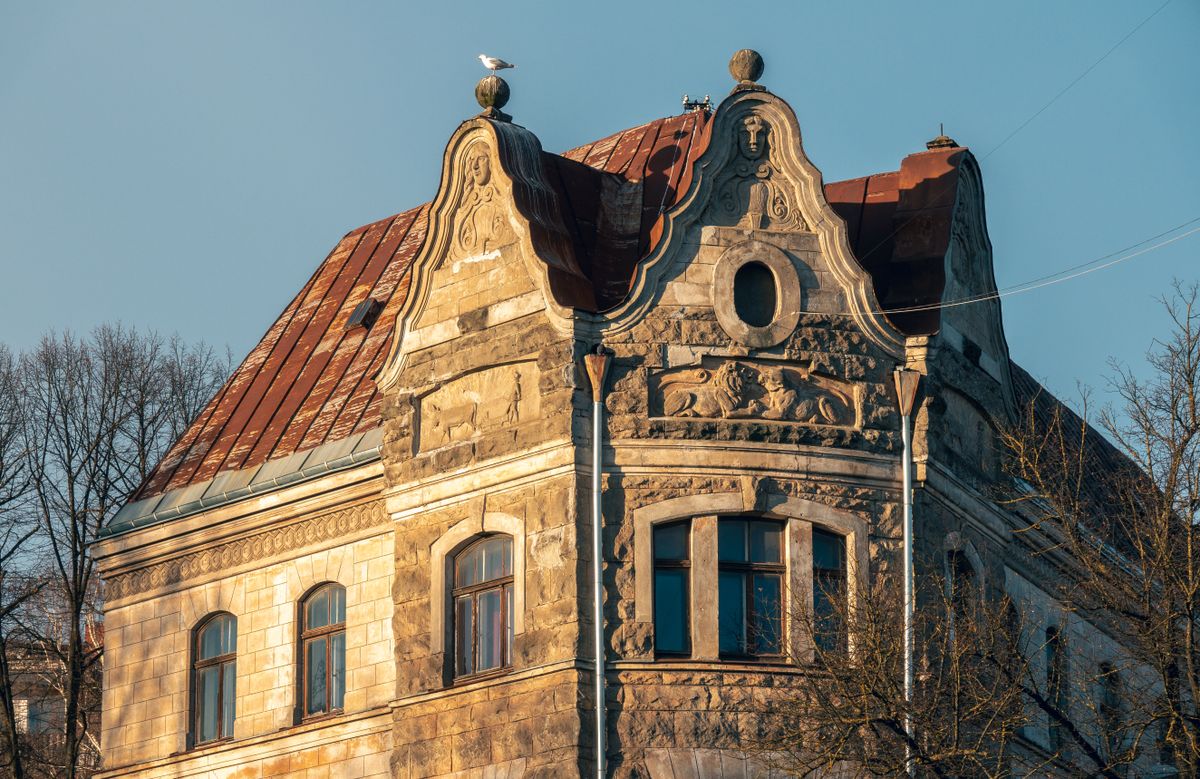
The Art Nouveau quarter, around Alberta street, is the real reason to give Riga two days. More than eight hundred buildings in the style stand here, the greatest concentration anywhere in the world, with facades covered in faces, masks and mythological figures.
The second thing worth the time is the central market, housed in five enormous hangars originally built for Zeppelin airships. It is the largest market in Europe by floor area and it is where the city actually shops.
Days five and six: Tallinn
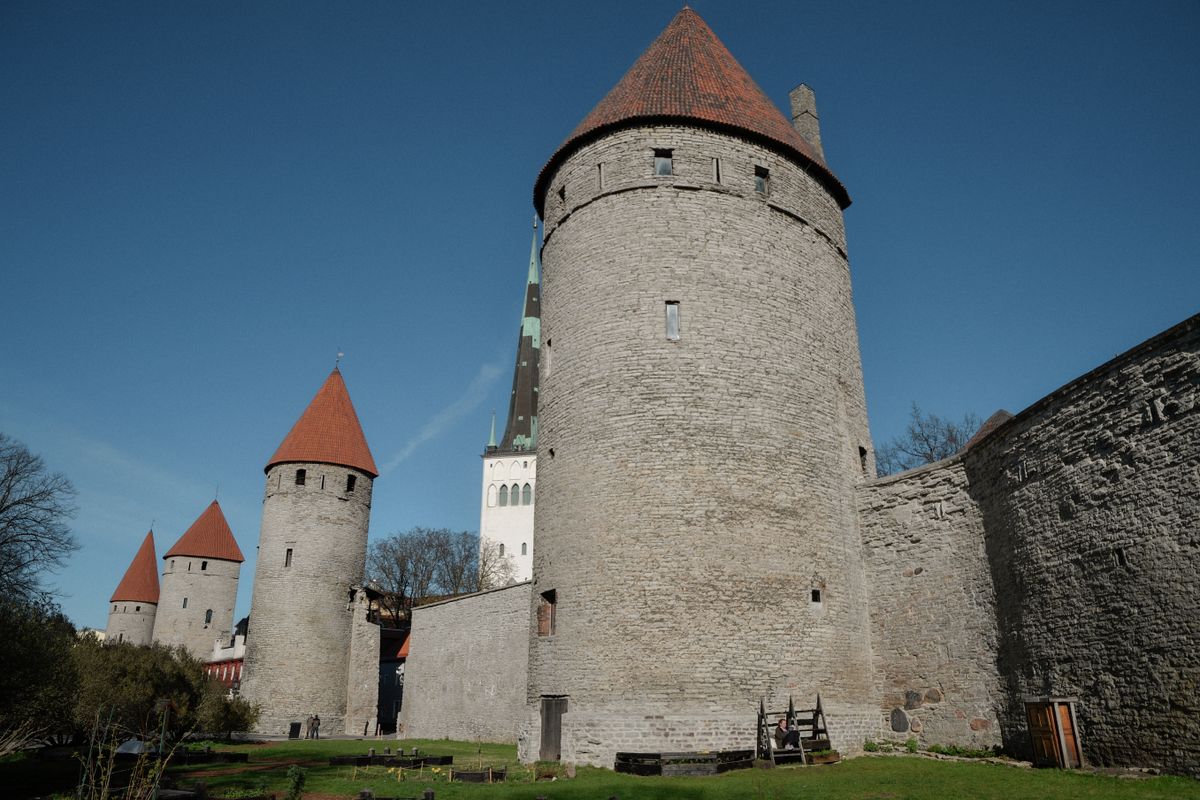
Tallinn has the best preserved medieval old town in northern Europe, with the defensive wall almost complete, conical towers and streets that have not changed shape since the fifteenth century.
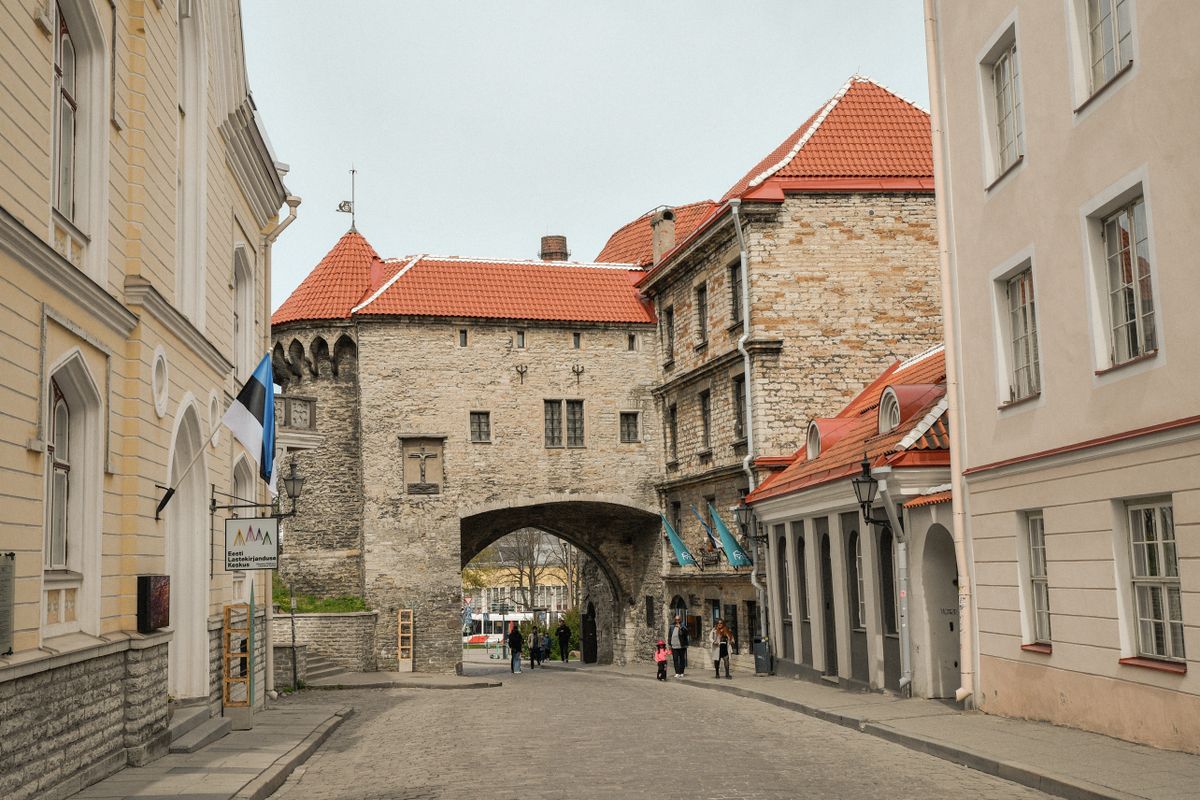
What separates Tallinn from the other two is the contrast between medieval and digital. The same country that has fifteenth-century streets runs its elections, taxes and medical records online, and both things are entirely ordinary here.
Give the first day to the walled town and the viewpoints on Toompea, and the second to Kadriorg and the wooden quarters of Kalamaja north of the walls, which is where the city actually lives.
How to move between the capitals
The coach is the obvious answer and it is surprisingly good: modern vehicles, wifi, power sockets and low prices.
| Route | Duration | Price per person |
|---|---|---|
| Vilnius to Riga | 4 hours | 12 to 25 euros |
| Riga to Tallinn | 4 hours 30 | 15 to 28 euros |
| Vilnius to Tallinn, direct | 9 hours | not recommended |
| Airport transfers in all three | 20 to 40 minutes | 2 to 5 euros |
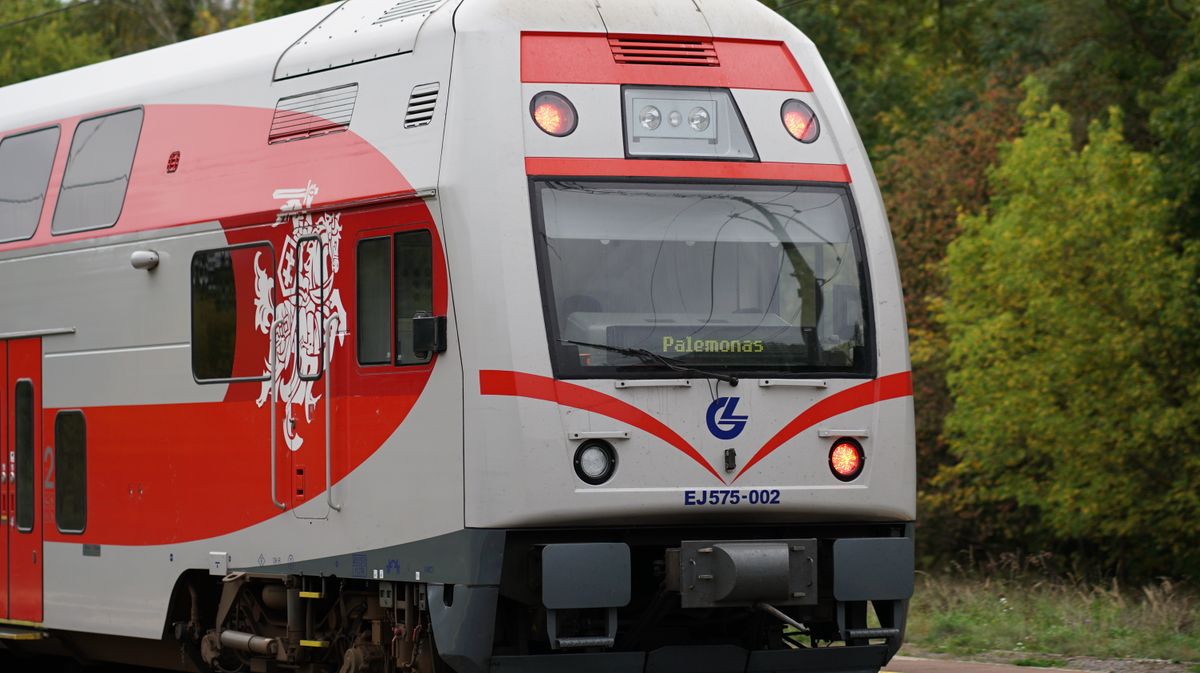
Book online a few days ahead, because prices rise close to departure. A train runs between Vilnius and Riga but is slower and less frequent than the coach, and there is no useful direct rail link between Riga and Tallinn.
Fly open jaw: arrive at Vilnius and depart from Tallinn. It usually costs the same as a return to a single city and saves you nine hours of backtracking on the last day, which is roughly a fifth of your holiday.
Day seven: the Baltic coast, if you have a car
By coach, day seven is the day you fly home. With a car, you can add the coast, which is completely different in character from the cities.
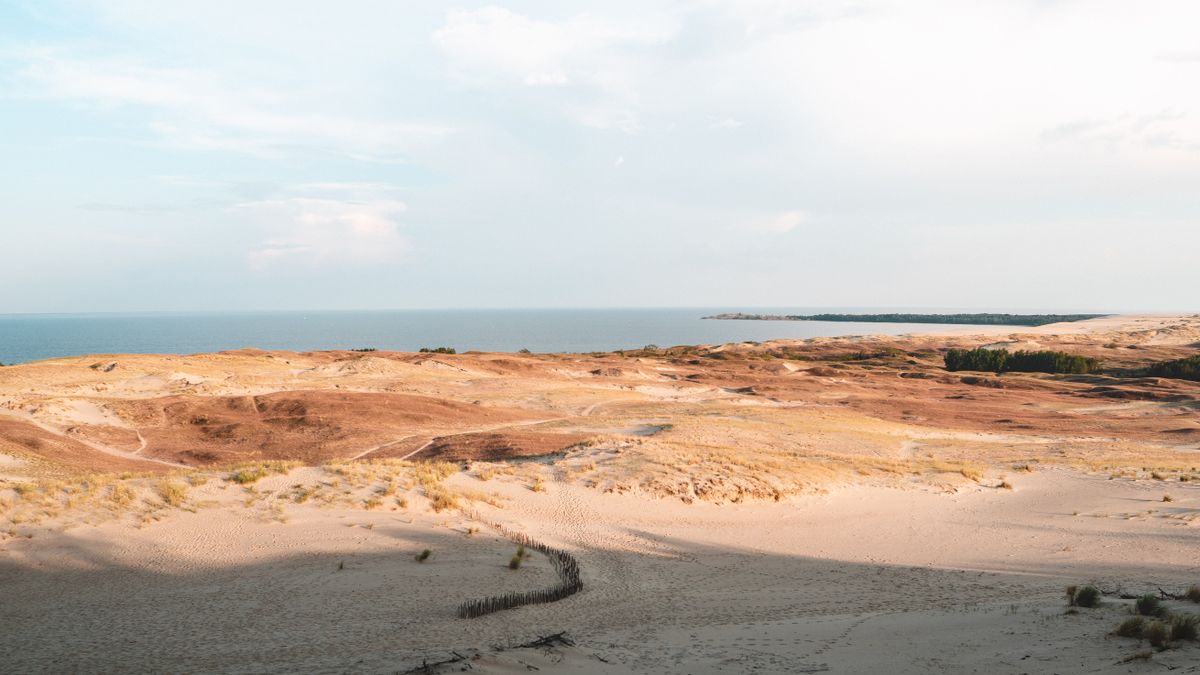
The Curonian Spit in Lithuania is a strip of sand ninety-eight kilometres long, with dunes that migrate and fishing villages of painted wooden houses. It is a UNESCO site and it is shared with Russia, which cuts it in half.
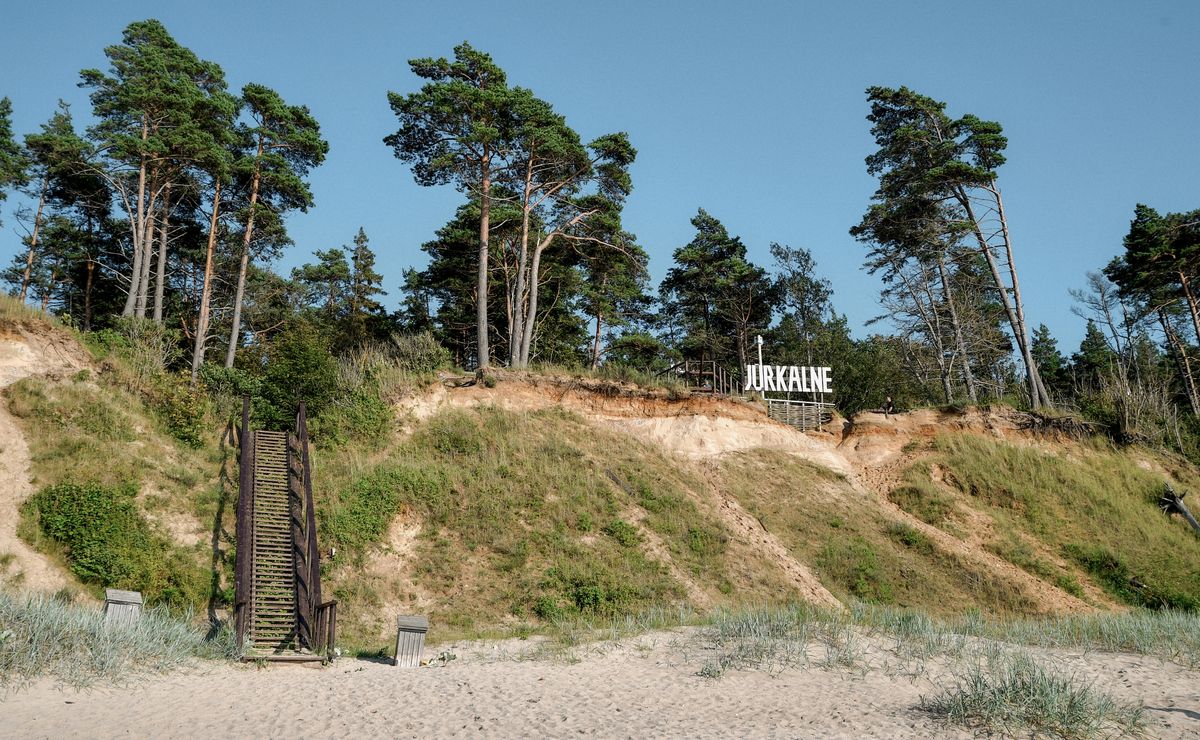
The Latvian coast is wilder, with low cliffs and long empty beaches. In Estonia, the islands of Saaremaa and Hiiumaa deserve a holiday of their own rather than a day.
What a week in the Baltic states costs
The region is twenty to thirty per cent cheaper than Central Europe and far below Scandinavia, even though the standard of living and the infrastructure are closer to the latter.
| Category | Cost for two |
|---|---|
| Flights, open jaw into Vilnius and out of Tallinn | 250 to 450 euros |
| Accommodation, 6 nights in a three star hotel | 480 to 700 euros |
| Coaches between the capitals | 55 to 105 euros |
| Food, 7 days | 420 to 560 euros |
| Entries, museums and Trakai | 90 to 150 euros |
| Local transport | 60 to 100 euros |
That comes to roughly 1,355 to 2,065 euros for two people with everything included, which is less than a comparable week in Vienna or Amsterdam for one.
When to go
June, July and August are the obvious months, with extremely long days: in Tallinn in June it does not get properly dark until after eleven at night. It is also the festival season across all three countries.
September brings autumn colour and lower prices, and is arguably the best compromise. From November to March it is seriously cold with short days, but the old towns in snow are genuinely beautiful and the Christmas markets are among the oldest in Europe.
Official information for each country is on the Lithuanian tourism site and on the Latvian tourism site.
Frequently asked questions (FAQ)
Conclusion
Three countries, three capitals and six hundred kilometres, all in one currency and with no borders to cross. There is no other part of Europe where a week buys you this much variety with this little friction.
Fly into Vilnius and out of Tallinn, give Tallinn two days rather than splitting the week evenly, book the coaches online in advance, and go in June if you want the light or September if you want the colours.
