
 By
Kazimierz is the district of Krakow where several centuries sit on top of each other without resolving into anything tidy. It was a royal town in its own right, then for four hundred years the centre of Jewish life in Poland, then the site of a destruction it never recovered from, and since the nineteen-nineties one of the most vital quarters in the country.
This guide covers what to see and in what order, where to eat, what the street art is about, and how to visit a place that is simultaneously a nightlife district and a site of mourning without getting the balance wrong.
Kazimierz: from royal town to cultural revival
Kazimierz was founded in 1335 by King Casimir the Great, and for a long time it was not part of Krakow at all but an independent town with its own walls, market square and town hall, separated from the city by a branch of the Vistula that has since been filled in.
After Jews lost the right to live in the Krakow old town in the fifteenth century, they settled here, and Kazimierz became one of the most important centres of Jewish learning and commerce in Europe. By the nineteen-thirties something close to a quarter of the population of Krakow was Jewish, and this was where that life was concentrated.
The Second World War ended it. In 1941 the Jewish population was forced across the river into the Podgorze ghetto, and from there to the camps. Of roughly sixty-eight thousand Jews in Krakow before the war, a few thousand survived. Kazimierz emptied and stayed empty, physically intact and socially erased, through four decades of communism.
The revival came in the nineteen-nineties, accelerated sharply by Schindler List in 1993, which Spielberg filmed largely in these streets rather than in the ghetto where the events actually happened. Artists and bar owners moved into buildings nobody wanted, and the quarter became fashionable, which is a complicated thing for a place like this to become.
What to see in Kazimierz
The quarter is compact and the main sights can be walked in a day, though half of them deserve more time than a day allows.
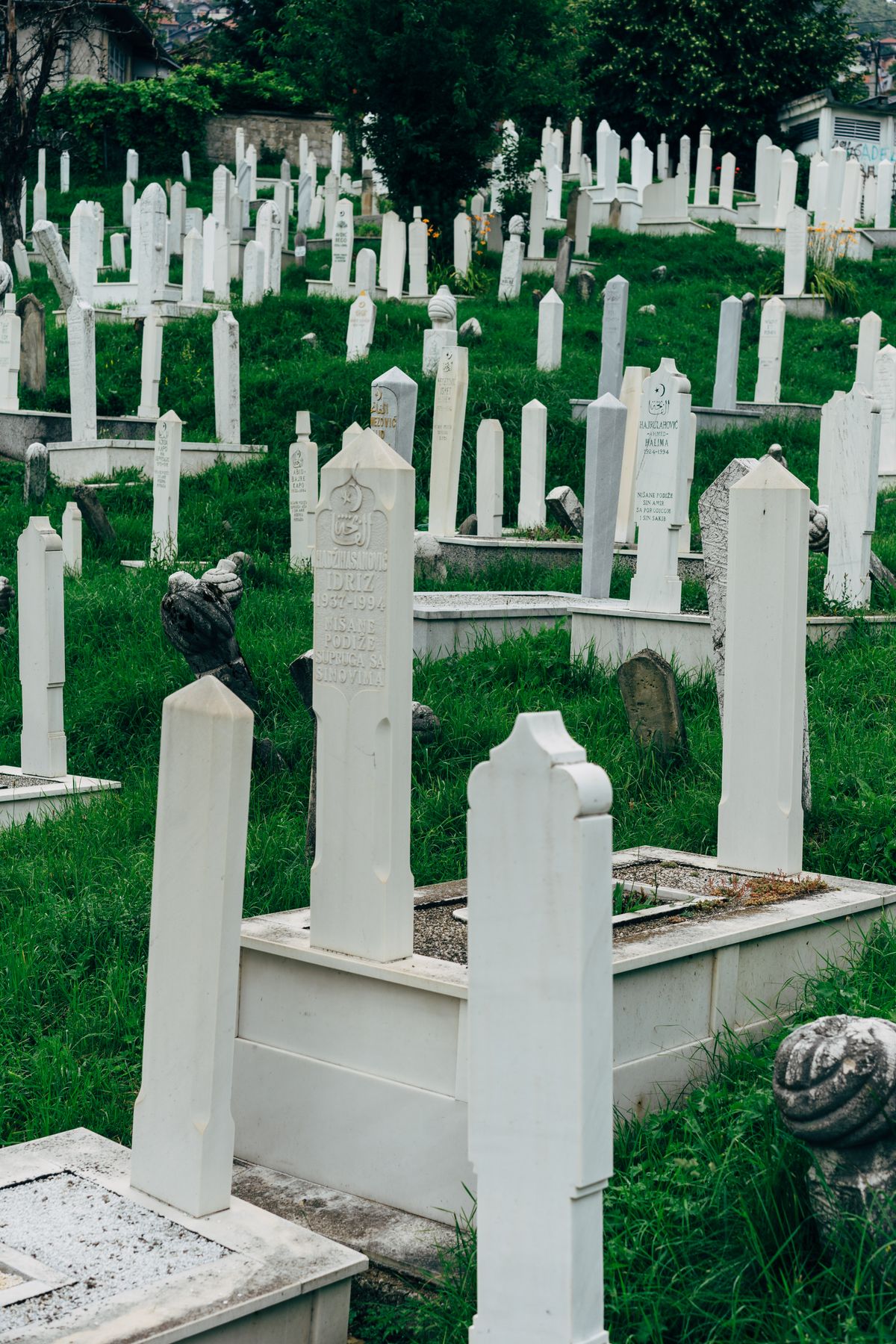
The Old Synagogue on Szeroka street, built in 1407, is the oldest surviving synagogue in Poland. It functions now as a museum of the history and culture of Krakow Jews rather than as a place of worship.
The Remuh Synagogue, founded in 1556, is one of the very few still active in the city, built by the royal banker Israel Isserles and named after his son, the rabbi and scholar Moses Isserles. Beside it lies the Remuh cemetery, with gravestones from the sixteenth century and a wall built from fragments of headstones smashed during the occupation.
The Galicia Jewish Museum takes a different approach: instead of artefacts it shows photographs, documenting what remains of Jewish Galicia today, ruins, overgrown cemeteries, converted buildings. It is quieter and harder than a conventional museum.
Plac Nowy is the social centre of the quarter, with its round former slaughterhouse in the middle now selling zapiekanki, long open-faced baguettes with mushrooms and cheese, which is what everyone in Krakow eats at two in the morning.
Across the river in Podgorze, the Schindler Factory museum tells the story of the city under occupation. It is not in Kazimierz, but it belongs to the same visit, and tickets sell out days in advance in season.
Cafes and restaurants: where to eat
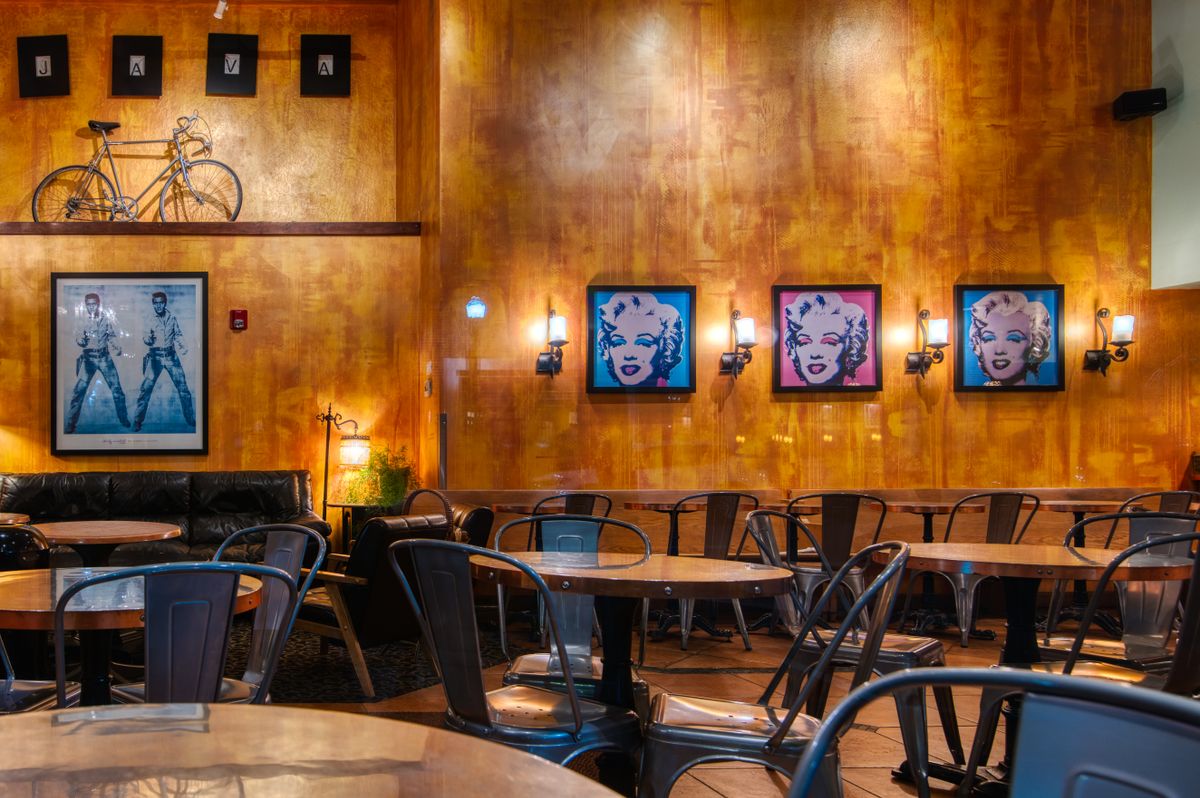
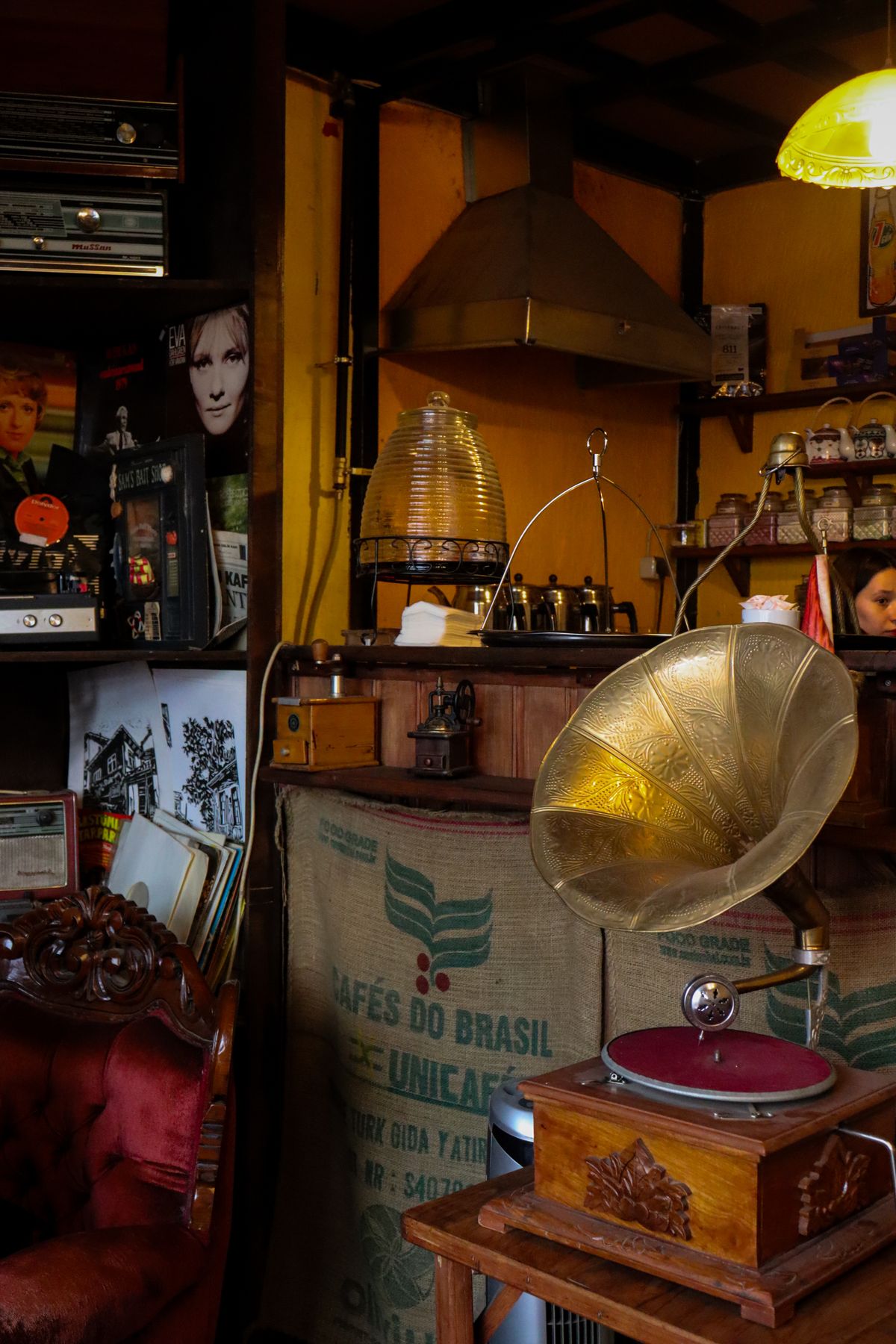
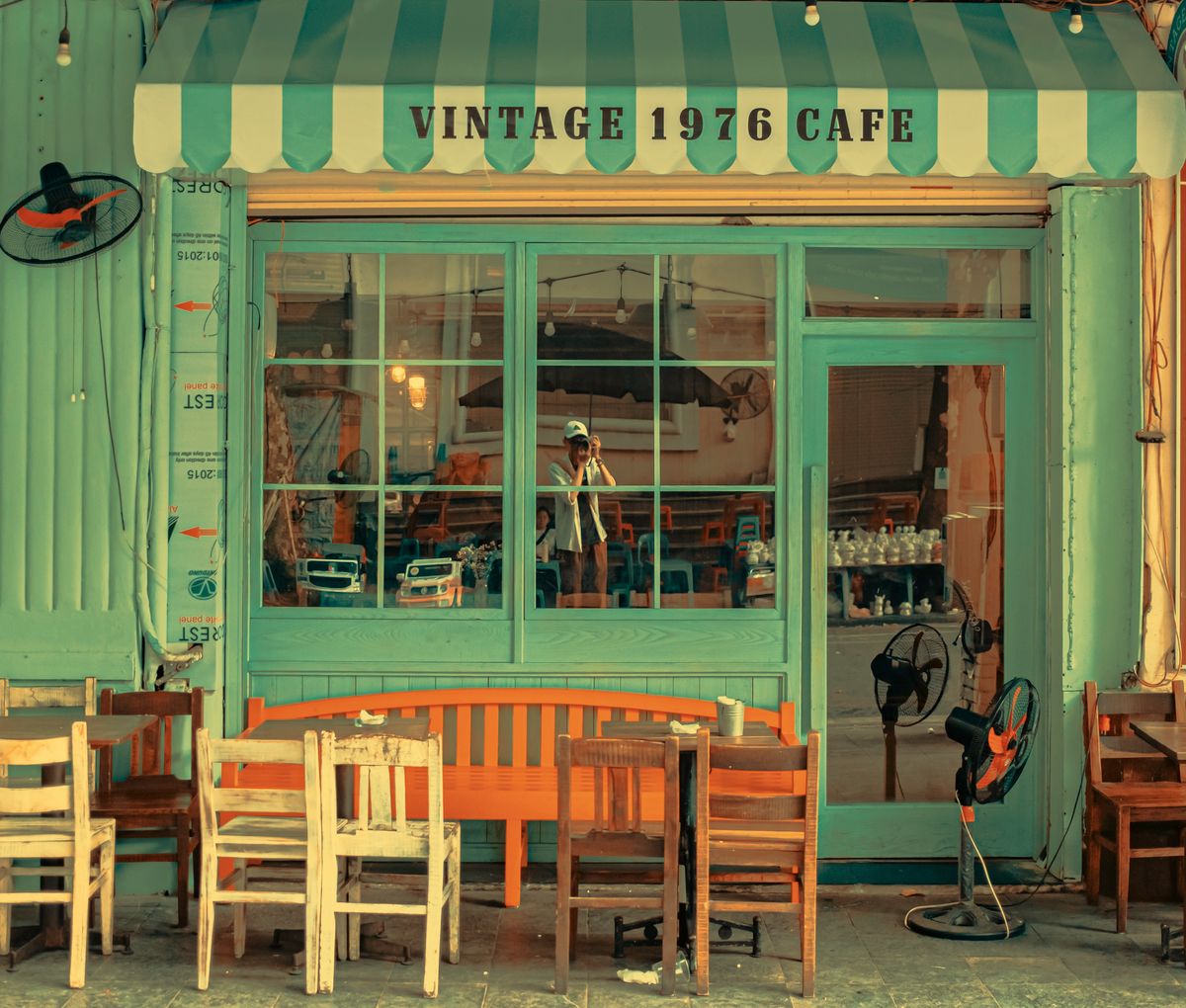
Kazimierz is where you go in Krakow for cafes with character rather than chains. The style is consistent: mismatched furniture, low light, often candles, usually a courtyard.
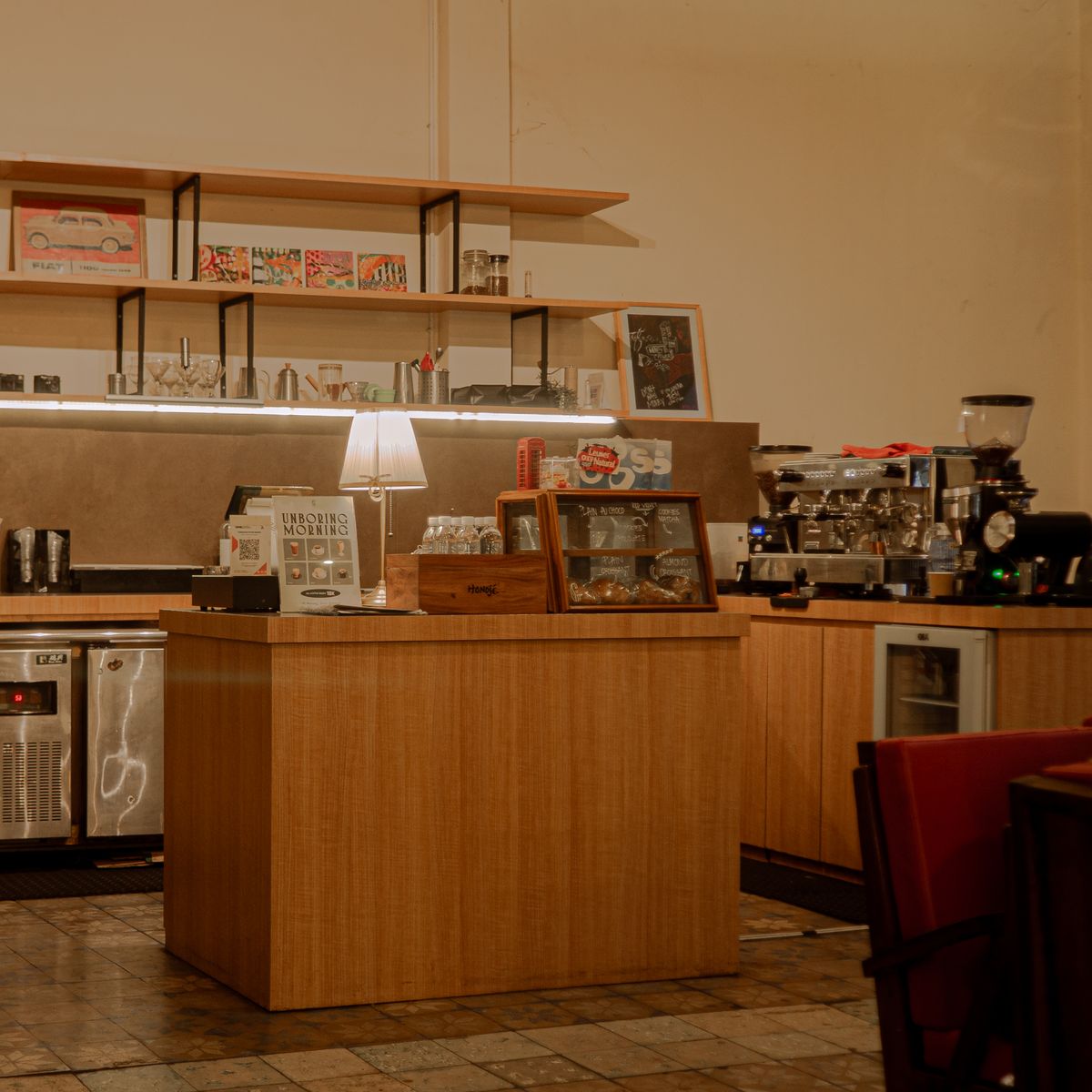
Alchemia, opened in 1999 on Plac Nowy, is the emblematic one, lit by candles and largely unchanged in a quarter that has changed enormously around it. Singer, nearby, uses old sewing machines as tables, which sounds like a gimmick and is thirty years old.
For eating properly, Starka does Polish cooking well and makes its own infused vodkas. Hamsa, on Szeroka, serves Israeli and Middle Eastern food, hummus, falafel, shakshuka, and is deliberately not a museum-piece Jewish restaurant.
The dish to look for if you want the local Jewish-Polish crossover is cholent, a slow-cooked stew of beans, barley and meat, traditionally left overnight because it could not be cooked on the Sabbath.
Street art and galleries
Kazimierz is not only history and food. It is one of the most active art quarters in Poland, and the walls carry a good part of that.
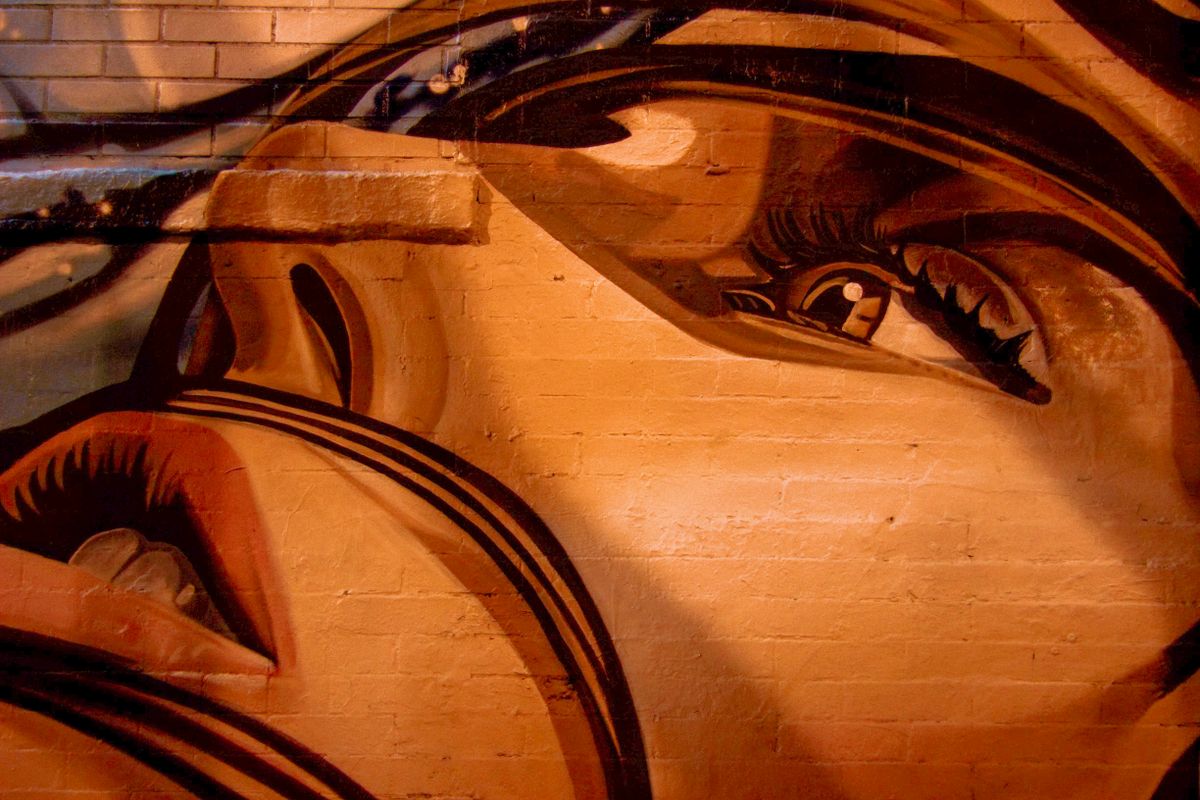
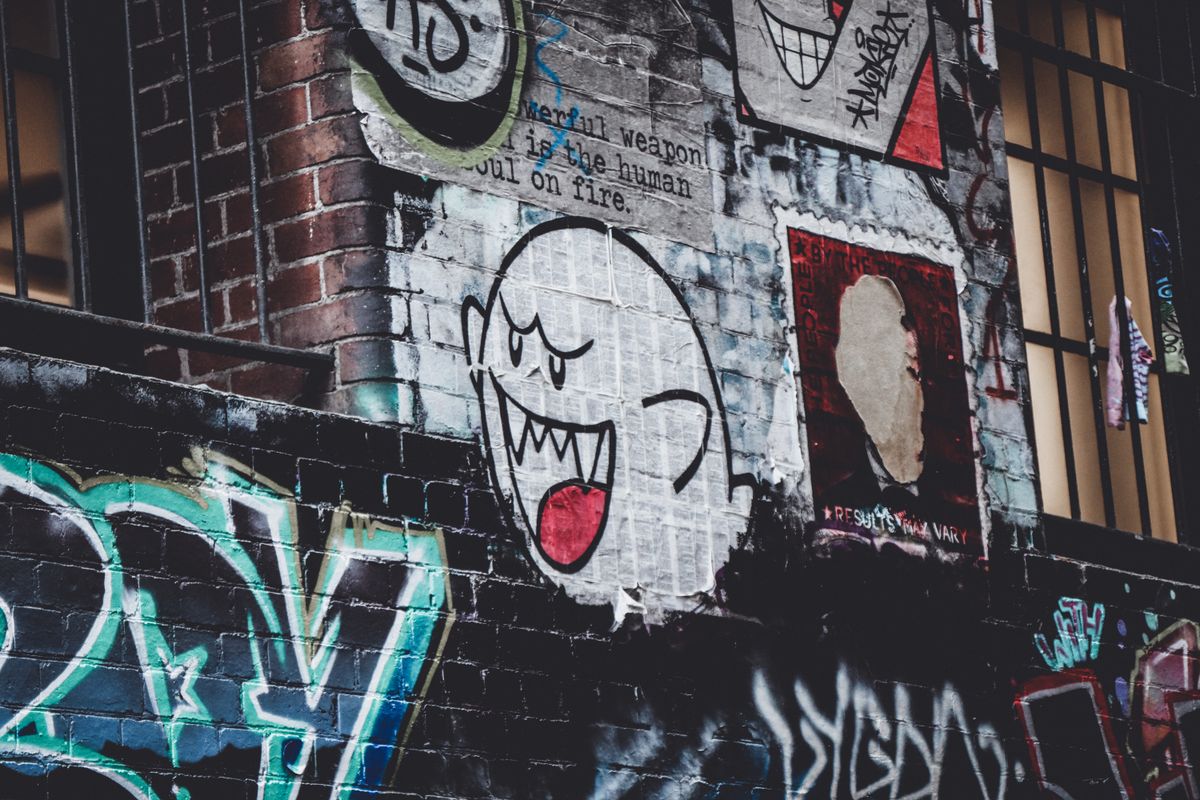
The murals here are not decoration. Many engage directly with the Jewish history of the district, some are memorial, and a few are deliberately provocative about how the quarter is being consumed by visitors.
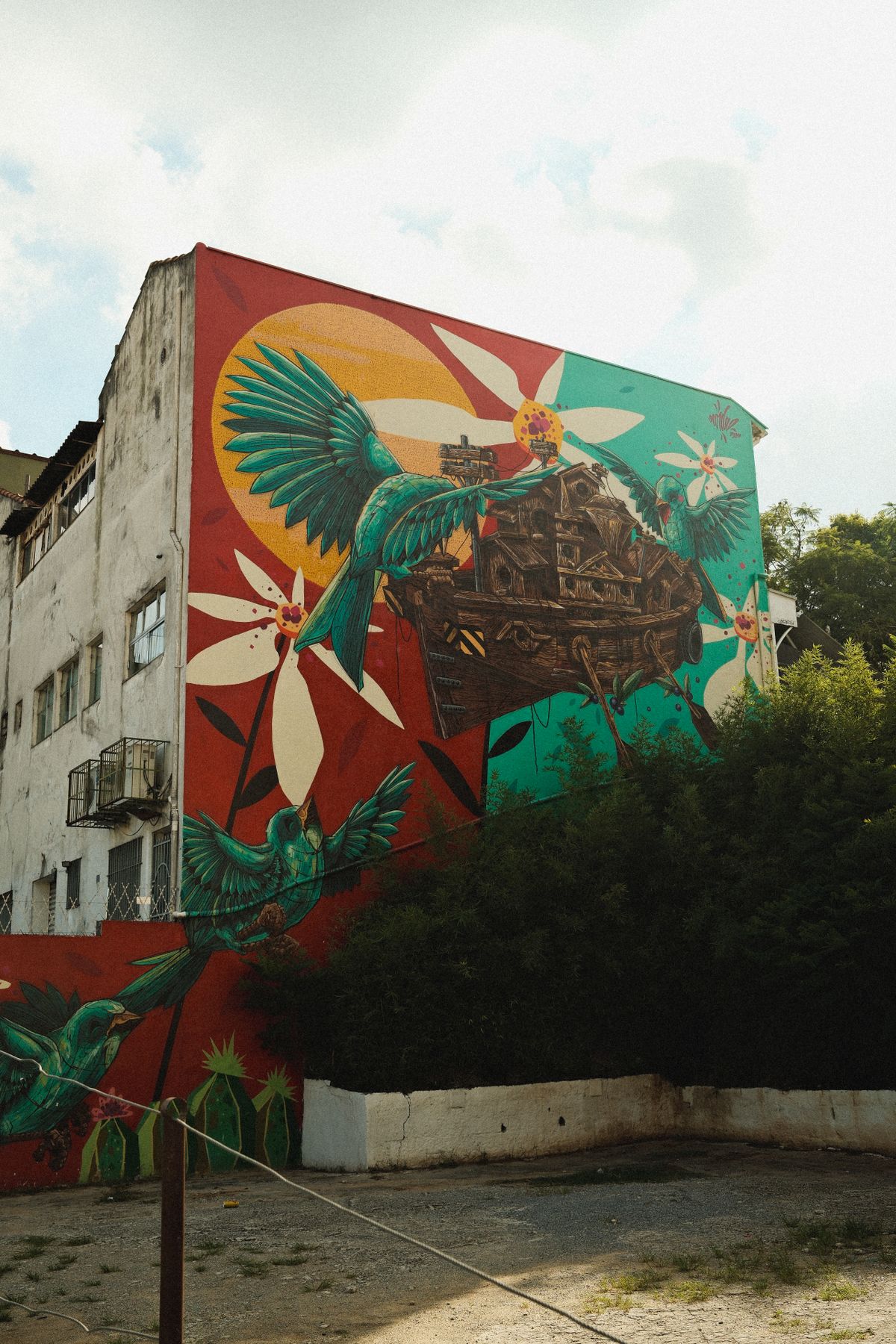
Jozefa street is the spine of the art scene, with contemporary galleries, small design shops and the passage through to a courtyard of workshops. The second-hand and antique shops around it are genuinely good, and prices are still reasonable.
Practical advice for visiting Kazimierz
The quarter is fifteen minutes on foot from the main market square in Krakow, along Grodzka street and past Wawel castle. There is no reason to take transport.
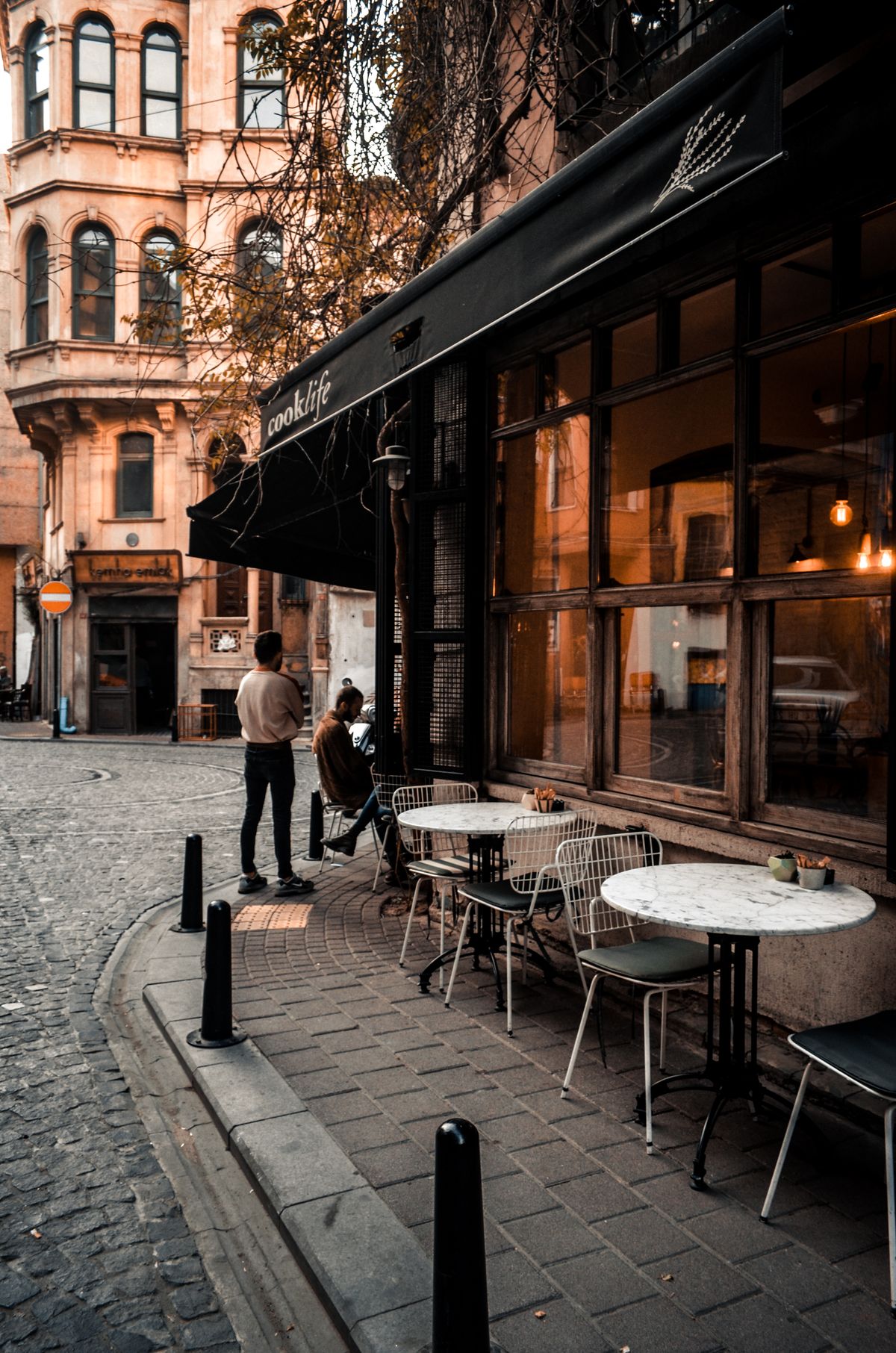
Half a day is the minimum for the main sights. A full day lets you do the synagogues and the cemetery properly in the morning, eat at Plac Nowy, and spend the afternoon on the galleries and the streets.
A guided walking tour makes a real difference here, more than in most places, because without the history the quarter reads as a nightlife district with old buildings. Free walking tours run daily and work on tips.
May, June, September and October are the best months. Summer brings the Jewish Culture Festival, which is one of the largest of its kind in Europe and worth planning around if the dates suit.
The Remuh cemetery and the synagogues are religious sites and, in the case of the cemetery, a burial ground where the dead include people whose descendants were murdered a few streets away. Men cover their heads, everyone keeps their voice down, and photographs of gravestones are best not taken at all. The bars are two minutes away and the quarter carries both without difficulty, as long as visitors do the same.
Background is on the Krakow city guide and on the Polish national tourism portal.
A note about the photographs
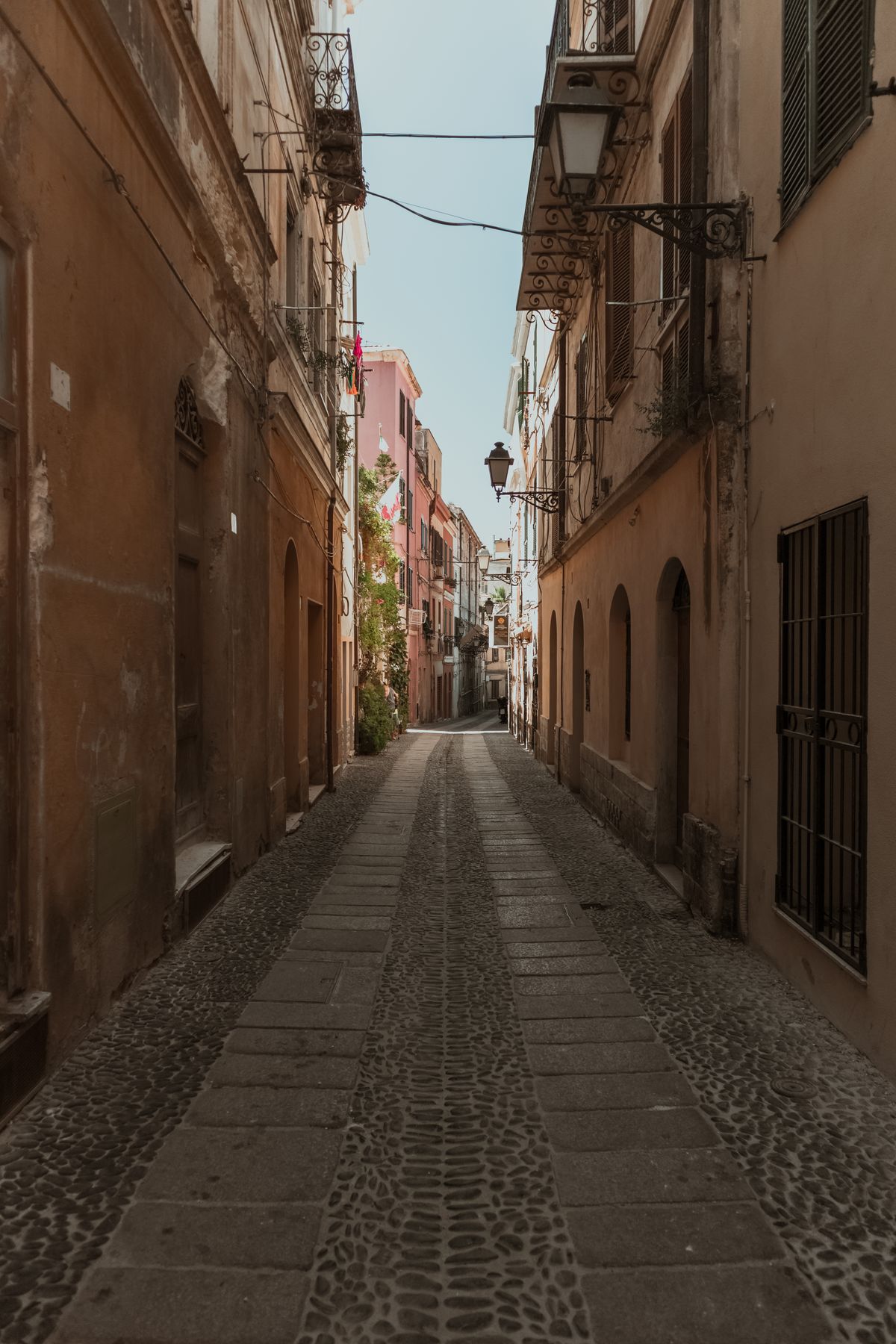
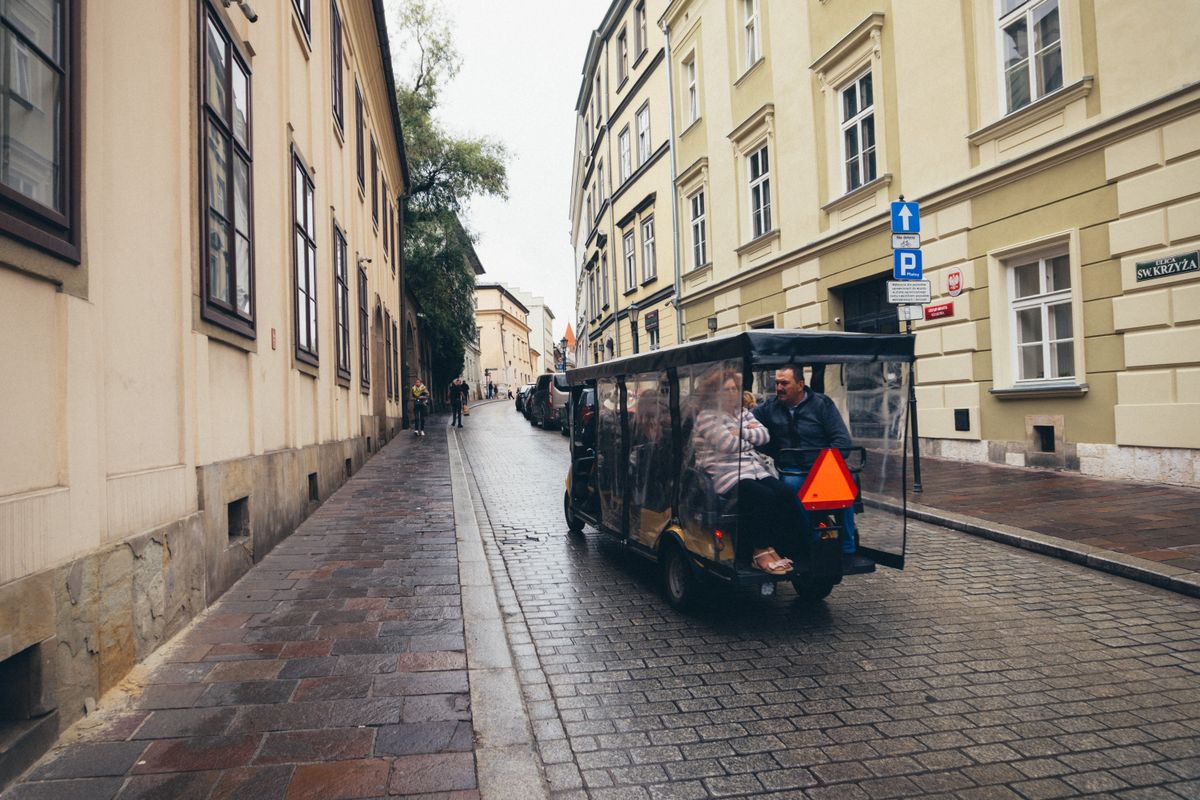
This article has weak photographic coverage and it is better to say so than to imply otherwise. Three images are confirmed: two streets in Kazimierz itself and one in the Krakow old town nearby.
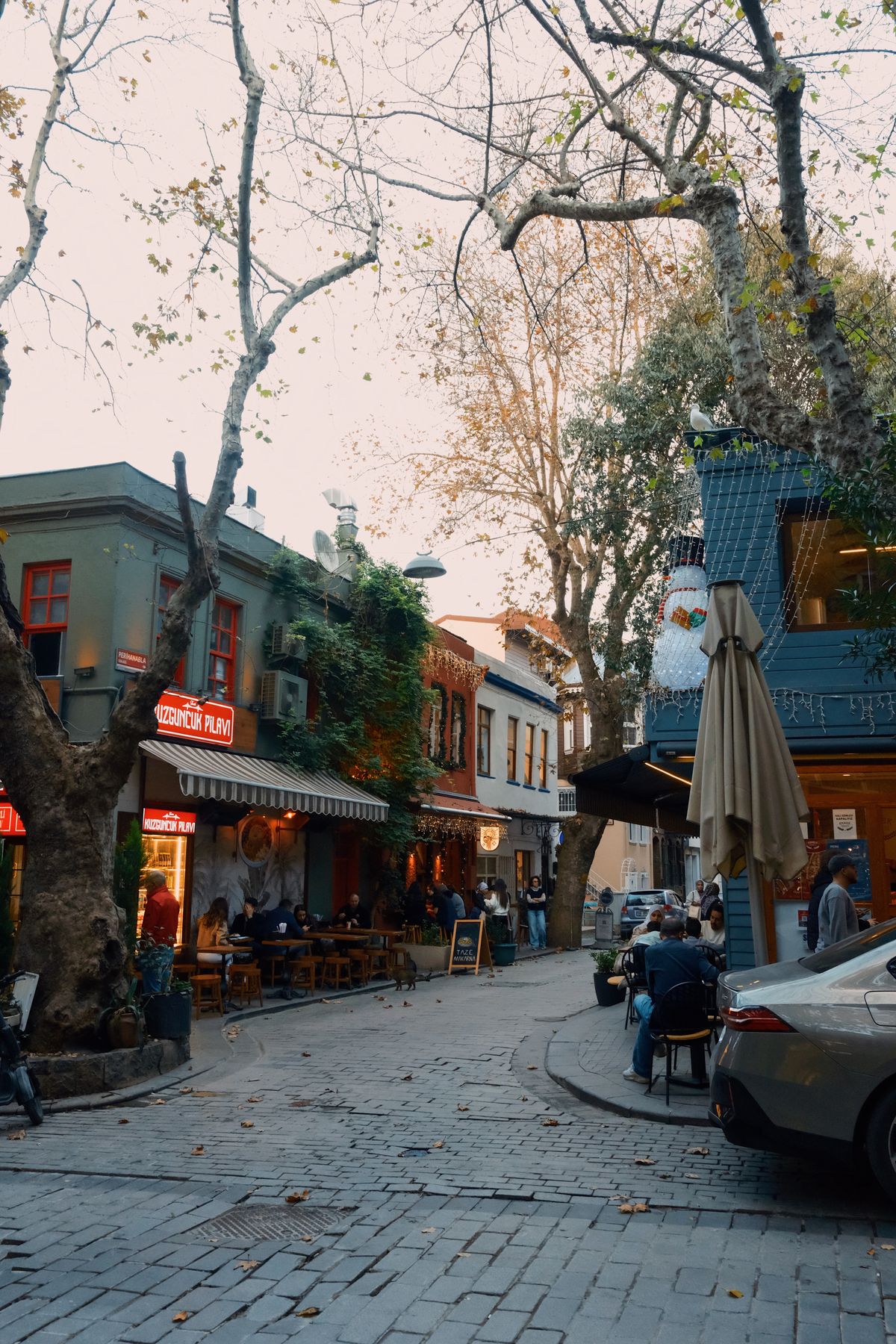
The rest, the synagogue interior, the cemetery, the vintage cafes and the murals, are illustrative frames from elsewhere in Europe that match the character of the quarter but are not Kazimierz. Each is captioned as such. The Old Synagogue, the Remuh cemetery, Plac Nowy with its rotunda, the Galicia museum and the Schindler factory have no free photographs at all, and given the subject, using look-alike images without saying so would be the wrong call.
Frequently asked questions (FAQ)
Conclusion
Kazimierz is not a comfortable place to write about, because it is at once a memorial and a nightlife district, and it holds both without pretending they resolve. That tension is the honest reason to go.
Give it a full day, take a guided walk for the history, visit the Remuh cemetery quietly and early, and then let the quarter be what it also is now, which is the most alive part of Krakow.
