

 By
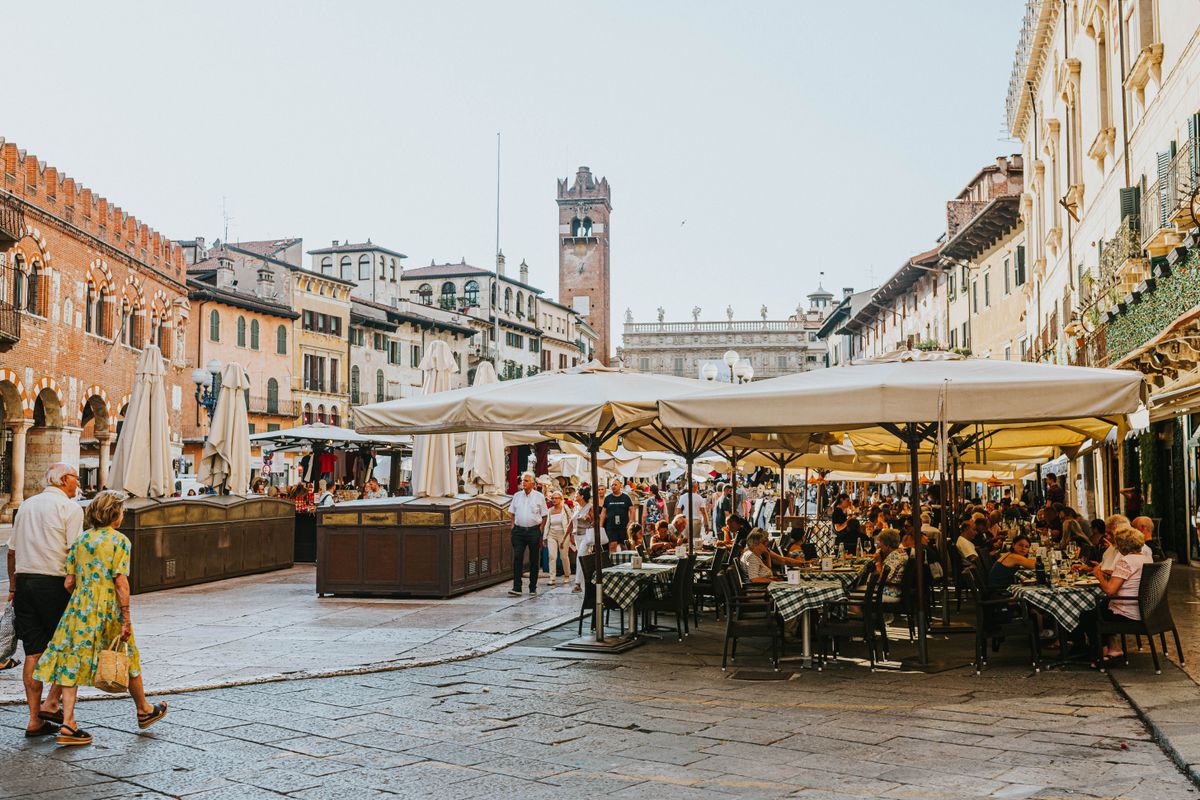
Tourist traps work the same way in Lisbon, Prague and Athens, which is convenient: learn the pattern once and it transfers to any city you visit. Almost none of it is illegal. It works because it is legal, disclosed in small print, and designed for people who will never come back.
This guide gives you the signs that identify a trap in any European city without knowing anything about the place, plus what to do about the ones that get you anyway.
Tourist traps in Europe: the fifty metre rule
The most useful rule in European travel, and the simplest: quality rises and prices fall with every street you move away from the main square.
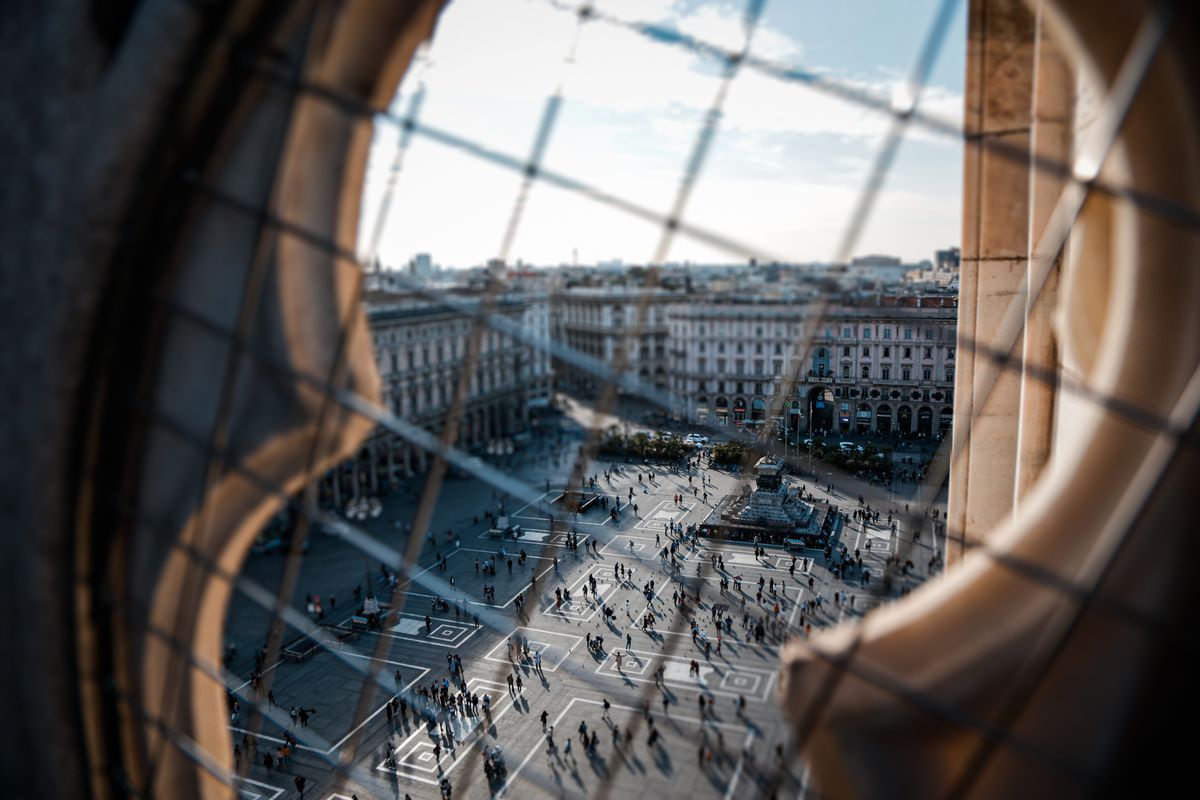
A restaurant two streets from the central square has the same operating costs but far lower rent, and customers who might return. A restaurant on the square has the highest rent in the city and a clientele that will never be seen again. Everything follows from that.
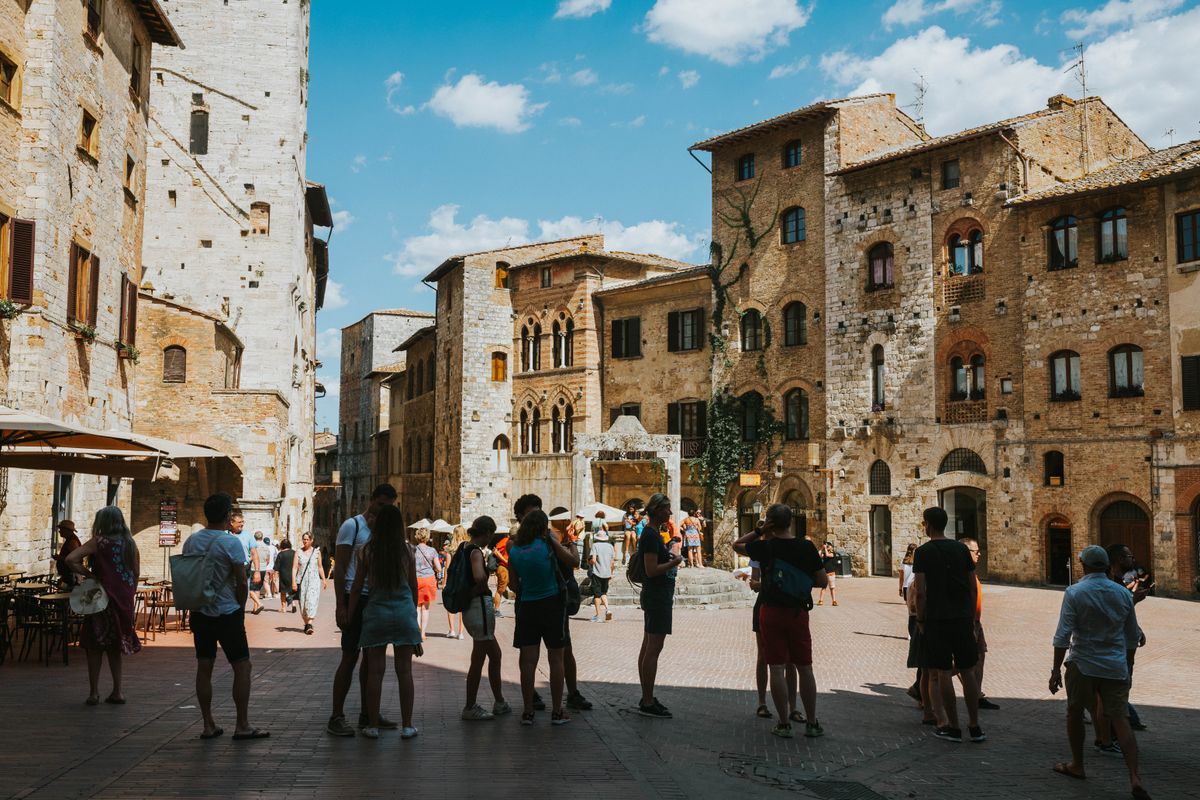
Look at who is sitting at the tables. If you hear the local language at most of them, you are fine. If you hear only foreign languages, you are in a place built for you, and priced accordingly. This one test outperforms every review app, because it cannot be bought.
Restaurants: five signs that never fail
You can judge a European restaurant from the pavement, without going in and without reading a single review.
- Laminated menus with photographs of the food, translated into five or more languages
- Someone standing outside inviting you in. Good restaurants do not need to recruit
- A menu that offers everything: pizza, sushi, schnitzel and paella in the same place
- Prime position directly on the main square, with the best view in the city
- Prices in your own currency rather than the local one
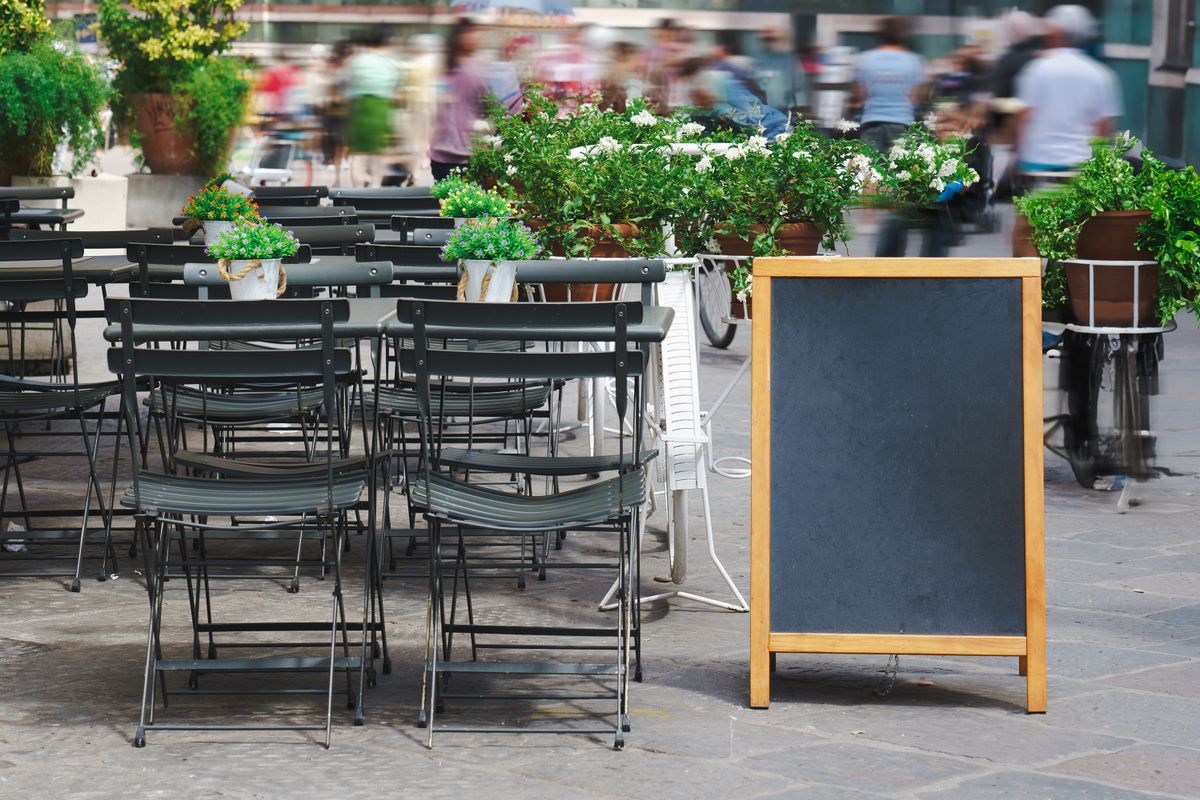
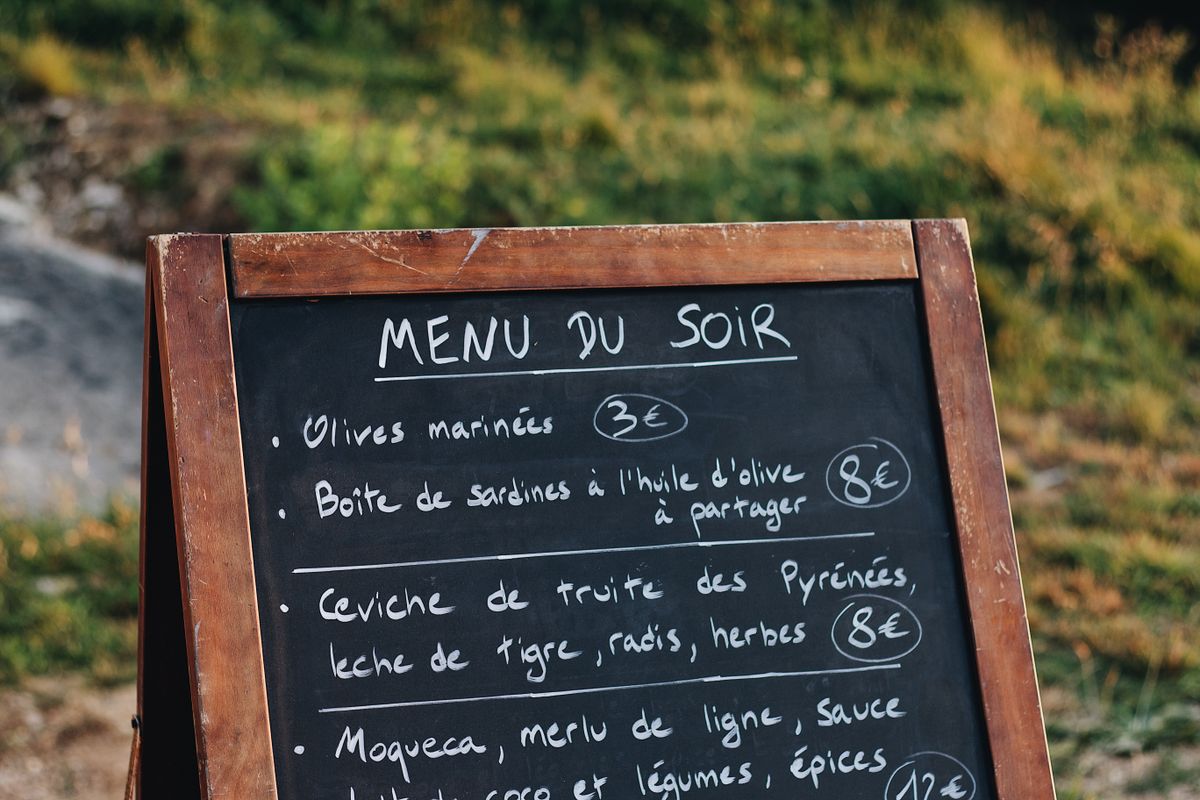
The inverse signs are just as reliable: a short handwritten menu, in the local language only, changed daily, in a room that is full of people who look like they work nearby.
The traps on the bill
These are legal almost everywhere, provided they are displayed, and almost nobody reads them before ordering.
| Charge | Where | Legal? |
|---|---|---|
| Coperto, cover charge | Italy, 1.50 to 4 euros per person | yes, if on the menu |
| Servizio, service included | Italy, Greece, Spain | yes, and then you leave nothing more |
| Service charge | United Kingdom, 12.5 per cent | yes, but usually discretionary |
| Bread and olives you did not order | Greece, Spain, Portugal | yes if charged as an item, refuse it |
The most expensive one is selling by weight. Fresh fish displayed at a hundred euros a kilo looks reasonable until your portion turns out to weigh eight hundred grams. Always ask the price per kilo and the approximate weight of the piece before agreeing.

Money: exchange booths and terminal conversion
This is where the most money is lost, and the most quietly. There are two separate schemes and both are entirely legal.
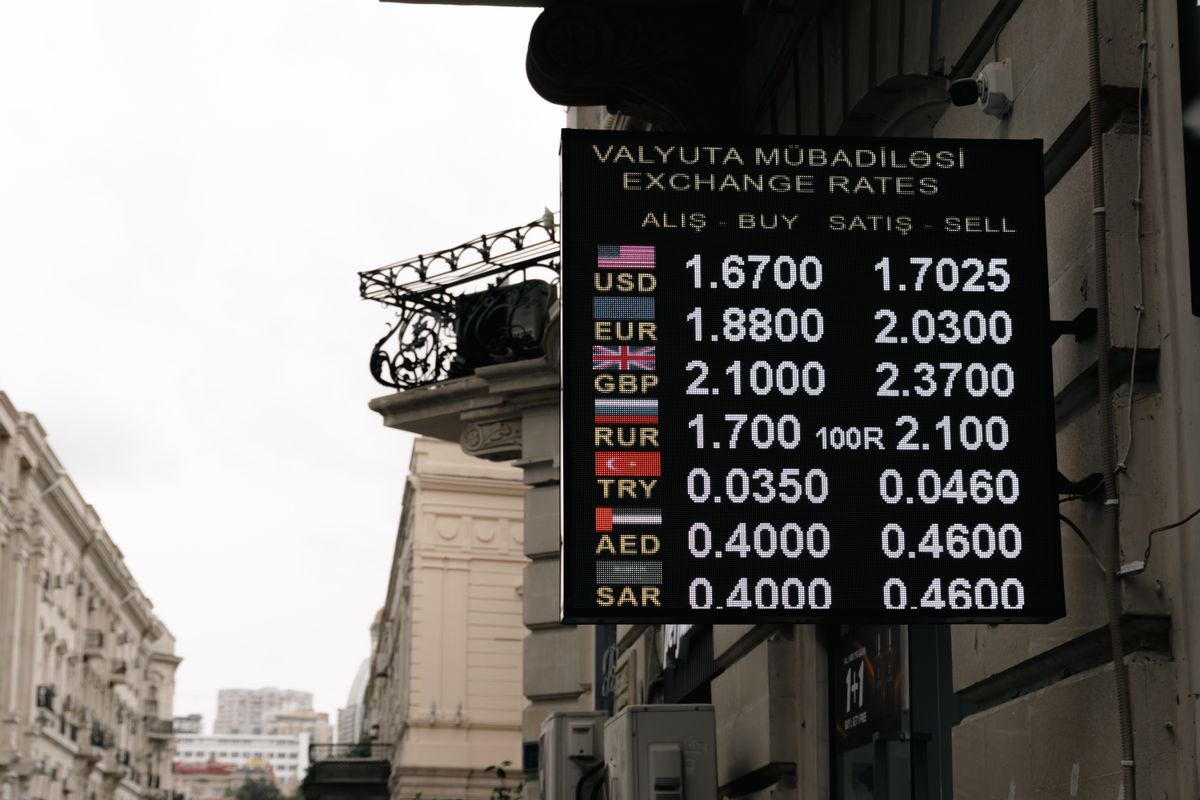
The first is the exchange booth advertising zero commission in enormous letters. The commission genuinely is zero. The rate is ten to twenty per cent worse than the real one, which is where the money goes. Use a bank machine and decline its conversion offer.
The second is dynamic currency conversion at the card terminal: the question of whether you would like to pay in your own currency rather than the local one. The correct answer is always the local currency. Choosing your own hands the conversion to the merchant terminal, at a rate typically three to seven per cent worse than your bank would give.
The classic street schemes
These are the same across the continent, and they all work by putting an object in your hand or an obligation on your conscience.
- The bracelet: someone ties a string around your wrist as a gift, then demands payment. Do not extend your hand at all
- The petition: a clipboard for a good cause, signed, followed by an aggressive request for a donation, often while an accomplice works your pockets
- The ring: someone picks up a gold ring at your feet and offers it to you, then asks for a finder fee
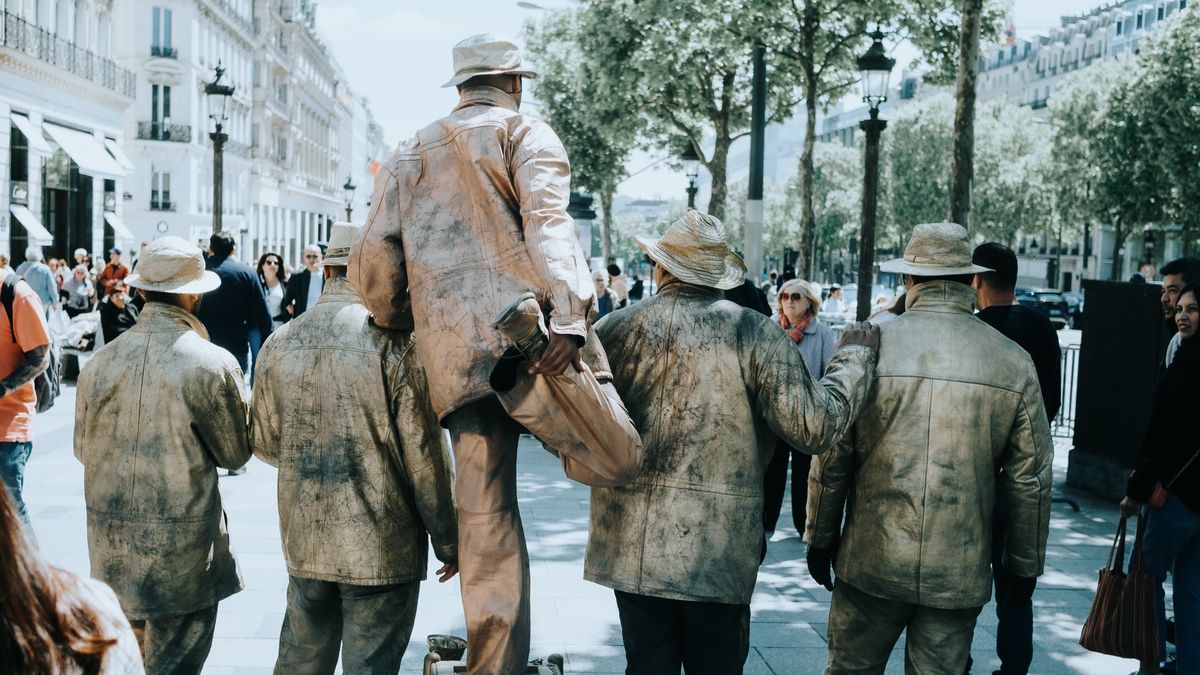
- The friendship bracelet on a bridge, the rose given to a partner, the photograph with a costumed statue: all the same mechanism
- The gathering crowd: any street game with cards or cups. The winners you see are part of the operation
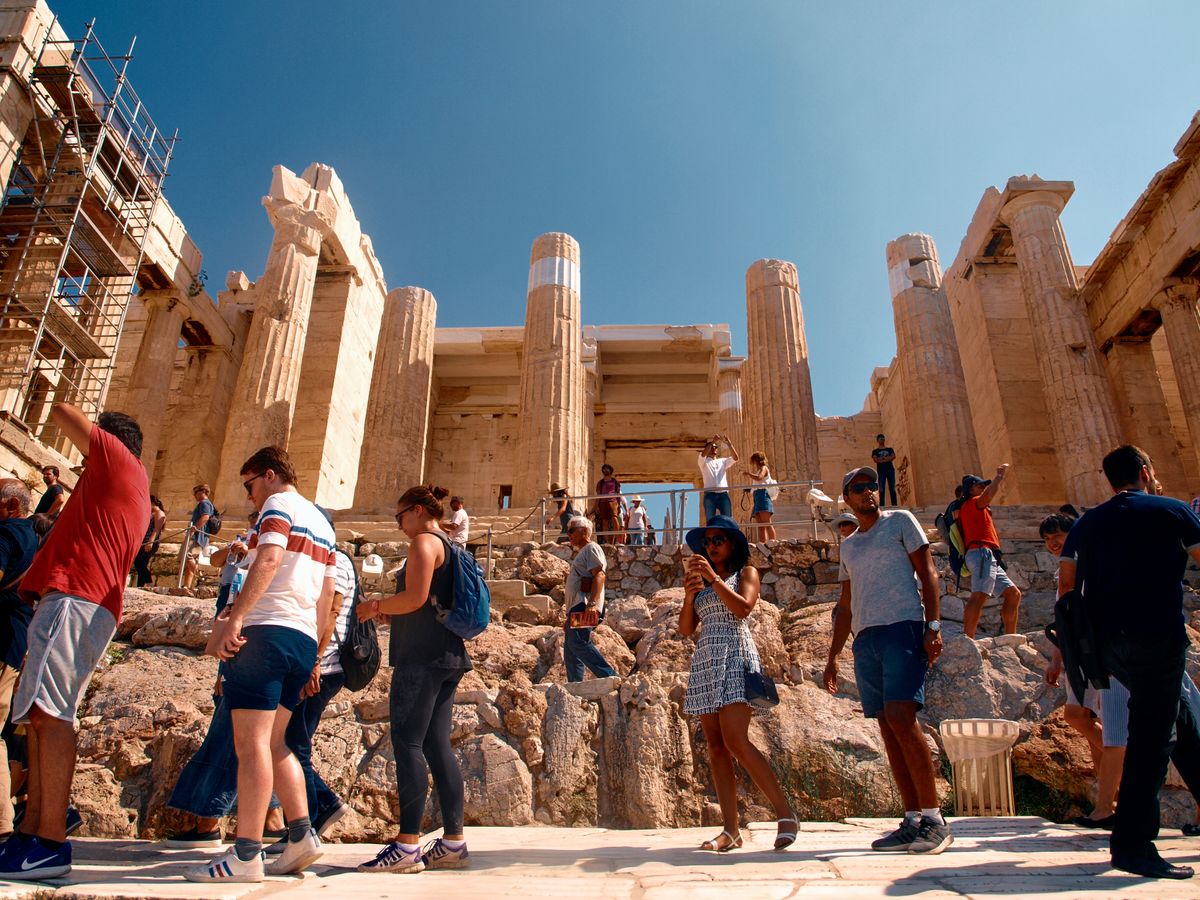
None of these are dangerous. They rely on politeness, which is why the only defence that works is to keep walking without engaging at all.
Transport: taxis and tickets
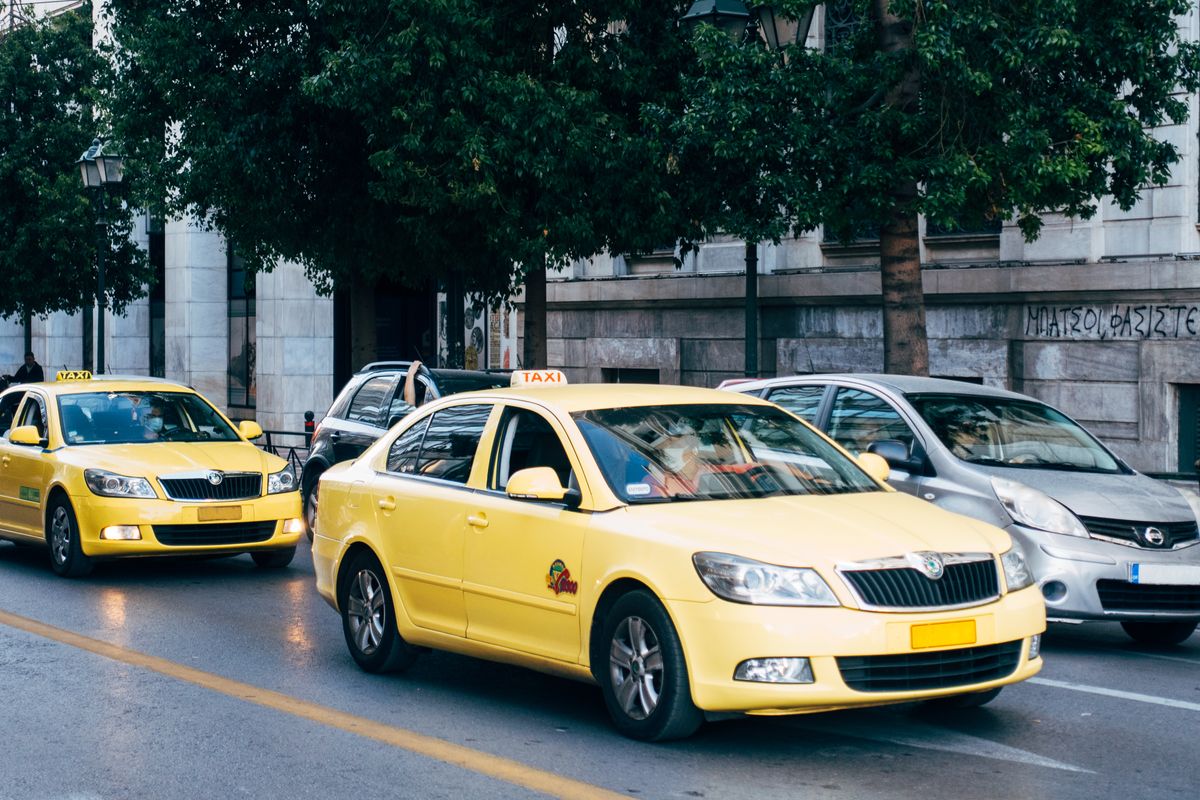
The airport taxi is the single transaction with the largest downside, because it happens when you are tired, unfamiliar with the city and carrying luggage.
- Check before you land whether the city has a fixed regulated fare from the airport, as Rome does
- Take a taxi from the official rank, never from someone approaching you inside the terminal
- Confirm the meter is running, or agree the fare before departure where meters are not used
- A ride-hailing app is usually cheaper and removes the negotiation entirely
On public transport the trap is different: the unvalidated ticket. In many cities a ticket must be stamped or validated on boarding, and an unvalidated ticket counts as no ticket at all. Inspectors work the tourist routes precisely because of this, and the fines are substantial and payable on the spot.
Free tours and tickets bought in the wrong place
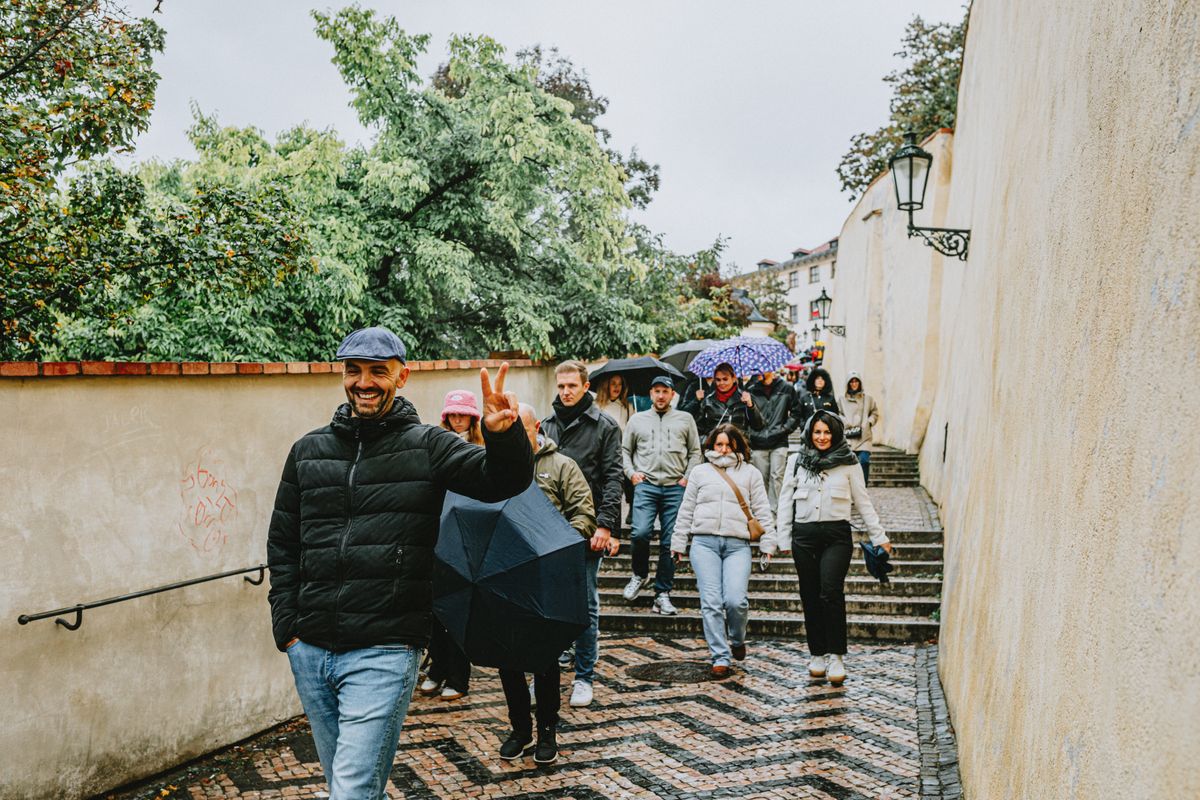
Walking tours advertised as free are not free. The guide earns nothing else, and at the end a tip of ten to twenty euros per person is expected. They are frequently excellent value at that price, but go in knowing it is the price.
The other common trap is entry tickets bought through resale sites, which add twenty to forty per cent and sometimes sell only a booking rather than actual admission. These sites outrank official ones in search results because they spend more on advertising.
Official sites for European museums and monuments have sober addresses, usually ending in the country domain, and they do not use countdown timers, urgency banners or phrases like only three tickets left. If the page is trying to make you hurry, it is a reseller. Search the monument name plus the word official, or find the link through the city tourism portal.
What to do if you were caught
It depends on whether what happened to you was a crime or merely a sharp commercial practice.
If it was theft or genuine fraud, go to the police and ask for a copy of the report, which you will need for any insurance claim and for a card chargeback.
If it was an abusive but formally legal practice, such as a restaurant adding charges that were never displayed, you can complain to the consumer protection authority of that country, and for cross-border cases through the European Consumer Centres network, which handles complaints between EU countries free of charge. The online dispute platform is at the European Commission consumer portal.
For card payments, a chargeback through your bank is often faster than any of the above, particularly where the amount charged differs from what was agreed.
A note about the photographs
The images here were chosen deliberately without identifiable businesses or restaurant names. An article about tourist traps should not put a real establishment in that position on the basis of a stock photograph, and none of the places shown has anything to do with the practices described.
Frequently asked questions (FAQ)
Conclusion
Almost every tourist trap in Europe runs on the same two assumptions: that you are in a hurry and that you will never return. Both are usually true, which is why the pattern works everywhere.
Walk two streets further, listen to what language the other tables are speaking, always pay in the local currency, and buy tickets only from the official site. Those four habits remove most of it.
