

 By
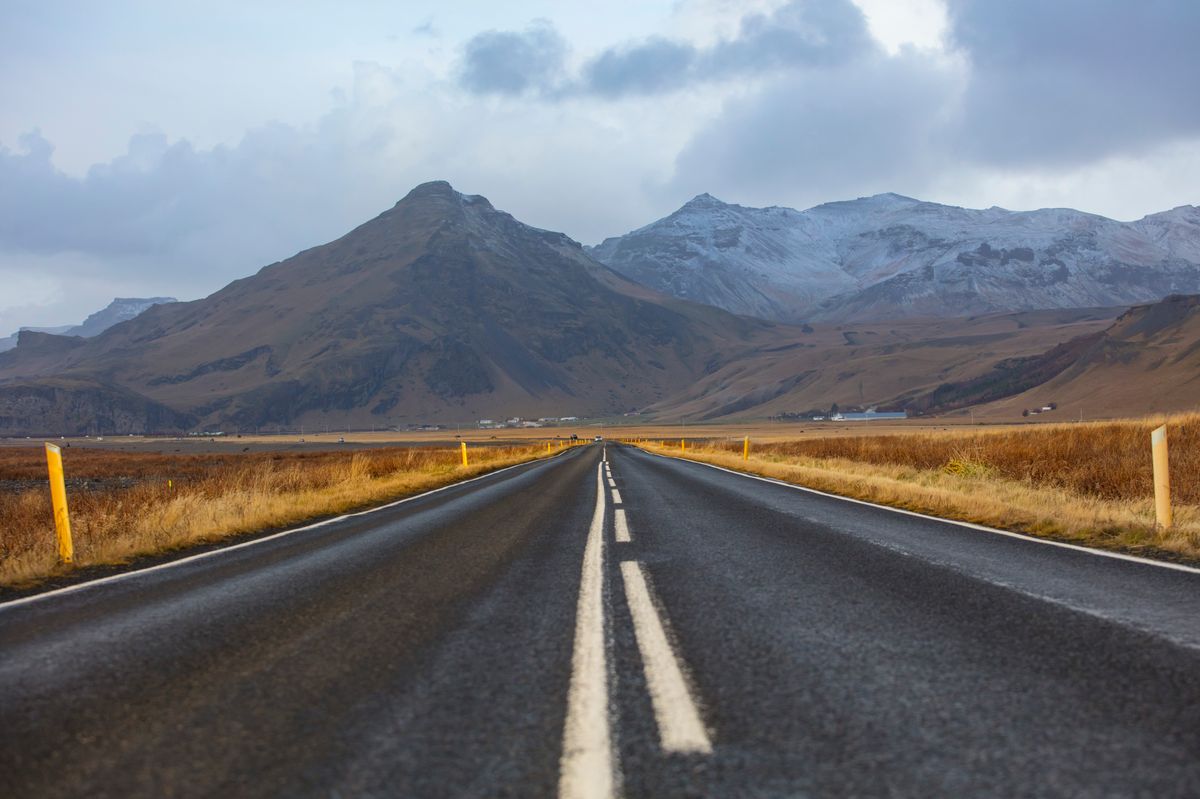
The Iceland Ring Road is the single best road trip in Europe and one of the easiest to plan, because there is only one road and it goes in a circle. Route 1 runs about thirteen hundred and thirty kilometres around the island, and ten days lets you drive it without spending the whole holiday behind the wheel.
This is a complete ten day itinerary, day by day, with every stop that matters, plus the three decisions that actually shape the trip: which car, which season and where to sleep.
The Iceland Ring Road: what it actually is
Officially Route 1, the Ring Road is the national highway that circles Iceland completely, passing through or near almost every landscape the country is known for: glaciers, volcanoes, waterfalls, black beaches, fjords and lava fields.
It is asphalted along essentially its whole length, well maintained, and drivable in an ordinary car through the warm season. You can do the full loop in seven days if you are willing to rush, but ten is the number at which it stops feeling like a race.
Planning: car, season, accommodation
Three decisions define an Icelandic road trip, and getting them right matters more than the itinerary itself.
First, the car. In summer an ordinary two wheel drive car is enough for the Ring Road itself. A four wheel drive is only necessary for the F-roads into the interior, which are a different kind of trip and are closed most of the year. In winter, four wheel drive with proper tyres stops being optional.
Second, the season. June to September is ideal: roads clear of snow, endless daylight, and every attraction open. Late September to March brings the northern lights but also short days, closures and genuine driving hazards.
Third, accommodation. Book everything in advance in summer. The island has far fewer beds than visitors in July and August, and prices for last-minute rooms are punishing. Guesthouses and farm stays are better value than hotels and are usually in better places.
Iceland is expensive, but a road trip gives you levers. Buy food at Bonus or Kronan rather than at petrol stations, where a sandwich costs what a meal costs elsewhere. Fill up whenever you are below half a tank in the east and north, where stations are far apart. And take advantage of the swimming pools: every village has one, they are geothermally heated, they cost a few euros and they are where Icelanders actually socialise.
The itinerary: ten days, day by day
Driving clockwise puts the south coast first, which front-loads the famous sights, and leaves the quieter east for when you have settled into the rhythm.
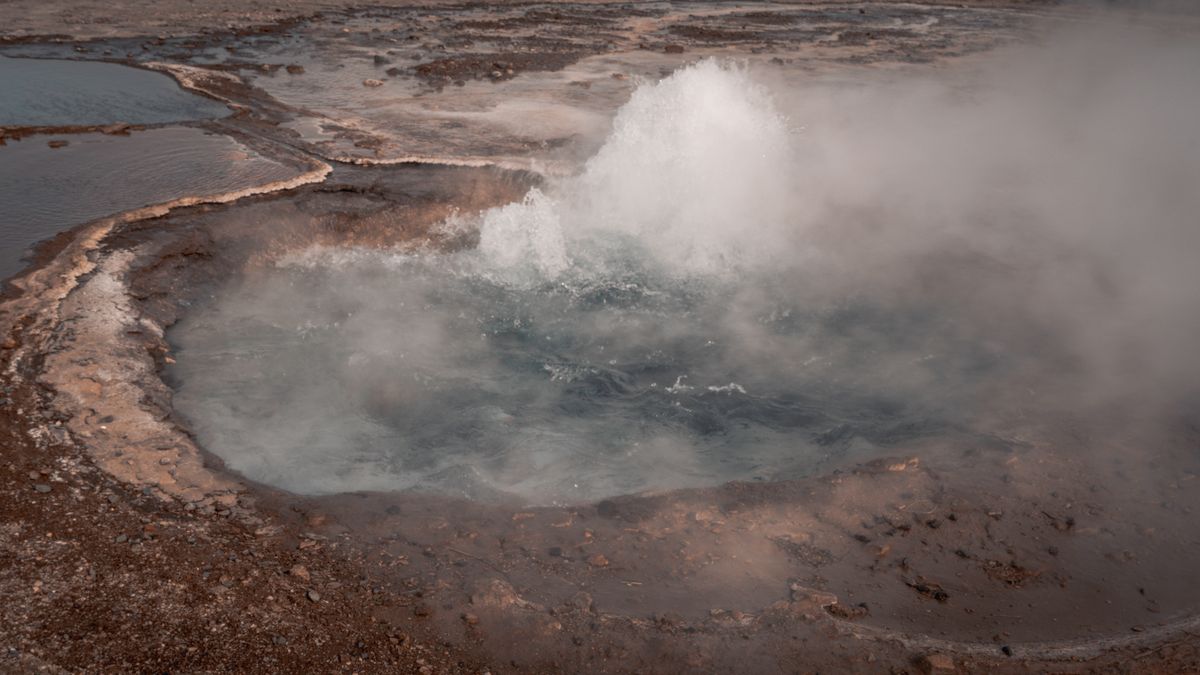
- Day 1, the Golden Circle: Thingvellir where the tectonic plates separate, the Strokkur geyser, and Gullfoss
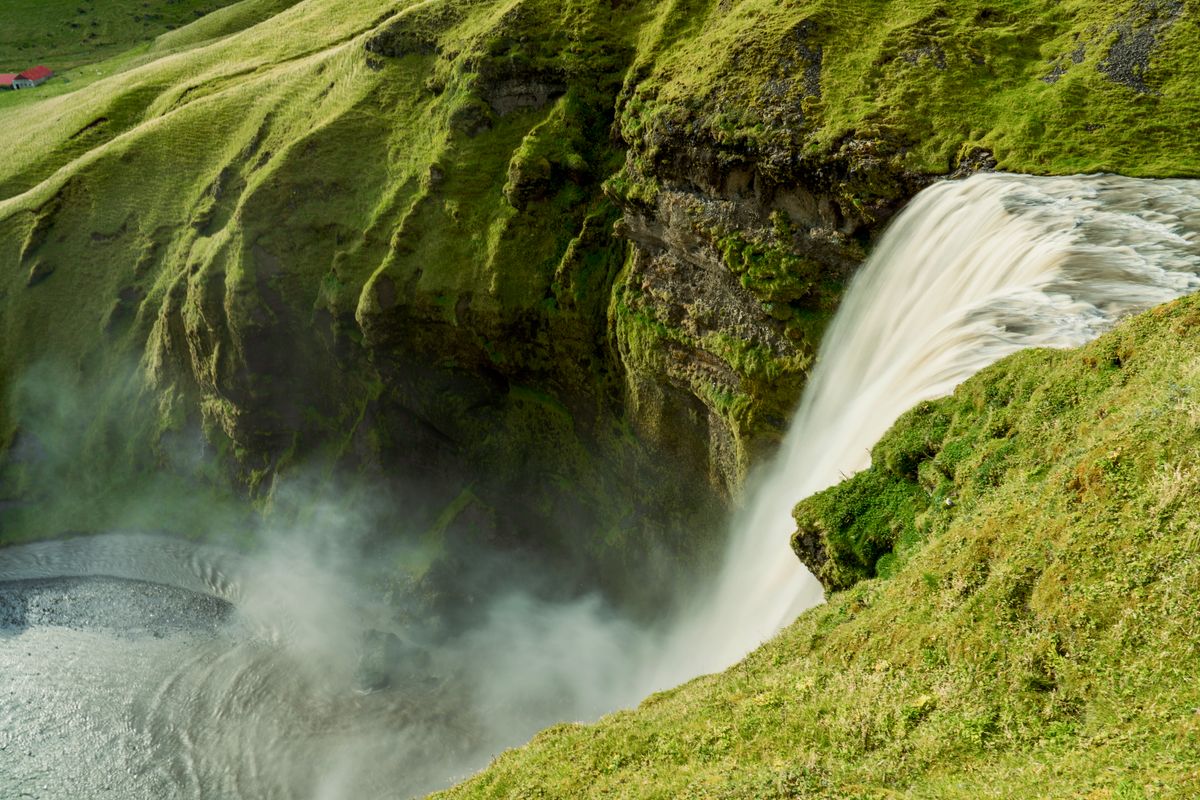
- Day 2, waterfalls: Seljalandsfoss, which you can walk behind, and Skogafoss
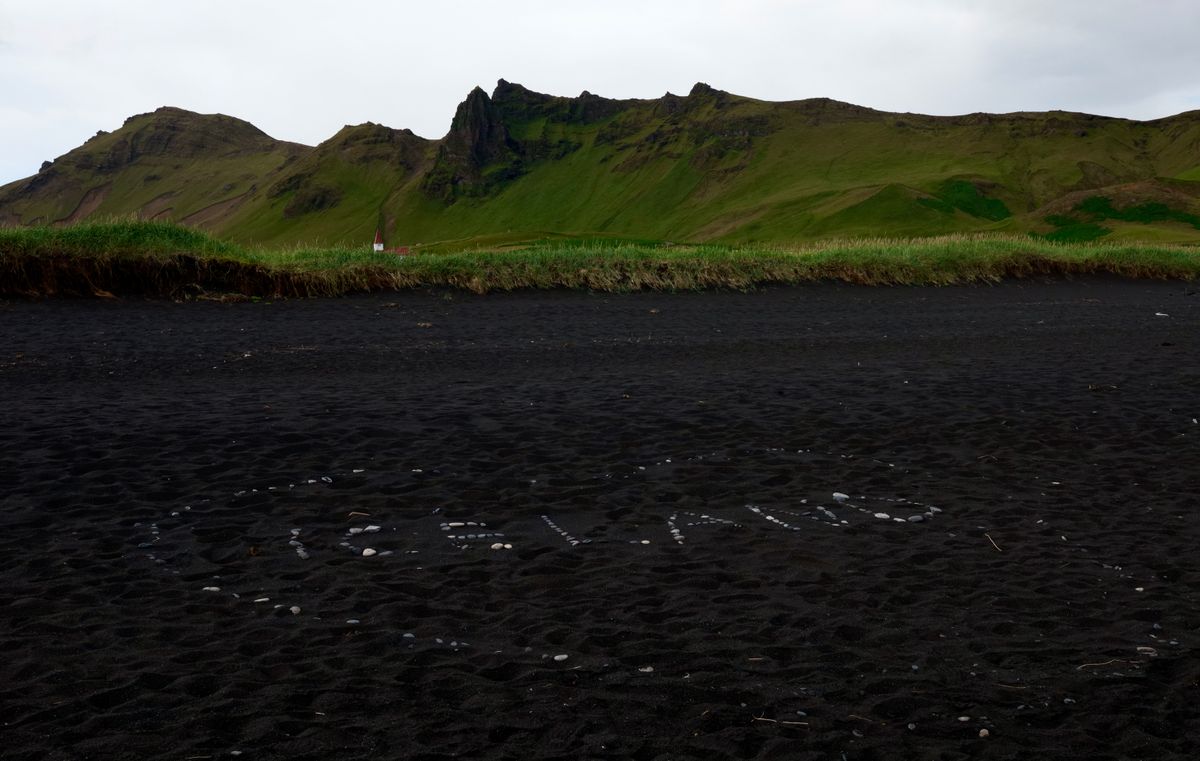
- Day 3, the black coast: Dyrholaey with its stone arch, Reynisfjara beach and the village of Vik
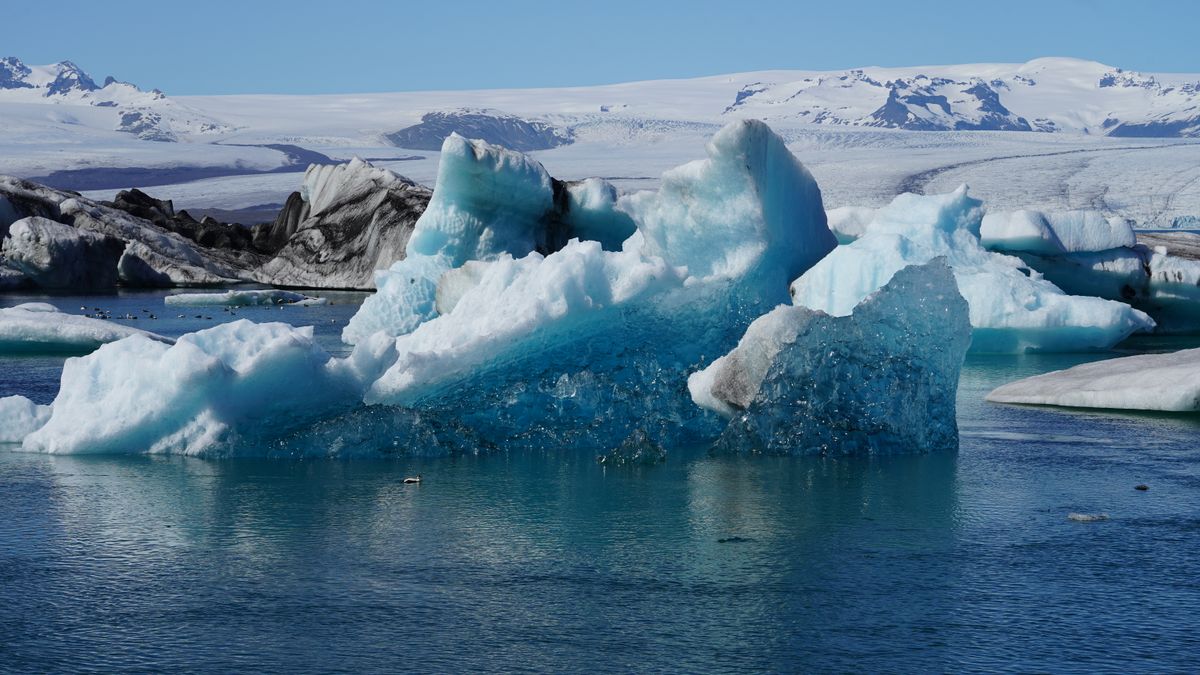
- Day 4, the glacial lagoon: the moss-covered lava at Eldhraun, then Jokulsarlon and Diamond Beach
- Day 5, the eastern fjords: the quietest and most underrated day of the whole loop
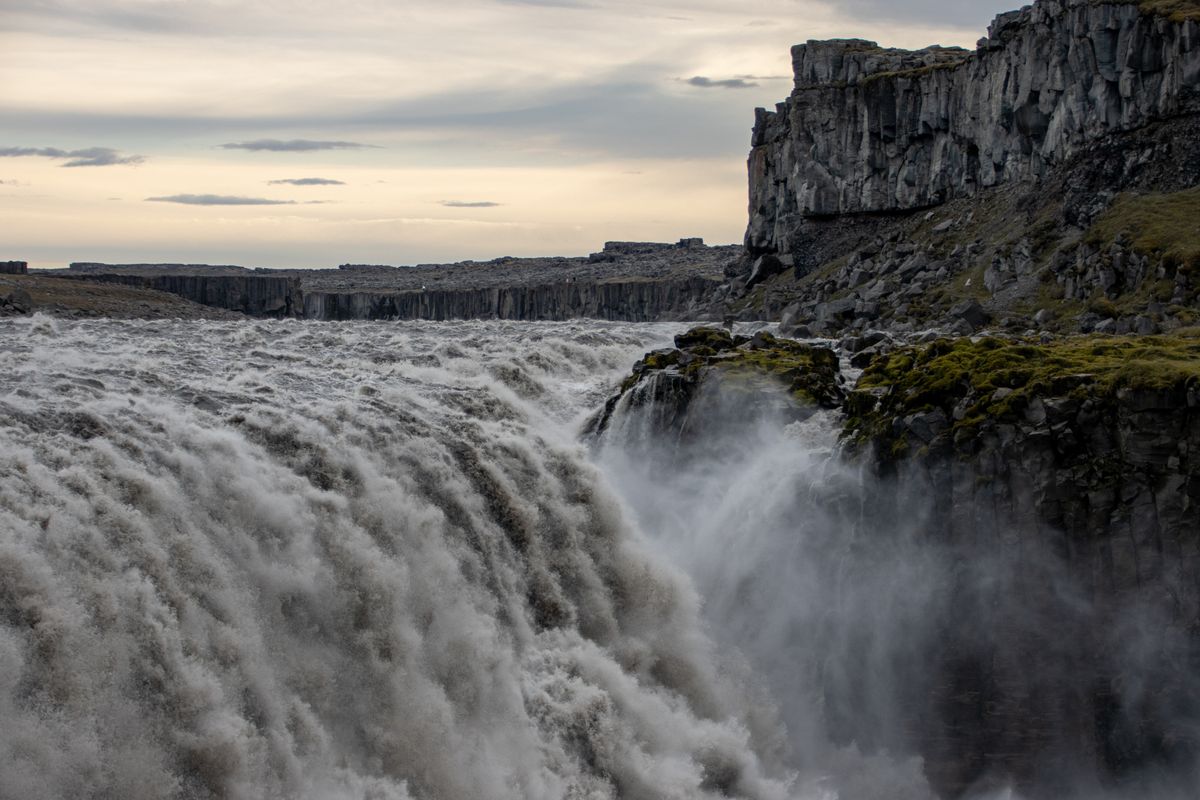
- Day 6, the volcanic north: Dettifoss, the most powerful waterfall in Europe, and the Myvatn area
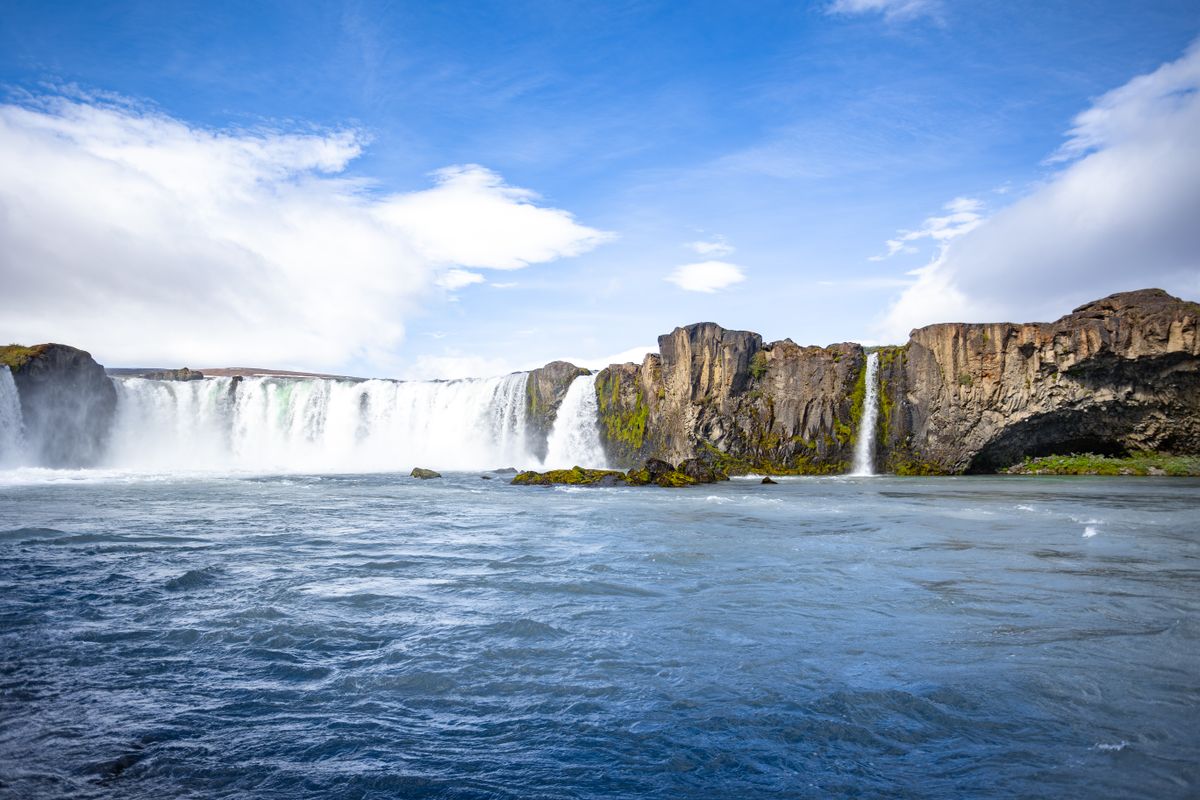
- Day 7, Godafoss and Akureyri, the northern capital
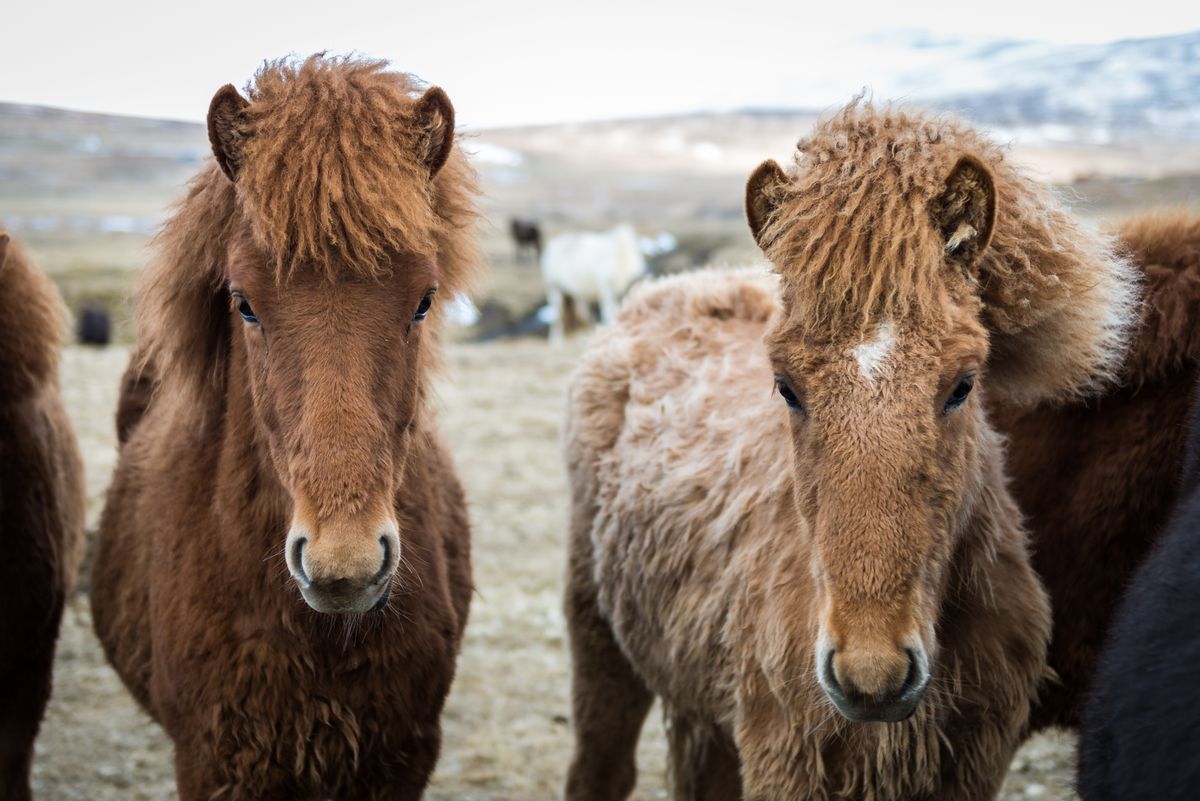
- Day 8, the pastoral north: wide valleys, horse farms and historic turf houses
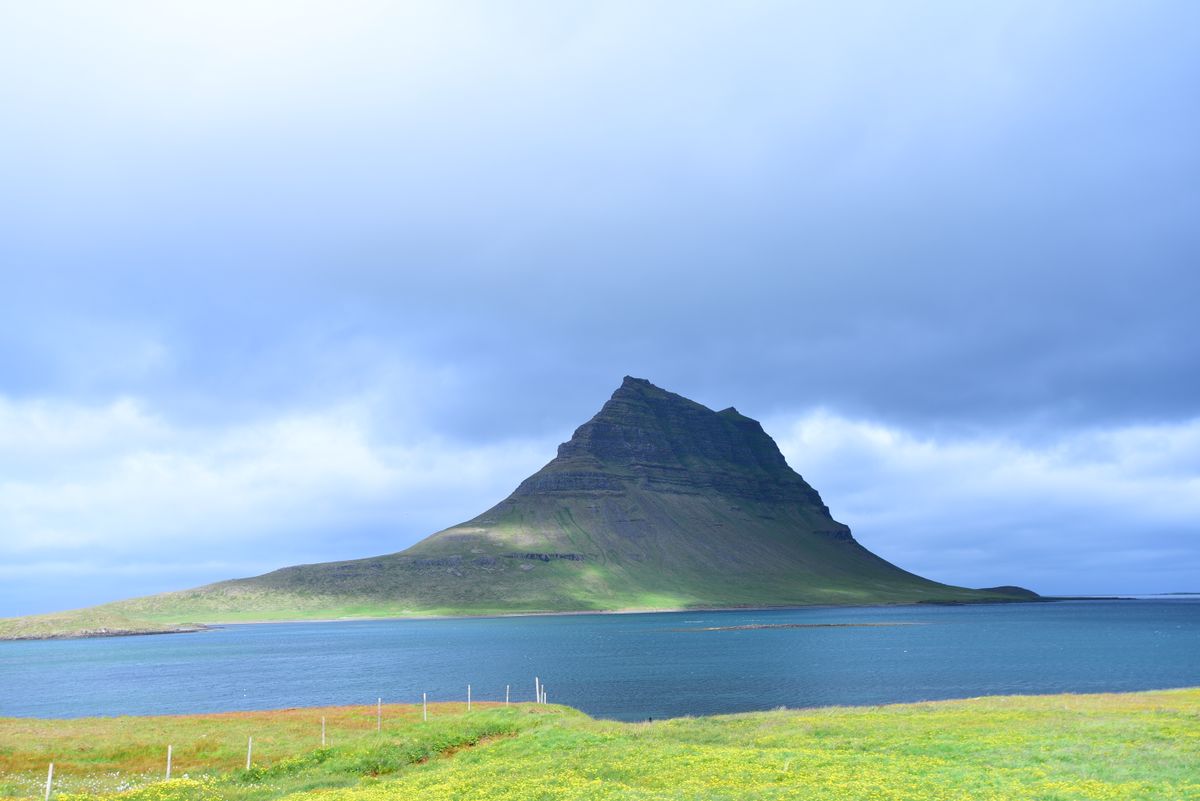
- Day 9, Snaefellsnes: Kirkjufell, the black church at Budir, and a peninsula that compresses the whole country into one day
- Day 10, back to Reykjavik: the old centre, Hallgrimskirkja and the harbour
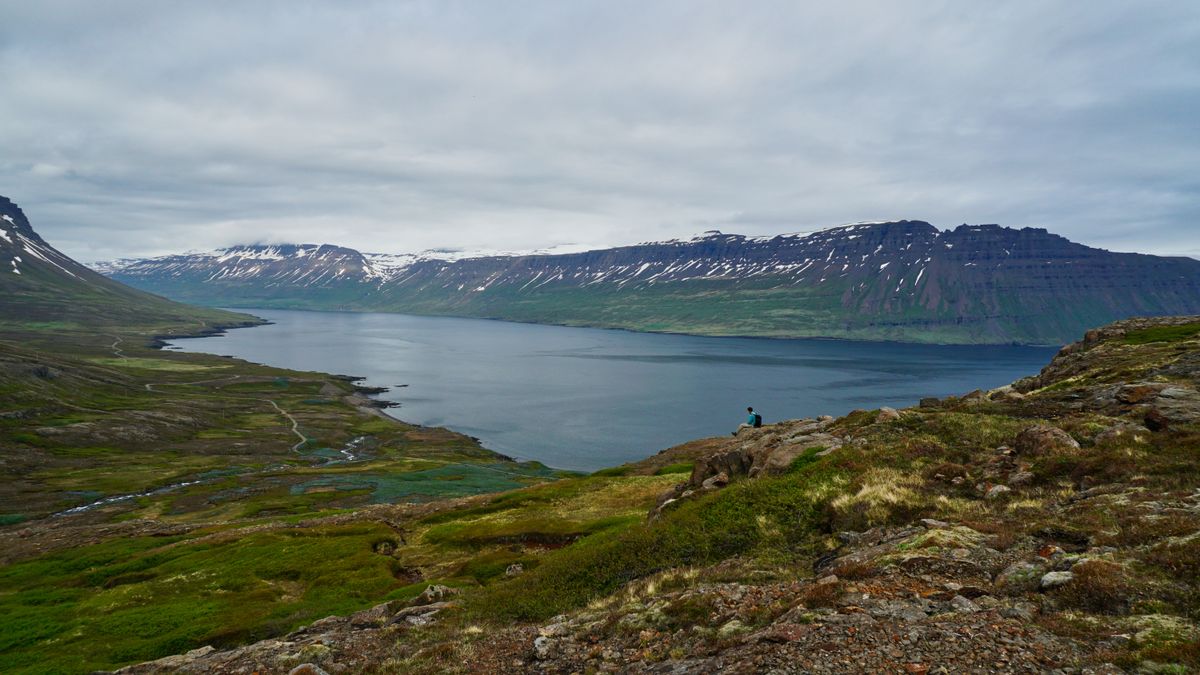
The eastern fjords on day five deserve a note. Most itineraries treat them as a transit day, and they are the stretch people most often say afterwards they wished they had given longer: narrow roads on the water, tiny fishing villages, reindeer on the hillsides and almost no traffic.
Snaefellsnes on day nine is called Iceland in miniature for good reason: a glacier, black beaches, lava fields, basalt columns and Kirkjufell, the most photographed mountain in the country, all within one day of driving.
Driving in Iceland: the rules that matter
Driving here is easy and pleasant, but it has its own specific rules and the penalties are severe.
- Speed limits are 90 on asphalt, 80 on gravel and 50 in built-up areas, and they are enforced by camera
- Off-road driving is illegal everywhere, with very large fines. The moss takes decades to recover
- Headlights on at all times, day and night, all year
- Single lane bridges are common: the vehicle closer to the bridge goes first
- Check road.is before setting out. It shows closures and conditions in real time
The biggest danger is not the road but the weather. Icelandic wind can tear a car door off its hinges, which is a genuine and frequent insurance claim, so hold the door firmly when opening it. Sandstorms in the south can strip paint from a car. Both are excluded from standard rental insurance unless you buy the specific cover.
Real-time road conditions are published on the Icelandic road administration site, and weather warnings on the meteorological office site.
Frequently asked questions (FAQ)
Conclusion
The Ring Road works because it removes every planning decision except one: how many days. There is one road, it goes in a circle, and everything worth seeing is on it or a short turn from it.
Give it ten days, drive clockwise, book the beds before you book anything else, and do not treat the eastern fjords as a transit day. That is the stretch people wish they had slowed down for.
