
 By

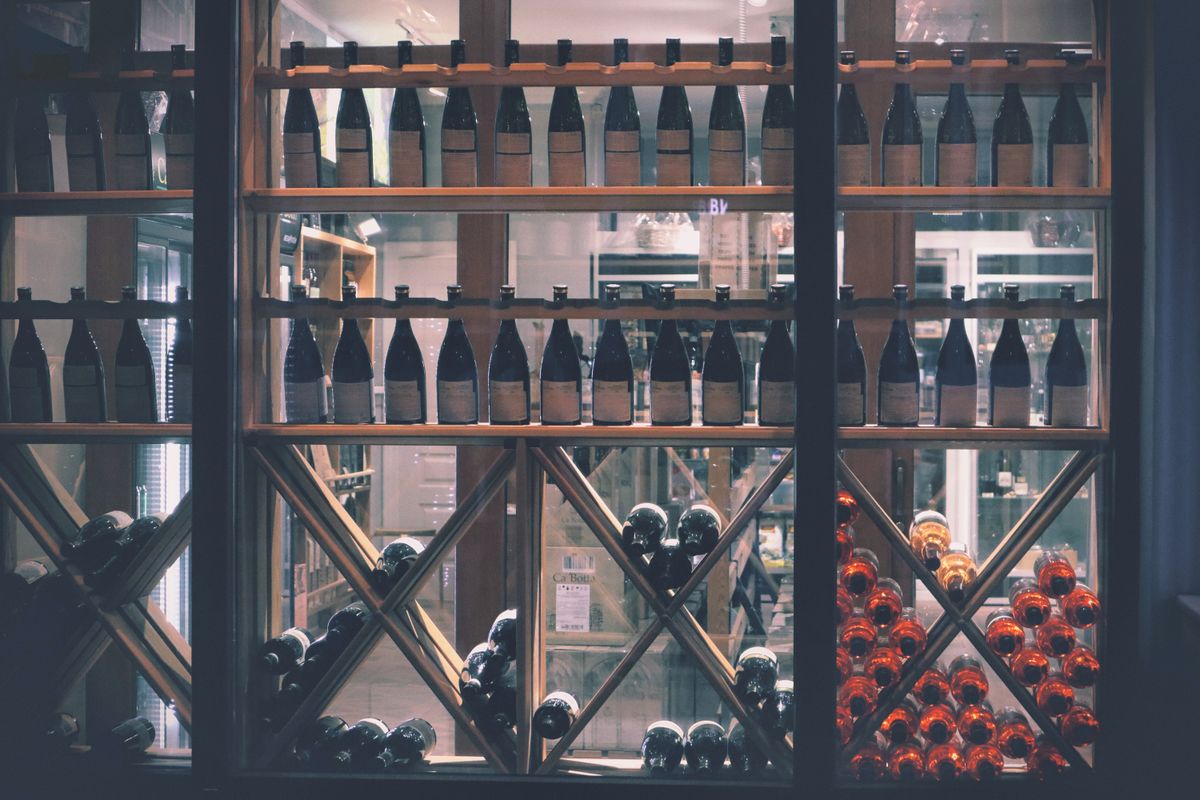
A quarter of an hour from Chisinau, in two opposite directions, you drive into a hillside. Milestii Mici and Cricova are not cellars in the usual sense but networks of galleries tens of kilometres long, dug originally to quarry the limestone that built the capital. Wine now ages down there at a temperature that never changes, and one of the two sits in the record books.
What each one offers, how to book, what it costs, what you drink and how to get there without driving after a tasting.
Why Milestii Mici holds a world record
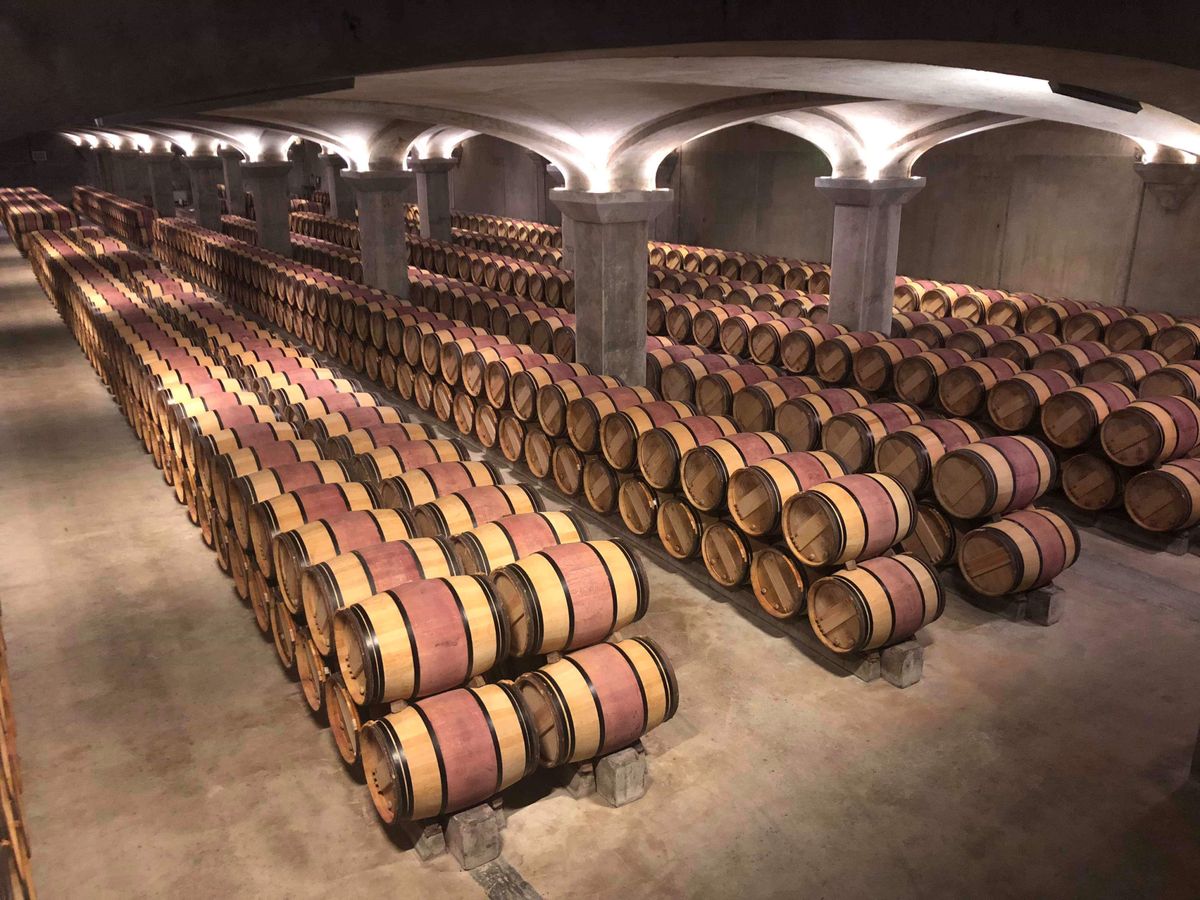
The winery lies about fifteen kilometres south of Chisinau and works out of the former limestone quarries at Milestii Mici. The stone taken from here went into the walls of the capital, and the void left behind turned out to be ideal for wine: steady temperature, high humidity and total darkness.

The underground network runs to roughly two hundred kilometres of galleries, of which only a part, around fifty five kilometres, is actually used for storage. Depths range from thirty to eighty five metres below ground.

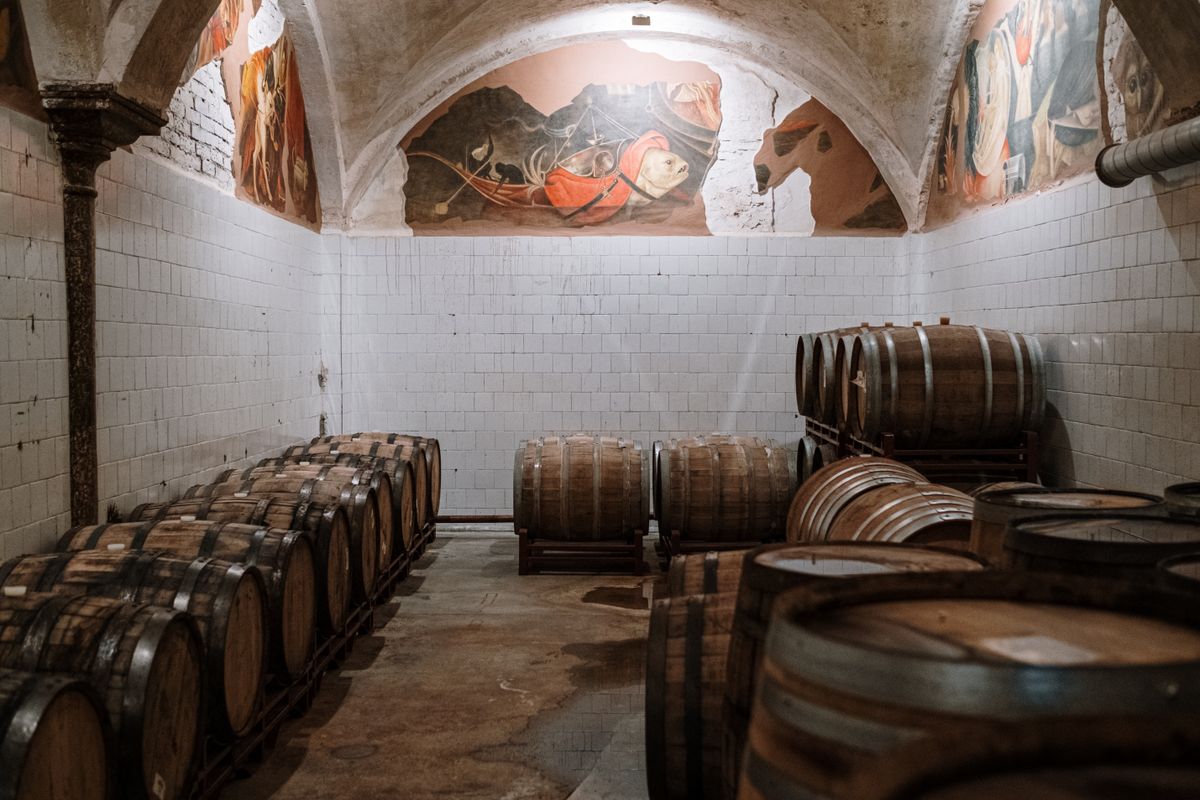
The record comes from the collection. Around two million bottles are kept here, of which some one and a half million form the Golden Collection, listed by Guinness as the largest wine collection in the world. The bottles lie in niches cut straight into the limestone, dusty and coated in noble mould, exactly as they should be.
| Item | Figure |
|---|---|
| Total length of galleries | around 200 km |
| Galleries used for wine | approximately 55 km |
| Depth | 30 to 85 m |
| Temperature | 12 to 14 degrees, all year |
| Humidity | 85 to 95 per cent |
| Collection | roughly 2 million bottles |
Twelve degrees sounds mild until you spend an hour and a half in it. In summer the difference from outside can be twenty degrees, and the galleries are damp. A light jacket makes the whole difference, whatever month you visit.
Cricova, the underground town with wine streets
Cricova sits a similar distance from the capital, but to the north. It has roughly one hundred and twenty kilometres of galleries, about half of them in use, and the same origin: limestone quarries turned into a winery in the middle of the last century.
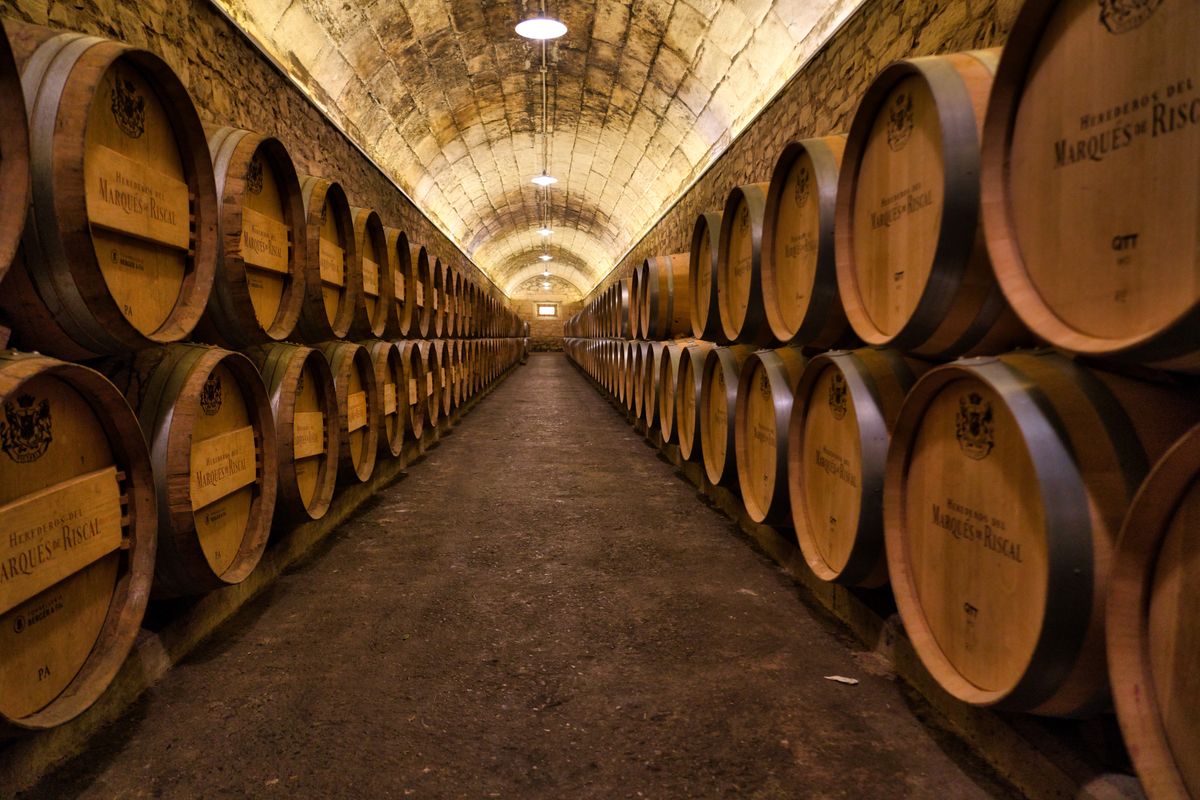
The difference is atmosphere. At Cricova the galleries were laid out as a town, with real road signs and streets named after grape varieties: Cabernet, Feteasca, Pinot. You move around by car or on a small electric train, and the junctions genuinely carry traffic signs.
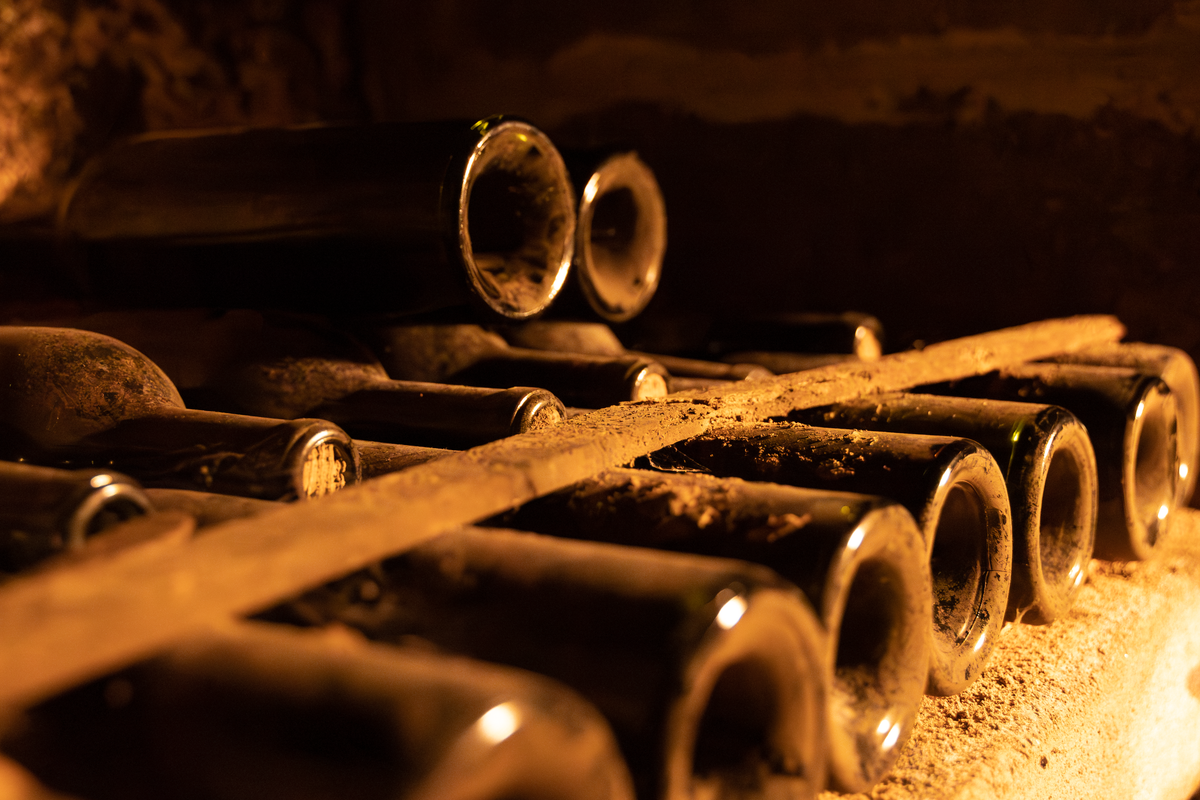
Cricova makes sparkling wine by the classic method, with the second fermentation in the bottle, a tradition started here in the nineteen fifties. In the galleries you can see the racks where bottles are turned by hand, a quarter turn a day, to collect the sediment in the neck.
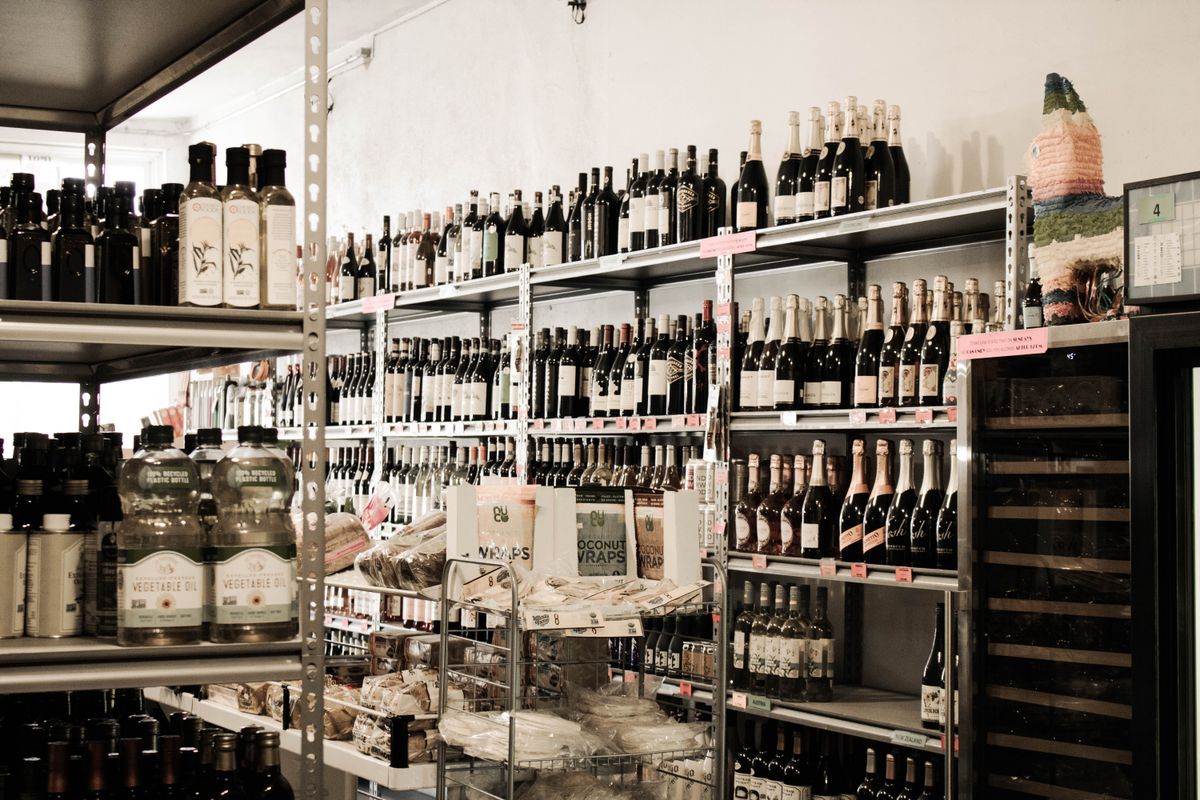
The vinoteca holds bottles more than eight decades old, and part of the space is rented out as private storage, including to some very well known clients. The tasting rooms are themed and elaborately built, which splits opinion: some find them spectacular, others find them kitsch. Either way they are memorable.
Visiting: booking, tour and tasting
Neither cellar takes walk-in visitors. Tours are booked in advance, through the form on the website or by telephone, and at weekends and during harvest the slots fill days ahead.
- Booking is compulsory, at least a few days ahead. Programme and details on the Milestii Mici site and on the Cricova site.
- A tour runs an hour and a half to two hours, tasting included.
- Guiding is available in Romanian, English and Russian, but you specify the language when you book.
- Prices start at roughly fifteen euros a head for the basic package and rise towards forty for extended tastings with food.
- Small groups usually pay a minimum per tour, so two people cost more per head than six.
- You go underground in your own car or in the winery transport, depending on the package.
Moldovan law on drink driving is strict, and a full tasting means five or six wines. Bring a driver who does not drink, take a package that includes a transfer from Chisinau, or order a taxi. The return fare from the capital costs far less than the alternative.
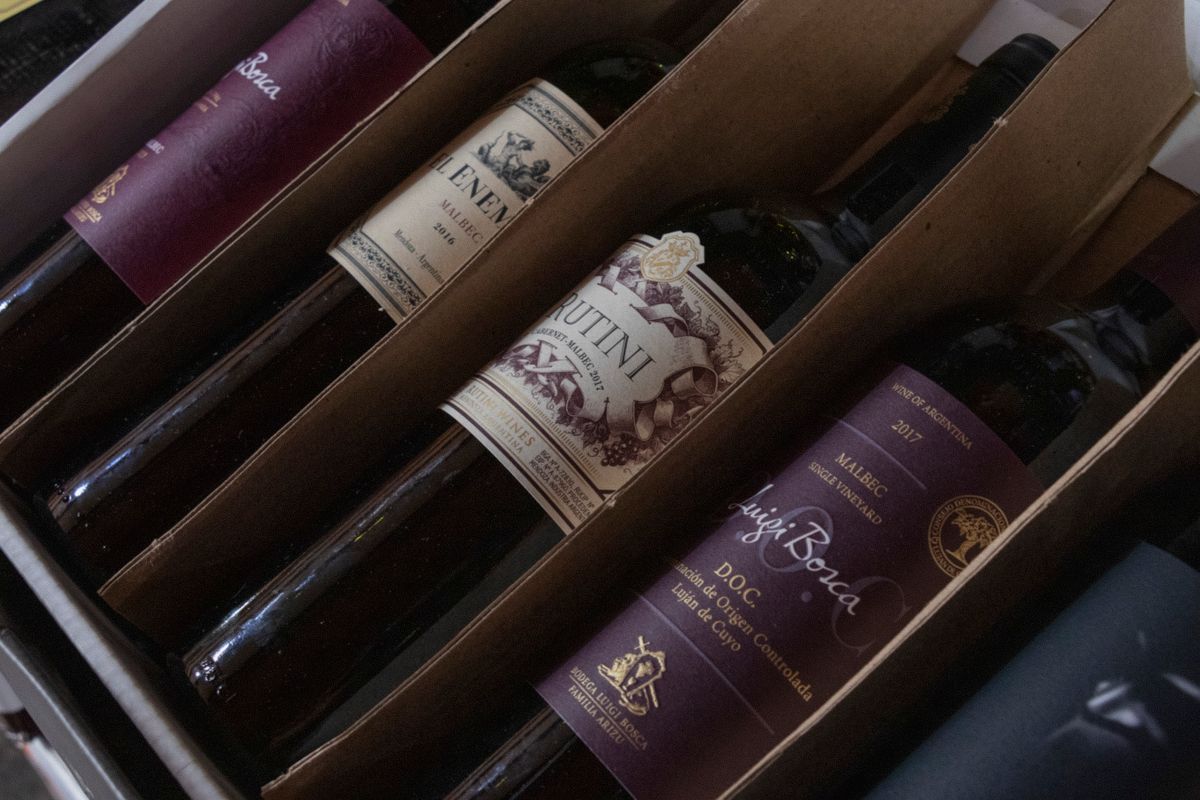
Both cellars have a shop at the exit, at prices noticeably below retail. Taking wine out of the country is no problem in reasonable quantities, but check the duty free allowance for entering the European Union if you are driving back with a full boot.
What people drink in Moldova
The country has one of the largest vineyard areas in the world relative to its territory, and wine is by far its most important export. There are three protected zones: Codru in the centre, Valul lui Traian in the south west and Stefan Voda in the south east.

- Feteasca Neagra, the best known native red, with dried plum notes and a restrained tannin.
- Rara Neagra, a lighter and more perfumed native red, often blended with Feteasca Neagra.
- Feteasca Alba and Feteasca Regala, everyday whites with good acidity.
- Viorica, an aromatic white bred locally, floral and very easy to drink.
- Cabernet Sauvignon, Merlot, Chardonnay and Sauvignon Blanc, widely planted and well made.
- Sparkling wine by the classic method, the Cricova speciality.
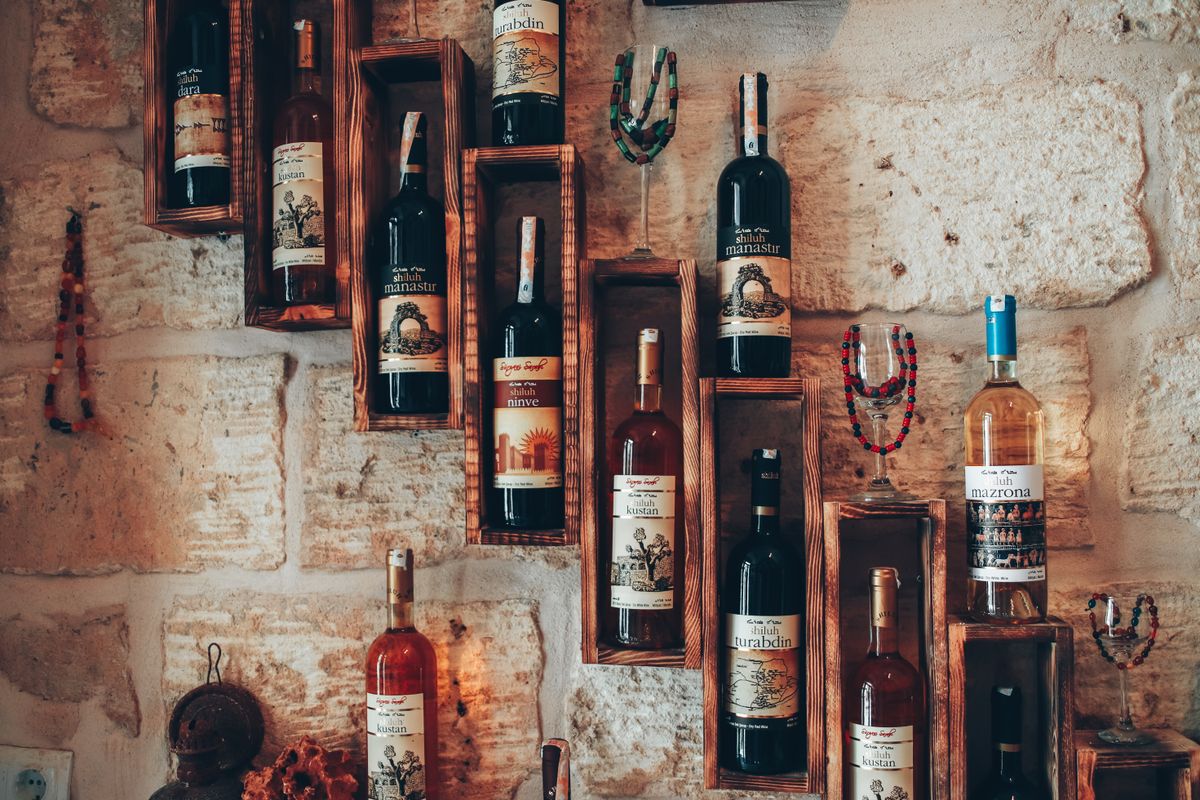
If you want to understand the landscape beyond the two big names, the official Wines of Moldova portal maps the wineries open to visitors, many of them small and far more personal than the underground galleries.

It falls on the first weekend of October, in central Chisinau, and brings dozens of producers into the main square. It is the best moment of the year to taste widely and cheaply in one place. Accommodation in the capital rises noticeably that weekend, so book in summer.
Getting there and what it costs
Moldova is not in the European Union, so documents are checked at the border. Many nationalities enter visa free for short stays, but check your own rules before travelling. The currency is the Moldovan leu.
| Route | Detail |
|---|---|
| Iasi, Romania to Chisinau | approximately 2 hours 30 minutes |
| Bucharest to Chisinau | around 8 hours by car |
| Chisinau to Milestii Mici | approximately 25 minutes |
| Chisinau to Cricova | approximately 25 minutes |
| By air | Chisinau international airport, 13 km from the centre |
| Accommodation in Chisinau | from about 30 euros a night |
If you drive your own car, check in advance whether your insurance covers Moldova. If not you need a Green Card, which can be bought at the crossing, though the queue there forms exactly when you are in a hurry.
Official information on formalities and on what is open is published on the national portal moldova.travel. For context, the Milestii Mici record is listed publicly in the Guinness World Records database.
Frequently asked questions (FAQ)
Conclusion
Milestii Mici and Cricova are the same thing seen from two angles: limestone quarries that became, through a happy geological accident, the largest cellars in the region. One impresses with numbers, the other with the way it has been built out.
Book ahead, bring a jacket, do not drive after the tasting and leave room in the boot. The rest looks after itself.
