
 By

Orheiul Vechi is not a single sight but a whole landscape: a limestone promontory carved out by a meander of the Raut, with a monastery cut into the cliff face, a valley village that looks barely changed and layers of settlement stacked on the same ground for two thousand years. It is the most spectacular place in Moldova and, at the same time, the quietest.
What you see there, what happened on that promontory, how to enter the monastery, where to sleep and how to get out from Chisinau.
What Orheiul Vechi actually is
The complex lies about sixty kilometres north east of Chisinau, between the villages of Trebujeni and Butuceni. The Raut, a tributary of the Dniester, has cut a gorge into the limestone with walls several dozen metres high, leaving a promontory defended by water on three sides.
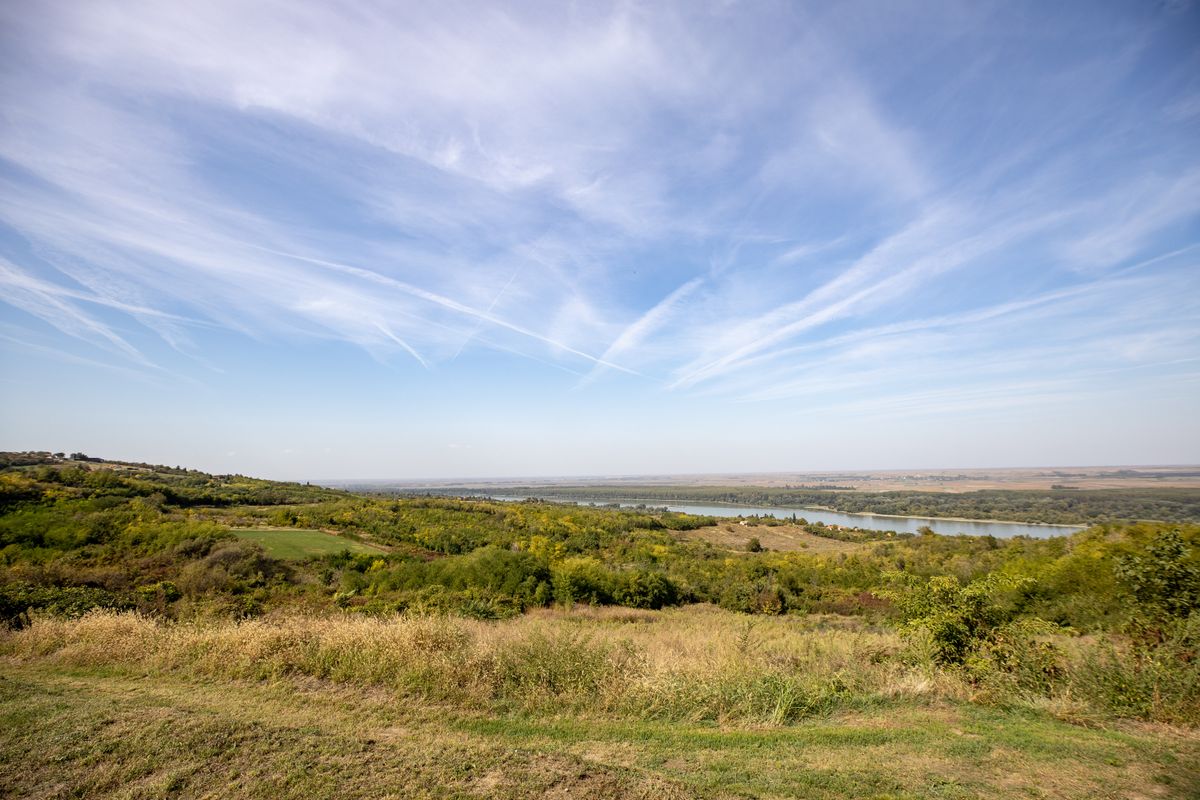
A landform like that defends itself, which is why people kept settling here. The present name, meaning old Orhei, comes from the fact that the medieval town on this site was abandoned around the year 1500 and the settlement moved some eighteen kilometres north, to the Orhei of today.
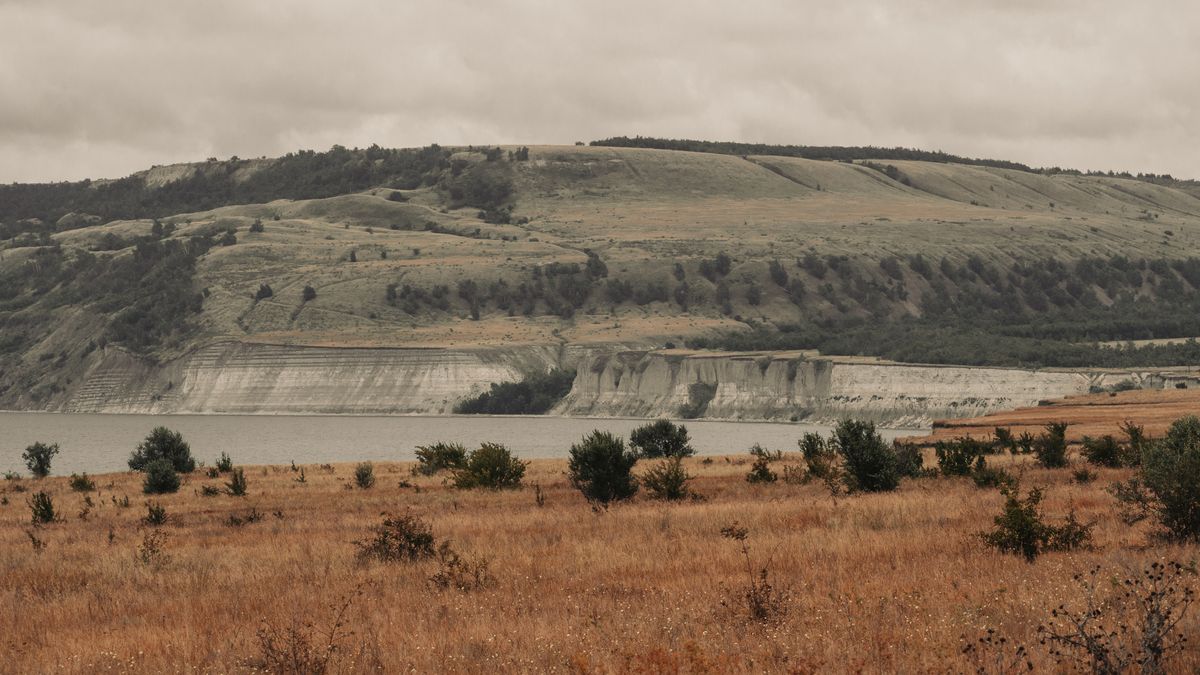
The area is now a cultural and natural reserve and sits on the UNESCO tentative list as an archaeological landscape. In practice that means building is controlled and the valley villages have kept their scale.
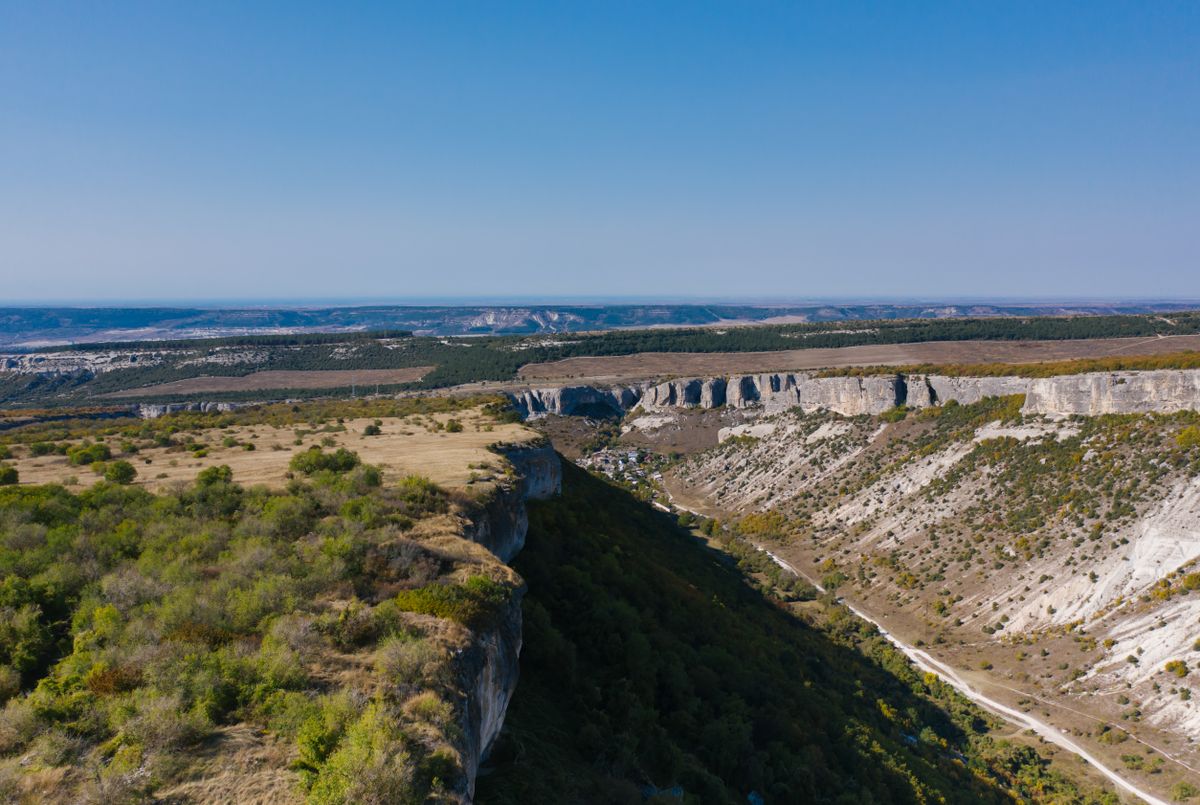
The layers of history on one promontory
Few places in Eastern Europe gather so many periods in so small a perimeter. Excavation has turned up traces of entirely different civilisations, one on top of the other.
- Getic and Dacian fortifications, the oldest organised defences on the promontory.
- A Golden Horde town of the fourteenth century called Sehr al-Cedid, with a caravanserai, public baths and a mosque. This is the layer that most surprises visitors.
- A Moldavian fortress of the fifteenth century, raised over the ruins of the Tatar town.
- The cave monastery, cut by Orthodox monks into the limestone wall.
- The villages of Butuceni and Trebujeni, inhabited without interruption to this day.
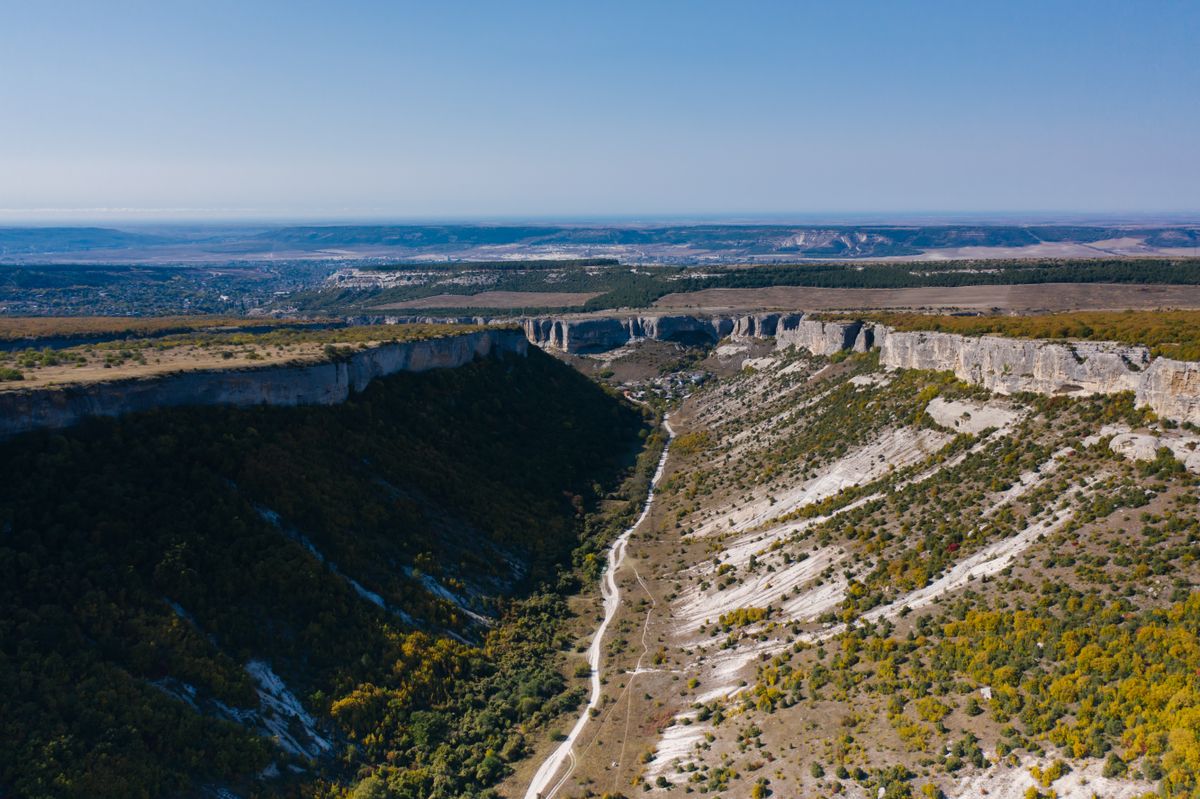
Of the Moldavian fortress you now see mainly the outline of the walls and the foundations, marked at ground level. Do not expect standing masonry. The value of the place lies in the stratigraphy and the landscape, not in architectural spectacle.
The cave monastery and the rules for visiting
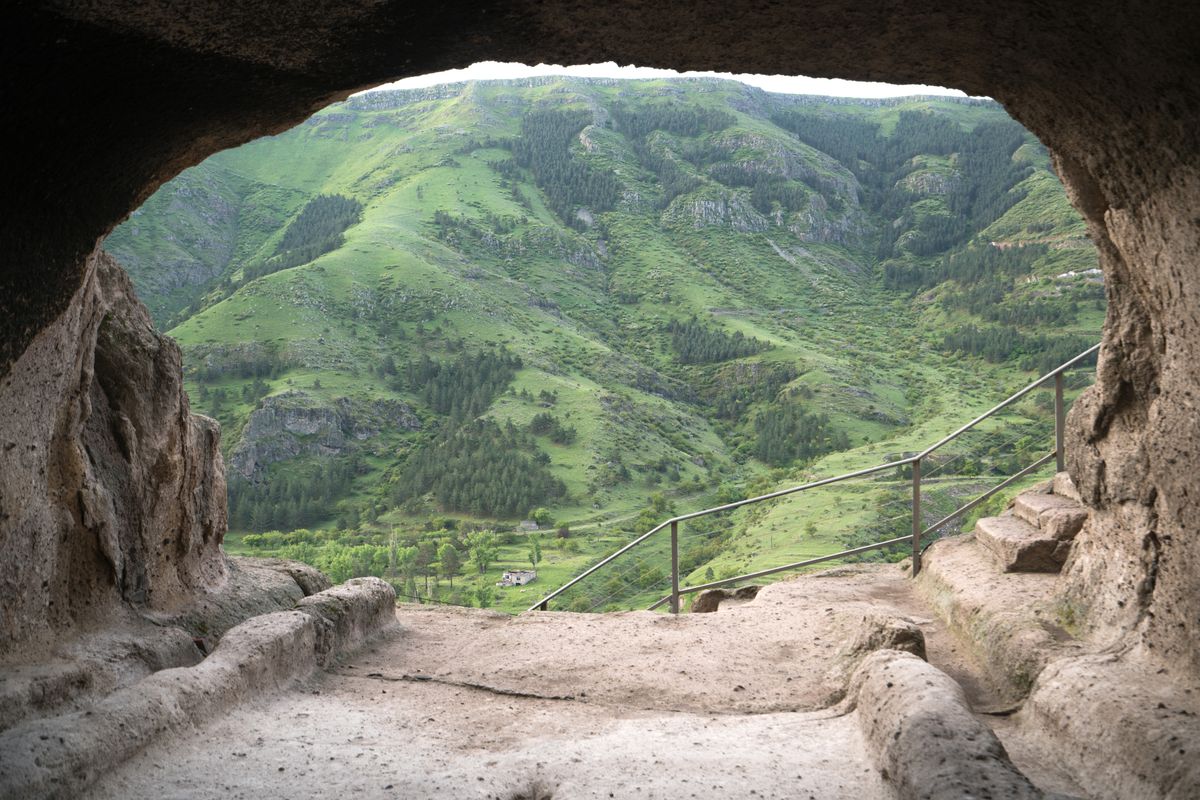
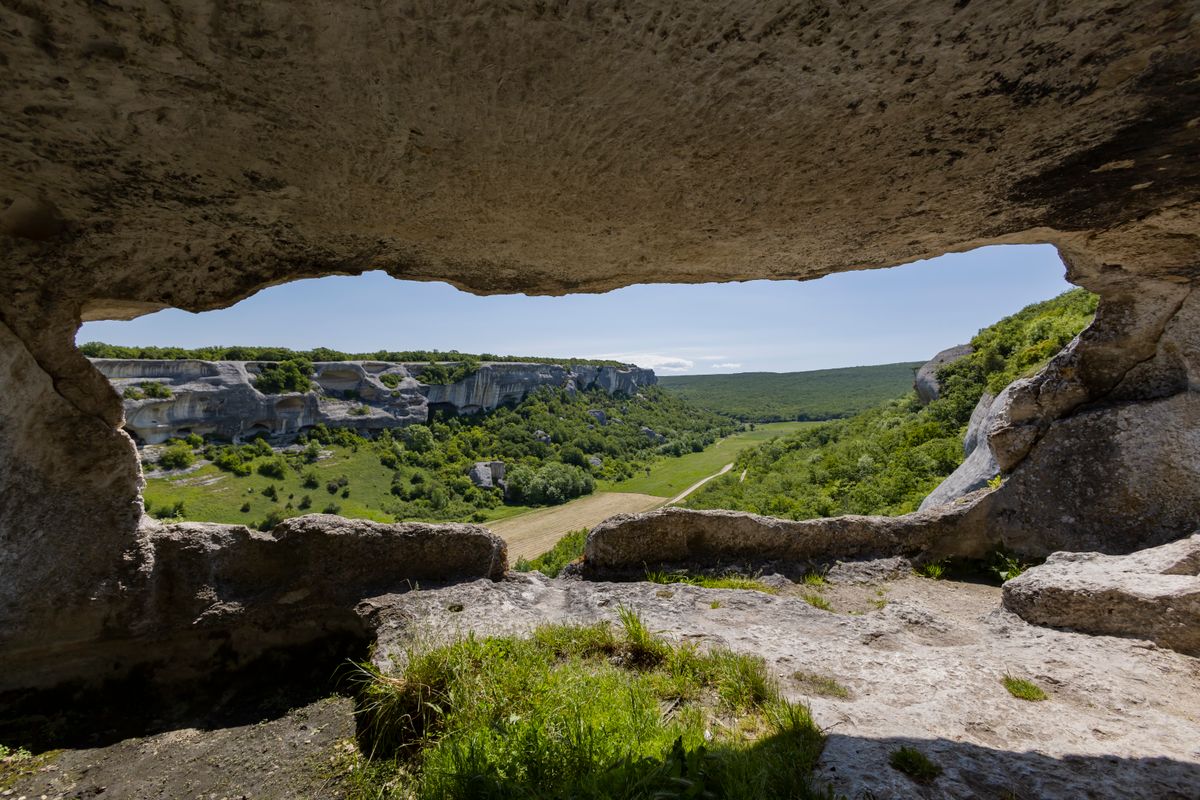
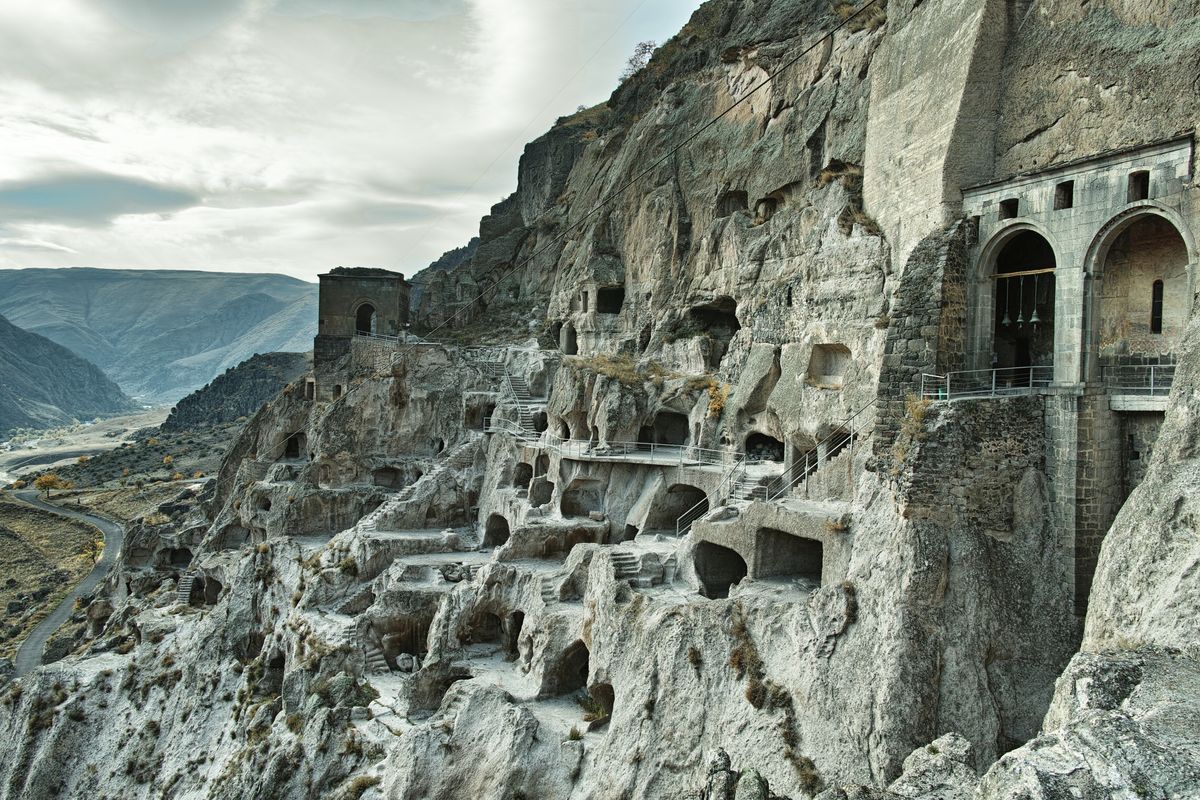
The church is cut directly into the limestone of the wall facing the valley, reached by a path and a short flight of steps. The interior is small, low and cold, with cells hewn from the rock and windows opening straight onto the river meander. The effect is powerful precisely because everything is so modest.
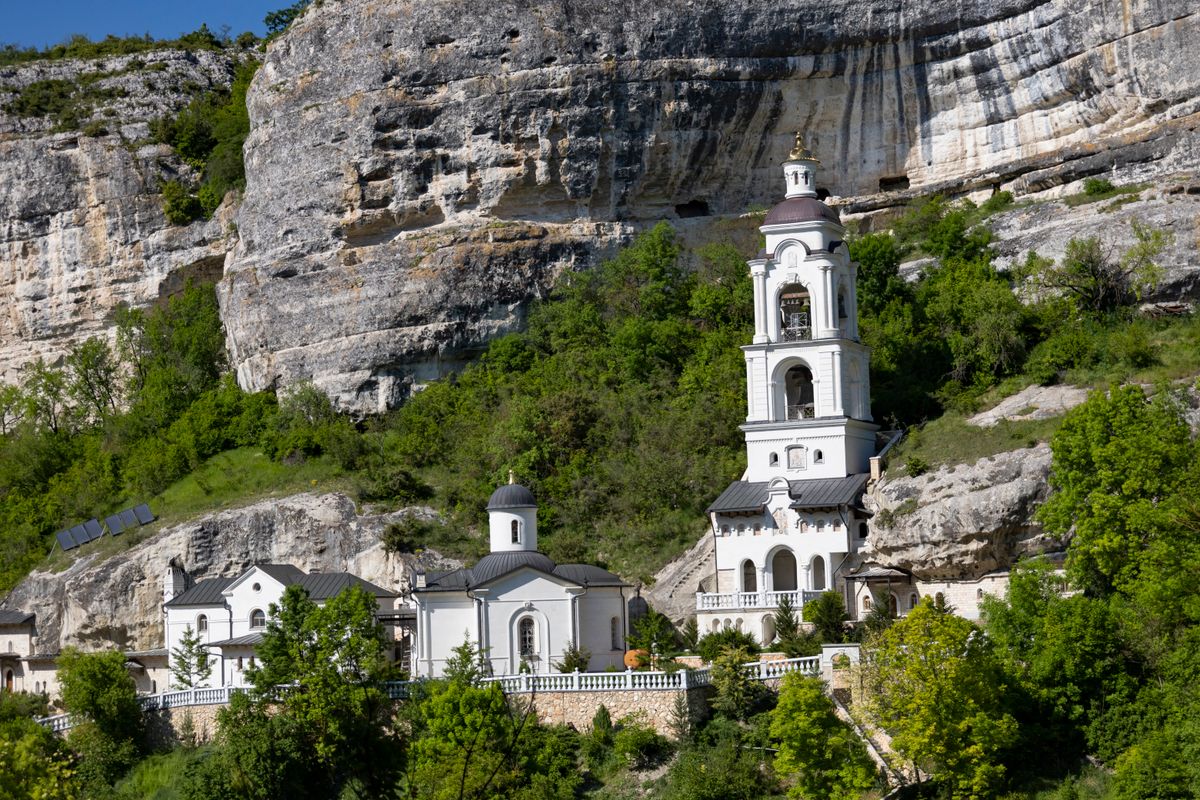
On the plateau above the cliff stand the bell tower and the masonry church, built much later, at the end of the nineteenth century. From there you get the best view over the gorge and the village below.
This is a working place of worship. Shoulders and knees covered, and headscarves for women. Scarves and wrap skirts are usually available at the entrance, but do not count on it out of season. Ask before photographing inside rather than assuming.
Butuceni, the village in the valley
Butuceni has a few hundred residents and one main lane, with white houses, stone walls and wooden gates. It is one of the few villages in the region not reshaped by apartment blocks or oversized new building.
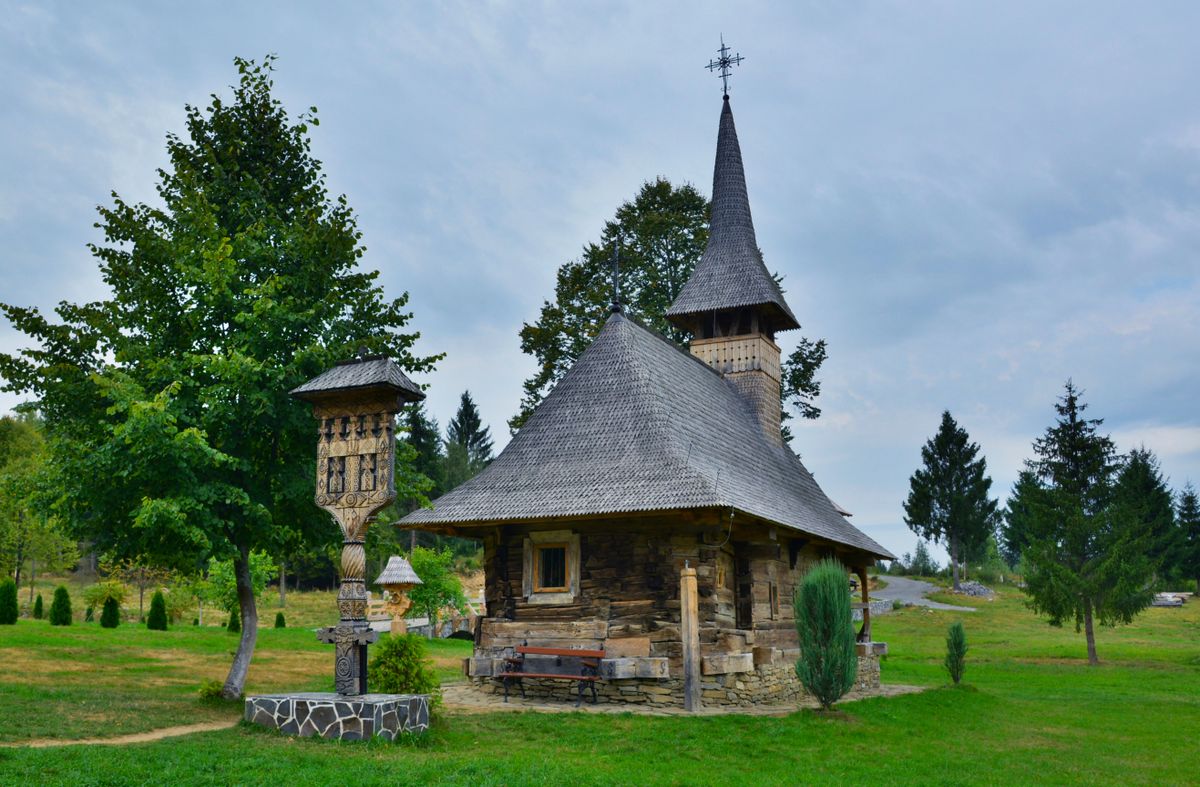
This is where the local tourism actually happens: guesthouses in traditional houses, meals of savoury pies, chicken soup and homemade wine, cart rides and, sometimes, evenings of local music. There are several good places to sleep in the village itself, which changes the visit completely.
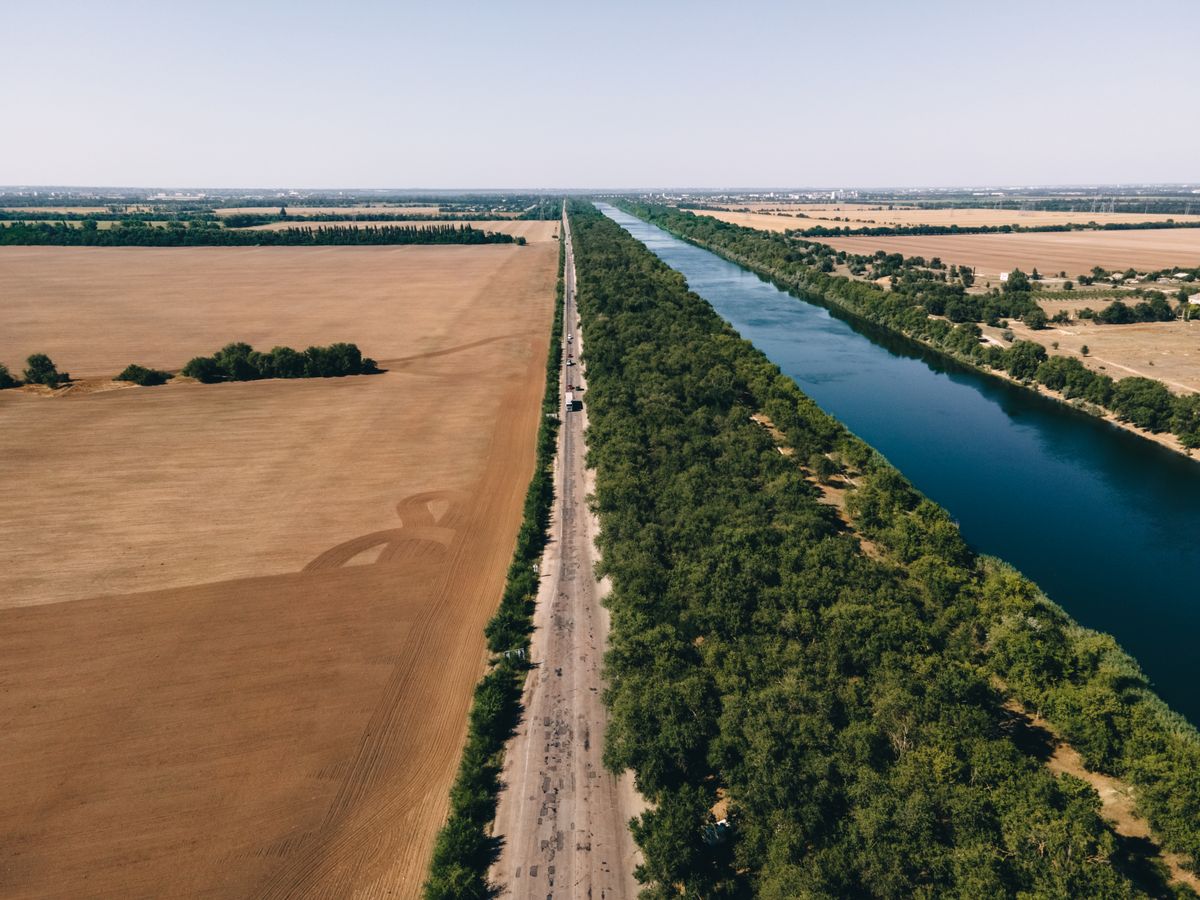
The difference between a day trip and a night here is the light. Early morning and late evening, once the day visitors have gone, the gorge empties and all you hear is the water. That night is worth it.
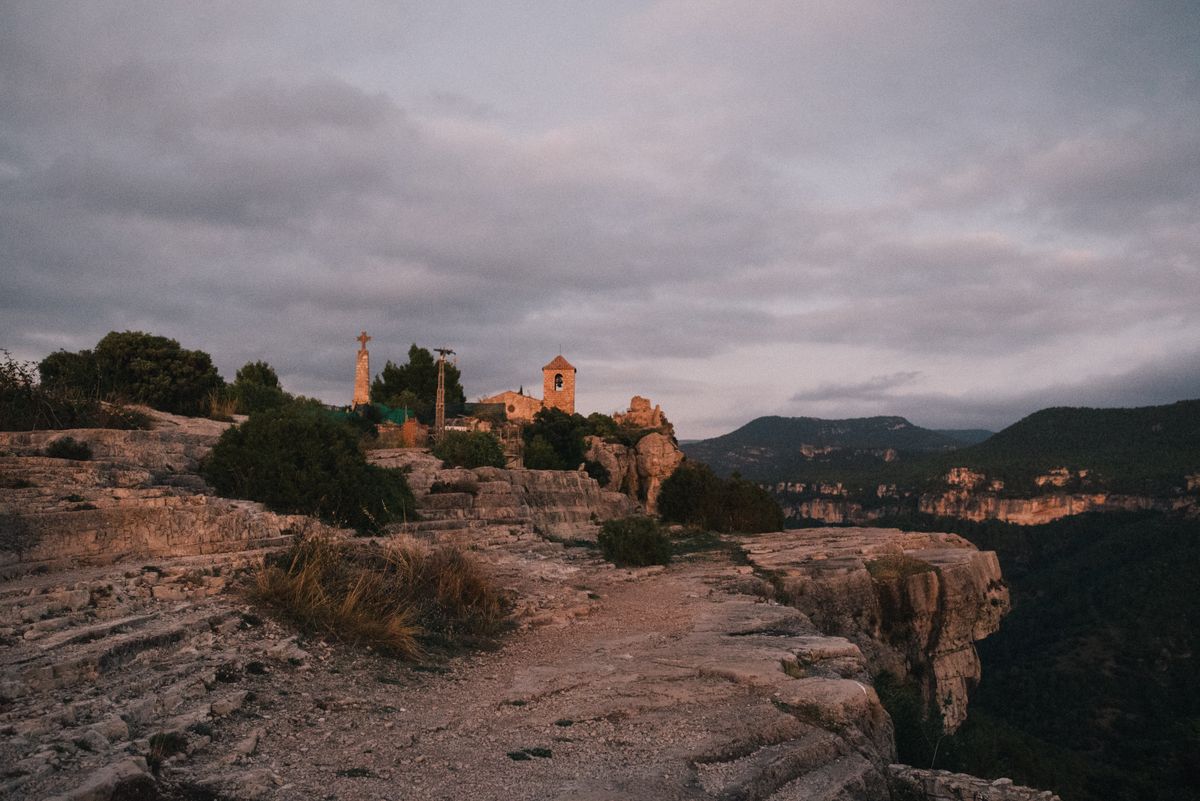
Late spring and autumn, for colour and for reasonable temperatures. In summer the valley bakes and there is no shade on the plateau. For photography, the first hour after sunrise and the last before sunset, from the plateau by the bell tower.
Getting there and how long you need
| Item | Detail |
|---|---|
| Distance from Chisinau | approximately 60 km |
| By car | around 1 hour 15 minutes |
| By minibus | services to Trebujeni and Butuceni, limited timetable |
| Minimum time | half a day |
| Ideal | one night in Butuceni |
| Entry | small fee at the visitor centre |
By car it is straightforward: the main road is surfaced almost to the village. Public transport works but needs planning, because the minibuses run a few services a day and the last one back leaves early. Check the timetable on the day, not a week ahead.
The visitor centre at the entrance to Butuceni holds the introductory exhibition and sells tickets. Current opening hours and the other sights in the area are listed on the official portal moldova.travel, and the historical background to the site is summarised on Wikipedia.
With a car, combine the visit with a small winery in the Codru zone or with Curchi monastery, less than an hour away. That makes a comfortable full day without rushing.
Frequently asked questions (FAQ)
Conclusion
Orheiul Vechi is a place where geography decided everything: a meander that cut through limestone and left a promontory on which Dacians, Tatars, Moldavians and monks settled in turn. Above all of it sits a village that still looks like a village.
Stay the night in Butuceni if you can. By day you see the sights, but in the evening you see the place.
