

 By
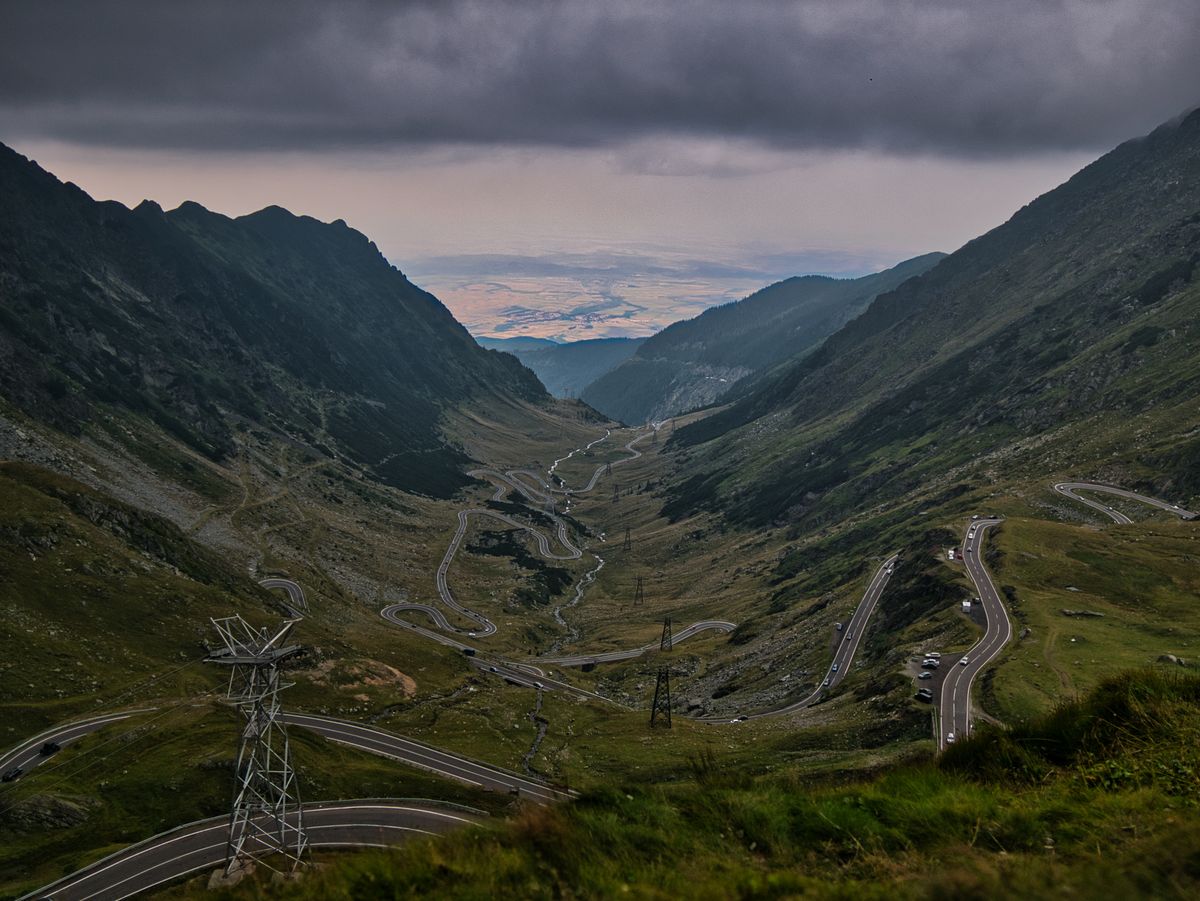
The Transfagarasan is ninety kilometres of road across the highest mountains in Romania, built for reasons that had nothing to do with driving pleasure and everything to do with fear of a Soviet invasion. It has since become the most famous stretch of tarmac in the country, and it earns that on the hairpins alone.
This guide covers when the road is actually open, how to reach it, the route stop by stop, the driving advice that matters, what to do about bears, and what a trip costs.
The Transfagarasan: a road built at a cost
The story begins in 1968. After Soviet troops invaded Czechoslovakia and Nicolae Ceausescu publicly refused to take part, Romania expected to be next. A military road across the Fagaras mountains, allowing troops to move north to south without using the passes the Soviets would take first, became a priority.
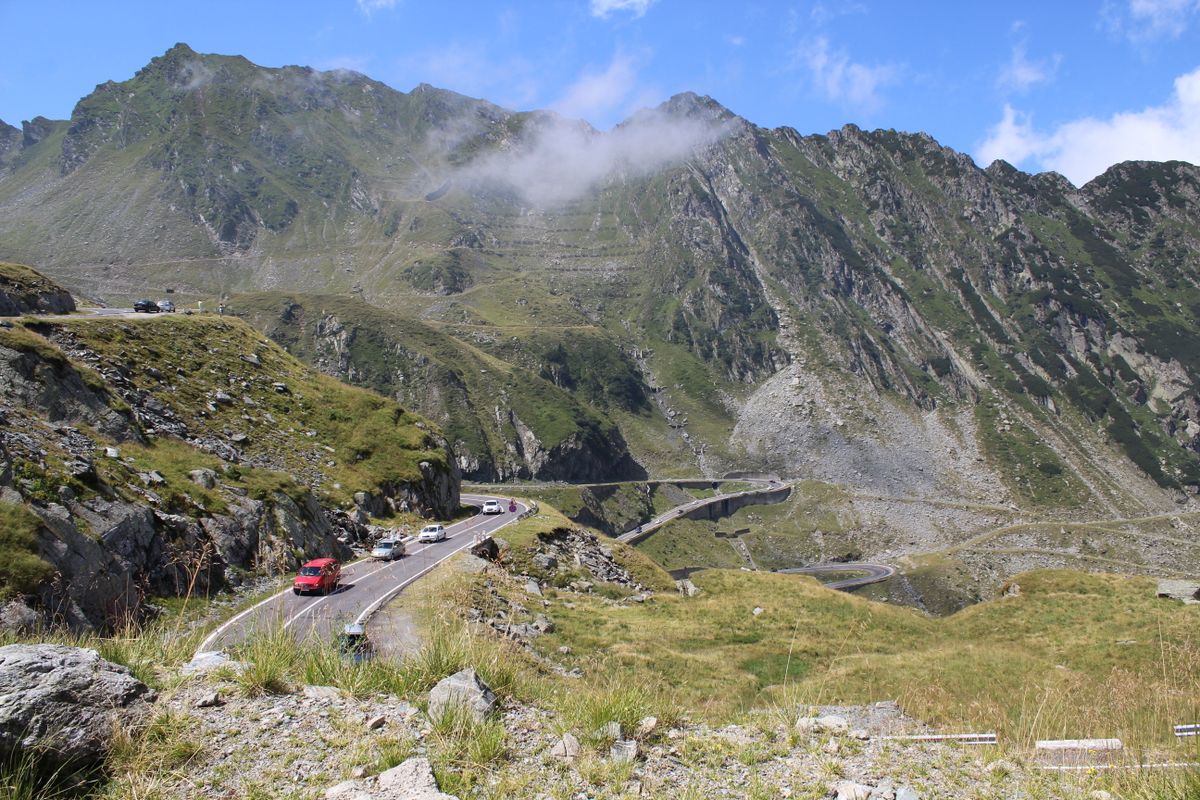
Work ran from 1970 to 1974. Two teams started from opposite sides of the range and met in the middle, using around six million kilograms of dynamite, most of it handled by soldiers with no engineering training.
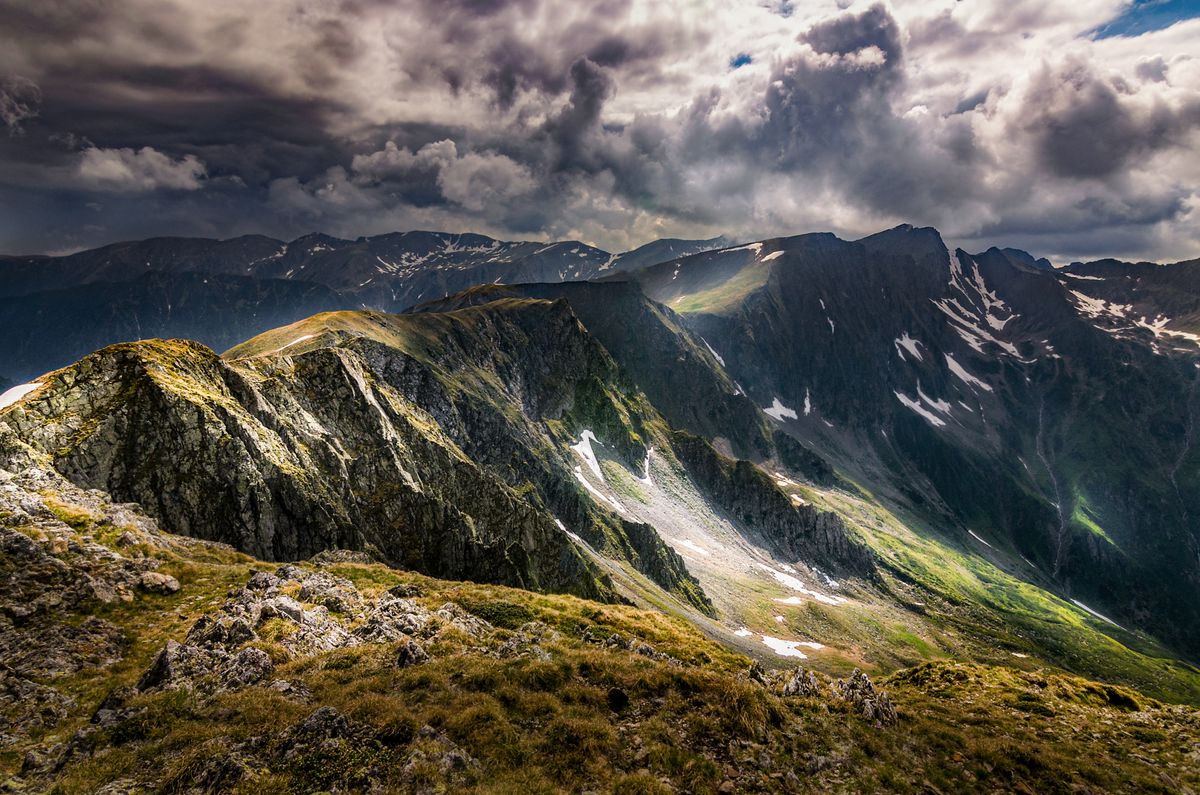
The human cost was severe. Official figures record forty soldiers killed. Unofficial estimates from workers on the project put the real number several times higher, and the discrepancy has never been resolved.
When Ceausescu visited the site in 1971 he ordered the planned gravel track upgraded to a two-lane asphalt road, specifically to encourage mountain tourism. The irony is complete: the tourism component is exactly what made the road world-famous decades later.
When you can drive it: the opening season
This is the single most important practical fact, and the one most visitors get wrong. The Transfagarasan is not open all year. The alpine section, between Balea Cascada and Piscul Negru, closes at the end of October and reopens in late June, depending on snow.
| Item | Detail |
|---|---|
| Alpine section opens | usually late June |
| Alpine section closes | usually end of October |
| Daily hours on the alpine section | roughly 7:00 to 21:00 |
| Rest of the road | open all year |
| Best month | September |
| Toll | none, the national road vignette covers it |
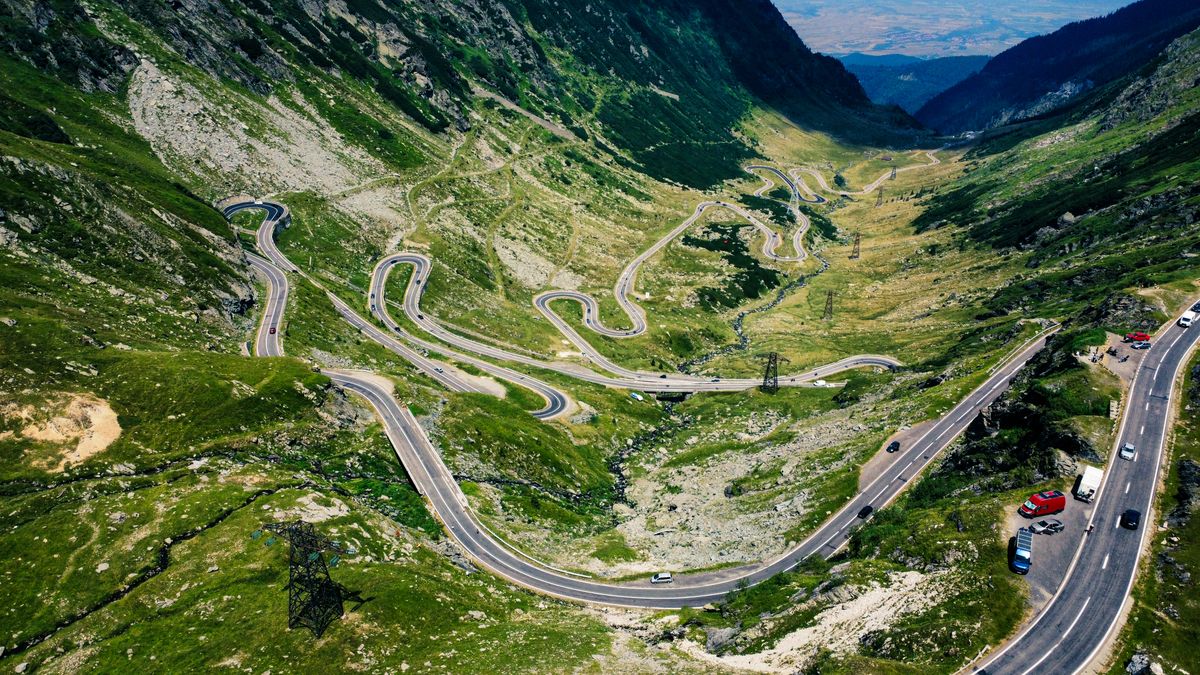
The rest of the road, from Curtea de Arges up to Balea Cascada and from Balea Lac down to Cartisoara, stays open through the year, weather permitting. Always check the live road status before setting out, because closures happen at short notice.
If you want to avoid the crowds, drive it on a Tuesday or Wednesday in September. You will have long stretches to yourself and the autumn colour on the lower slopes is at its best.
The route, stop by stop, from the south
The road, officially DN7C, crosses the Fagaras range north to south, linking Curtea de Arges with Cartisoara. Driving it from the south gives the fuller experience, because you gain the dam and the castle before the high ground.
- Curtea de Arges, kilometre zero. Fill the tank here. It is the last fuel for ninety kilometres
- Poenari castle, the genuine fortress of Vlad the Impaler, up 1,480 steps from the car park, about forty-five minutes of climbing
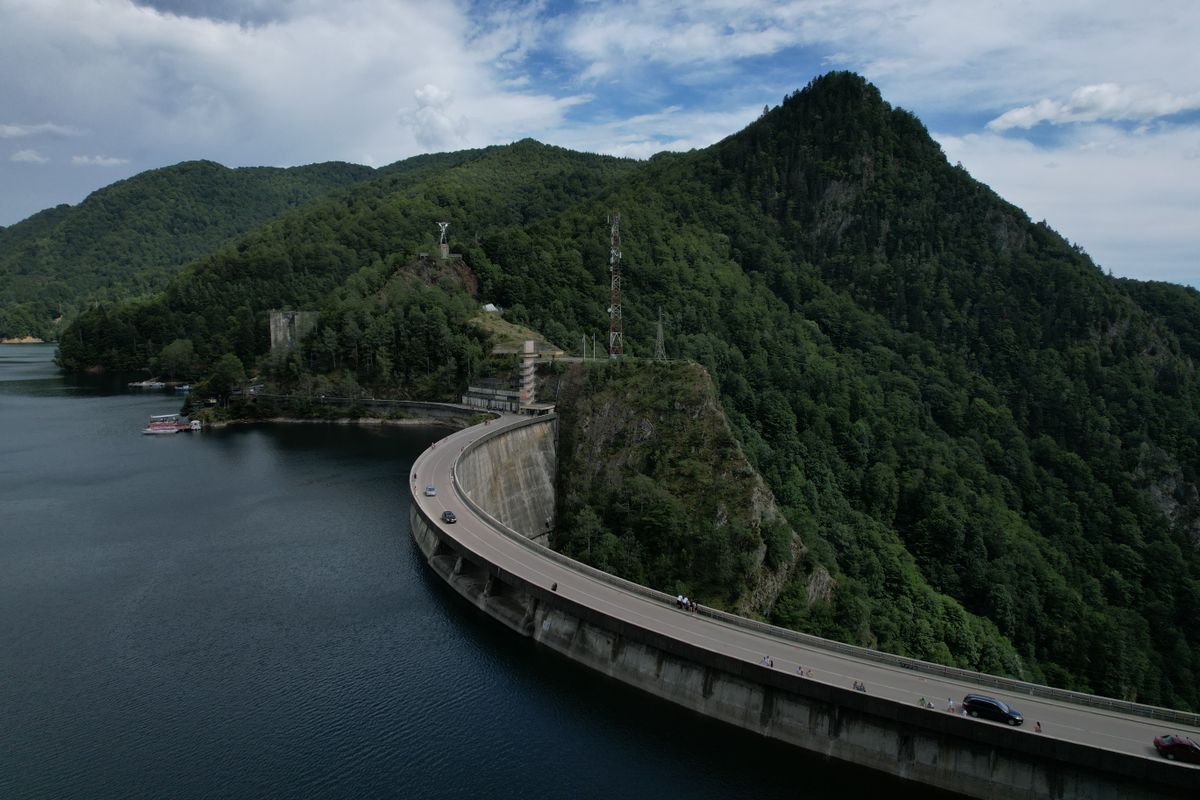
- The Vidraru dam, a hundred and sixty-six metres high, with the road running across its crest
- Lake Vidraru, followed for several kilometres through conifer forest
- Cabana Capra, where the true alpine section begins and the trees thin out
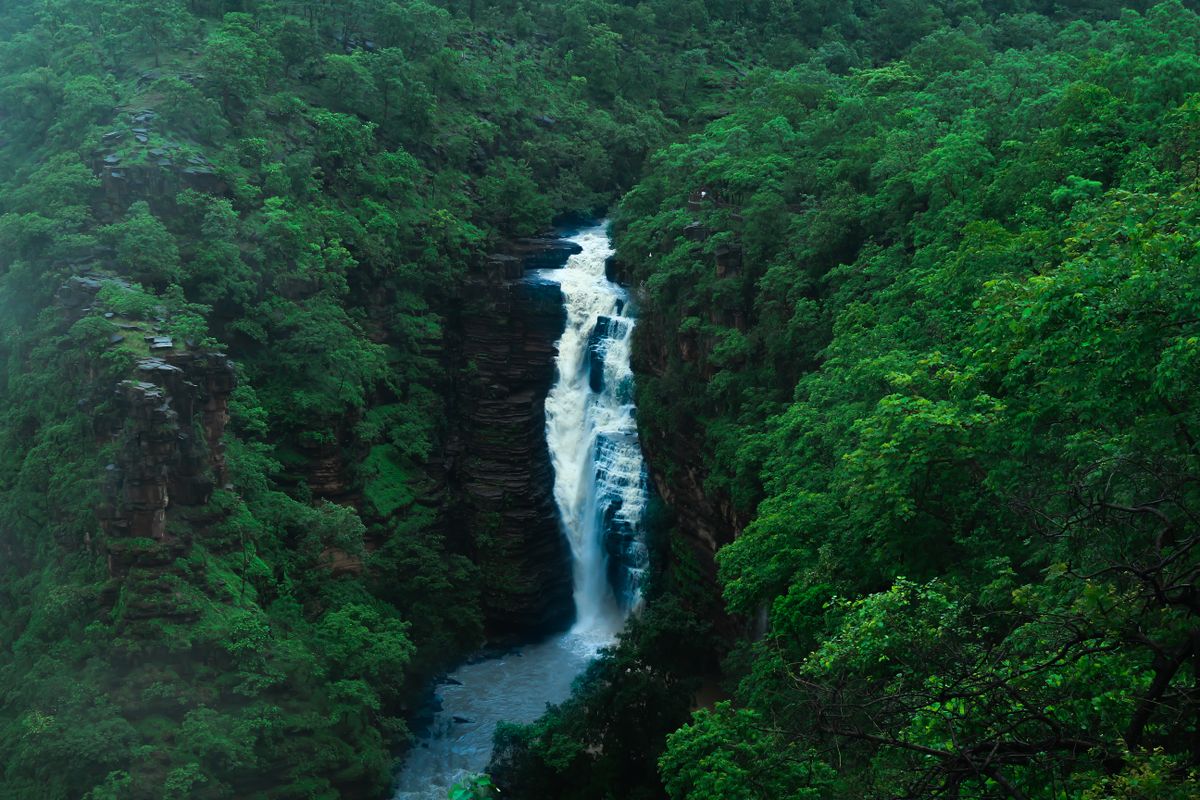
- Capra waterfall, visible from the road with a small parking area
- The Capra to Balea tunnel, eight hundred and eighty-seven metres, the longest road tunnel in Romania
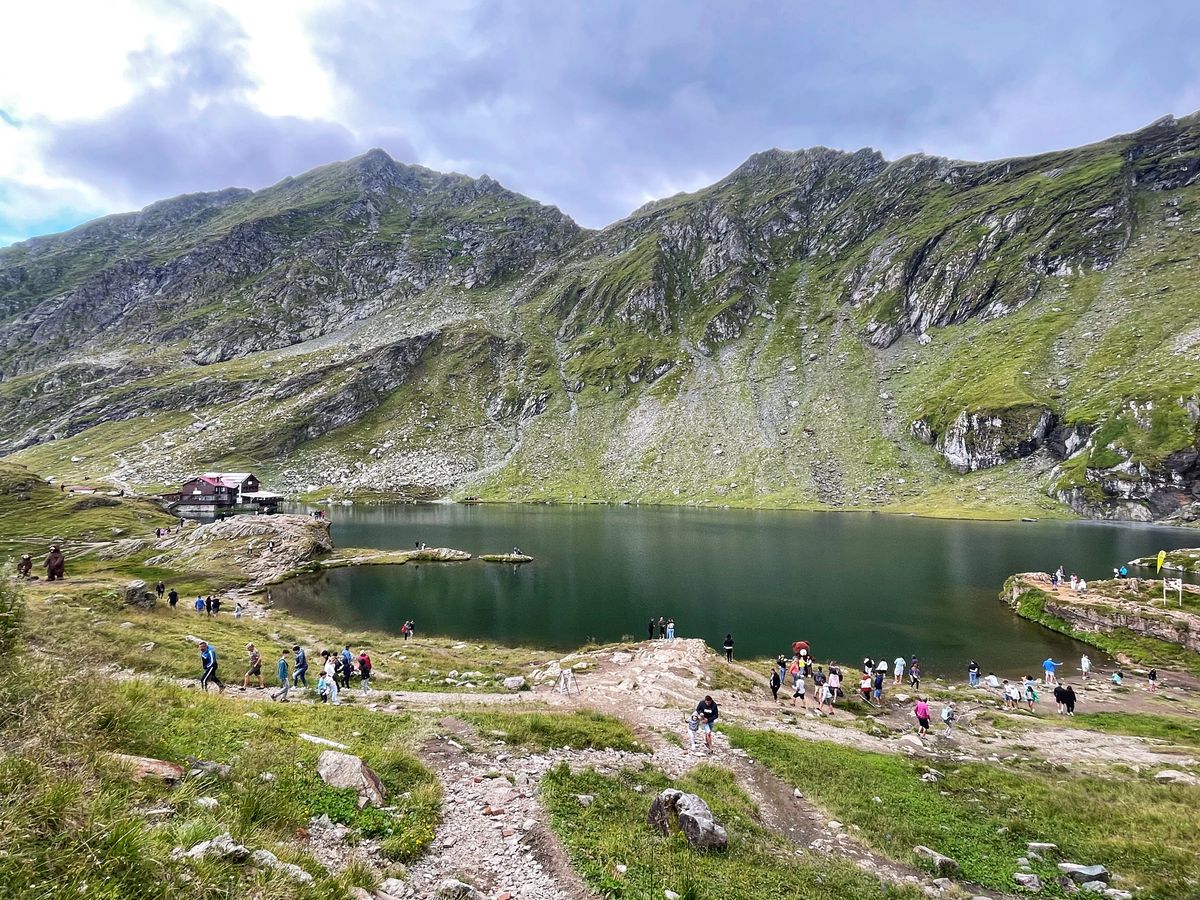
- Balea Lac, the glacial lake at 2,042 metres and the high point of the drive
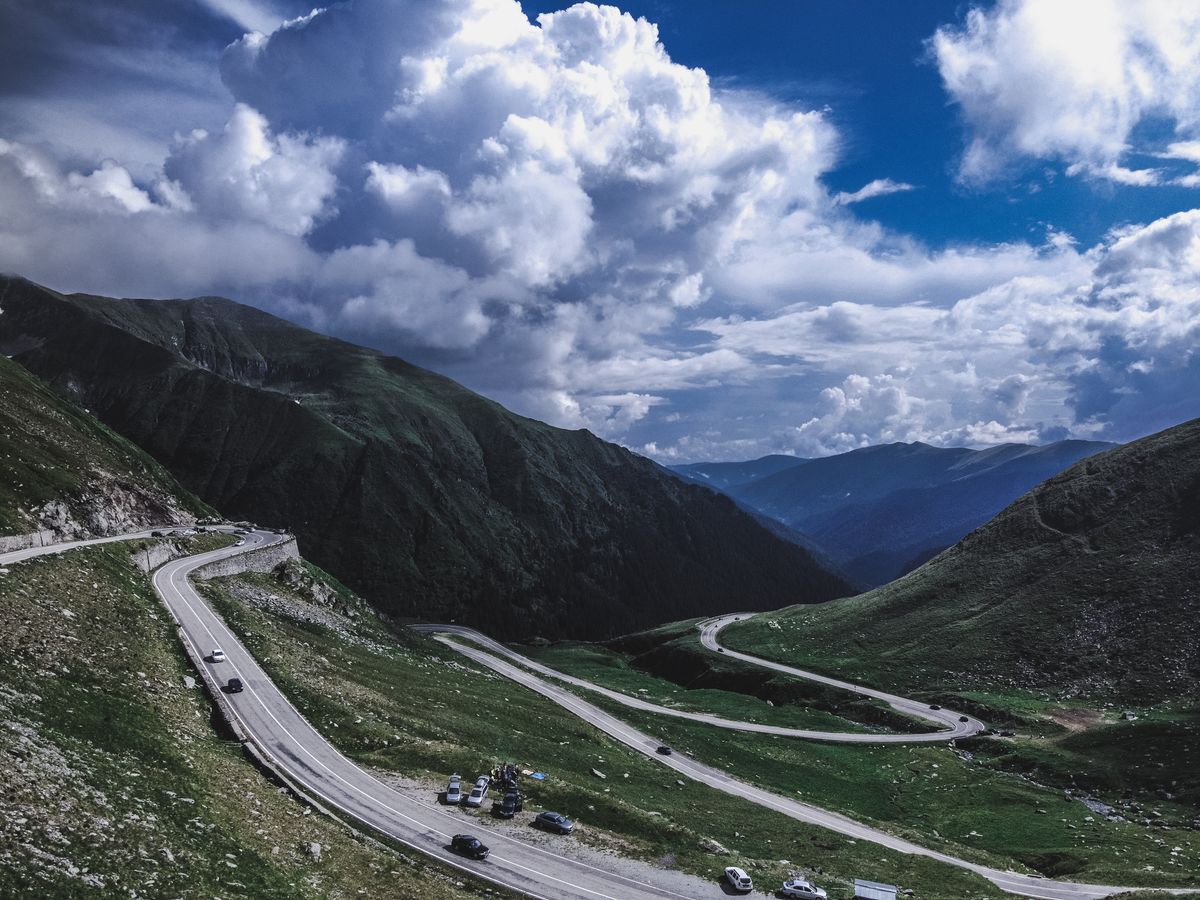
- The northern hairpins, thirteen kilometres of tight switchbacks, the most photographed road in the country
- Balea waterfall, the largest cascade waterfall in Romania, with the cable car station
- Cartisoara, the village at the northern foot, thirty kilometres from Sibiu
Poenari, not Bran, is the castle Vlad the Impaler actually used and fortified in the fifteenth century. Bran gets the Dracula tourism; Poenari gets the fifteen hundred steps and the history.
Balea lake sits in a glacial cirque ringed by rock, and it is where most of the traffic stops. There are restaurants, souvenir stalls and, in winter, an ice hotel rebuilt from scratch each year.
Driving advice that matters
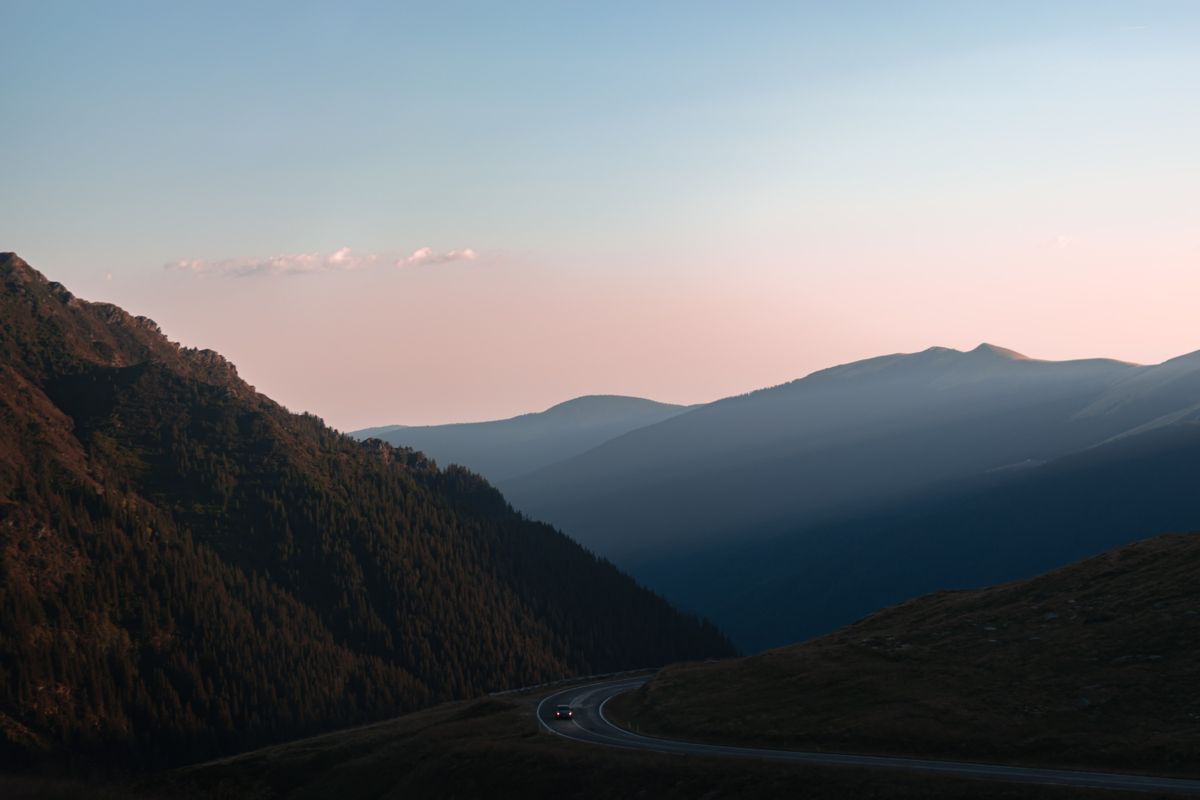
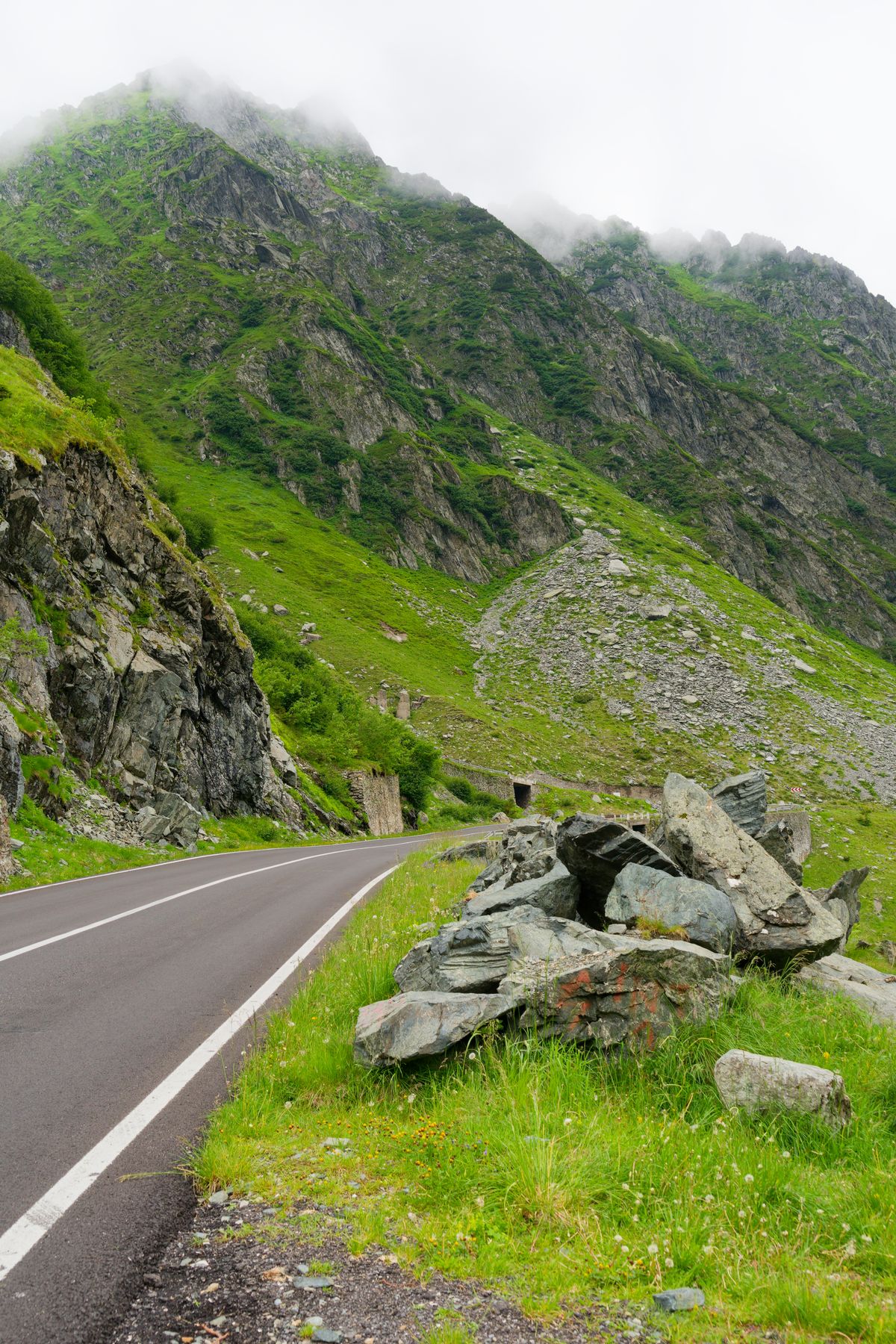
This is not a road for beginners or for anyone in a hurry. Over eighty hairpin bends, no barrier on several stretches, and a speed limit of forty that is a genuine engineering recommendation rather than a formality.
- Fill the tank before you start. There is no fuel station anywhere on the ninety kilometres
- Drive in daylight only. The alpine section has no lighting and the drops are unforgiving
- Respect the forty kilometre limit. The bends are tight and many have no guardrail
- Expect the weather to change. At two thousand metres it can be fifteen degrees colder than at the bottom, and fog arrives in minutes
- Check your brakes. The long descent works them hard, so use engine braking in second or third rather than riding the pedal
An automatic gearbox makes the climb considerably more comfortable, but any ordinary car handles the road. Motorcyclists love it and are numerous, so watch for them on blind bends.
Bears and the wildlife problem
The Fagaras mountains hold one of the largest brown bear populations in Europe, and on the Transfagarasan an encounter is not unusual. It has also become a genuine problem, because people feed them from cars.
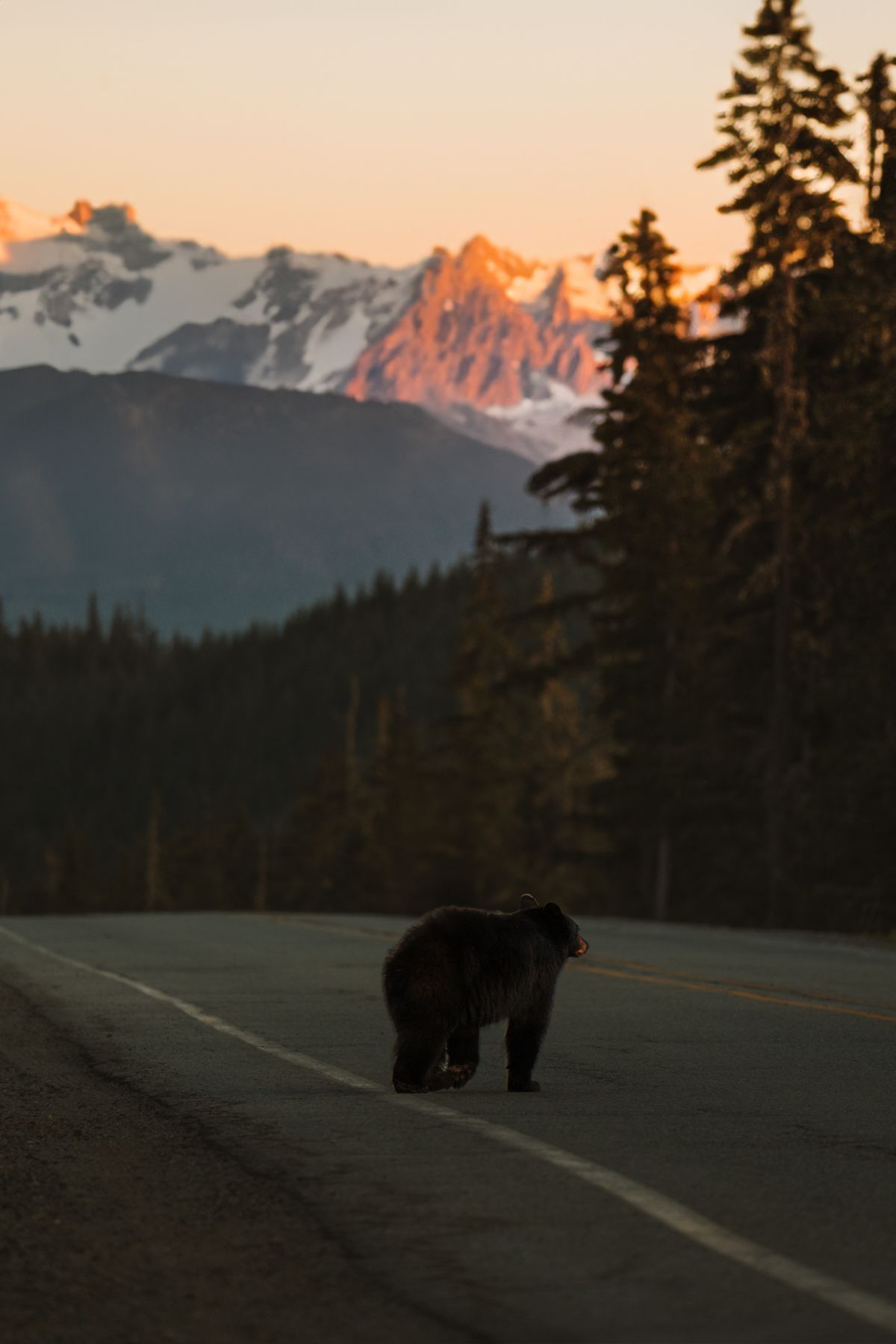
- Do not feed bears at the roadside. It is illegal, it habituates them to people, and habituated bears are killed
- Do not approach for photographs. Keep at least a hundred metres and use the zoom
- If a bear is on the verge, close the windows and keep the engine running
- On foot, toward Poenari or on the trails at Balea, make noise, walk in a group and carry bear spray
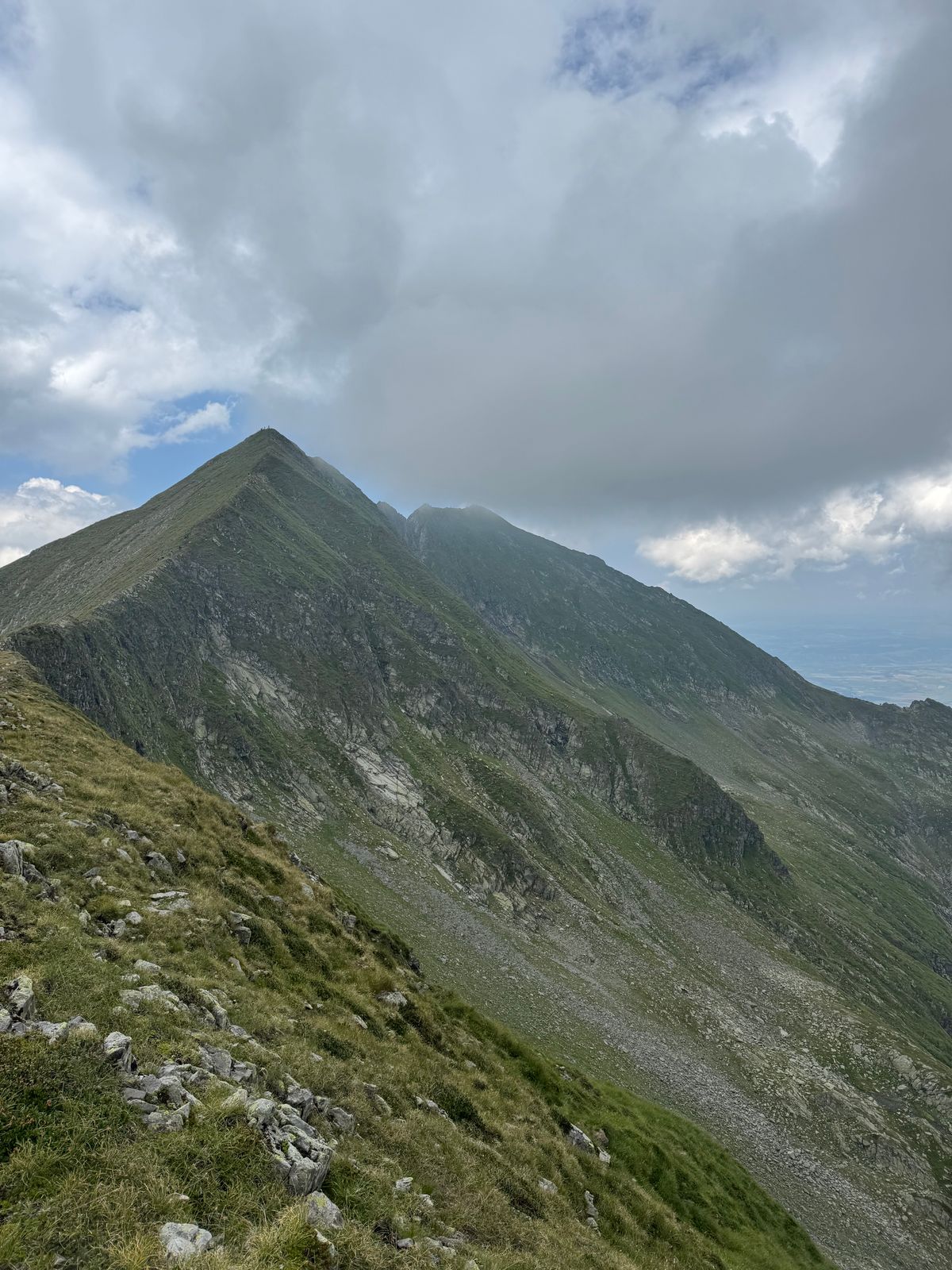
Besides bears, the range holds wolves, lynx, chamois, red deer and a great deal of birdlife. The chamois on the ridges above Balea are the ones you are most likely to actually see.
The Balea cable car and what it costs
If you cannot or would rather not drive the alpine section, or if the road is closed, the cable car from Balea Cascada to Balea Lac is the alternative, and it runs all year, weather permitting.
It operates with a minimum of about ten passengers per trip, so outside busy periods you may wait for the car to fill. It is also the only way up to the lake in winter.
| Version | Cost |
|---|---|
| Budget: fuel, food, guesthouse | 500 – 700 lei, about 100 – 140 euros |
| Comfortable: hotel, restaurants, cable car | 1,000 – 1,500 lei, about 200 – 300 euros |
| Premium: upper-end hotel, full programme | 2,000 lei and up, about 400 euros and up |
The road itself is free. There is no toll; the ordinary national road vignette covers it. The most effective saving is to take a picnic to Balea lake, since the restaurants at altitude price accordingly and the view costs nothing.
Where to stay and what to do if it is closed
Accommodation sits at both ends and at a few points along the route. Cabana Paltinu and Cabana Balea Lac are the two options directly at the lake. Hotel Posada Vidraru, just past the dam, has the view over the reservoir.
Curtea de Arges has guesthouses at reasonable prices and is the sensible base for the night before. Cartisoara and Sibiu serve the same purpose from the north. In July and August, and at weekends generally, book well ahead.
If the alpine section is shut, you still have options. The Transalpina, known as the King road, is the highest in Romania at two thousand one hundred and forty-five metres and crosses the Parang mountains. The Balea cable car runs year round. And the southern stretch from Curtea de Arges to the Vidraru dam stays open regardless.
Background on the road and the castle is on the Transfagarasan entry, and general country information on the Romanian national tourism portal.
Frequently asked questions (FAQ)
Conclusion
The Transfagarasan was built out of fear of an invasion that never came, at a cost in lives that was never honestly counted, and it ended up as the finest driving road in this part of Europe. Both halves of that are worth holding in mind.
Go in September, on a weekday, from the south so you get the dam and Poenari first, fill the tank before you start, and give it a whole day rather than three hours.
