

 By
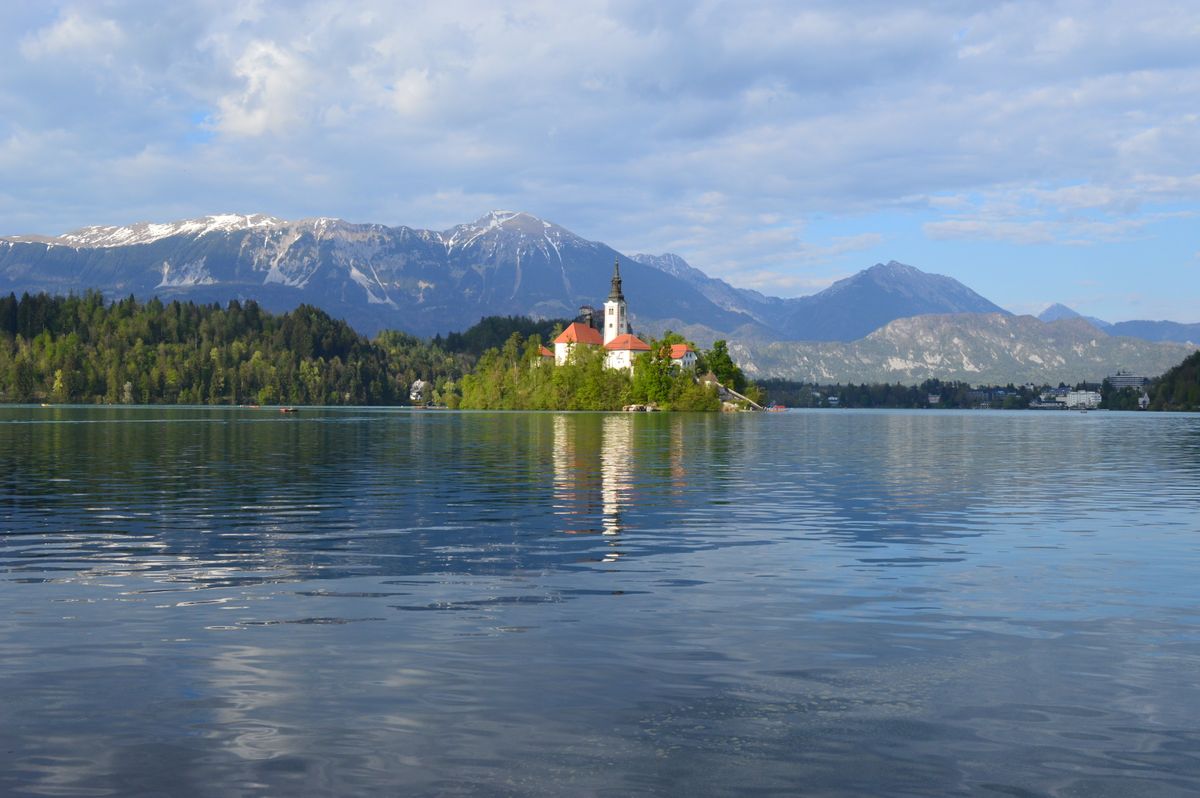
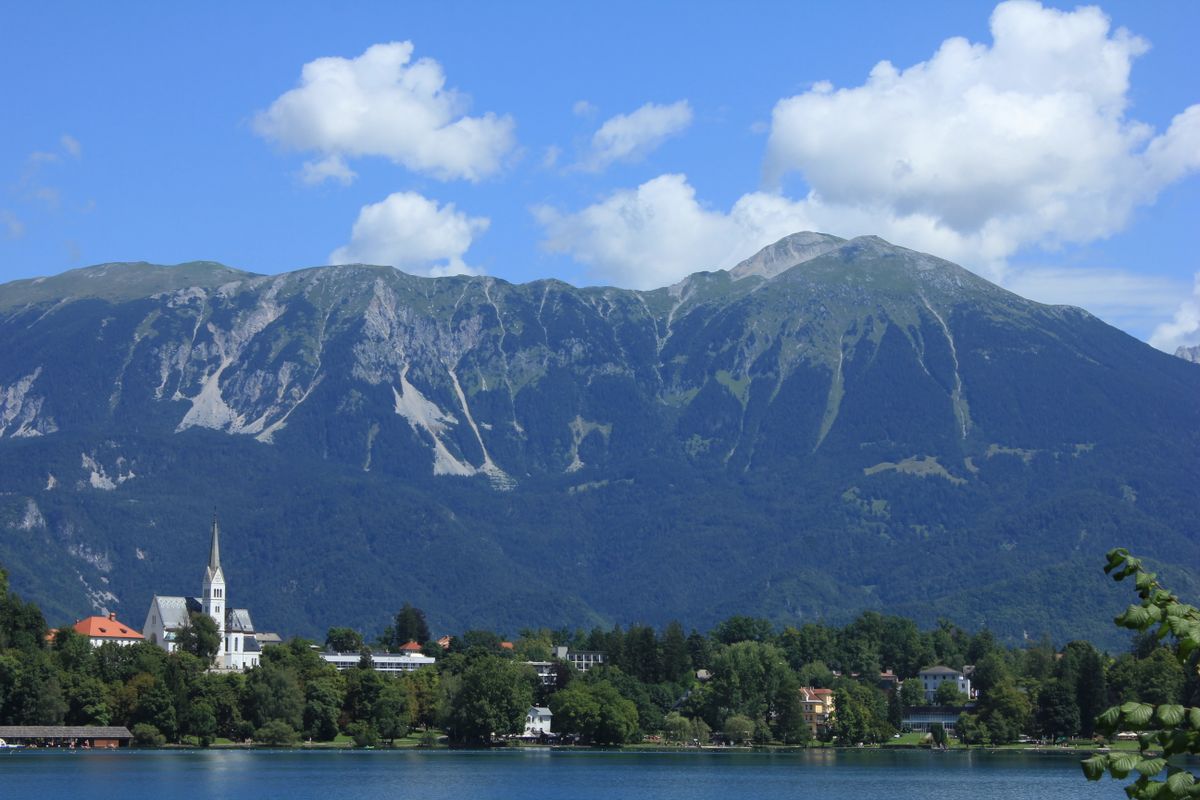
Lake Bled is the postcard: a small lake with an island in the middle carrying a white church, a castle on a cliff a hundred and thirty metres above the water, and the Julian Alps behind. Thirty minutes away lies Bohinj, which is three times the size, considerably wilder, and visited by a fraction of the people.
This guide covers both: what to do at each, how to reach the island, where the viewpoints actually are, the Vintgar gorge, what it costs and a two day itinerary that works.
Lake Bled and Lake Bohinj: two lakes, two different worlds
Bled is about two kilometres long, roughly thirty metres deep, and has one rare feature: it is fed partly by warm springs, which is why it reaches twenty-six degrees in summer and is genuinely pleasant to swim in.
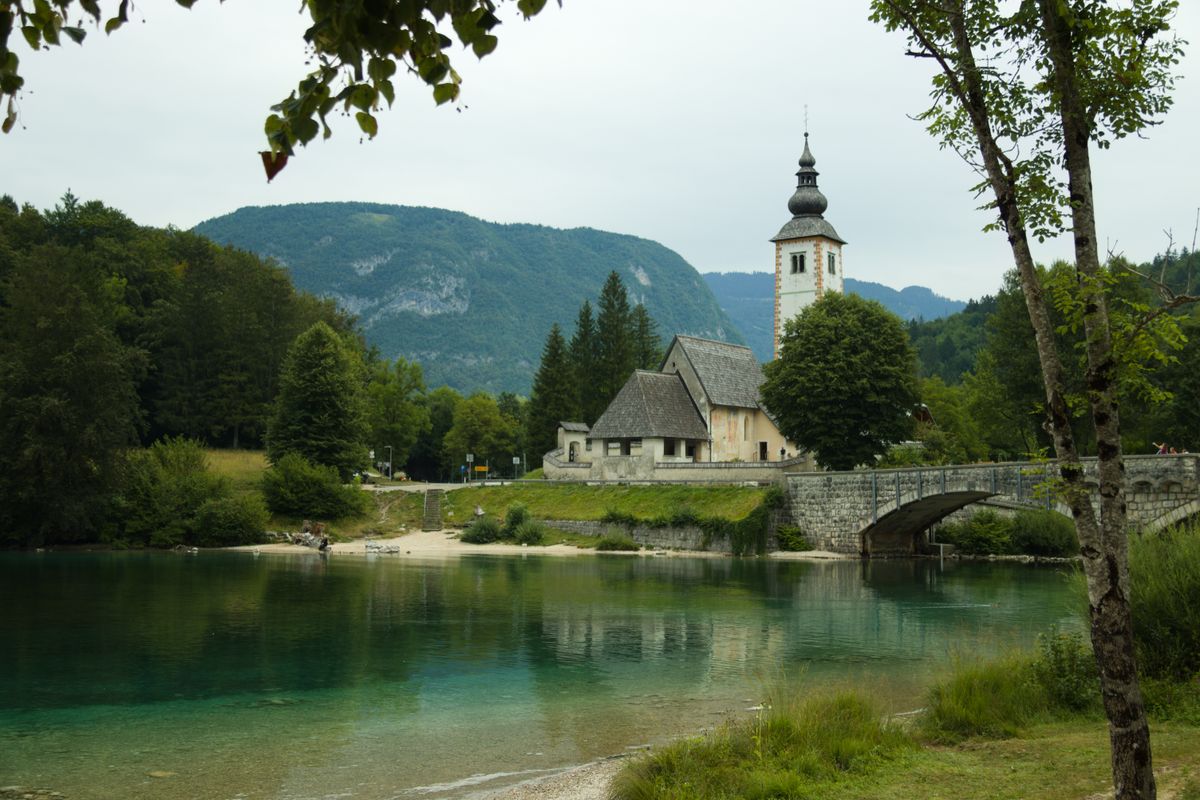
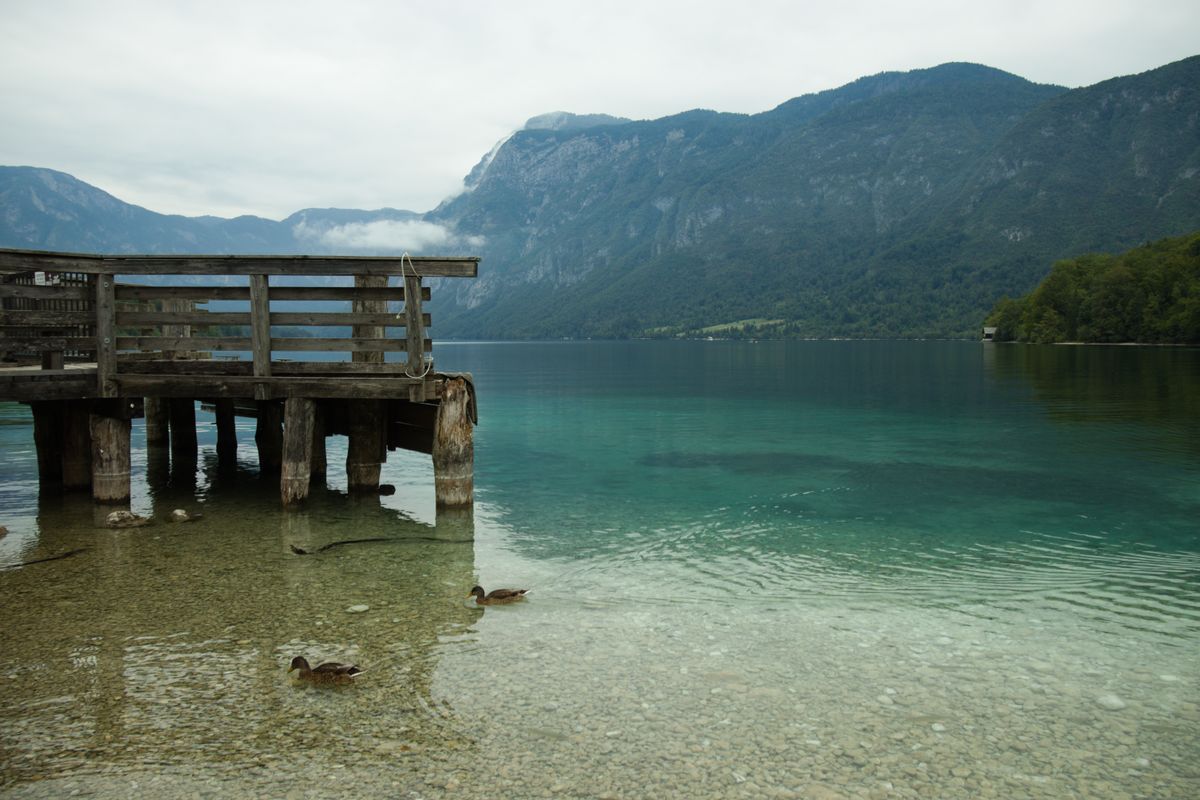
Bohinj is the largest permanent lake in the country: four point two kilometres long, almost a kilometre wide, forty-five metres deep. It sits inside Triglav National Park, which means construction on its shore is prohibited, and the difference that makes is immediately obvious.
The practical conclusion is not to choose between them. They are thirty minutes apart by car, and a complete visit means a day at each. If you have only one day, Bled gives you more per hour; if you want mountains and quiet, go to Bohinj.
The island and the pletna boat
The island in the middle of the lake is small but has a long history: prehistoric settlement, then a pre-Christian temple, then a church that has been rebuilt repeatedly since the ninth century.
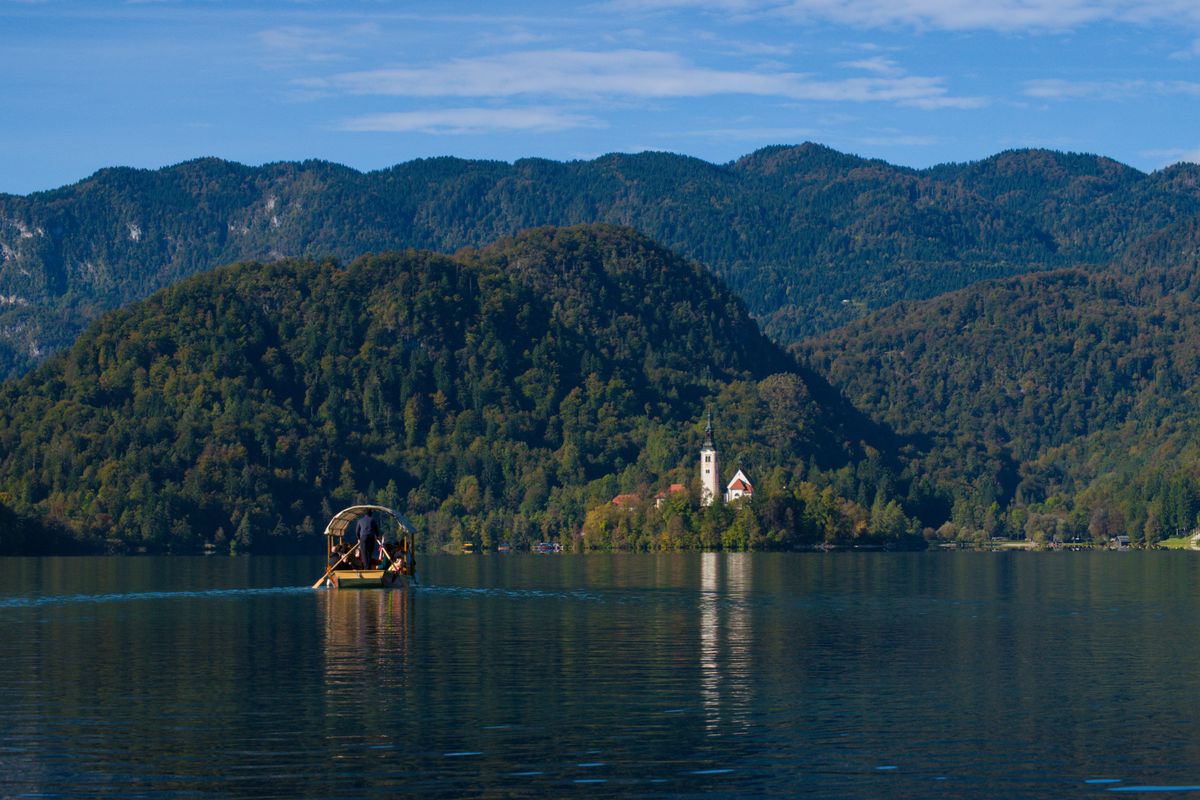
You reach it by pletna, a flat-bottomed wooden boat with a canopy, rowed standing up. The right to row these boats is inherited within a small number of local families, a privilege granted in the eighteenth century and still respected, which is why there is no competition on price.
From the jetty you climb ninety-nine stone steps to the church. Local tradition says a groom must carry his bride up all of them, in silence, for the marriage to last. Inside, you can ring the wishing bell, which is the reason for most of the queue.
| Option | Price | Notes |
|---|---|---|
| Pletna, return | 18 – 20 euros per person | about 40 minutes on the island |
| Rowing boat hire | 20 – 25 euros per hour | good value for three or four people |
| Swimming | free | about 200 metres, allowed but not in summer traffic |
| Tourist boat | 15 – 18 euros | less atmospheric than the pletna |
Bled castle, the oldest in Slovenia
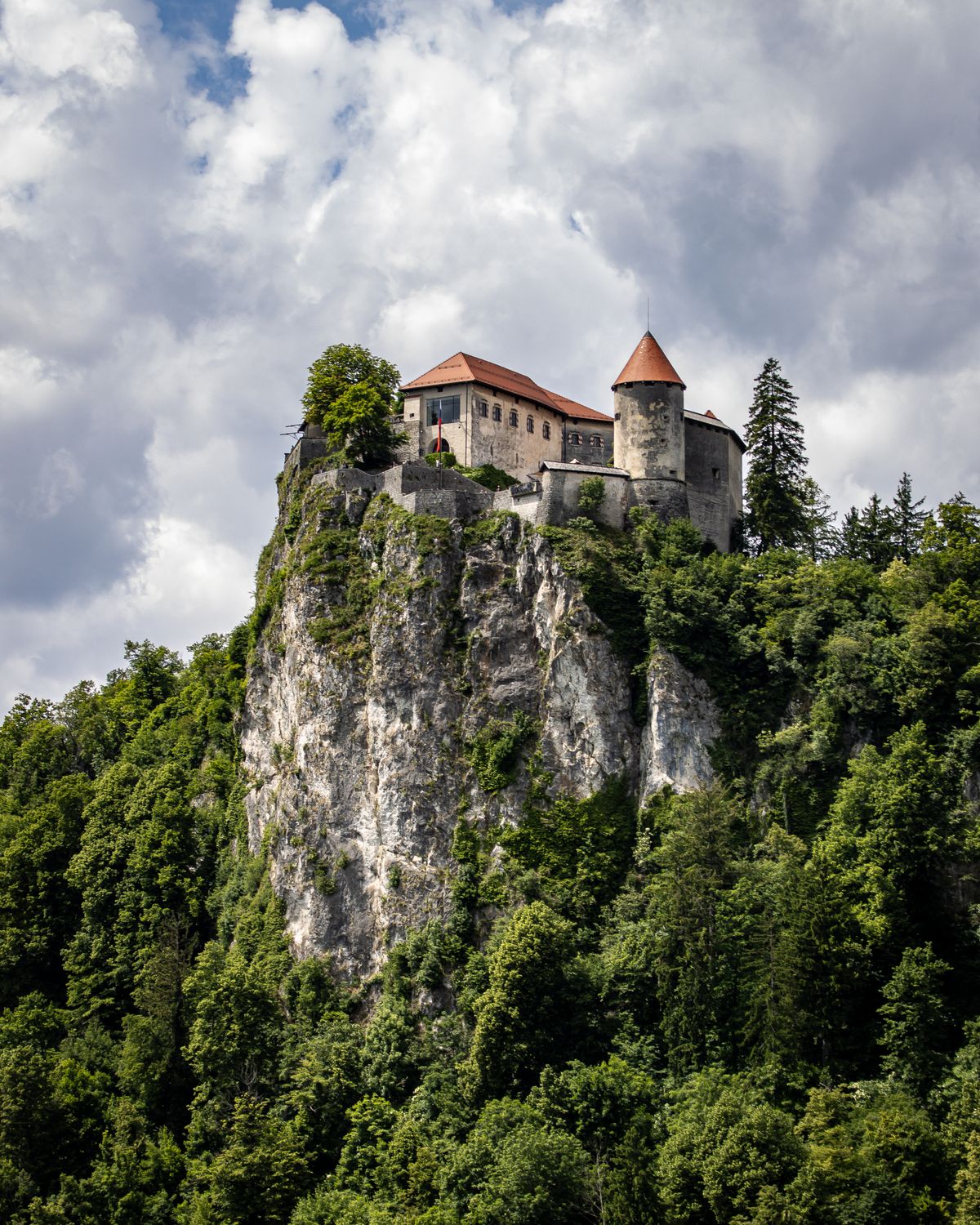
The castle stands on a cliff about a hundred and thirty metres above the water and is documented from 1011, which makes it the oldest in the country.
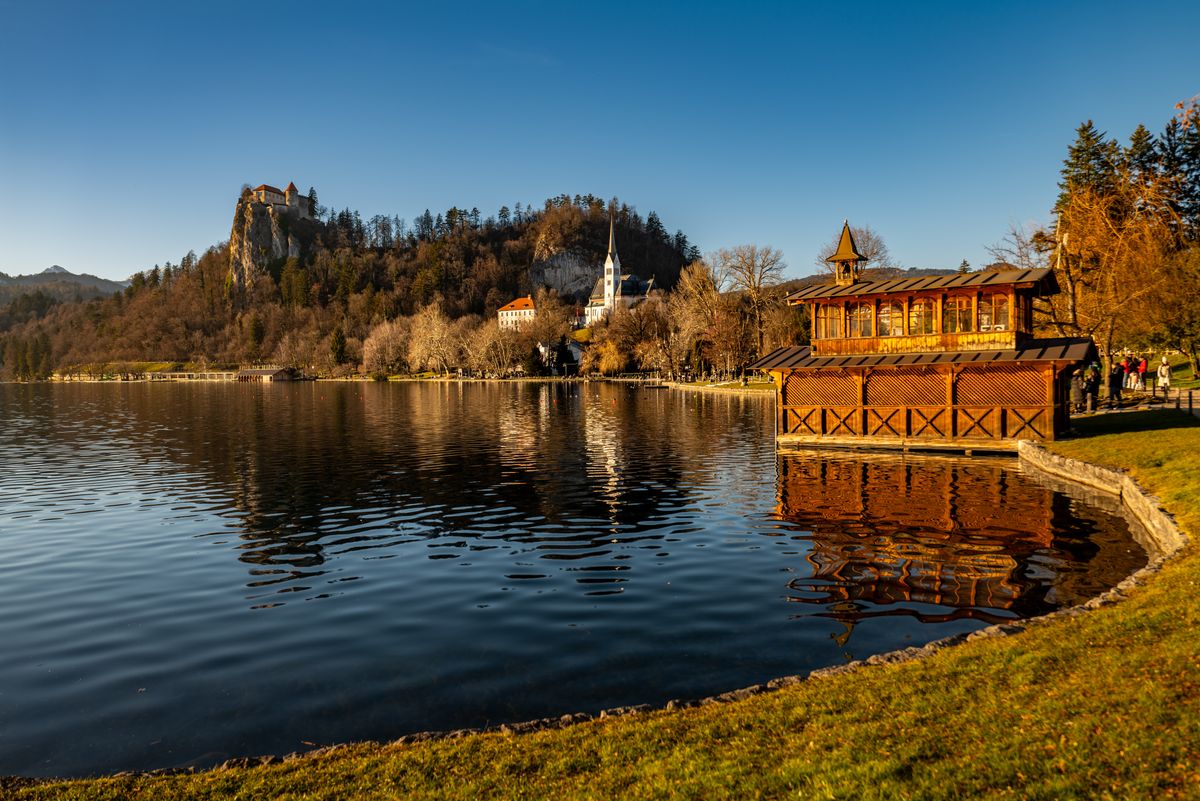
What is up there: two terraces with a complete panorama over the lake and the Julian Alps, a small history museum, a painted Gothic chapel, a working printing press where you can make a souvenir sheet, and a wine cellar where you bottle and seal your own.
You climb on foot in fifteen to twenty minutes by either of two paths, or drive to the upper car park, which is small and fills fast. The ticket is not cheap for what the museum contains, but the terrace view justifies it on its own.
The viewpoints: where the photograph is actually taken
The classic image of Bled, with the island centred and the lake seen from above, is not taken from the shore. It comes from one of the hills on the western side, and the two that matter are Ojstrica and Mala Osojnica.
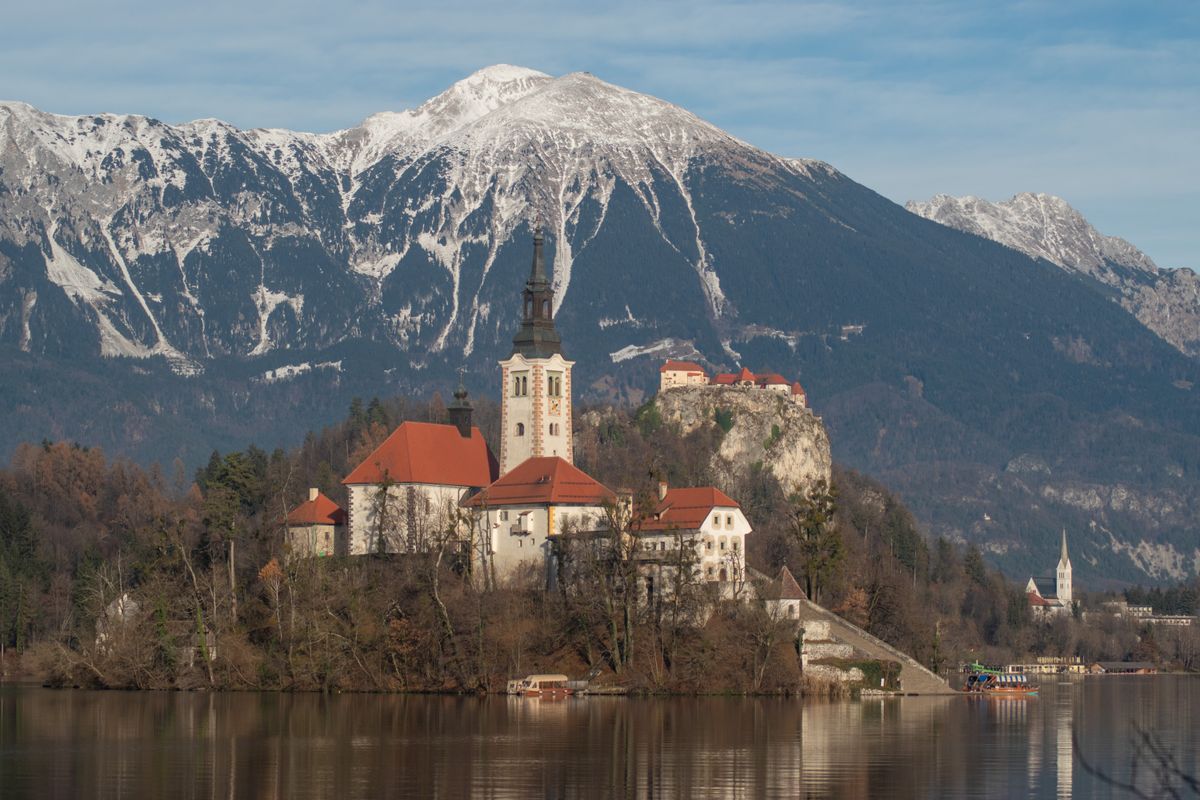
Both start from the Velika Zaka area at the western end of the lake, where there is parking. Ojstrica is a twenty minute climb, steep but short. Mala Osojnica is another twenty minutes above it, with a section of metal steps, and gives the higher and better angle.
The best light is at sunrise, when mist sits on the water and the island appears to float. Start the climb forty-five minutes before the sun comes up, take a torch, and expect the path to be wet and slippery. In summer you will not be alone, but at six in the morning you will have a fraction of the company you would have at nine.
The alternative with no climbing is the walk around the lake: about six kilometres of flat paved path, done in an hour and a half, which passes every angle at water level and is the best thing to do on an evening.
The Vintgar gorge, four kilometres away
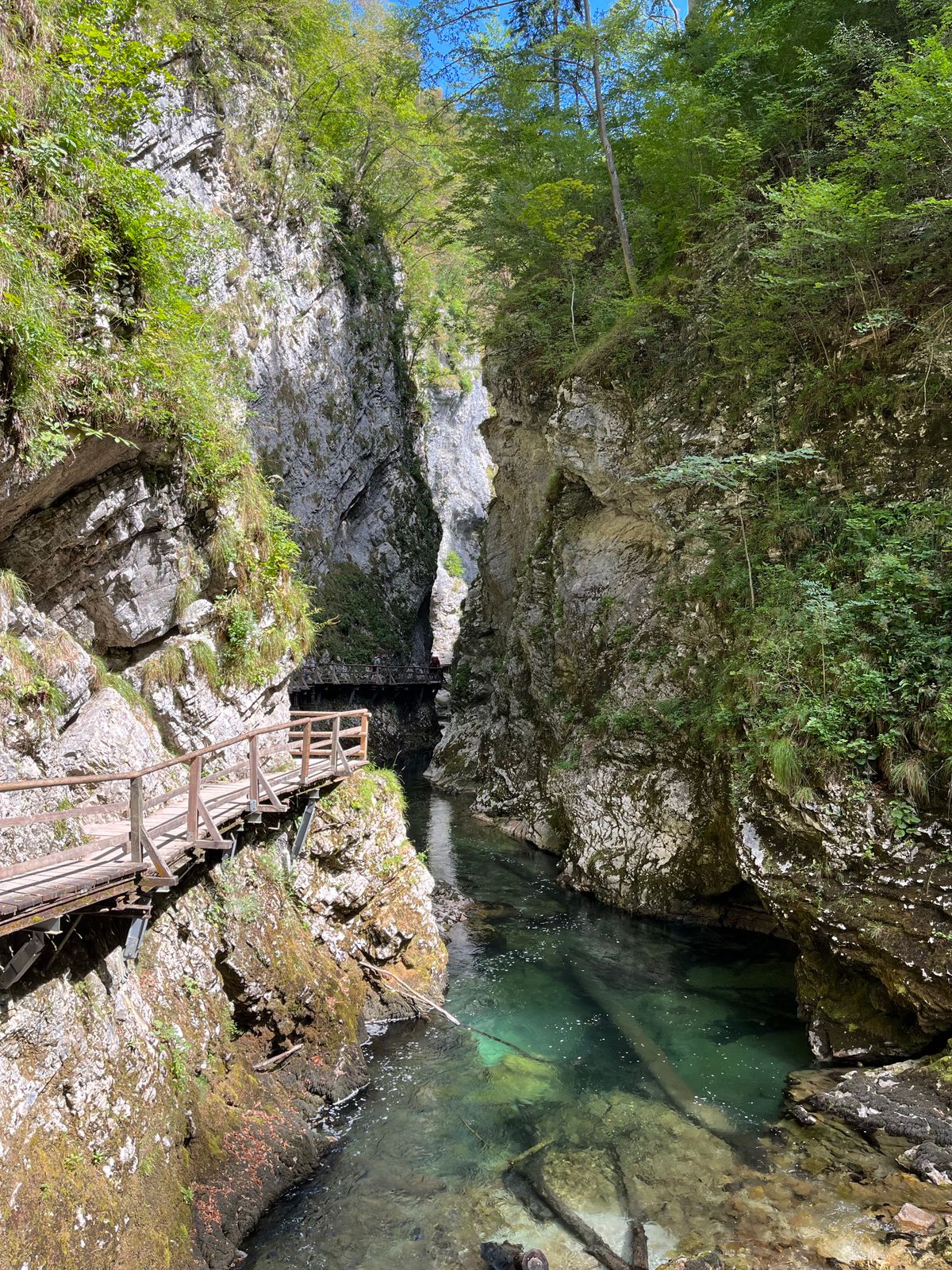
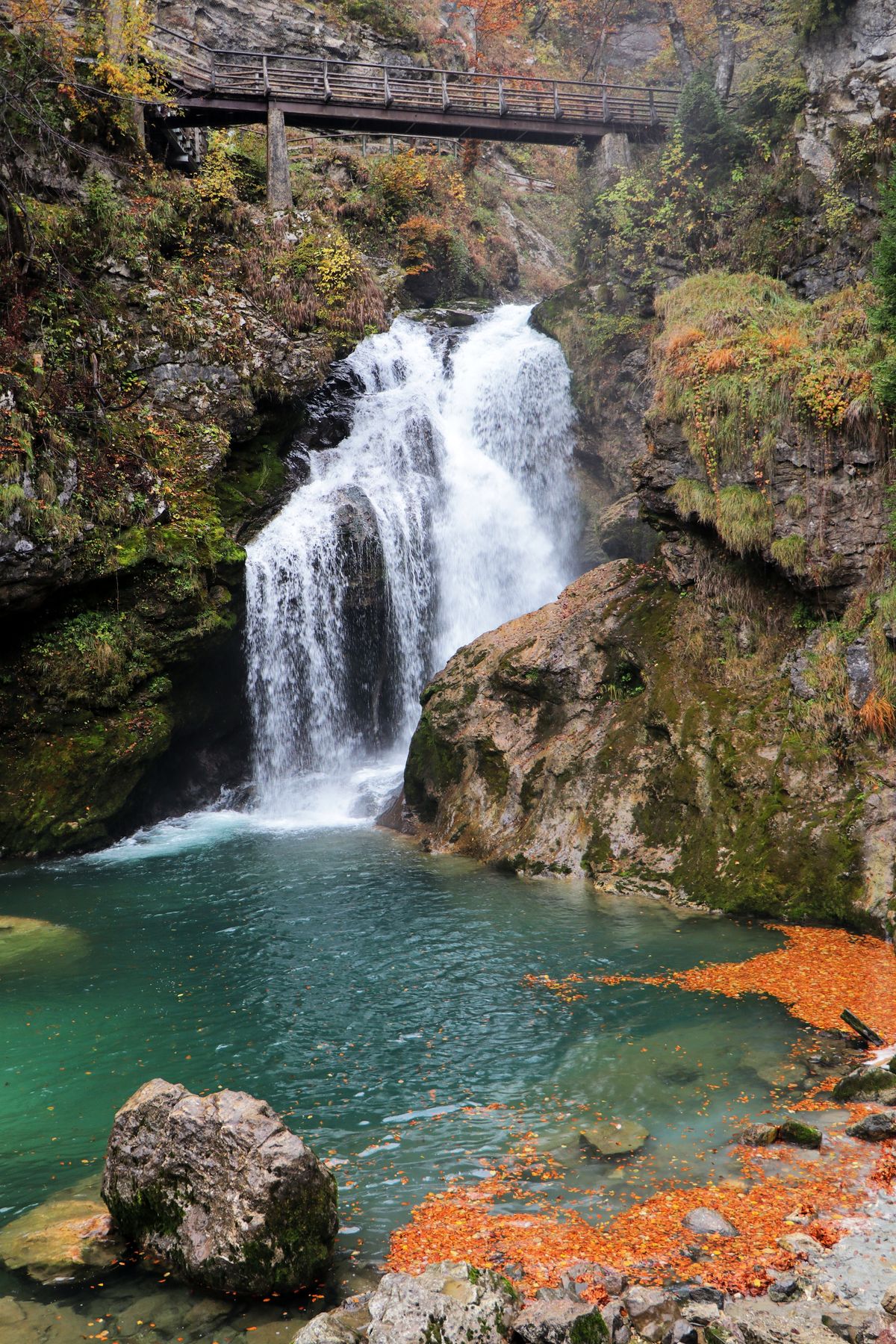
Four kilometres from Bled is the Vintgar gorge, one of the finest short walks in Slovenia. The Radovna river has cut a narrow canyon through the rock, and the route runs on wooden walkways bolted to the walls, directly above the water.
The trail is about one point six kilometres one way and takes an hour, with no difficulty but a lot of short flights of steps. At the far end is the Sum waterfall, the highest river waterfall in the country.
Booking is now mandatory with a timed entry slot, and turning up without one in summer means not getting in. This is the single most common mistake visitors make in the area.
Bohinj, Savica and the Vogel cable car
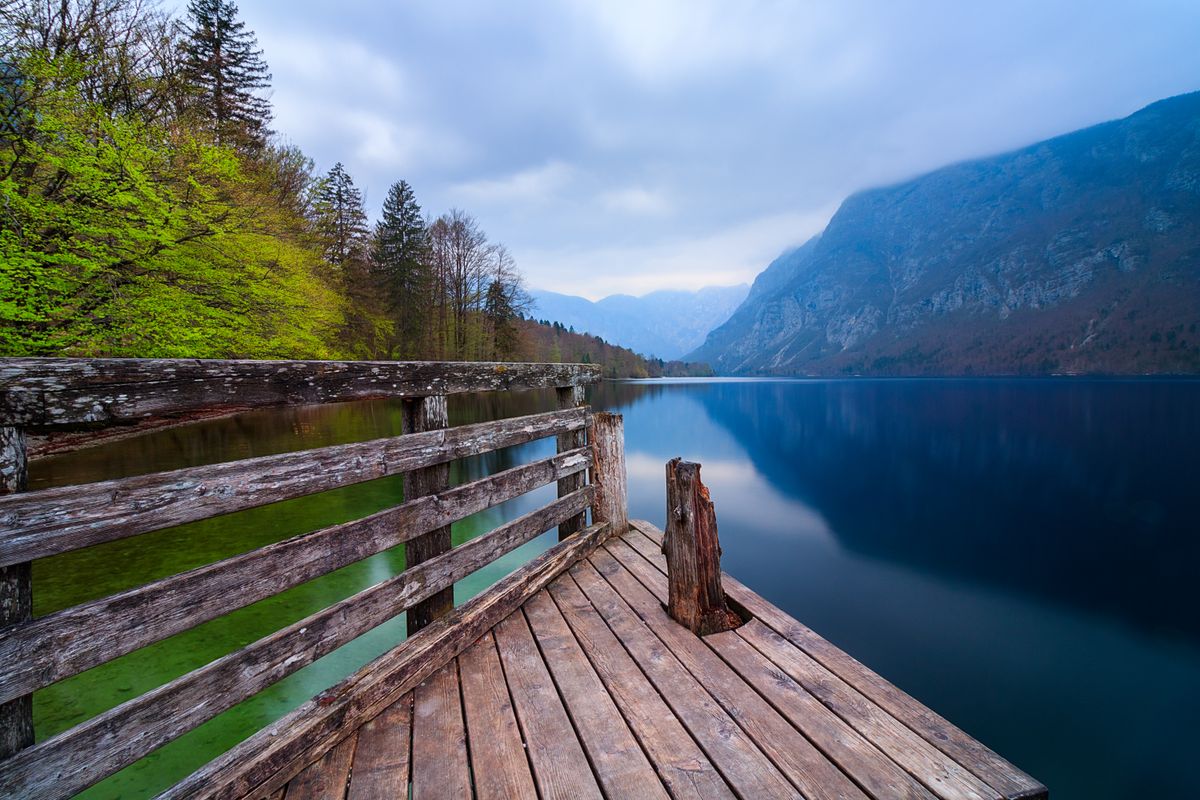
Twenty-six kilometres west, the landscape changes completely. Bohinj is bigger, colder, wilder and entirely free of development, because the national park forbids it.
At the western end of the lake, a made path climbs to the Savica waterfall, one of the best known in Slovenia, where the water bursts out of the rock face in an A shape. It is about five hundred steps up, and the falls are the symbolic source of the Sava river.
The other major attraction is the Vogel cable car, which rises in a few minutes from lake level to around fifteen hundred metres. From the top, on a clear day, you see Triglav itself, the highest peak in the country, and in winter the same station serves a ski area.
On the lake, kayaks and paddleboards can be hired, the water is swimmable but noticeably colder than Bled, and the shore path makes a full circuit of about twelve kilometres.
Kremsnita and what else to eat
Bled has its own dessert, which became a national symbol: kremsnita, a square of pastry with a thick layer of vanilla custard and another of cream. It was created at a hotel on the lake in 1953 and the recipe has not changed.
The rest of the local cooking is Alpine, substantial and welcome in cold weather: jota, a soup of sauerkraut, beans and potato; struklji, rolled dumplings with sweet or savoury fillings; buckwheat porridge with mushrooms; and cured meats from the Karst.
Slovenia also makes very good wine that almost nobody outside the country drinks, from three distinct regions. In this area the Alpine whites are the natural pairing, and the local dark beer is better than it needs to be.
A two day itinerary, budget and season
Day one is Bled: sunrise at Ojstrica or Mala Osojnica, breakfast in town, then the pletna to the island, the ninety-nine steps and the wishing bell. Afternoon at the castle, evening on the six kilometre lake walk.
Day two is Vintgar and Bohinj: the gorge early, with a booked slot for the first time band, then drive to Bohinj for the afternoon, the Vogel cable car and a swim if the weather allows.
| Item | Price |
|---|---|
| Accommodation in a nearby village, per night | 70 – 120 euros |
| Pletna to the island, two people | 36 – 40 euros |
| Bled castle, two tickets | 30 – 36 euros |
| Vintgar gorge, two tickets | 20 – 24 euros |
| Vogel cable car, two returns | 40 – 48 euros |
| Meal for two | 35 – 60 euros |
The best value accommodation is not on the lakeshore but in the surrounding villages, Ribno, Bodesce or Zgornje Gorje, where the same standard costs a third less and the lake is ten minutes away.
If you drive, Slovenia requires an electronic vignette for motorways, bought online or at petrol stations before you enter. Fines for going without are substantial. Official information is on the Bled tourist board and on the national tourism portal.
Frequently asked questions (FAQ)
Conclusion
Bled and Bohinj are half an hour apart and offer two different holidays. The first gives you the perfect image and the crowds that come with it; the second gives you a national park lake with nothing built on its shore.
The formula that works: sleep in a village rather than on the shore, climb to the viewpoint before sunrise, book Vintgar in advance, and give Bohinj a full afternoon rather than an hour.
