
 By

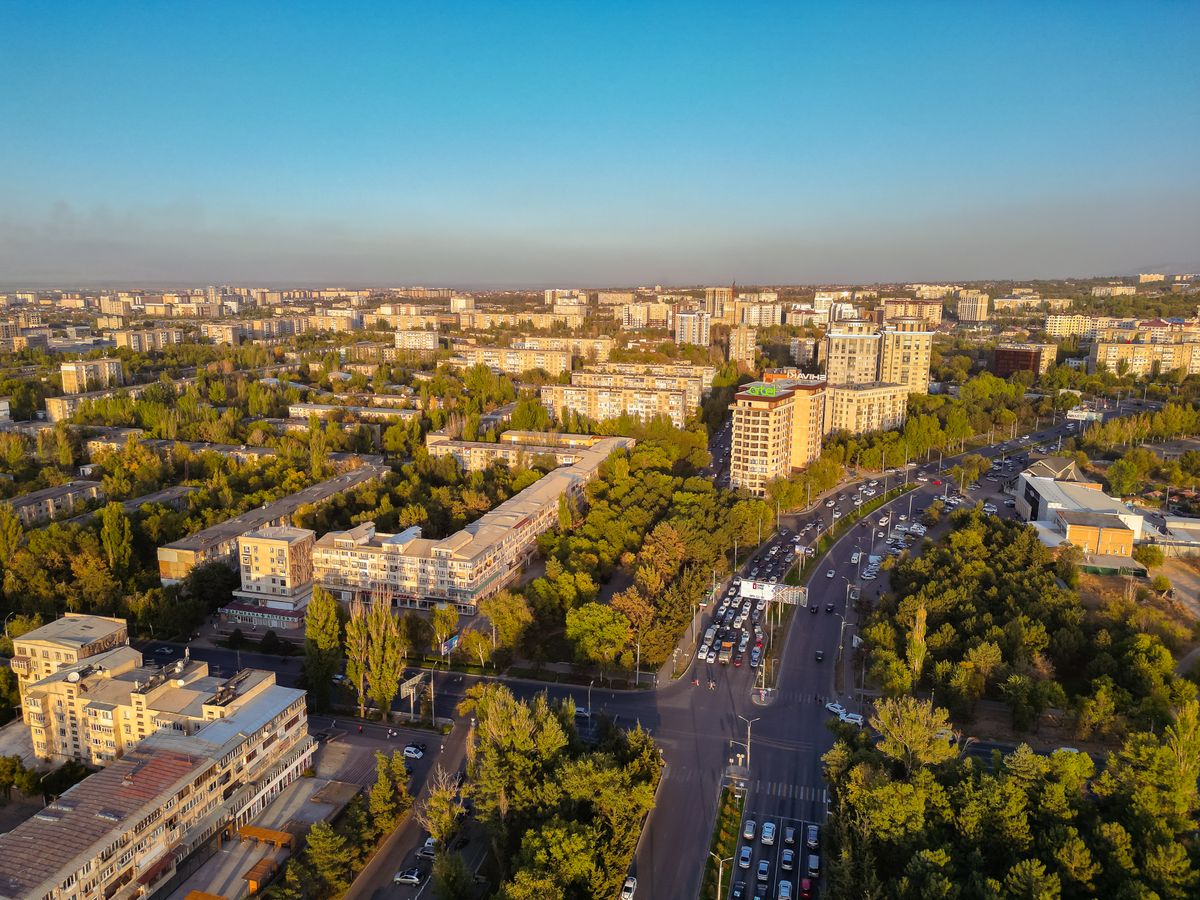
Chisinau is one of the cheapest capitals in Europe and one of the least visited. It has no old town, because the old town was destroyed, but it has parks on the scale of a small city, a Soviet architecture nobody has got around to hiding, and a food scene that is far better than the guidebooks suggest.
What to see in two days, what happened to the city, where to eat, what it costs and how to get there.
Why Chisinau looks the way it does
The city was hit three times in a single decade: a severe earthquake in 1940, the bombing and fighting of the Second World War, and the demolitions of the years immediately after. Very little of the old fabric survived.
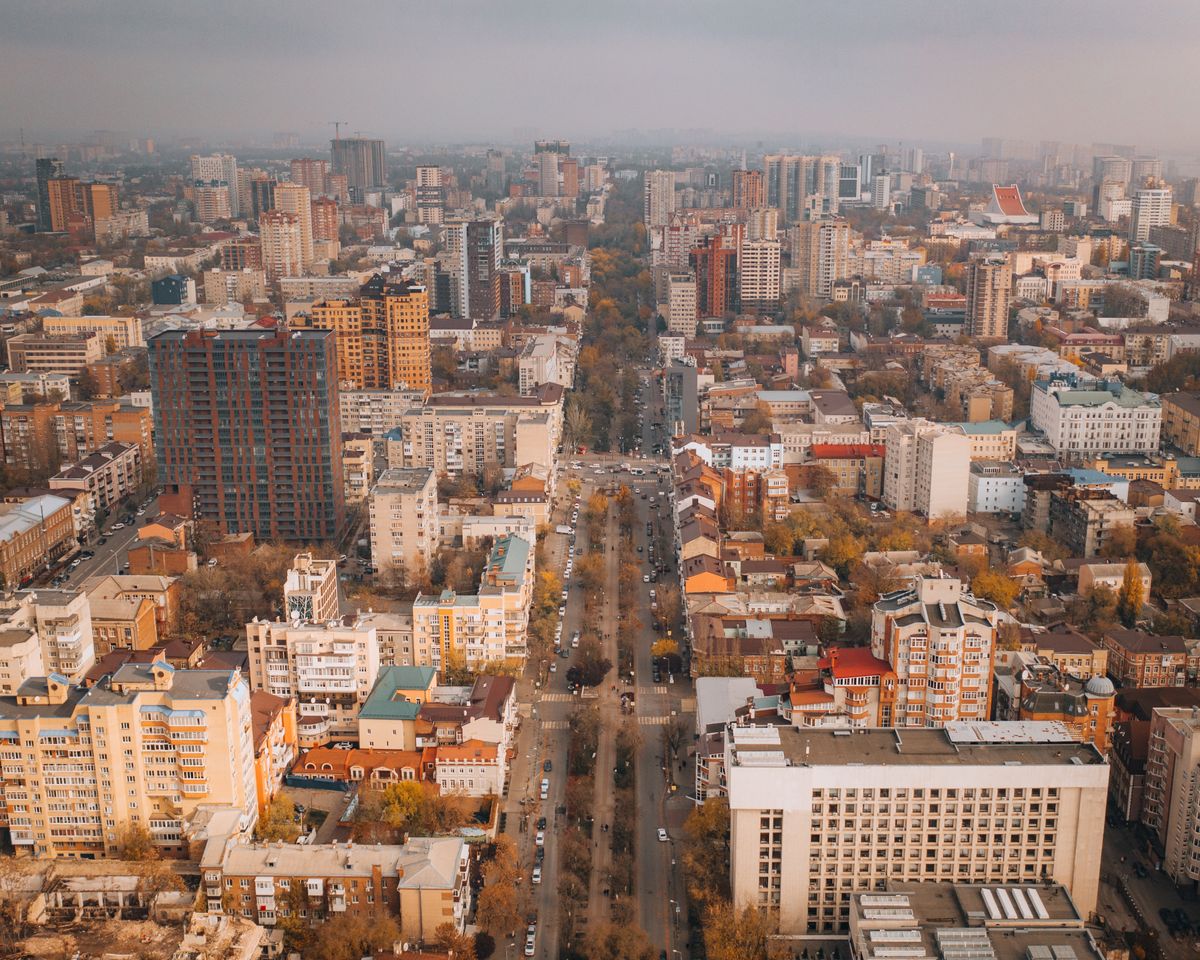
Postwar reconstruction followed a master plan signed by Alexey Shchusev, an architect born in this city and the designer of Lenin mausoleum in Moscow. That is where the wide boulevards, the lines of trees and the heavy public buildings in the centre come from.
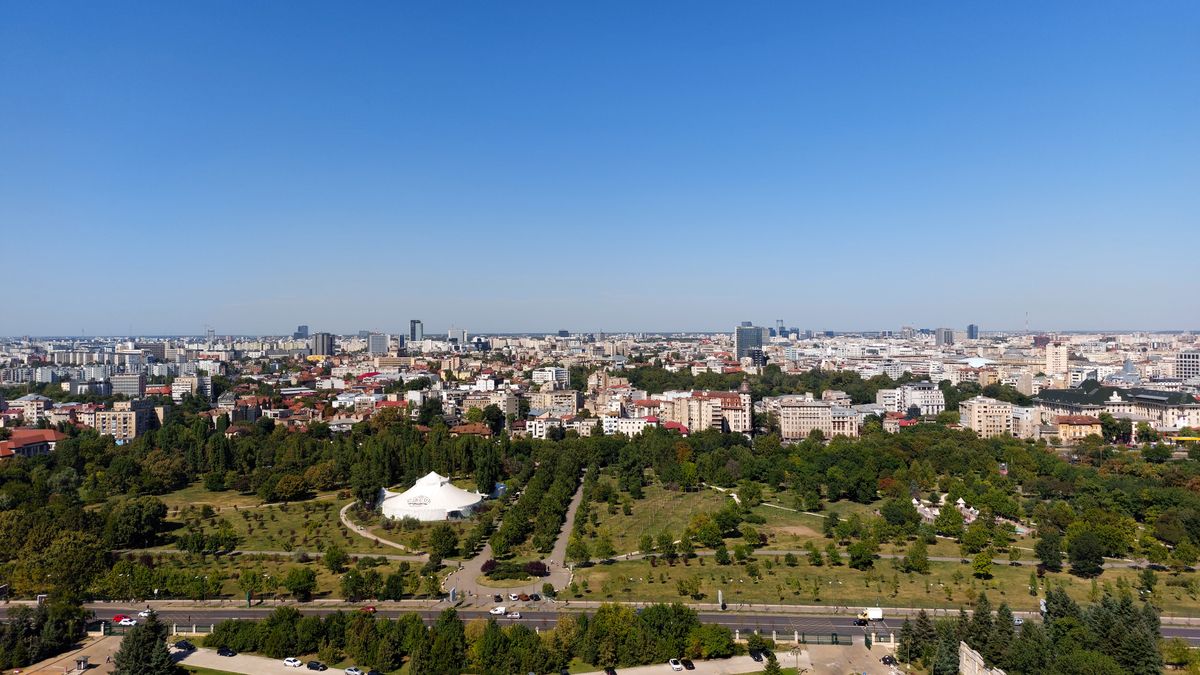
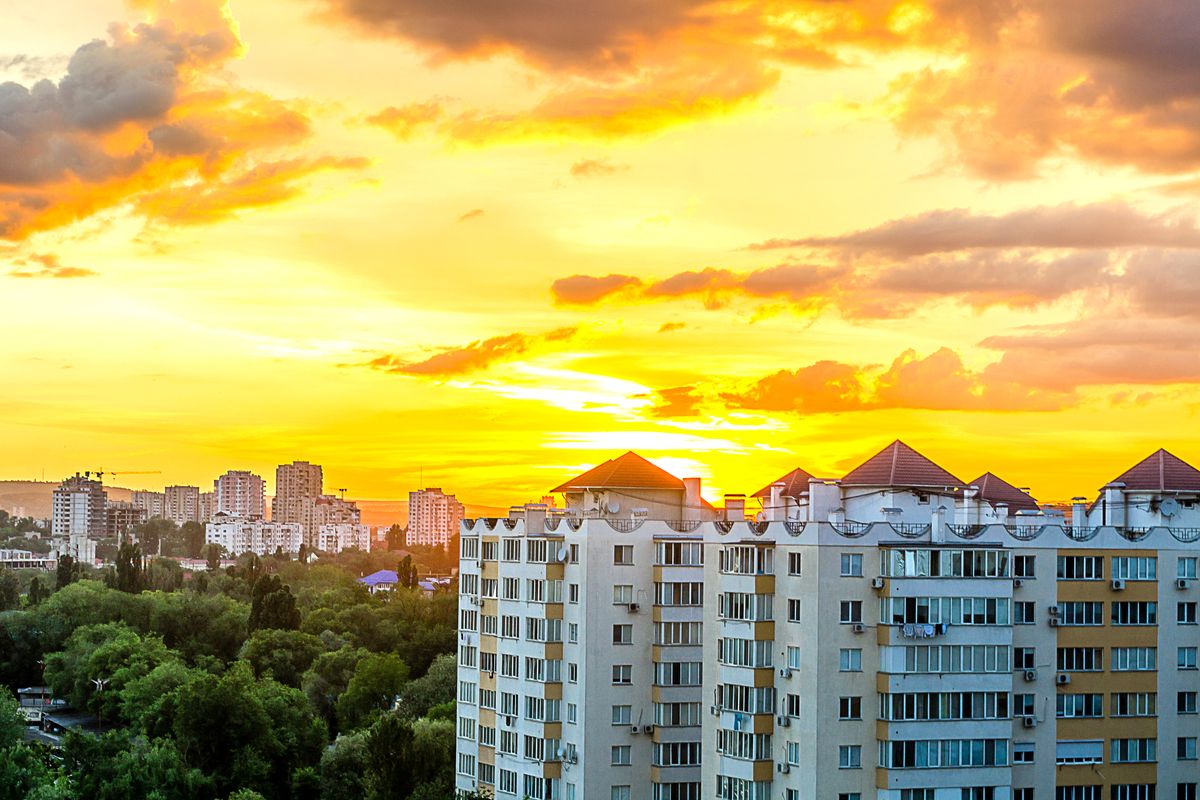
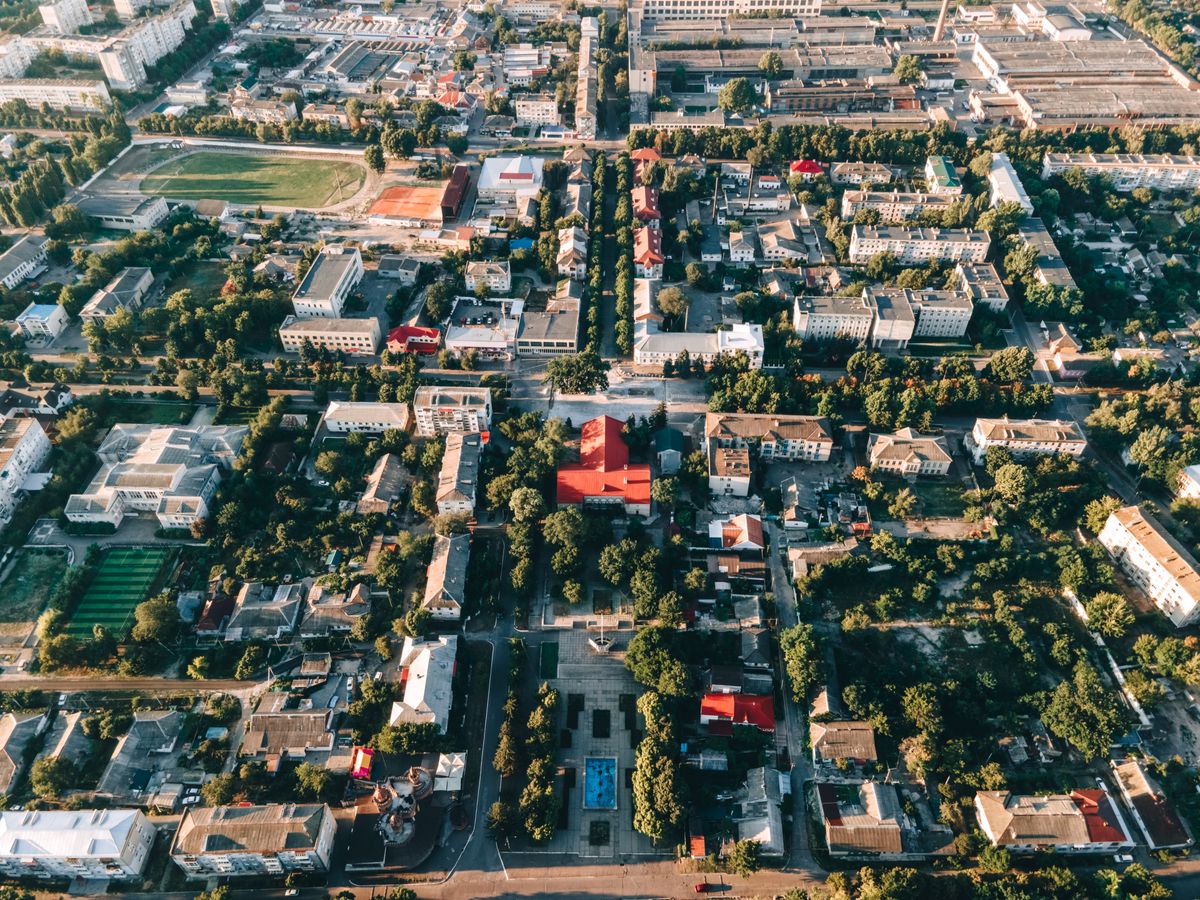
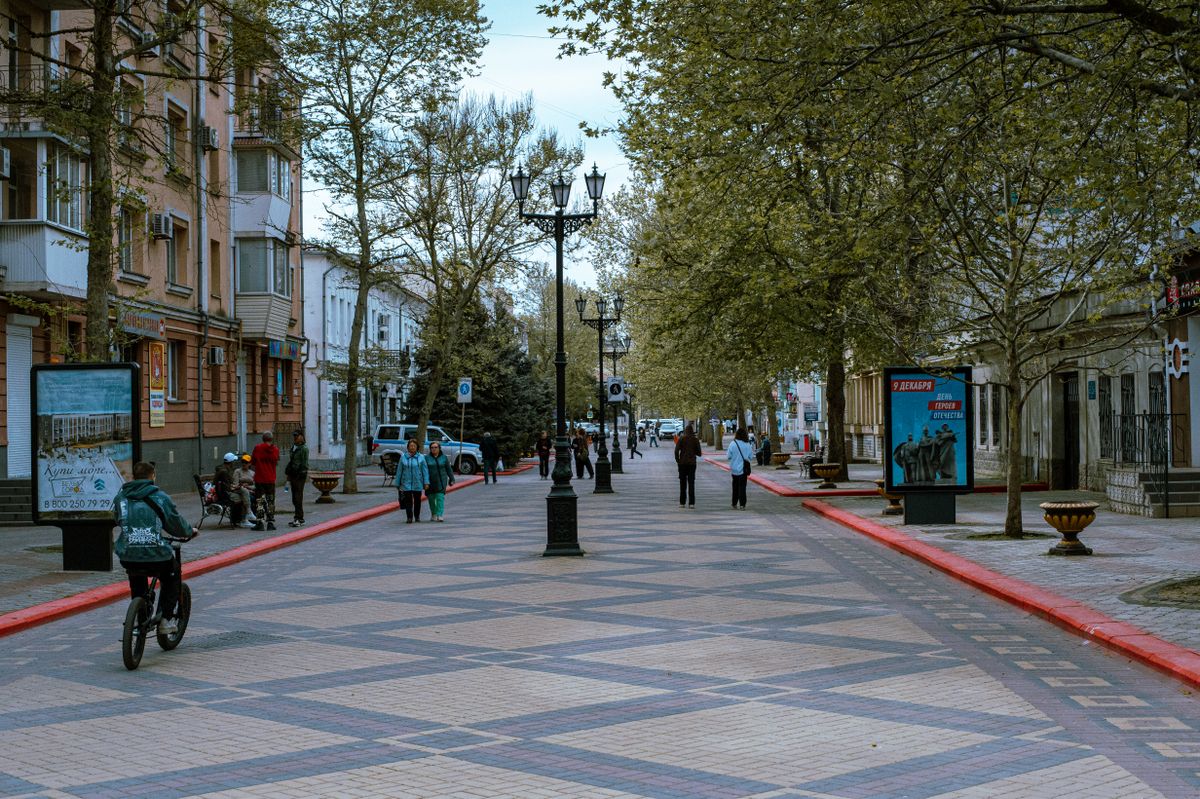
The result is a city with no compact historic core but with a coherence of its own. It walks very well, distances in the centre are short and greenery is everywhere. Chisinau counts among the greenest capitals in Europe, and you notice that within minutes.
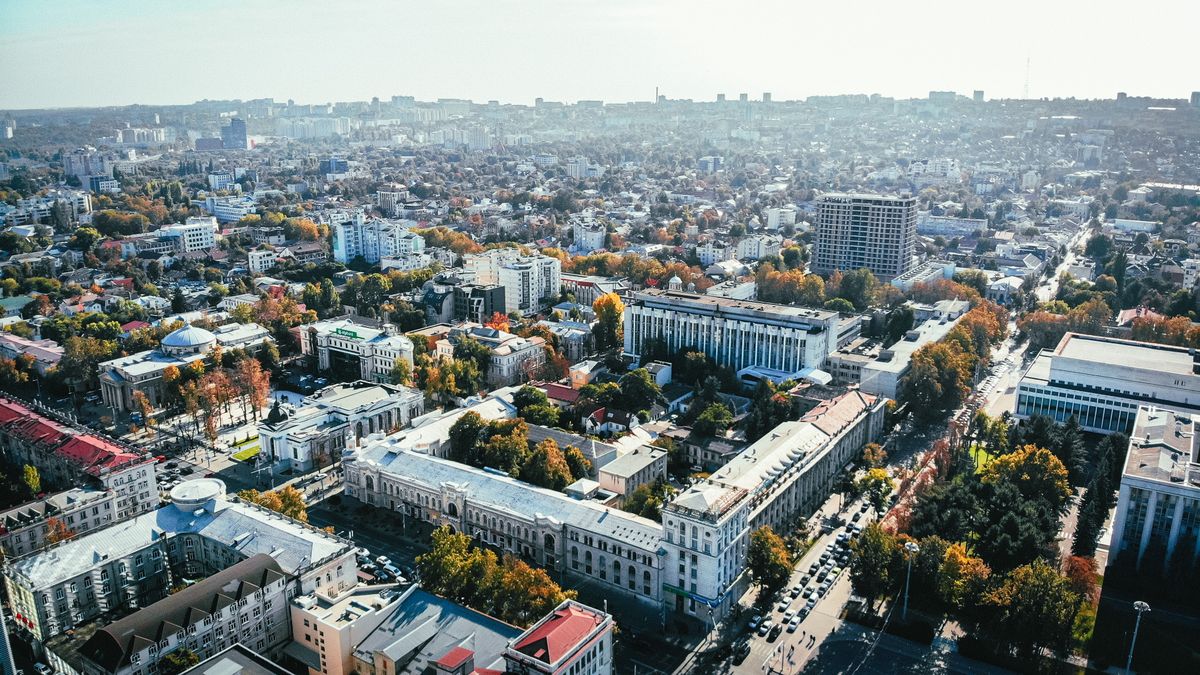
Day one: the centre, the parks and the boulevard
Almost everything that matters lines up on and around Stefan cel Mare boulevard, the main axis of the city. An unhurried day on foot covers this half.
- The Triumphal Arch, raised in 1840, the most photographed landmark in the city.
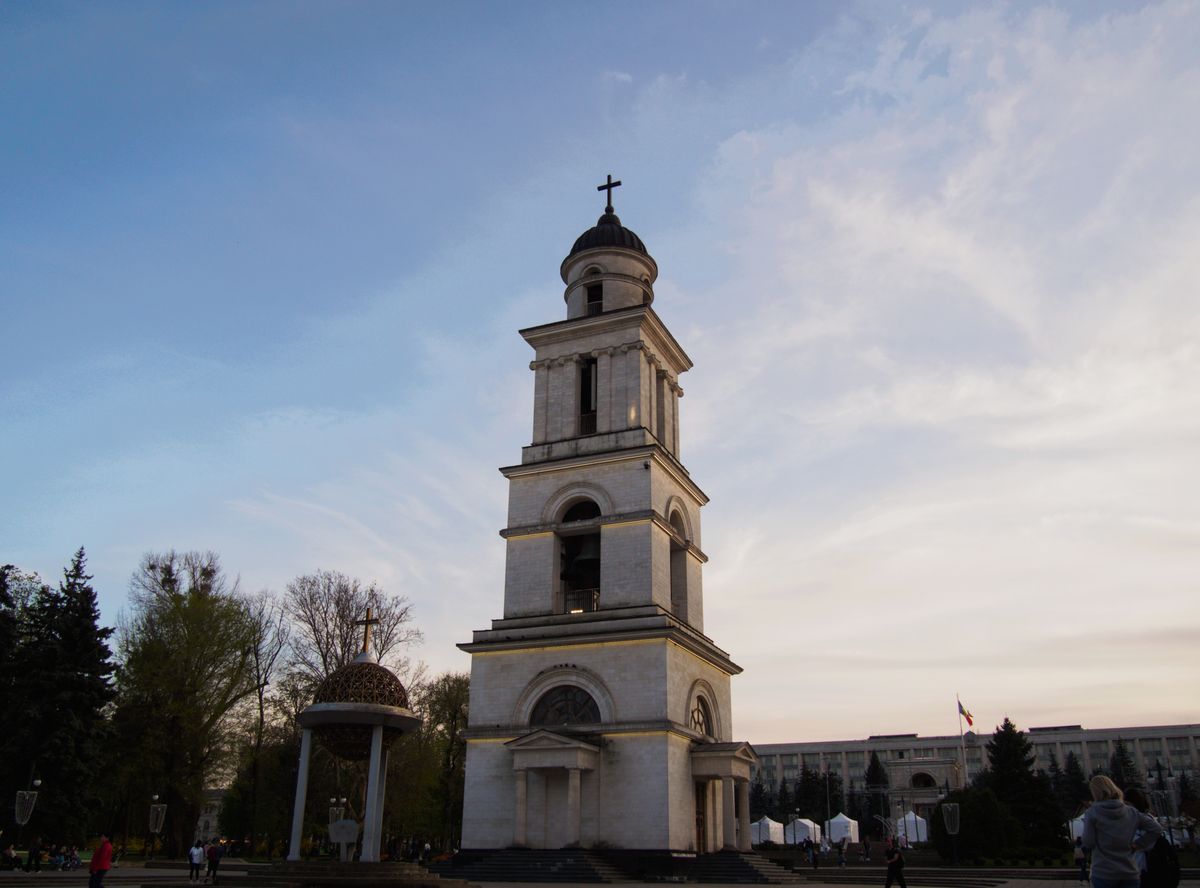
- The Nativity Cathedral and the park around it, with the bell tower rebuilt in 1997 after being demolished in 1962.
- The Stefan cel Mare public garden, the oldest park in the city, with the Alley of Classics and its busts of writers.
- The monument to Stefan cel Mare at the park entrance, the symbolic reference point of the city.
- The Government House and the Parliament building, official late Soviet architecture.
- Great National Assembly Square, where the city has gathered at its important moments.
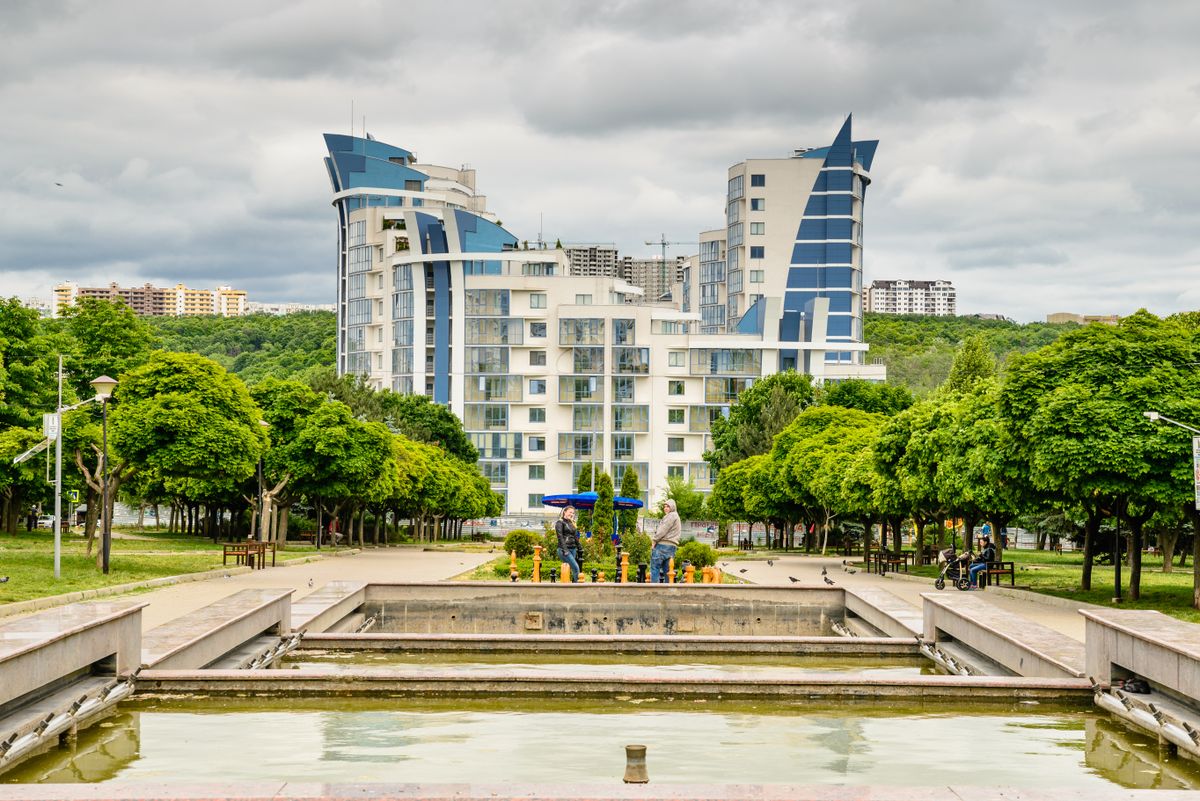
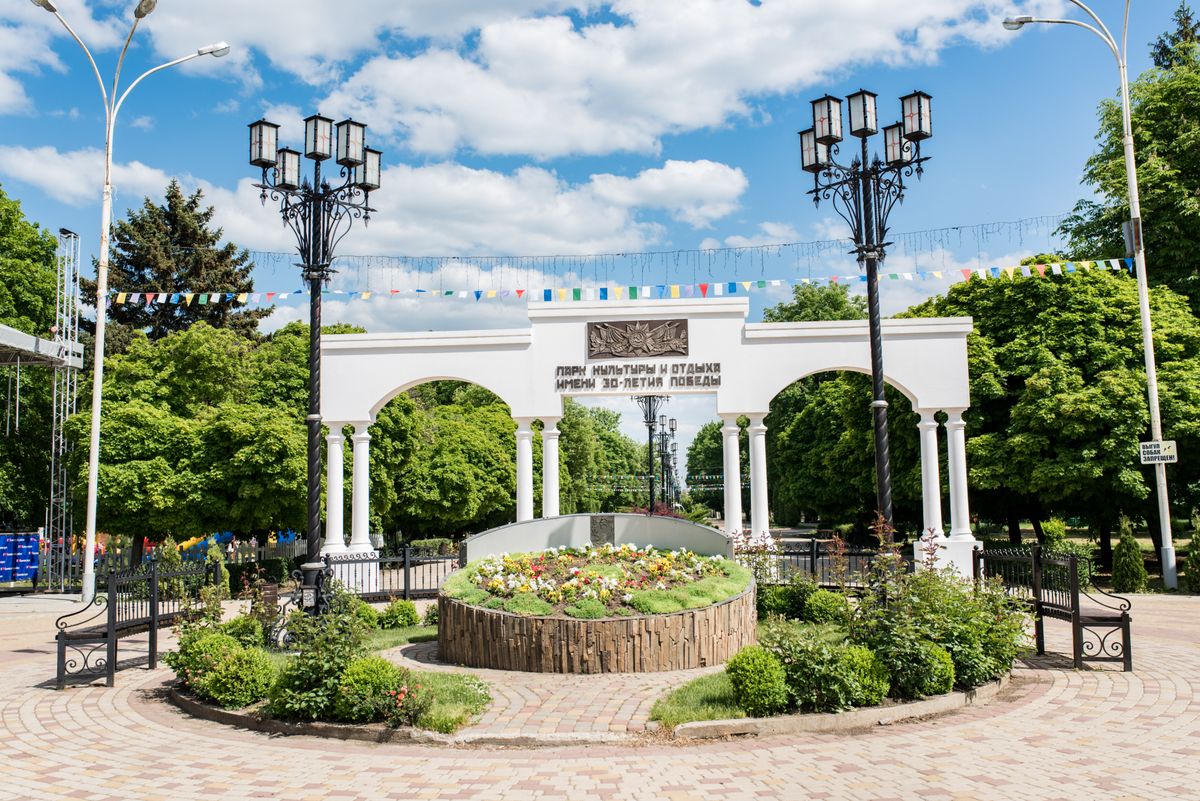
The afternoon is better spent in the parks. Valea Morilor has a lake and a monumental stairway, while Valea Trandafirilor is wilder and less manicured. Both fill with locals after work, which makes them more interesting than the sights themselves.
Trolleybuses and buses charge a few lei, and taxi apps are very cheap by Western European standards. There is no point renting a car if you are staying in the city. Keep cash in Moldovan lei for transport and the market.
Day two: museums, Soviet legacy and the market
The second day splits well between two good museums and a walk among the buildings that the standard guides skip.
- The National Museum of History of Moldova, with the Roman she-wolf outside and a solid section on the twentieth century.
- The National Museum of Ethnography and Natural History, housed in a Moorish revival building and known for the deinothere skeleton found in the nineteen sixties.
- The Chisinau circus, a Brutalist building of the nineteen eighties, abandoned and striking even from a distance.
- The former National hotel, another empty Brutalist landmark in the middle of the centre.
- The Eternity memorial, the ensemble dedicated to the Second World War.
- The Central Market, the halls and stalls where cheese, grape must and vegetables sell at real market prices.
The city also carries a heavy Jewish history, worth knowing before you walk around it. Before the Second World War a substantial share of the population was Jewish, and the pogrom of 1903 drew international attention. The Jewish cemetery survives, along with the memorial to the victims of the ghetto.

Where to eat and what to drink
Food is the strongest argument the city has and by some distance the cheapest. The cooking is close to Romanian Moldavian cuisine, with accents of its own.
- Placinte, savoury pies filled with cheese, cabbage, potato or sour cherries, bought from stalls or local chains.
- Zeama, chicken soup with homemade noodles and lovage, soured with bran broth.
- Mamaliga, polenta with sheep cheese, sour cream and pork crackling.
- Stuffed vine leaves and chicken stew.
- Grape must in autumn, and cellar wine by the glass the rest of the year.
- Wine bars in the centre, with good selections from small producers at prices that no longer exist further west.
| Item | Price |
|---|---|
| Full meal, good restaurant | 10 to 15 euros |
| Placinta from a stall | under 1 euro |
| Glass of good wine | 2 to 4 euros |
| Trolleybus ticket | a few Moldovan lei |
| Decent hotel in the centre | from about 30 euros |
| Taxi across town | around 2 euros |
Getting there and what to know
Moldova is outside the European Union, so documents are checked at the border. Many nationalities enter visa free for short stays, but check your own rules. The currency is the Moldovan leu, easily changed in the centre, and cards work in most places in the capital. For the market and transport you need cash.
| Option | Detail |
|---|---|
| By car from Iasi, Romania | approximately 2 hours 30 minutes |
| By car from Bucharest | around 8 hours |
| By air | Chisinau international airport, 13 km from the centre |
| By coach | daily services from the larger Romanian cities |
| By train | slow connections, the least practical option |
| Border crossings | Sculeni, Albita, Leuseni |
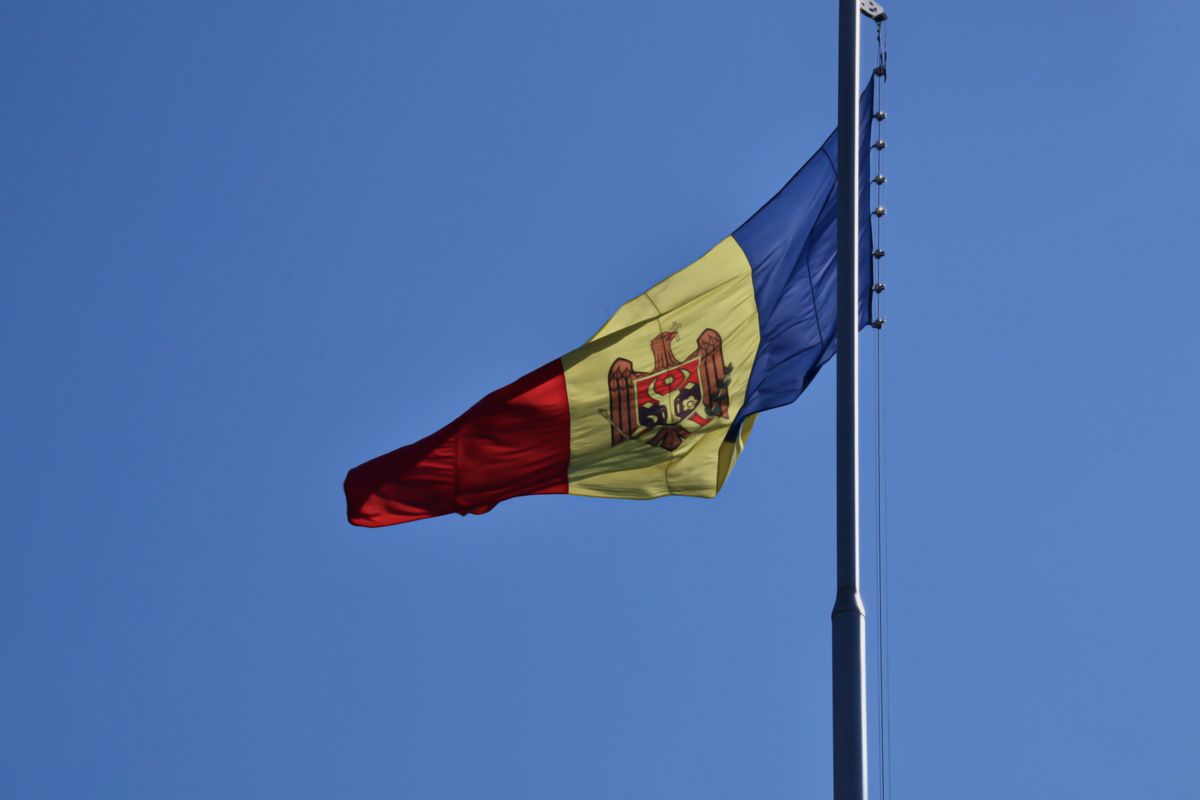
The official language is Romanian. Russian is widely spoken, especially by older generations, and English is common enough among younger people in the centre. Official information on formalities and events is on the moldova.travel portal.
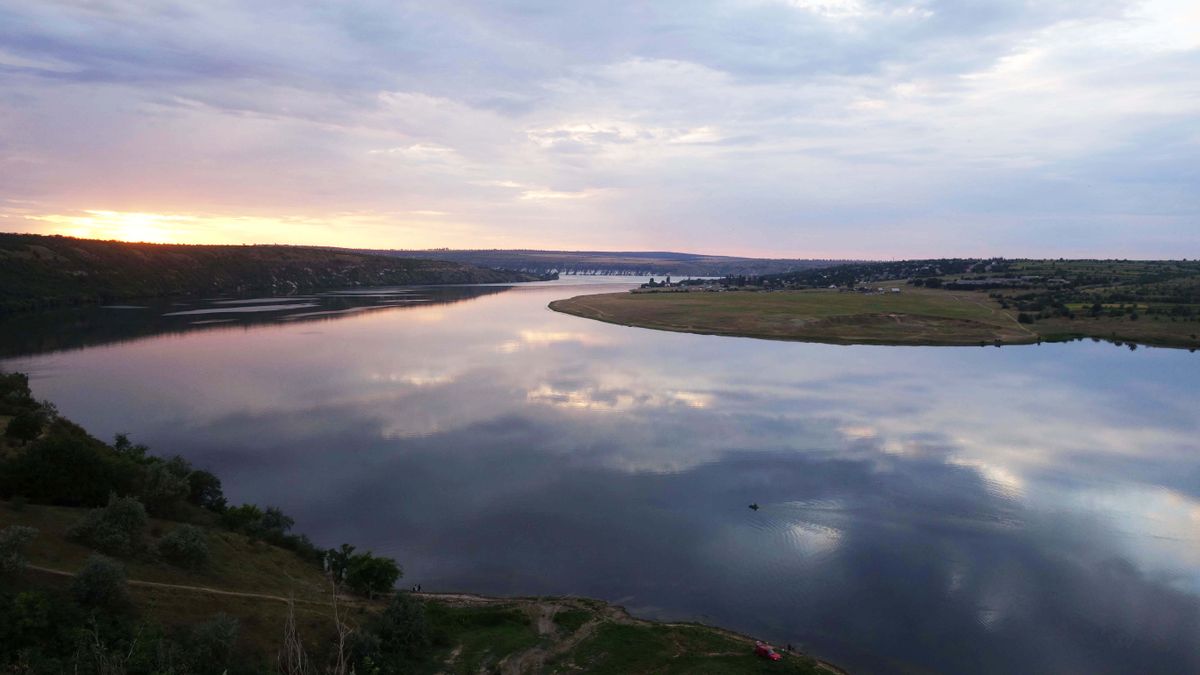
Chisinau works well in two days, but the city is also the logical base for the rest of the country. A third day covers either the underground cellars or Orheiul Vechi. With four days you do both without rushing. For wine, the best moment is the first weekend of October, at the national wine celebration.
Frequently asked questions (FAQ)
Conclusion
Chisinau does not sell itself with old towns and postcard views, because it does not have them. It sells itself with parks, very good food at low prices, an architecture you either love or photograph, and the odd sensation of being abroad and at home at once.
Two days in the city, one at the cellars or at Orheiul Vechi, and you have one of the best short breaks in this part of Europe.
