
 By

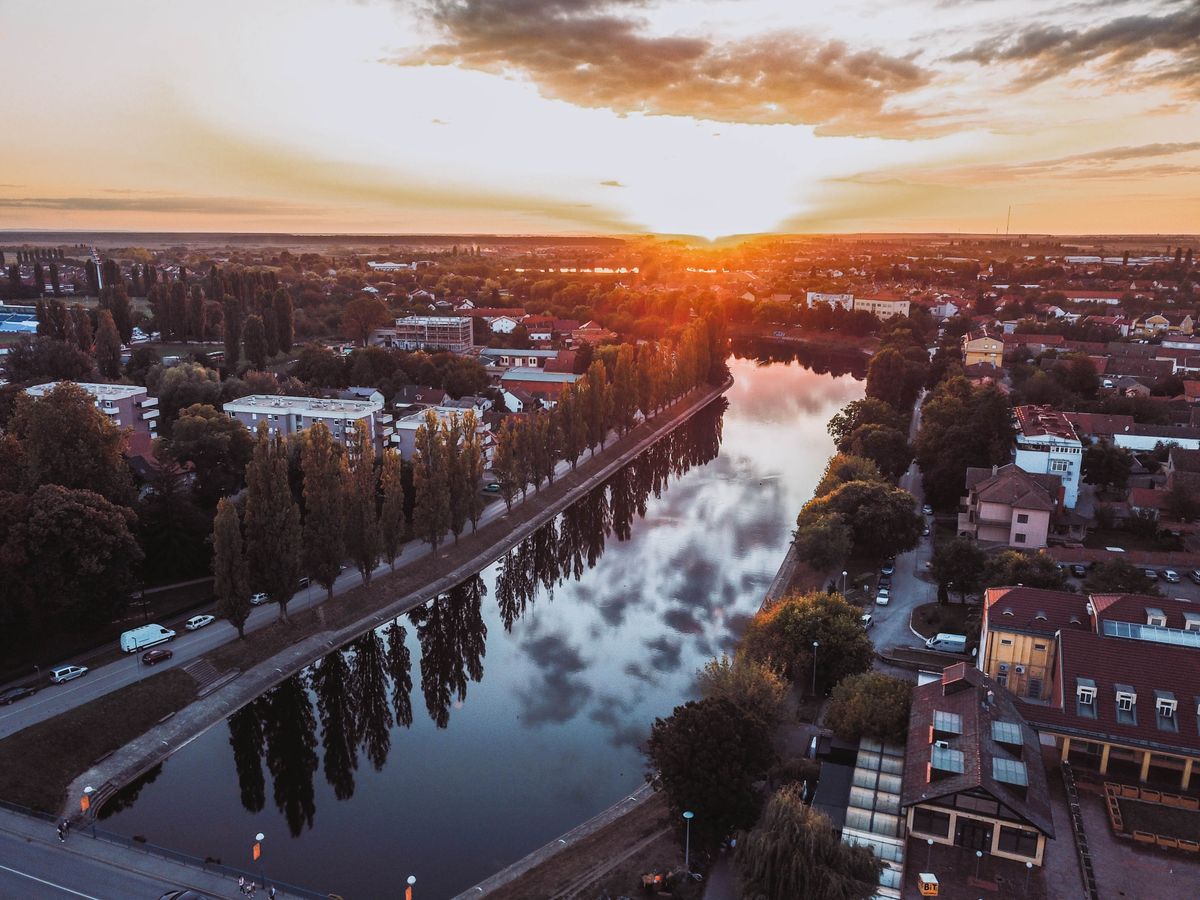
Osijek is the largest city in Slavonia, on the bank of the Drava in the eastern corner of Croatia. It has a Baroque fortress quarter built in one piece at the start of the eighteenth century, one of the best preserved military ensembles of its kind in Europe, a ferry that crosses the river with no engine, and a tram running since 1884. It is the part of Croatia nobody reaches, because everybody heads for the coast.
What Tvrđa is, what to see in the city, what to eat in Slavonia and what to combine the visit with.
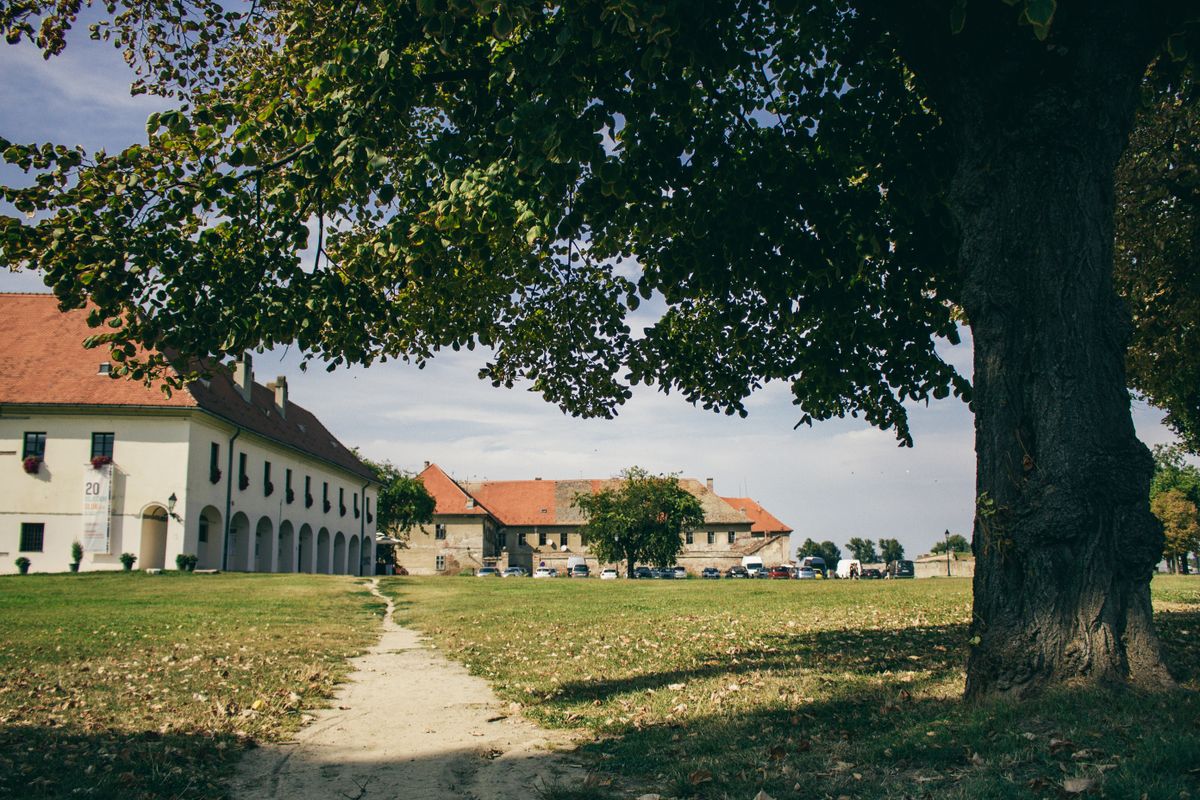
Tvrđa, the Baroque fortress of Osijek
After the Ottomans were driven out of the region, the Austrians built a complete fortress on the Drava between 1712 and 1721, with bastions, barracks, a central square and administrative buildings, all Baroque and all raised at once to a single plan.
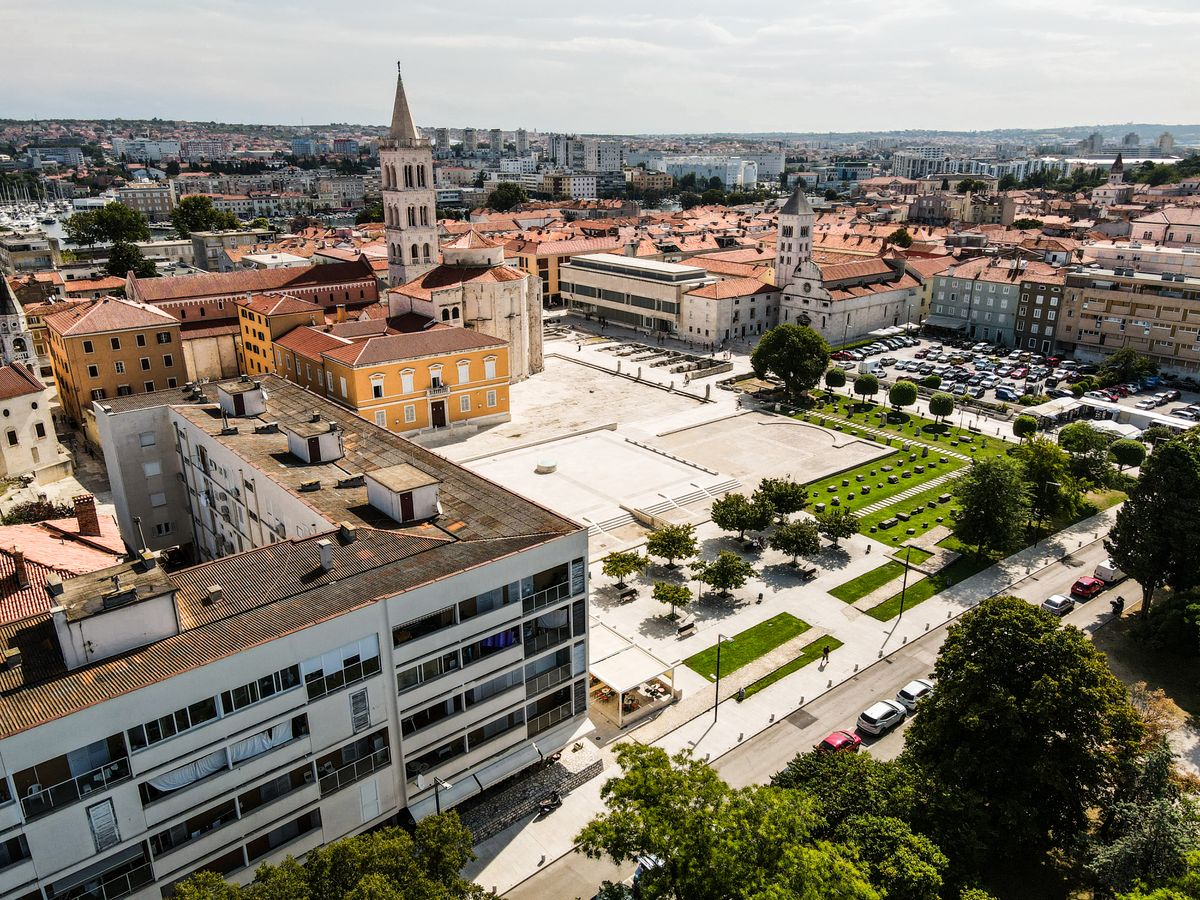
The result is unusual: an entire eighteenth century quarter with stylistic unity, neither demolished nor rebuilt piecemeal. The outer fortifications were largely dismantled in the nineteenth century, but the interior survived.
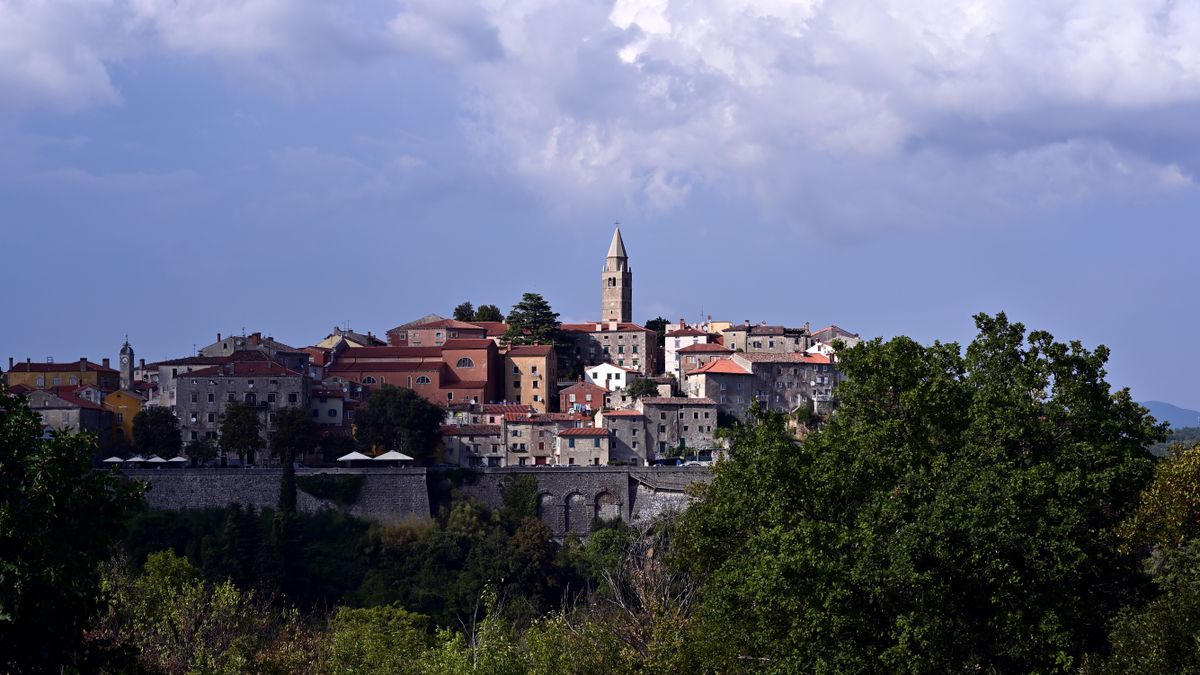
At its centre stands Holy Trinity Square, with a plague column raised in 1729 by the widow of a fortress commander in thanks for the end of the epidemic. Today the buildings house university faculties and a heavy concentration of bars, which fills the quarter in the evenings during term.
What else to see in the city
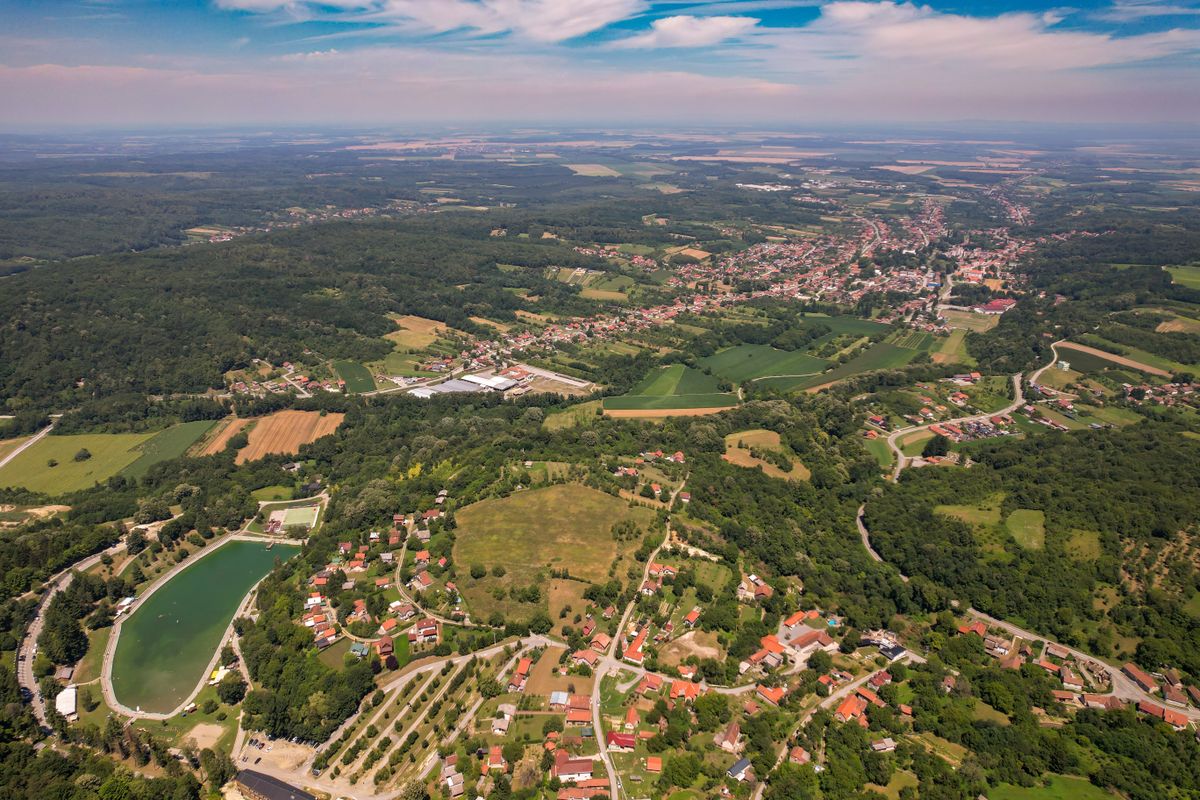
The city stretches lengthways along the Drava, and the modern centre is separated from the fortress by a park. You walk between them in twenty minutes.
- The co-cathedral of Saints Peter and Paul, neo-Gothic, from 1898, with a ninety metre tower. It is the second tallest building in Croatia after Zagreb cathedral.
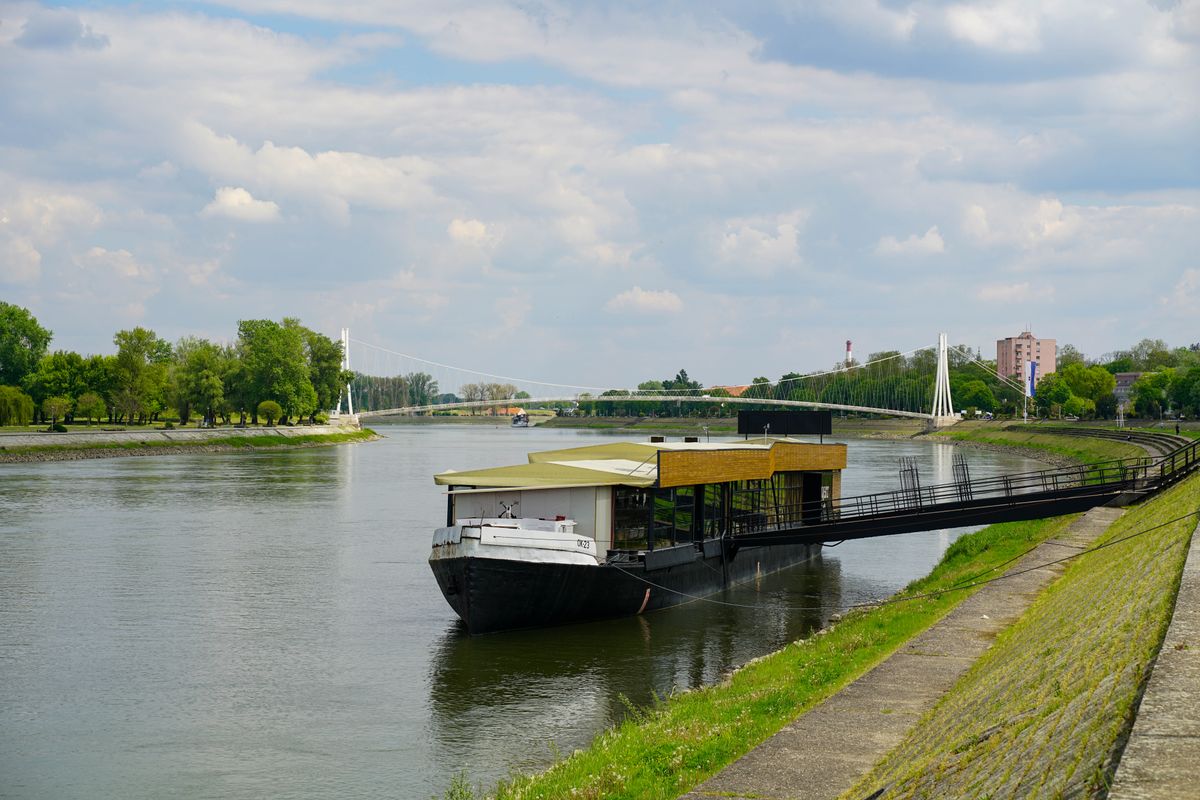
- The pedestrian suspension bridge over the Drava, from 1981, linking the city to the Baranja bank.
- The riverside promenade, about five kilometres, heavily used by residents.
- The tram: one of the smallest networks in Europe, running since 1884.
- The Museum of Slavonia, in the magistrate building inside the fortress.
- The Museum of Fine Arts, with a good collection of Croatian painting.
The most unusual thing in the city is called a kompa. It is a ferry tethered by cable to a fixed point upstream, which crosses the Drava using only the pressure of the current against its hull, by changing the angle. It has no engine and needs no power. It links the city with the Baranja bank, costs very little, runs in the warm season and takes a few minutes. It is the best example of simple engineering you can see on a day visit.
What is visible of the recent history
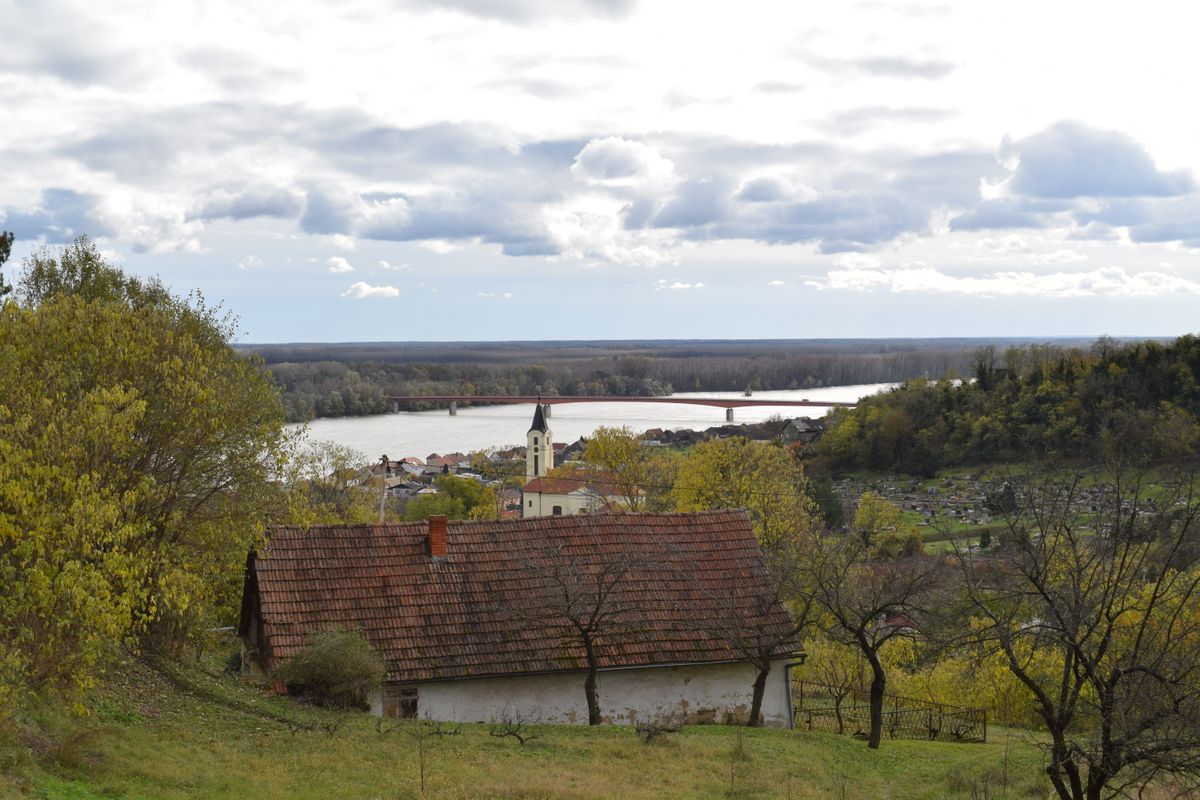
Osijek was heavily shelled in 1991 and 1992 during the war in Croatia. The city held, unlike Vukovar forty kilometres away, which was almost entirely destroyed.
The traces are still visible, discreetly: facades with shrapnel scars left deliberately, memorial plaques on buildings, a military cemetery. This is not a city that displays its trauma, but it does not hide it either.
Vukovar can be visited in half a day, forty kilometres to the south east, for anyone who wants to understand the period. It is a difficult visit and should be made with the respect owed to a place where people still live among those traces.
What to eat in Slavonia
Slavonian cooking is the heartiest in Croatia and bears no resemblance to the coast. It belongs to the plain, with pork, paprika and a kettle over an open fire.
- Kulen: dried pork salami with paprika, with protected designation. Sliced thin and eaten plain.
- Fiš paprikaš: a thick river fish stew cooked in a kettle over open flame. Competitions are held for it.
- Čobanac: a shepherd stew with several kinds of meat, cooked for hours.
- Šokačka salad and homemade cheeses.
- Wines from Baranja and the Đakovo area, above all graševina, the dominant white of continental Croatia.
Prices are visibly lower than on the coast: a full meal costs between twelve and eighteen euros a head, and accommodation in the centre starts at forty euros a night.
What to see nearby
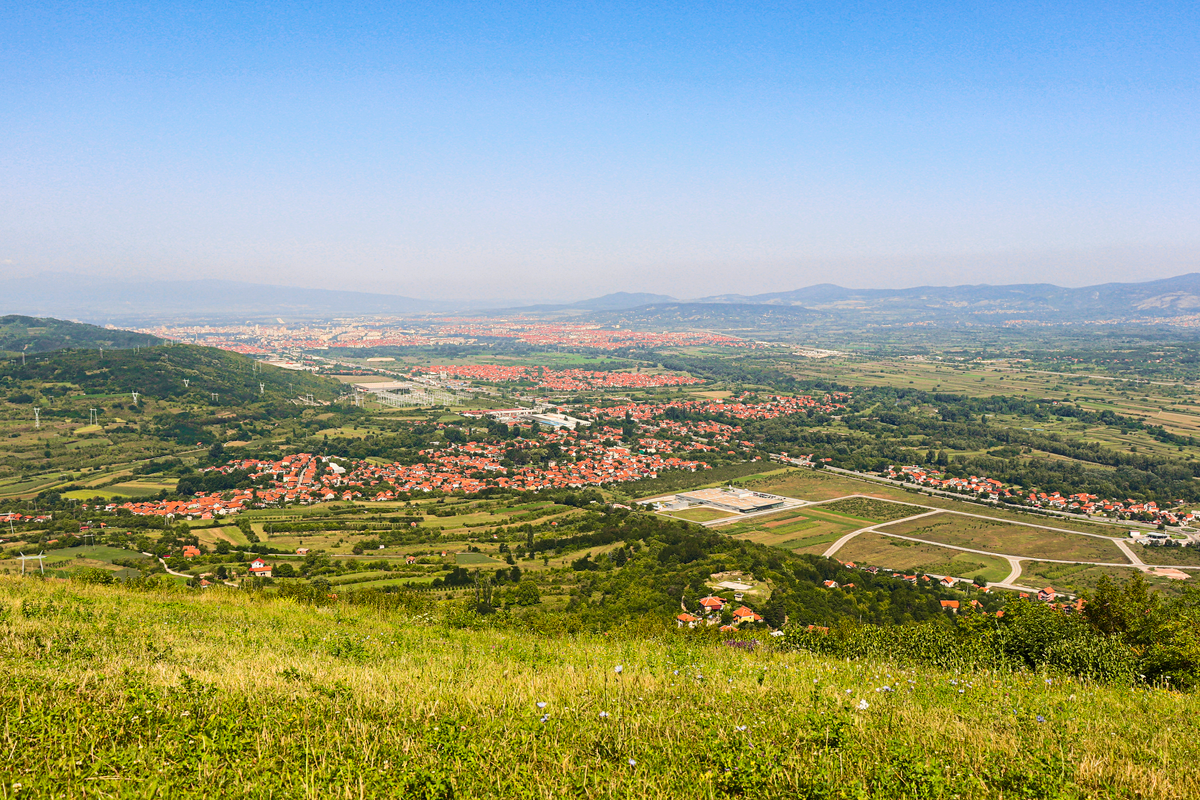
The city works as a base for all of eastern Slavonia and for Baranja, and the distances are short.
- Kopački Rit nature park: the floodplain where the Drava meets the Danube, twenty minutes away.
- Đakovo: forty kilometres away, with an enormous neo-Romanesque cathedral from 1882 and a Lipizzaner stud farm, one of the oldest in Europe.
- The Baranja vineyards on the Bansko Brdo hills, with wineries and cellars dug into loess.
- Vukovar, forty kilometres away, for the recent history.
- Ilok, on the Danube, the easternmost town in Croatia, with a historic winery and a fortress.
Getting there, how long to stay and when to go
| Item | Detail |
|---|---|
| From Zagreb | about 3 hours by car |
| From Budapest | about 3 hours |
| From Belgrade | around 2 hours 30 |
| From Novi Sad | about 2 hours |
| Airport | Osijek, with limited connections |
| Days needed | 2, or 3 to 4 with the region |
| Best months | May to June and September to October |
Summer is very hot on the plain, passing thirty five degrees, and the humidity off the river does not help. Spring and autumn are clearly better, and September catches the harvest in Baranja as well.
Visitor information is published by the city tourist office, and national context by the Croatian national tourist board.
Frequently asked questions (FAQ)
Conclusion
Osijek has an entire Baroque quarter built in one go, a ferry that crosses the river on no power at all, and a cuisine of the plain with nothing in common with postcard Croatia.
Give it two days, cross the Drava on the ferry at least once, eat fiš paprikaš cooked in a kettle, and use it as a base for Kopački Rit and Baranja.
