
 By

Visiting Auschwitz is not an ordinary excursion. It is a journey to one of the darkest places in European history, and it asks something of you in preparation, in behaviour and afterwards. This guide covers the practical side so that the visit itself can be about what it should be.
How to book, how to get there from Krakow, what you will see at each of the two sites, what to bring, how to conduct yourself, and where to go afterwards in Krakow if you want to understand more.
Why the memorial exists
The camp was established by Nazi Germany in 1940 near the Polish town of Oswiecim. It began as a detention site for Polish political prisoners and grew into the largest extermination complex of the Holocaust.
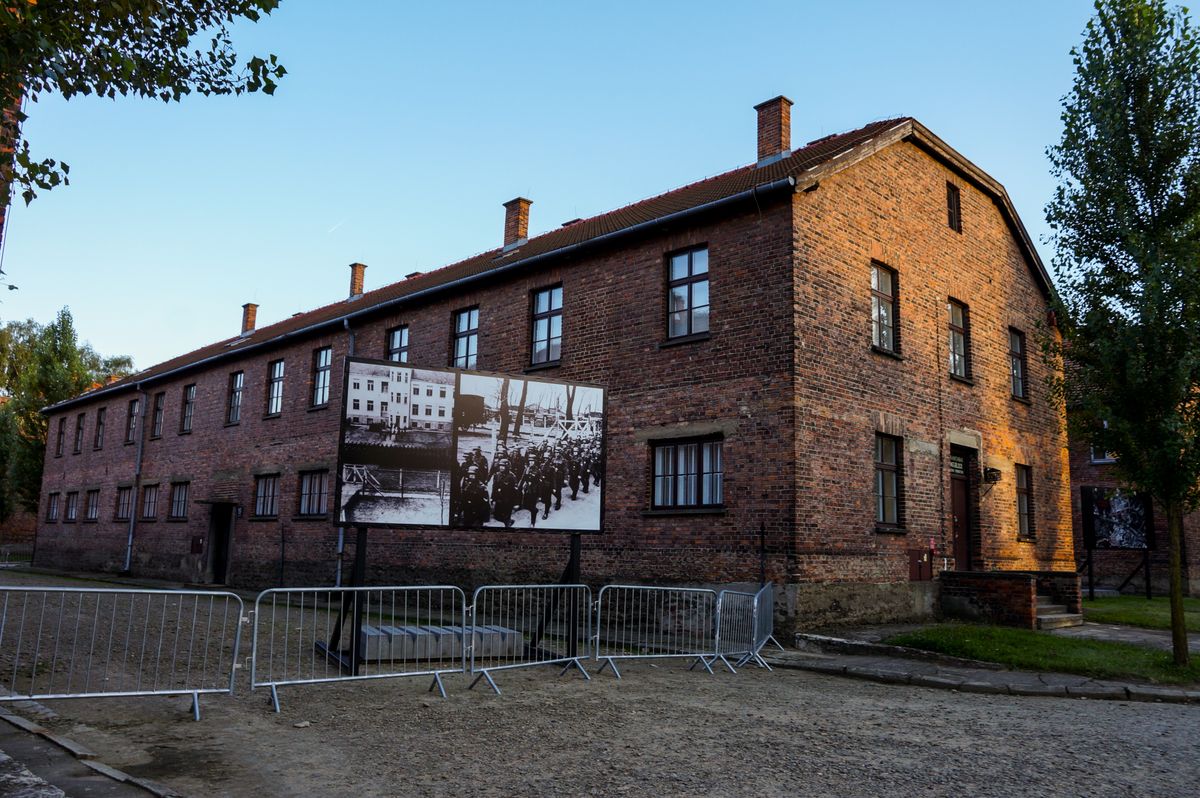
Between 1940 and 1945, Jews, Poles, Roma, Soviet prisoners of war and others were deported here. More than a million people were murdered, the overwhelming majority of them Jewish.
The camp was liberated by the Red Army on 27 January 1945, a date now marked worldwide as International Holocaust Remembrance Day. In 1979 Auschwitz-Birkenau was added to the UNESCO World Heritage list. The memorial exists as a permanent warning.
Getting there and booking tickets
Most visitors come from Krakow, about seventy kilometres away, a journey of an hour and twenty minutes to an hour and forty-five.
| Option | Time | Notes |
|---|---|---|
| Lajkonik bus | about 1 h 40 | hourly between 07:00 and 15:00, stops at the memorial entrance |
| Train to Oswiecim | about 1 h 40 | then a local bus or a short taxi ride |
| Car | about 1 h 20 | paid parking at the site |
| Organised tour | full day | transport and guide included, the simplest option |
The bus is the most practical choice because the stop is directly beside the entrance.
Entry to the memorial grounds is free. A booking is nevertheless compulsory, and the only official platform is the memorial reservation site. There are two main options.
- Without an educator, free: you explore on your own, but only in certain time slots, usually in the afternoon. Free tickets are released only a few days in advance.
- With an educator, an authorised guide: around 85 to 100 PLN, roughly 20 to 25 EUR, lasting three to three and a half hours. Book at least a month ahead, particularly between May and September.
Plan a minimum of three to four hours for both sites. The standard guided tour runs three and a half. Visiting independently, allow at least an hour for Auschwitz I and an hour for Birkenau. A free shuttle bus runs between the two every few minutes.
What you see at Auschwitz Birkenau
The visit normally starts at the main camp. The first thing you see is the gate with its inscription, and beyond it rows of red brick blocks connected by paved paths. The orderly appearance is painfully at odds with what happened here.
Several blocks house permanent exhibitions documenting the crimes: personal belongings taken from the victims, documents, photographs and the records of the camp itself.
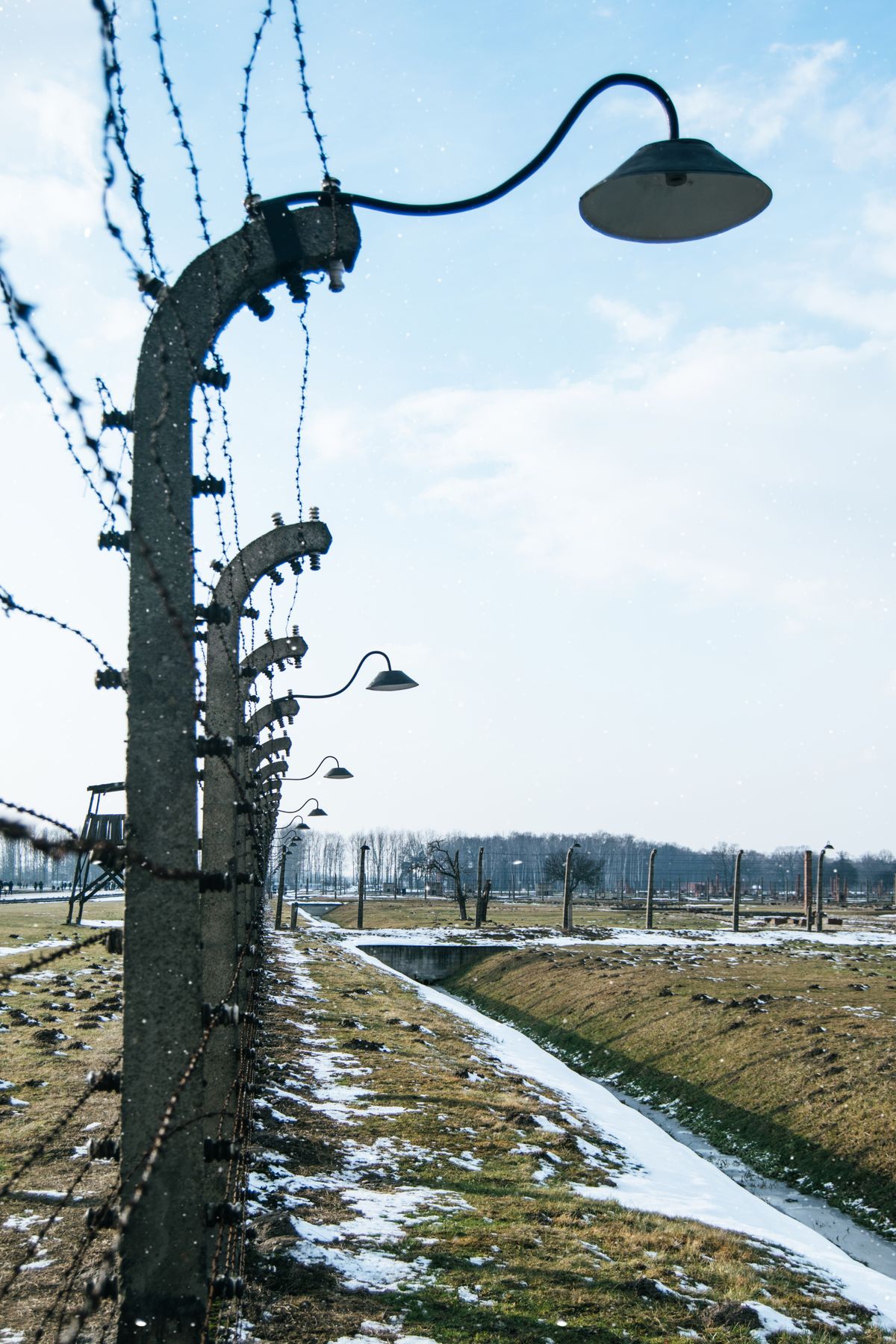
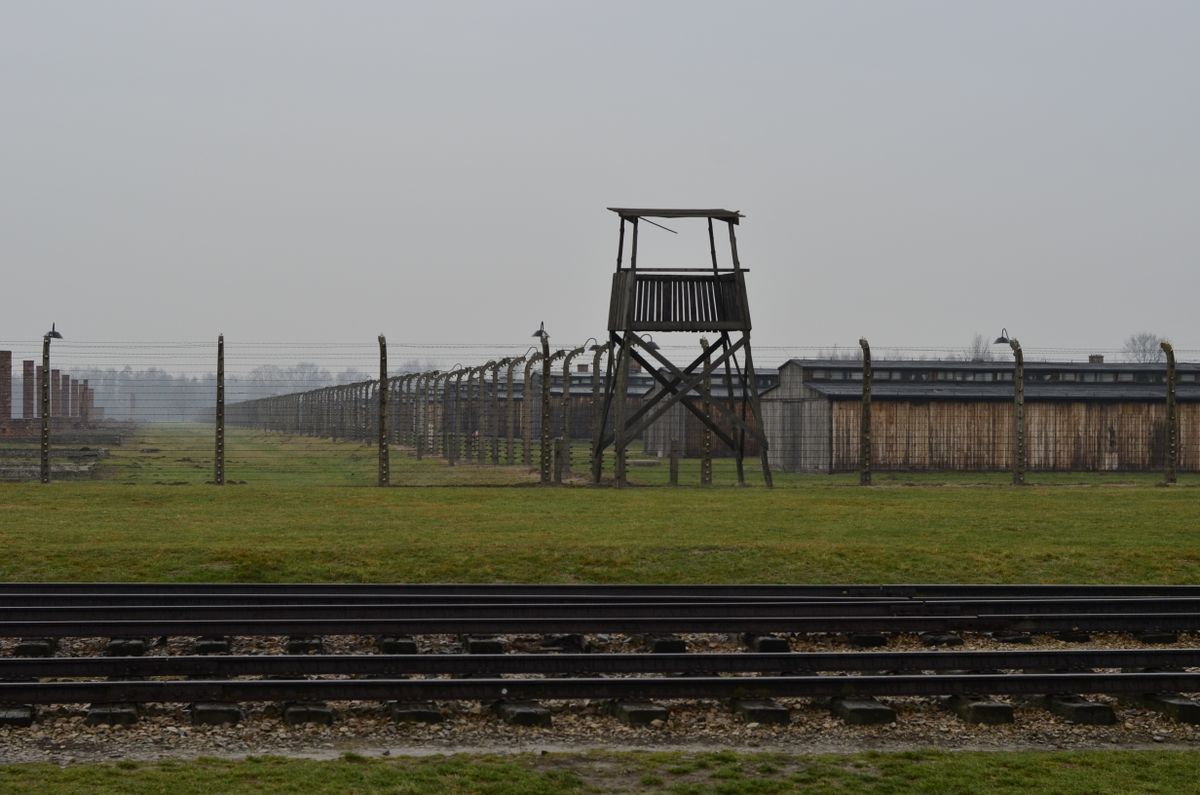
Birkenau is a different experience. It covers 171 hectares, and the silence of the open ground and the sheer size of it are what stay with you. The railway lines run directly under the main gate and stop at what was the selection ramp.
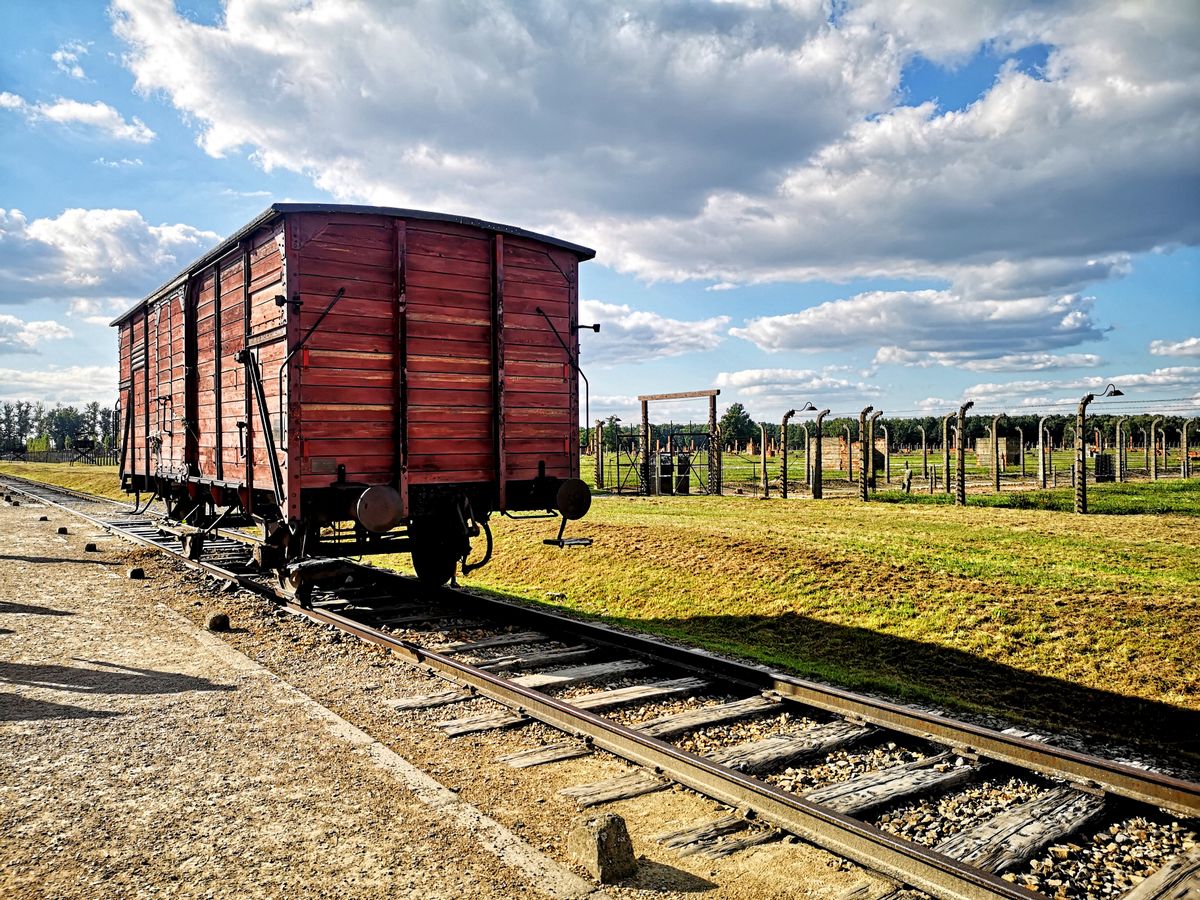
There, SS doctors decided in seconds who would be sent to work and who would go directly to the gas chambers. Most of those who arrived never went beyond that point.
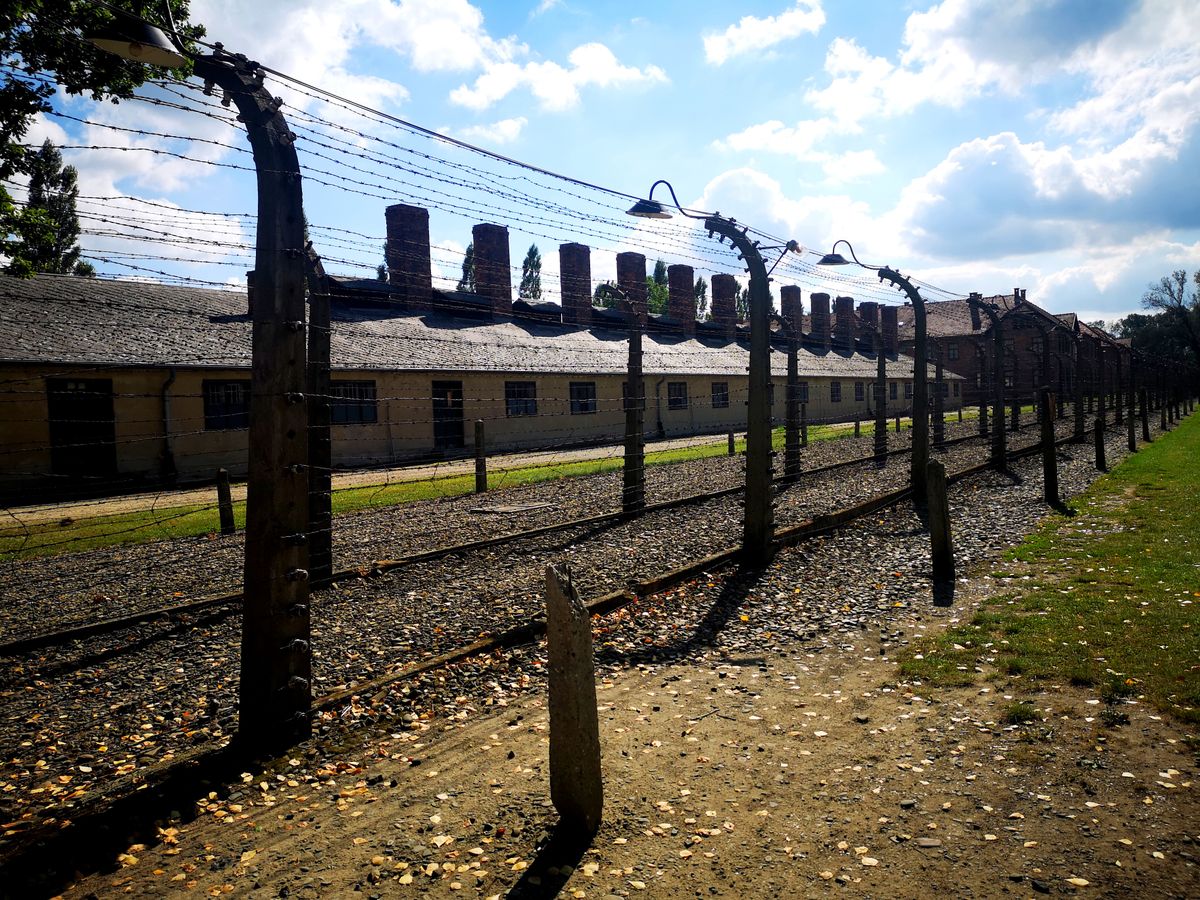
At Birkenau you also see the surviving wooden and brick barracks, the ruins of the crematoria, the international monument and the sanitary buildings.
Practical advice for visiting Auschwitz
Preparation makes the difference between a visit that works and one that is simply stressful.
- Comfortable shoes: you walk several kilometres, much of it on gravel and uneven ground.
- Weather protection: most of Birkenau is completely open, with no shade and no shelter.
- Water: there is little on site, particularly at Birkenau.
- A small bag: bags larger than about 30 by 20 by 10 centimetres are not permitted and must be left in the cloakroom.
- Your booking confirmation and photo identification.
Photography is allowed in most areas without flash and without a tripod. There are two exceptions: the room containing the victims hair in Block 4, and the basements of Block 11. Photograph with restraint. This is not a backdrop for social media.
Conduct: speak quietly, do not eat or drink inside the exhibitions, do not climb on memorials or the remains of structures, and dress appropriately.
Timing matters too. May to September is busiest. March to April and October to November are quieter, colder and more intimate. In winter, snow adds a particular solemnity.
Nobody leaves unchanged. Some visitors cry, others stay silent for a long time afterwards. Both reactions are entirely normal. Do not plan anything demanding for the rest of the day.
Afterwards, in Krakow
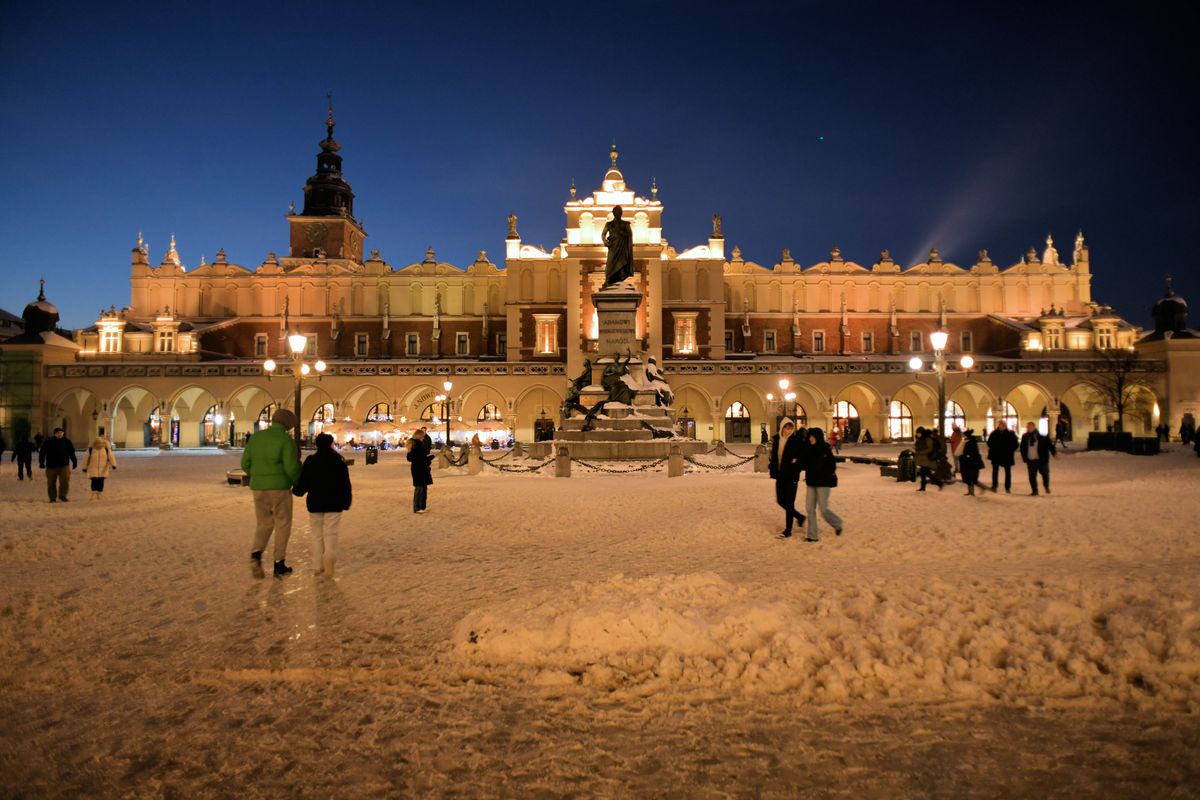
Many people feel the need to go further after the memorial, and Krakow has several places that complete the picture.
The Oskar Schindler factory, now a museum, documents the Nazi occupation of Krakow. The exhibition is interactive and very well done, and it shows how life in the city changed under occupation. Allow two to three hours.
Kazimierz, once the centre of Jewish life in Krakow, is today a lively district with restored synagogues, restaurants and galleries. Walking through it gives you the contrast between destruction and cultural revival.
Podgorze square holds a memorial to the victims of the Krakow ghetto, made of bronze chairs. Each chair represents a thousand victims.
If you have more days in the area, the Wieliczka salt mine is the other great day trip from Krakow and offers a deliberate lightness after the memorial. Background on the camp itself is on the Wikipedia entry.
Frequently asked questions (FAQ)
Conclusion
Auschwitz-Birkenau is not somewhere you tick off a list. It is a place that changes how you think about the fragility of ordinary life and the cost of indifference.
If you choose to go, go prepared, go with respect, and leave the rest of the day empty. More than a million people were murdered here, and the least a visitor can offer is attention.
