

 By
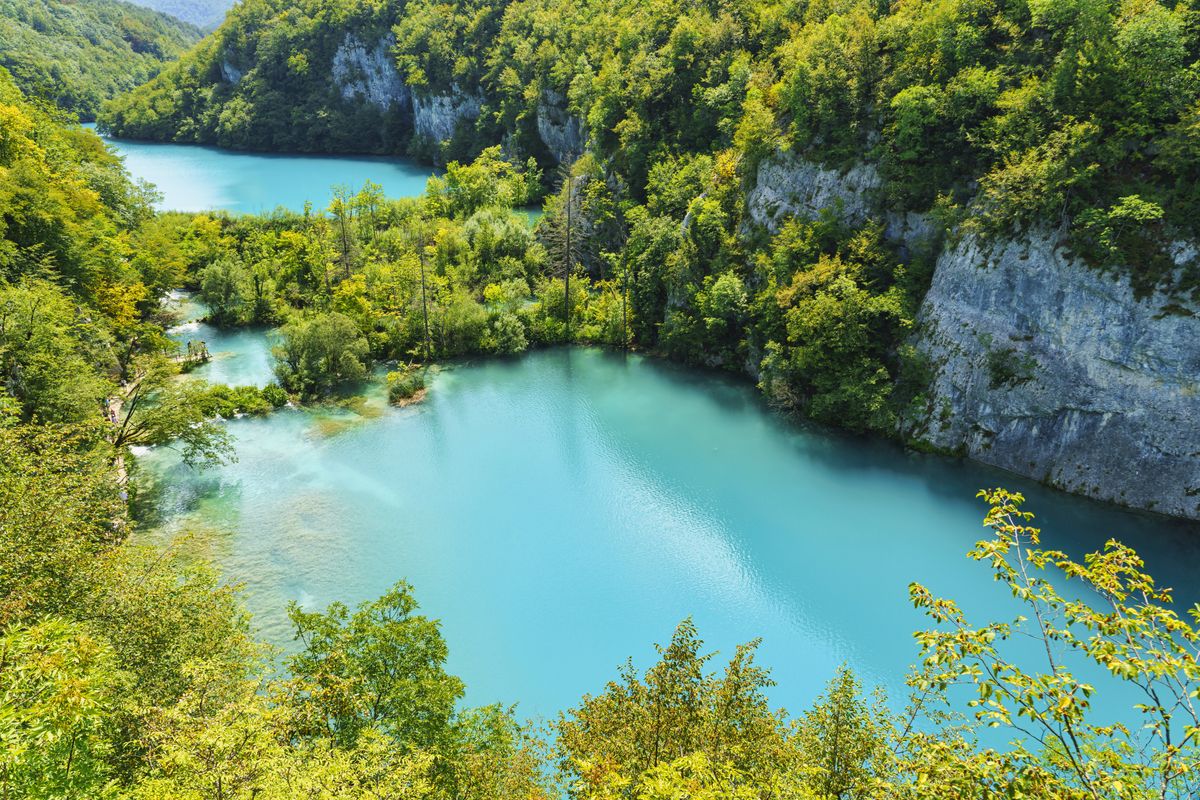
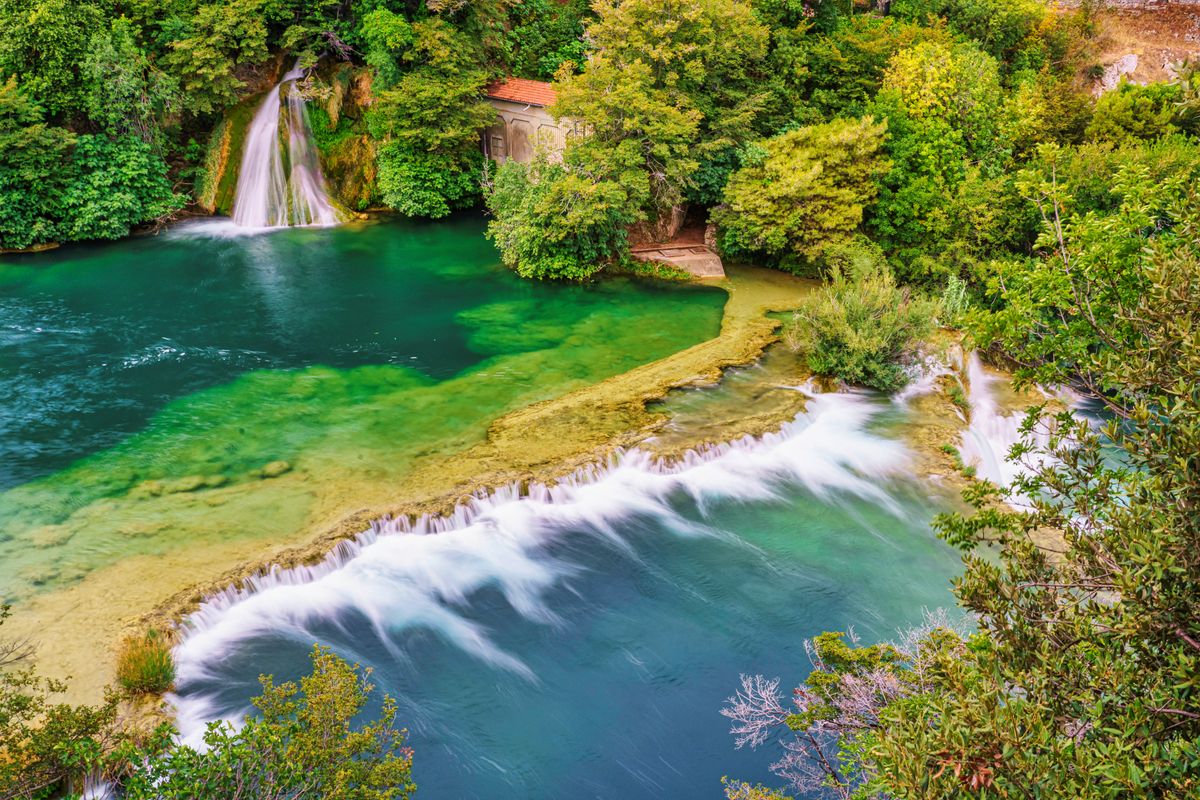
Plitvice Lakes is sixteen terraced lakes linked by waterfalls, crossed by eighteen kilometres of wooden walkway that runs directly over the water. It was Croatia first national park and it has a problem familiar to every famous natural site: it is spectacular, and everyone knows it.
This guide explains how the lakes actually formed, decodes the lettered trail system, gives ticket prices and opening times, and tells you the one thing that determines whether your visit is beautiful or miserable.
Plitvice Lakes: the geology that makes it unique
The park was declared Croatia first national park in April 1949 and added to the UNESCO World Heritage list in 1979. The reason is not simply that it is pretty: the process forming it is genuinely unusual.
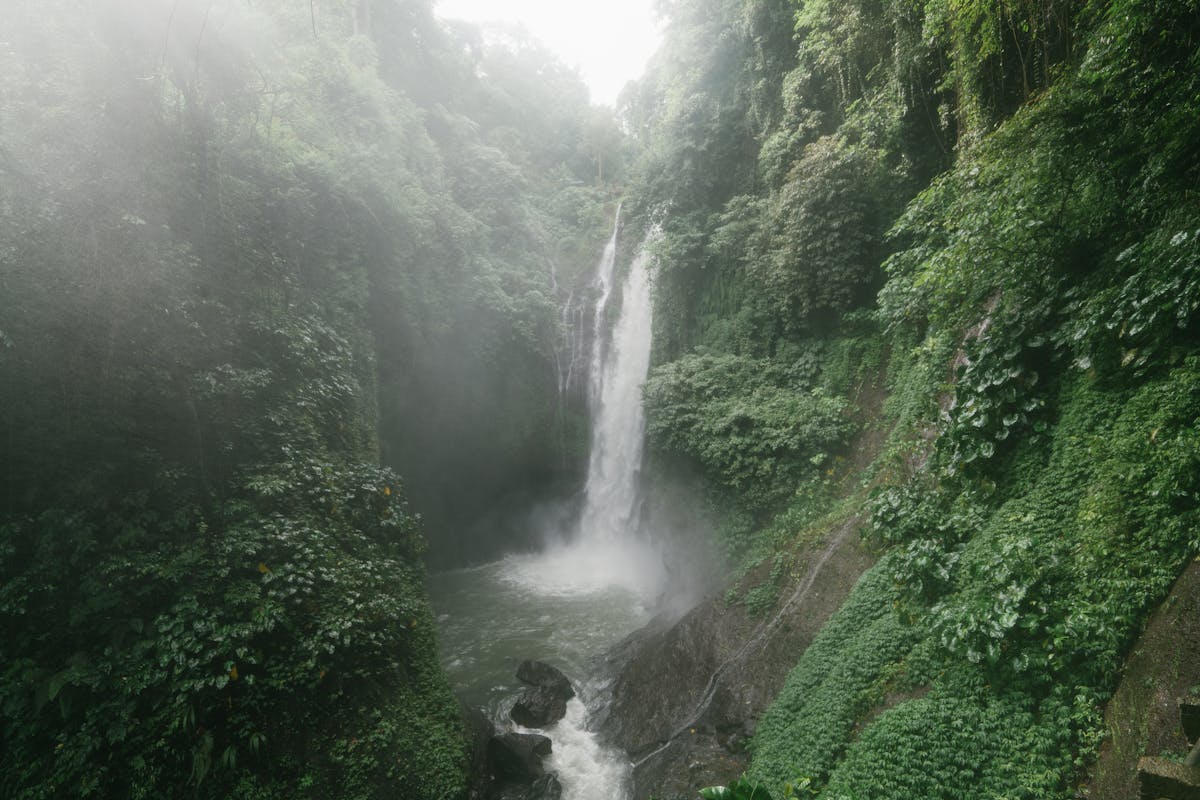
It began twelve to fifteen thousand years ago, after the last ice age. Calcium-rich water passes over moss and algae, which trap the dissolved minerals, and the deposit hardens into travertine, a porous limestone.
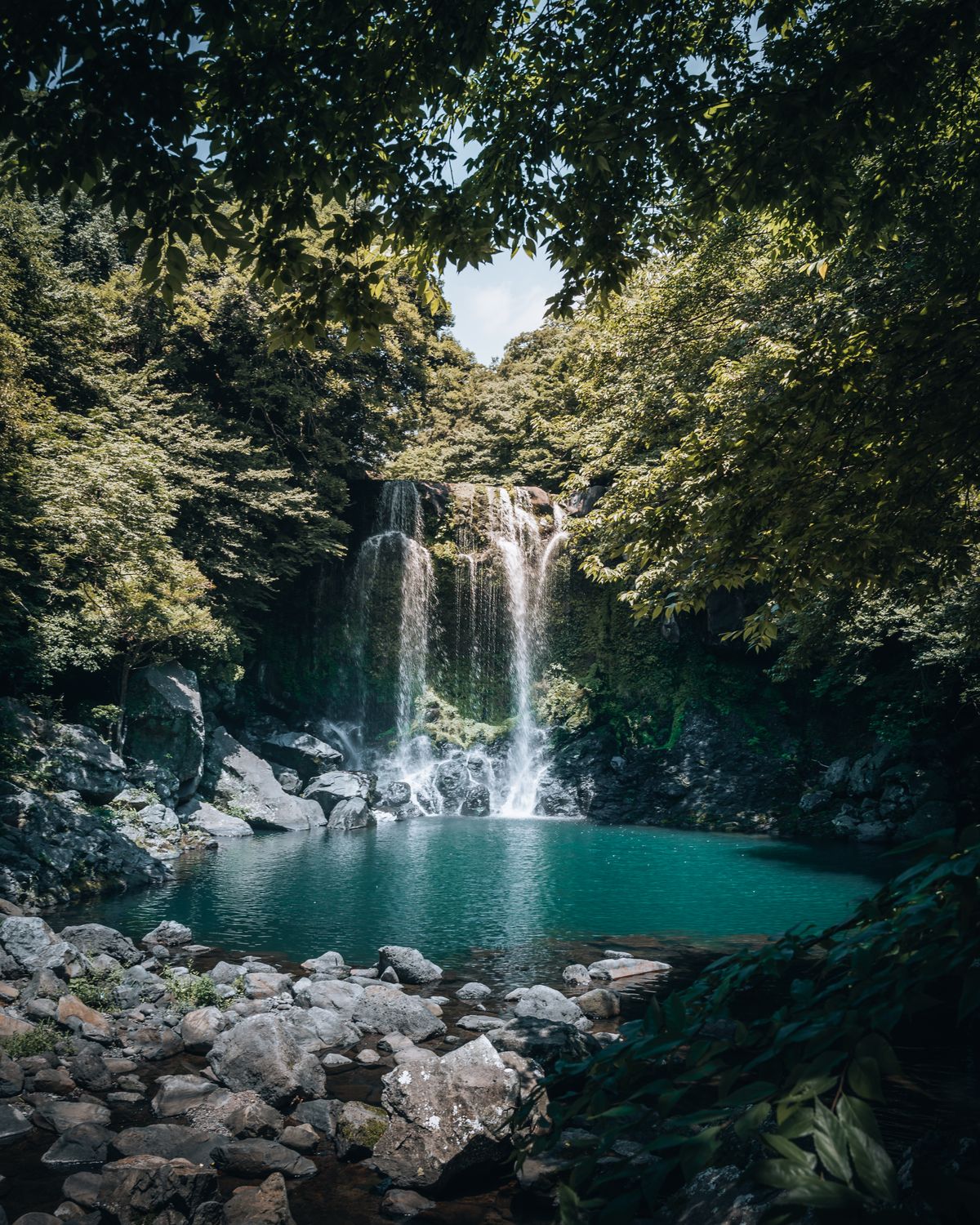
The result is natural dams that grow one to three centimetres a year. In other words the lakes are still being built, the waterfalls move, and the park of a century ago was measurably a different shape from the park today.
The main sights: waterfalls and the boat
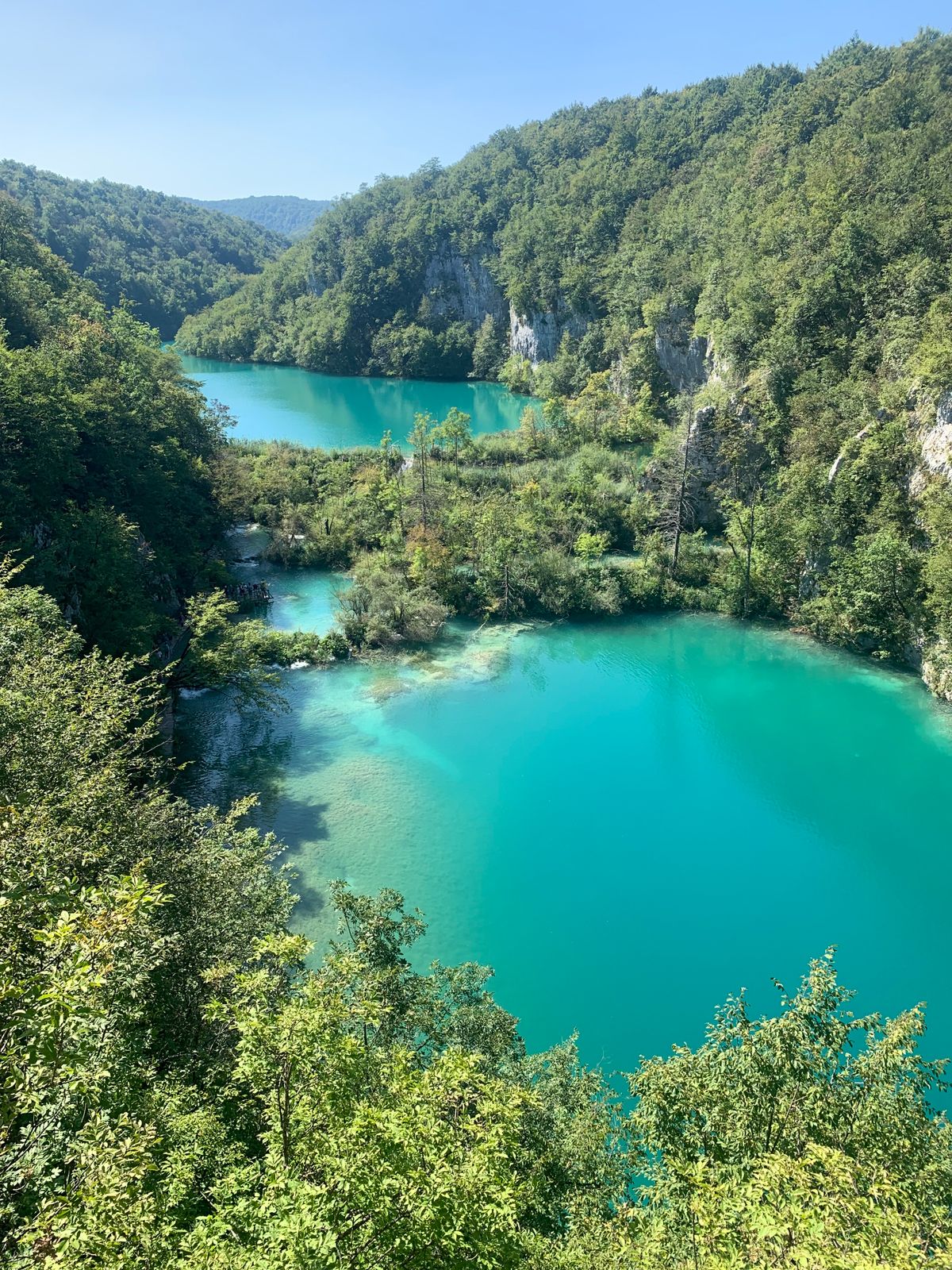
The twelve upper lakes sit in gentler terrain, surrounded by dense beech and fir forest, and are the quieter half of the park.
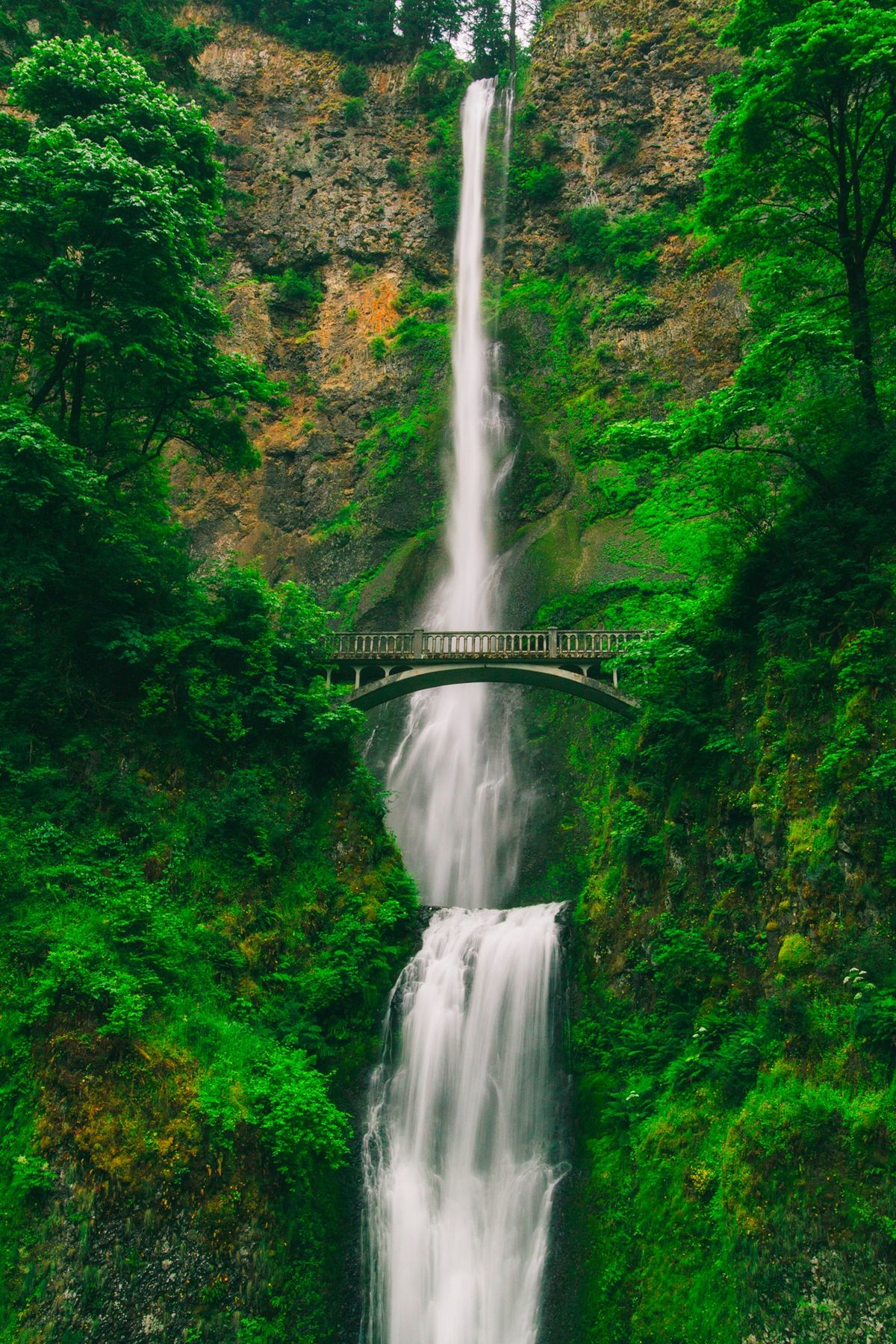
The four lower lakes are cut into a limestone canyon and are more dramatic, with the walkways passing directly beneath falling water.
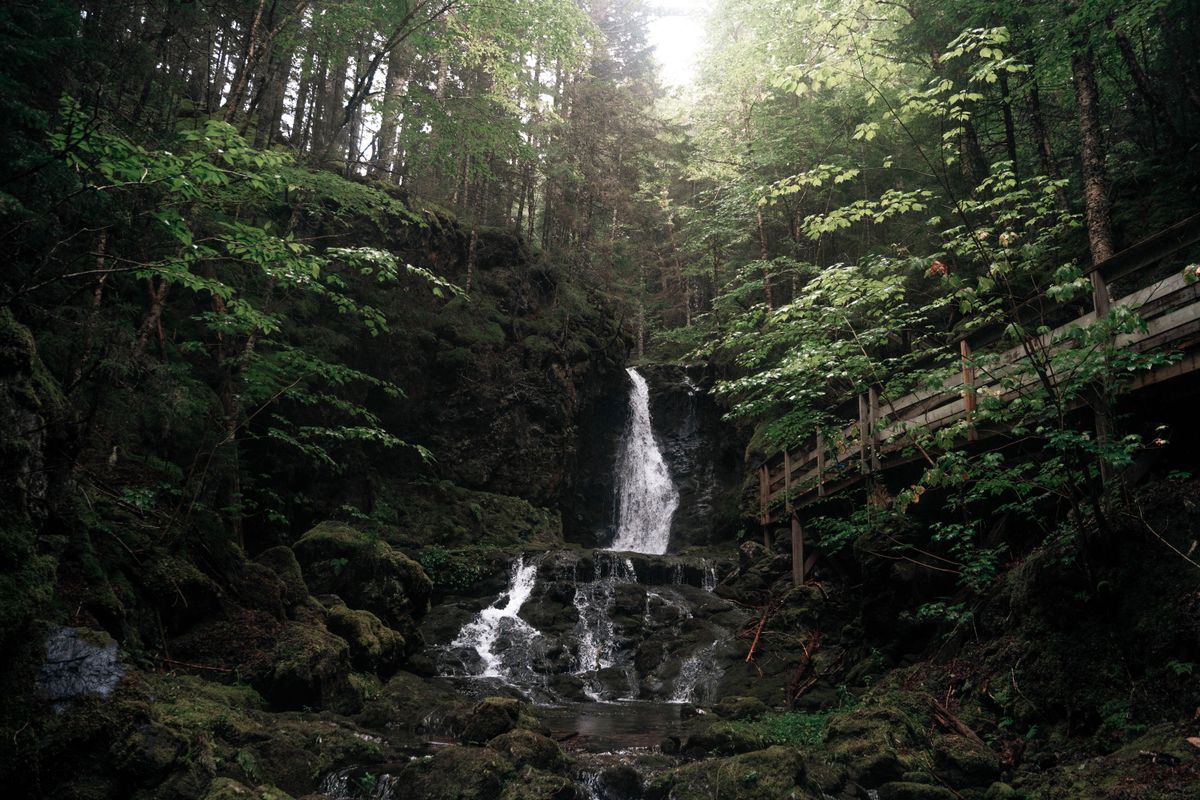
Veliki Slap, the Great Waterfall, is seventy-eight metres high and is the climax of any visit. It is at the far end of the lower lakes and is reached by a long staircase.
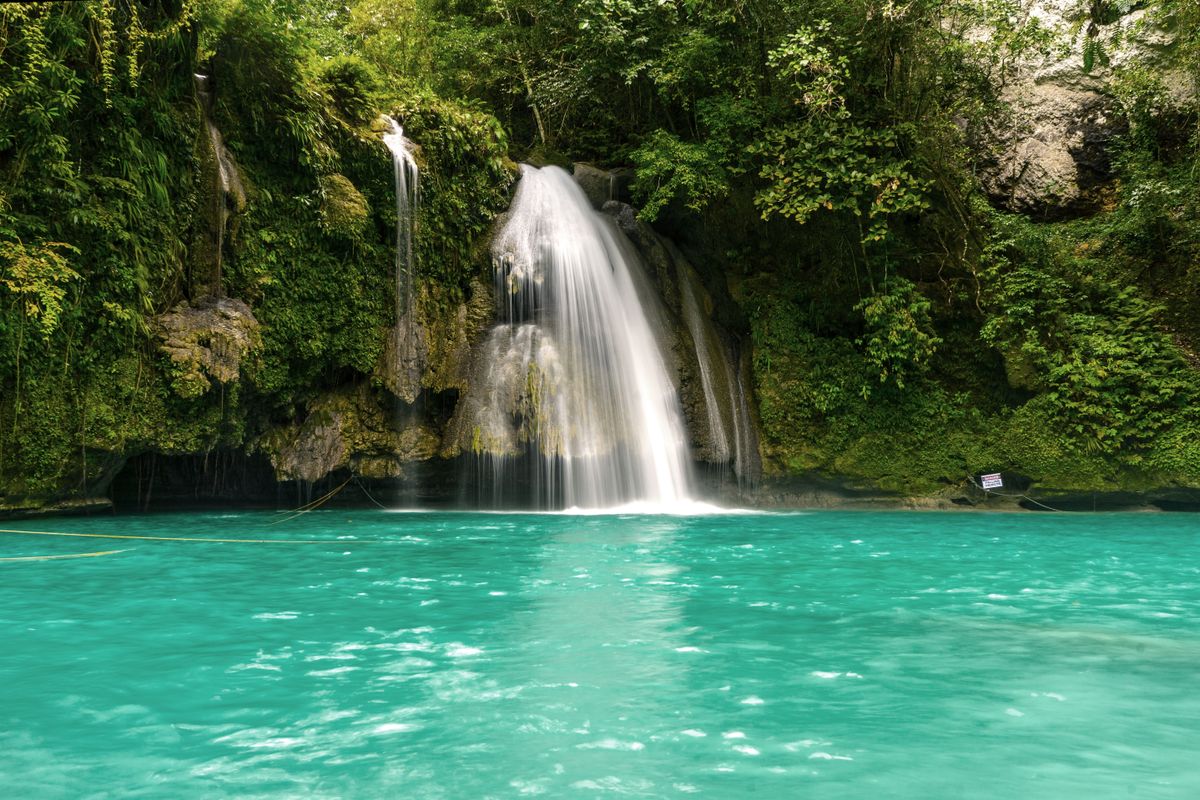
Kozjak is the largest lake in the park, forty-seven metres deep, and is crossed by an electric boat included in the ticket. The boat is not a detour but a structural part of most routes, and its queue is one of the two bottlenecks in the park.
The lettered trails: which one suits you
The park offers seven official routes, marked from A to K. The choice depends on how much time you have, which entrance you use and whether you want the boat and the shuttle train.
| Route | Entrance | Duration | What it covers |
|---|---|---|---|
| A | Entrance 1 | 2 – 3 hours | lower lakes and Veliki Slap only |
| B | Entrance 1 | 3 – 4 hours | lower lakes plus boat across Kozjak |
| C | Entrance 1 | 4 – 6 hours | lower and upper lakes, the best single route |
| E | Entrance 2 | 2 – 3 hours | upper lakes only |
| H | Entrance 2 | 4 – 6 hours | the same as C, from the other end |
| K | either | 6 – 8 hours | the full 18 to 22 km circuit |
For most visitors the answer is route C from Entrance 1, which covers both halves of the park, includes the boat and the shuttle train, and takes four to six hours at an honest pace.
The K circuit, eighteen to twenty-two kilometres, covers the whole park including sections almost nobody walks. It is a full day and it is where you find solitude.
Tickets, opening hours and parking
Ticket prices vary sharply by season, and entry is now by timed slot with a daily cap on numbers, introduced precisely because the walkways were becoming dangerously overcrowded.
| Period | Price |
|---|---|
| January to March, November to December | 10 – 15 euros |
| April, May, October | 23 – 26 euros |
| June to September | 35 – 40 euros |
| Children and students | reduced, with proof |
| Boat and shuttle train | included in the ticket |
Buy online with a date and time. In summer the daily allocation genuinely sells out, and there is no queue at the gate that will help you if it has.
Parking is available at both entrances, at roughly one and a half to two euros an hour depending on season, and is separate from the entry ticket.
The best time to visit
This is the single decision that determines the quality of the visit.
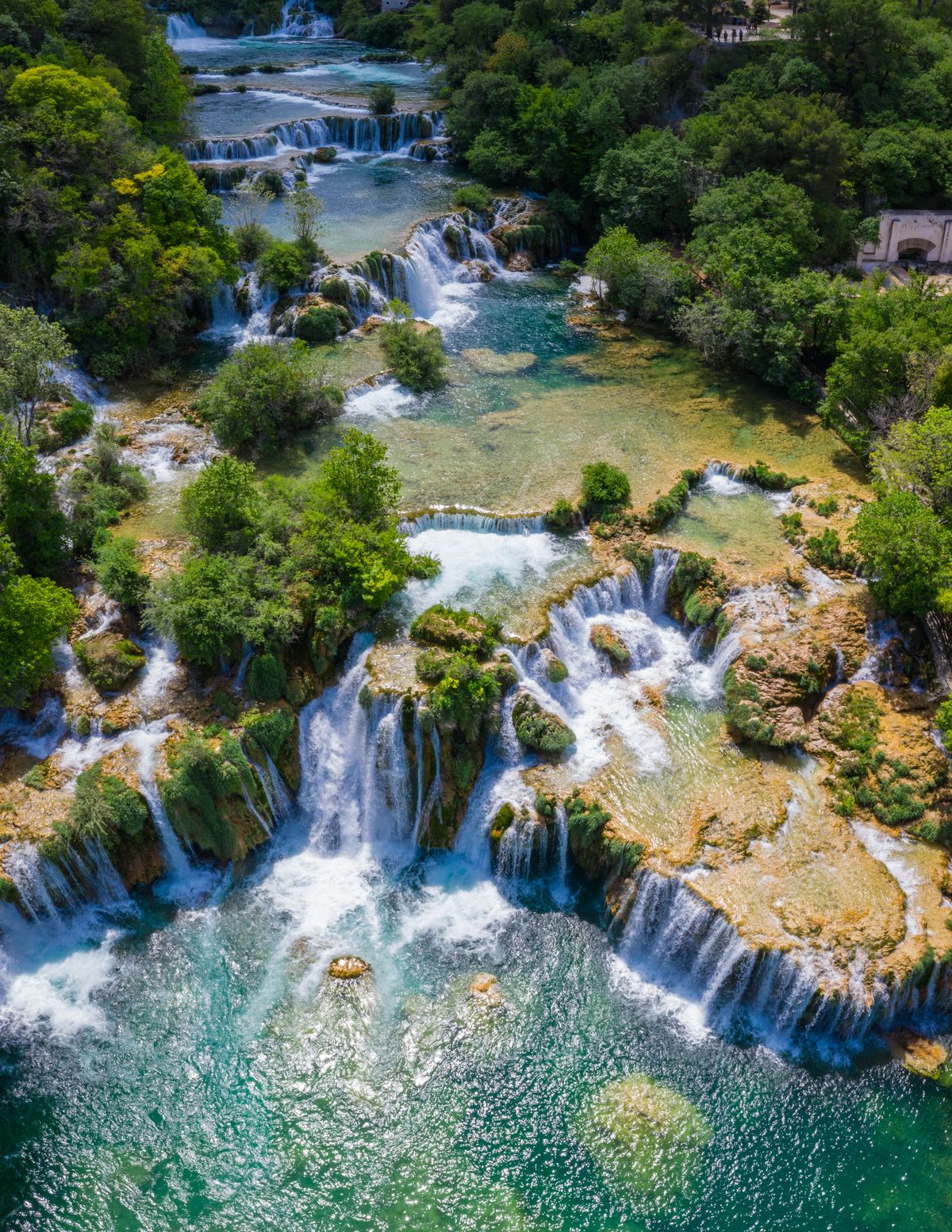
Spring, particularly May, has the highest water flow after the snowmelt and the most powerful waterfalls. September and early October give autumn colour, moderate crowds and lower prices, and are the best overall compromise.
July and August are the worst possible time. The walkways are narrow, largely one way in practice, and at peak hours you move at the pace of the slowest person in a continuous line. Winter is spectacular when the falls freeze, but many trails close and the boat does not run.
Arrive at opening, which is seven in the morning in high season, or after two in the afternoon. Coaches from the coast arrive between ten and one, and in those three hours the lower lakes become a queue rather than a walk. Being at Entrance 1 at seven means you will see Veliki Slap almost alone, and the difference is not marginal, it is the difference between a memorable morning and a bad one.
Getting there from Zagreb, Split and Zadar
The park sits roughly halfway between Zagreb and the coast, which is what makes it such a natural stop on a Croatian road trip.
| From | Distance | By car |
|---|---|---|
| Zagreb | 135 km | about 2 hours |
| Zadar | 135 km | about 2 hours |
| Split | 250 km | about 3 hours |
| Rijeka | 160 km | about 2 hours 15 |
Buses run from Zagreb, Zadar and Split and stop at both entrances, but the timetable makes an early arrival difficult, which is exactly the thing that matters most. With a car you control the one variable that counts.
Food, sleep and ten practical points
The Lika region around the park has substantial mountain cooking: lamb roasted on a spit, trout from the local rivers, and a sheep cheese matured in cloth.
- Sleep in a village near the park, not in Zagreb or on the coast, so you can be at the gate at seven
- Buy tickets online with a date, and print or download them, because signal at the entrances is unreliable
- Wear shoes with grip. The walkways are wet, wooden and have no railings in most places
- Do not swim. Swimming has been prohibited throughout the park since 2006
- Do not leave the walkways, which is both illegal and damaging to formations that took centuries
- Take water. There is very little on the routes themselves
- Allow for the boat queue in high season, which can add forty minutes
- Pushchairs do not work on most routes; a carrier does
- The park is only partially accessible for reduced mobility, and only on specific short sections
- Check the park site the evening before, since sections close after heavy rain
Official information, current prices and live trail status are on the national park site, and the World Heritage listing is on the UNESCO site.
Frequently asked questions (FAQ)
Conclusion
Plitvice is genuinely extraordinary and genuinely oversubscribed, and those two facts are not in tension: they are the same fact. The lakes are still growing, the walkways run inches above the water, and half a million people a year want to see it.
Buy the ticket online, sleep nearby, be at Entrance 1 when it opens, walk route C, and you will have the lower lakes almost to yourself for the first hour. Arrive at eleven in August and you will remember the queue instead.
