
 By

Three fingers of land reaching into the Aegean below Thessaloniki, each with a completely different character. Halkidiki is one of the most popular summer destinations in northern Greece, and choosing the wrong finger is the commonest way to be disappointed by it.
What each peninsula is actually like, the rules that govern the third one, and a verdict on which to pick.
The three peninsulas of Halkidiki, briefly
Kassandra is the western one, the most developed, with resorts, beach bars and the easiest access. Sithonia is the middle one, wilder, greener, with small bays and far less building. Athos is the eastern one, and it is a monastic state that women cannot enter at all.
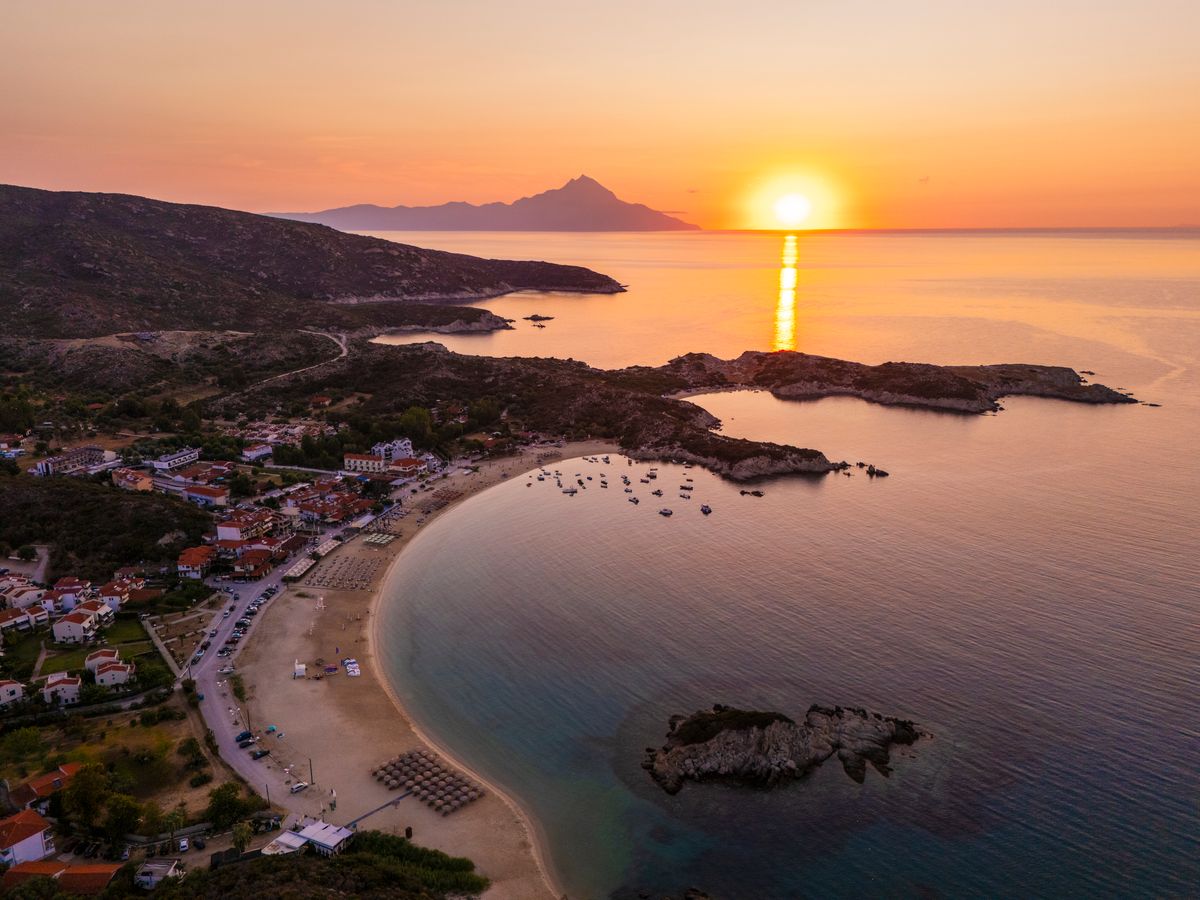
All three are within two hours of Thessaloniki airport, which is why the region fills with visitors from across the Balkans every July and August.
Kassandra: resorts and nightlife
The first peninsula is the busiest and the most organised. Beaches are long, sandy and lined with sunbeds, the water is shallow and warm, and the resorts have everything a package holiday needs.
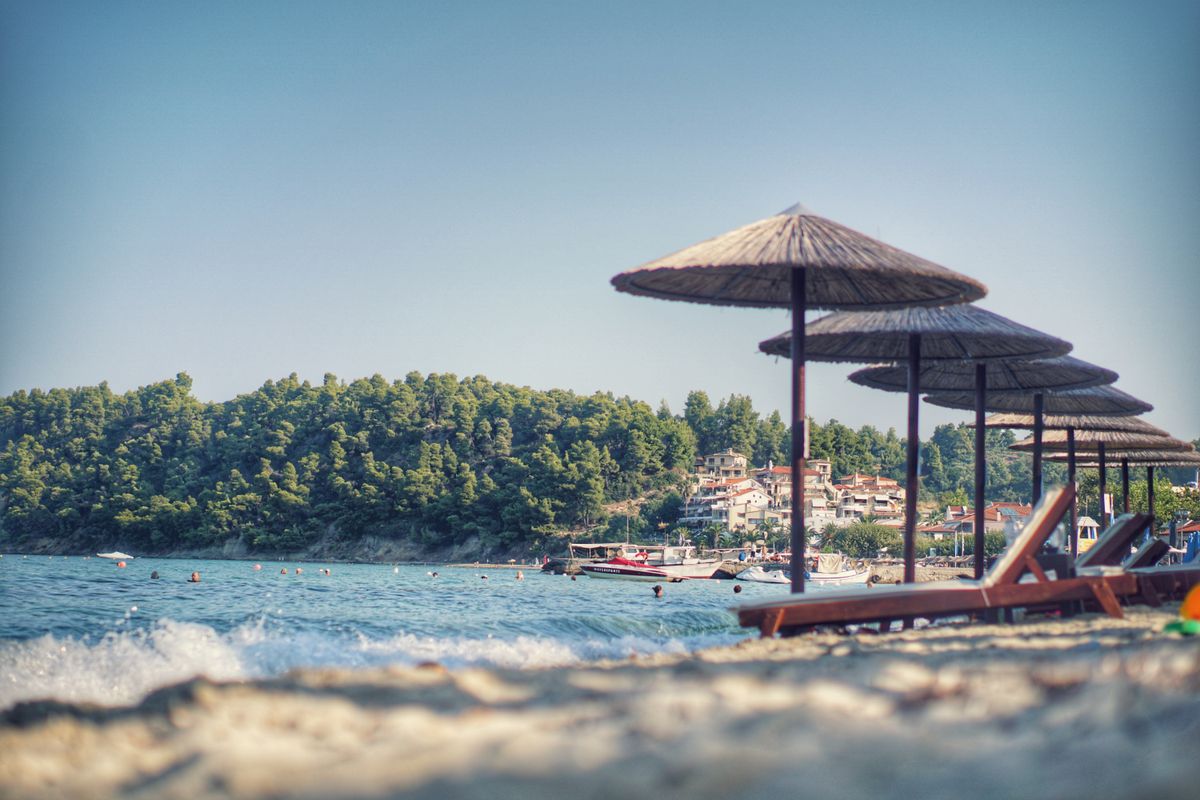
Kallithea and Pefkohori have the nightlife, Sani has the expensive hotels and a marina, and Afytos is the one traditional village on the peninsula, built in stone on a cliff above the sea.
Sithonia: wild coves and turquoise water
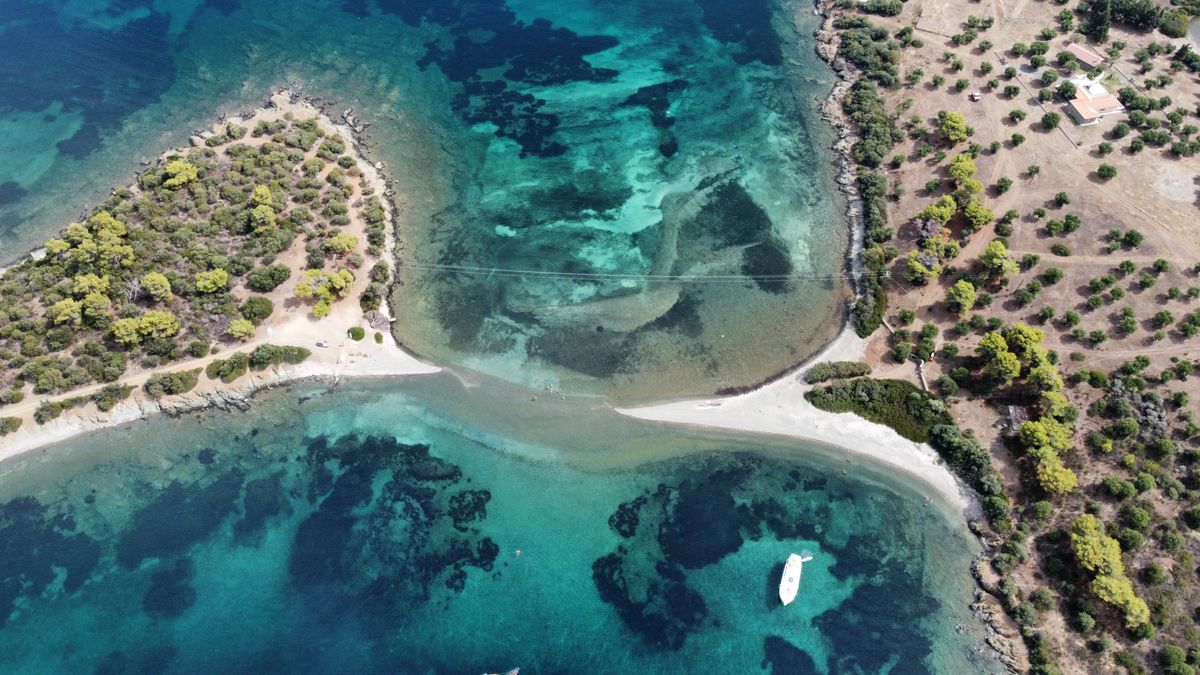
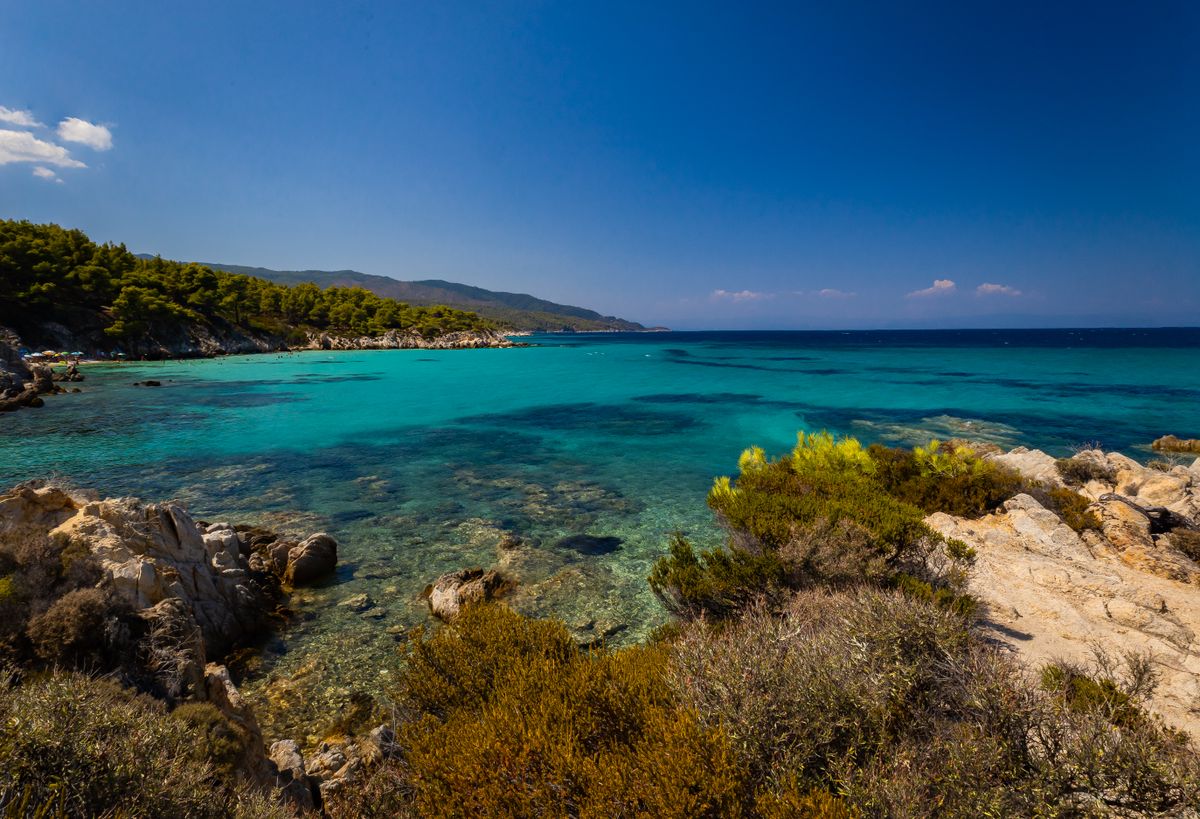
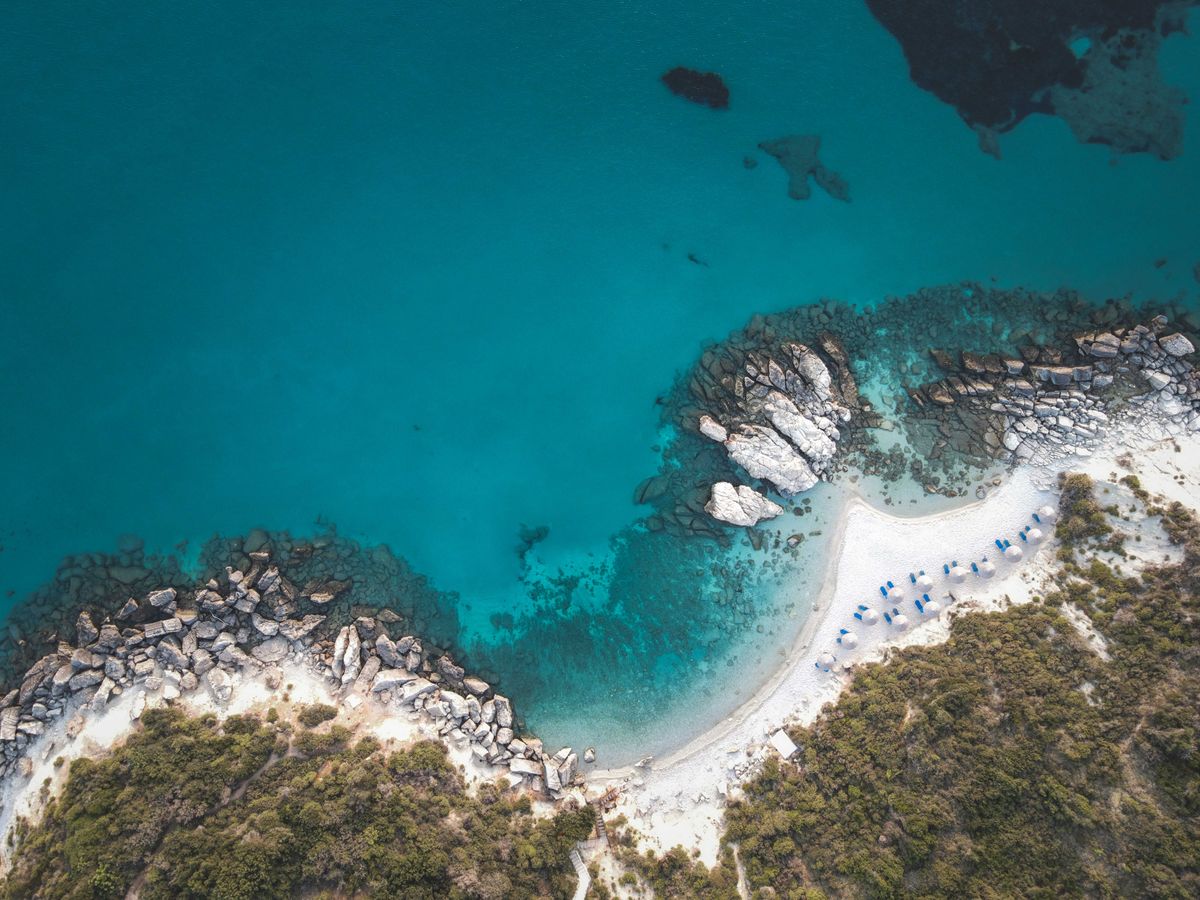
The middle peninsula has the better scenery by a clear margin. Pine forest runs down to the water, the coast is cut into small bays and there is far less concrete. The road around it is one of the best drives in northern Greece.
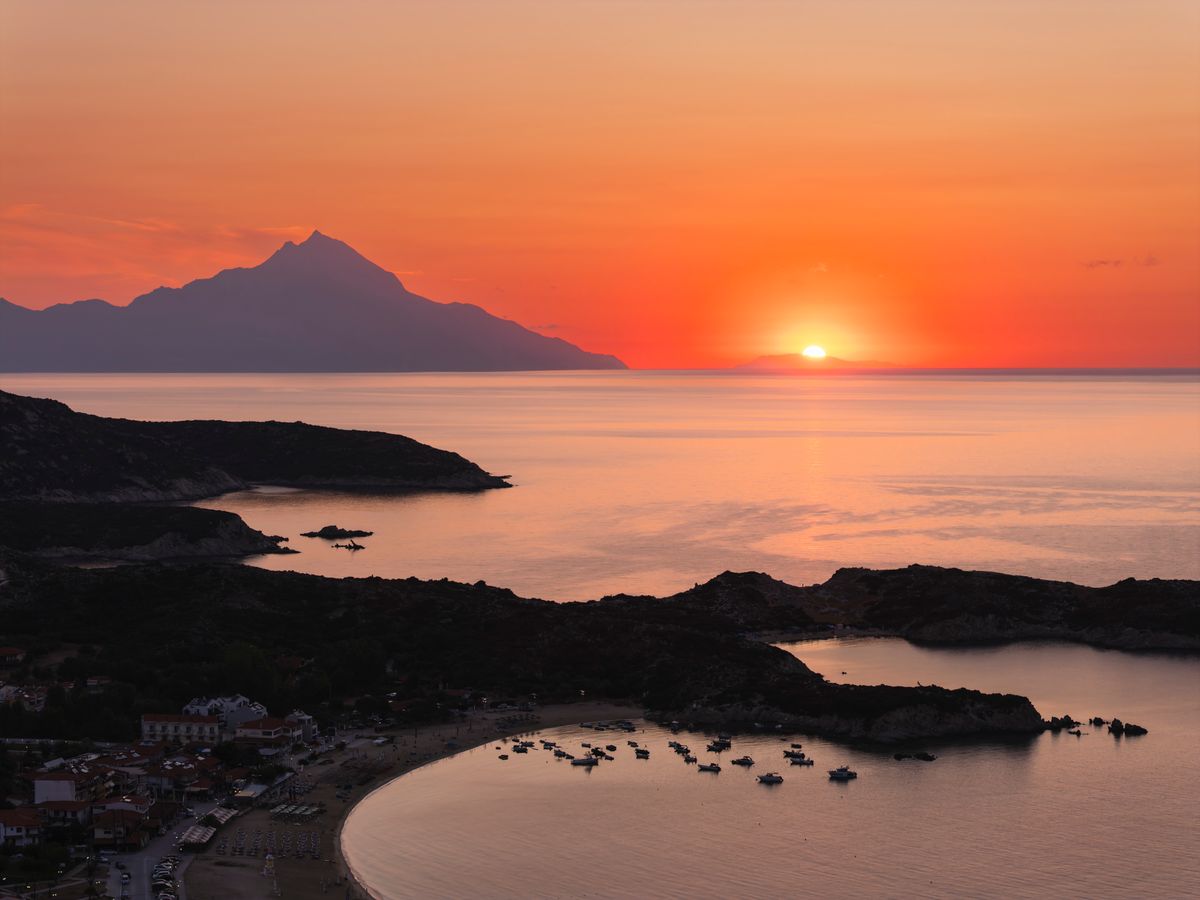
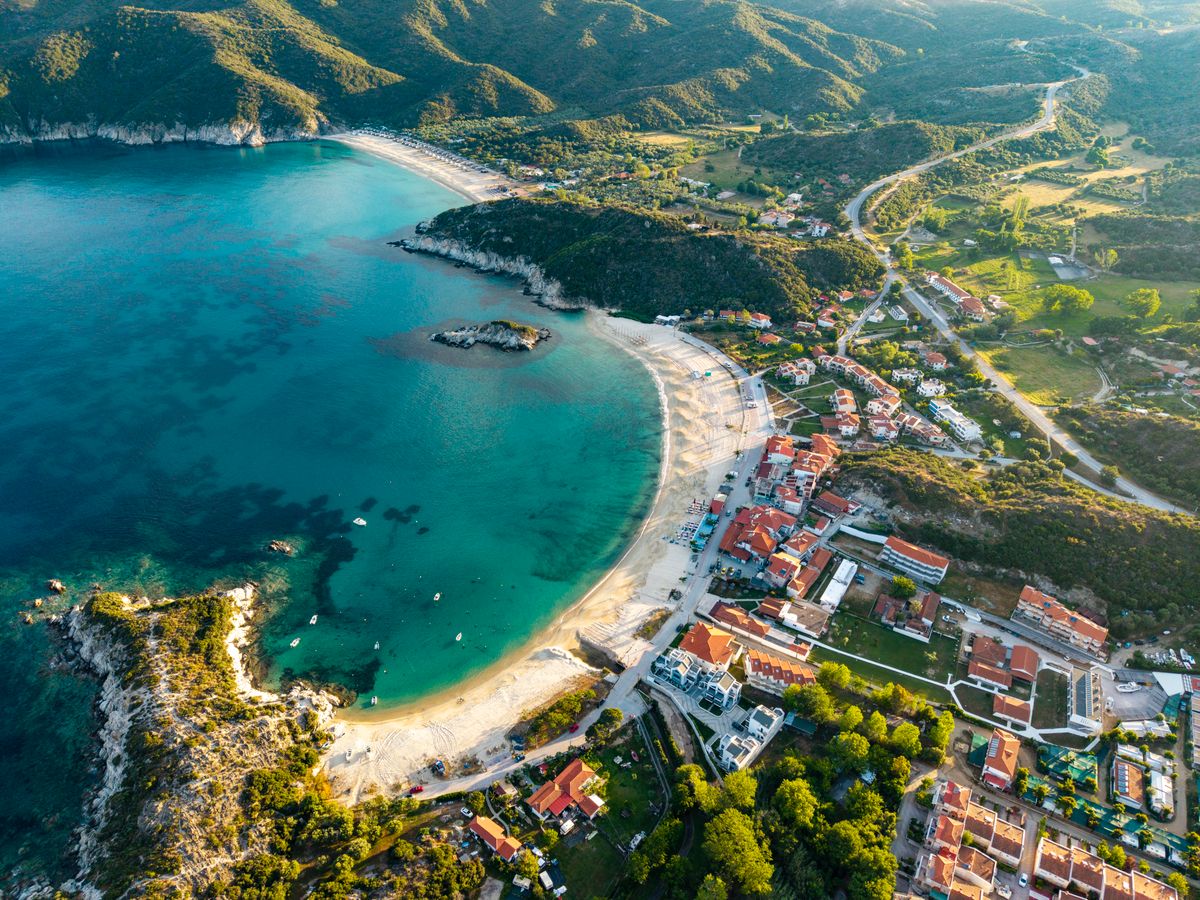
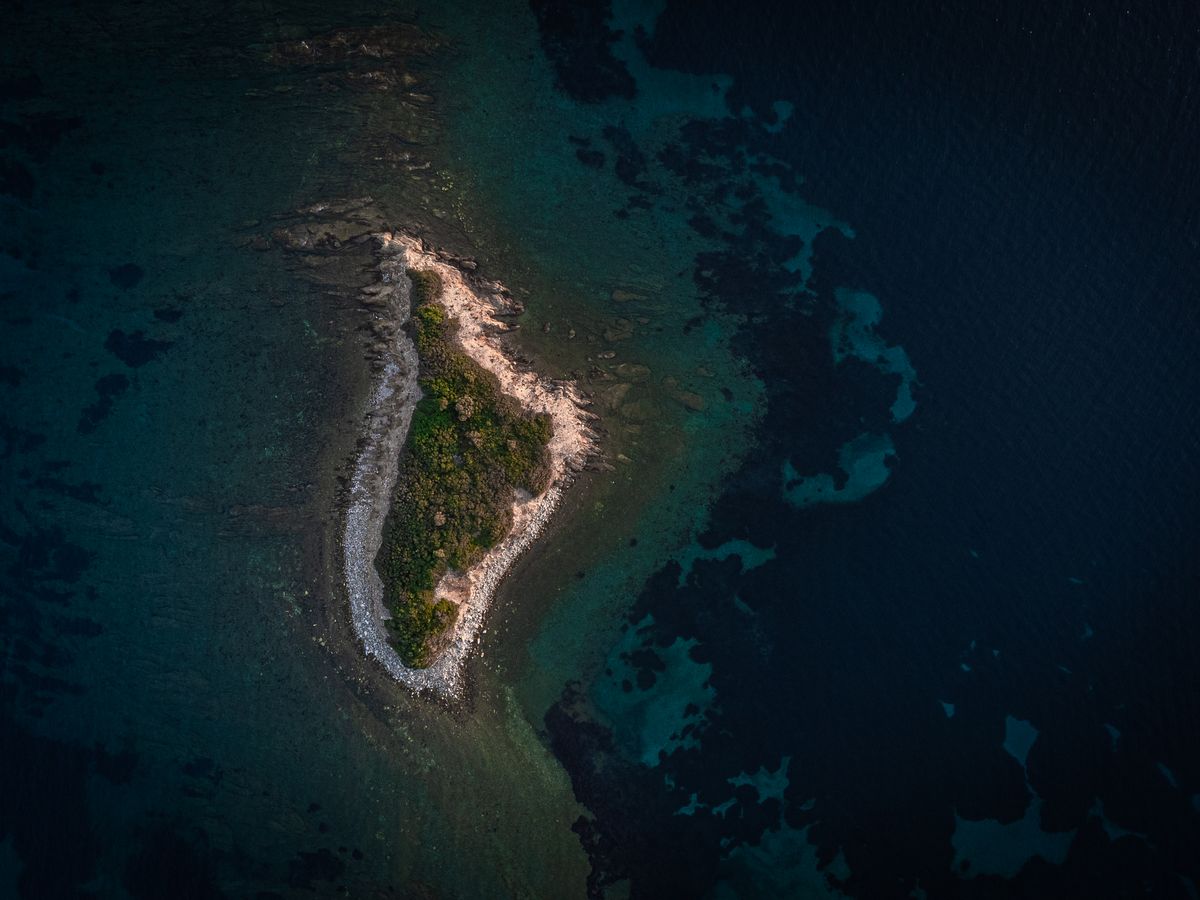
Kalamitsi, Kavourotrypes and Karydi are the bays people come for: white rock, clear water and, in the case of Kavourotrypes, no facilities at all. Vourvourou and Porto Koufo, the largest natural harbour in Greece, are the anchorages.
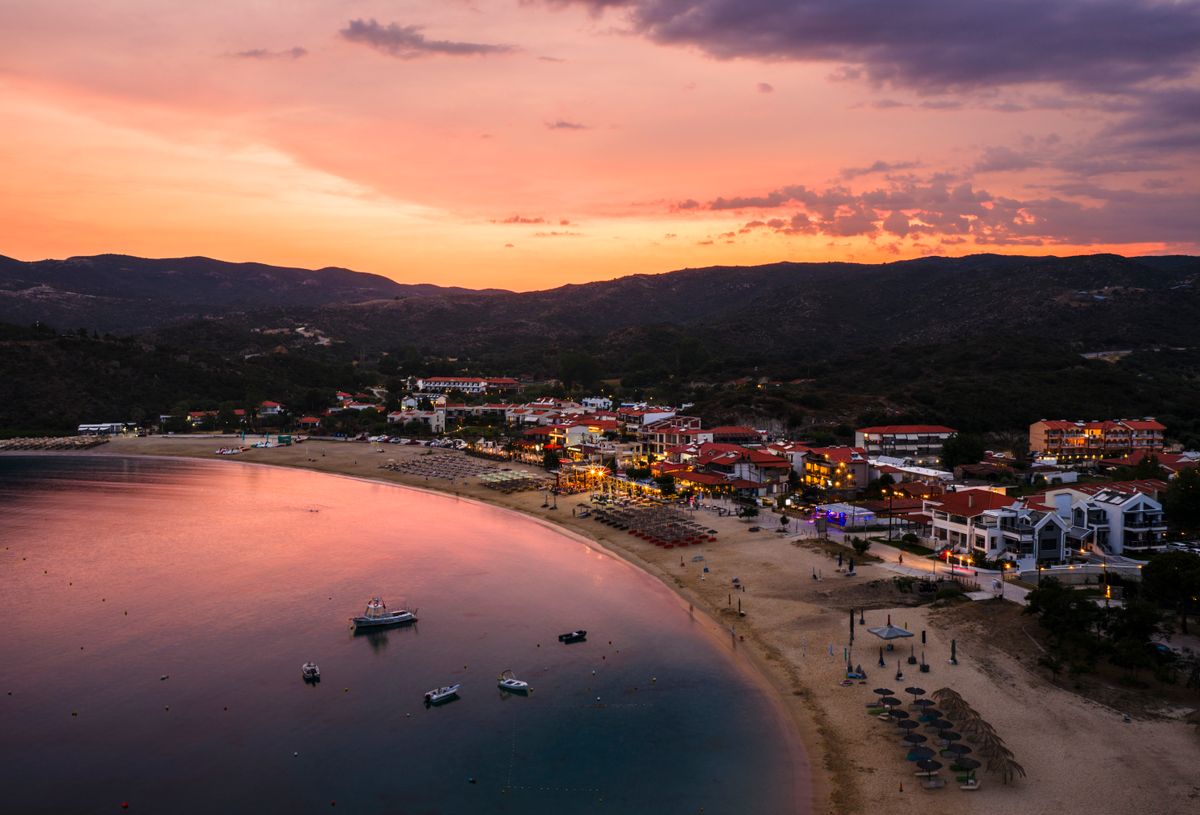
Mount Athos
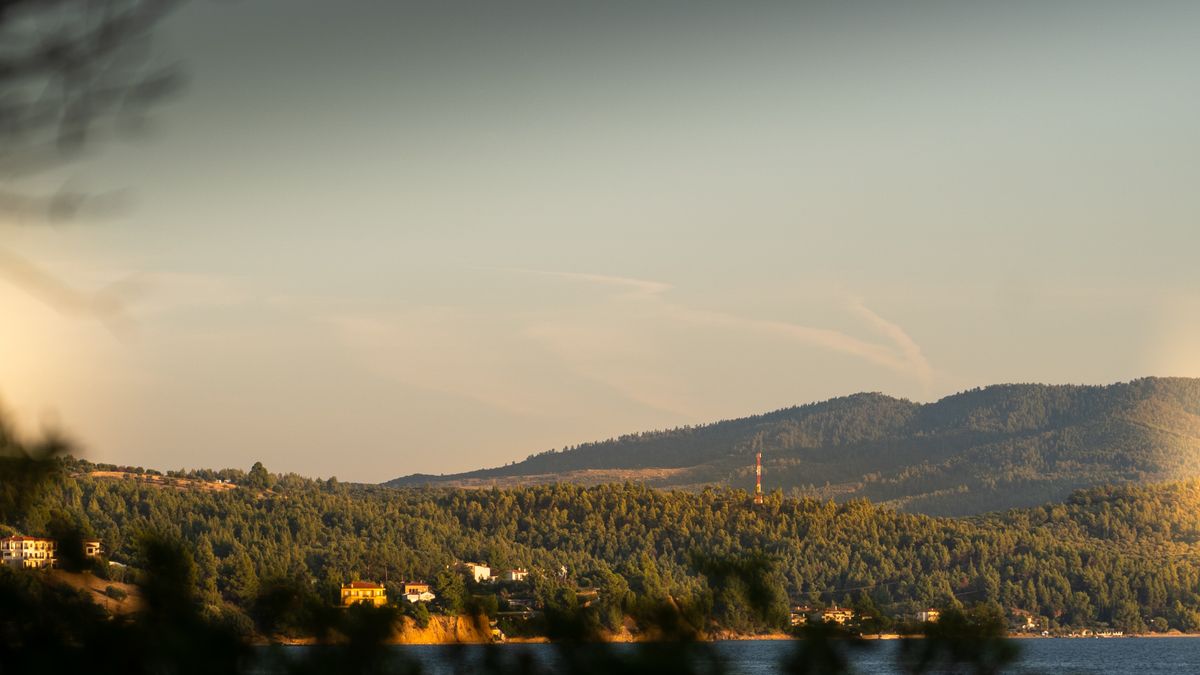
The third peninsula is an autonomous monastic state within Greece, with twenty monasteries and about two thousand monks. It has been self governing since 883 and it operates on Byzantine time and the Julian calendar.
Entry is restricted. Men need a permit, the diamonitirion, issued in limited daily numbers and applied for well in advance. Women have been forbidden to enter since a decree of 1046, a rule that has been challenged and remains in force.
For everyone else there are boat trips along the coast from Ouranoupoli, which stay 500 metres offshore and let you see the monasteries from the water. That is the realistic option for most visitors.
Which peninsula to choose
| Kassandra | Sithonia | |
|---|---|---|
| Beaches | long, sandy, organised | small bays, white rock, wilder |
| Development | heavy | light |
| Nightlife | yes, and loud | limited |
| Families | shallow water, facilities | better for older children |
| Driving | easy | winding, and the best part |
| Prices | wide range | slightly higher, fewer options |
If you want a resort holiday with everything on site, take Kassandra. If you want to drive to a different bay every day and swim off white rock, take Sithonia.
Getting there and practical advice
Thessaloniki is the gateway: the airport is about an hour from the start of Kassandra and two hours from the middle of Sithonia. Buses run to the main resorts, but a car is what makes the region work, particularly on Sithonia.
June and September are the best months. Thessaloniki itself is worth two days on the way in or out. Background is on Wikipedia and official information at the Greek tourism board.
Frequently asked questions (FAQ)
Conclusion
Three peninsulas, three completely different holidays, and one of them you may not be allowed to enter at all.
Kassandra if you want a resort, Sithonia if you want to drive to a new bay each morning, and a boat from Ouranoupoli if you want to see Athos at all.
