
 By

Korçë is a city of about seventy five thousand people in south eastern Albania, set on a plateau at eight hundred and fifty metres near the Greek border. It is called the little Paris, which sounds like an overstatement until you learn that the first school teaching in Albanian opened here, that it holds the finest icon collection in the country, and that the local beer has been brewed since 1928.
What to see in the city, why it matters to Albanian history, what to eat and drink, and what is worth an hour away.
Why Korçë is considered the cultural capital
In 1887 the first school teaching in the Albanian language opened here. That may sound like a minor detail, but in the Ottoman Empire of the time it was forbidden, and the language had no unified alphabet. The school building is now the National Museum of Education, and for Albanians the place has the standing of a national symbol.
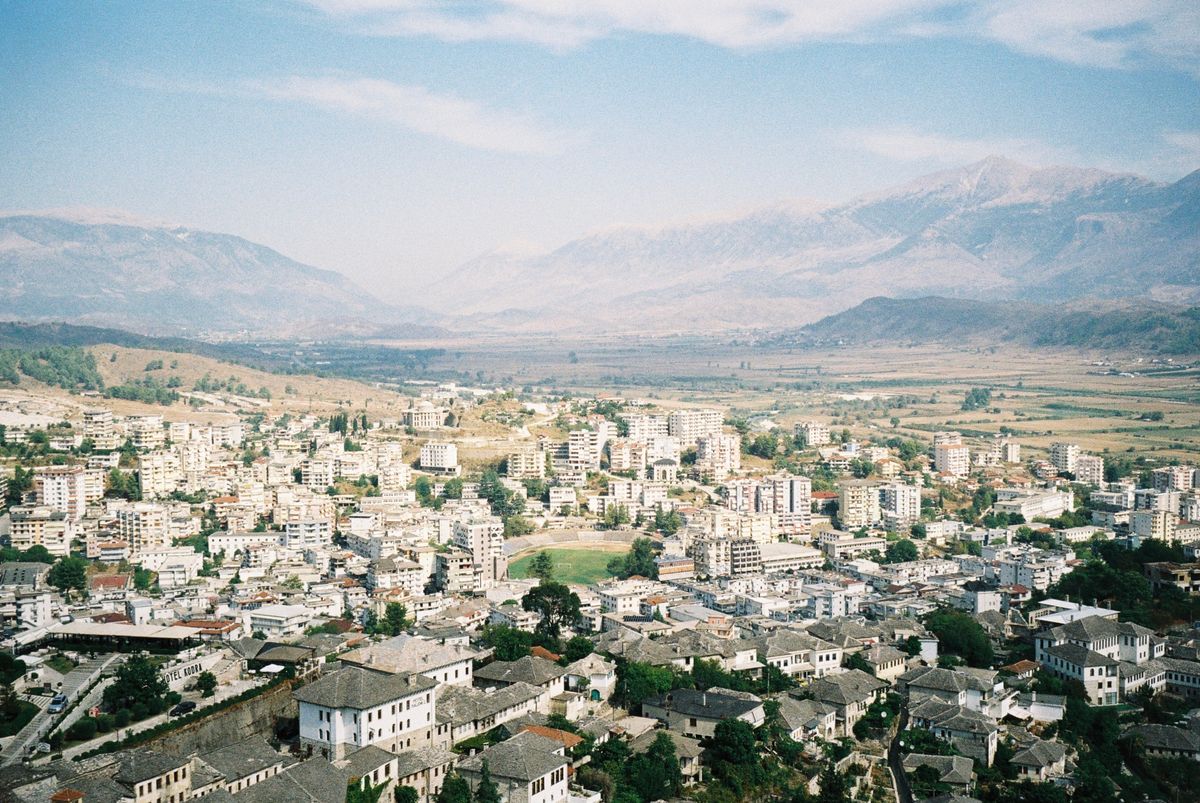
The little Paris nickname comes from the interwar period, when the city had a prosperous middle class, trading links with central Europe and an urban way of life unusual for the region. It was also the first city in Albania with a cinema.
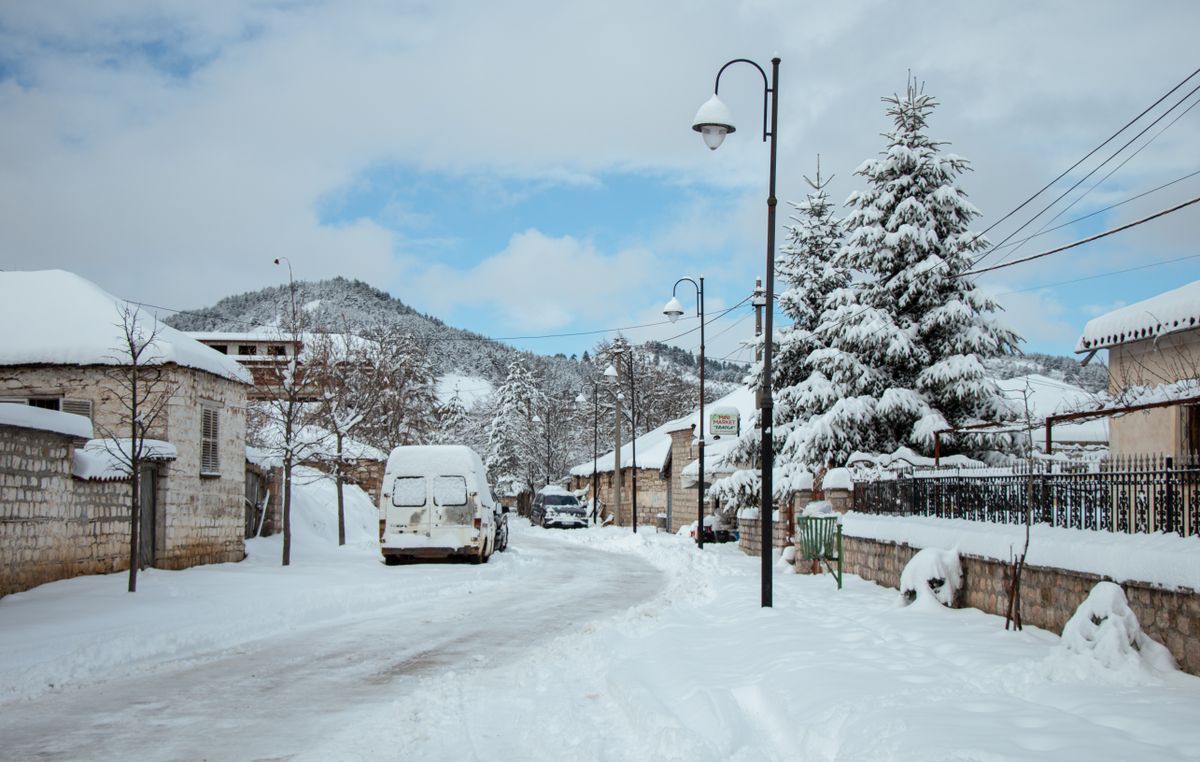
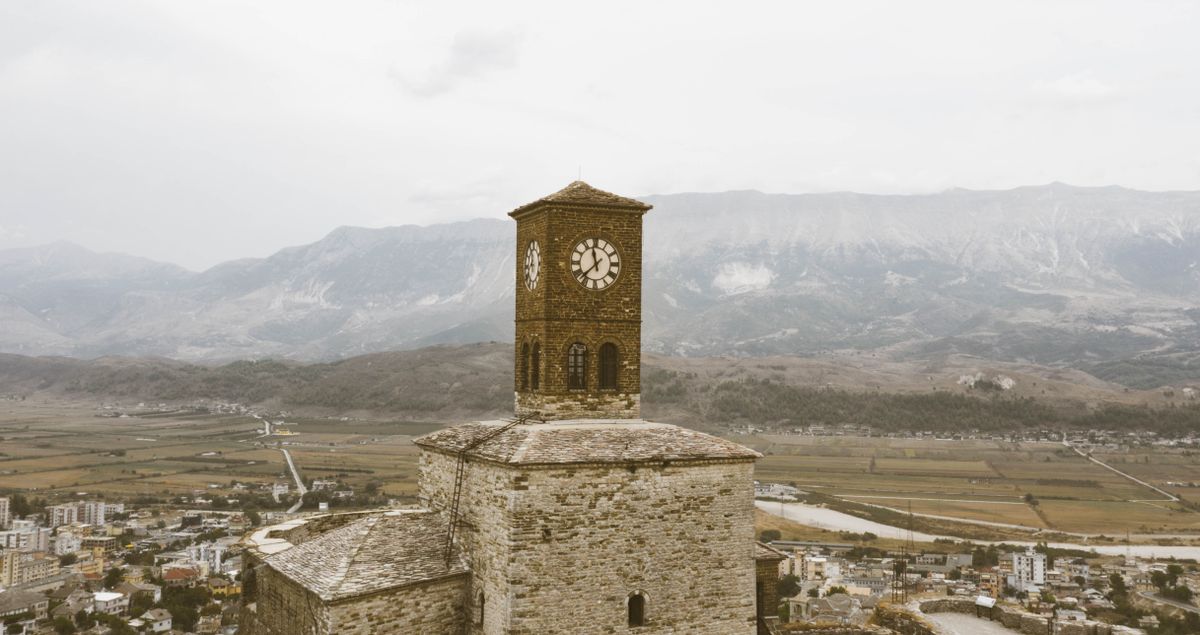
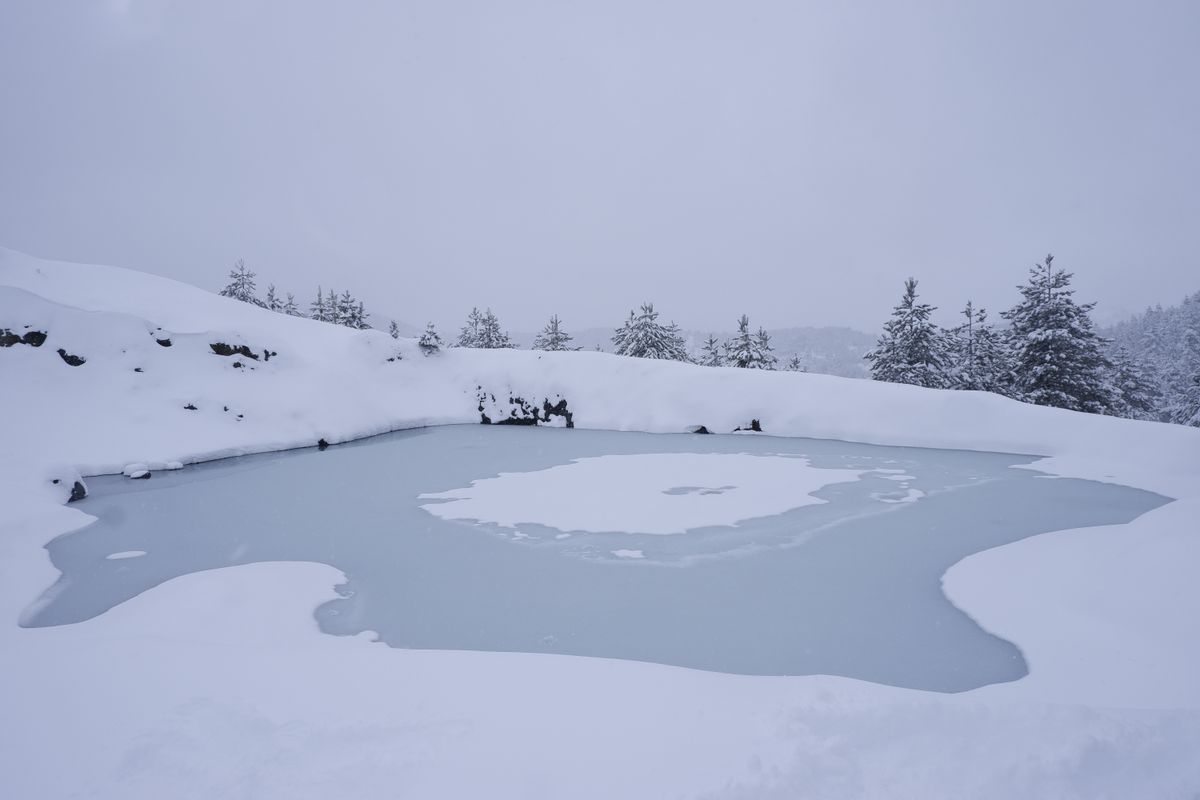
It is also the coldest city in the country. Winter brings real snow and sub zero temperatures, unusual for Albania, and it explains the pitched roofs and the stoves.
What to see
The city is covered comfortably in a day, and everything is within walking distance of the bazaar.
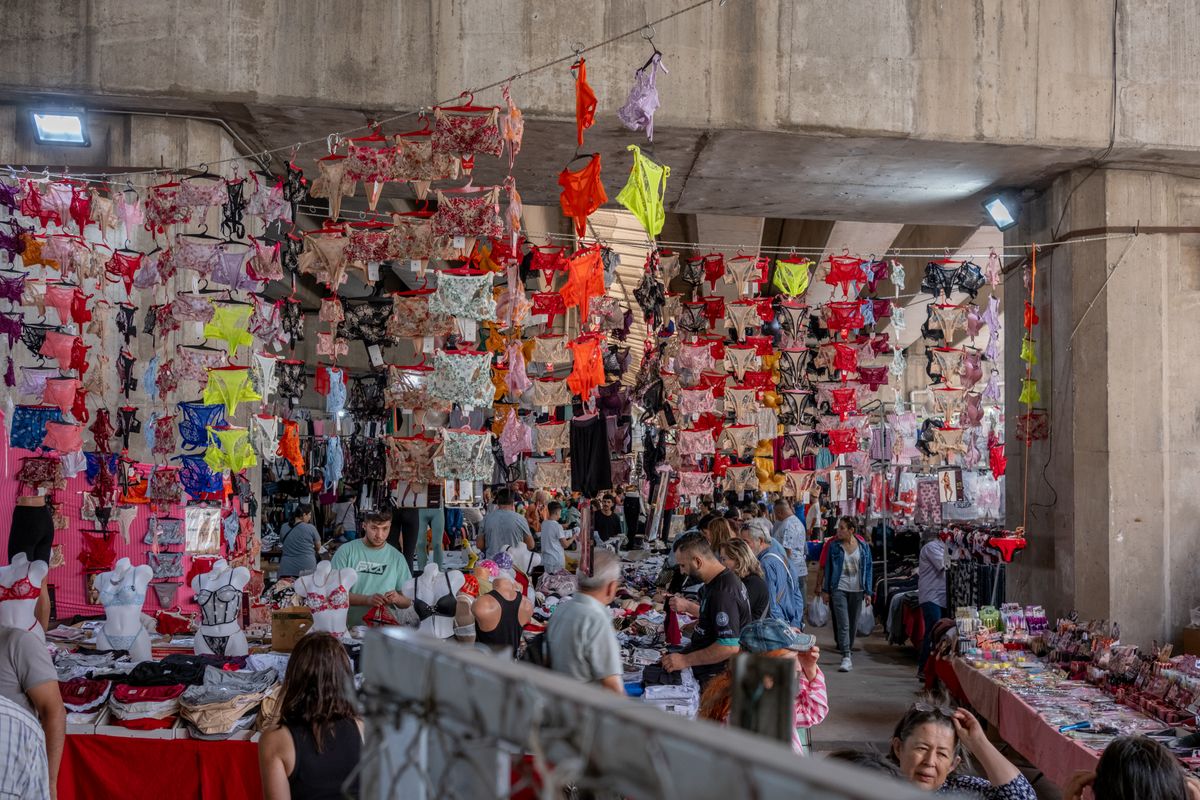
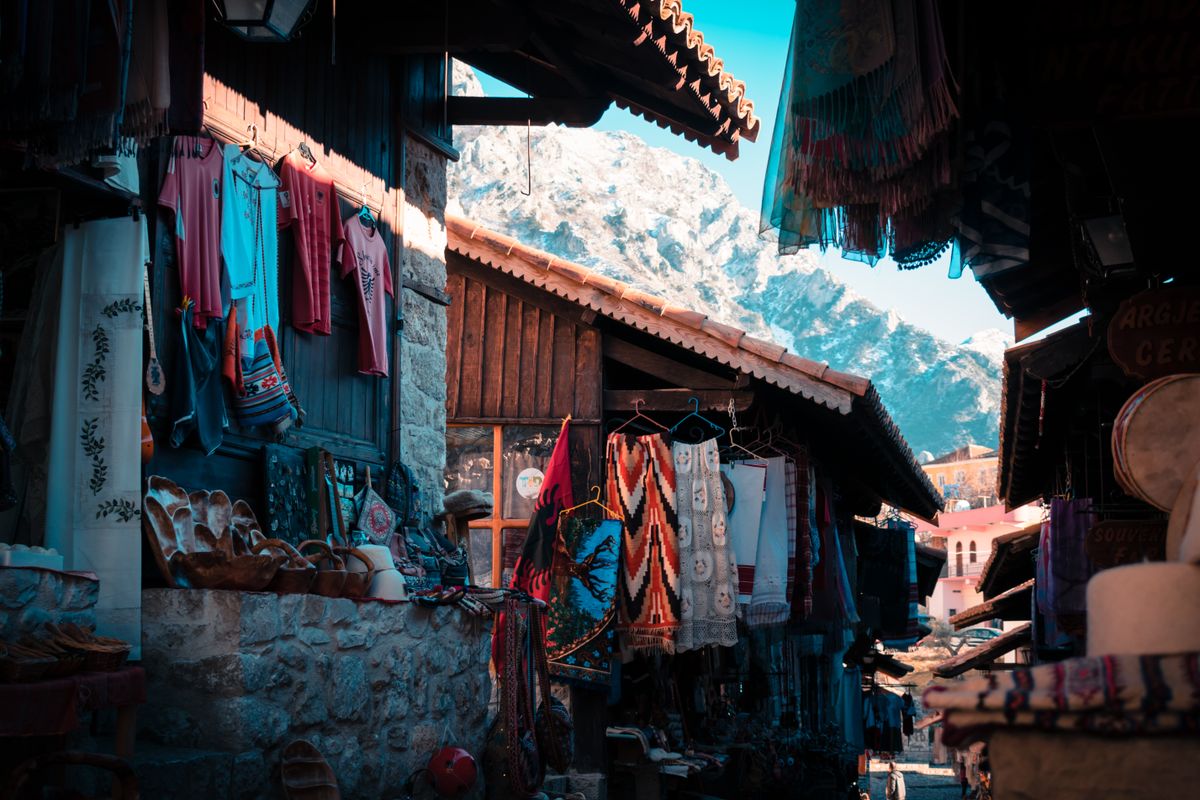
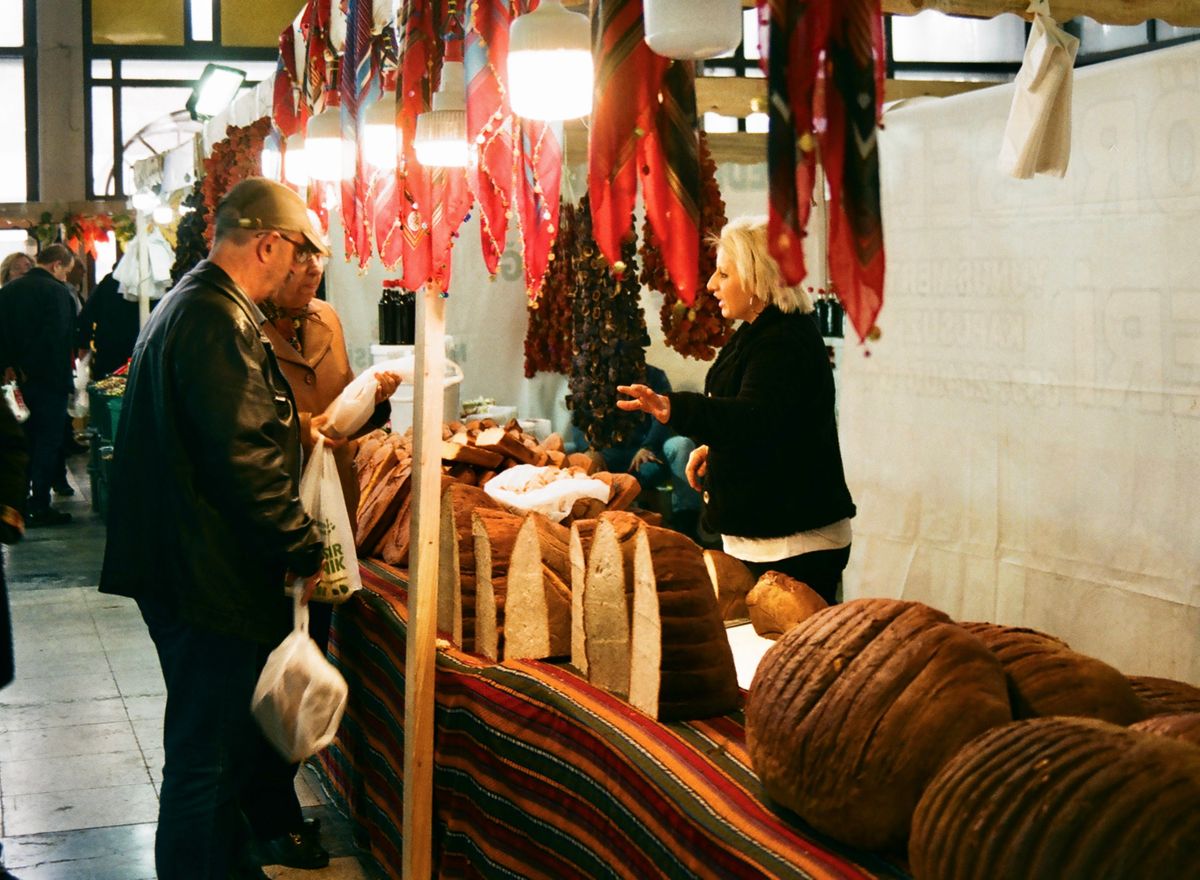
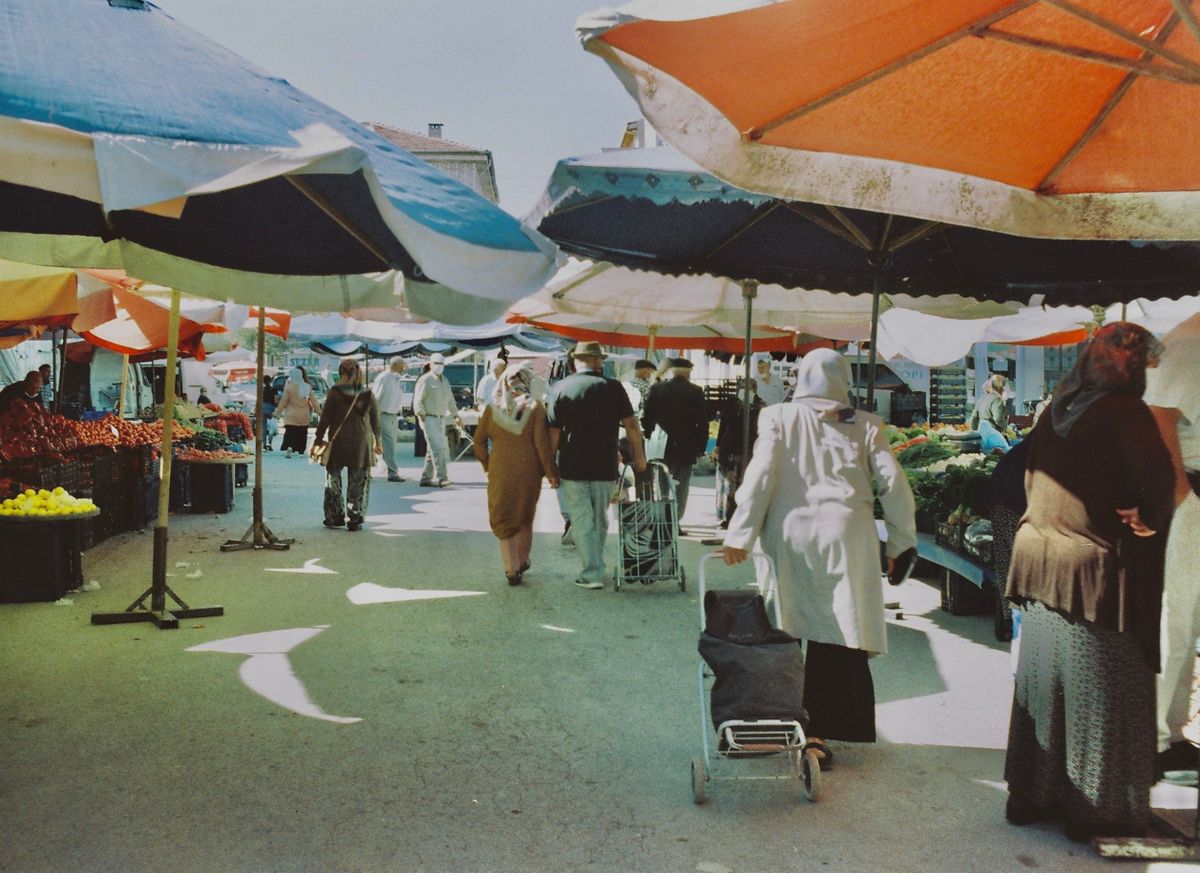
- The old bazaar: fully restored a few years ago, with cobbled lanes, inns and dozens of places to eat and drink. It works, rather than merely looking the part.
- The National Museum of Medieval Art: the finest icon collection in Albania, with thousands of pieces including works by the painter Onufri. The most serious reason to come.
- The Resurrection Cathedral: Orthodox, raised in the nineteen nineties, one of the largest in the Balkans.
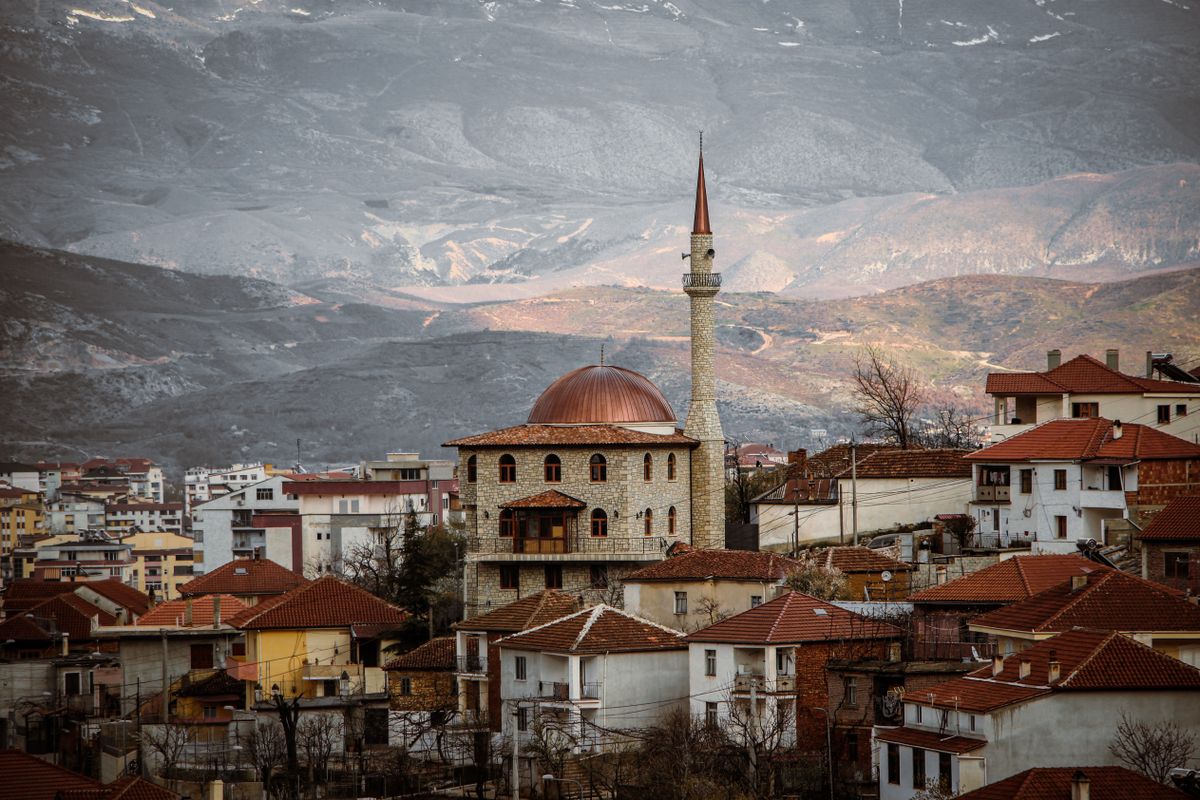
- The Mirahori Mosque of 1495: one of the oldest in Albania, with what survives of the original decoration.
- The National Museum of Education: the former first Albanian school.
- Republic Boulevard: the axis of the city, with interwar buildings and cafes.
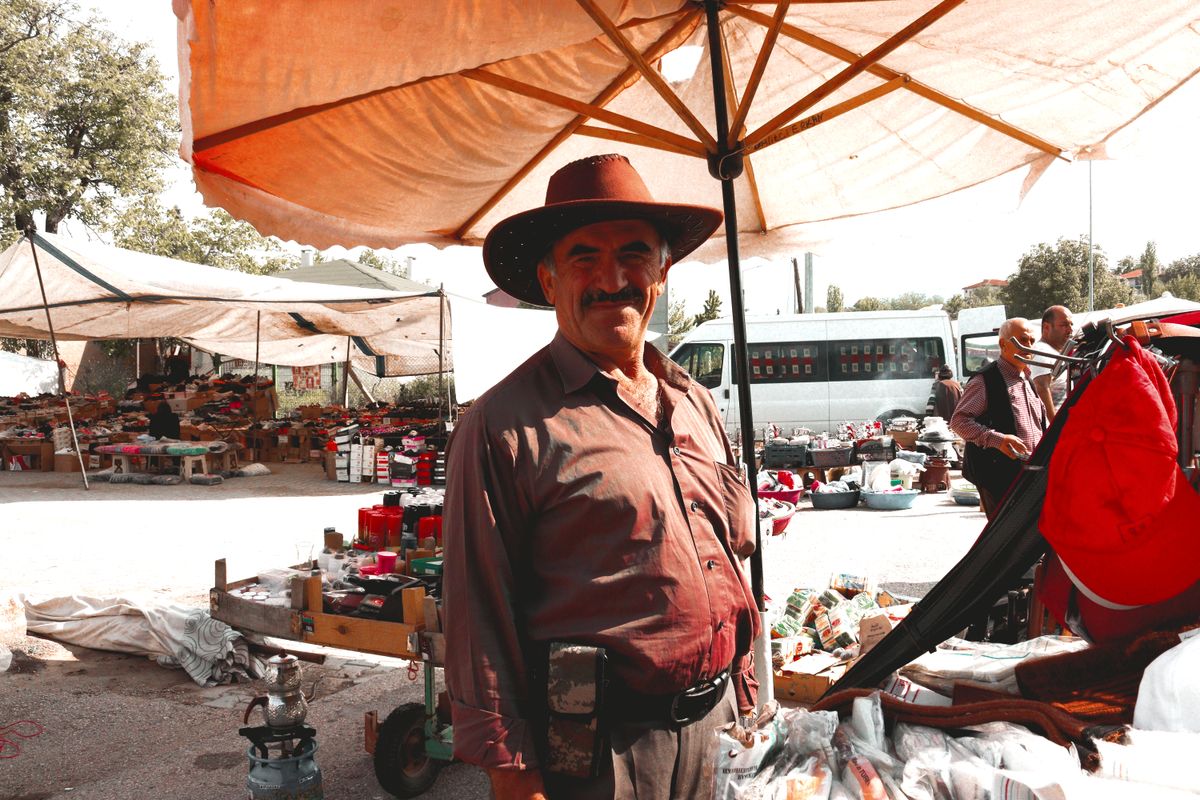
The medieval art museum is consistently underrated. The icon collection spans several centuries and was gathered from churches across the country, many of them saved during the communist period, when religious practice was banned outright.
The beer, the serenade and the evenings
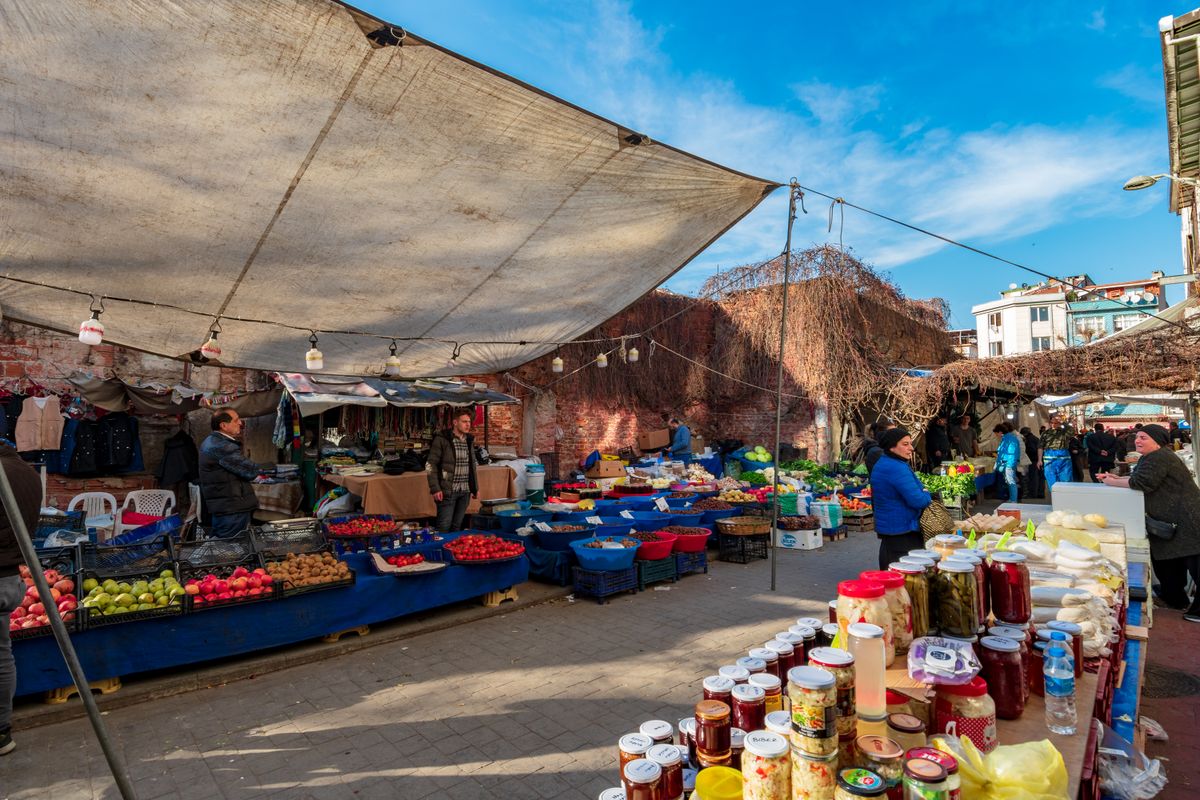
The local brewery has been running since 1928 and is the oldest in Albania. Korça beer is sold across the country, and in the city it is drunk by the half litre in the bazaar bars at a faintly absurd price.
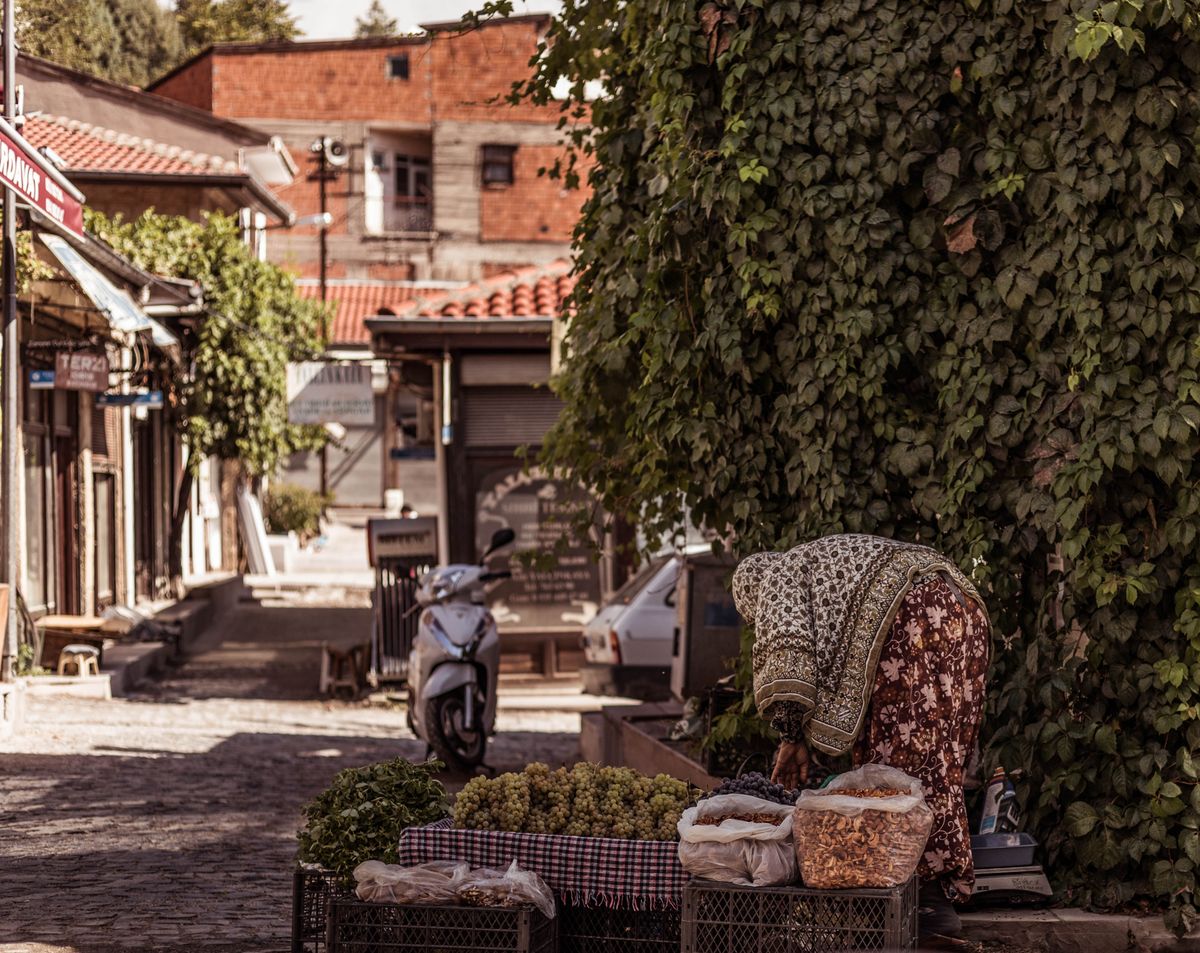
In August the beer festival takes over the city centre for five days, with concerts and long tables. It is the biggest event in the local calendar and fills every bed in town.
The other local tradition is the Korçë serenade, an urban polyphonic song performed by small groups of men with guitar and mandolin. It is not staged folklore, it is still sung in bars, mostly late in the evening, and if you happen on a group it is worth staying.
What to eat here
The cooking of Korçë is heavier and richer than that of the coast, which makes sense in a mountain city with a real winter.
- Lakror: the local pie in thin layers, with leek, spinach, pumpkin or meat. Traditionally baked under a metal lid buried in embers.
- Kernacka: small grilled sausages specific to the city, served with onion and bread.
- Winter soups and stews, with beans and meat.
- Cheeses from the Dardhë area and mountain honey.
- Fruit raki, served before the meal rather than after.
Prices are low: a full meal with a drink rarely reaches ten euros a head, and less than that in the bazaar places.
Voskopoja, the city that vanished
About twenty kilometres from the city lies the village of Voskopojë, which today has a few hundred residents. In the eighteenth century it was one of the largest and most prosperous cities in the Balkans, with an academy, a printing press, one of very few in the region, and dozens of churches.
The population was largely Aromanian, and the city functioned as a trading centre with links across central Europe. It was destroyed twice, in 1769 and 1788, and never recovered.
What remains is a handful of eighteenth century churches with remarkable frescoes inside and on the exterior porches. They are locked, and the key is asked for in the village, which means a visit depends on finding the right person. It is worth the effort, but go with realistic expectations about opening.
Korçë is a good base for the south eastern corner. The village of Dardhë, twenty five kilometres away, is a small mountain resort used in winter. Lake Prespa, with the island of Maligrad and its rock church, is about an hour off. Ohrid, in North Macedonia, is reached in about an hour and a half across the border, which makes the city a logical stop on a longer Balkan route.
Getting there, how long to stay, when to go
| Item | Detail |
|---|---|
| From Tirana | about 3 hours 30 |
| From Ohrid | about 1 hour 30, with a border crossing |
| From Gjirokastra | around 3 hours |
| Altitude | about 850 metres, the coldest city in Albania |
| Days needed | 1 to 2, plus a day for Voskopoja and around |
| Best months | May to June, September to October, plus December |
| August | the beer festival, a full city, book well ahead |
Coaches link the city to Tirana and other centres, but for Voskopojë and the surrounding villages you need a car or a taxi. Accommodation is cheap, from twenty five euros a night for a good guest house in the centre.
December is worth a separate mention: the city runs a winter market and it is the only place in Albania with a clear cold season atmosphere, with snow all but guaranteed.
Visitor information is published by the Albanian national tourism agency, and historical background on the region by Encyclopaedia Britannica.
Frequently asked questions (FAQ)
Conclusion
Korçë has no sea and no spectacular castle, but it has the first school taught in Albanian, the best icon collection in the country and a restored bazaar where people actually shop.
Give it a day, go into the icon museum without fail, eat lakror in the bazaar, and if you have another day, head to Voskopojë with the patience to find the church keys.
