
 By

Lake Koman is a reservoir on the Drin river in northern Albania, and the ferry that crosses it has become one of the best known journeys in the Balkans. The route runs about thirty four kilometres, takes around three hours, and passes between limestone walls that drop vertically into the water. For the villages along the shore it is not a tourist attraction but the only link to the rest of the country.
How to reach the jetty, which boat to take, what it costs, what you see on the way and how to continue into the mountains.
What Lake Koman actually is
It is not a fjord, although the comparison is made constantly and visually it is justified. It is a reservoir formed after the Koman hydroelectric dam was completed in 1985, part of a cascade of dams along the Drin.
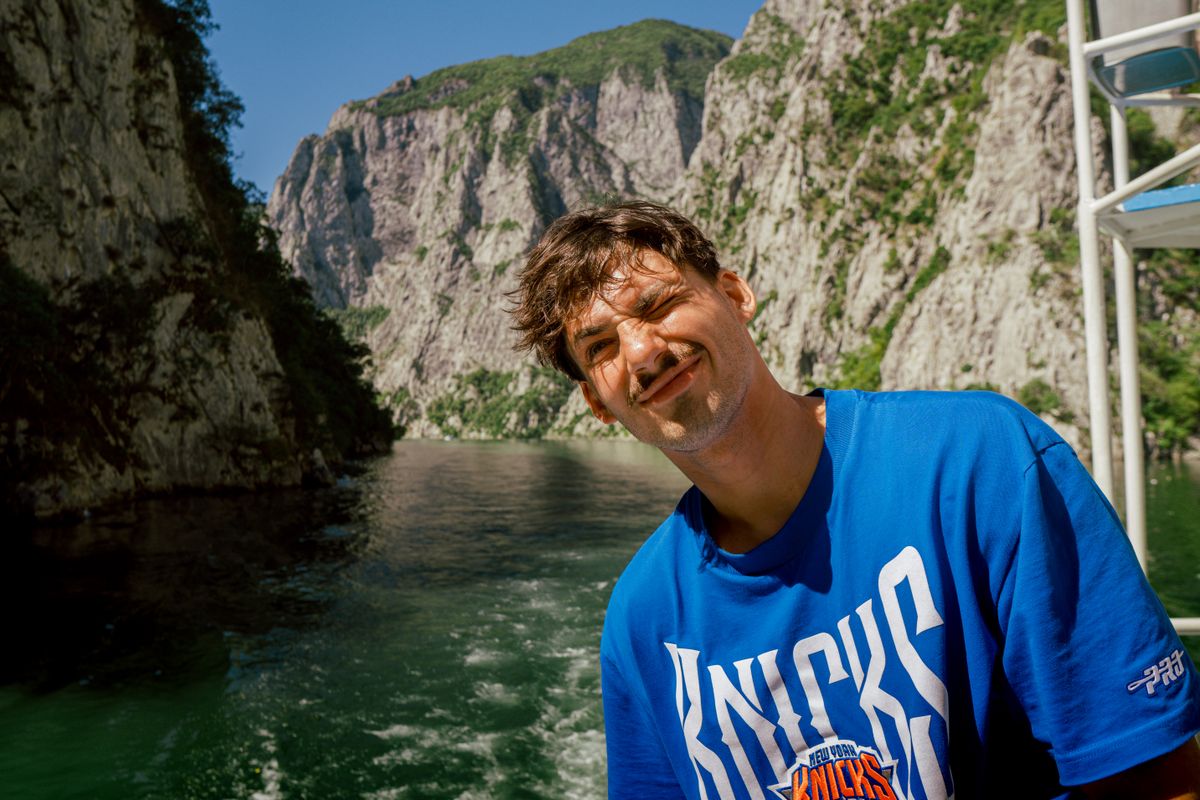
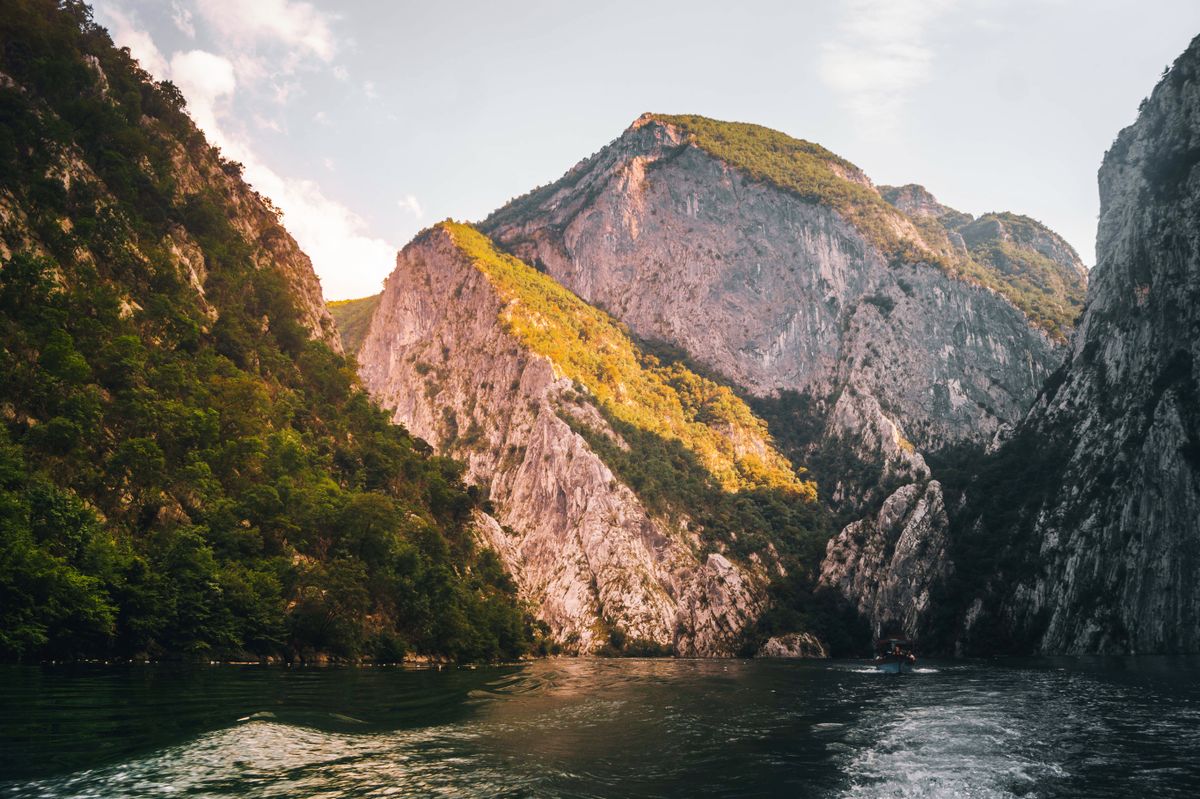
The water flooded a narrow gorge, and the result is a channel sometimes under a hundred metres wide, with walls of several hundred metres on both sides. In places the boat runs into what looks like a dead end, and the channel only opens at the last moment.
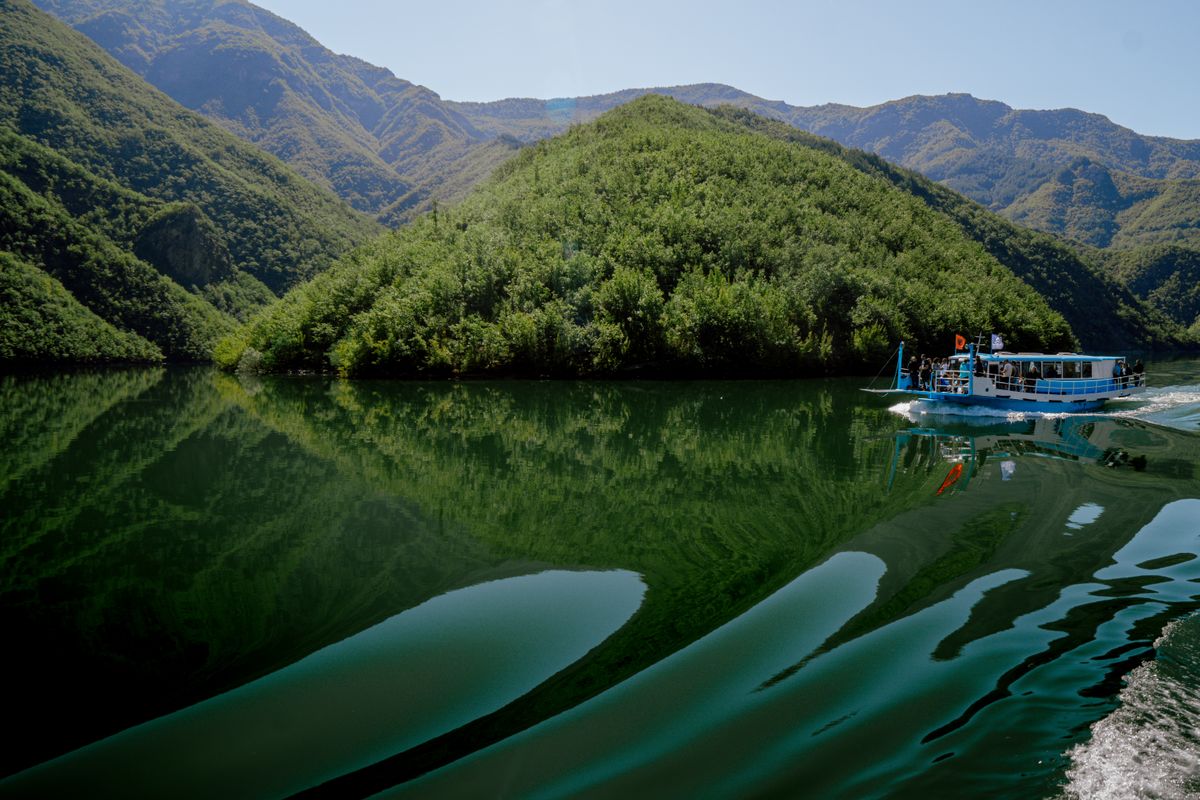
There are whole villages along the shore with no road access. The ferry brings them goods, takes children to school and people to hospital. That is why it runs to a public service timetable rather than a cruise schedule.
The drive to the jetty, the part everyone underestimates
The starting point is the Koman dam, about two hours by car from Shkodër. The road is surfaced for most of the way, but the last few kilometres are narrow and exposed.
The final stretch passes through a tunnel cut into rock, unlit, wide enough for one vehicle, with an uneven surface. It runs a few hundred metres and is taken slowly, with headlights on and, preferably, after checking that nothing is coming the other way. It is not dangerous, but it is exactly the sort of thing worth being ready for.
Minibuses leave Shkodër in the morning and transfer directly to the jetty, timed to the ferry departure. They are booked a day ahead through your accommodation or a local agency and cost around ten euros a person. It is the simplest option and it spares you the tunnel. If you drive yourself, check in advance whether the boat you booked carries vehicles, because not all of them do, and the vehicle spaces are few and fill quickly in summer.
Which boat to take and how it works
Several vessels run on the lake and the experience differs considerably between them. The basic distinction is between the scheduled ferry, a converted vessel carrying cargo and locals on an open deck, and the smaller tourist boats.
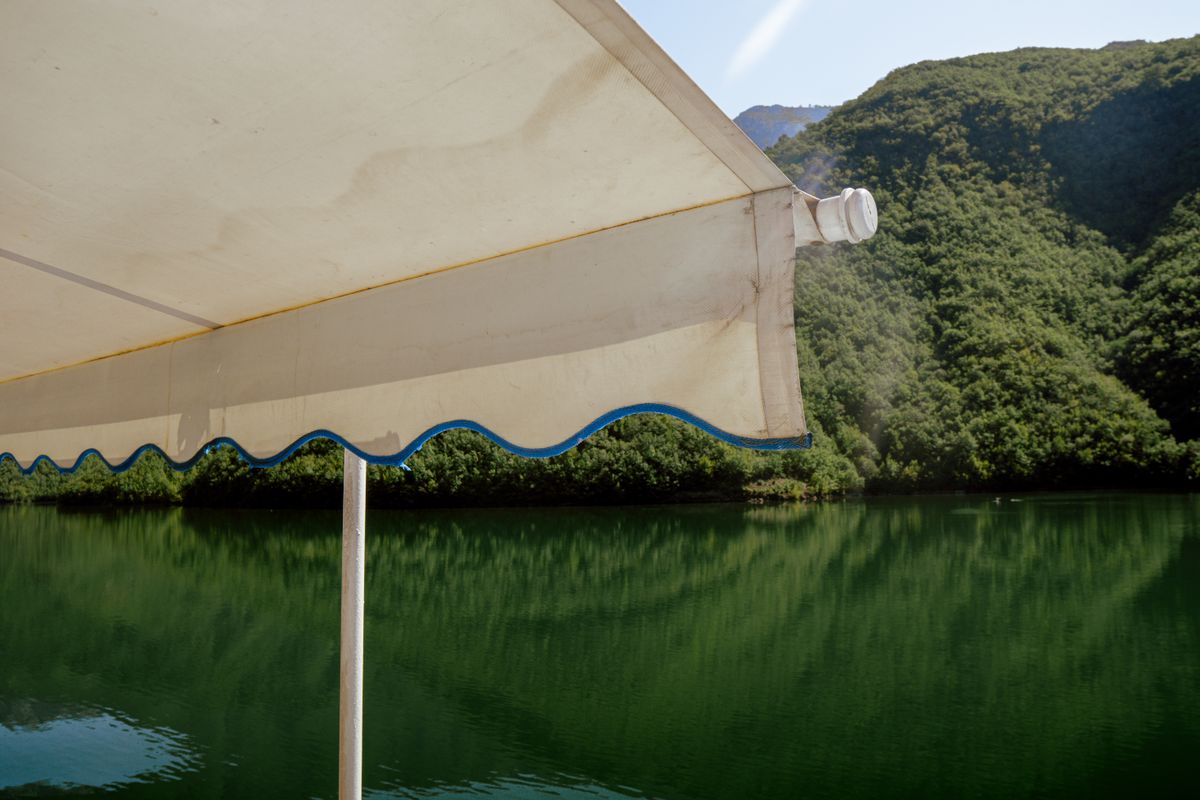
- The scheduled ferry: slower, noisier, with locals, animals and luggage aboard. More authentic and cheaper. It has an open deck with a full view.
- The tourist boats: faster, with reserved seats, sometimes with commentary. More expensive and less interesting as an experience.
- Departure is usually in the morning, around nine, one direction per day each way.
- The crossing takes about two and a half to three hours from Koman to Fierzë.
- A passenger fare sits at around ten euros, while carrying a car costs considerably more.
Booking ahead is essential in July and August and strongly advised in June and September. Timetables change from season to season and with the water level, so confirm the day before rather than relying on information found on blogs.
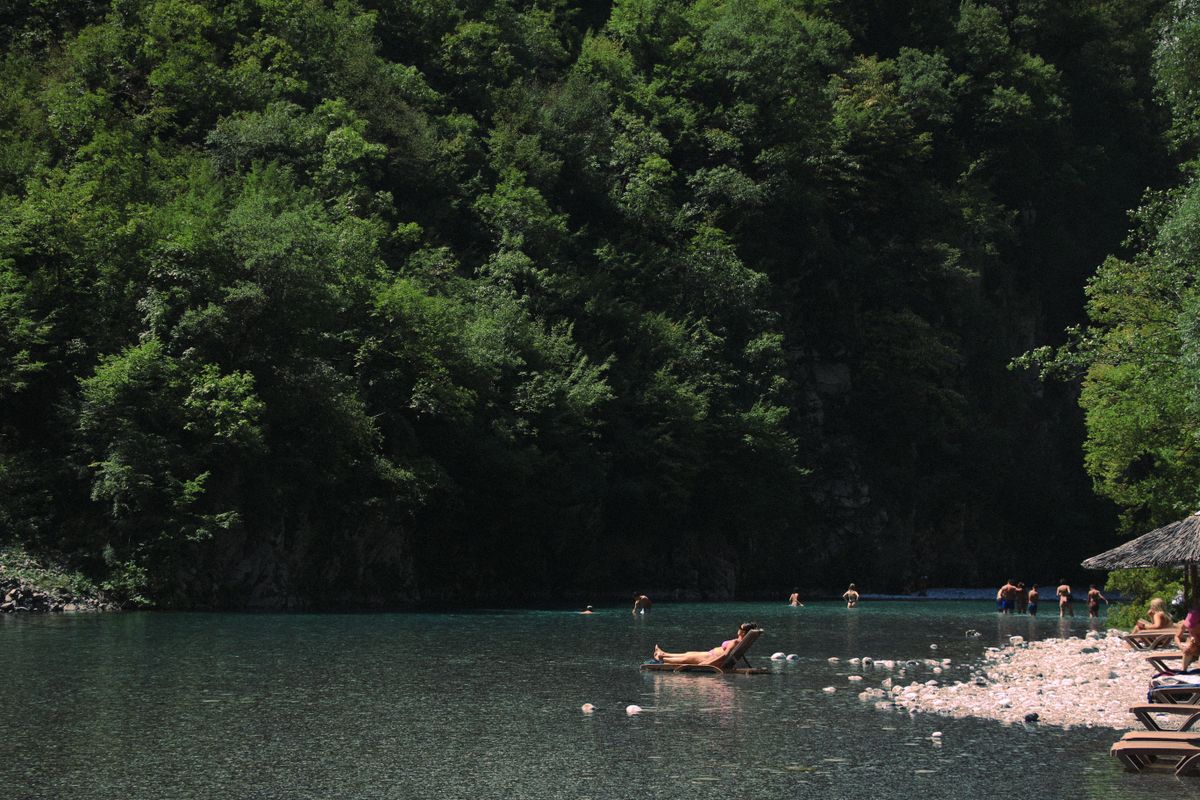
What you see over the three hours
There is no single high point but a succession of openings and narrows. The walls change orientation at every bend, and the light shifts completely across the three hours.
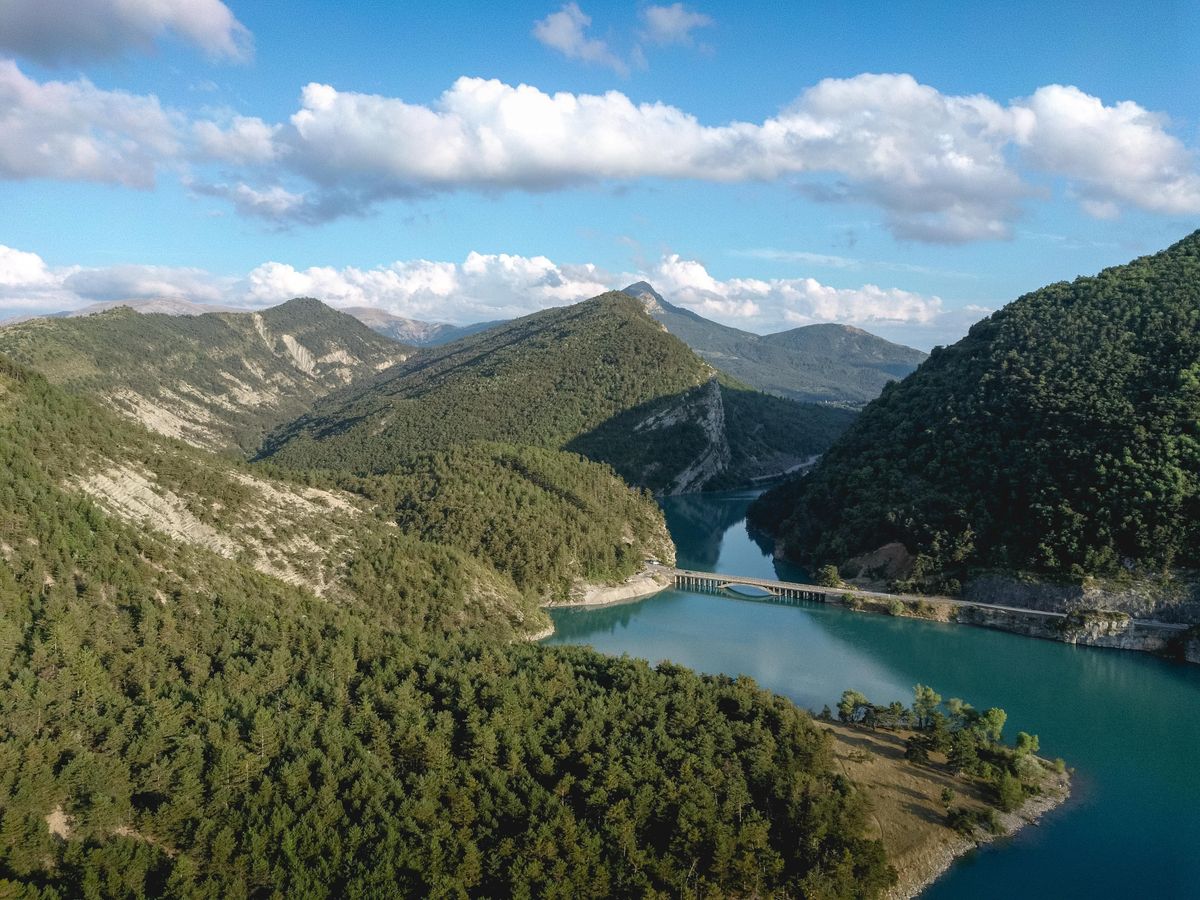
Stops are short and unannounced: the boat pulls in wherever somebody is waiting, one person gets off with two sacks, and it moves on. There are no built jetties, just a concrete platform or even a spit of rock.
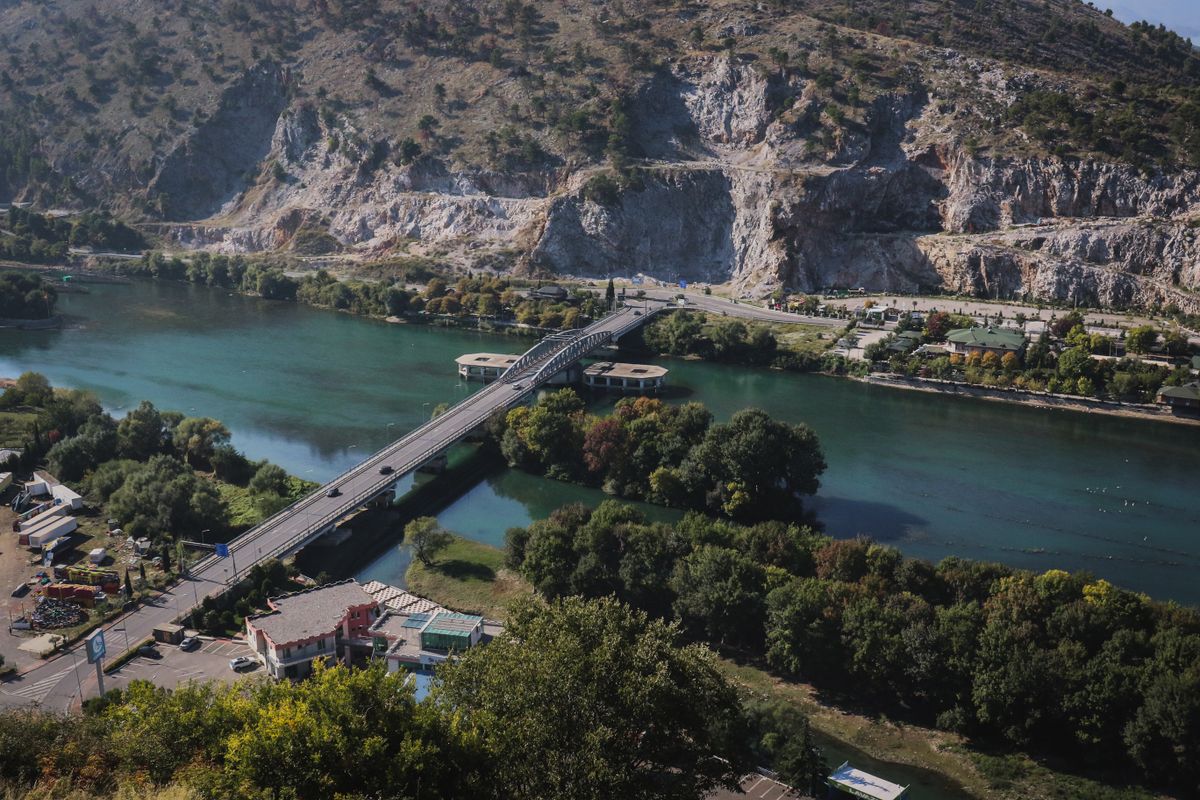
Stay on deck rather than in the cabin. In summer the sun is strong and there is no shade, so bring a hat and sunscreen. In spring and autumn a cold wind blows across the water even when it is warm ashore. Bring an extra layer whatever the month.
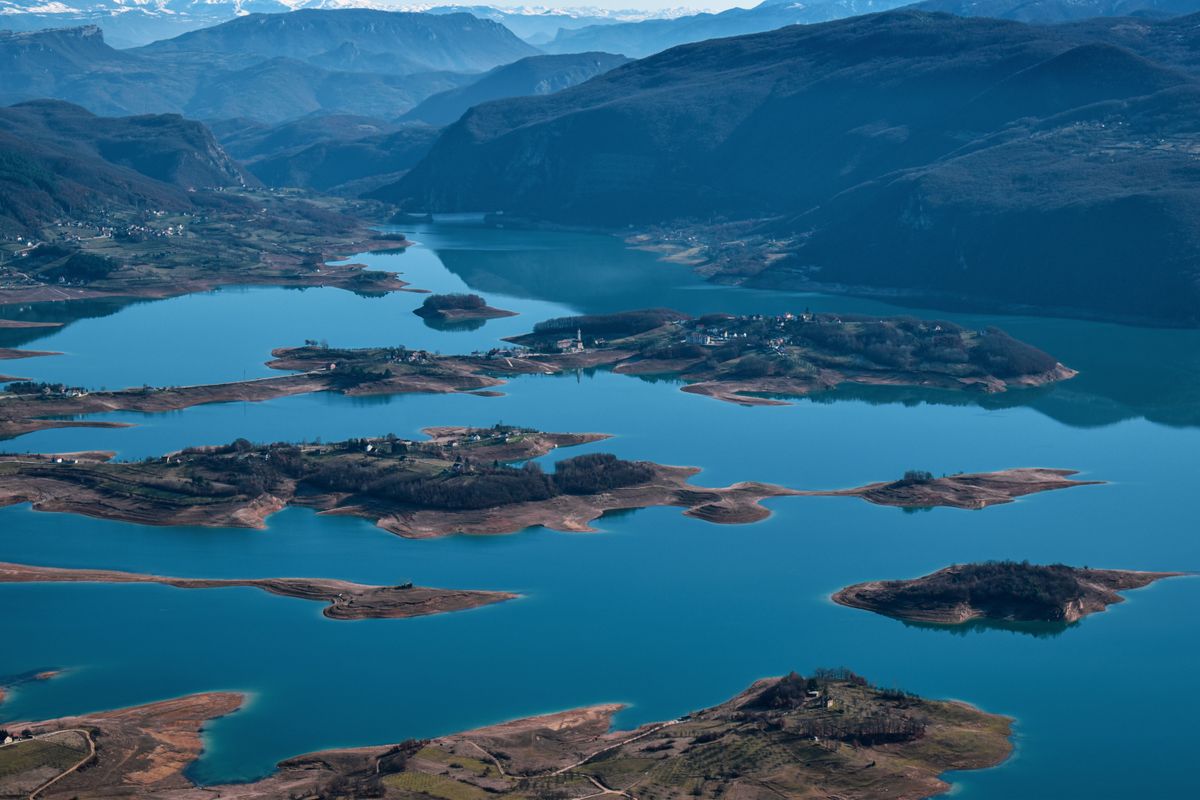
The water level varies considerably. In spring it is at its highest and the lake looks its best. By late summer, after drought, the level drops and bare shoreline shows above the water, which changes the impression entirely.
What to do once you land at Fierzë
The ferry drops you at Fierzë, which is not a destination but a transfer point. Almost everyone continues in the same direction, and transport waits at the jetty.
- On to Bajram Curri, the nearest town, about thirty minutes away.
- Further to Valbona, the mountain village at the head of the valley, another hour on.
- From Valbona the classic route crosses the pass to Theth, a day on foot.
- Alternatively, towards Kosovo: the border is less than an hour from Bajram Curri.
The usual combination is a circuit: Shkodër, ferry, Valbona, the walk over to Theth, then back to Shkodër on the mountain road. It takes a minimum of four days and is the most popular itinerary in northern Albania.
Accommodation in Valbona and Theth books up in summer. Cash is essential in both villages, and the nearest cash machine is in Bajram Curri.
Planning, costs and common mistakes
| Item | Detail |
|---|---|
| Shkodër to Koman | about 2 hours by car |
| The crossing | Koman to Fierzë, about 2 hours 30 to 3 hours |
| Length | roughly 34 kilometres |
| Departure | usually morning, one direction per day |
| Passenger fare | around 10 euros, a car considerably more |
| Season | April to October, best in spring |
| Booking | essential in July and August |
The three most common mistakes are: turning up without a booking in summer and losing the day, allowing one hour instead of two for the drive from Shkodër, and assuming you can go out and back the same day. You cannot: the sailings are timed for one direction per day.
Visitor information is published by the Albanian national tourism agency, and details of the Valbona valley and the trails in the area by the Peaks of the Balkans initiative.
Frequently asked questions (FAQ)
Conclusion
Lake Koman is a nineteen eighties dam that flooded a gorge and produced, entirely by accident, one of the most spectacular boat journeys in Europe.
Book ahead, allow two hours for the drive to the jetty, stay on deck, and treat the crossing as one leg of a circuit, because out and back in a day is not possible.
