
 By

The same Ionian sea as Corfu, at roughly half the price, on a coast that had almost no tourism at all thirty years ago. The Albanian Riviera is developing fast, which is both the reason to go now and the reason parts of it already look like everywhere else.
The coast from north to south, the beaches worth the drive, what it actually costs, and a week long route.
Why the Albanian Riviera
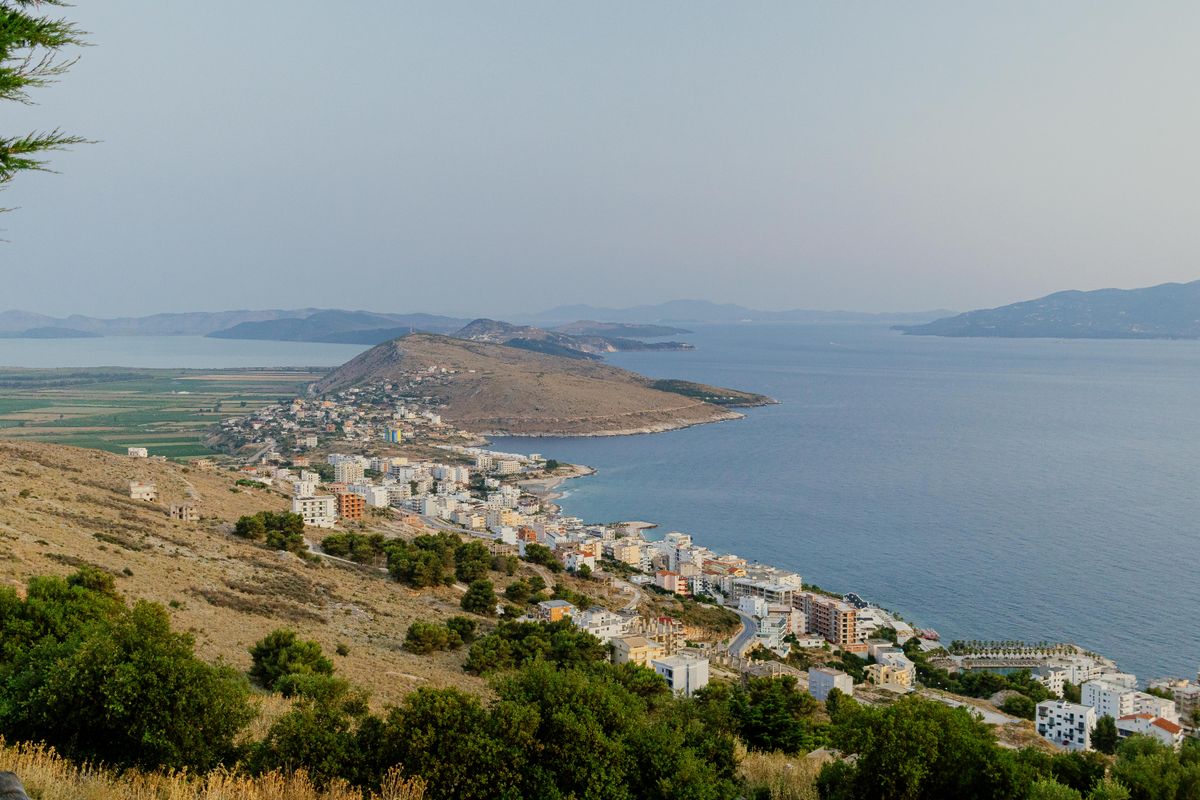
The coast runs about 130 kilometres from the Llogara pass down to Ksamil, facing Corfu across a narrow channel. The water is the same Ionian blue, the mountains come closer to the sea than they do in Greece, and prices are noticeably lower.
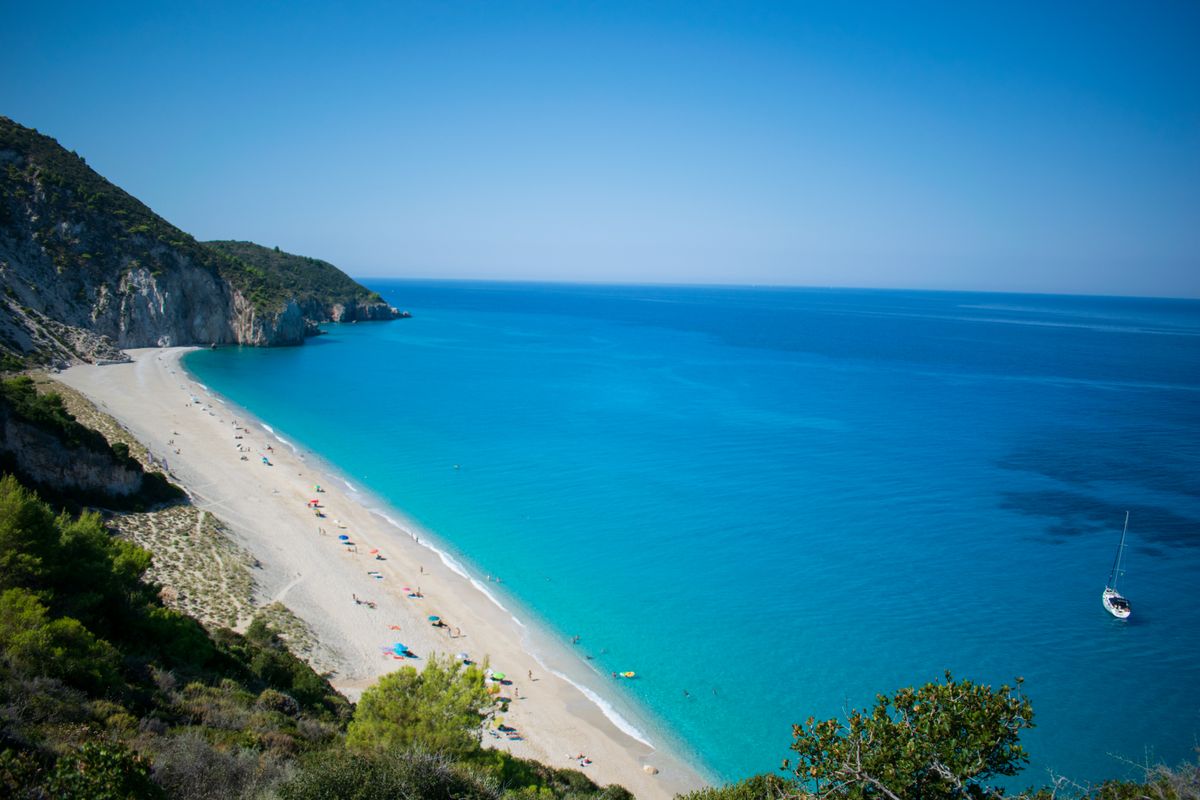
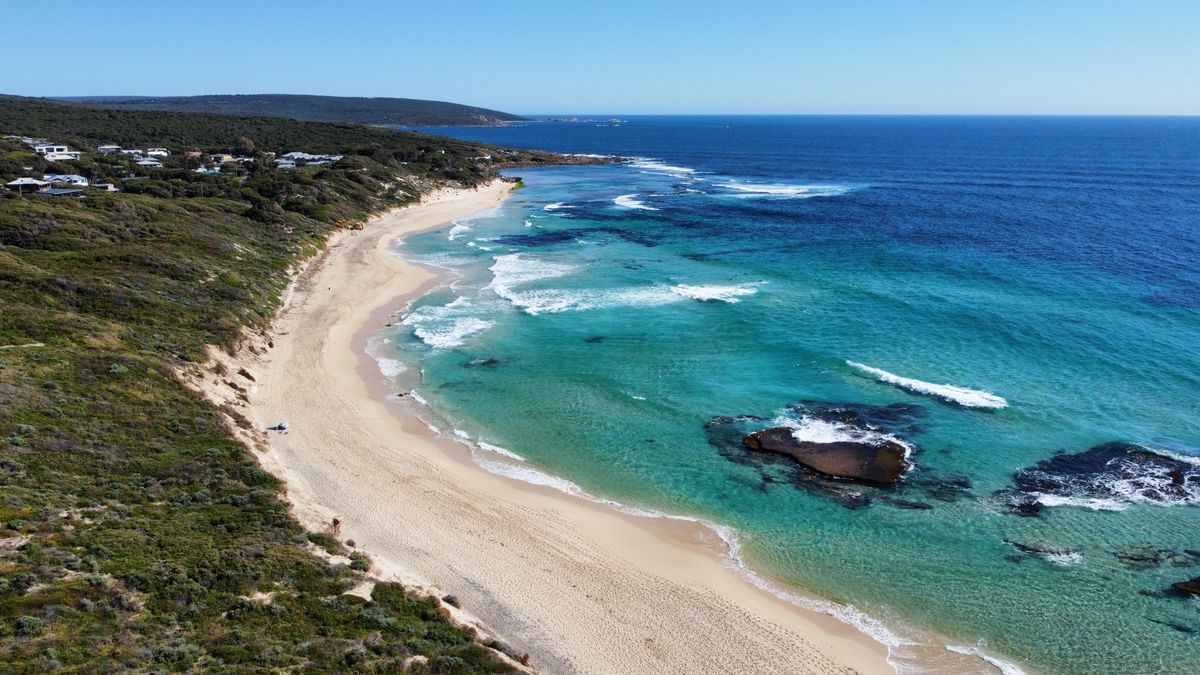
The country was closed almost completely until 1991, which is why the coast was undeveloped so recently. Building since has been rapid and in places uncontrolled, and the difference between one bay and the next can be considerable.
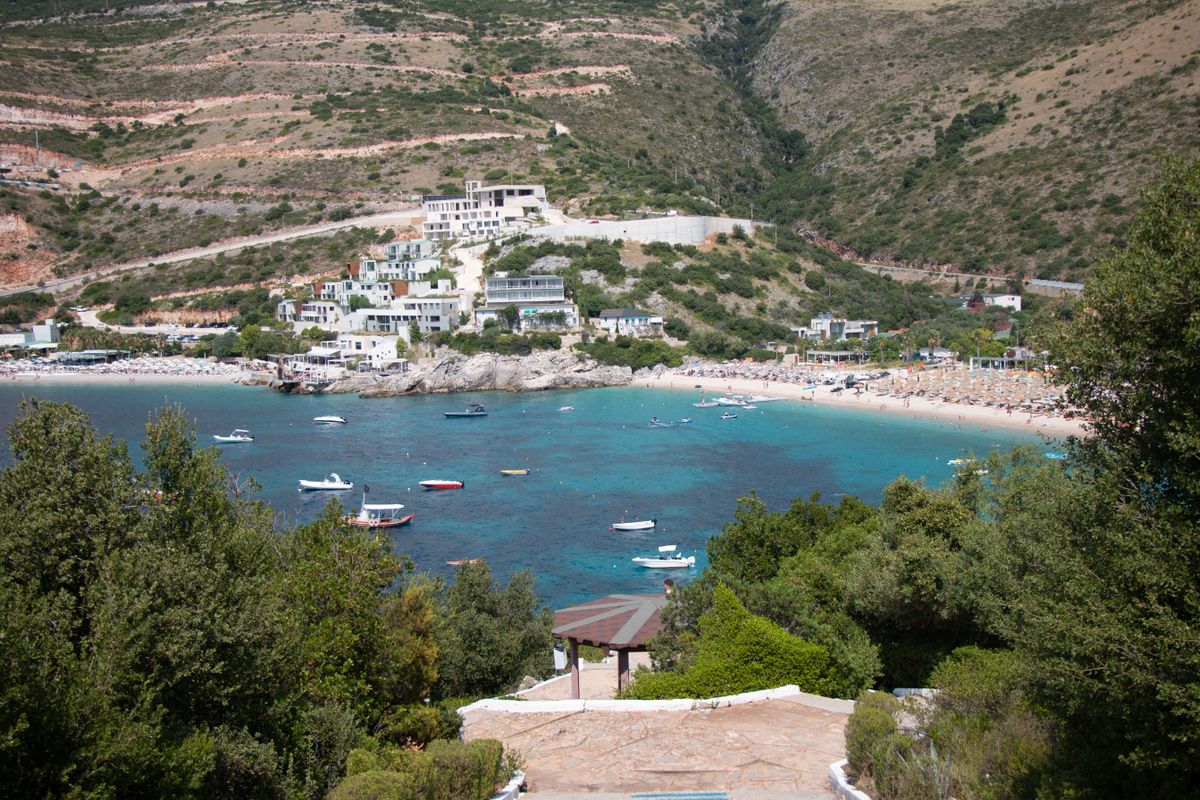
The Llogara pass
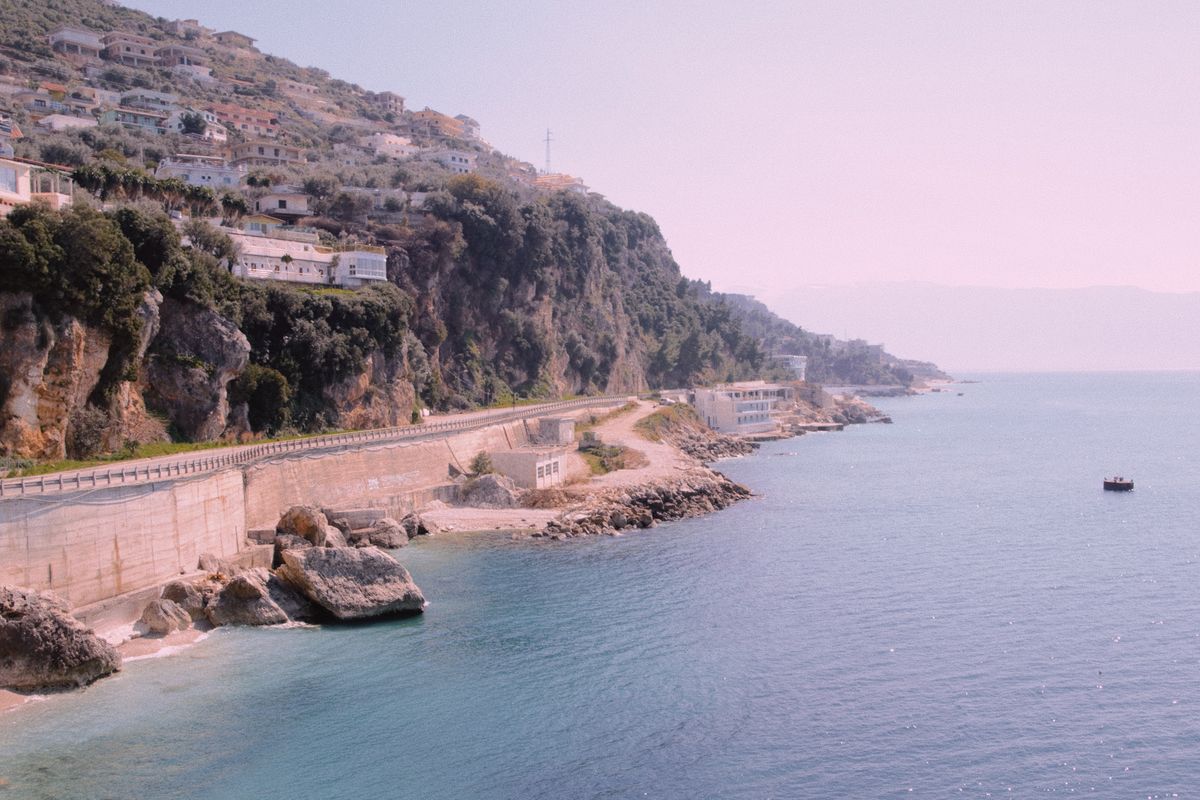
The road enters the Riviera over a pass at about 1,000 metres and then drops to sea level in a few kilometres of hairpins. It is one of the more spectacular arrivals in Europe: pine forest at the top, the whole Ionian coast below.
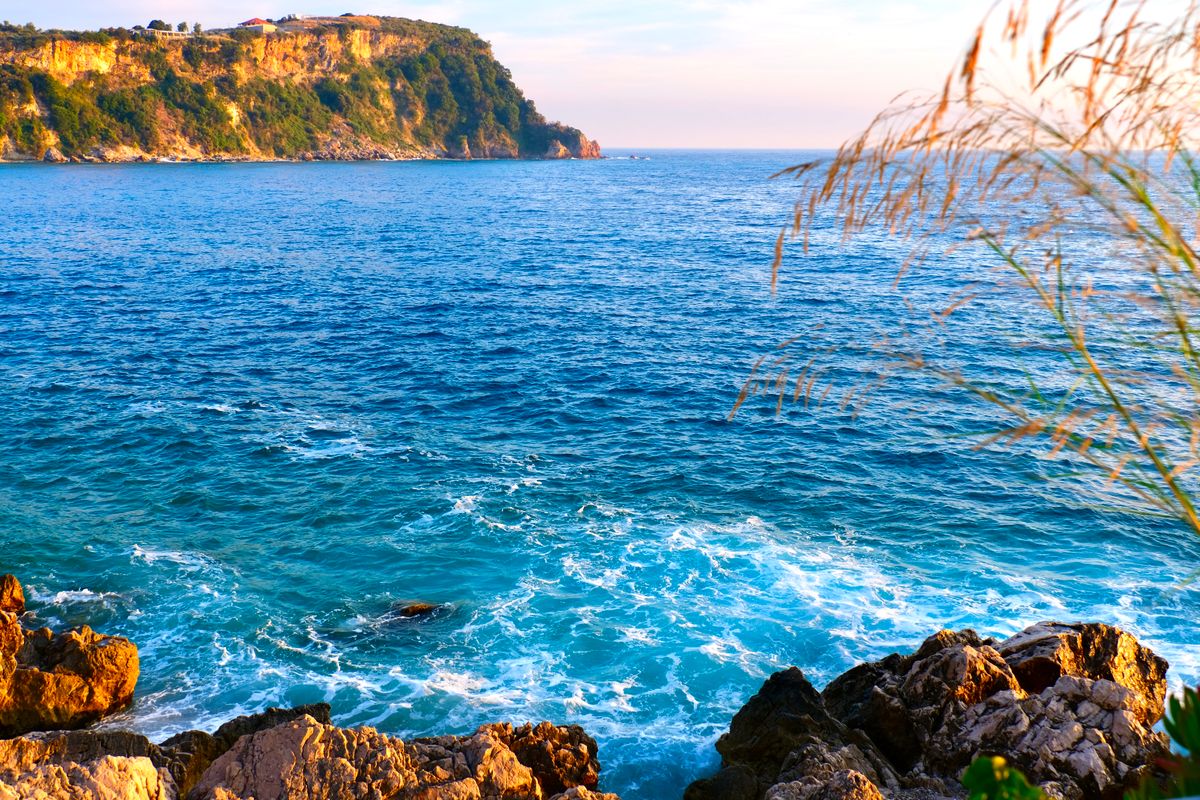
Julius Caesar is said to have landed at the bay below during the civil war, which the local signage mentions with some enthusiasm.
The beaches, north to south
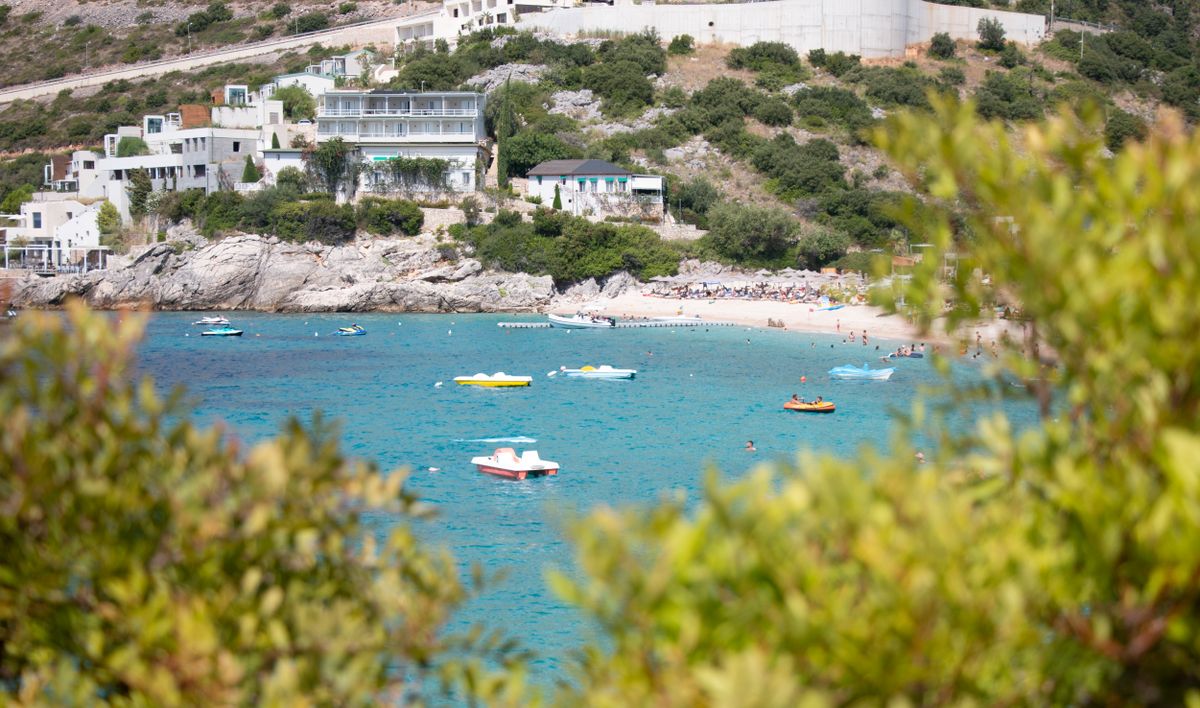
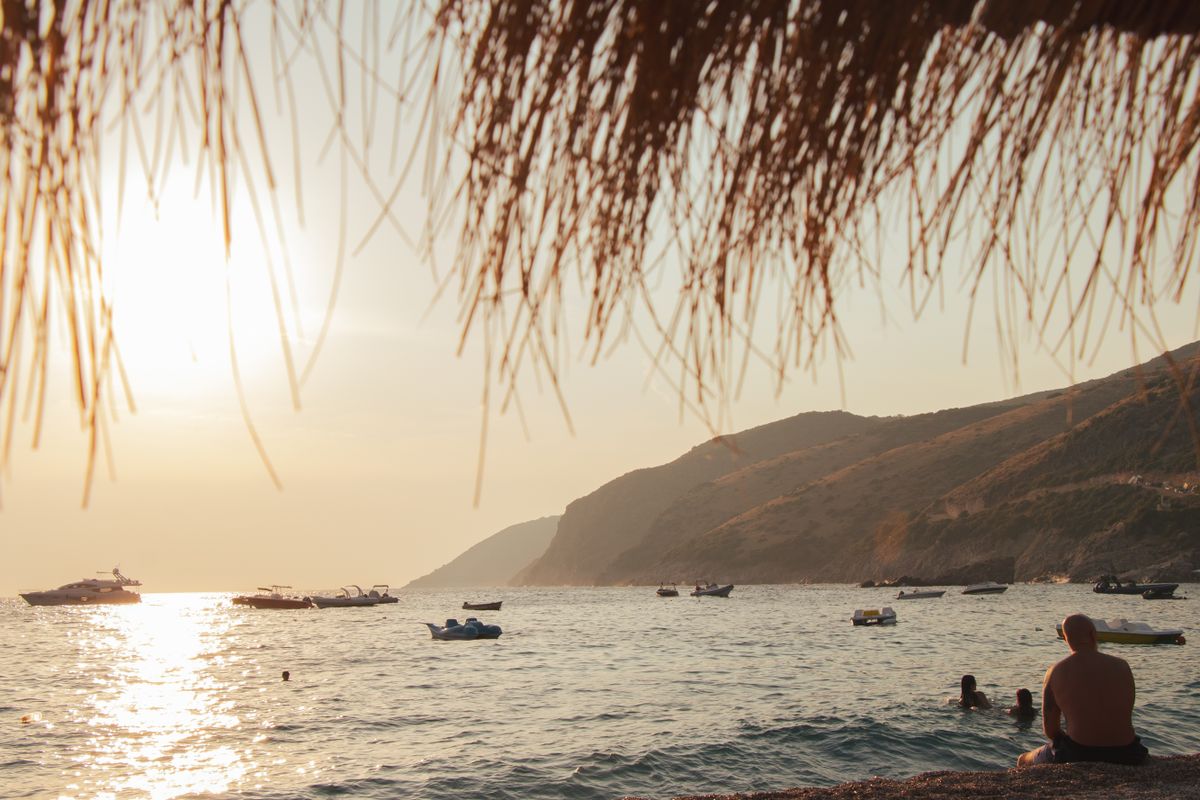
- Dhermi: the best known, a long shingle beach with clubs at one end and quiet at the other.
- Jale and Livadhi: smaller, in coves, and busy with a younger crowd in August.
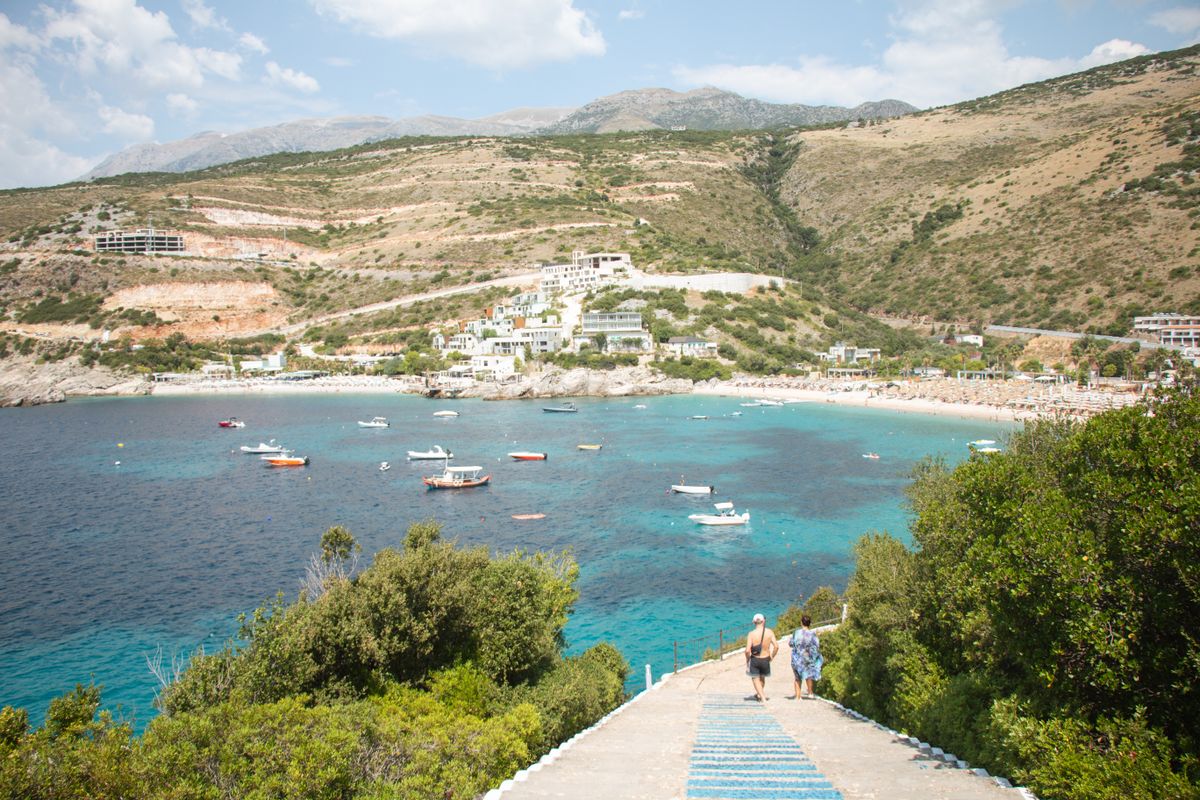
- Gjipe: at the mouth of a canyon, reached on foot or by boat, and the best on the coast.
- Himara: a town beach with a good old quarter on the hill above.
- Porto Palermo: a bay with an Ali Pasha fortress on a small peninsula.
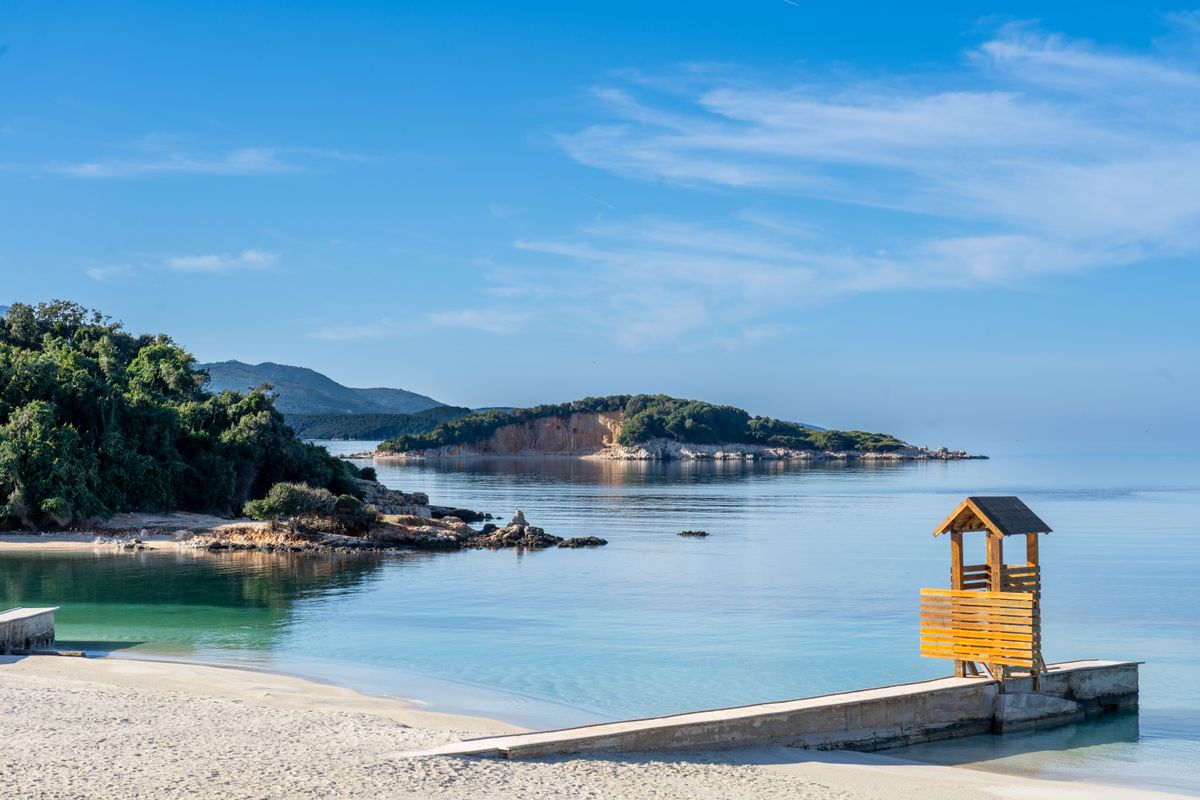
- Ksamil: opposite Corfu, with small islands you can swim to, and the busiest place on the coast.
Beyond the beaches
Butrint, twenty minutes from Ksamil, is a UNESCO archaeological site with Greek, Roman, Byzantine and Venetian layers on one wooded peninsula. It is one of the most complete ancient sites in the Balkans and receives a fraction of the visitors an equivalent Greek site would.
Inland, the stone towns of Gjirokaster and Berat are both UNESCO listed and both within two hours of the coast. Albanian hospitality is a genuine thing and not a marketing line, and the food is Mediterranean with a Balkan accent.
What it costs, compared
| Albania | Greece | Croatia | |
|---|---|---|---|
| Guesthouse | lowest | moderate | highest |
| Dinner for two | noticeably cheaper | moderate | high |
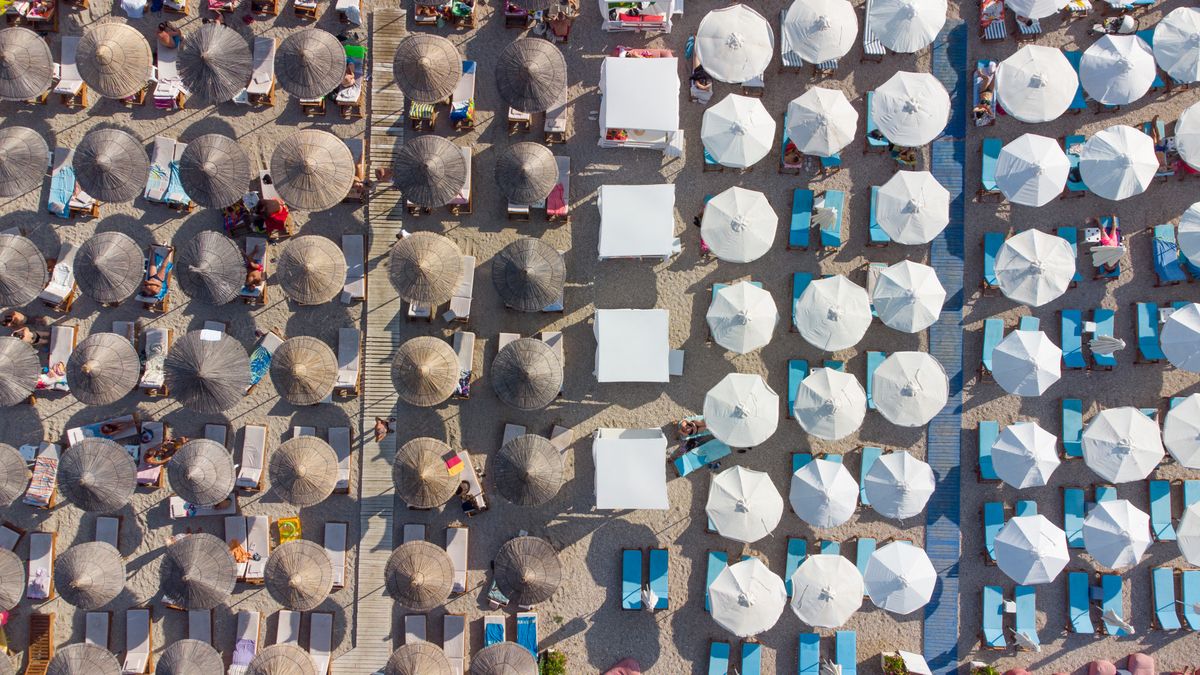
| Sunbeds | cheaper, but rising fast | moderate | high |
| Car hire | cheap | moderate | moderate |
| Roads | improved, still variable | good | good |
| Crowds in August | heavy on the main beaches | heavy | heavy |
A seven day route
Fly to Tirana or Corfu, pick up a car, and work south. Day one over the Llogara pass to Dhermi, day two at Gjipe, day three Himara and Porto Palermo, day four Saranda and Butrint, day five Ksamil, day six Gjirokaster inland, day seven back north.
From Corfu the fast ferry to Saranda takes about half an hour, which makes a few days on the Albanian coast an easy addition to a Greek holiday.
Practical advice
Roads have improved a great deal but are still variable, and the coastal road has long unlit sections with drops beside it. Drive it in daylight. Cash is still king in smaller places, and the currency is the lek, though euros are widely accepted on the coast.
Go in June or September. In August the main beaches are full and the road is slow. Background is on Wikipedia and the Butrint site is described by UNESCO.
Frequently asked questions (FAQ)
Conclusion
The same sea as Corfu, mountains that come closer to it, an archaeological site most people have never heard of, and prices that are still lower than anywhere comparable.
Take a car, come over the Llogara pass, walk down to Gjipe, and give Butrint a morning before the coast changes any further.
