
 By

Peaks of the Balkans is a circular trail of roughly one hundred and ninety two kilometres linking Albania, Kosovo and Montenegro, crossing the borders over mountain passes. It was laid out in 2012 through a development cooperation project, and the stated aim was not tourism but income for villages that were emptying. It is the only trail in Europe for which you need permits from the police of three countries.
The stages one by one, the exact permit procedure, the real budget, the kit you need and the mistakes that ruin the trip.
What Peaks of the Balkans is and who it suits
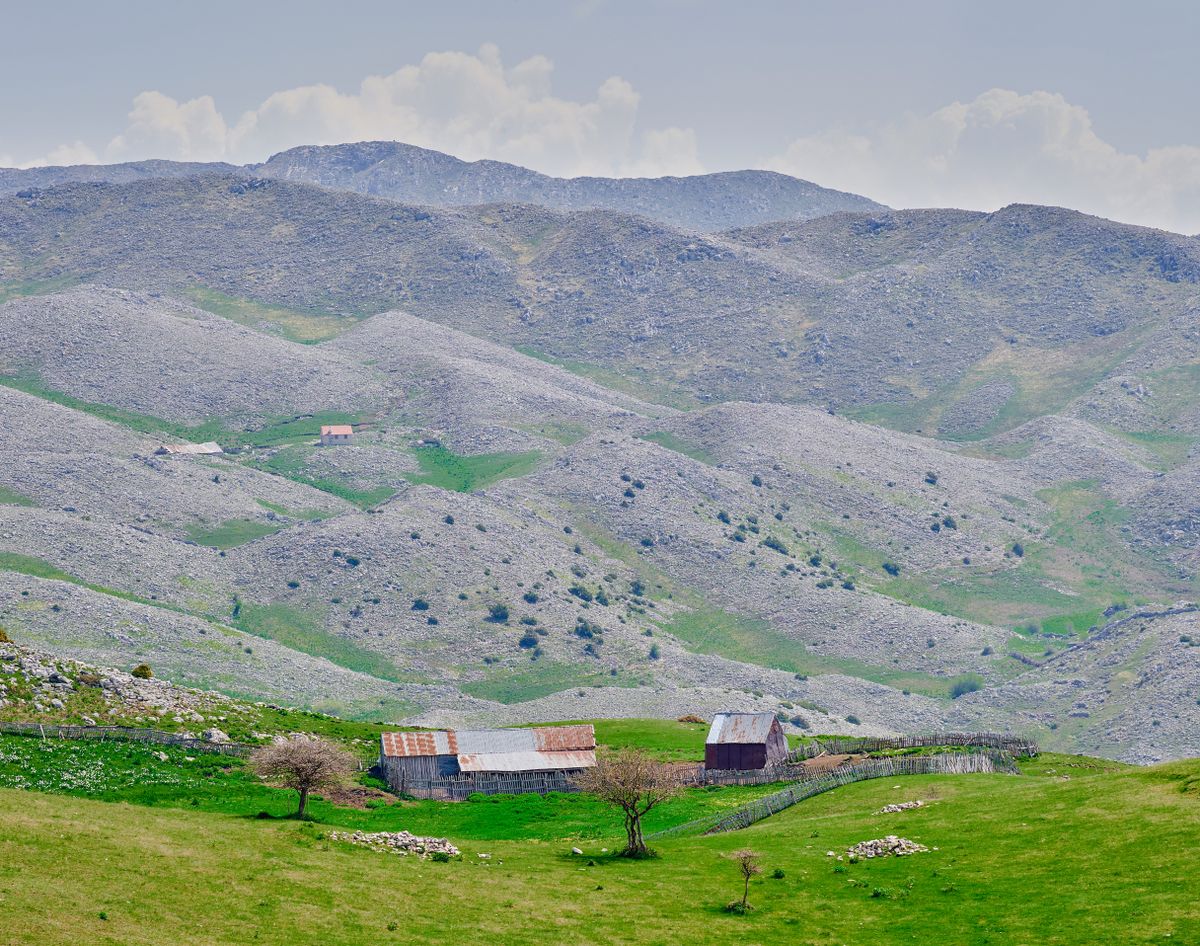
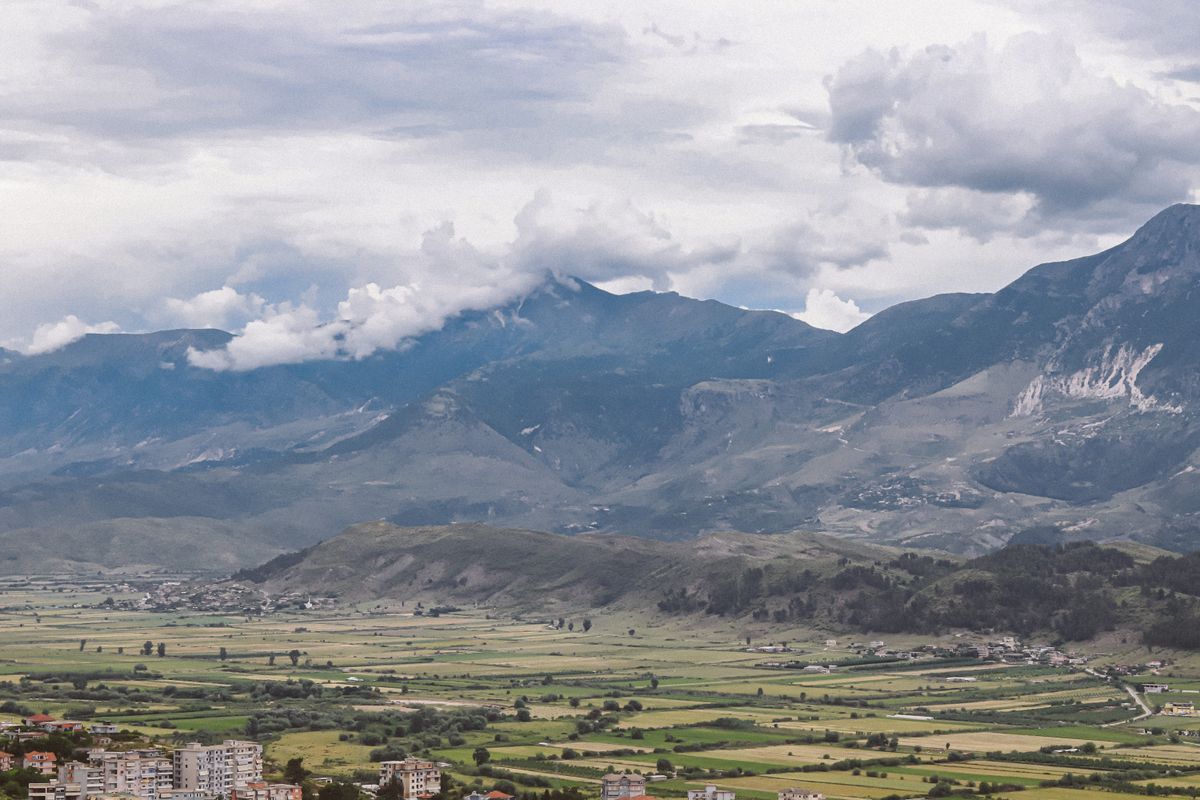
The trail loops through the Albanian Alps, also known as the Accursed Mountains, passing through the three countries that share the massif. It does not climb summits but crosses passes, and the maximum altitude is around two thousand metres.
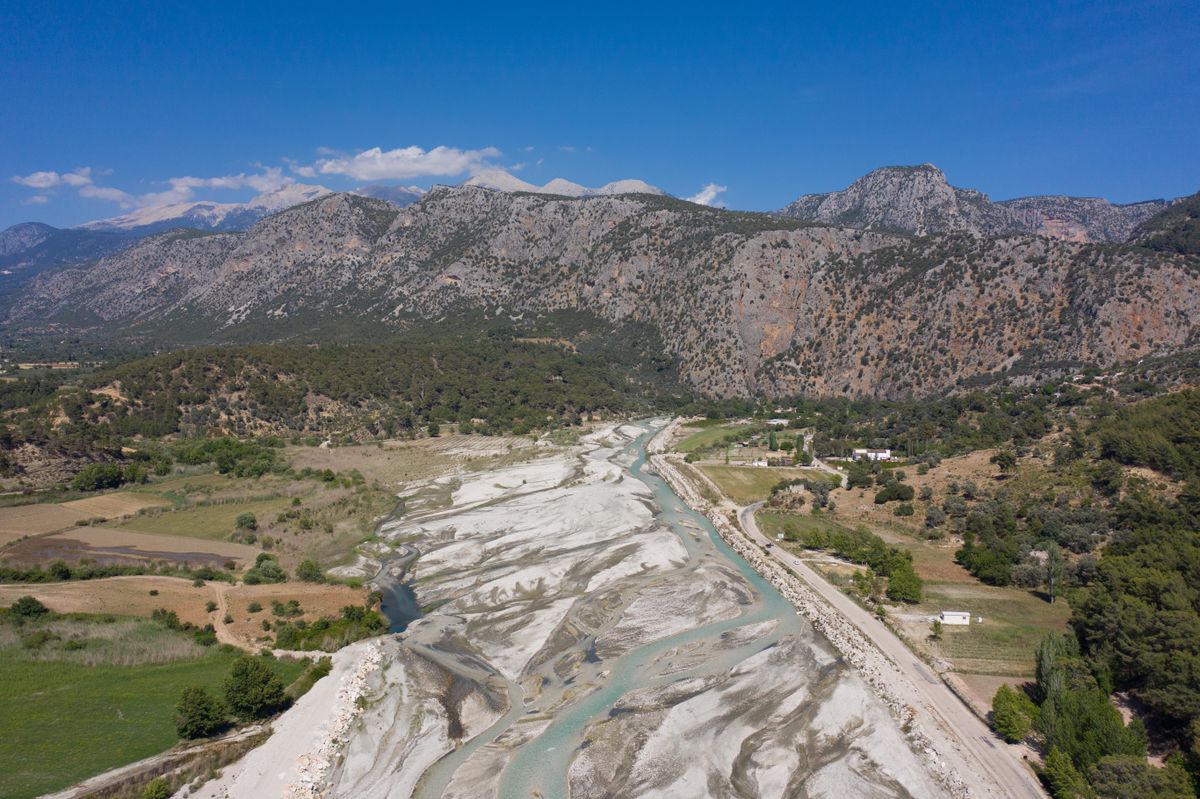
The distance of one hundred and ninety two kilometres sounds manageable, but the figure that matters is different: cumulative ascent passes ten thousand metres. In practice you climb and descend a pass every single day, and it tells from the third day on.
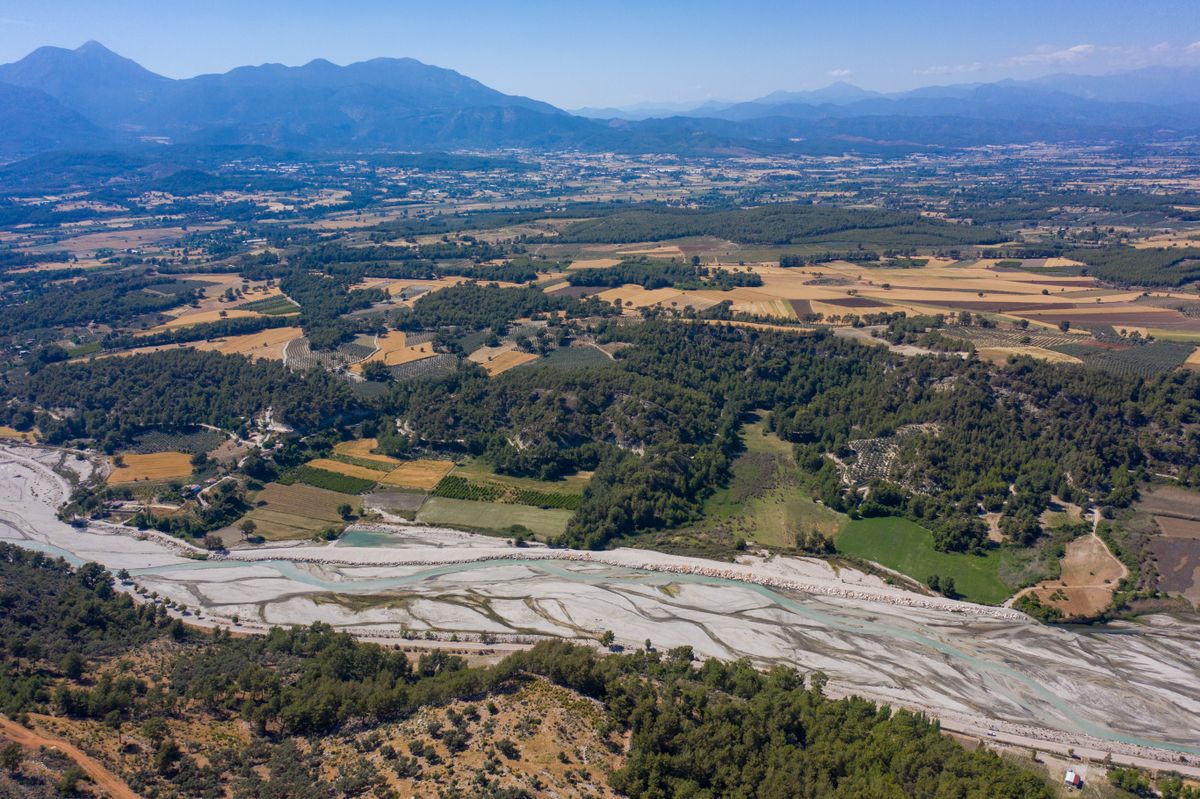
It is not a technical route. You need no rope, no ice axe and no mountaineering experience. What you do need is the fitness for consecutive days of six to eight hours walking, decent navigation and an acceptance that some days offer no services at all between departure and arrival.
The ten stages, in brief
The classic version starts at Theth in Albania and runs anticlockwise. You can begin at any point, and many people start from Plav in Montenegro or from the Rugova valley in Kosovo.
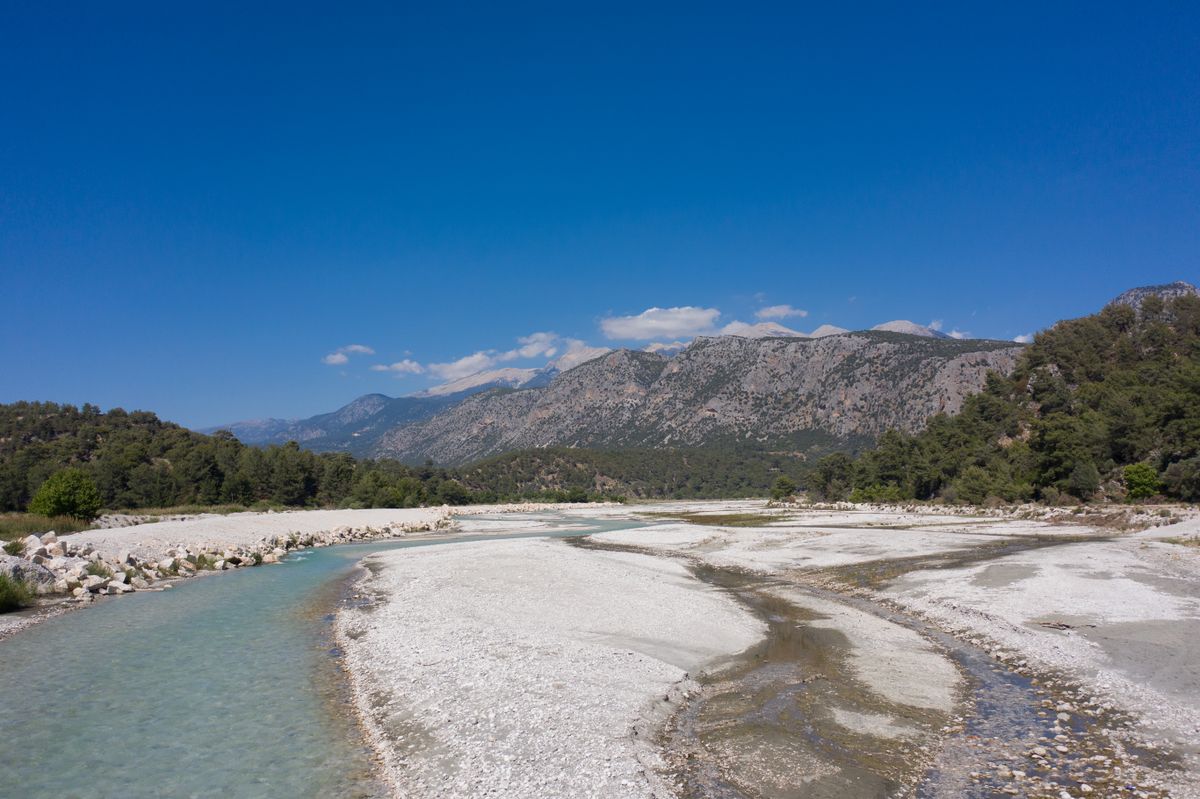
- Theth to Valbona: over the Valbona pass, about 17 km, the busiest stage, the only one done by people not walking the whole trail.
- Valbona to Cerem: a long descent into an isolated valley with very few houses.
- Cerem to Doberdol: crossing into Montenegro, high pasture landscape.
- Doberdol to Milishevc: crossing into Kosovo, with the point where three borders meet.
- Milishevc to Reka e Allagës: the descent towards the Rugova valley.
- Reka e Allagës to Drelaj and Kuçishtë: shorter stages, with better provided villages.
- Kuçishtë to Babino Polje: back into Montenegro over a high pass.
- Babino Polje to Plav: the descent to lake Plav.
- Plav to Vusanje: a valley stage, easier going.
- Vusanje to Theth: closing the loop over the Pejë pass, one of the longest days.
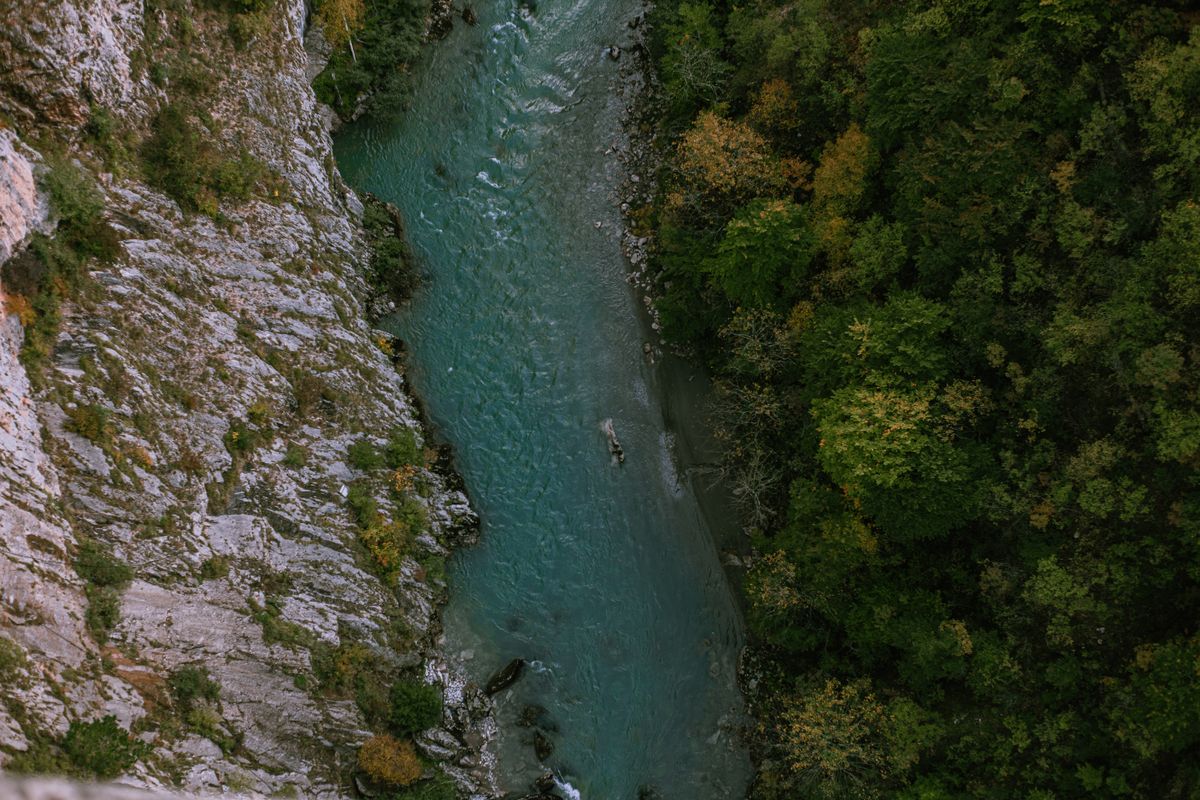
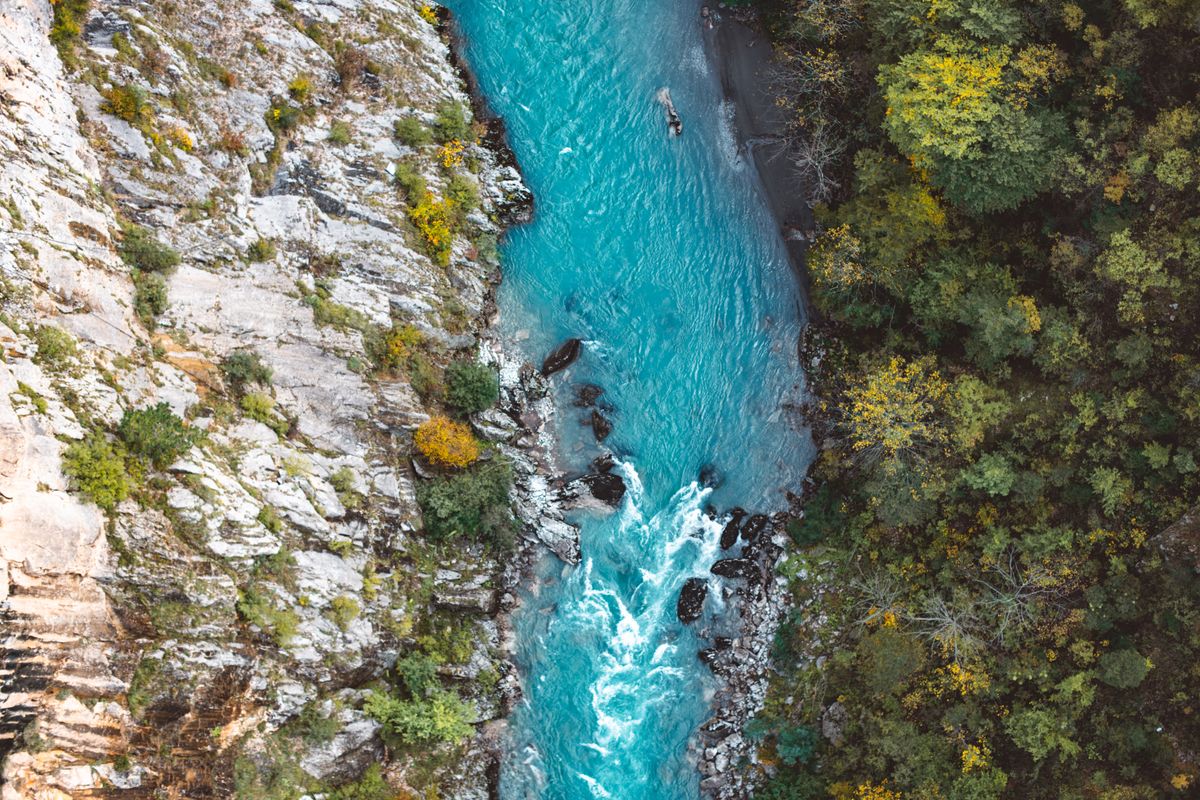
Days run ten to twenty kilometres, with six to eight hours of actual walking. Most people add one or two spare days for bad weather or rest, so in practice the trail takes eleven to thirteen days.
The cross-border permits, step by step
This is what stops people most often, because it is not intuitive and cannot be sorted out on the spot. The trail crosses borders over mountain passes that are not official crossing points. For each such crossing, the border police of the country concerned issue a named permit.
- You need a permit for every border you cross, so for the full circuit, from all three countries.
- The application uses your exact passport details, the dates of crossing and the declared route.
- Processing normally takes one to three weeks, sometimes longer at the height of the season.
- The cost is small, generally under twenty euros a person for all the permits.
- Permits cannot be obtained on the spot and cannot be negotiated with a border guard.
The simplest route, used by almost everyone, is to request the permits through an agency or a local tourism association in Theth, Valbona, Plav or Pejë. They do it routinely for a small fee and send the documents by email. You print them and carry them with your passport. Start at least a month before you travel so you have margin. If you change your dates after applying, the permit has to be redone, so fix your itinerary before you request them.
Accommodation, food and how to book
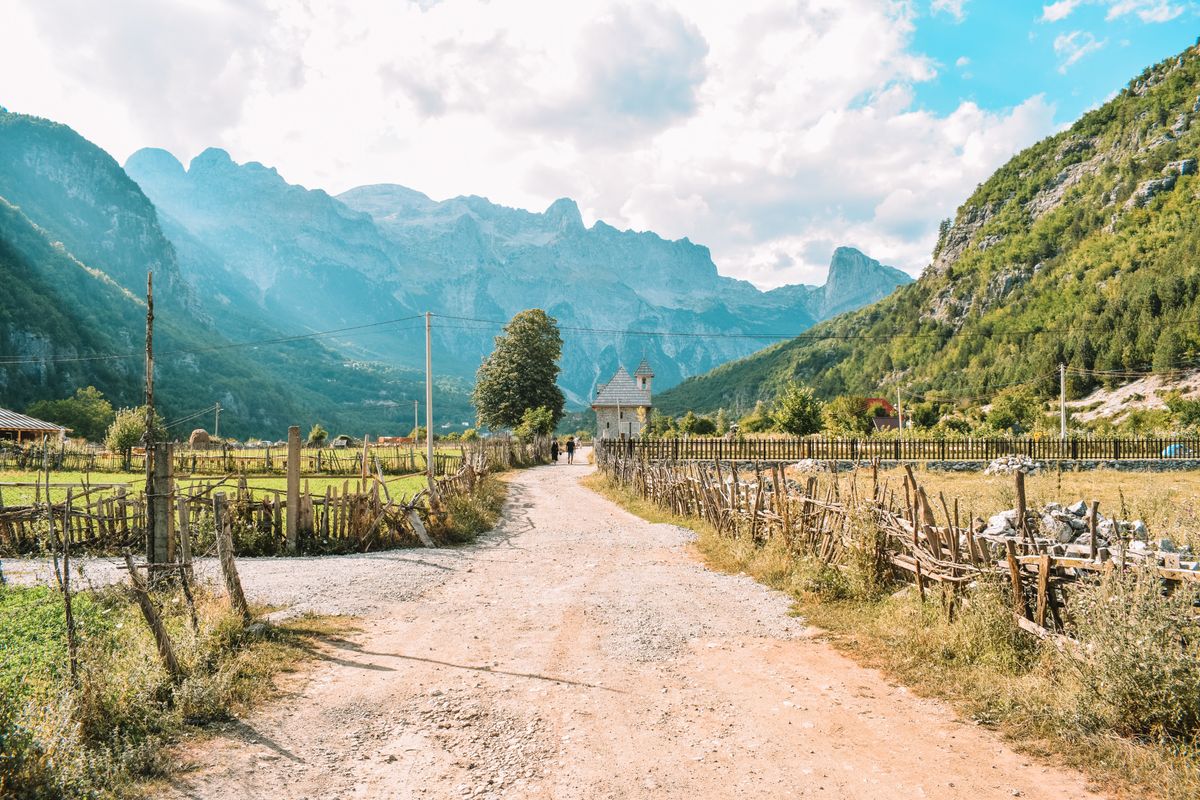
You sleep in family houses in the mountain villages, and that is the purpose the trail was created for. The standard varies a great deal: some houses have rooms with private bathrooms, others have shared dormitories with mattresses and a bathroom outside.
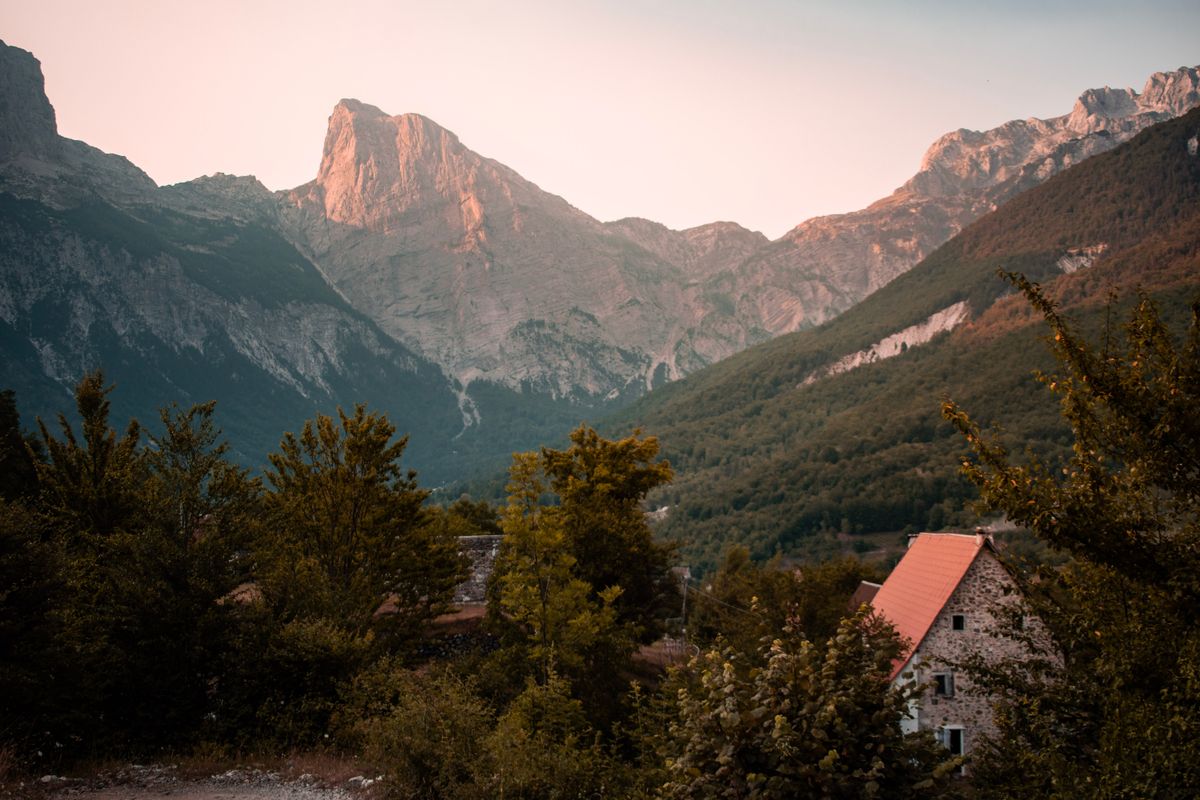
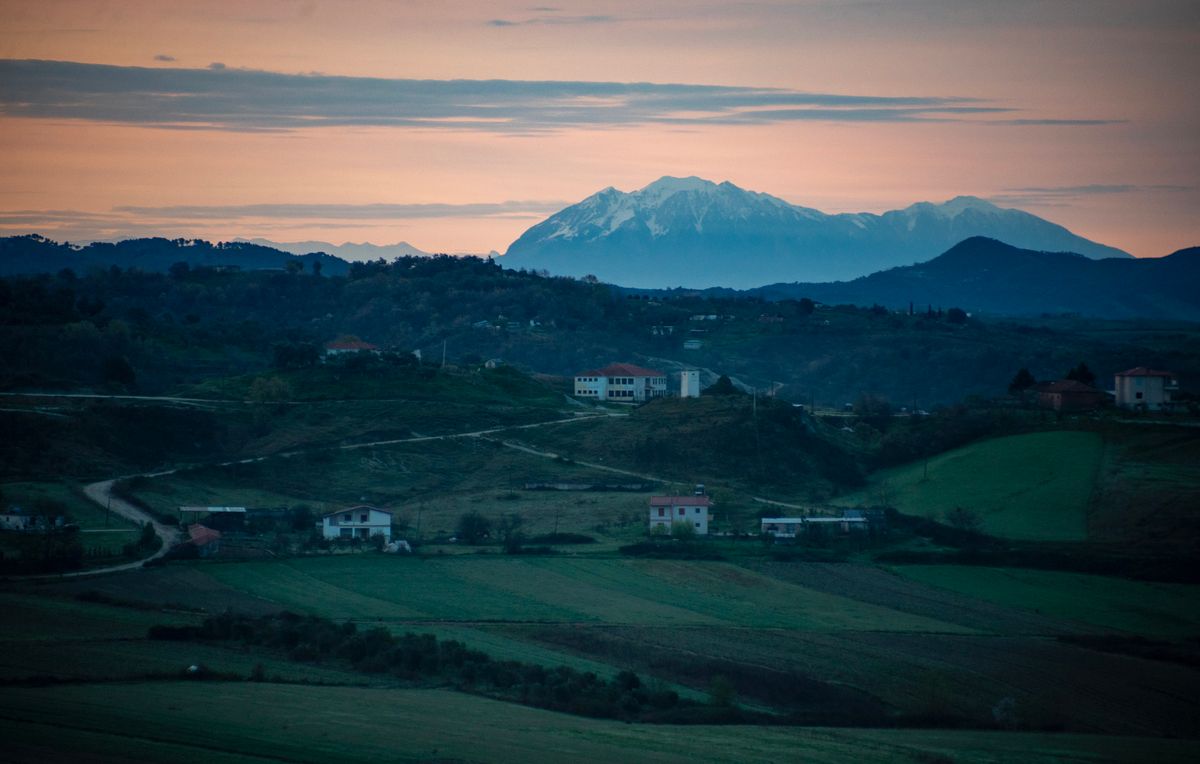
The usual price is half board, twenty to thirty five euros a person with dinner and breakfast included. A packed lunch can normally be arranged for a small extra charge. The food is simple and plentiful: homemade cheese, pies, beans, baked meat, mountain tea.
Booking is done by telephone or through the agency handling your permits. On some stages there is only one house available, and in July and August it fills. Do not set off without confirmed bookings for every night.
The real budget and the money
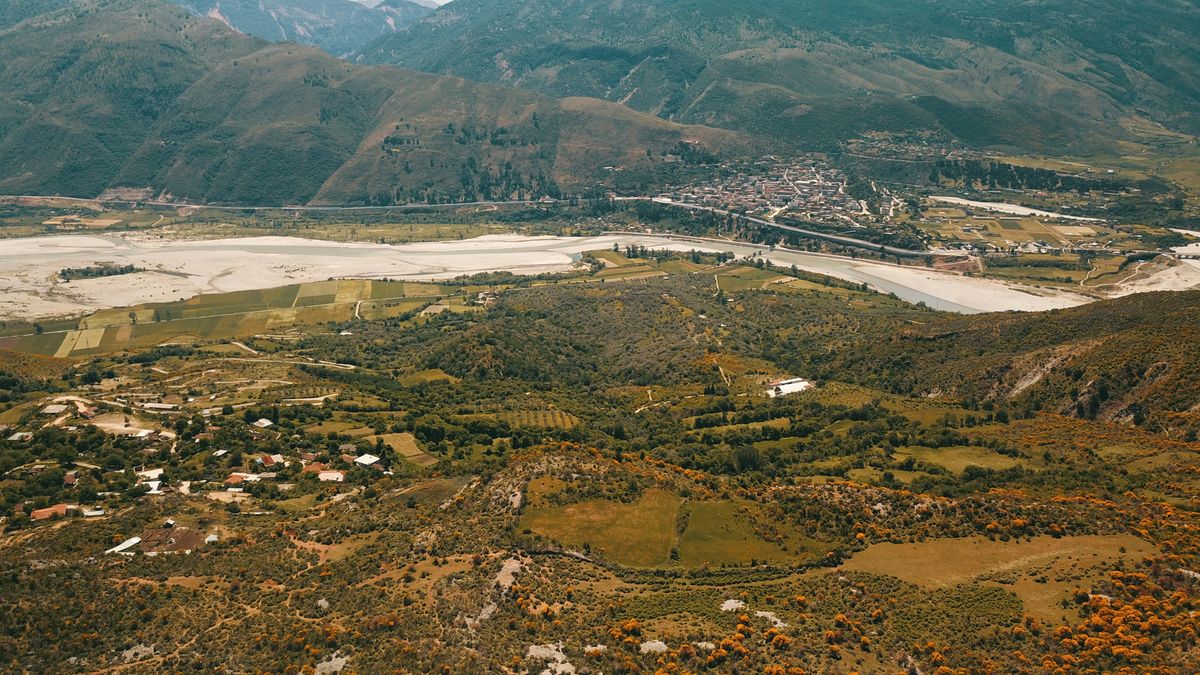
It is a cheap trail by European standards, but there are a few costs people forget.
| Category | Estimated cost |
|---|---|
| Half board accommodation | 20 to 35 euros a night, 10 to 12 nights |
| Permits | under 20 euros a person, all three |
| Packed lunches | 5 to 8 euros a day |
| Road transfers | 20 to 60 euros depending on the version |
| Baggage transfer between stages | optional, 15 to 30 euros a transfer |
| Indicative total | 450 to 700 euros a person |
Cash is essential. There are no cash machines in the mountain villages and cards are accepted nowhere. Albania uses the lek while Kosovo and Montenegro use the euro, so the full circuit needs both currencies. Change money before you go up, and budget generously.
The kit and the mistakes that ruin the trip
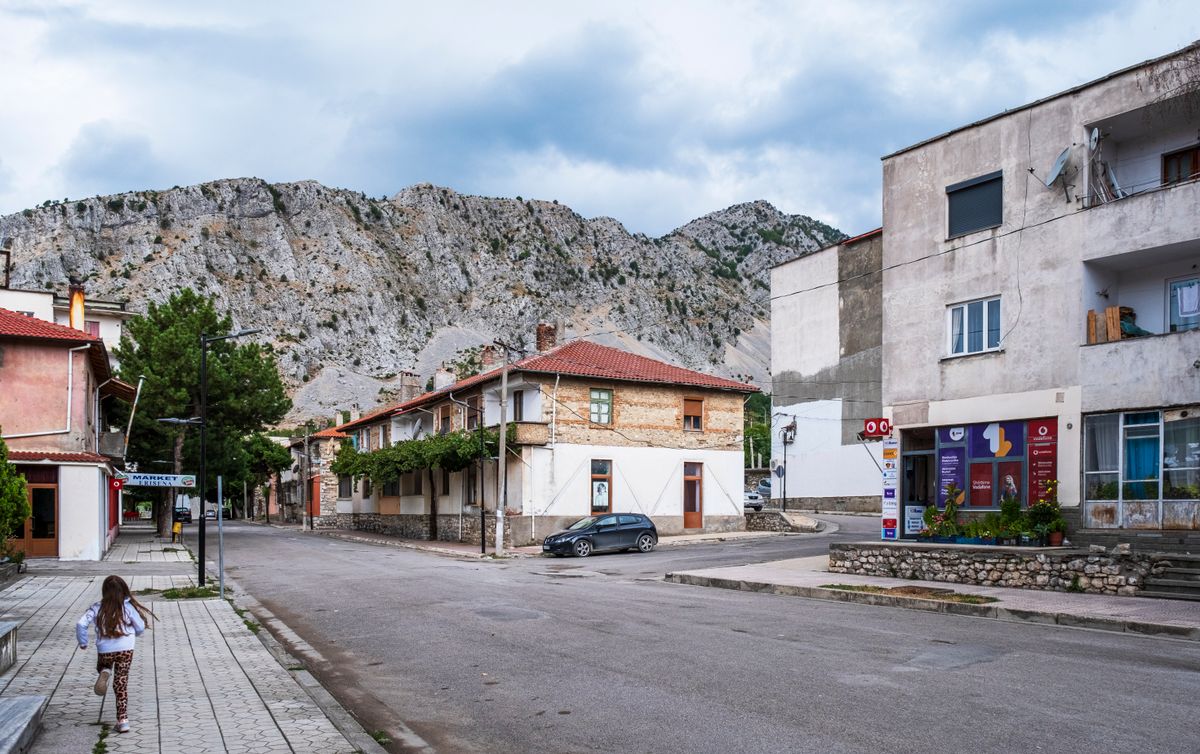
No technical equipment is needed, but a few things are not negotiable.
- Broken in boots with ankle support. The ground is stony and unstable on many descents.
- An offline map and a GPS track on your phone. Waymarking exists but is uneven, and disappears in fog.
- A power bank. Mains power is not constant everywhere.
- Two litres of water minimum. There are no springs on the limestone ridges for hours at a time.
- Layers and a waterproof. At two thousand metres it can snow even in July.
- Cash in two currencies, in small notes.
- A first aid kit with blister plasters, because blisters are problem number one.
The frequent mistakes are three: setting off without confirmed permits, underestimating the cumulative ascent, and having no booking for the stages with a single house. All three are solved by a month of preparation.
Season, access and shorter versions
The season is short: from mid June to the end of September. Before that the passes hold snow, and after the first half of October many houses close.
If you do not have twelve days, there are shorter versions that work very well. A three or four day loop through Theth, Valbona and Cerem covers the most spectacular Albanian stages. The Theth to Valbona stage on its own can be done in a day and needs no permits, because it stays within one country.
Access is usually through Shkodër in Albania, with a transfer to Theth or the ferry across Lake Koman to Valbona. From Kosovo you come in through Pejë, and from Montenegro through Plav.
The stages, maps and official permit procedure are published by the initiative that manages the trail, and general information about Albania by the national tourism agency.
Frequently asked questions (FAQ)
Conclusion
Peaks of the Balkans works because it was designed the other way round from most trails: not as a tourist attraction but as income for villages that would otherwise have emptied completely.
Fix your itinerary a month ahead, apply for the permits immediately, book every night separately and carry cash in two currencies. The rest sorts itself out on the way.
