
 By

A capital of only seventy years, with a castle that has Roman foundations under Norman walls and gloriously excessive Victorian interiors, a seventy three thousand seat stadium in the middle of town, and a bay rebuilt from nothing. Cardiff is the easiest way into Wales and considerably more interesting than its size suggests.
The castle and its interiors, the bay, the stadium, the free museums, what to eat, what it costs and what you can see in a day around it.
A very young capital
Cardiff has only been the capital of Wales since 1955. Before that the country officially had none. The city grew in the nineteenth century on coal exported from the valleys to the north, and was at one point the largest coal exporting port in the world.
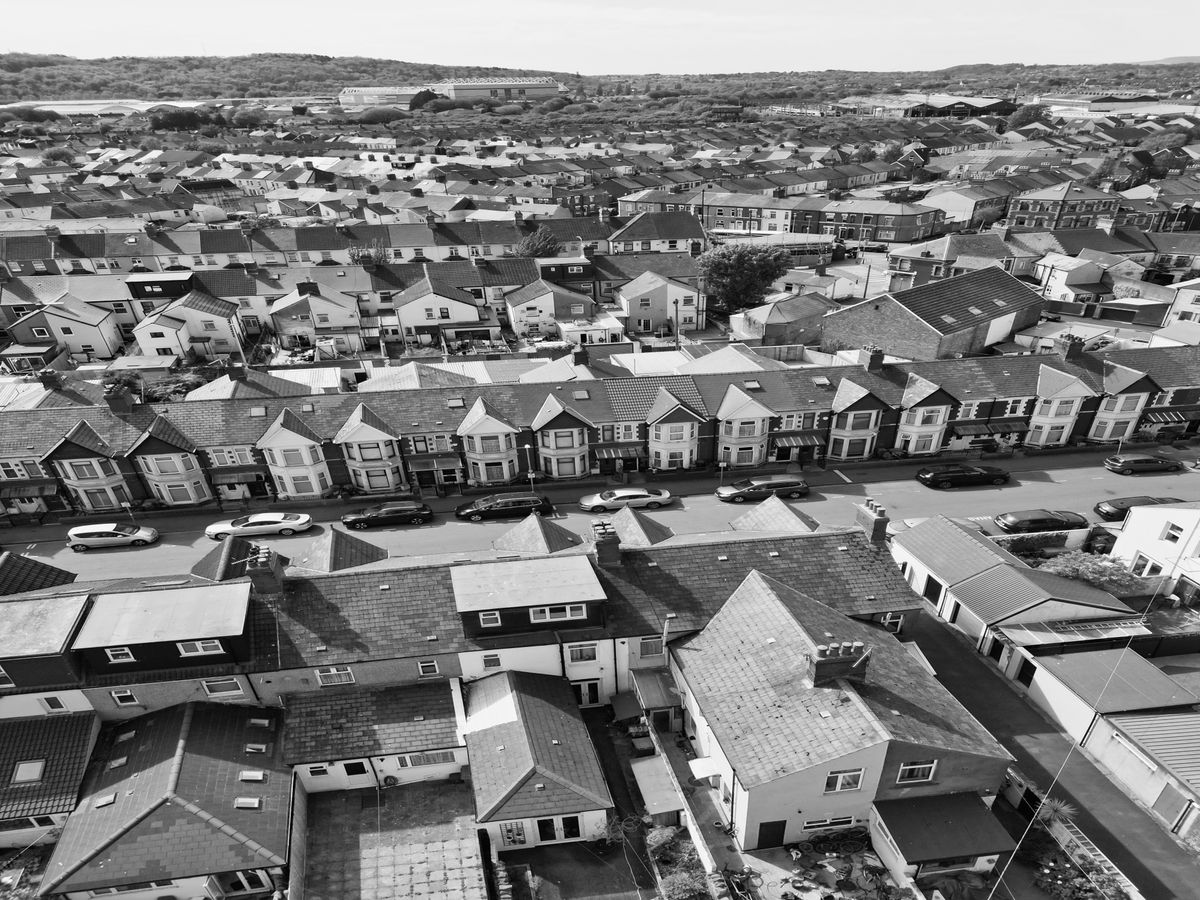
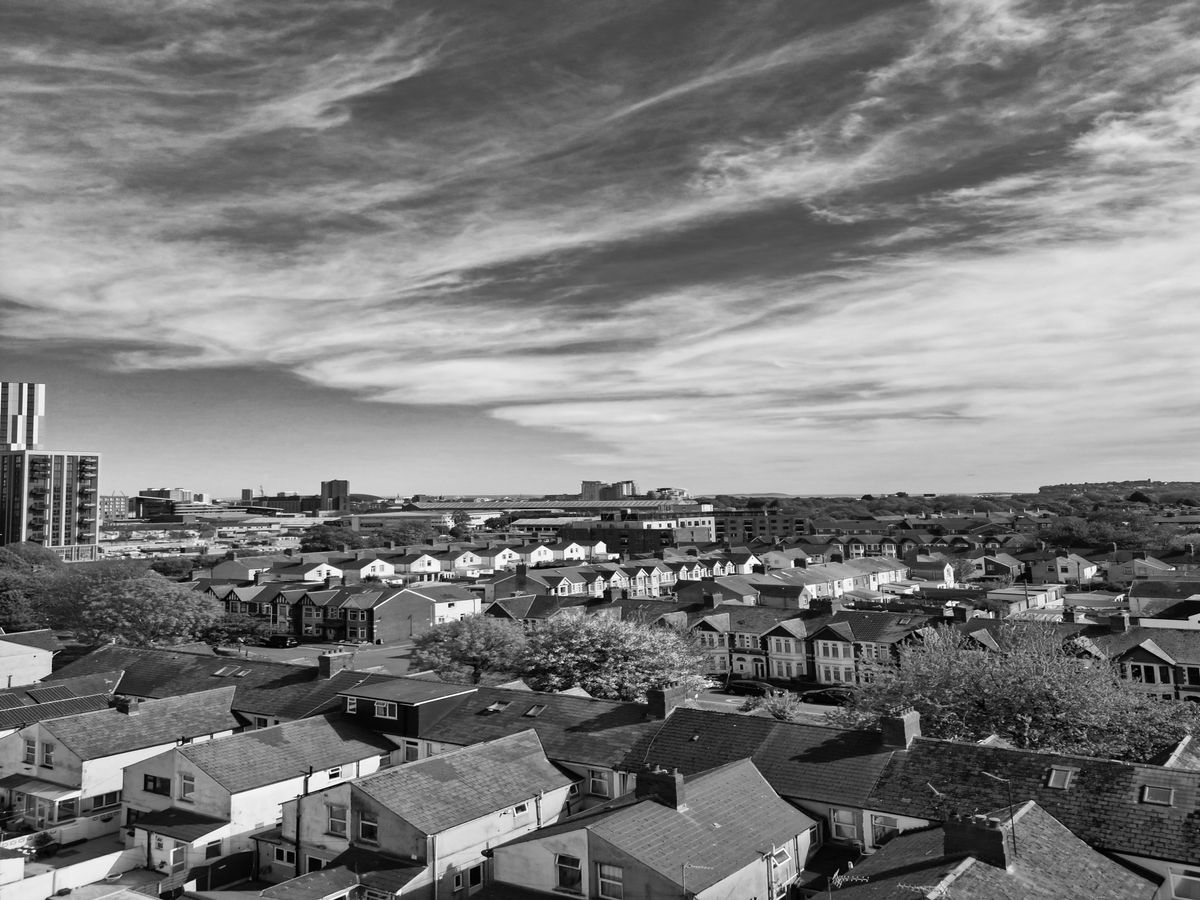
It has around 370,000 residents, is almost entirely walkable and, according to local figures, has more parkland per head than any other major British city.
Cardiff castle, three eras in one building
Beneath the walls lies a third century Roman fort. On top of it the Normans raised an eleventh century keep on a motte, which you can climb and which has the best view over the city.
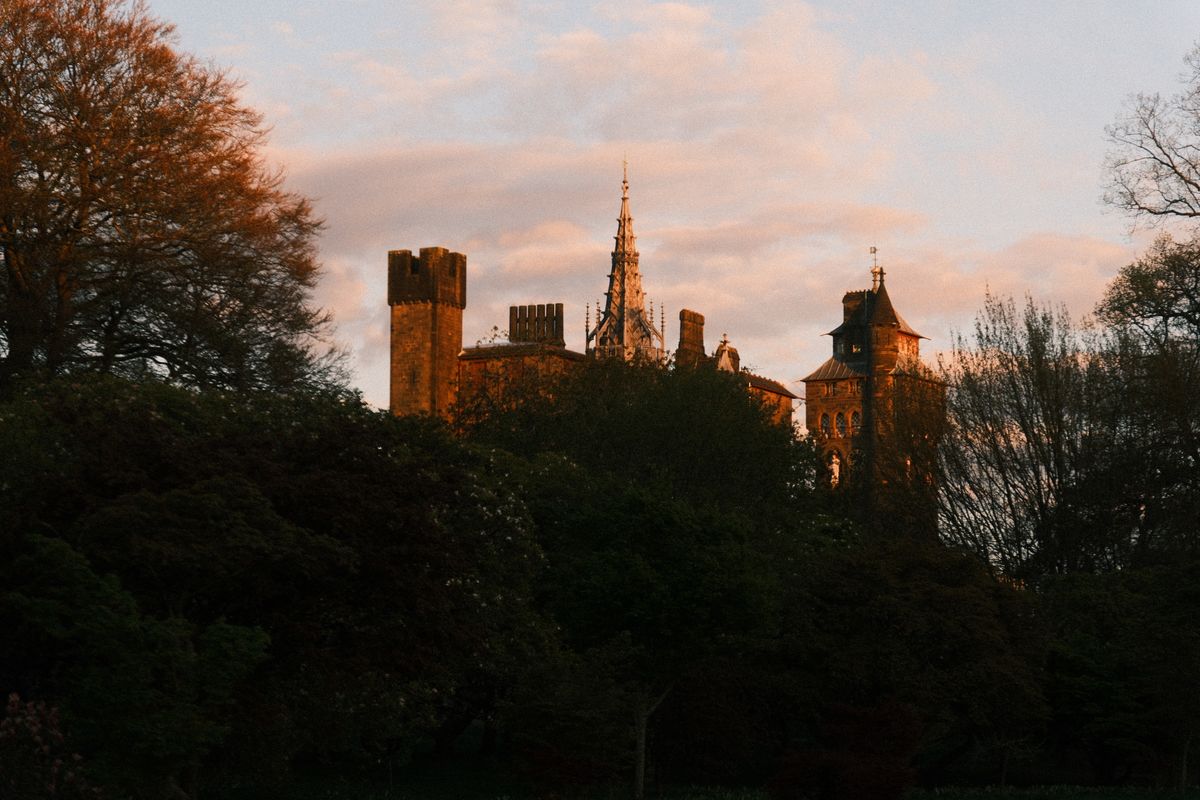
The unexpected part comes from the nineteenth century. The third Marquess of Bute, at one point reckoned the richest man in the world, hired the architect William Burges to remake the apartments. The result is an extreme neo-gothic interior with gilded ceilings, carved animals and an Arab room that resembles nothing else in Britain.
During the war the castle walls were converted into air raid shelters for several thousand people, and the tunnels are part of the visit.
Cardiff Bay, a district built over an estuary
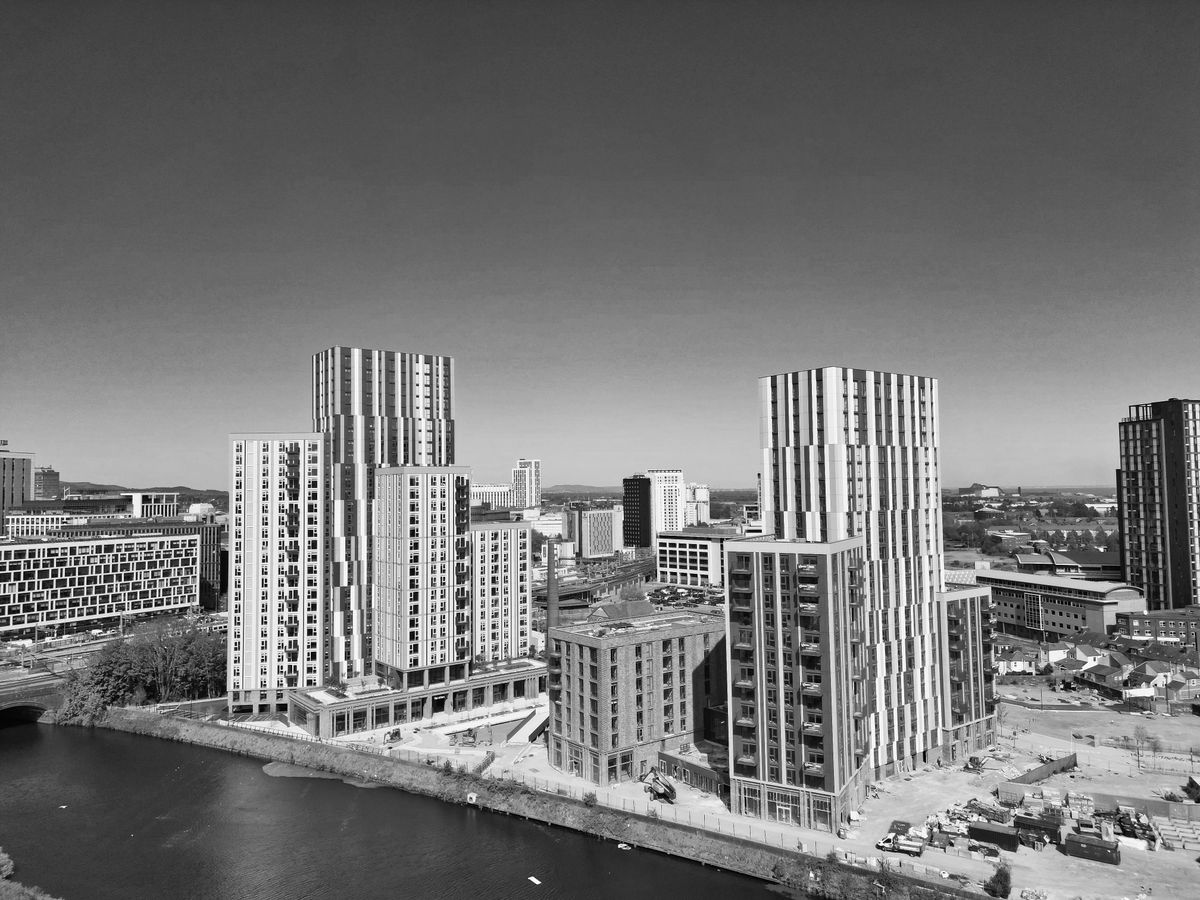
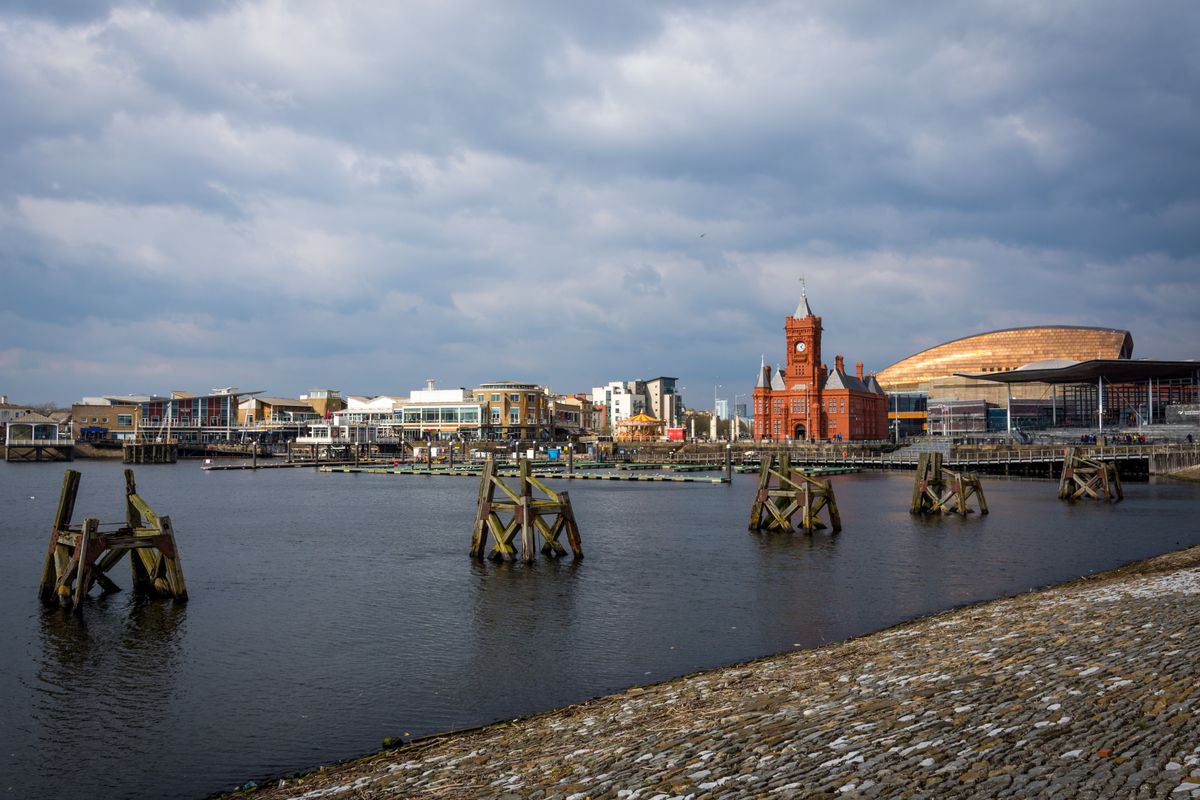
The area was a declining industrial dock. In 1999 a barrage was built that turned the tidal estuary into a freshwater lake of about two hundred hectares, and a new district went up on the shore.
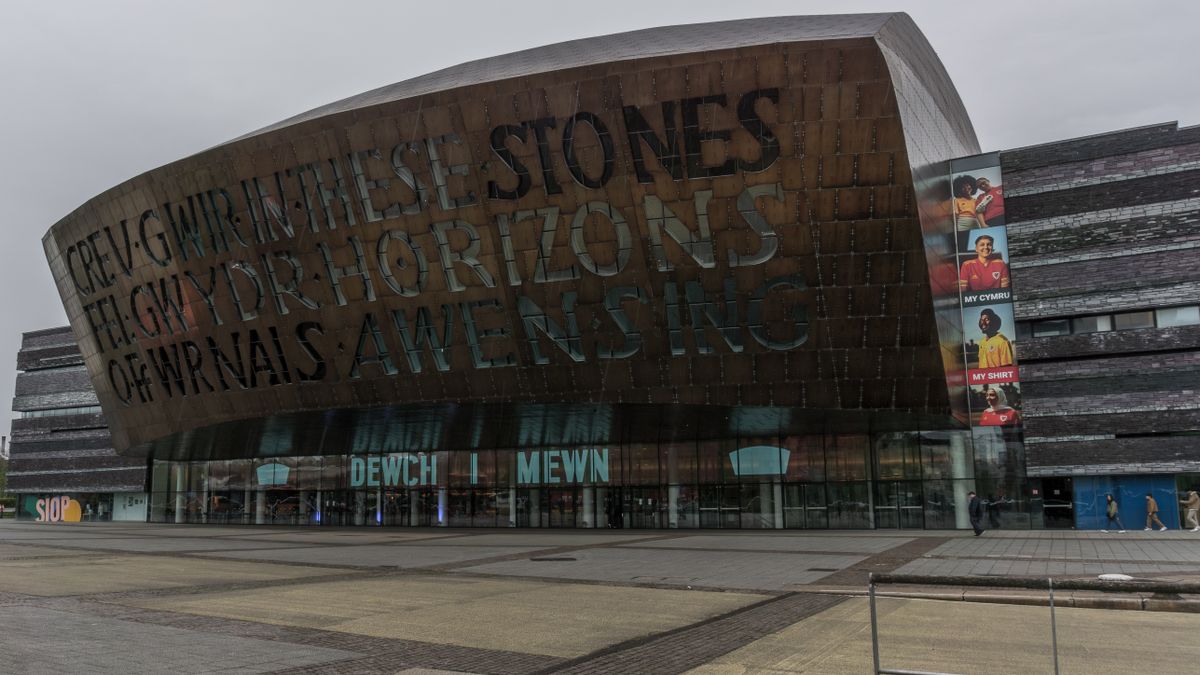
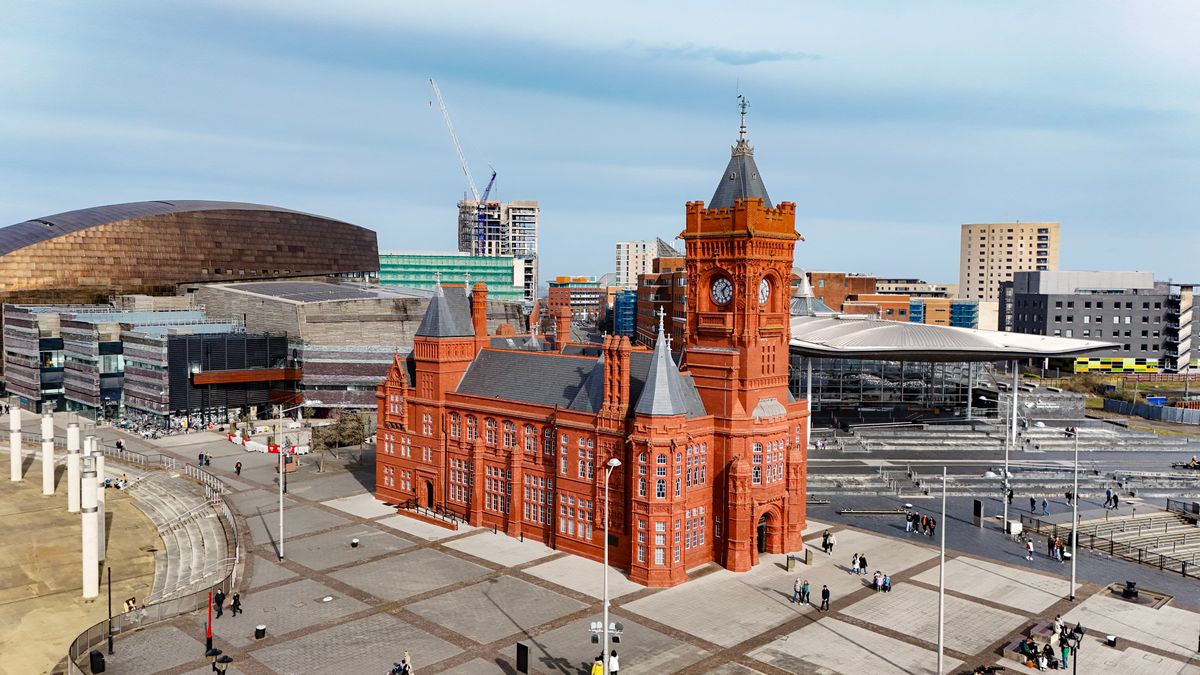
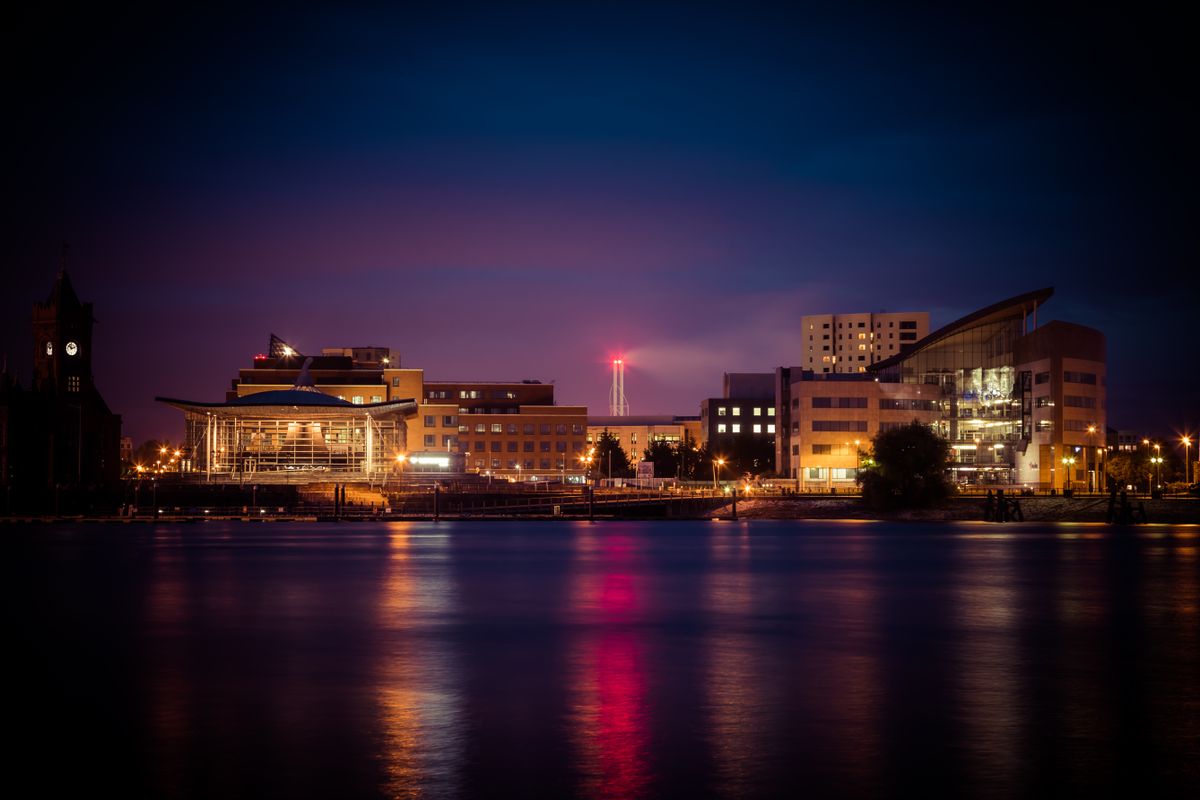
The Wales Millennium Centre, the opera and performance building, carries a bilingual inscription on its facade whose letters are cut through to let light out at night. The Pierhead Building, from 1897, is what remains of the old port, and the Senedd, the Welsh parliament, has a glass building open to the public.
The Principality Stadium and rugby
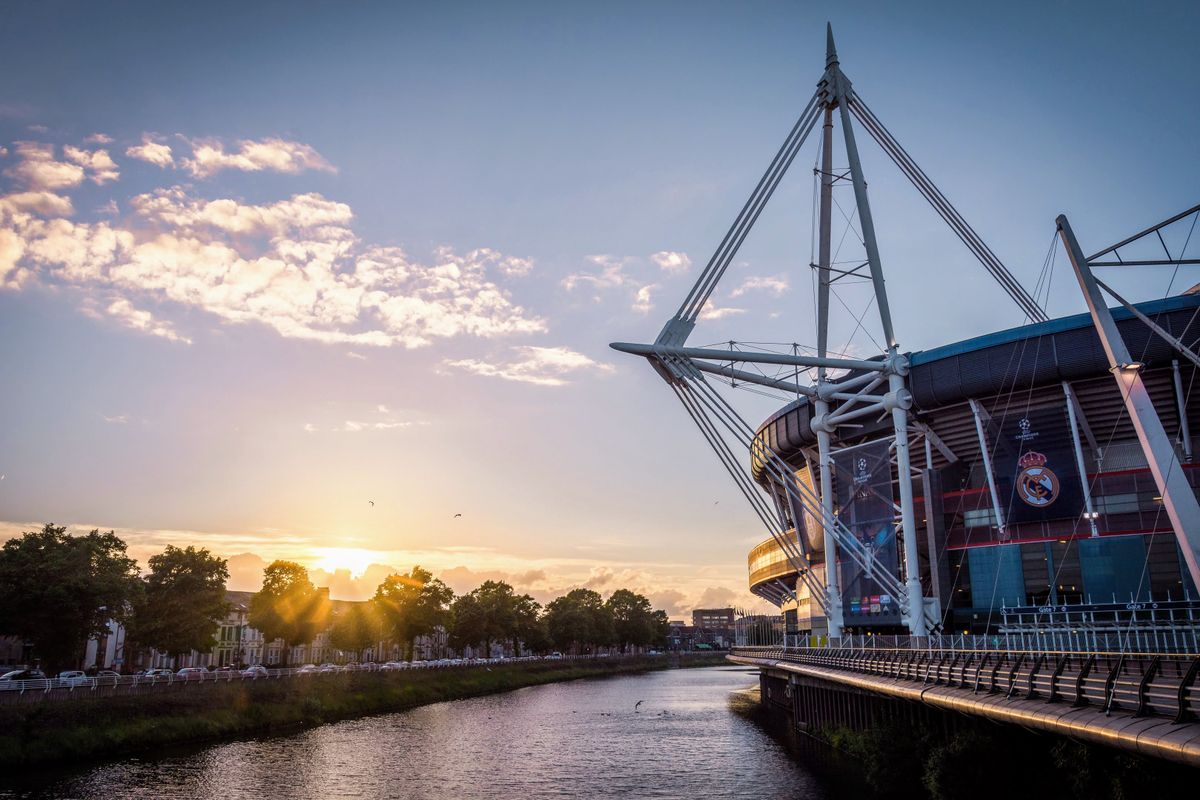
The stadium seats seventy three thousand, has a retractable roof and sits five minutes walk from the main railway station, which is unusual for an arena of that size.
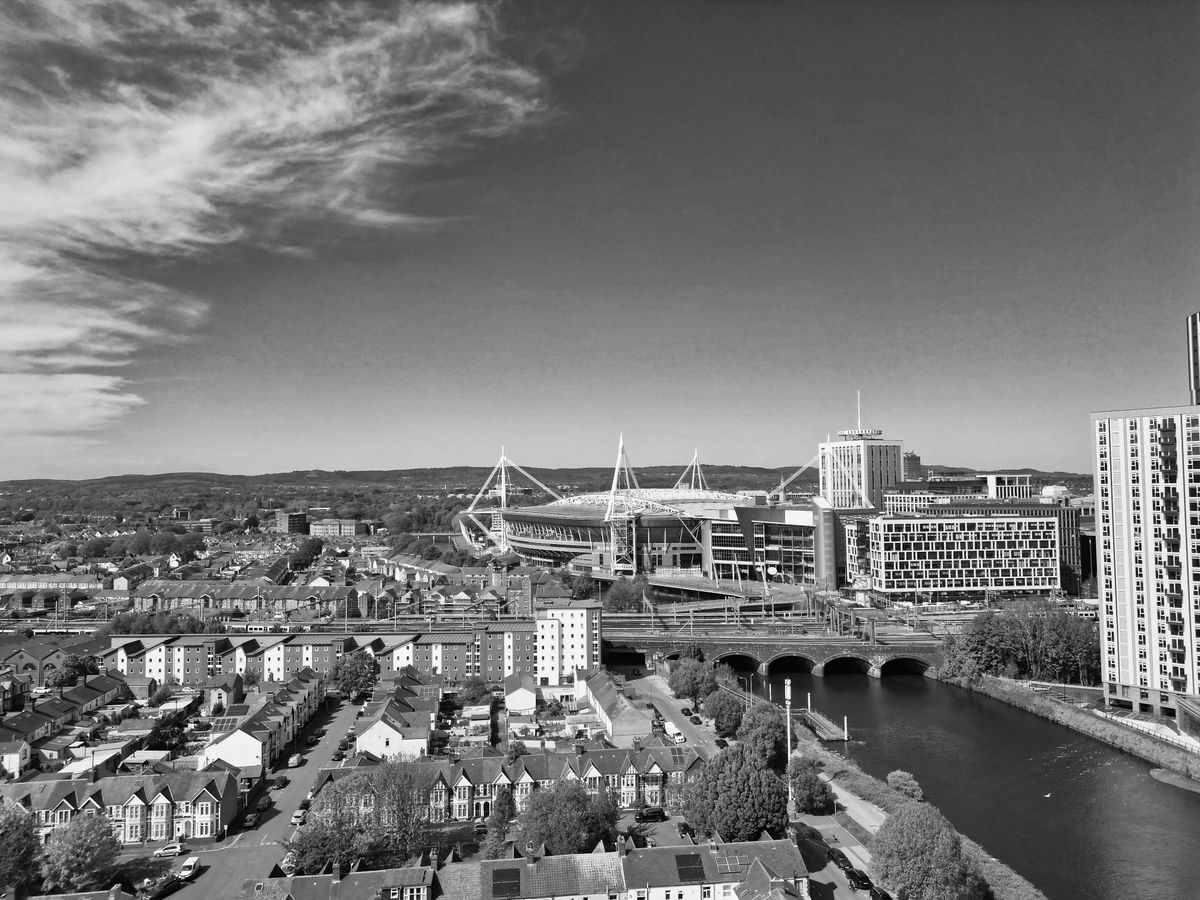
On match days the city changes completely: central streets close, the pubs fill from the morning and people sing in Welsh. If you land on a Six Nations fixture, accommodation needs booking months ahead. Stadium tours run on non event days.
The museums, which are free
- National Museum Cardiff: archaeology, natural history and a notable impressionist collection. Free entry.
- St Fagans National Museum of History: over forty historic buildings moved and rebuilt in a park. Free.
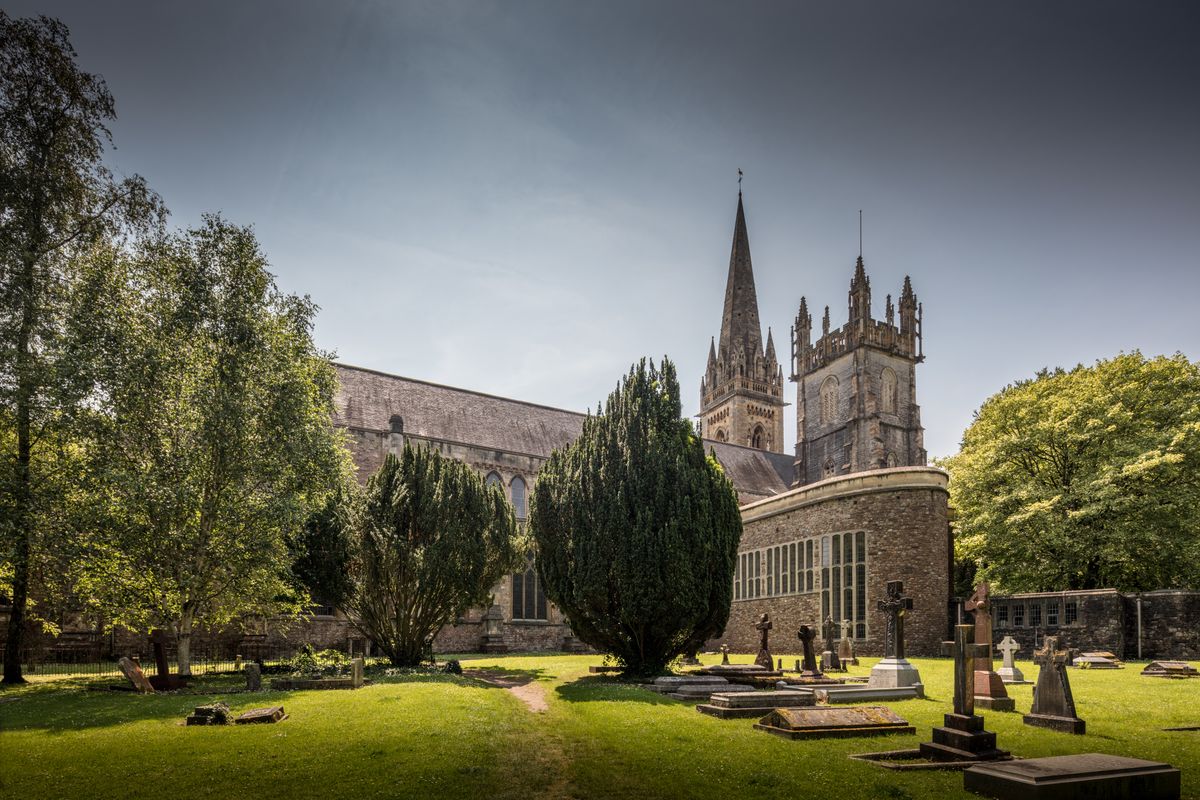
- Llandaff Cathedral: a medieval cathedral in a city suburb, with a modern Epstein sculpture inside.
- Techniquest: a hands on science centre in the bay, good with children.
- Cardiff Market: a Victorian hall from 1891, with stalls and local food.
- Bute Park: a hundred and thirty acres beside the castle, free and always open.
St Fagans deserves emphasis: it is one of the best open air museums in Europe, with buildings brought stone by stone from across the country, including a medieval church and a terrace of miners cottages each furnished for a different decade, and it costs nothing.
What to eat and what it costs
Welsh cooking is plain and filling. Cawl is the national soup, with lamb and root vegetables. Welsh rarebit is bread under a thick sauce of cheese, mustard and beer, grilled. Bara brith is the fruit loaf, and Welsh cakes are thick griddle scones sold warm in the market.
| Item | Estimate |
|---|---|
| Mid range hotel | 80 to 130 pounds a night |
| Pub meal | 15 to 25 pounds a head |
| Castle ticket | around 15 pounds, audio guide included |
| National museums | free |
| City transport | barely needed, everything is walkable |
| Match day | accommodation prices double or worse |
Cardiff is significantly cheaper than London and generally cheaper than Edinburgh. It is also a large university city, which keeps food and drink prices reasonable.
Day trips into south Wales
Caerphilly castle, twenty minutes away by train, is the second largest in Britain and has a tower leaning further than the one in Pisa. The Brecon Beacons national park, officially renamed Bannau Brycheiniog, begins an hour north and has waterfalls you can walk behind.
To the west, the Gower peninsula was the first area in Britain designated an area of outstanding natural beauty, and Rhossili beach appears regularly in rankings. All three are day trips from Cardiff.
City information is on the official tourism site, and the national museums are described by the Welsh museums network.
Frequently asked questions (FAQ)
Conclusion
Cardiff is a young capital containing a Roman fort, a Norman keep, an eccentric Victorian interior, a stadium in the middle of town and a bay built over an estuary in a couple of decades.
Give it two days, go into the castle for the Burges rooms, visit St Fagans because it is free and excellent, and check the rugby fixtures before you book anything.
