
 By

In 1925 an architect bought a wooded peninsula in north Wales and spent fifty years building a village on it that looks as though it belongs on the Italian Riviera. Portmeirion was never permanently inhabited, never had a practical function, and is exactly what it appears to be: a demonstration that beauty does not spoil a landscape.
Who built it and with what argument, what you actually see, the ticket and opening hours, the television series that made it famous, and how to get there.
What Portmeirion is and who built it
The village was created by the Welsh architect Clough Williams-Ellis, who bought the peninsula in 1925 and built there in stages between 1925 and 1975. He was forty two when he started and ninety two when he finished.
His argument was explicitly polemical: he wanted to prove that you could build in a beautiful landscape without ruining it, at a time when British architecture was heading in the opposite direction. The buildings are Italianate, painted in pastels and arranged around a central piazza.
What you actually see there
The village is small: you can walk all of it in one to two hours. Around it, though, lies the Gwyllt, a subtropical woodland of about seventy acres with rhododendrons, camellias and twenty kilometres of paths, included in the ticket and missed by most visitors.
- The central piazza, with its pool, colonnade and the most photographed buildings.
- The bell tower, the landmark that appears in almost every image of the village.
- The Pantheon, the green dome that dominates the upper part of the settlement.
- The hotel on the waterfront, the oldest building on the peninsula.
- The Gwyllt woodland, with paths down to the estuary and the beach below.
- The Dwyryd estuary, which empties completely at low tide and exposes sandbanks.
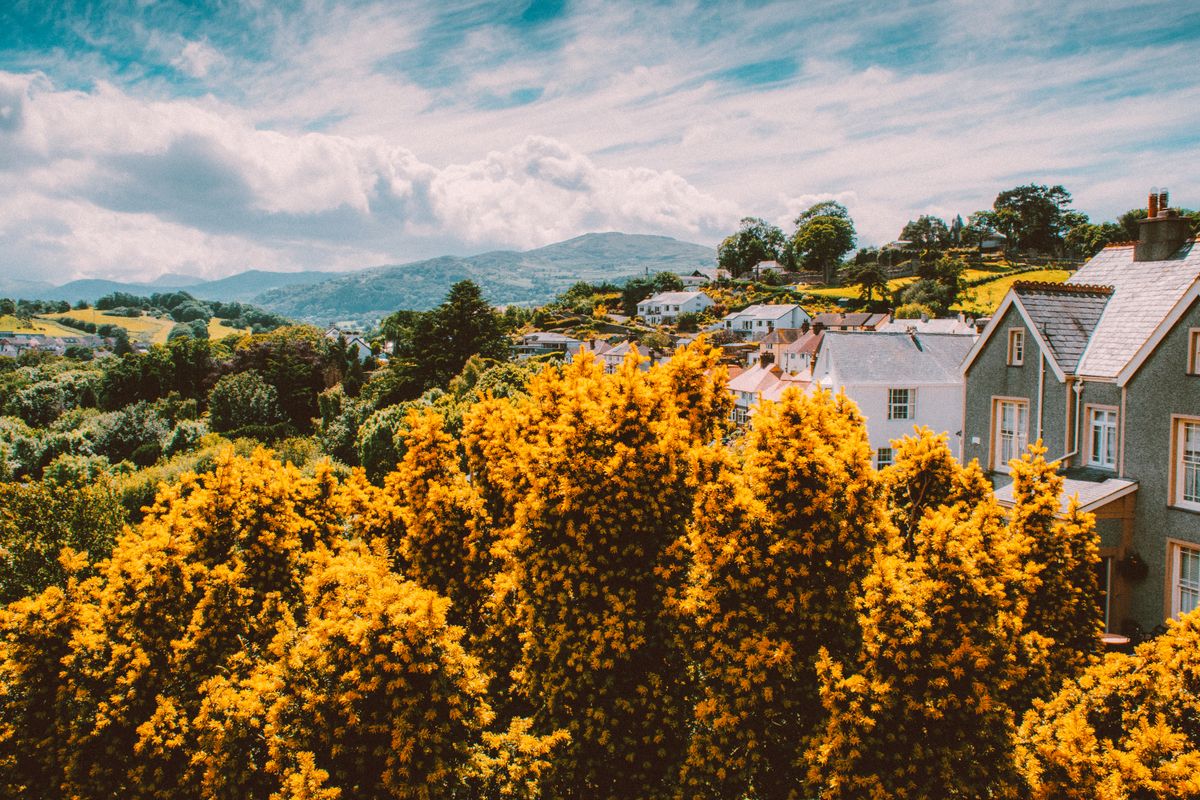
A village built from rescued pieces
A good part of the buildings are not new constructions but assemblies made from elements salvaged from demolitions across Britain. Williams-Ellis collected columns, pediments, balconies and windows from houses about to be pulled down and worked them into new structures.
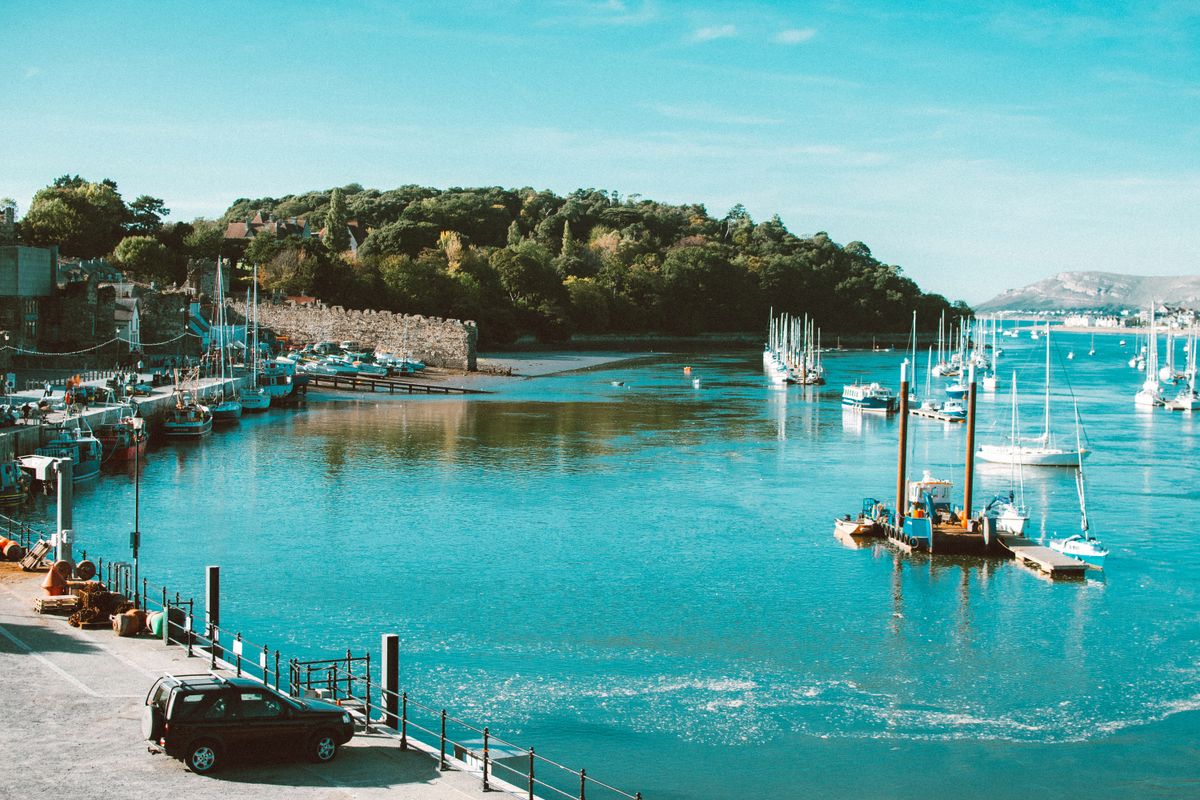
He called the place a home for fallen buildings. The result is that one structure may carry columns from a London house, a balcony from a demolished country seat and a roof built specifically for them.
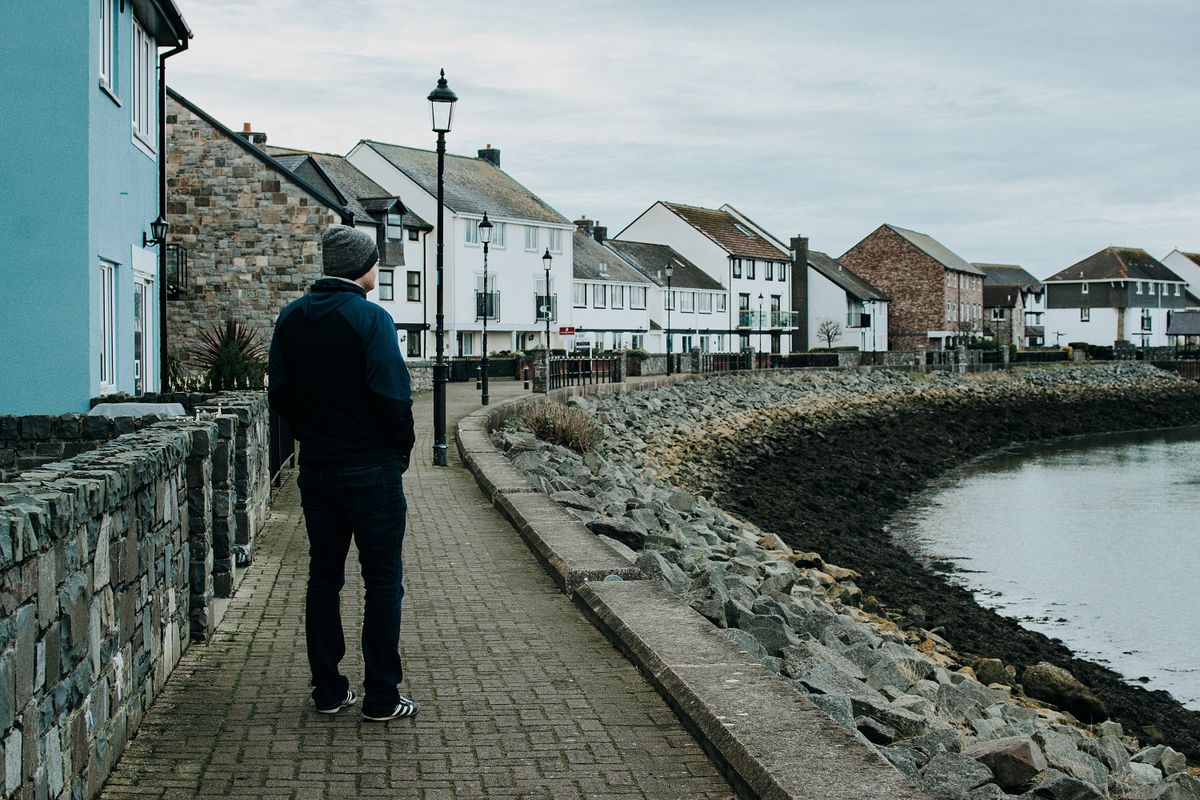
The series that made it famous
In 1966 and 1967 the village was the set for the British series The Prisoner, in which a former secret agent is held in an apparently idyllic village he cannot leave. Portmeirion played that village, and its surreal architecture was exactly what the story required.
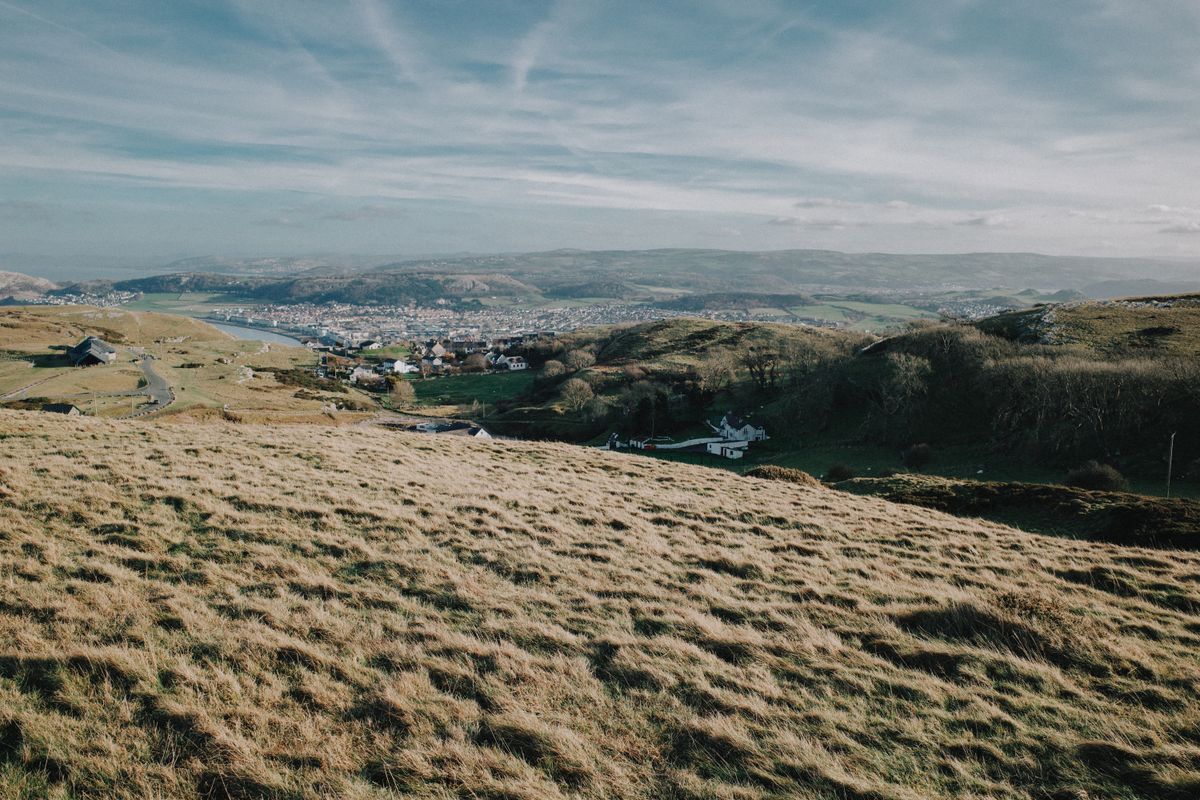
The series became a cult object and fans still come. There is a dedicated shop and periodic gatherings of enthusiasts. Even if you have never seen it, the context explains why the village is so often described as surreal.
A note about the photographs in this article
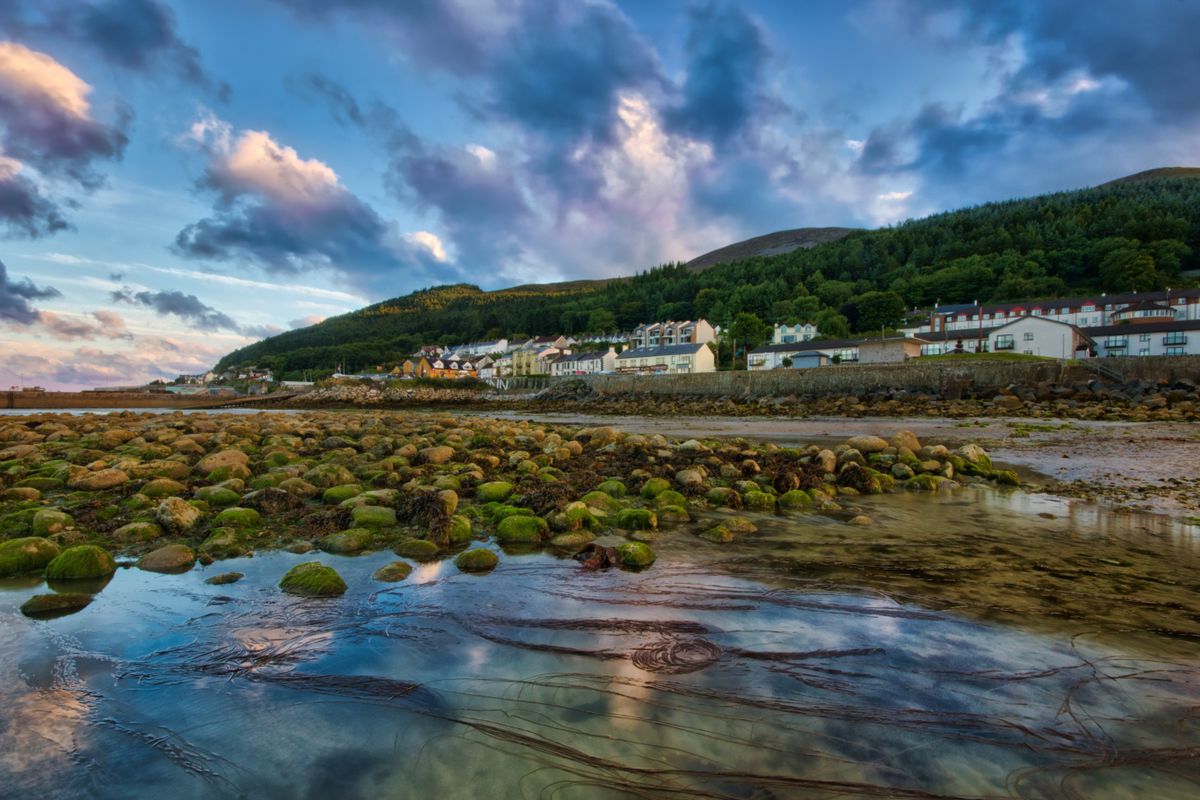
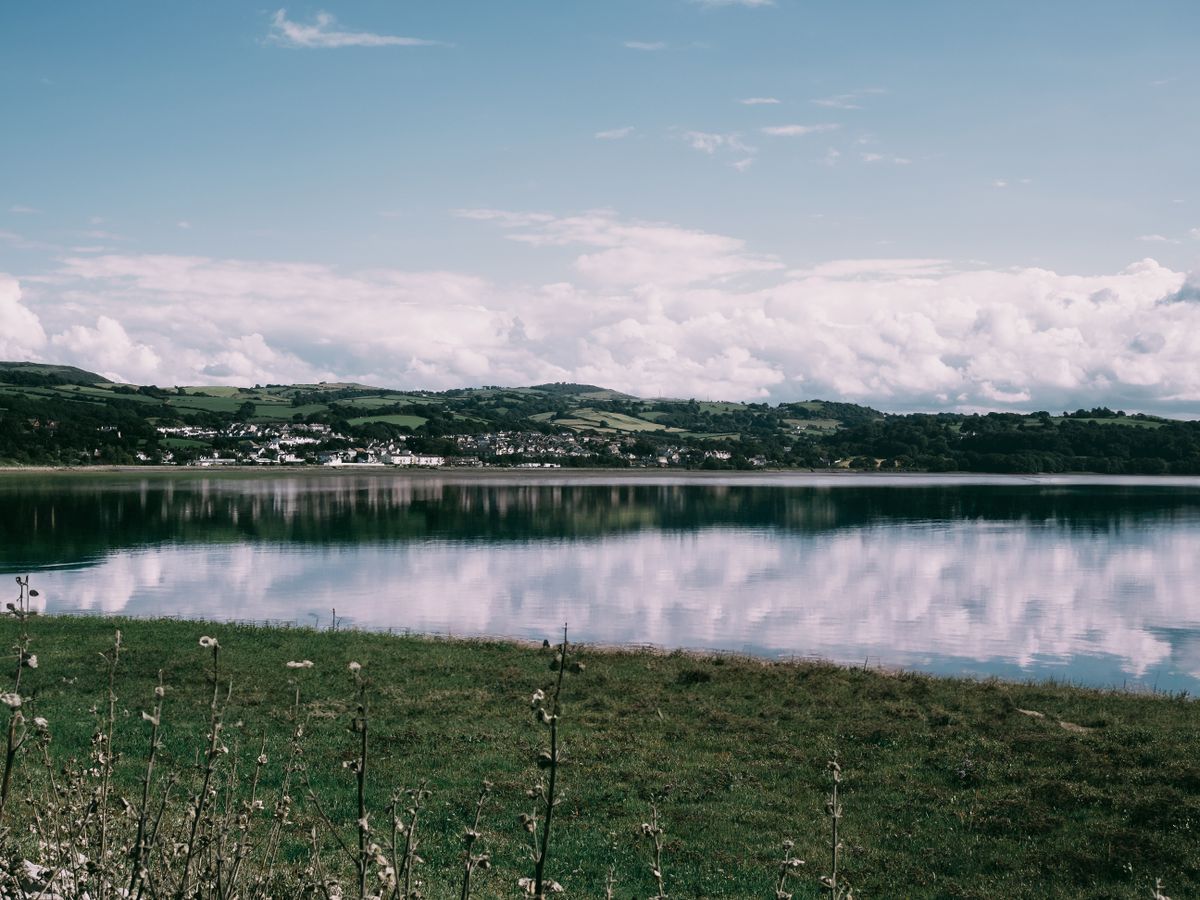
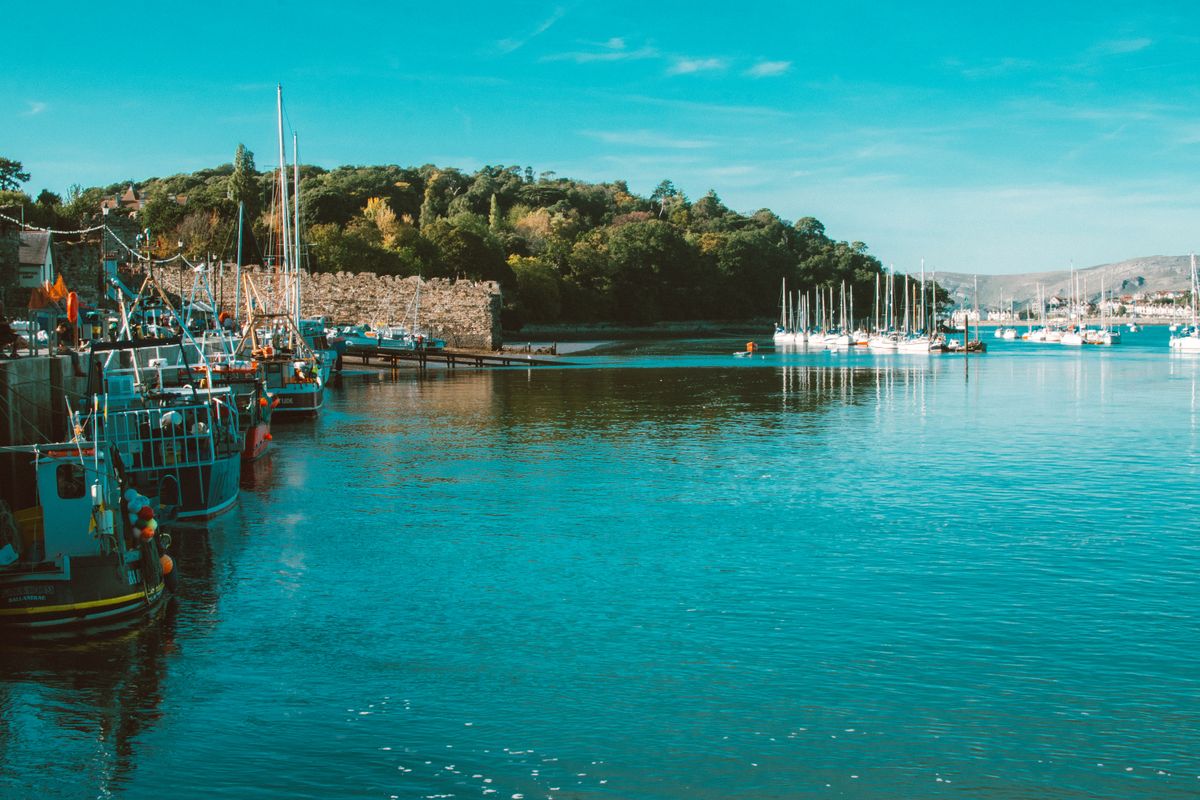
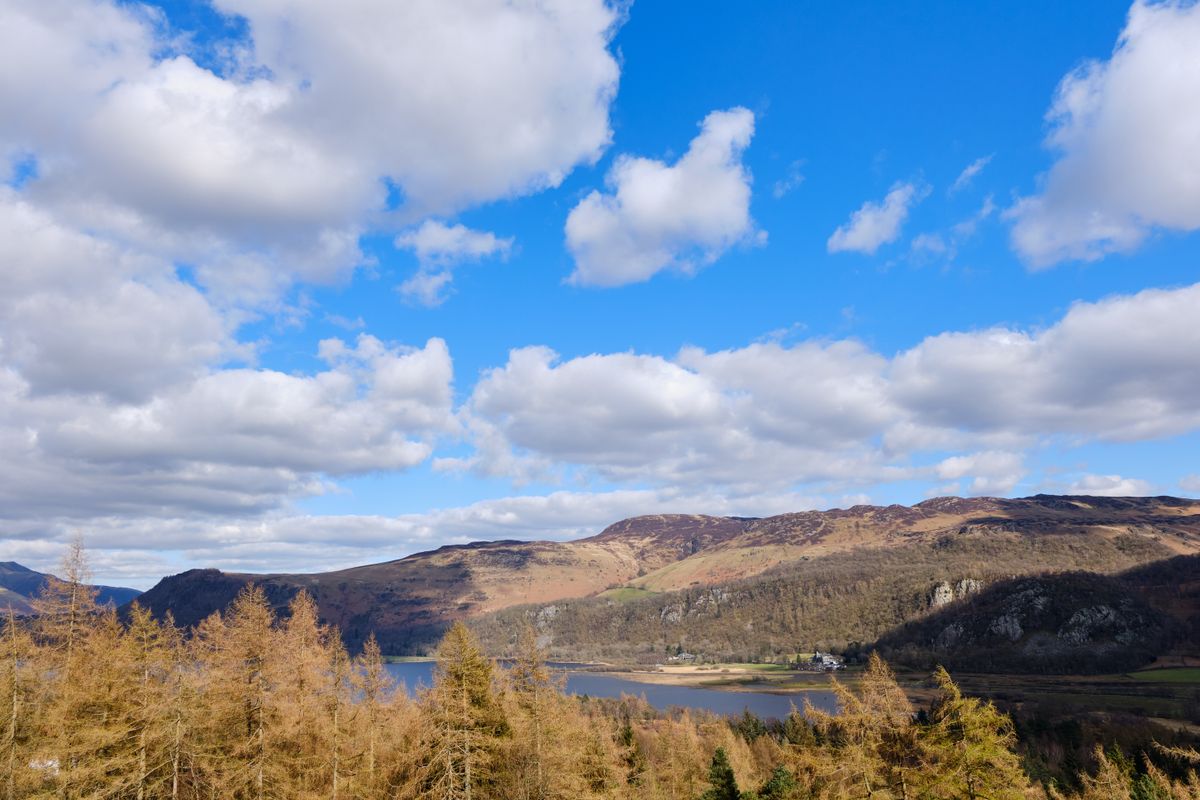
It is worth saying plainly: there are no royalty free photographs of the village itself in the public image libraries. Portmeirion is private property run by a foundation, and commercial photography there is regulated, which explains the absence.
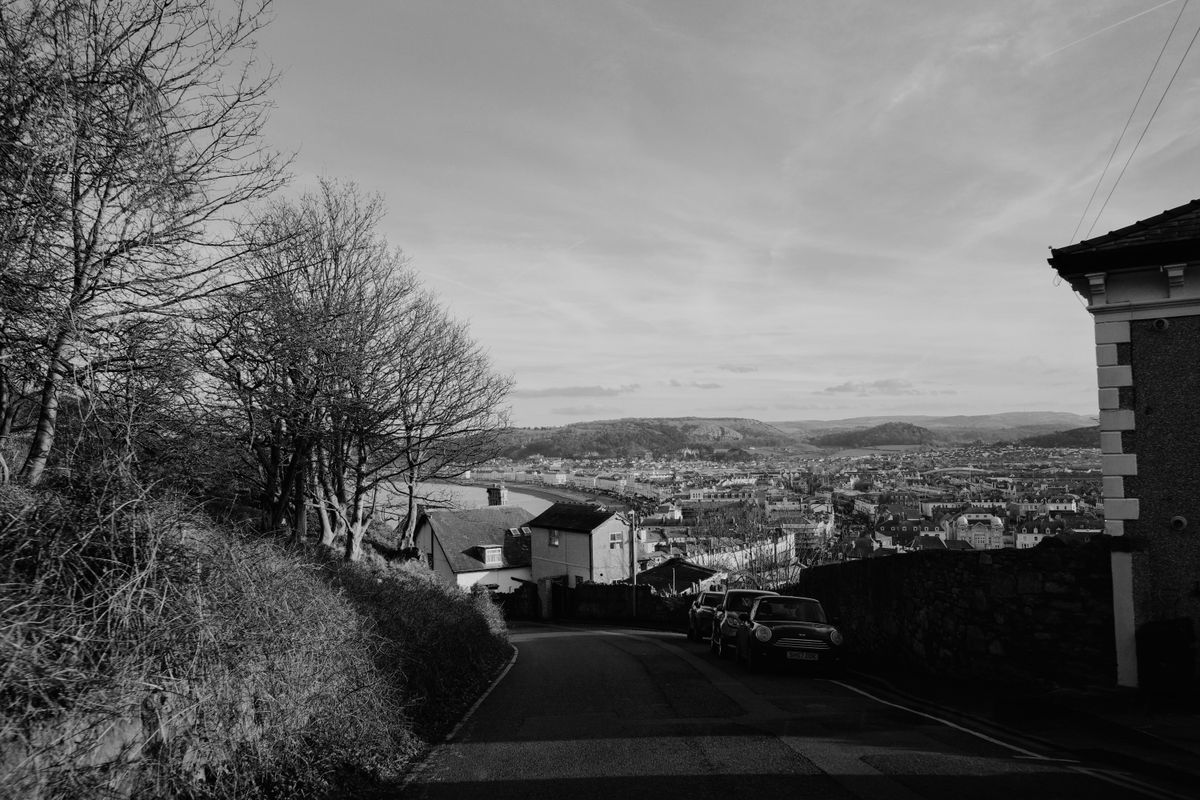
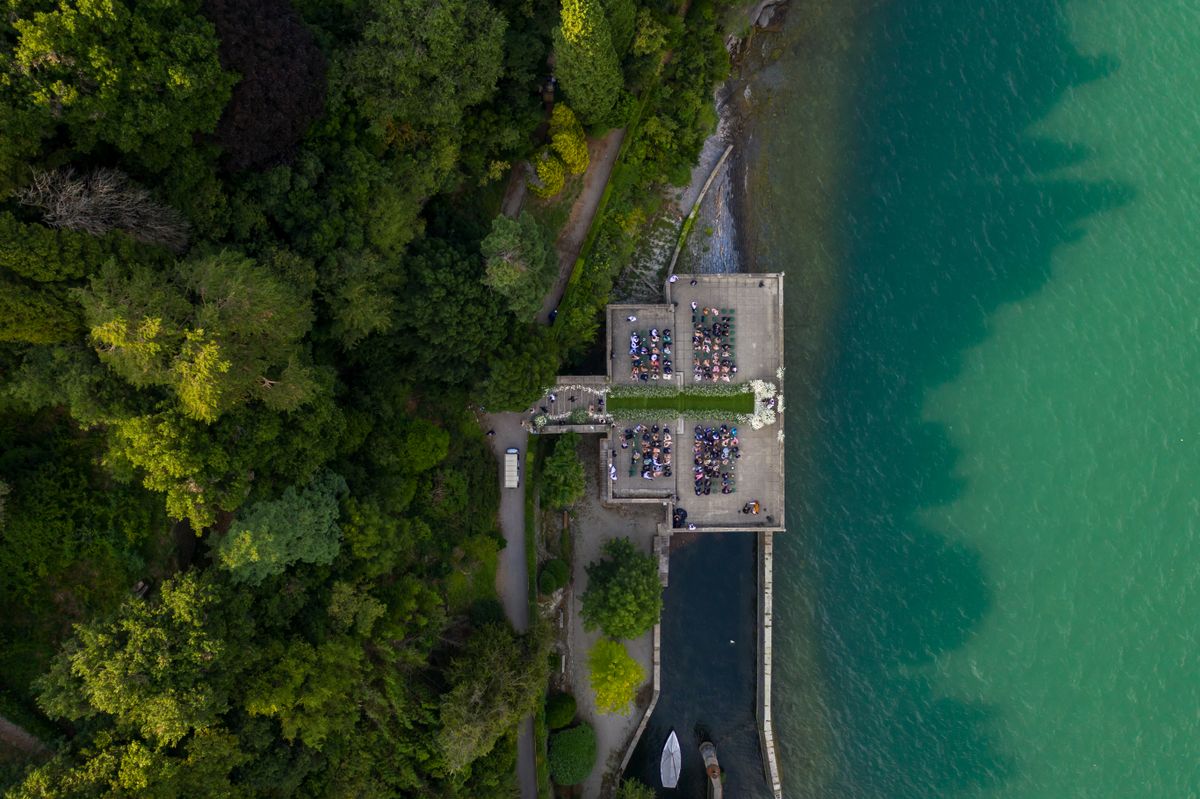
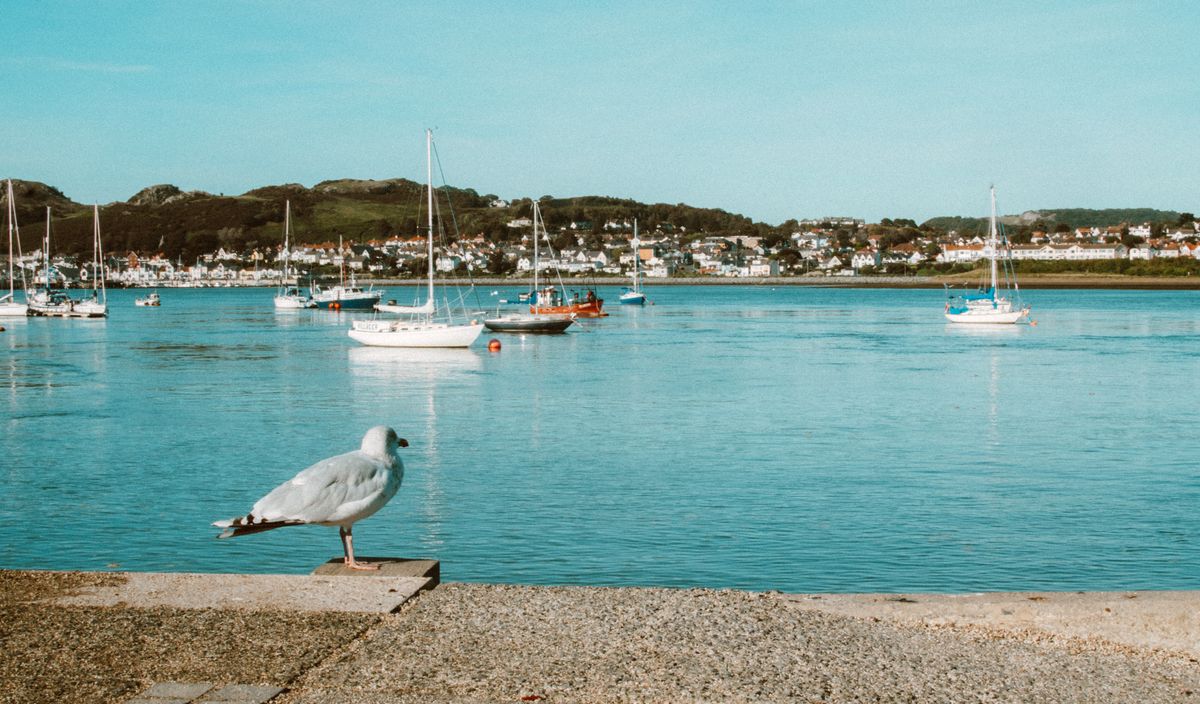
The images in this article therefore show the area the village sits in, meaning the Dwyryd estuary, the harbour at Porthmadog and the Gwynedd landscape, rather than the buildings themselves. Every caption states exactly what is shown. For images of the village, the official site is the best source.
Ticket, opening hours and staying overnight
The village is visited on a paid ticket, bought online or at the gate, and the price includes the woodland and the beaches. It opens daily, with last entry about an hour before closing, and on busy days a timed slot is recommended.
You can also sleep there, in the hotel on the water, in the castle at the top or in some of the village buildings themselves. Overnight guests have access after closing, which is the only way to see the place empty.

Getting there and what else is nearby
| Item | Detail |
|---|---|
| Location | near Minffordd, Gwynedd, north Wales |
| From Porthmadog | about 10 minutes by car |
| By train | Minffordd station, then a 20 minute walk |
| Visit length | two hours for the village, a day with the woodland |
| Ticket | paid, includes the Gwyllt woodland and the beaches |
| Best months | April to June, when the rhododendrons flower |
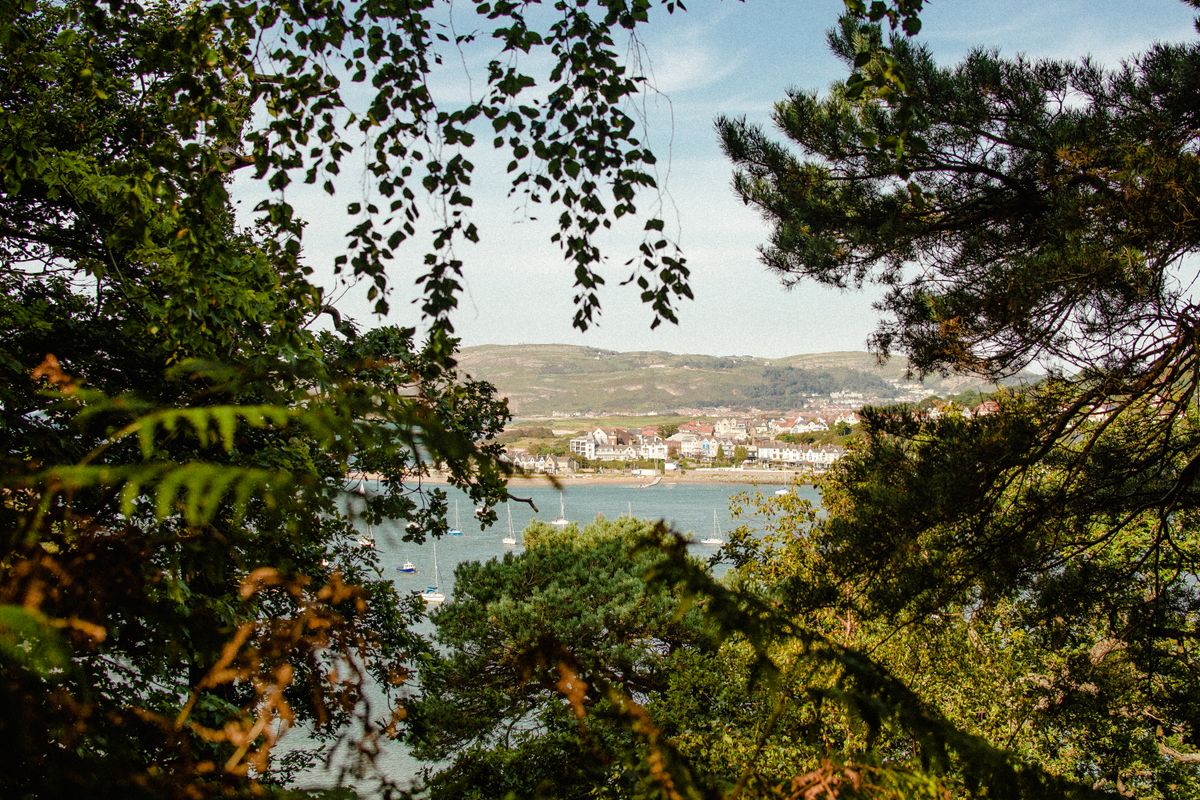
The surrounding area rounds out the day: Porthmadog and the narrow gauge railways, Harlech castle twenty minutes south, Snowdonia immediately north and the beaches of the Llyn peninsula to the west.
Opening hours, prices and bookings are on the official village site, and the architect background is documented on Wikipedia.
Frequently asked questions (FAQ)
Conclusion
Portmeirion is the result of fifty years of work by one man trying to prove a point: that a beautiful landscape can take buildings without being spoiled. He used salvaged pieces of demolished houses from across Britain to do it.
Give it half a day, do not skip the Gwyllt woodland that most visitors miss, and stay overnight if you want to see the place with nobody in it.
