
 By

The most expensive mistake on a Paris trip is not a museum ticket, it is a room chosen on price alone. Cheap accommodation in Paris that sits forty minutes from the centre costs you two hours a day and usually more than you saved, in fares and taxis. The right choice is made on the metro connection, not on the distance on the map.
How the arrondissements are laid out, which areas are good on a budget, what to avoid, what a night really costs and what to check before booking.
How to read the map of Paris
The city proper is divided into twenty arrondissements, numbered in a spiral from the centre outwards. The first is in the middle, beside the Louvre, and the twentieth in the far east. The higher the number, the further out and generally the cheaper.
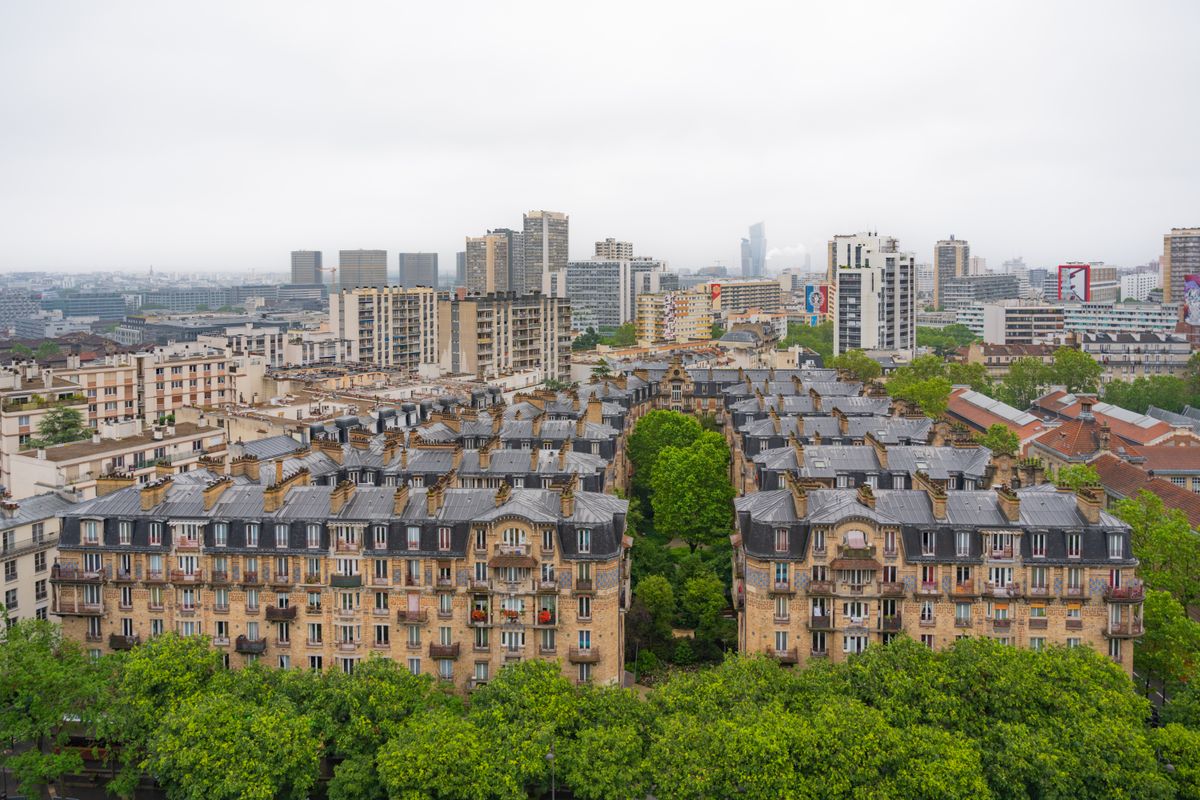
The rule has important exceptions. The high-numbered arrondissements in the east are well connected and affordable, while some western areas stay expensive despite being just as far out. And beyond the ring road the suburbs begin, which are another city with other rules.
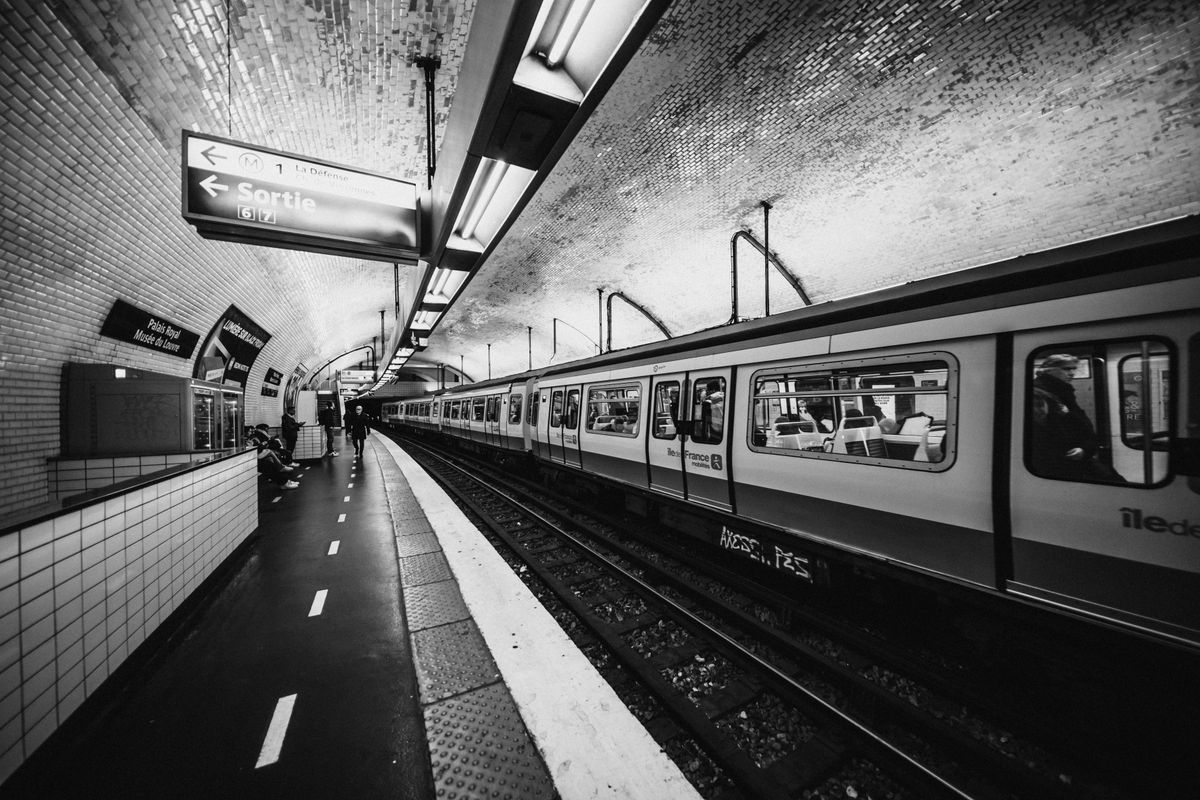
Do not look at how many kilometres you are from the Eiffel Tower. Look at how many minutes you are from a metro station and how many changes you make to reach the centre. Ten minutes of walking to the metro, twice a day, wastes more time than four extra stops on the same line.
The good areas for cheap accommodation in Paris
The following quarters combine prices below the city average with good connections and a real neighbourhood life, which also means restaurants at normal prices rather than tourist menus.
- The 11th, around Bastille and Oberkampf. Central, very lively in the evening, with many metro lines. The best price to position ratio in the city.
- The 12th, towards Gare de Lyon. Quiet, well connected, close to the Coulee Verte, a promenade built along a former railway viaduct.
- The 10th, between Gare du Nord and the Canal Saint-Martin. Cheap, extremely well connected, with excellent stretches and rougher ones on the same street.
- The 14th, Montparnasse and south. Residential, safe, below average prices and direct access to several lines.
- The 20th, Belleville and Pere-Lachaise. The cheapest of the well connected quarters, multicultural, with neighbourhood markets.
- The 5th, the Latin Quarter. Not cheap, but it has the highest density of small hotels and student rooms, so real bargains appear.

If the budget is very tight, look at the first towns beyond the ring road that have their own metro station, not just a suburban train. Montreuil, Pantin and Bagnolet, to the east, have metro stops and much lower prices, and the trip into the centre stays under half an hour.

What to avoid and why
Paris is a safe city for visitors, and the real problem is not violence but pickpocketing and badly positioned rooms. A few things are still worth knowing before you book.
- The immediate surroundings of Gare du Nord and Gare de l’Est at night. Not dangerous, but busy, grubby and loud.
- Listings that describe themselves as in Paris but have a suburban address with no metro. Always check the nearest station, not the description.
- Fifth floor rooms with no lift, very common in older buildings. It is written in the listing, and everybody skims past it.
- Offers far below market in high season. If it looks too cheap for June, check the address and the recent reviews twice.
- Hotels directly on the big boulevards, if you are a light sleeper. Ask for a room facing the courtyard, which is called sur cour.

Almost every property adds a local tax, roughly one to six euros per person per night depending on the category. It does not always appear in the price shown at booking and is settled on arrival. For four nights for two people, that is several tens of euros extra.
What a night really costs
Prices swing enormously with the season. A three star hotel at ninety euros in February reaches a hundred and eighty in June, for the same room.
| Type of accommodation | Low season | High season |
|---|---|---|
| Dormitory bed, hostel | 35-50 euros | 50-75 euros |
| 2 star hotel, arrondissements 10-20 | 70-95 euros | 110-150 euros |
| 3 star hotel, arrondissements 10-20 | 90-130 euros | 150-200 euros |
| 3 star hotel, central arrondissements | 130-180 euros | 200-280 euros |
| Rented flat, 2 people | 80-120 euros | 130-190 euros |
| Suburb with a metro station | 55-80 euros | 85-120 euros |
The cheapest window of the year is January and February, followed by November. The most expensive is June, then September, when the city fills with conferences and trade fairs. August is surprisingly affordable for rooms, because Parisians leave and many neighbourhood restaurants close.
The checks to make before you book
Five minutes of checking before you press the button save you four days of bad journeys. The list is short and applies to any booking, hotel or flat.
- Find the exact address on a map and measure the walk to the nearest metro station. Under seven minutes is good.
- Check which lines serve that station and how many changes you make to two or three sights on your list.
- Read the reviews from the last three months, not the overall average. Noise and cleanliness change quickly.
- Confirm whether there is a lift and which floor the room is on.
- Check whether breakfast is included. Usually it is not, and it costs between twelve and twenty euros, more than a coffee and a croissant at the corner bakery.
- Ask about the city tax and the check-in time, which in Paris is frequently after three in the afternoon.
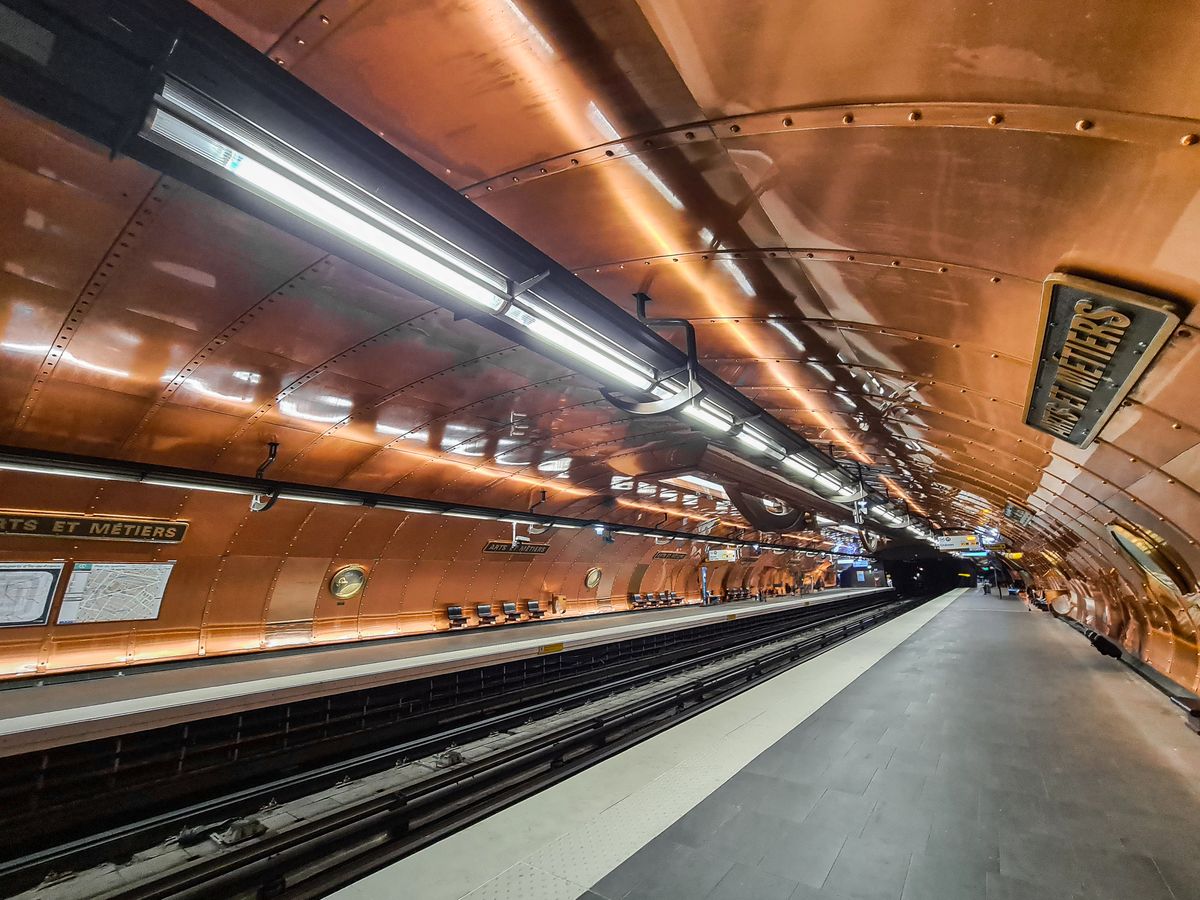
Network maps, line information and current fares are on the official city tourist portal. Paper tickets have been withdrawn and payment is contactless or by rechargeable card, which simplifies a short stay considerably. General background is also on independent city guides.
Frequently asked questions (FAQ)
Conclusion
Good accommodation in Paris is not the closest to the Eiffel Tower, it is the place from which you reach anywhere in twenty minutes without awkward changes. The 10th through the 20th, on the eastern side, deliver exactly that at thirty or forty per cent below the centre.
Check the walk to the metro before anything else, read the recent reviews and add the city tax to your budget. The rest is preference.
