
 By

Soroca Fortress is one of those buildings that looks better in life than in photographs, because a photograph cannot convey geometry. It is the only perfectly circular fortress in the Romanian lands, built directly on the bank of the Dniester with Ukraine on the far side. And the town around it has a second attraction, entirely different and far more unusual.
What you see inside, why it is round, what the hill of mansions is, where to climb for the view and how to get there from Chisinau.
Soroca Fortress and its strange geometry
The fortification here began as a timber fort, raised at the end of the fifteenth century by Stephen the Great as a link in the defensive line along the Dniester. The stone fortress you see today was built in the fifteen forties, during the reign of Petru Rares.
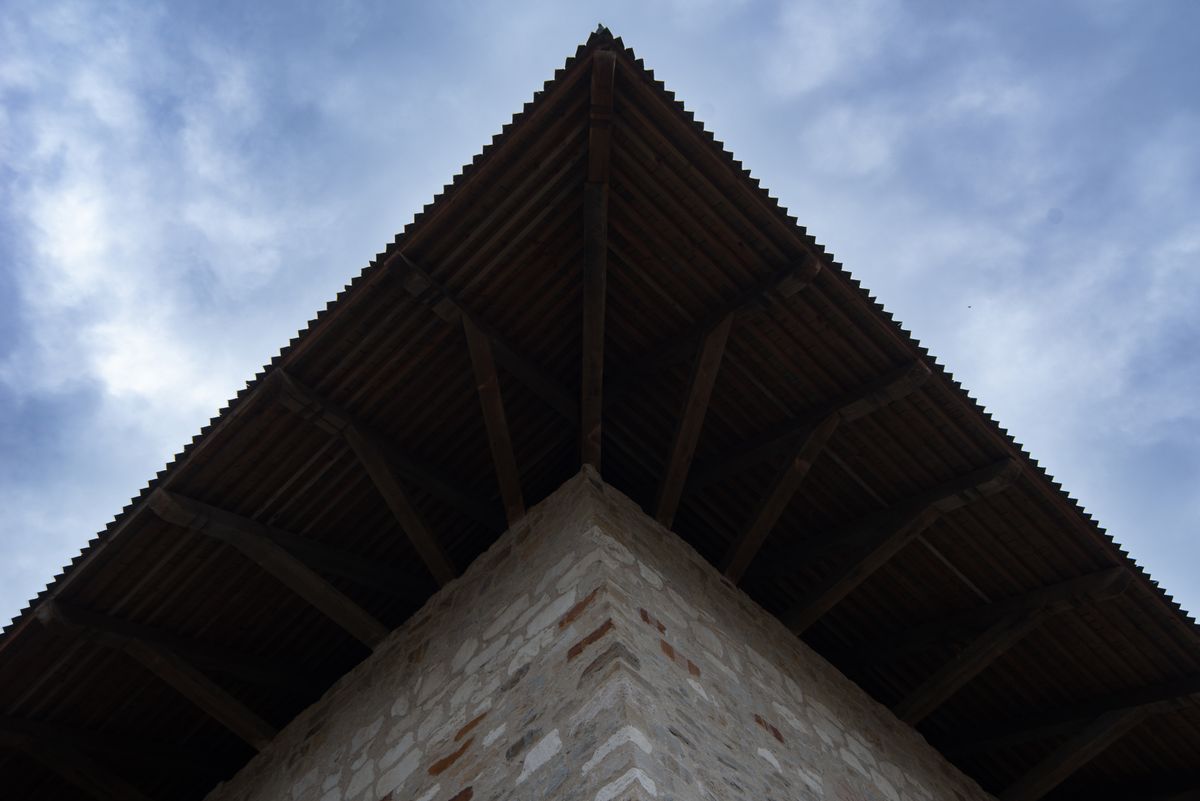
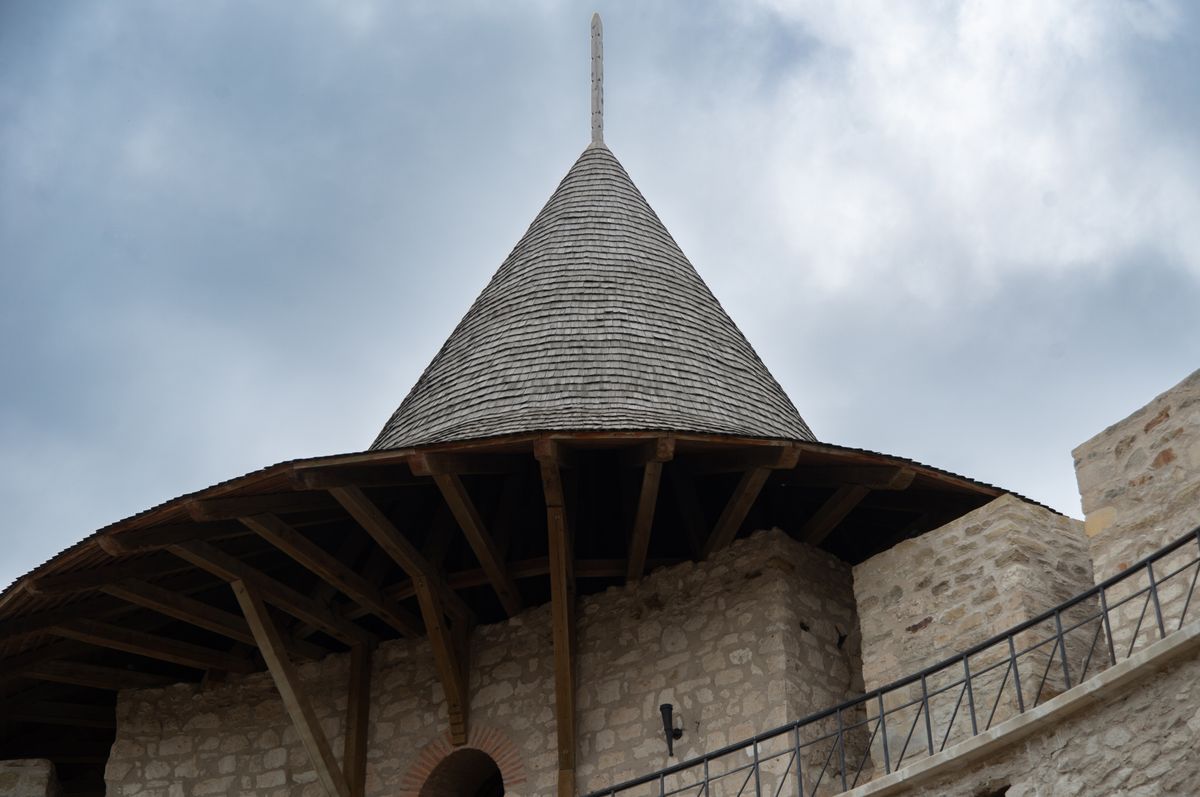
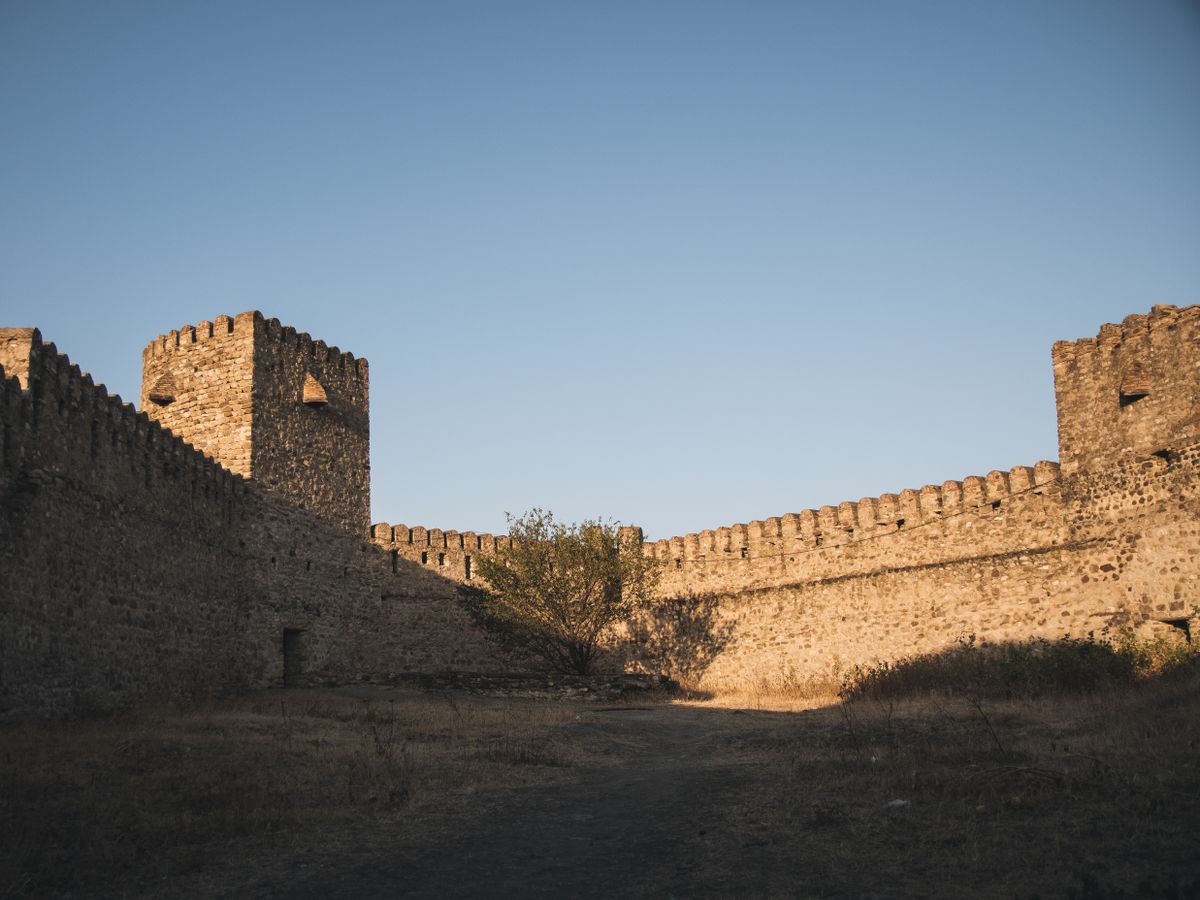
The plan is what makes it special: a perfect circle, with five towers set at equal intervals around the circumference. Four are round and the fifth, square, houses the gate. The proportions are so exact that it has long been suggested an Italian architect familiar with Renaissance fortification worked on the design.
| Element | Detail |
|---|---|
| Plan | a perfect circle |
| Towers | 5, of which 4 round and one square |
| Role | a link in the Dniester defensive line |
| Builder | Petru Rares, on the site of an earlier timber fort |
| Position | directly on the right bank of the Dniester |
| Condition | recently restored, open to visitors |
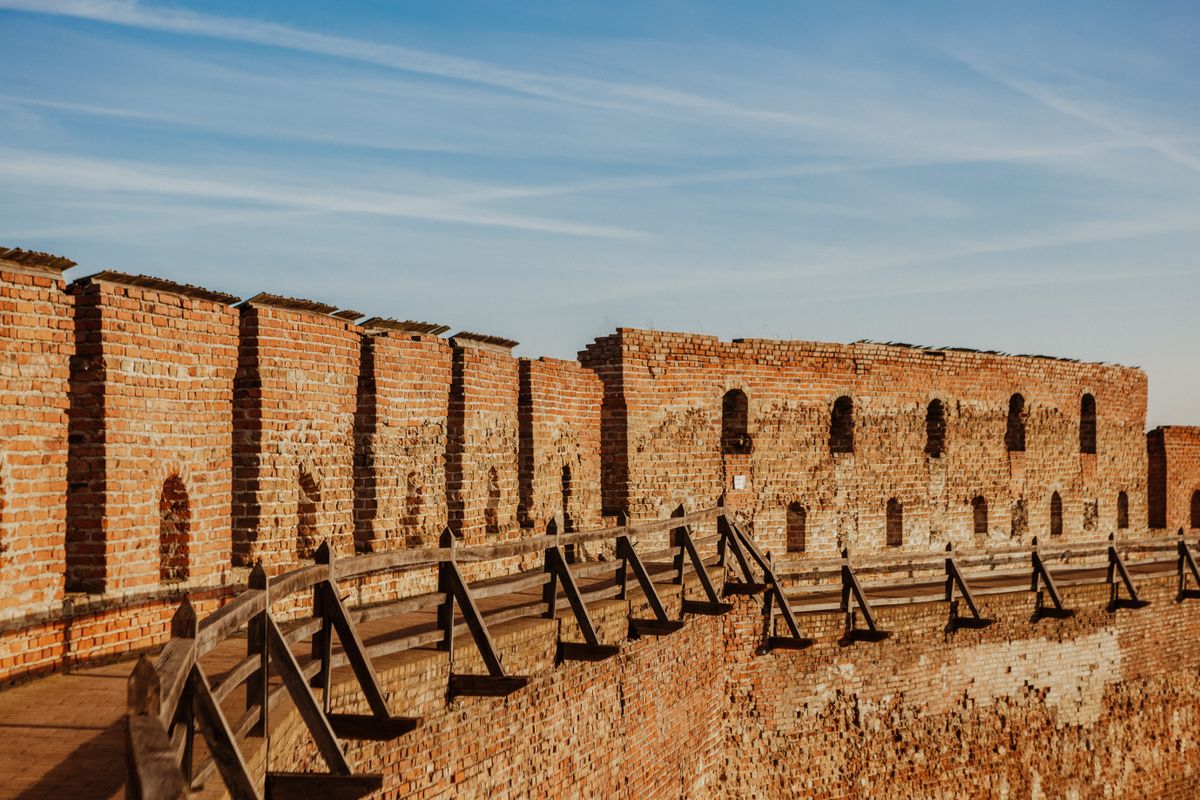
The fortress was restored in recent years and the wooden galleries along the walls were rebuilt. You can walk them, make a full circuit of the enclosure and come down into the inner courtyard, where you realise how small the enclosed space really is. The visit takes about an hour.
Its place in the Moldavian line of fortresses
Soroca was never conceived on its own. It formed part of a system of fortifications guarding the eastern and southern frontier of medieval Moldavia, with garrisons able to signal to one another.
- Hotin, to the north, today in Ukraine.
- Soroca, at the midpoint of the Dniester.
- Tighina, further south on the same river.
- Cetatea Alba, at the mouth of the Dniester, also in Ukraine today.
- Suceava and Neamt, the fortresses of the interior.
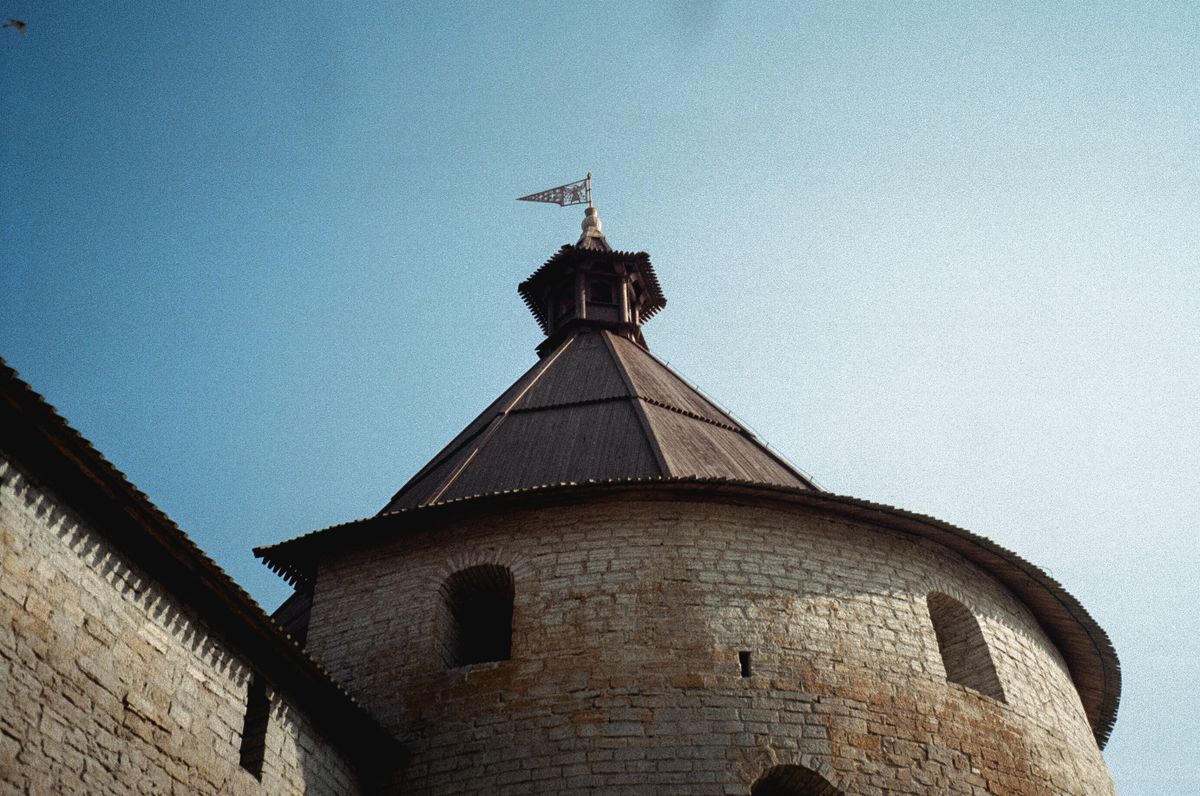
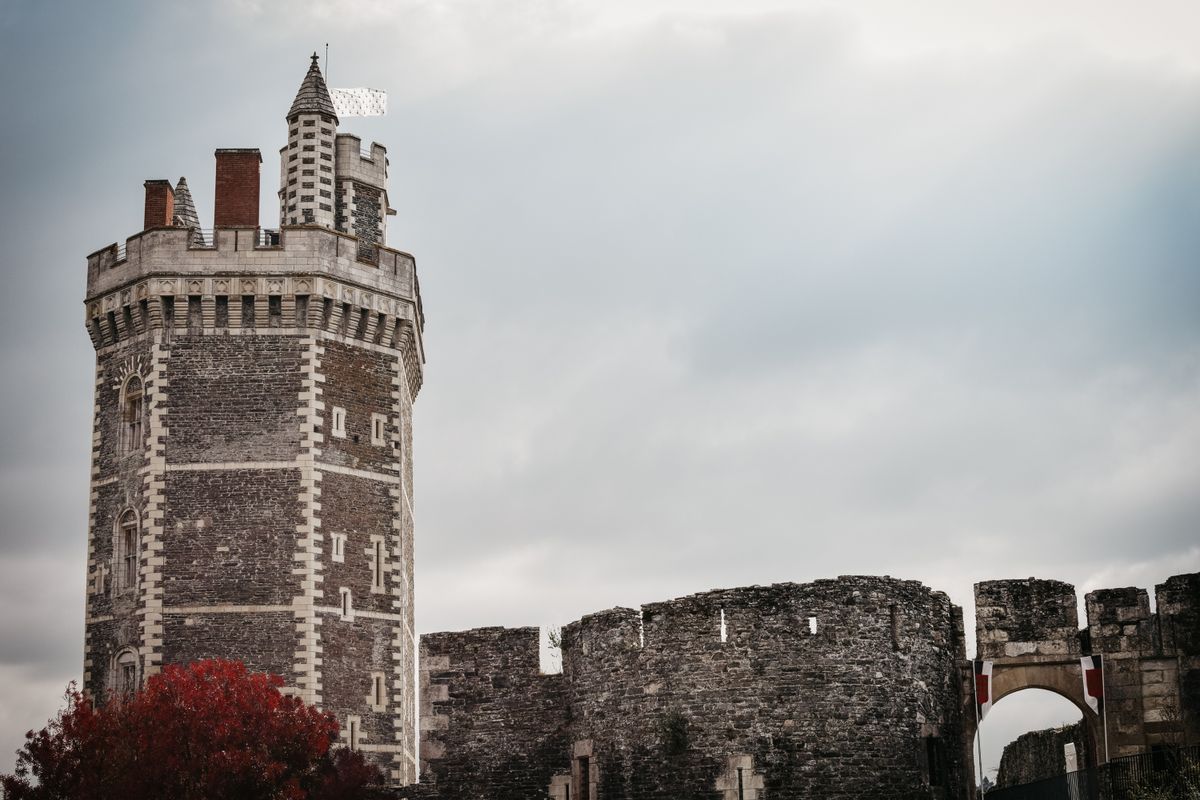
Anyone who has visited the fortresses in Romania will notice the difference in scale at once. Soroca is small and compact, built for a modest garrison and for watching a crossing point, not for long sieges. That is exactly why the circular plan makes sense: on a circle, defenders can move quickly in any direction.
The hill of mansions, the other face of the town
On the hill above the town lies the most unusual residential area in Moldova. This is where the Roma community of Soroca lives, and the houses built here over recent decades copy, at their own scale, famous buildings from around the world.
Among them you can recognise outlines drawn from the Bolshoi Theatre, from Saint Peter basilica and from the United States Capitol, mixed with towers, columns and gleaming metal roofs. Some houses are finished and lived in, others stand as bare structure. The overall effect is hard to describe and impossible to mistake.
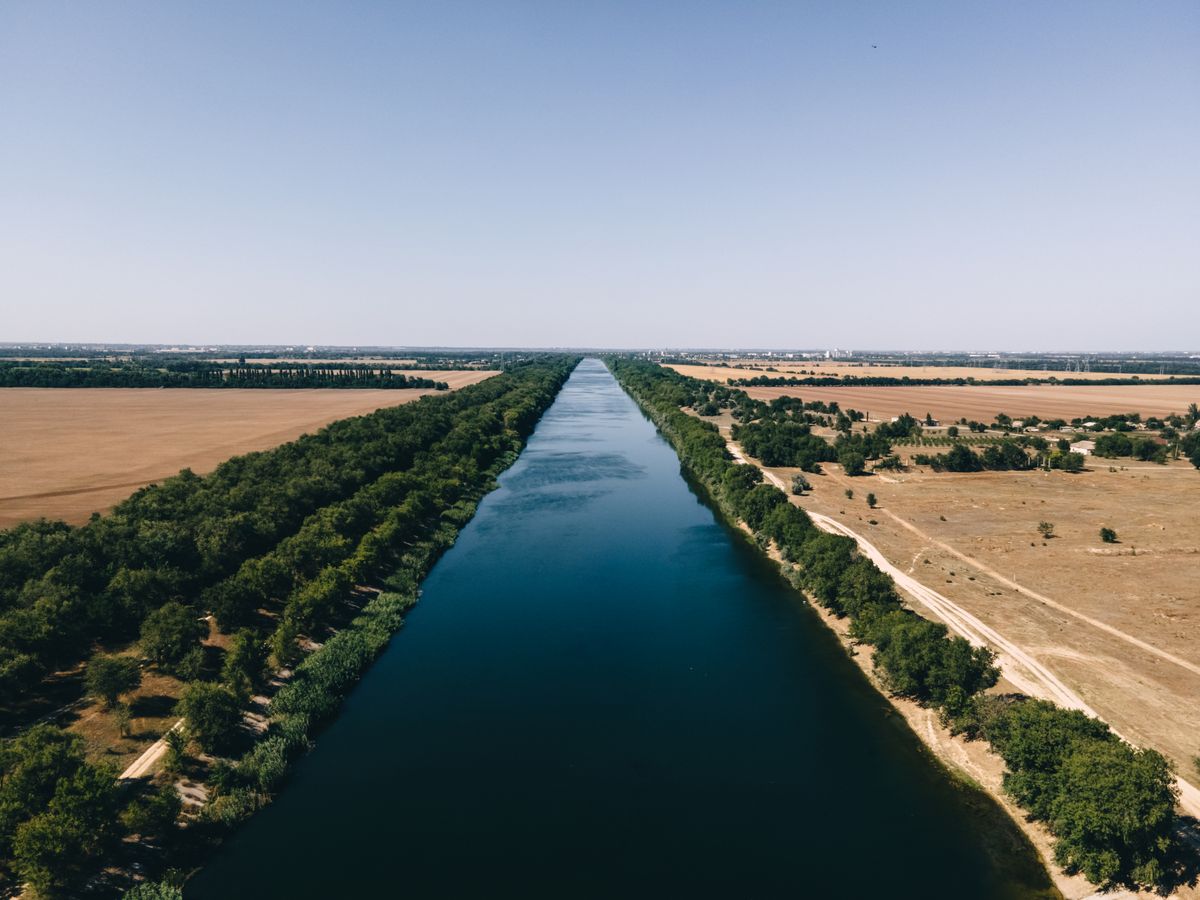
Soroca is regarded as the symbolic centre of the Roma community in the country. The area is visited on foot, along the street, like any other neighbourhood, but with the courtesy that implies: these are people homes, not a museum. Photograph yards, windows or people only with their agreement, and if you are invited in, the invitation is genuine and worth honouring.
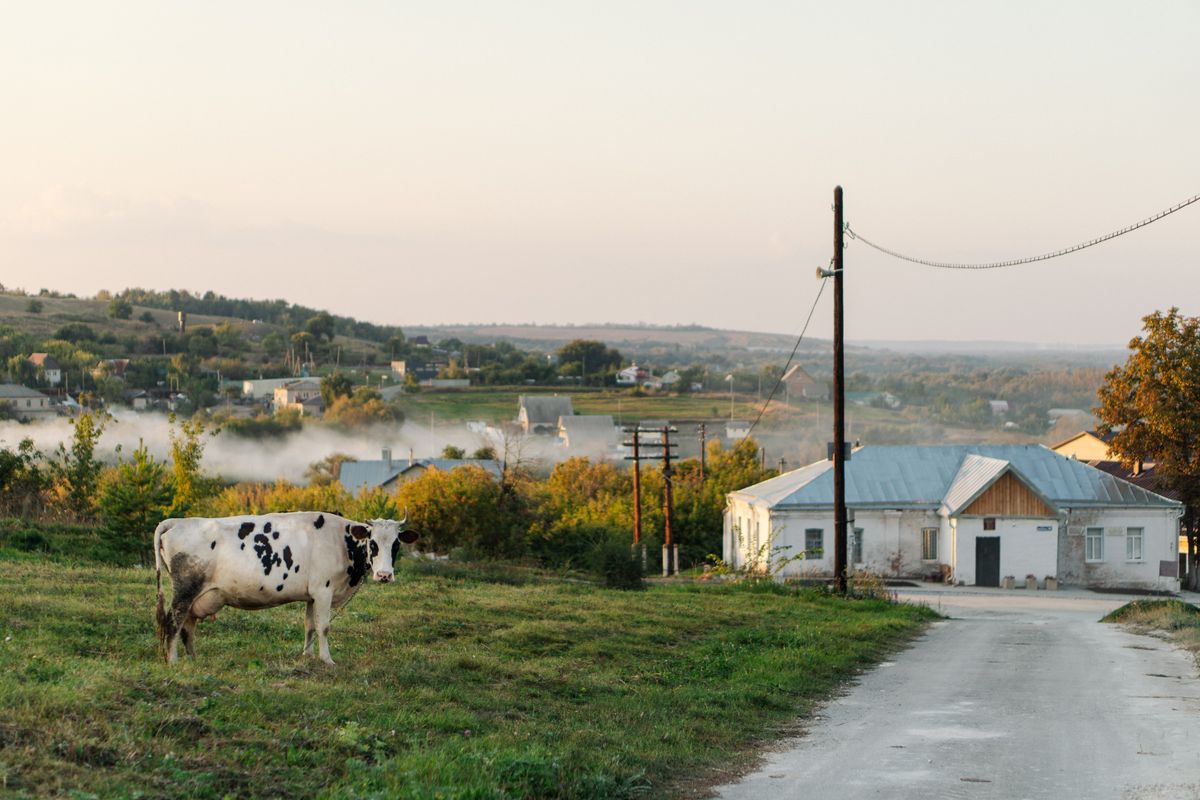
Do not walk onto private property, do not photograph people without asking, and do not treat the neighbourhood as an exotic attraction. A local guide who knows the families turns an awkward wander into a normal visit, with explanation and context.
The Candle of Gratitude and the wider area
A few kilometres from the town, on a cliff above the Dniester, stands the Candle of Gratitude, a tower shaped monument raised in 2004. A long stairway of more than six hundred steps leads up to it, and from the top you look out over a good stretch of the river valley.
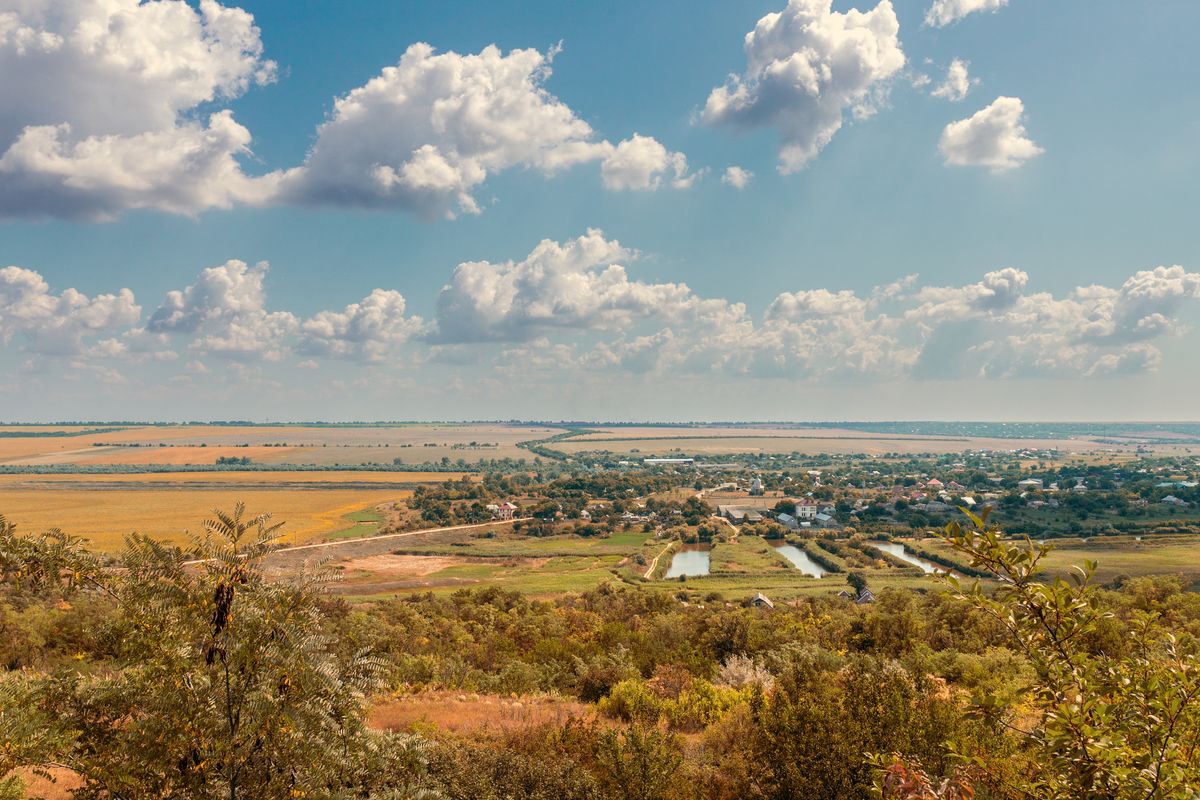
The monument is dedicated to those who preserved the language and the historical memory of the region, and it carries a strong symbolic charge locally. For a visitor it is above all the best viewpoint in the area.
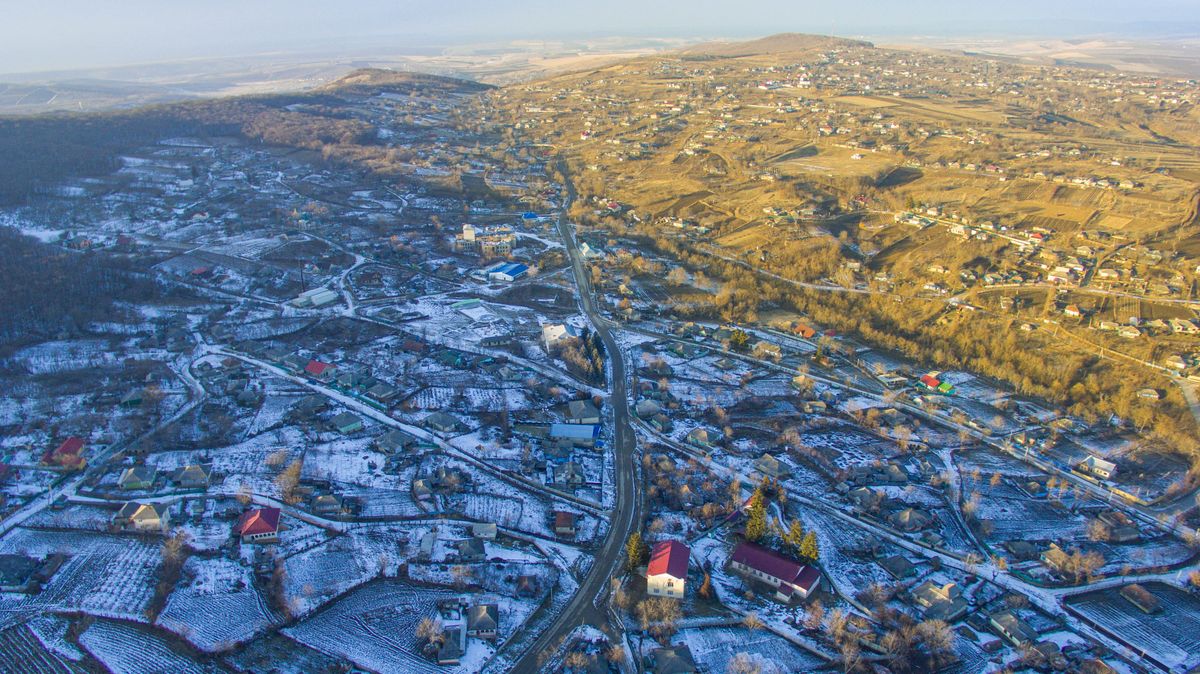
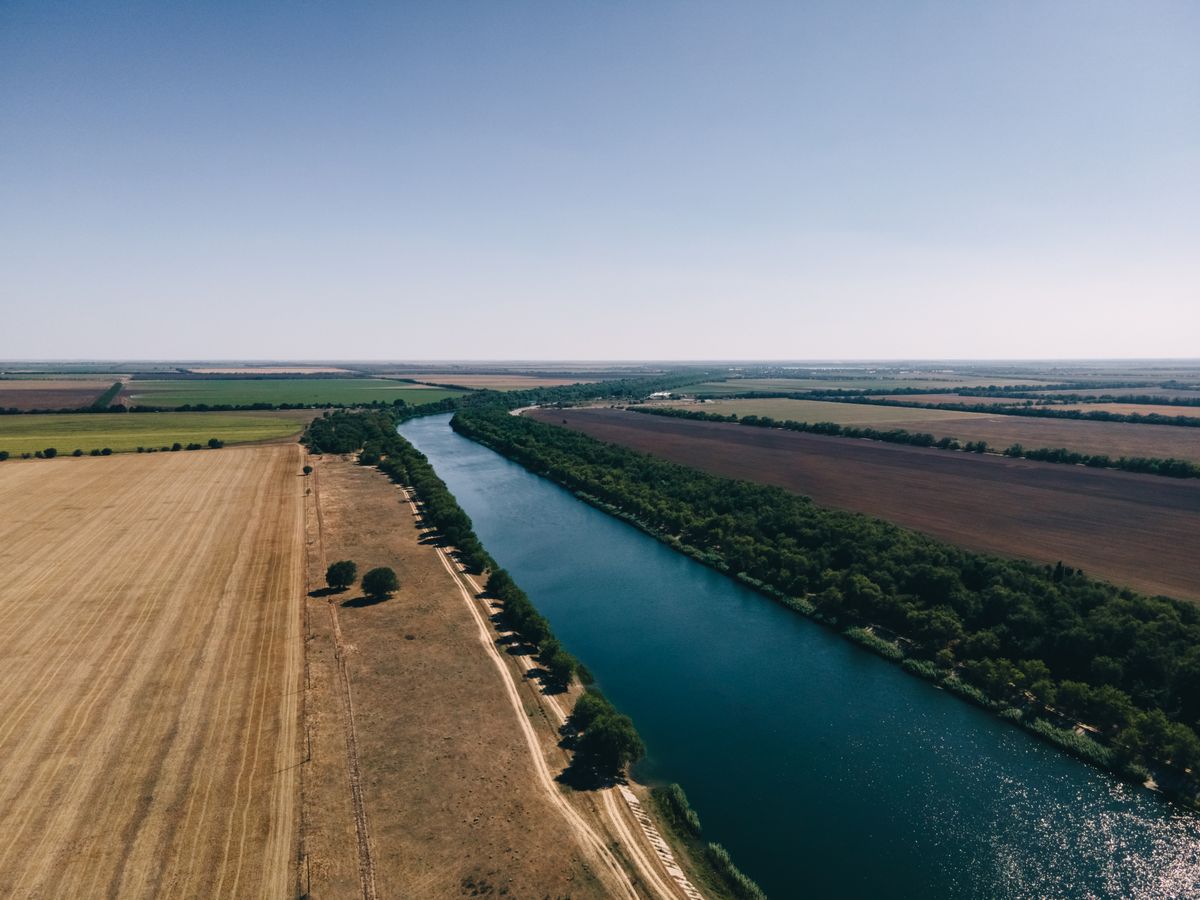
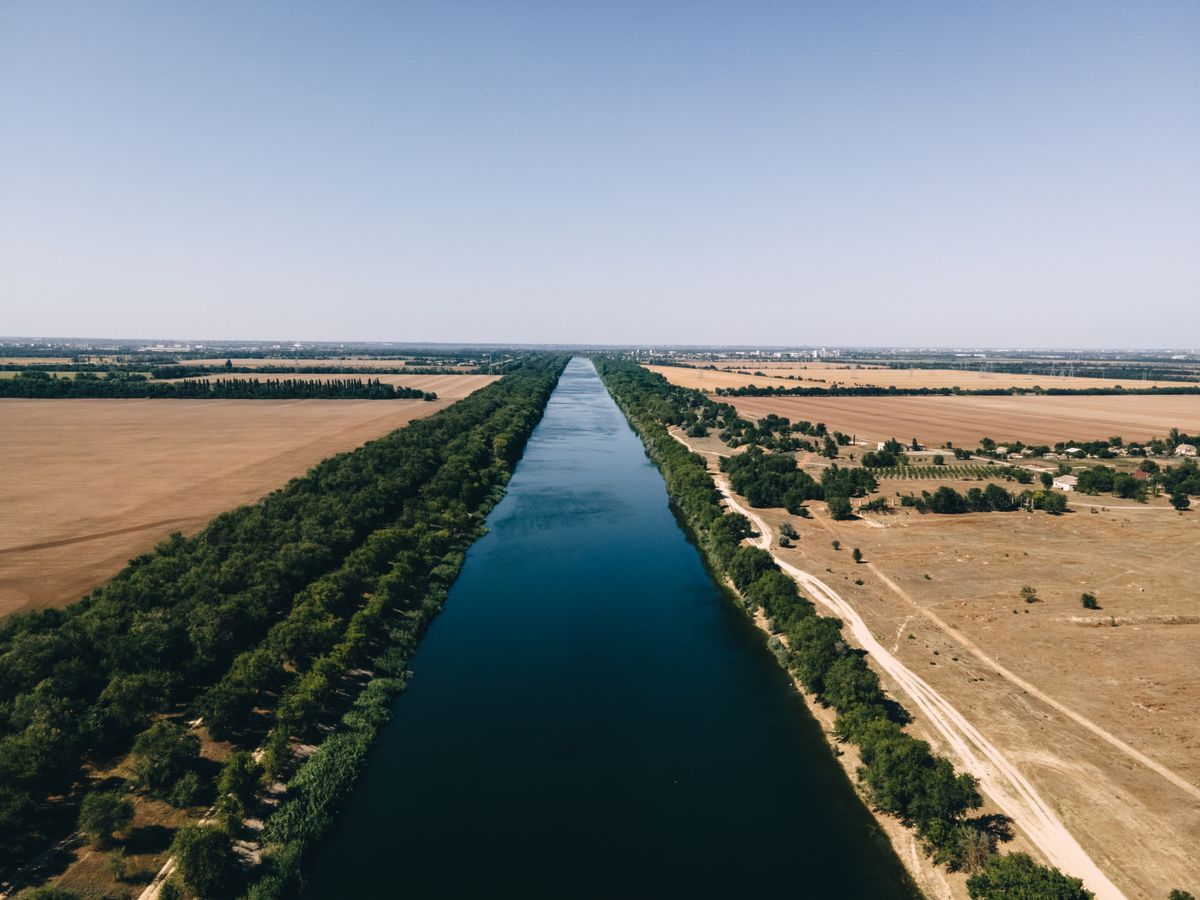
The Dniester runs right past the town, and the far bank is already Ukraine. This is one of the few places where a border is simply visible from a cliff, with no fencing and no infrastructure. On the road up from Chisinau it is worth stopping at the cave monasteries of Tipova and Saharna, both cut into limestone banks above the river.
Getting there and how long you need
| Item | Detail |
|---|---|
| Distance from Chisinau | approximately 160 km |
| By car | around 2 hours 30 minutes |
| By minibus | daily services from the Chisinau bus station |
| Fortress visit | about an hour |
| Full day | fortress, hill and Candle of Gratitude |
| Best season | May to October |
It works comfortably as a day trip from Chisinau, but the return drive takes five hours, so leave early. With your own car you can link the visit to the monasteries along the Dniester and turn the day into a route rather than a dash.
Opening hours for the fortress and any local events are worth checking on the official portal moldova.travel. If you want to add a tasting, the map of wineries open to the public is on Wines of Moldova.
In Soroca and along the road, cards are not accepted everywhere. You need Moldovan lei for tickets, for food on the spot and for a local guide if you take one. Change money in Chisinau, where the rate is better.
Frequently asked questions (FAQ)
Conclusion
Soroca Fortress is small, exact and quite unlike what you expect from a medieval fort: a circle of stone on the bank of a river that is now a border. The town around it adds a contrast you will not find anywhere else.
Leave Chisinau early, stop at the monasteries along the Dniester and leave time for the hill. It is a day with far more in it than a single sight.
