
 By

Subotica is a town of around a hundred thousand people in northern Vojvodina, ten kilometres from the Hungarian border. It has the densest concentration of Art Nouveau architecture in Serbia and one of the finest in Central Europe, plus a Secession synagogue restored over two decades of work. It is a place almost nobody plans for and almost everybody is startled by.
Which buildings are worth seeing, why the town looks the way it does, what the lakeside resort is, what to eat and how to get there.
Why Subotica looks the way it does
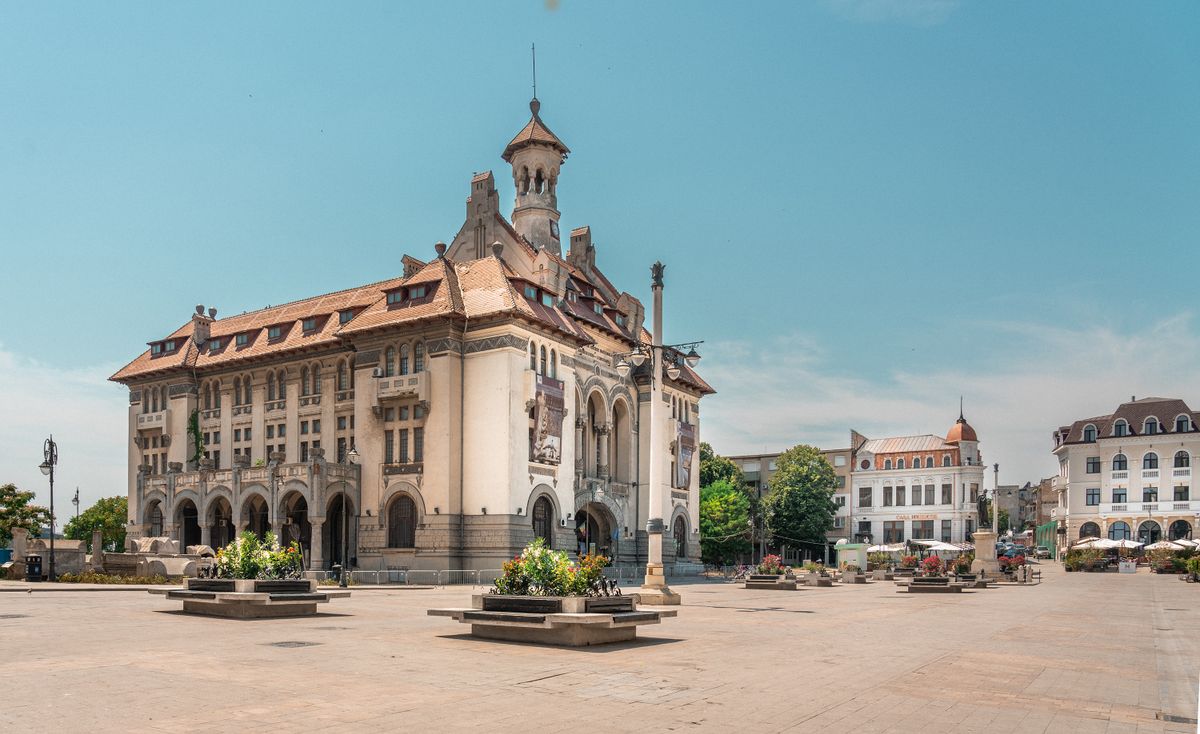
The town prospered at the end of the nineteenth century and the start of the twentieth, when it was part of Austria-Hungary and an important trading centre on the road between Budapest and Belgrade. That money translated into a building campaign in a style that had only just appeared: the Hungarian Secession.

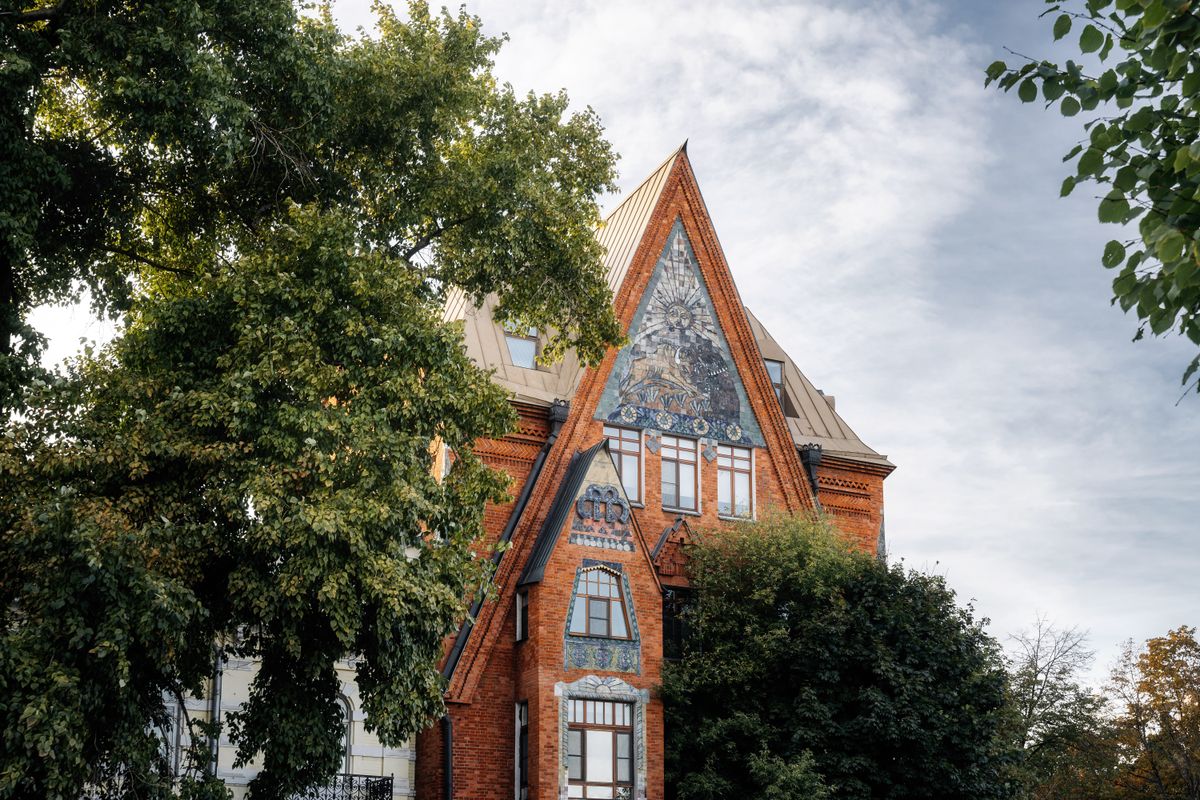
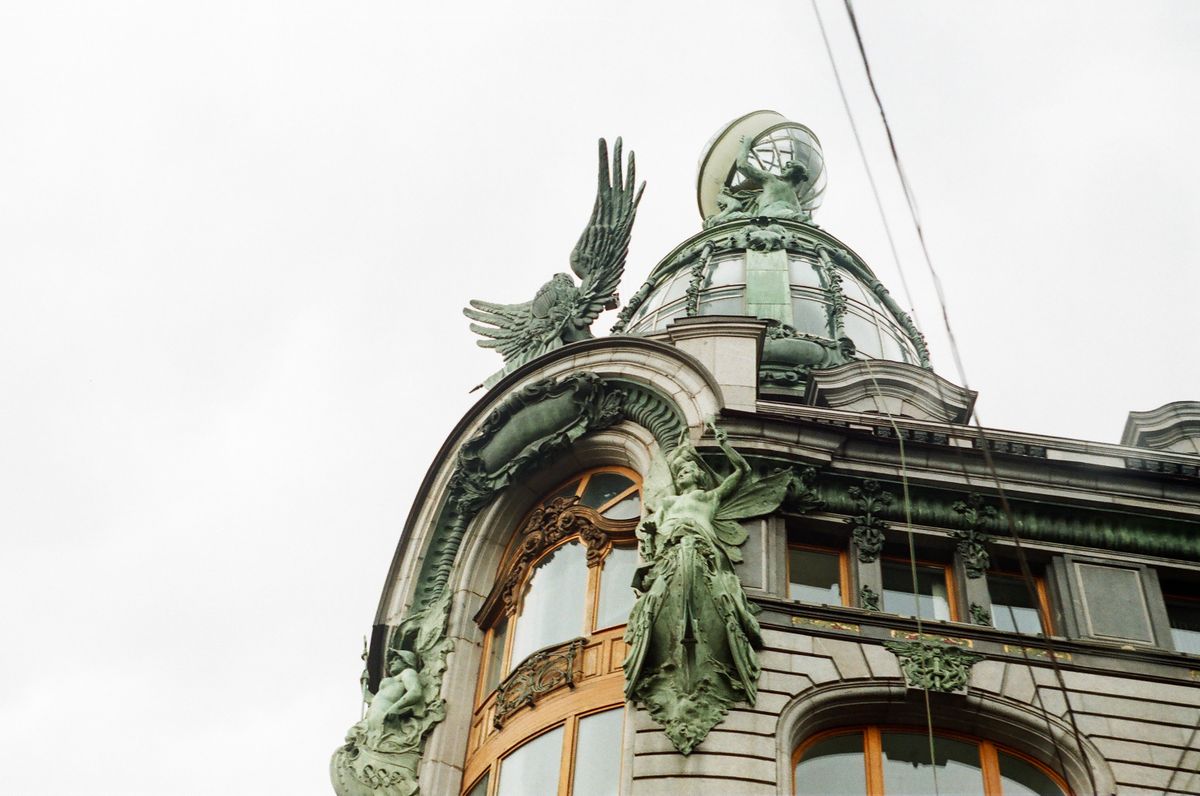
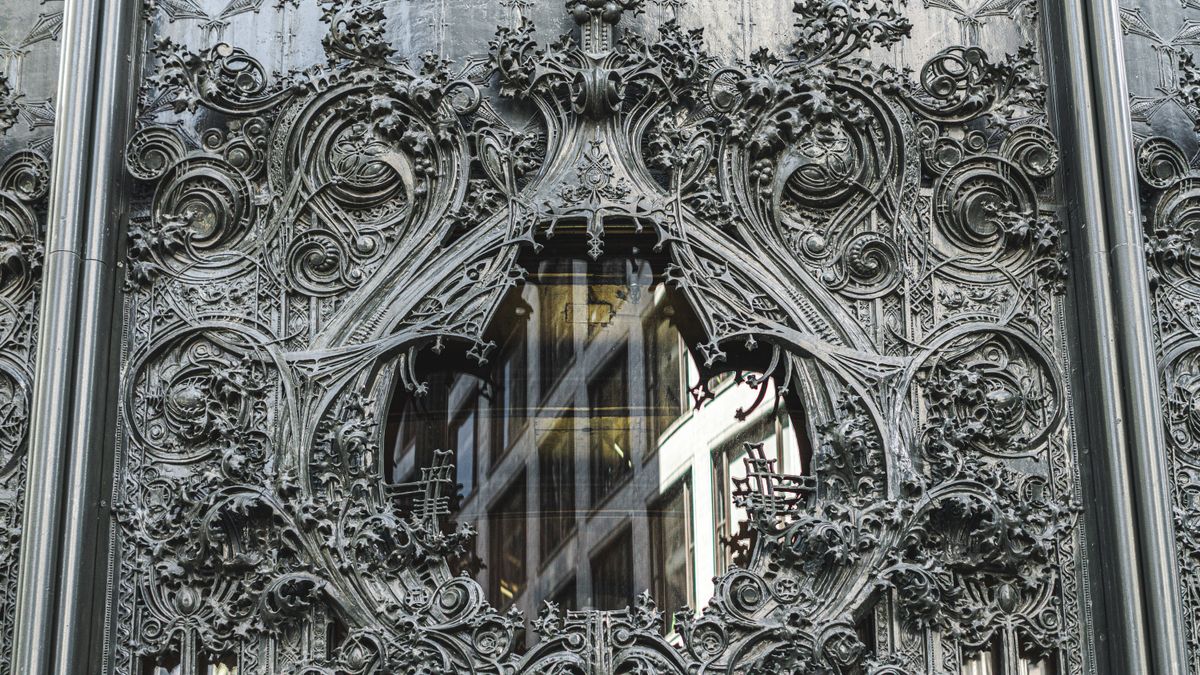
This is neither French Art Nouveau nor German Jugendstil. The Hungarian Secession mixes European curved forms with folk motifs from Transylvania and the Pannonian plain, with coloured glazed ceramic from the Zsolnay works in Pécs, and with roofs that look stitched rather than built.
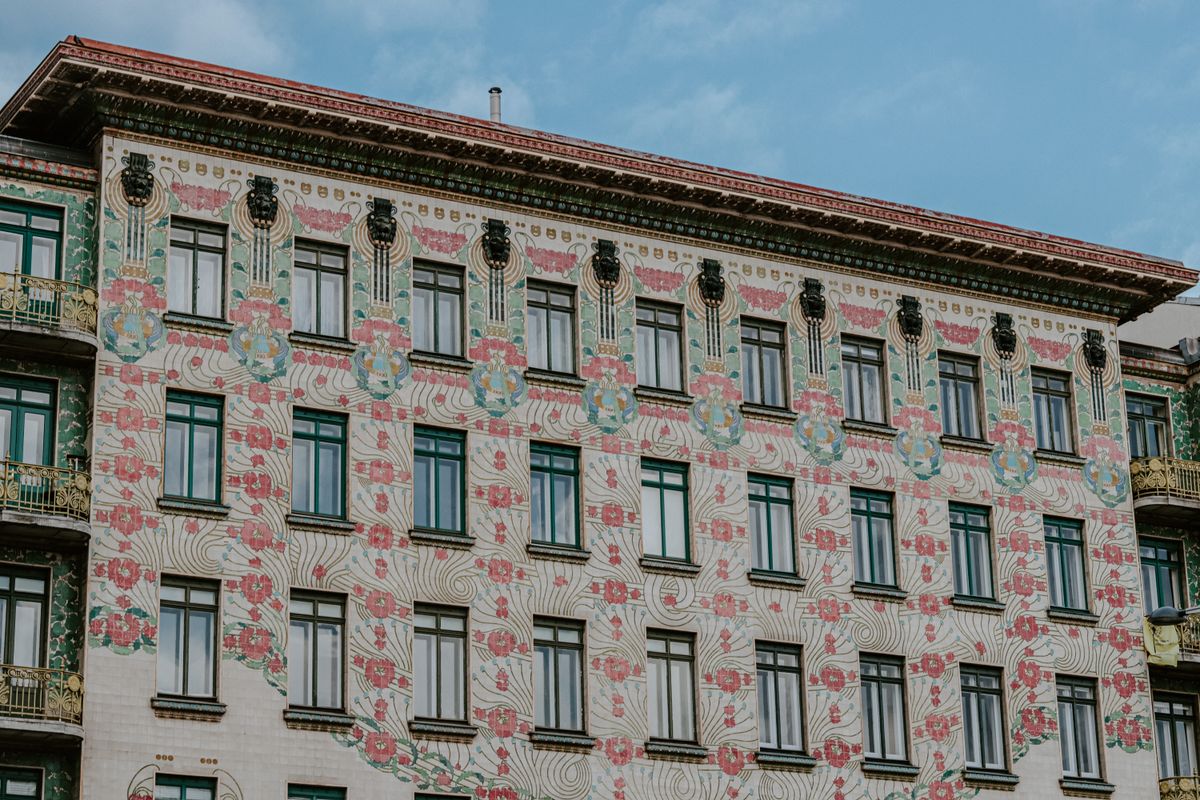
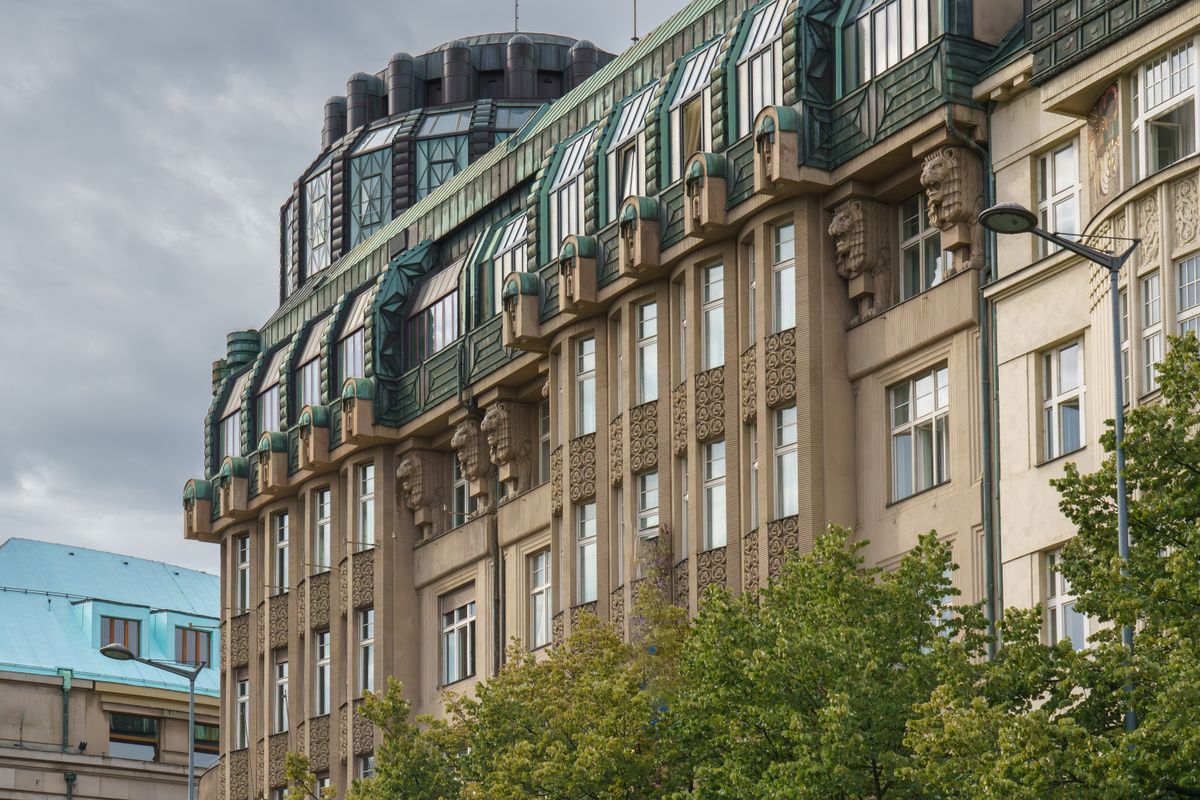
The ethnic makeup explains the rest. The town has a large Hungarian community alongside Serbs and Bunjevac Croats, and the signs are in three languages. It is a border place in the most literal sense.
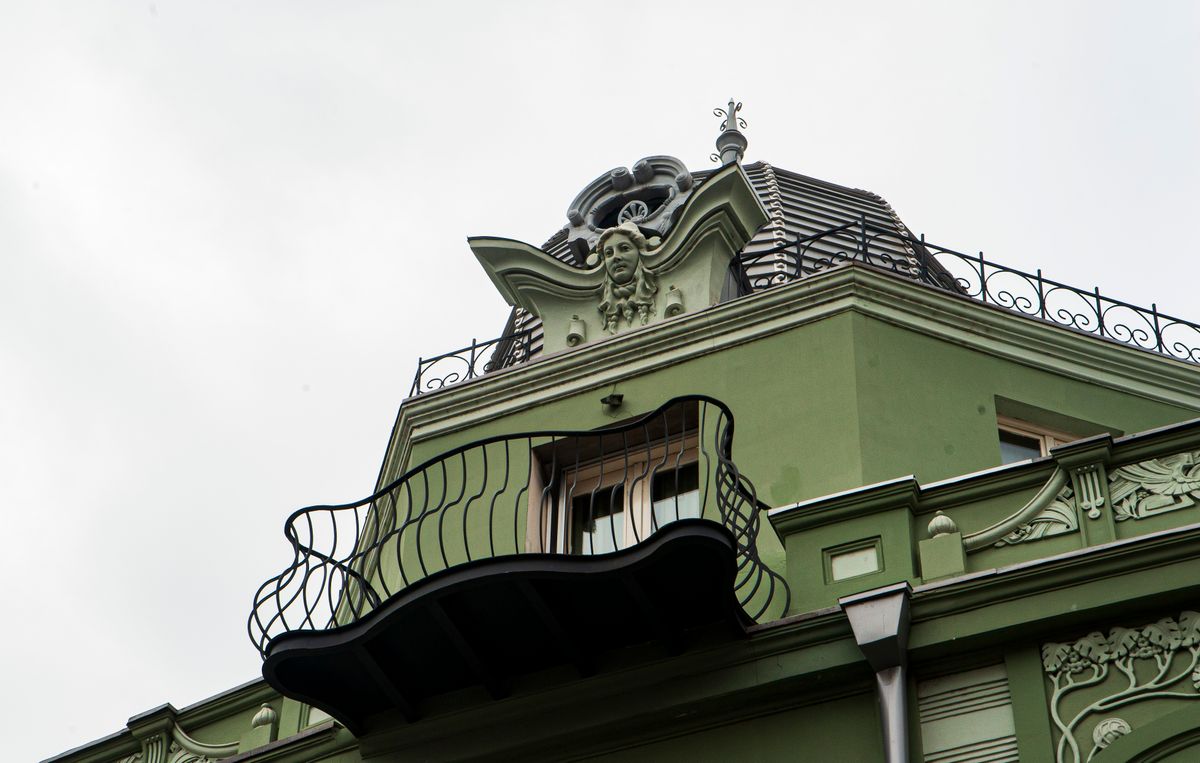
The buildings worth the trip
They are all in the centre, minutes apart on foot. Half a day covers everything, but the interiors deserve longer.
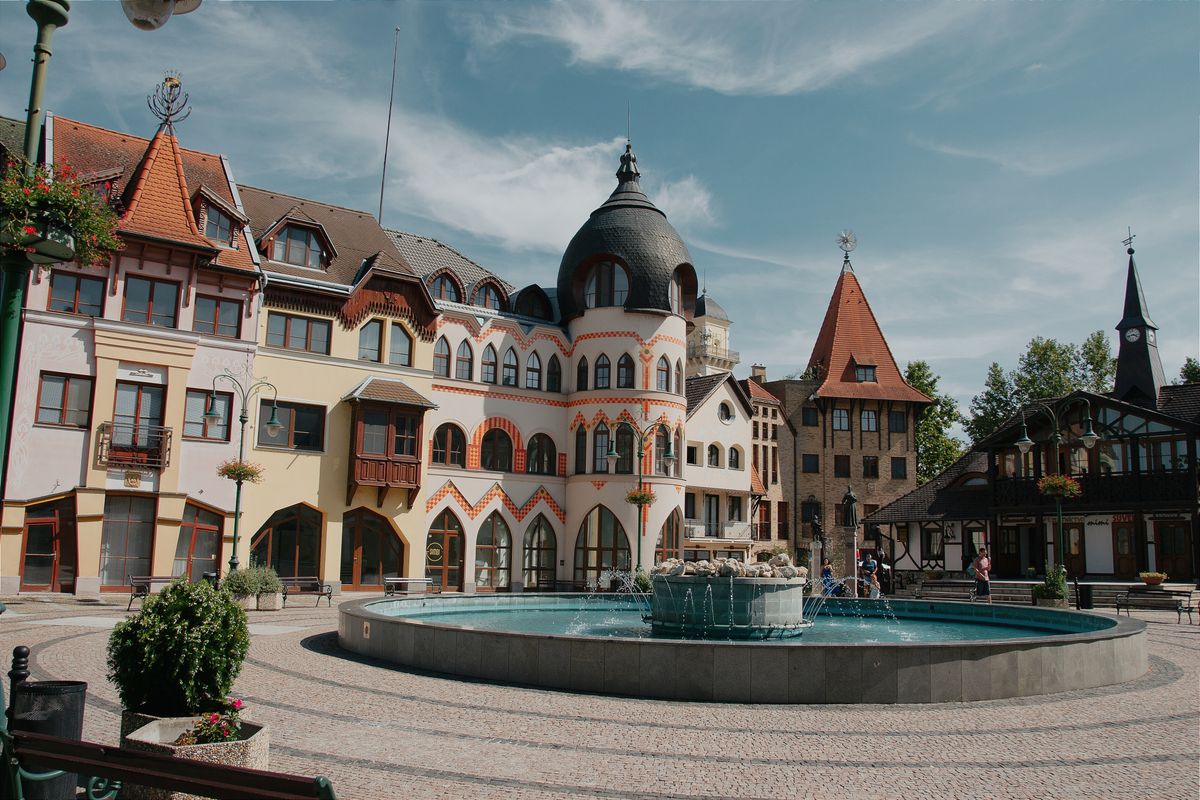
- The town hall, 1908 to 1912, by Marcell Komor and Dezső Jakab: the most important building in town, with a council chamber glazed by Miksa Róth and a tower you climb for the view.
- The synagogue, 1901 to 1902, by the same architects: one of the finest surviving Art Nouveau synagogues in Europe. It was restored over nearly two decades and reopened a few years ago.
- Raichle Palace, 1904: built by the architect Ferenc Raichle as his own house, with the most exuberant facade in town. Now a modern art gallery.
- The Blue Fountain on the main square, rebuilt to the original design.
- The National Theatre, recently reconstructed, with the neoclassical portico preserved.
- The town library and a run of Secession apartment blocks scattered along the side streets.
The synagogue deserves separate mention. It was built for a community of several thousand people that was almost entirely destroyed in the Holocaust. The building then stood decaying for decades, and its restoration became an international project. Today it functions both as a place of worship and as a cultural venue.
Palić, the lakeside resort
Eight kilometres from town lies Palić, a resort built around a lake at the beginning of the twentieth century, with an ensemble of Secession buildings put up almost all in 1912.
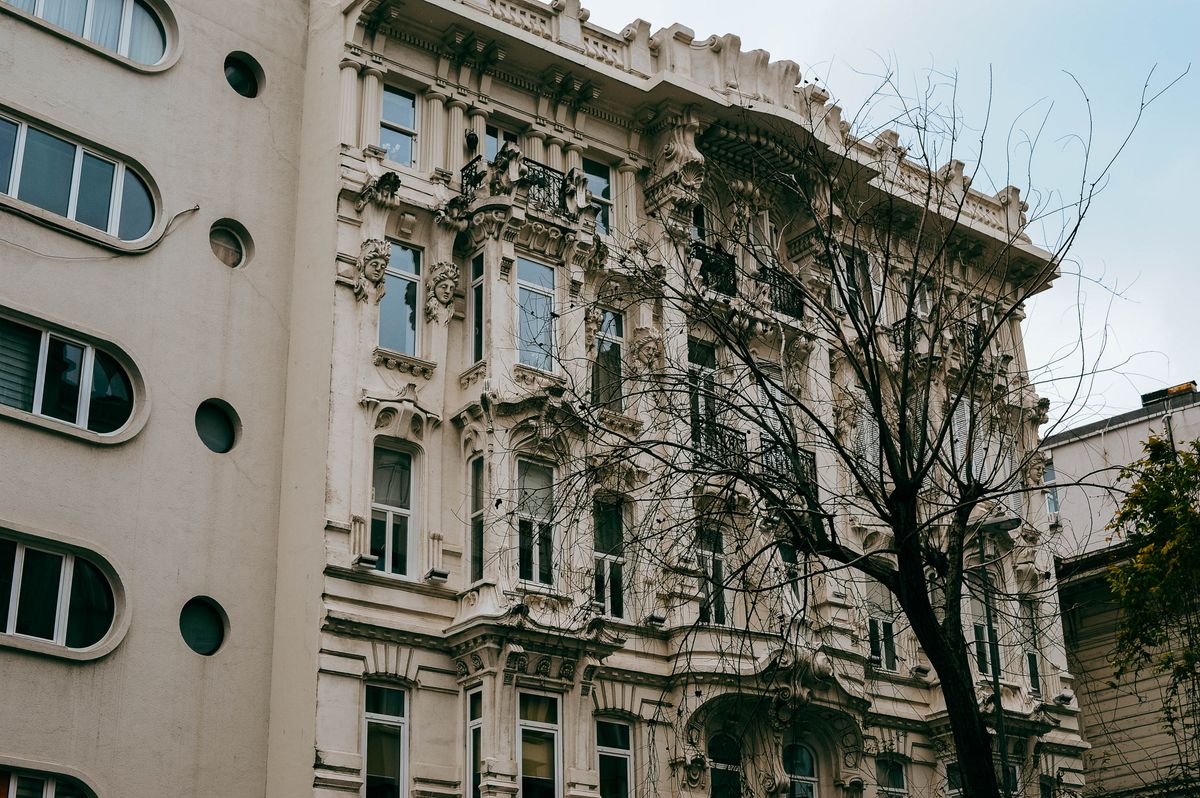
The water tower at the entrance survives, along with the Grand Terrace, the music pavilion and the former women bathing house, all in the same style. It is an unusually coherent ensemble, planned from the start as a resort rather than assembled over time.
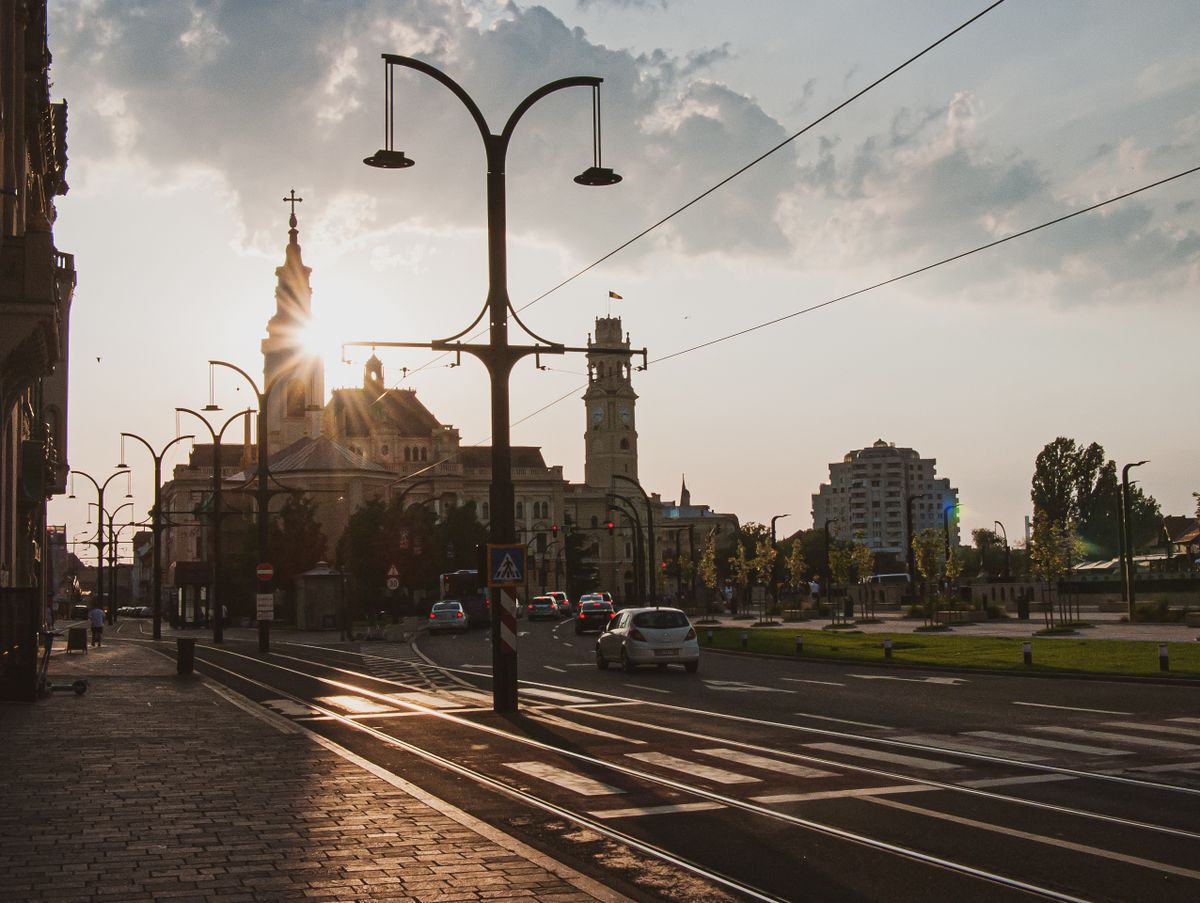
The lake is small and shallow and the water is nothing special. You come for the architecture, the surrounding park and the restaurants on the shore. A European film festival is held here in summer.
What you eat on the border
The cooking is overwhelmingly Hungarian, which surprises visitors to Serbia who expected grilled meat.
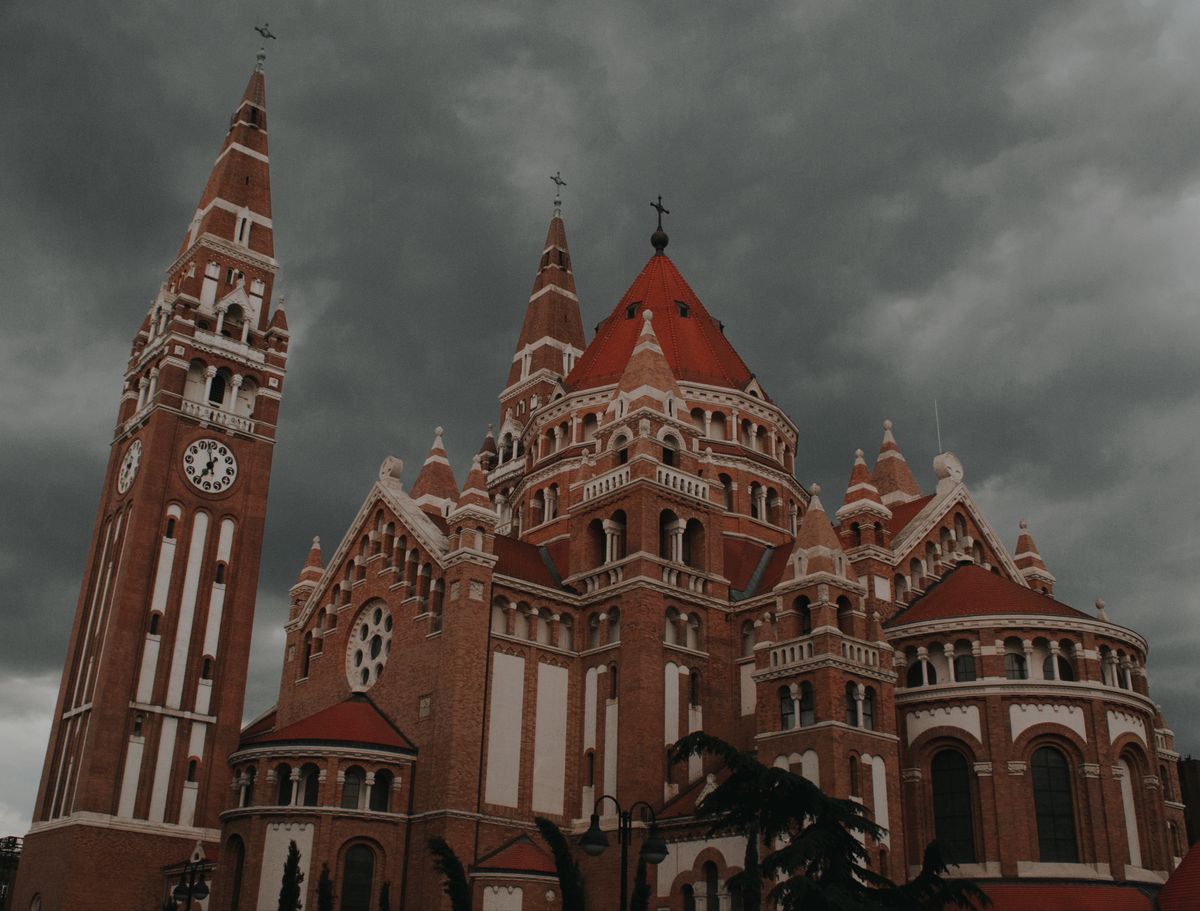
- Halászlé, the river fish soup heavy with paprika, cooked in a kettle. Competitions are held for it across the region.
- Paprikás with dumplings, in the local version.
- Lángos, fried flatbread with sour cream and cheese, eaten standing up.
- Kürtőskalács, the chimney cake baked on a spit.
- Austro-Hungarian patisserie with a genuine tradition behind it, not a decorative one.
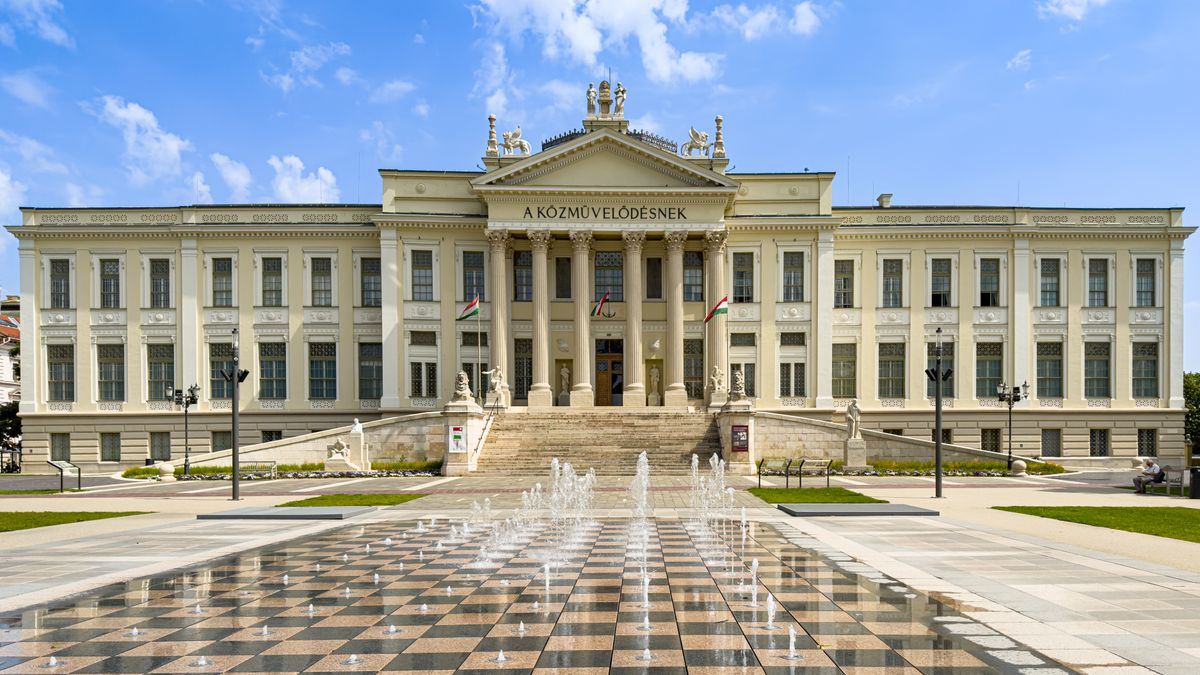
Prices are among the lowest in the region: a full meal rarely passes ten to twelve euros a head, and decent accommodation in the centre starts at thirty euros a night.
Getting there, how long to stay and when to go
| Item | Detail |
|---|---|
| From Belgrade | about 3 hours by car |
| From Novi Sad | about 1 hour 40 |
| From Szeged, Hungary | about 45 minutes |
| From Budapest | around 3 hours |
| By train | the fast line from Belgrade, check current timetables |
| Days needed | 1 to 2, including Palić |
| Best months | May to June and September to October |
The town pairs naturally with Szeged in Hungary, which shares the same Secession heritage and lies under an hour across the border. Both were rebuilt in the same period by the same architects, and the difference between them is instructive.
The border crossing is quick out of season but can take time on summer weekends. Serbia is not in the European Union, so documents are checked, and a Green Card is needed if you drive your own car.
Visitor information is published by the town tourist office, and national context by the national tourism organisation of Serbia.
Frequently asked questions (FAQ)
Conclusion
Subotica holds the best Art Nouveau architecture in Serbia and some of the best in Central Europe, built by a border bourgeoisie in a style only a few years old at the time.
Give it a full day, go inside the town hall and the synagogue rather than past them, walk out to Palić, and pair the visit with Szeged across the border.
