
 By

Fruška Gora is a low ridge rising out of the Vojvodina plain above the Danube, south of Novi Sad. It was declared the first national park in Serbia in 1960 and holds sixteen Orthodox monasteries, a winemaking tradition documented since Roman times, and a sweet wine made with over twenty herbs that is said to have been served at the Habsburg court.
What is drunk here, what bermet is, which wineries to visit, what the monasteries are and how to build a two day route.
What Fruška Gora is and why wine is made here
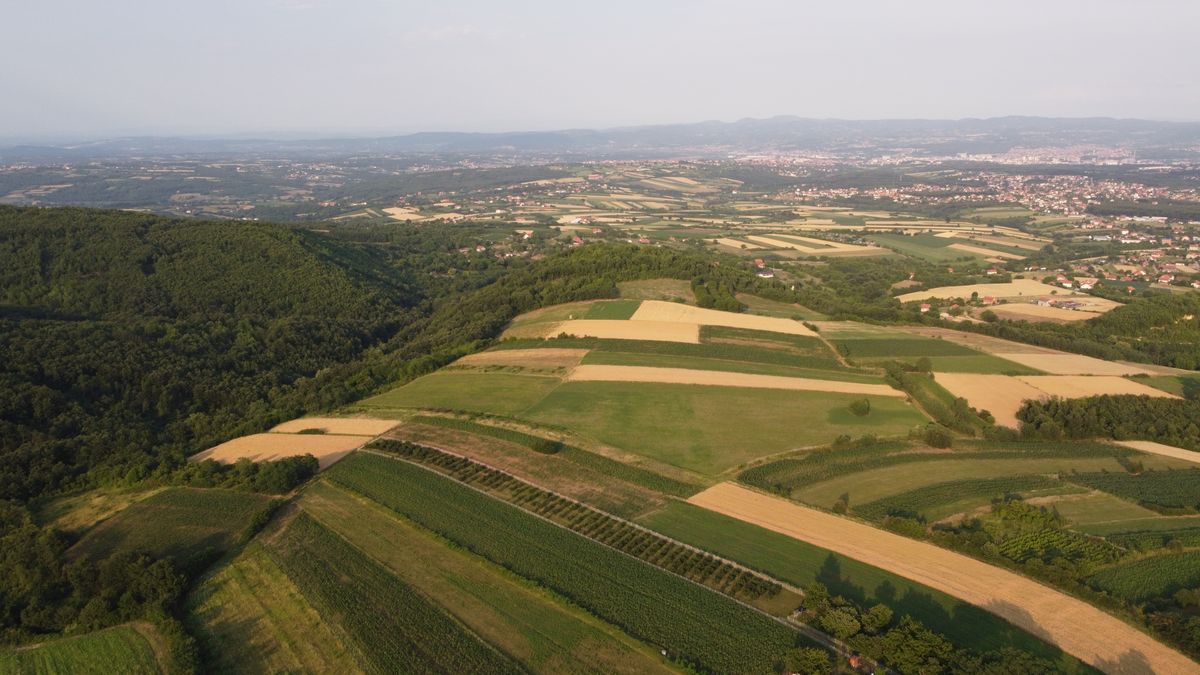
The hill is small: the highest point barely passes five hundred and thirty metres. What matters is that it is the only relief in a flat plain for hundreds of kilometres, which gives it sunny slopes, good drainage and a sheltered microclimate.
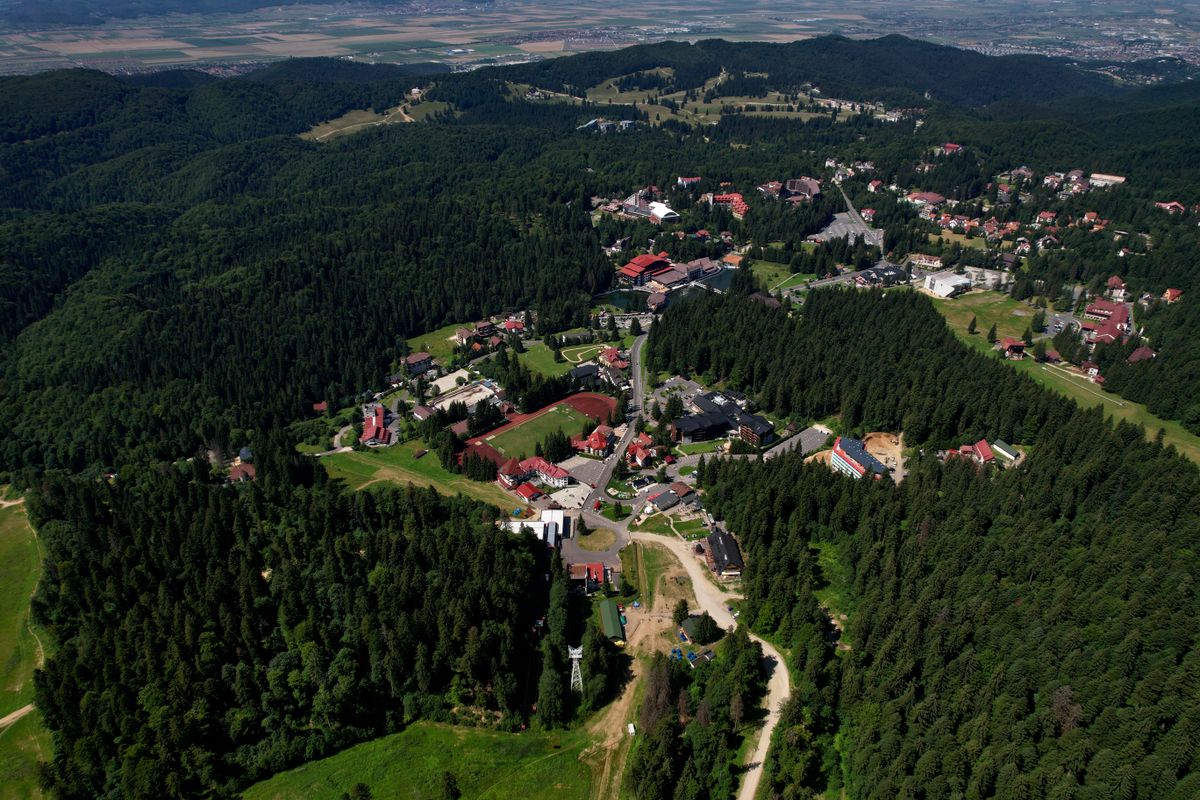
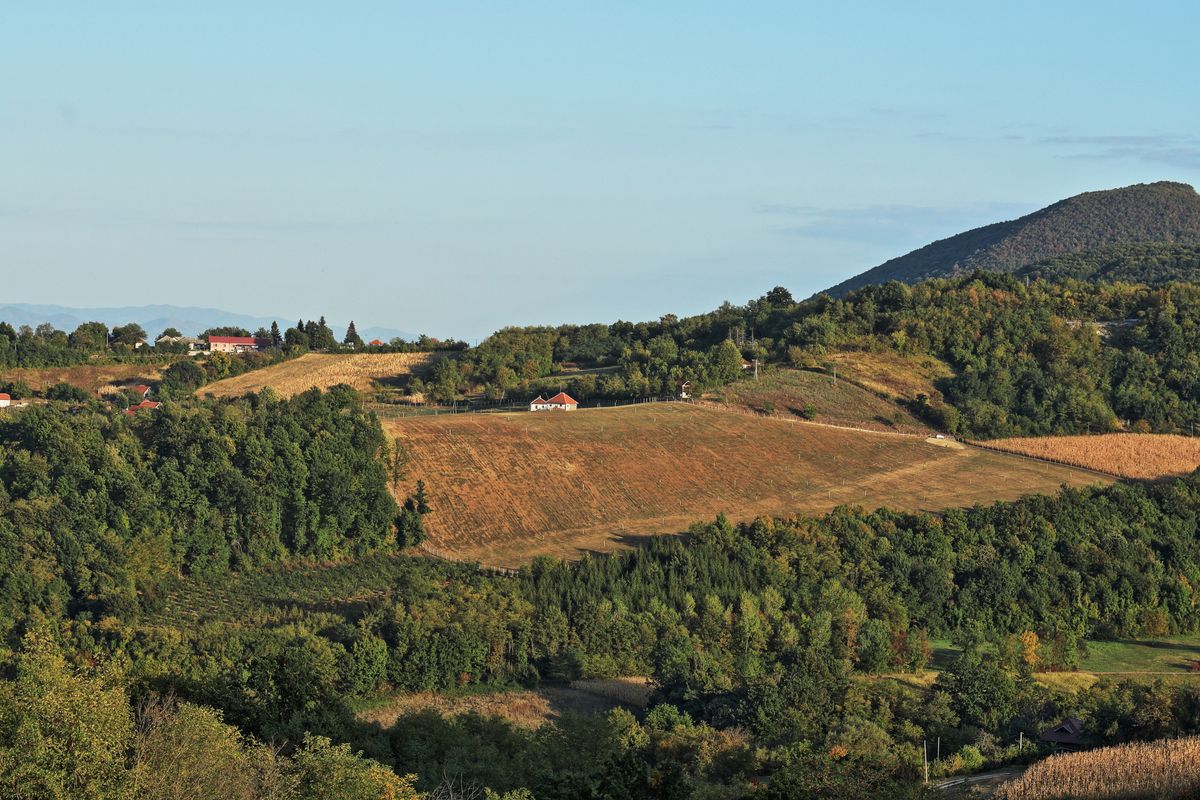
Viticulture here is documented from the Roman period. The emperor Probus, born at Sirmium, the Roman town on the site of present day Sremska Mitrovica, is credited with lifting the ban on planting vines in Pannonia in the third century. A local red grape carries his name.
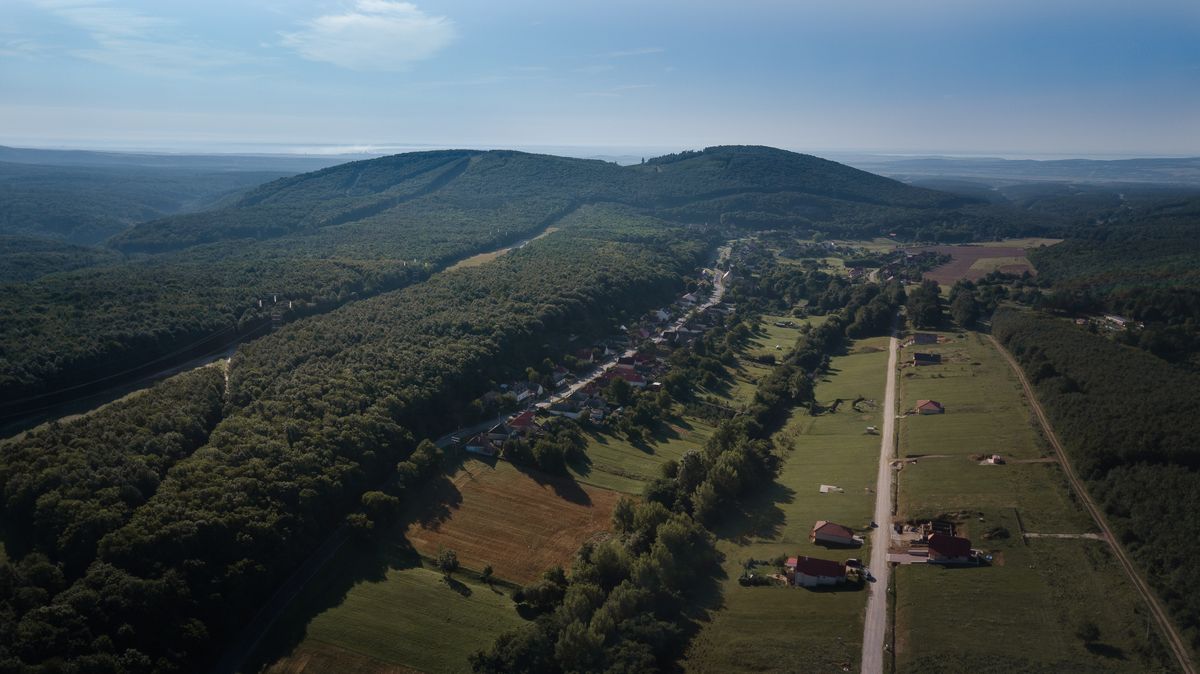
The national park was declared in 1960, the first in Serbia. It covers the wooded ridge, while the vineyards lie mostly on the lower slopes, towards the Danube.
Bermet and the other local wines
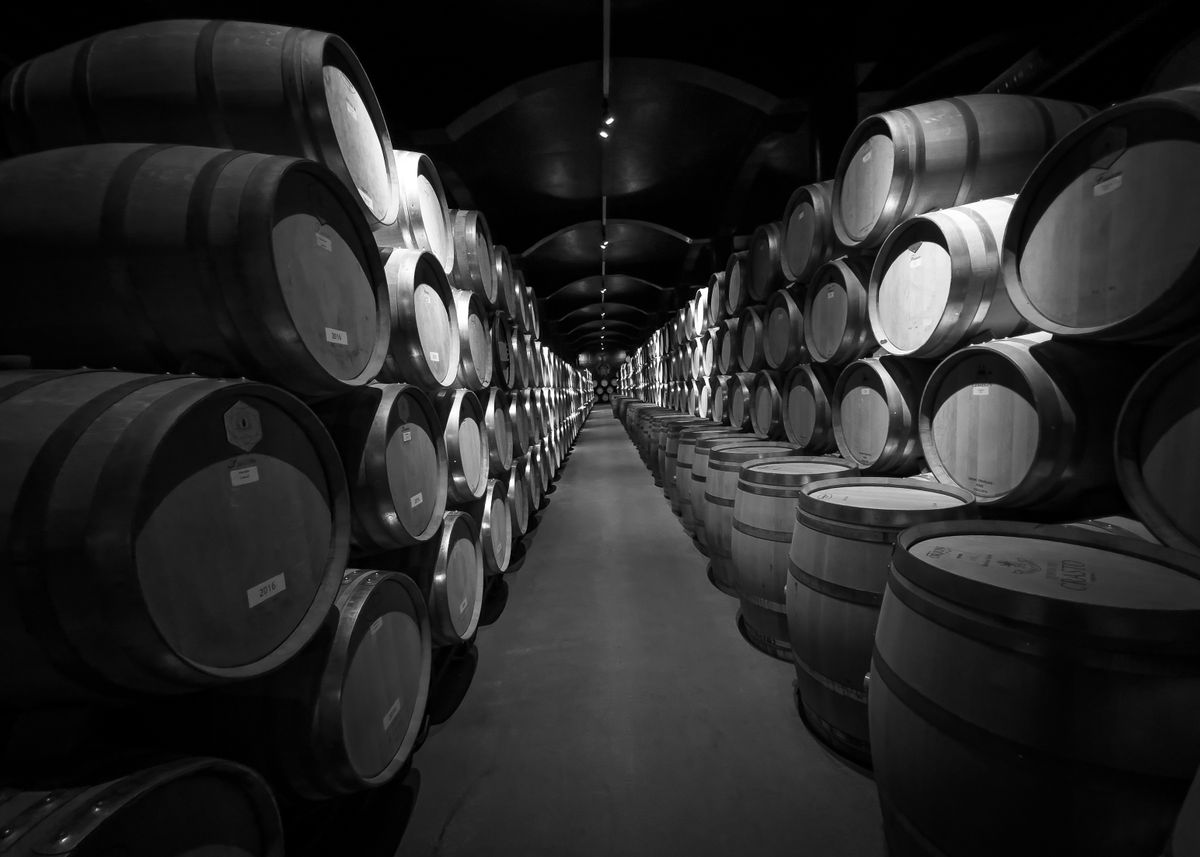
The absolute speciality of the region is called bermet and is made only at Sremski Karlovci. It is an aromatised sweet wine, macerated with over twenty herbs and spices to family recipes kept strictly private. It carries a protected designation and is not produced industrially.

The taste is unusual: somewhere between vermouth and a spiced sweet wine, with notes of wormwood, cinnamon and dried fruit. It is drunk cold, in small quantities, as an aperitif or after a meal. Local tradition holds that it was served at the Habsburg court and that it appeared on the wine list of the Titanic.
- Grašac, known internationally as Welschriesling: the dominant white, dry and fresh.
- Traminac, aromatic and very popular locally.
- Frankovka and portugizer, the two base reds.
- Probus, a red variety bred in Serbia and named after the Roman emperor.
- Neoplanta, another locally bred variety, named after the Latin name of Novi Sad.
Small wineries are the rule rather than the exception. Many take visitors by telephone appointment, and tastings are cheap and generous. A good bottle direct from the producer costs between five and twelve euros.
Sremski Karlovci, the town at the foot of the hill
It is the prettiest small town in Vojvodina and the natural starting point for any wine route. It has around eight thousand residents and a compact Baroque centre gathered around a single square.
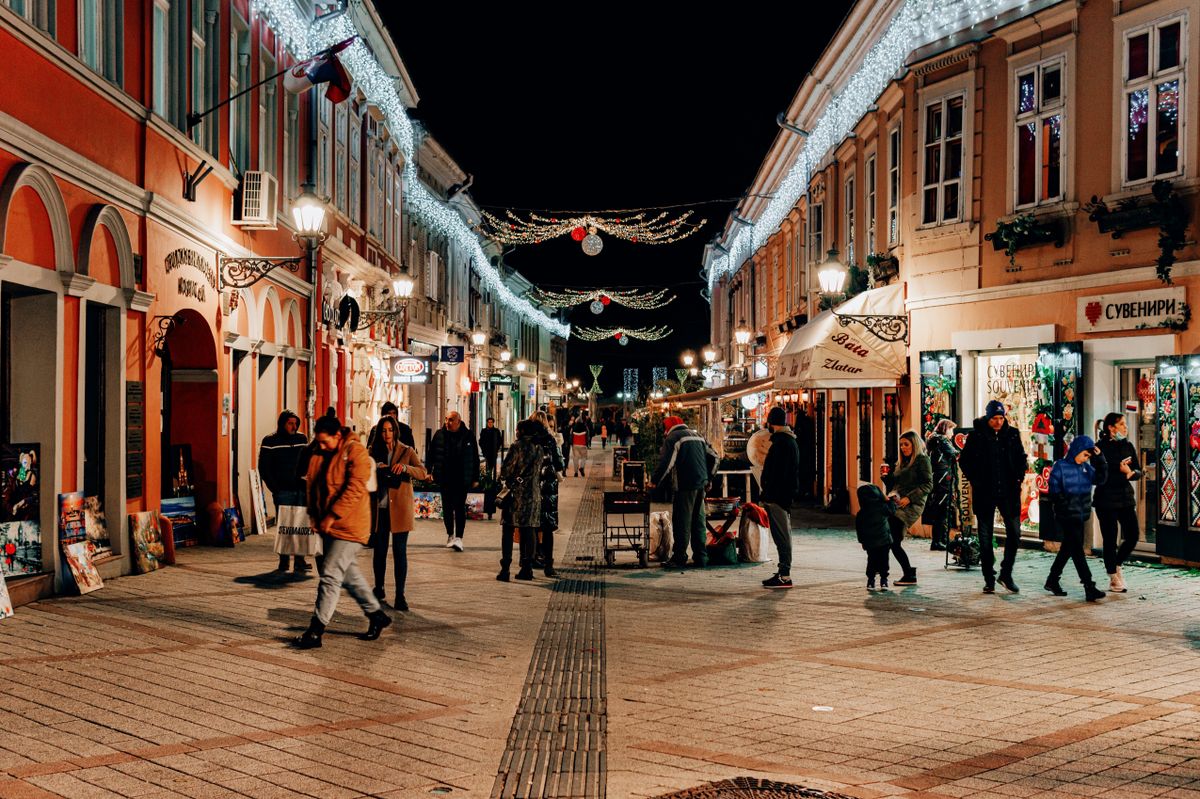
- The Four Lions Fountain, from 1799, in the middle of the square. Tradition says that whoever drinks from it will return.
- St Nicholas cathedral and the Patriarchate palace, the seat of the Serbian Orthodox church for centuries.
- The first Serbian gymnasium, opened in 1791 and still working as a secondary school.
- The Chapel of Peace: a round building with four doors, raised on the site where the Treaty of Karlowitz was signed in 1699.
- The Živanović family honey and wine museum, with over a century of continuous production.
The Treaty of Karlowitz of 1699 ended a war between the Ottoman Empire and a European coalition and marked the start of the Ottoman withdrawal from Central Europe. The negotiations were conducted with extreme concern for protocol: no delegation would agree to enter the room second, because it would have implied accepting a hierarchy. The solution was a round building with four doors, through which the four delegations entered simultaneously. The chapel later raised on the site keeps the shape. It is the finest example of architecture born out of a problem of diplomatic pride.
The sixteen monasteries
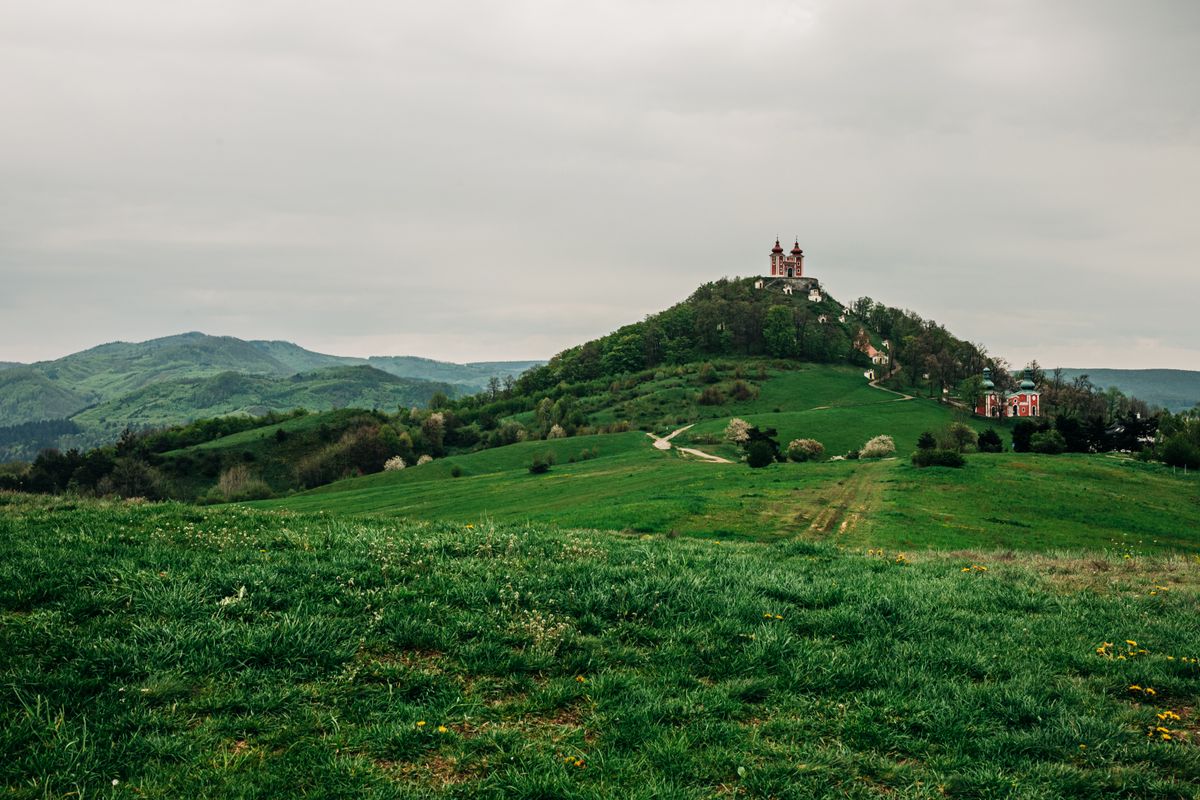
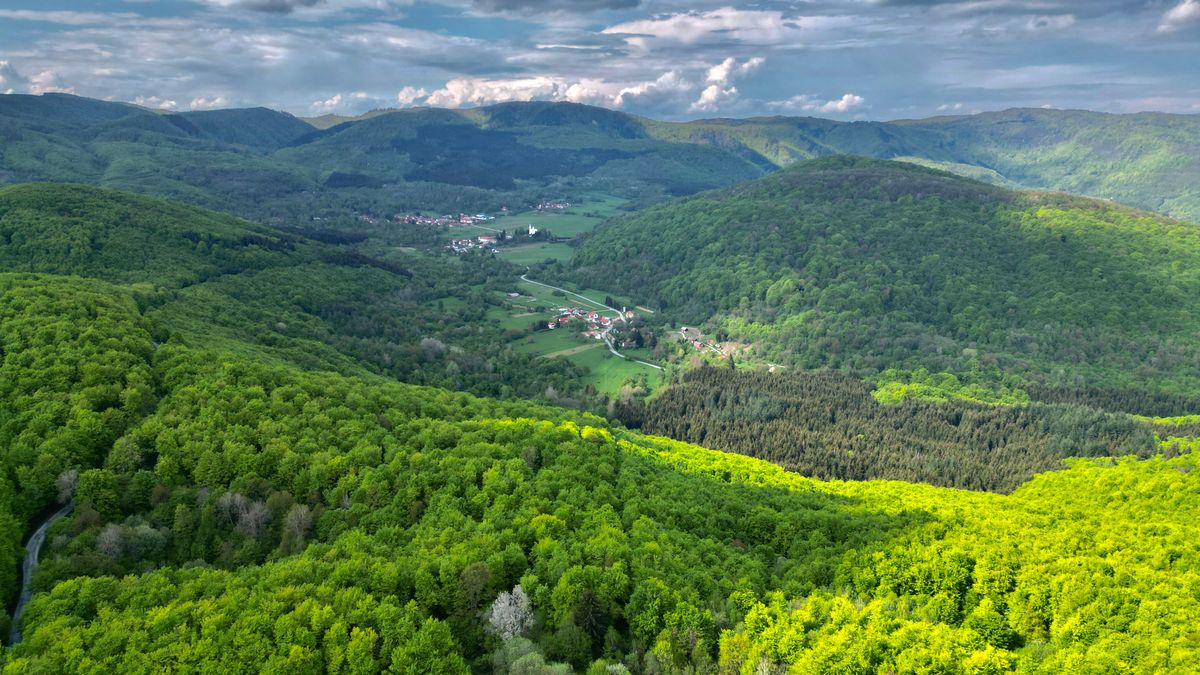
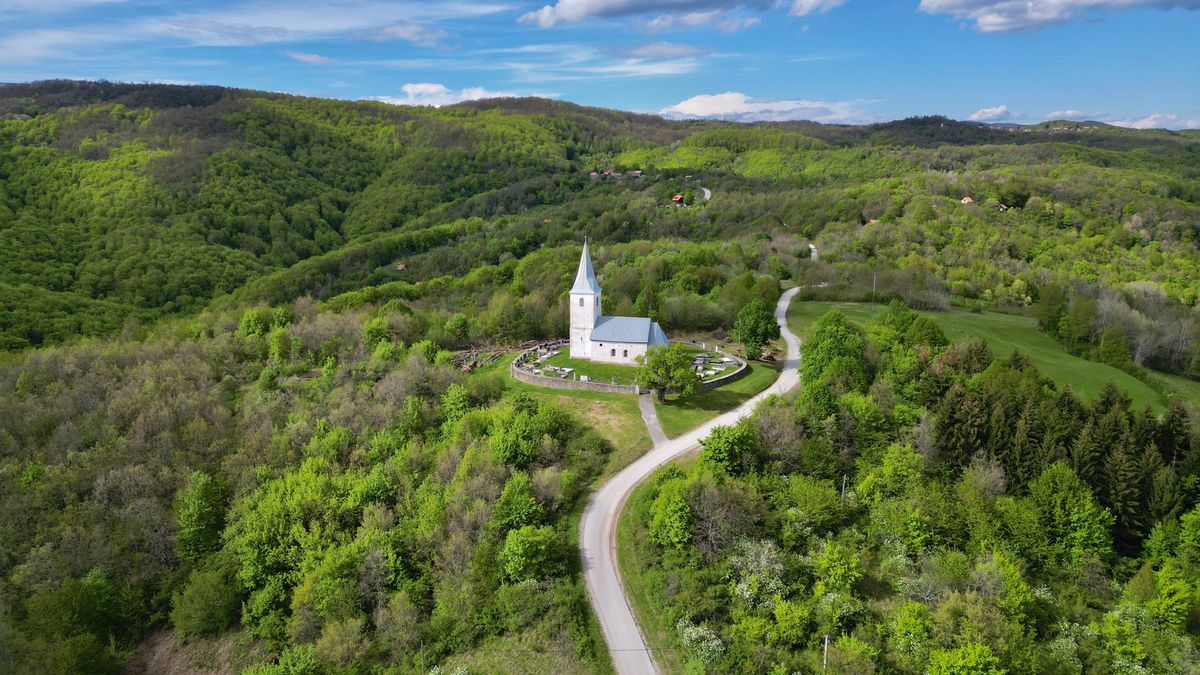
On the wooded slopes stand sixteen Orthodox monasteries, most raised in the fifteenth and sixteenth centuries, after the Serbian nobility fled north of the Danube ahead of the Ottoman advance. The area is known locally as the Serbian Holy Mountain.
- Krušedol, from 1509: the most important, with seventeenth century frescoes and the tombs of members of ruling families.
- Novo Hopovo, with the best preserved wall painting in the group.
- Grgeteg, rebuilt at the end of the nineteenth century, with a park around it.
- Velika Remeta, with the tallest bell tower in the region.
- Vrdnik, connected with the moving of the relics of Prince Lazar.
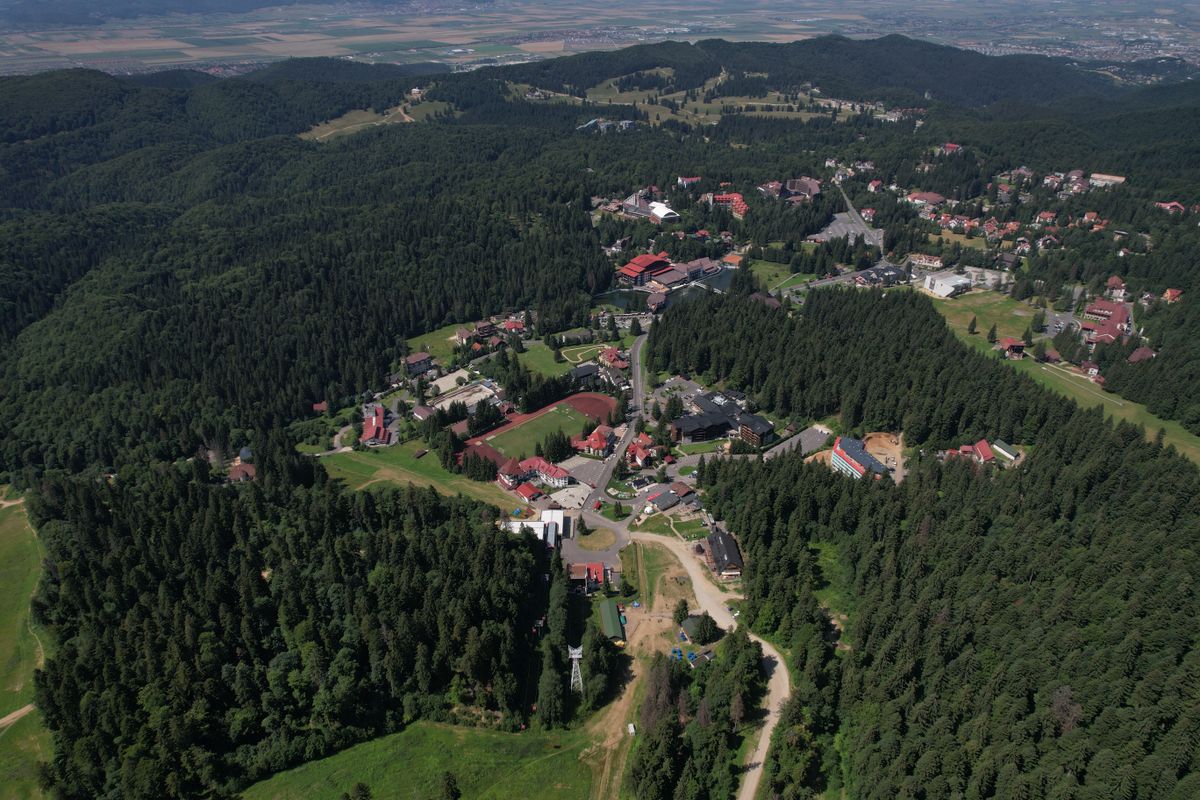
All are working monasteries with monastic communities, and access is free with modest dress. Opening hours are limited and they close during services. Three or four can be visited in a day, by car, on surfaced forest roads.
How to organise the route
The region is small, and everything can be done with a base in Novi Sad or, better still, in Sremski Karlovci itself.
A reasonable first day: the morning in Sremski Karlovci on foot, with the square, the chapel and the honey museum. The afternoon at two wineries in the area, with transport arranged, because you do not drive after a tasting. The evening back in Novi Sad.
The second day: by car along the ridge, taking in three monasteries and a viewpoint, then Petrovaradin, the fortress across the Danube from Novi Sad, with sixteen kilometres of underground galleries and a clock whose hour and minute hands are reversed in size, so the time can be read from the river.
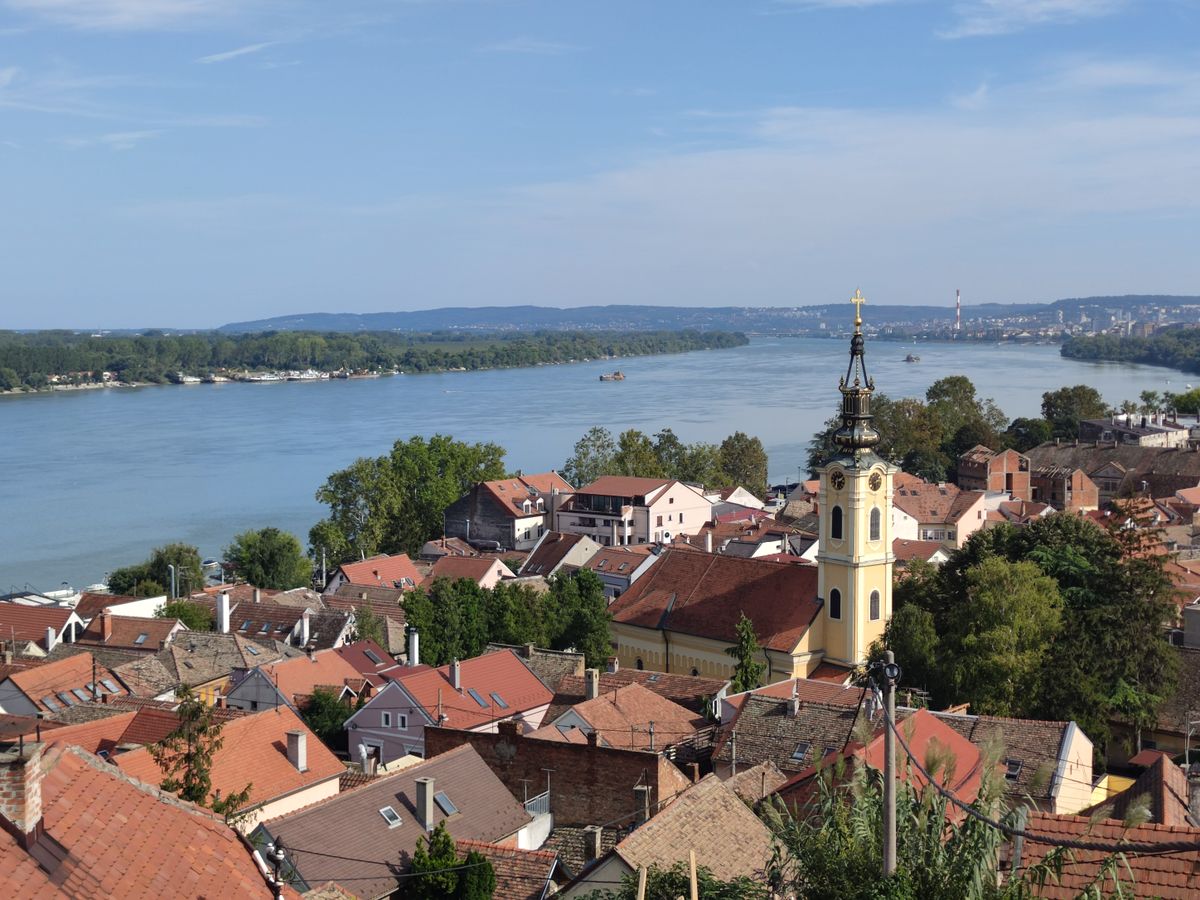
Novi Sad was European Capital of Culture in 2022 and the centre was renovated for it. It deserves an extra evening, particularly the Podbara quarter and Danube Street.
Getting there, when to go and what it costs
| Item | Detail |
|---|---|
| Base | Novi Sad or Sremski Karlovci |
| From Belgrade | about 1 hour to Novi Sad |
| Novi Sad to Karlovci | about 11 kilometres |
| From Budapest | around 4 hours |
| Days needed | 2, ideally with a night in Karlovci |
| Best months | September and October, for the harvest |
| Tastings | booked by telephone, a day ahead |
September and October are the best months: the harvest, mild weather and the forest turning on the ridge. Summer is hot on the plain, and in winter many small wineries cut their hours.
Serbia is not in the European Union, so documents are checked at the border and a Green Card is needed if you drive your own car.
Park information is published by the national park administration, and national tourism context by the national tourism organisation of Serbia.
Frequently asked questions (FAQ)
Conclusion
Fruška Gora is a five hundred metre hill carrying the first national park in Serbia, sixteen monasteries and a spiced wine you will not find anywhere else.
Sleep in Sremski Karlovci rather than Novi Sad, book the tastings a day ahead, arrange transport, and come in September or October for the harvest.
