
 By

Përmet is a town of ten thousand people in southern Albania, set on the bank of the Vjosa, one of the last genuinely wild rivers in Europe. Twelve kilometres away, in a canyon, sit the thermal pools of Benja, with an Ottoman bridge above them. They are free, open around the clock, and unlike almost any other thermal site in Europe they have neither a gate nor a ticket office.
What the pools are like, when it is worth going, what the canyon above them is, what a wild river means and what to eat in town.
What Përmet is and why the detour pays
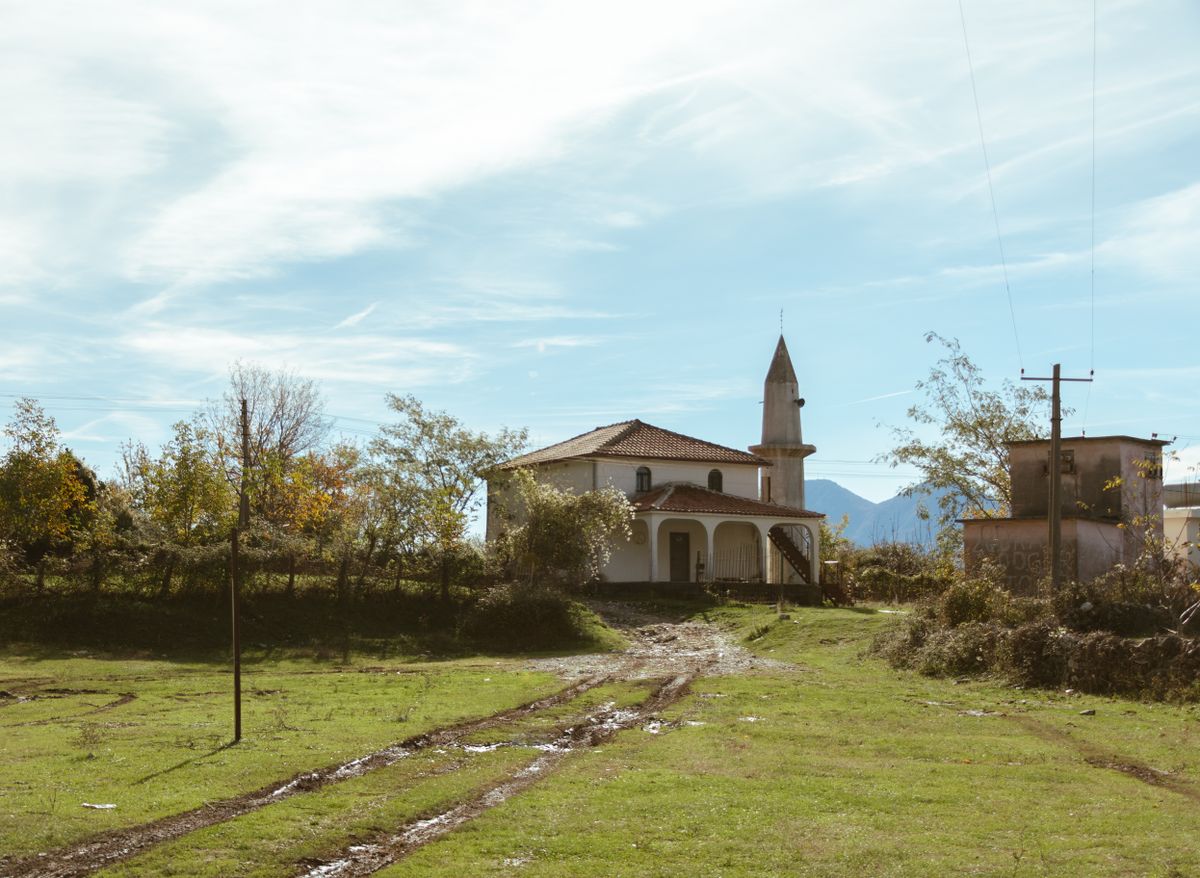
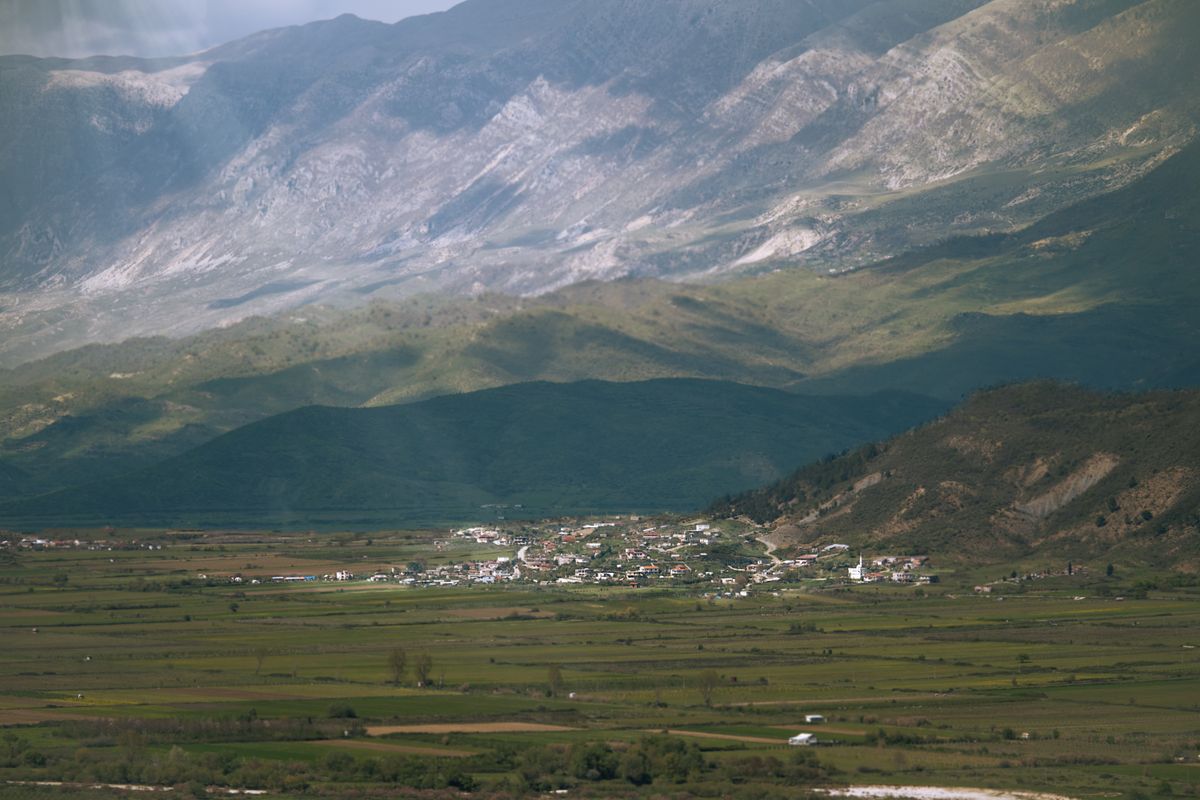
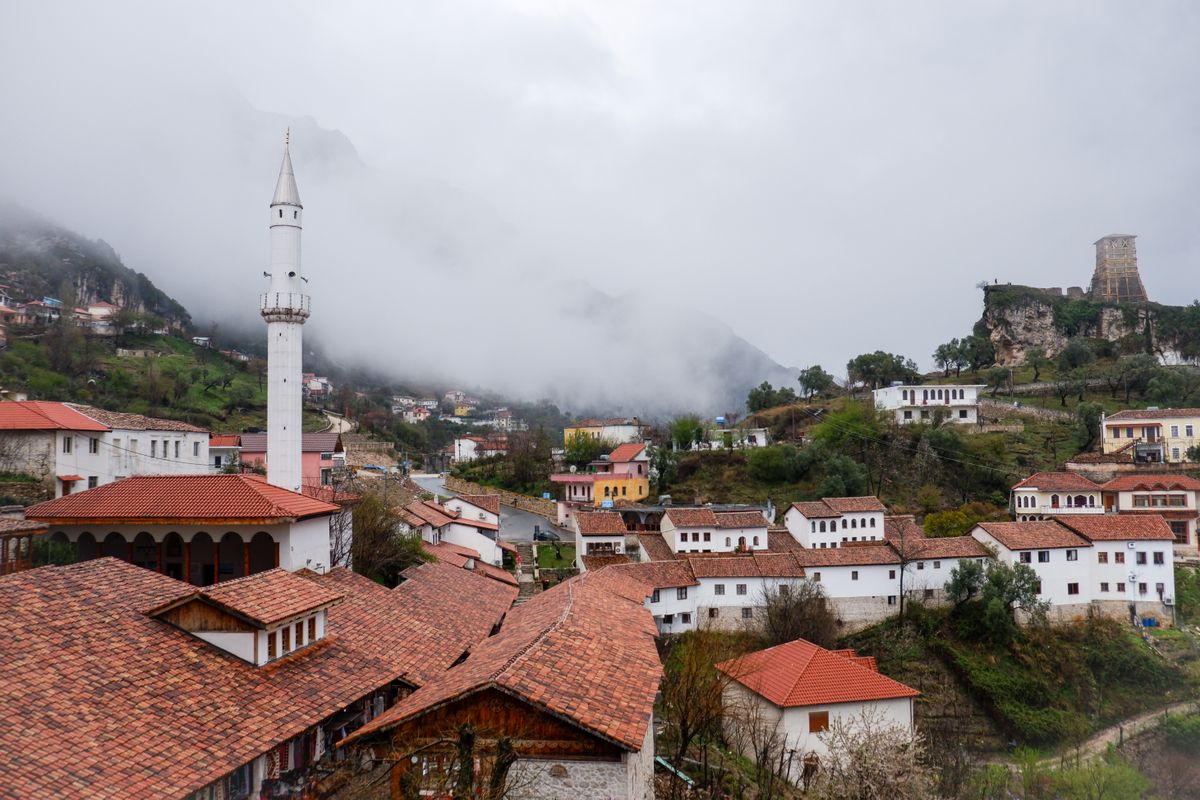
The town sits in a broad valley between mountains, on the right bank of the Vjosa. It is known locally as the town of roses and has a small centre with a square, a few cafes and a massive rock right in the middle, called the City Stone, which you climb by steps for the view.
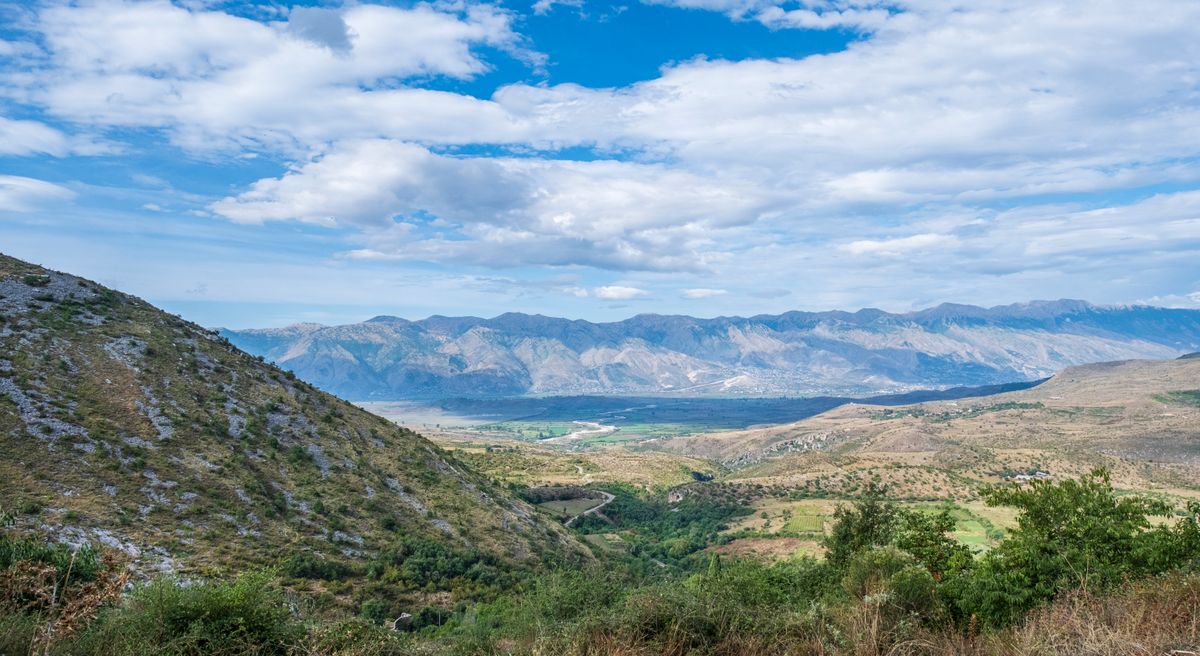
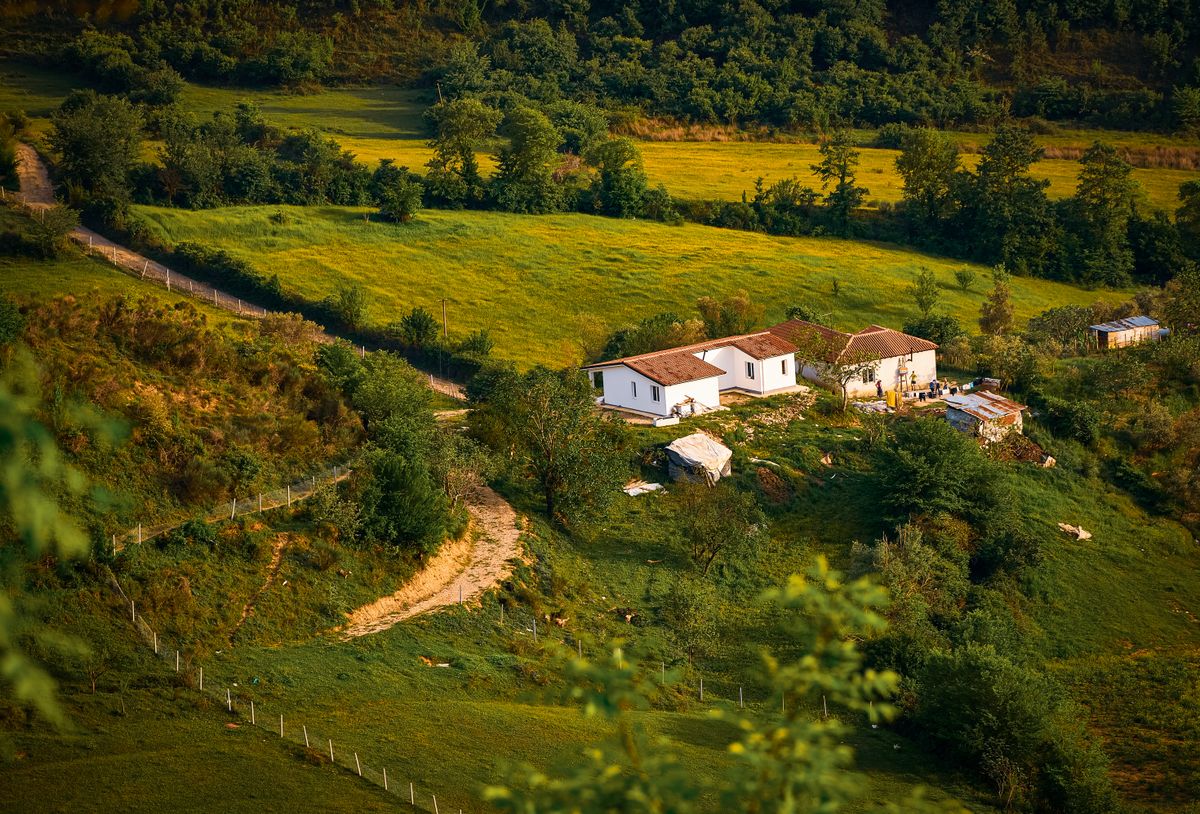
For many it is not a destination in itself but a base for what is around it: the thermal springs, the canyon, the Kelcyra gorge and the fir forest at Hotova. It is worth a night in town rather than a stop, though, because the evening has a rhythm you miss if you are passing through.
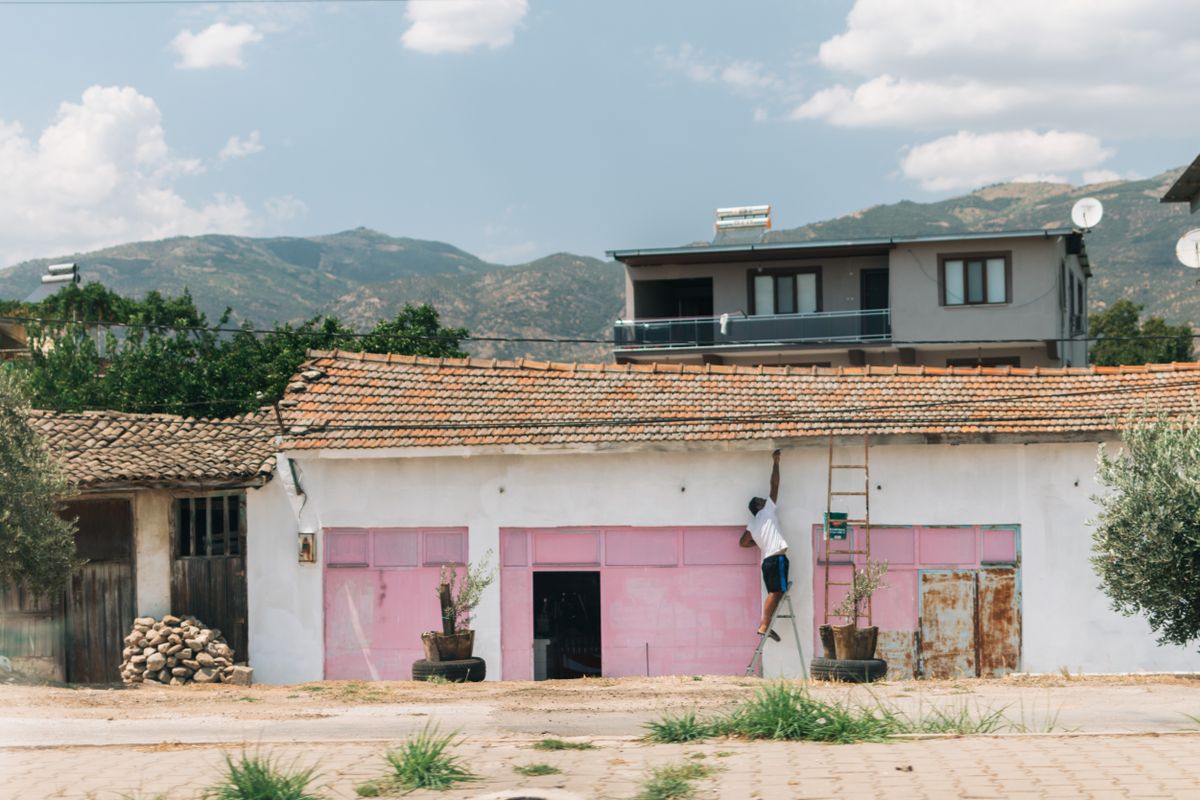
It is more remote than it looks on the map. The roads of southern Albania are good but winding, and from either Gjirokastra or Korçë you are looking at around two hours.
The Benja thermal springs
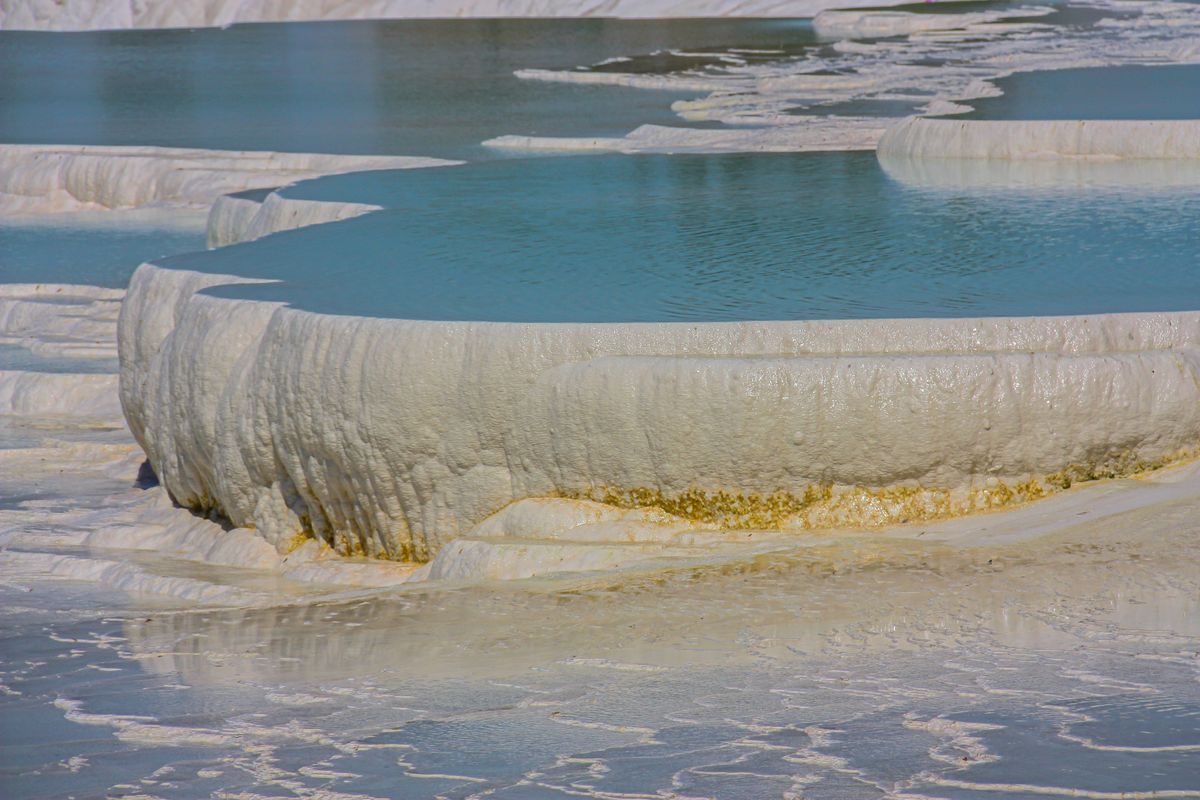
They lie beside the village of Bënjë, about twelve kilometres from town, at the mouth of the Lengarica canyon. There are several stone pools, some natural and some roughly built, fed by sulphurous springs emerging from the bank.
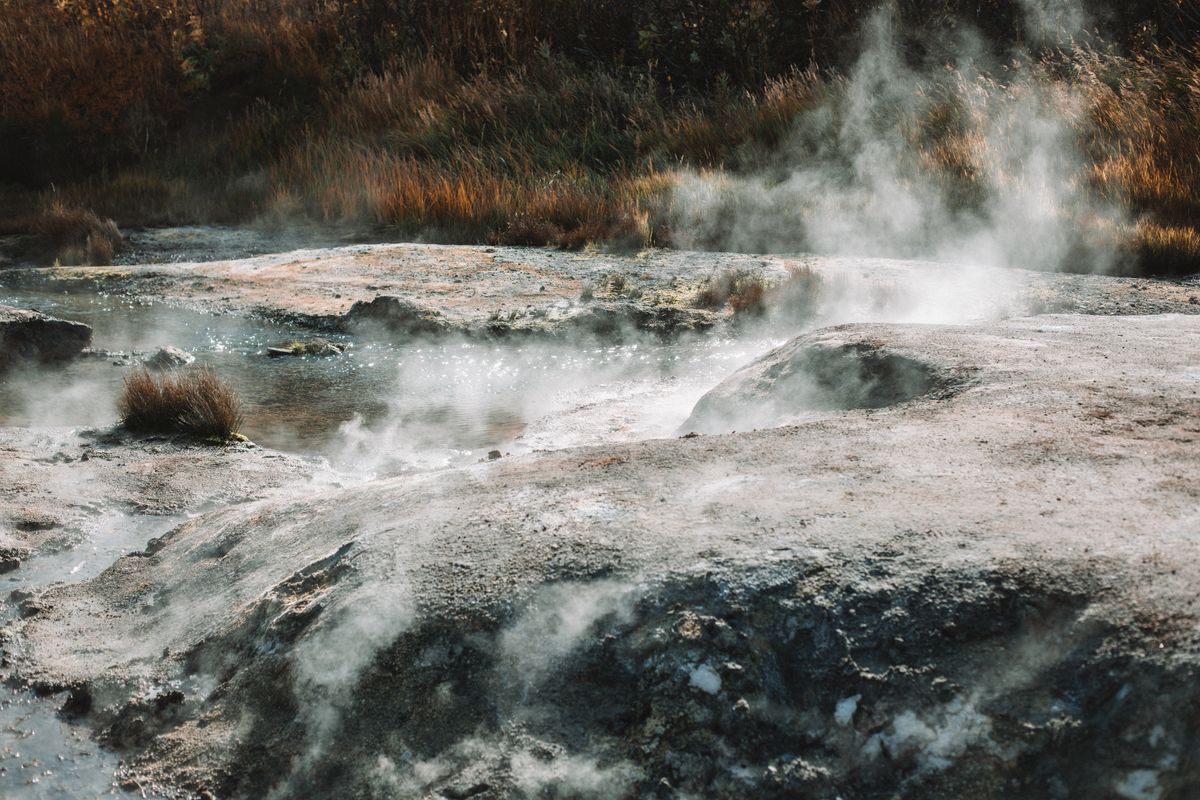
- The water sits at around twenty four to twenty eight degrees, so it is warm rather than hot. Worth knowing so you do not arrive expecting a spa.
- The pools are free and permanently open, with no hours and no charge.
- The Kadiu bridge, an Ottoman arched bridge, crosses above them and appears in every photograph.
- There are no changing rooms. People change on the bank or in the car, and in summer there are improvised cubicles.
- The cold river runs right beside the pools, which allows a hot and cold alternation.
In summer, at midday, the pools are full and lukewarm water impresses nobody when it is thirty five degrees outside. The good moment is early morning, before nine, or, far better, winter and the shoulder seasons, when the contrast between cold air and warm water actually works. Plenty of people come in November or March for exactly that reason. Bring rubber sandals, because the stones are slippery, and a towel you do not mind losing, since the sulphur leaves a smell.
The Lengarica canyon, immediately above the pools
From beside the bridge the canyon cut by the Lengarica river runs upstream, with limestone walls closing to within a few metres of each other. When the water is low you can wade up the bed, knee or waist deep, for a few hundred metres.
It is not a waymarked walk and it has no infrastructure. You wade through cold water over slippery stones, so footwear that can get wet and constant attention are needed. When the flow is high, in spring or after rain, you do not go in at all.
Guided tours are available, with equipment and explanation included. For anyone going independently the rule is simple: if the water is running fast and looks cloudy, stay out.
The Vjosa, the last wild river in Europe
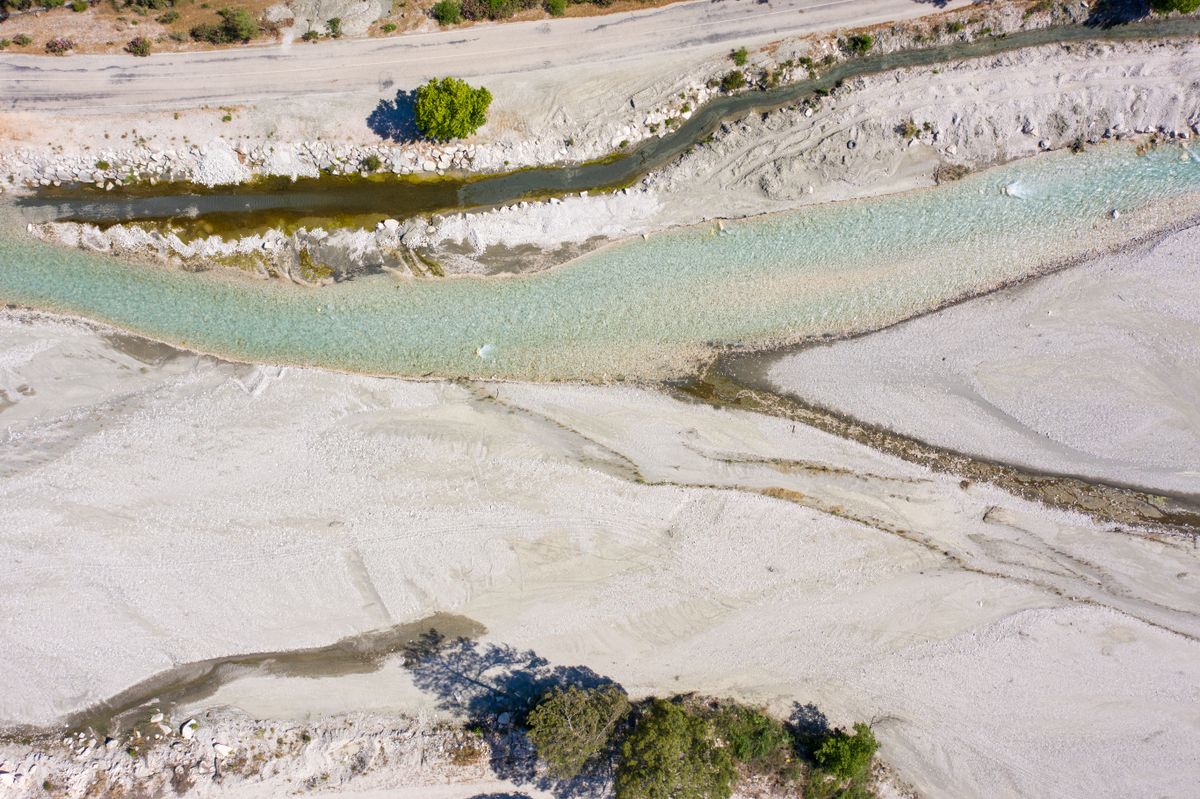
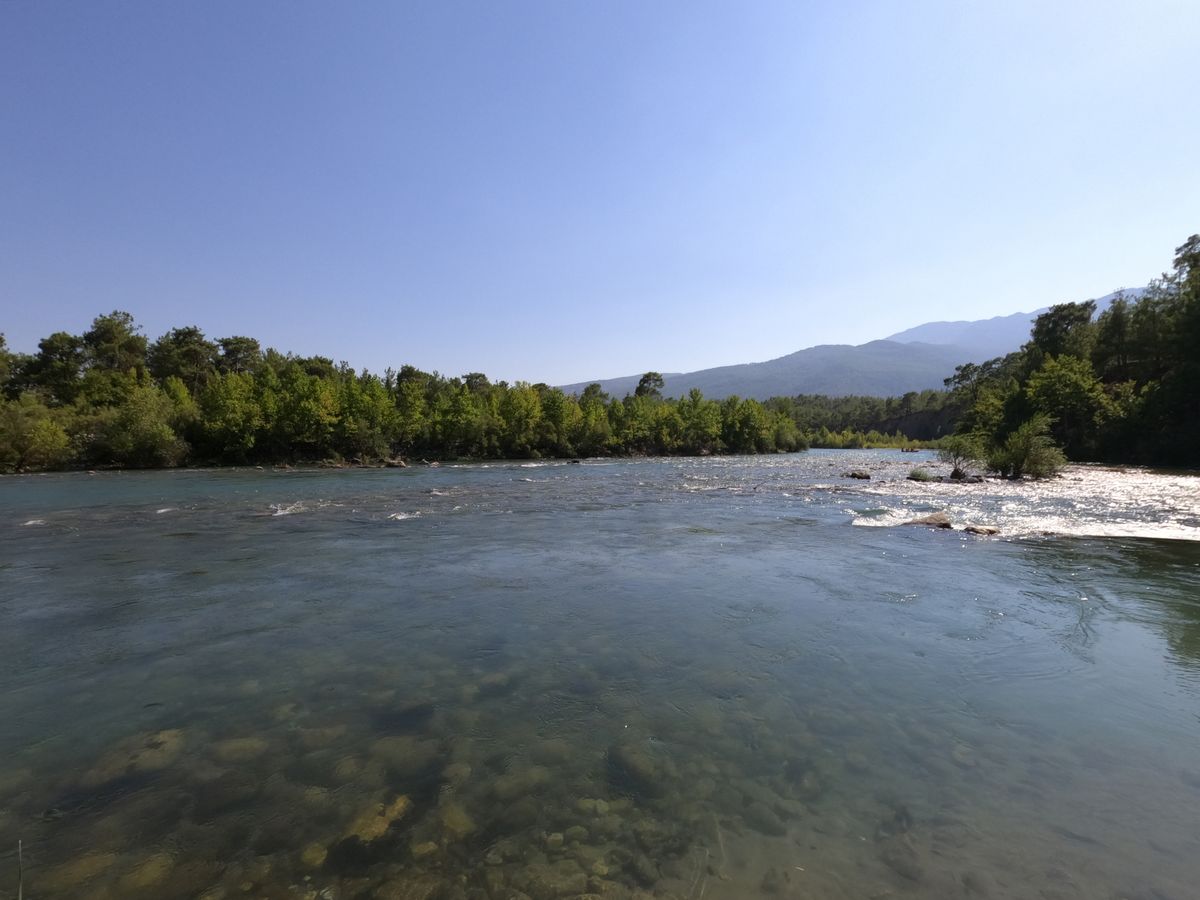
The Vjosa runs free along almost its entire length, from its headwaters in Greece to the Adriatic, with no dams on the main channel. In Europe that has become an absolute rarity, and in March 2023 the river and its tributaries were declared a wild river national park, the first of its kind on the continent.
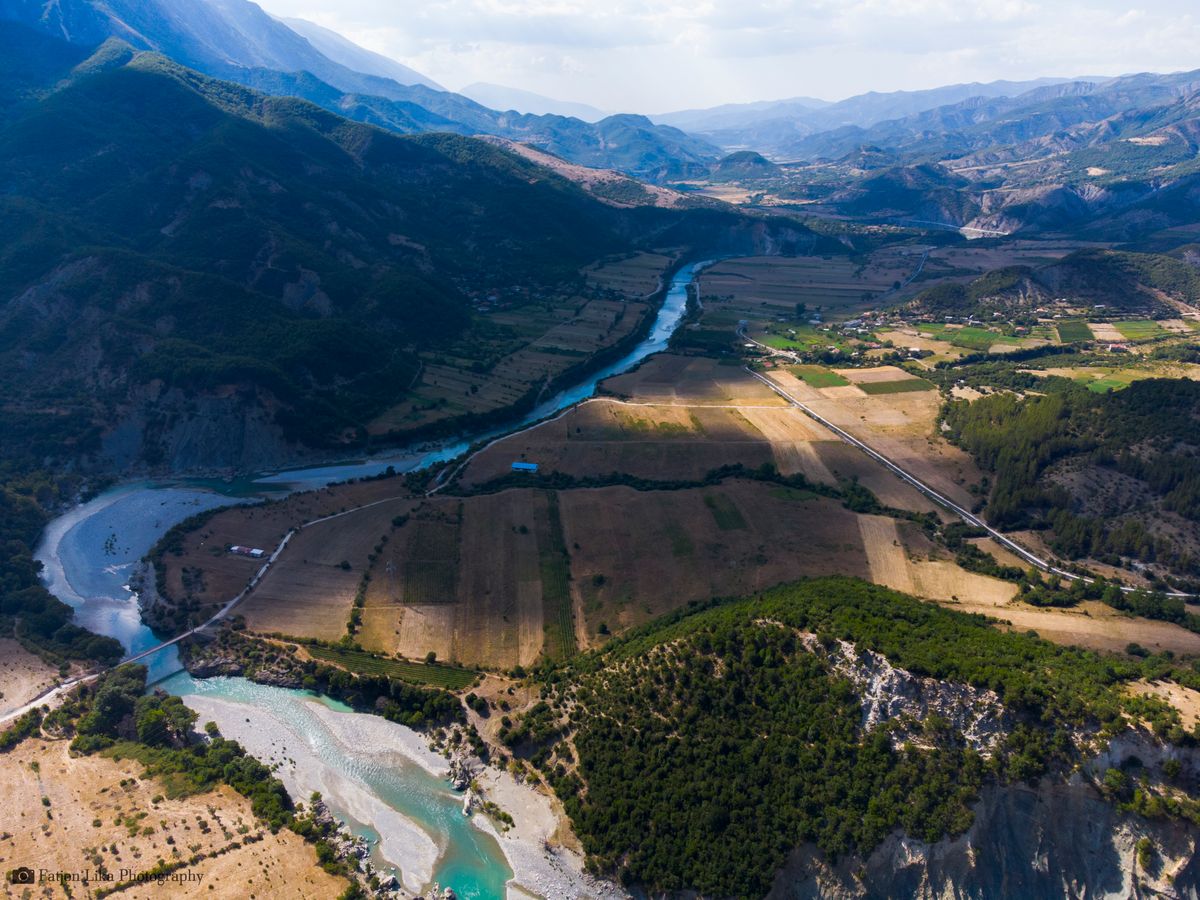
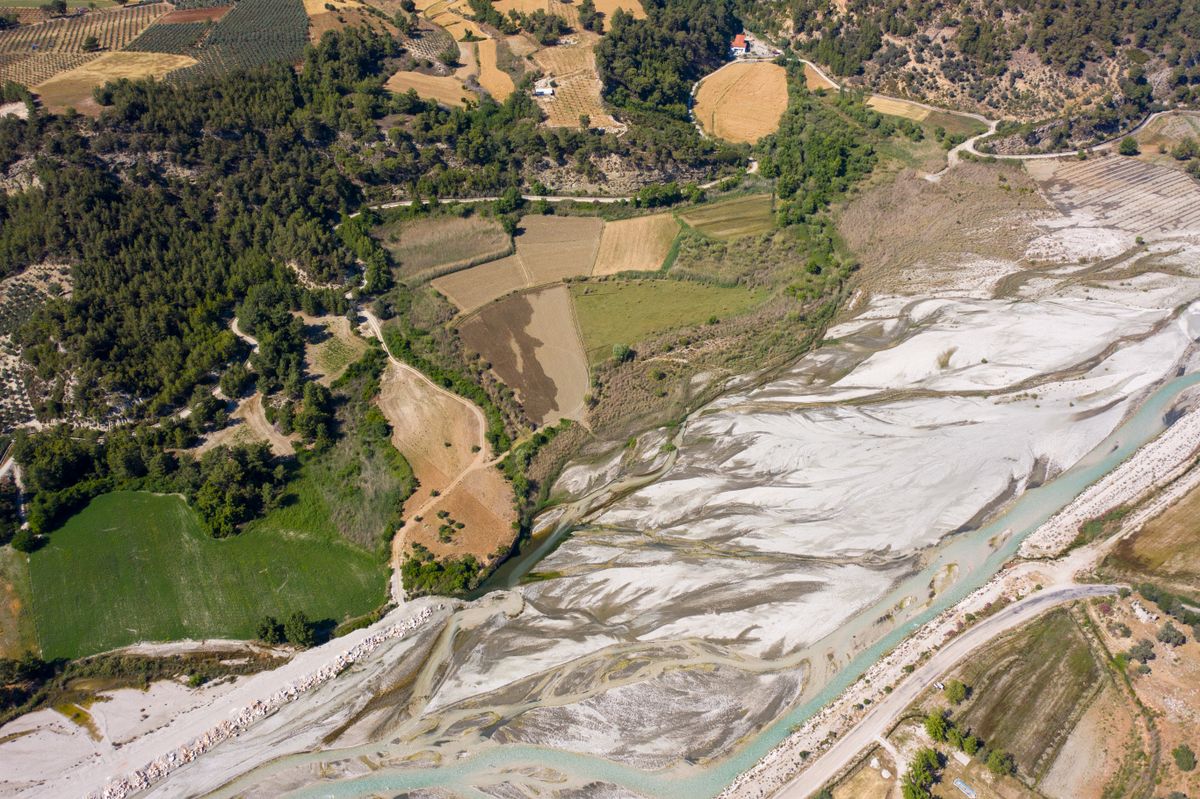
You can see what that means with the naked eye. The river has a braided bed, with many channels splitting and rejoining, and gravel banks that shift from year to year. An embanked river has a single straight channel. The difference is obvious from the first look off the bridge.
The decision followed years of campaigning against hydroelectric schemes planned along its course. For a visitor the practical effect is that you can see what a European river looked like before the twentieth century.
What to eat and what to take home
Përmet has a culinary reputation out of all proportion to its size. The local speciality is gliko, fruit slowly cooked in syrup and kept in jars: green walnuts, figs, sour cherries, melon rind. They are served with a small spoon alongside a glass of water, as a gesture of welcome.
There is also mountain cheese, honey, fruit raki and, in the town restaurants, river fish. Prices are low even by Albanian standards: a full meal costs around eight to twelve euros a head.
In the town market they sell jars of homemade gliko. It is the best souvenir from the area and it survives the journey, unlike cheese.
Getting there, where to stay and when to go
| Item | Detail |
|---|---|
| From Gjirokastra | about 2 hours |
| From Korçë | about 2 hours |
| From Tirana | around 4 hours |
| Benja | 12 km from town, reachable in an ordinary car |
| Days needed | 1 to 2, with a night in town |
| Best months | April to June, September to November, plus winter |
| The pools | free, no opening hours, no changing rooms |
A car is the best answer. There are coaches between the larger towns but they do not reach Benja, and a taxi there and back with waiting time costs around fifteen to twenty euros negotiated. Accommodation in town is cheap, with guest houses from twenty five euros a night.
The wild river national park status is described by the Albanian national tourism agency, and the European context of the last free flowing rivers by the International Union for Conservation of Nature.
Frequently asked questions (FAQ)
Conclusion
Përmet is the sort of place that never makes a destination list: free thermal pools under an Ottoman bridge, a canyon you wade into, and a river still allowed to shift its own bed.
Come out of season or in winter, spend a night in town, bring rubber sandals for the stones, and leave with a jar of gliko from the market.
