
 By

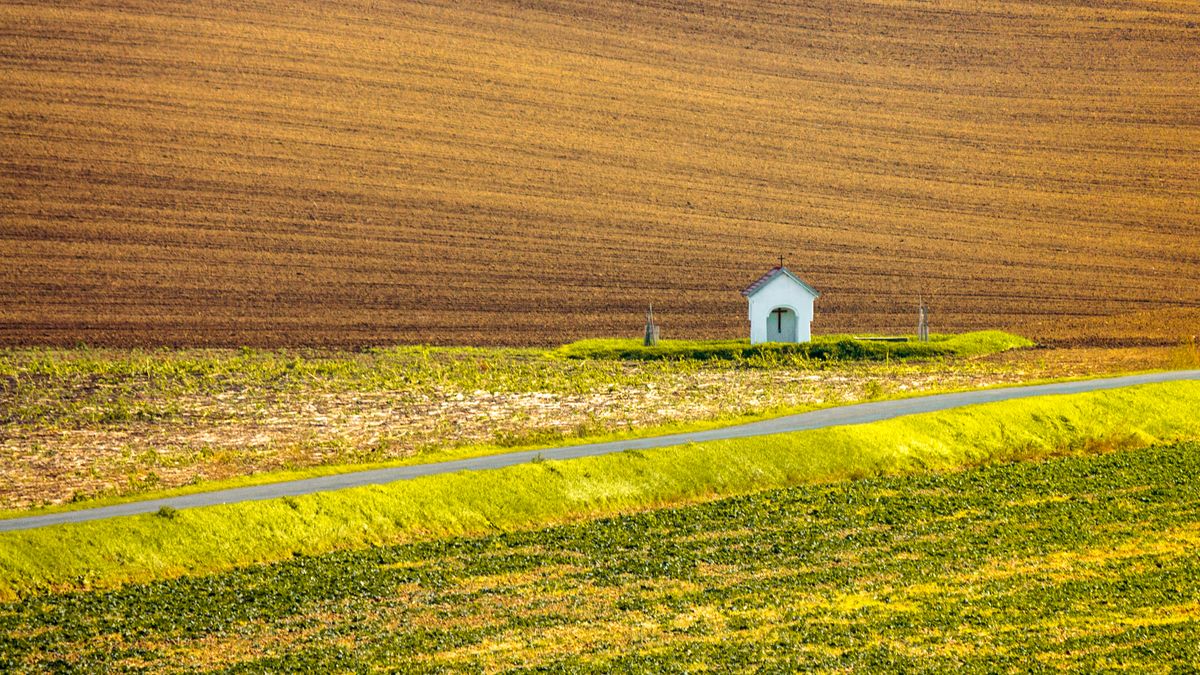
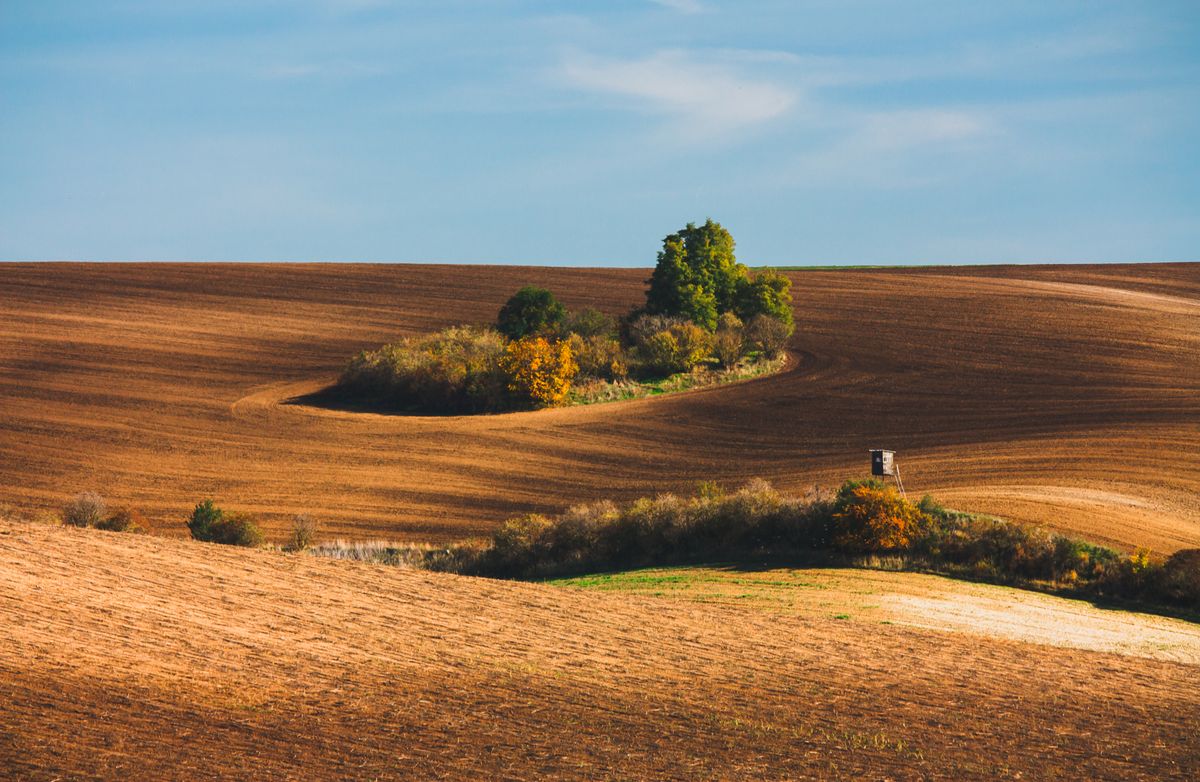
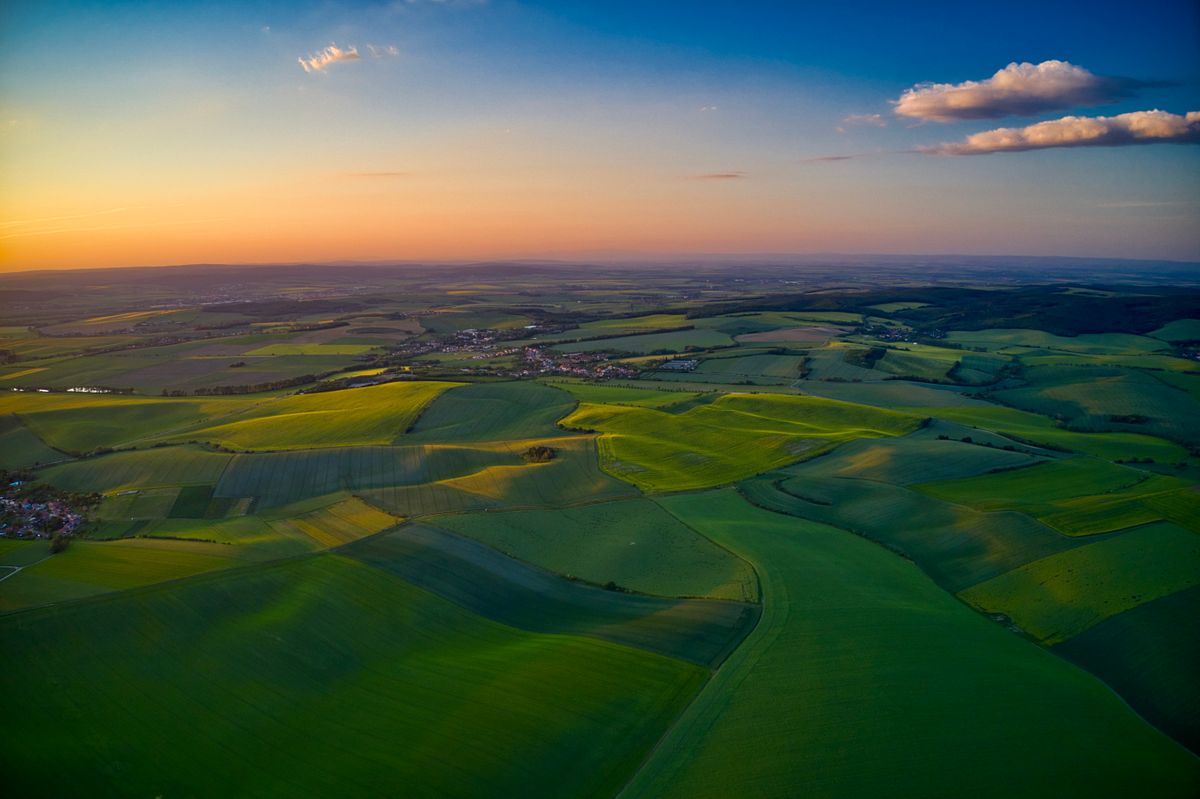
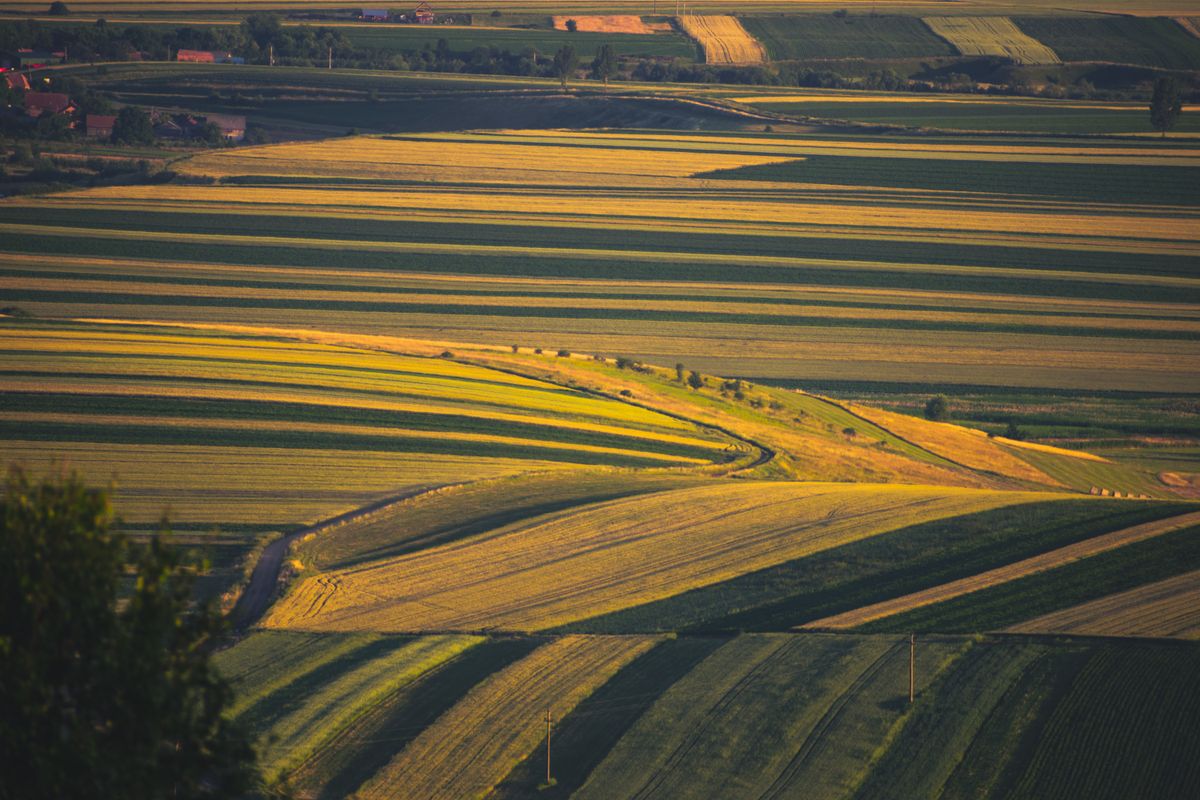
South Moravia holds almost the entire vineyard area of the Czech Republic, in a landscape of gentle hills, villages with whole streets of wine cellars, and an ensemble of palaces and parkland so large it is regarded as the biggest man made landscape in Europe. It is the part of Czechia that visitors who go only to Prague never see.
What is drunk here, what the UNESCO landscape at Lednice is, where the cellar villages are and how to cover the region by bicycle.
The wine: what South Moravia drinks
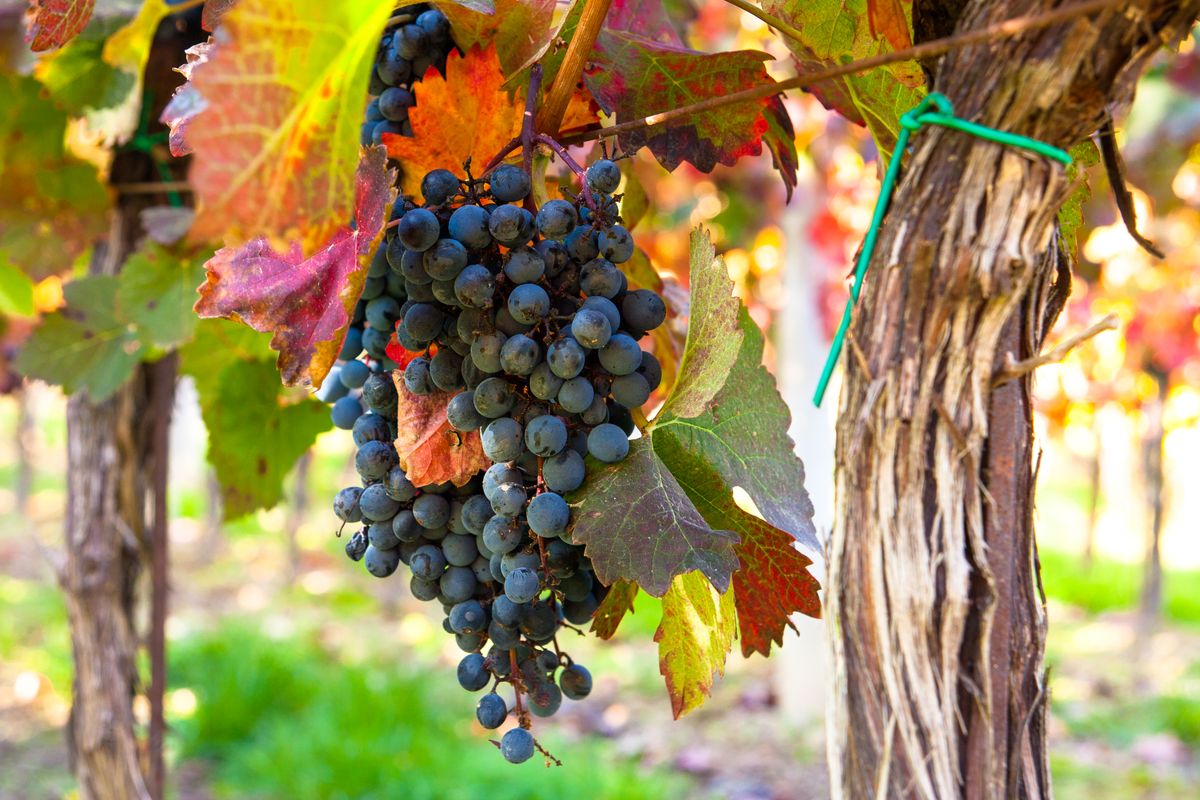
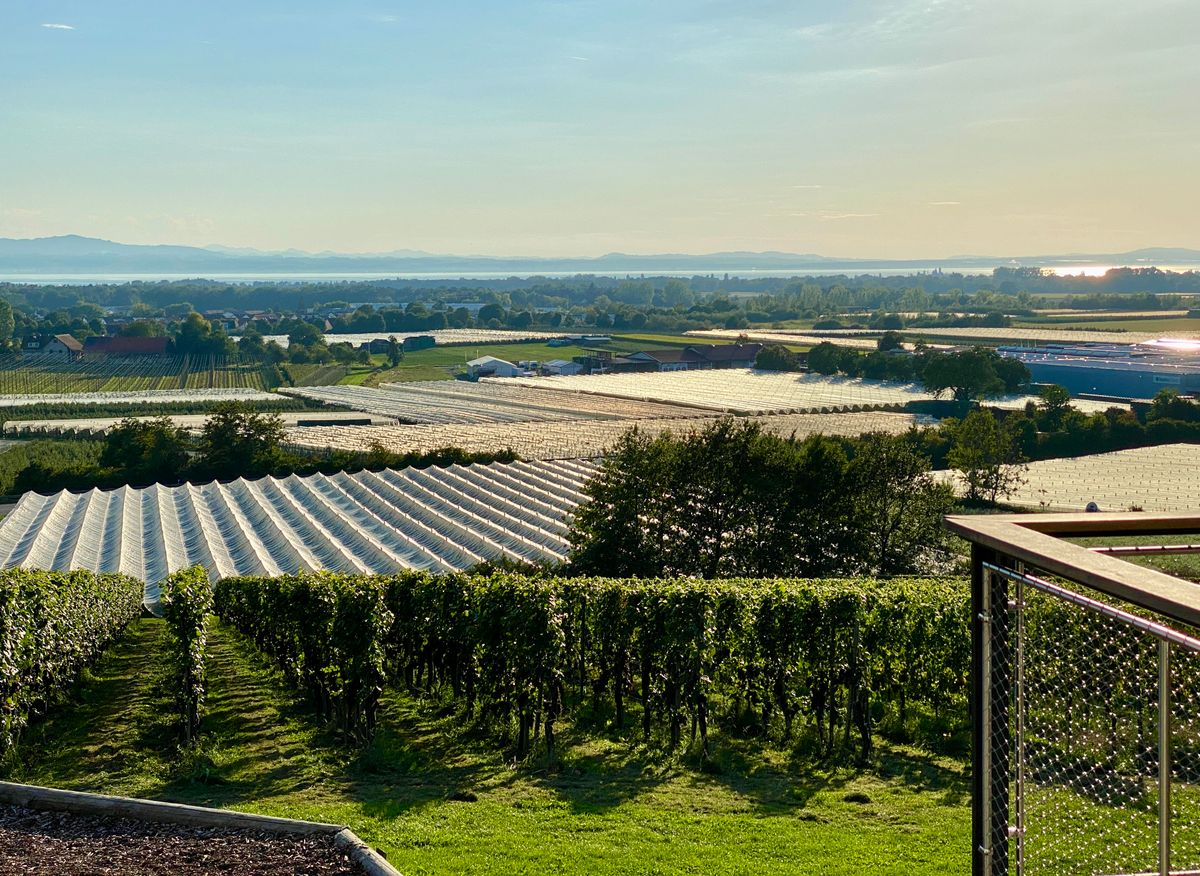
Czechia has no reputation as a wine country, and the explanation is simple: most of the production is drunk at home and rarely leaves the country. Nearly all Czech vineyards are here, in the south east of Moravia, divided into four subregions.
- Veltlínské zelené: the dominant white variety, known internationally as Grüner Veltliner. Dry, with notes of white pepper.
- Ryzlink rýnský and ryzlink vlašský: two different rieslings, the first German and the second Italian in origin.
- Pálava: a variety bred in Czechia and named after the local hills. Aromatic and off dry, it is the most representative local wine.
- Frankovka and svatovavřinecké: the two base reds, both light and high in acid.
- Ice wines and straw wines, made in small quantities in good years.

Autumn brings burčák, must in full fermentation, sold for only a few weeks in September and October. It tastes like sweet juice and the alcohol is barely noticeable, which is exactly why it deserves respect. It is sold by the glass everywhere, and the end of the season is officially announced.
The Lednice-Valtice cultural landscape
This is the most unusual thing in the region and it is hard to explain until you see it. The Liechtenstein family held the area for centuries and, from the eighteenth century onwards, turned roughly two hundred and eighty square kilometres into a single designed park, with palaces, avenues, artificial lakes and decorative buildings scattered across the countryside.
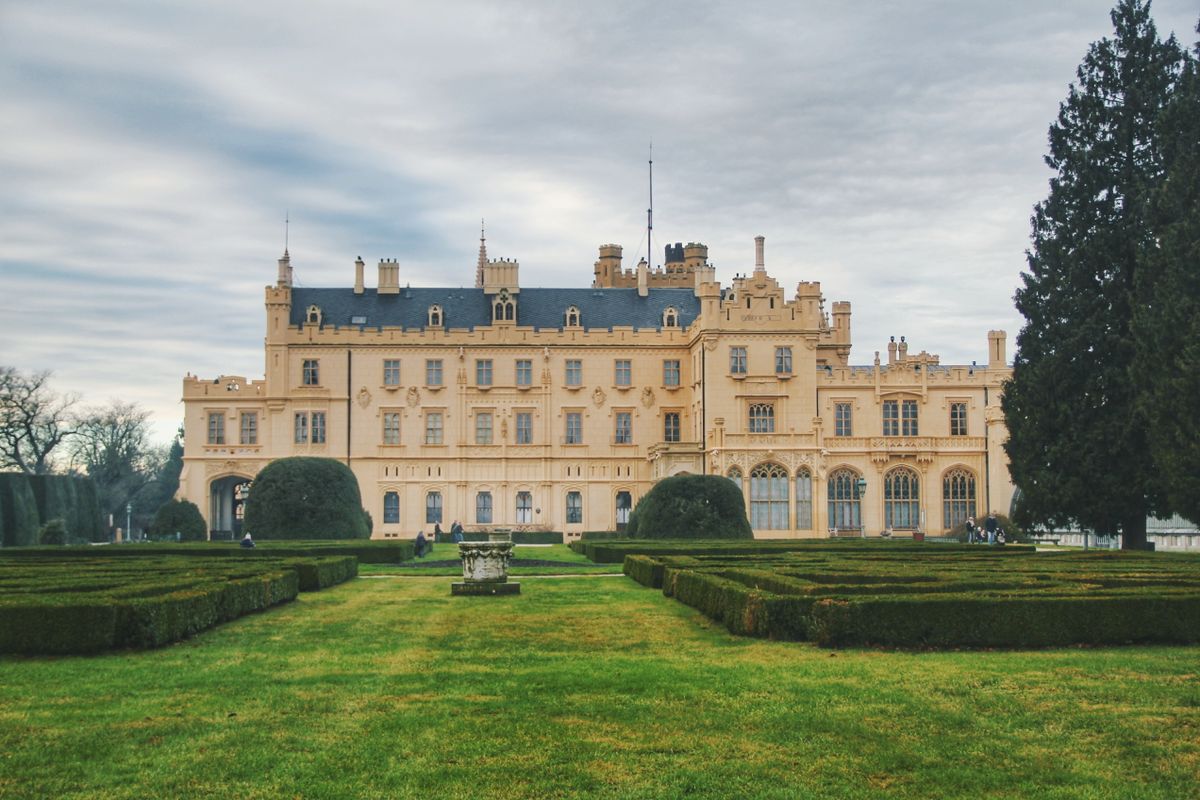

The result was inscribed on the UNESCO World Heritage list in 1996 and is described as the largest man made landscape in Europe. In practice it is a park the size of a city, crossed on foot, by bicycle or by carriage.
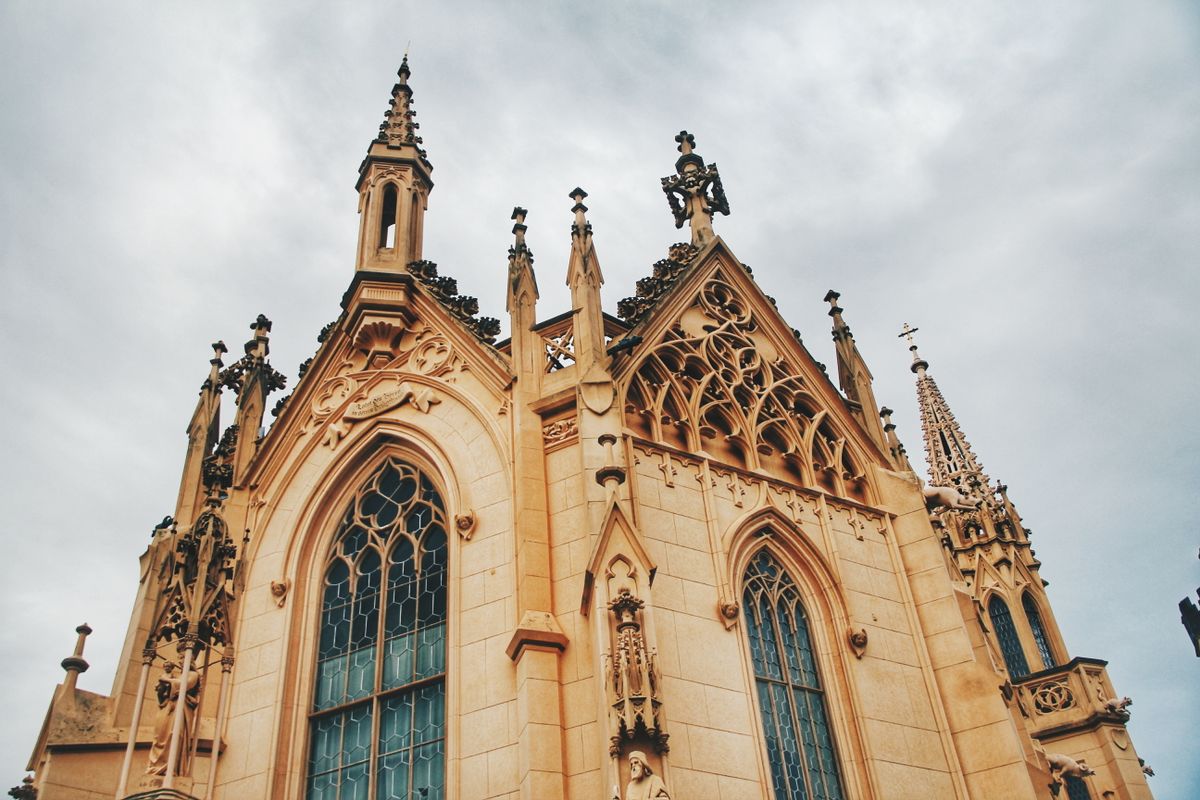
- Lednice Palace: neo-Gothic, with a tropical glasshouse and an enormous park. The most visited sight in the region.
- Valtice Palace: Baroque, seven kilometres away, with cellars and a national wine salon in the basement.
- The Minaret: a tower of about sixty two metres raised in the park at the end of the eighteenth century, with no religious function whatsoever. You climb it for the view.
- Janův hrad: a ruin built deliberately as a ruin, for romantic effect.
- The Reistna colonnade, the Temple of the Three Graces and the other follies scattered across the fields.
The distance between Lednice and Valtice takes about an hour by bicycle, on avenues through the park. It is the best way to grasp the scale of the ensemble, because from a car you see only the buildings and not the links between them.
The villages with streets of wine cellars
The local peculiarity is called a sklepní ulička: an entire street made up only of wine cellars, with no houses to live in. Every family in the village has one, dug into loess or built in stone, with a small frontage on the street and a long gallery behind.
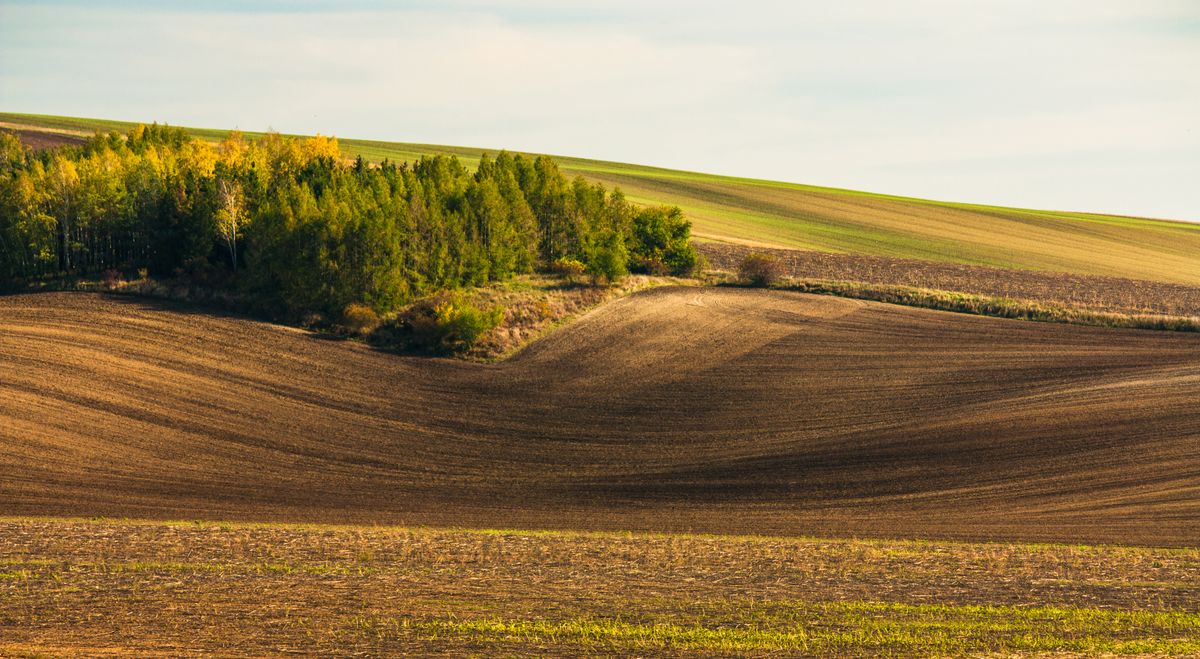
- Petrov-Plže: the most photogenic group, with around eighty whitewashed cellars painted with floral motifs. A protected monument.
- Vrbice: cellars dug into loess on several levels, in a steep bank.
- Velké Bílovice: the largest wine village in Czechia, with hundreds of growers and whole quarters of cellars.
- Pavlov: a village below the Pálava hills, with protected vernacular houses and a view over the reservoirs.
- Šatov: near Znojmo, with a cellar painted in its entirety by one man over many years.
Many cellars are not businesses and keep no hours. They are private property, entered by the grower when he has work to do, and visitors are received if he happens to be there. An open door means you can go in. The simplest route is to tell your accommodation you want a tasting and let them arrange it, or come at the weekend, when many are open. You do not drive after a tasting, and the measures poured here are not small. In the larger villages there are also cellars with fixed hours, signposted as such.
Pálava, Mikulov and Znojmo
The landscape is not flat everywhere. The Pálava hills are a white limestone ridge that rises abruptly above the plain and the reservoirs, with a biosphere reserve and rare steppe grassland on the slopes.
- Mikulov: a small town below a palace, with the Holy Hill above and one of the most important Jewish cemeteries in Central Europe.
- The Děvičky ruins: a castle on the Pálava ridge, with the best view over the region. About an hour up.
- Znojmo: a town on a promontory above the Dyje, with twenty seven kilometres of medieval underground galleries and a rotunda with twelfth century frescoes.
- Podyjí National Park: the gorge of the Dyje on the Austrian border, with forest trails.
- The Nové Mlýny lakes: three large reservoirs used for watersports.
The traditions of Slovácko
The eastern part of the region, called Slovácko, has the most living folk tradition in Czechia, and that does not mean shows for tourists but customs still practised.
Verbuňk, the male recruit dance, is inscribed on the UNESCO intangible heritage list. It is improvised: every dancer makes his own version, and the annual competitions are taken seriously.
Jízda králů, the Ride of the Kings, is also UNESCO intangible heritage. It takes place in a few villages, the best known being Vlčnov, where a costumed boy rides through the village with a rose held in his mouth, escorted by other young men. It is held annually at the end of May.
In practice, if you want to catch something genuine, check the dates of the local festivities before fixing your travel dates. These are village events rather than festivals, and the difference shows.
Getting there, getting around and when to come
| Item | Detail |
|---|---|
| Gateway | Brno, the nearest large city |
| From Prague | about 2 hours to Brno |
| From Vienna | about 1 hour 20 |
| From Bratislava | around 1 hour 30 |
| Days needed | 3 to 4 |
| Best months | May to June and September to October |
| Cycling | over 1,200 km of waymarked wine routes |
The bicycle is the right vehicle here, not the car. The network of waymarked wine routes totals over twelve hundred kilometres, the terrain is gentle, and the villages sit a few kilometres apart. Bikes are hired in Lednice, Mikulov and Valtice, electric ones included.
September is the best month: the harvest, the burčák and the wine festivals all fall together, and the temperature becomes bearable. Book accommodation ahead for September weekends, because Czech visitors come too.
Regional information is published by the South Moravia tourist board, and national context by the Czech tourist authority.
Frequently asked questions (FAQ)
Conclusion
South Moravia is the part of Czechia where practically all the country wine is made, in a landscape of whole streets of cellars and a designed park the size of a city.
Come in September, hire a bicycle instead of a car, get into a village cellar, and check the dates of local festivities before fixing your trip.
