
 By

They are twenty five kilometres apart, they belong to the same region and they dislike each other with a consistency that amuses everyone from outside. Oviedo or Gijon is a real choice: one has the cathedral, the university and the bureaucracy, the other has the port, a beach in the middle of town and twice as many people.
What each one actually is, the sights that separate them, the cider, the beaches, the prices, and a clear verdict instead of useless diplomacy.
The rivalry, briefly
Oviedo is the administrative capital of the Principality of Asturias and has around 218,000 people. Gijon is not the capital, but it has over 260,000, making it the largest city in the region. A good deal of the tension starts there.
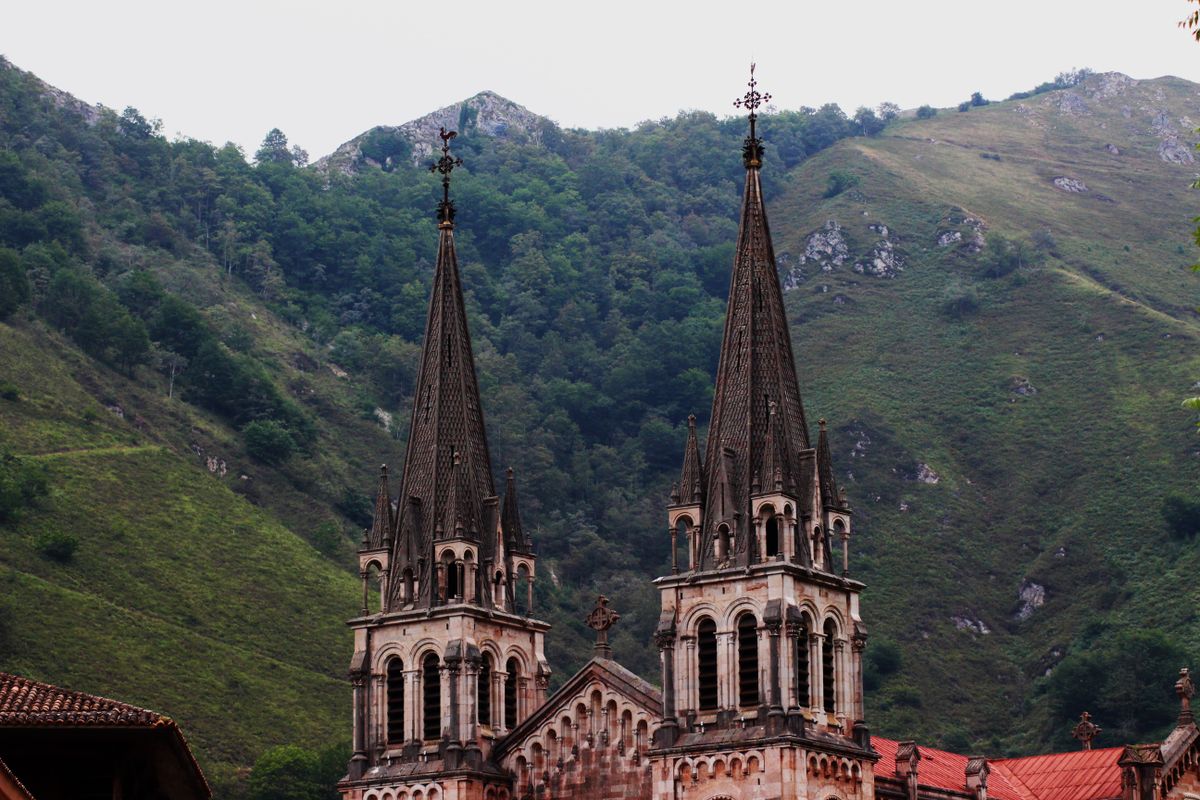
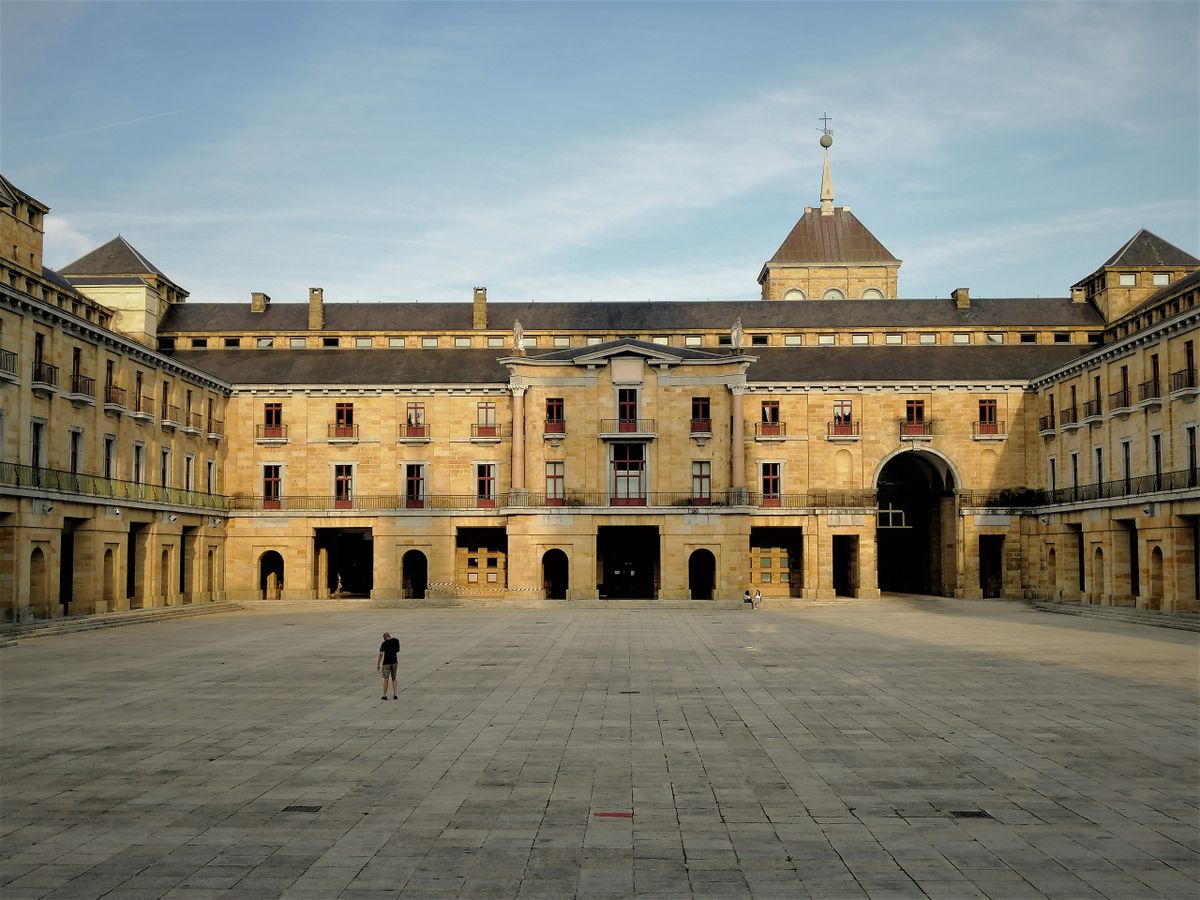
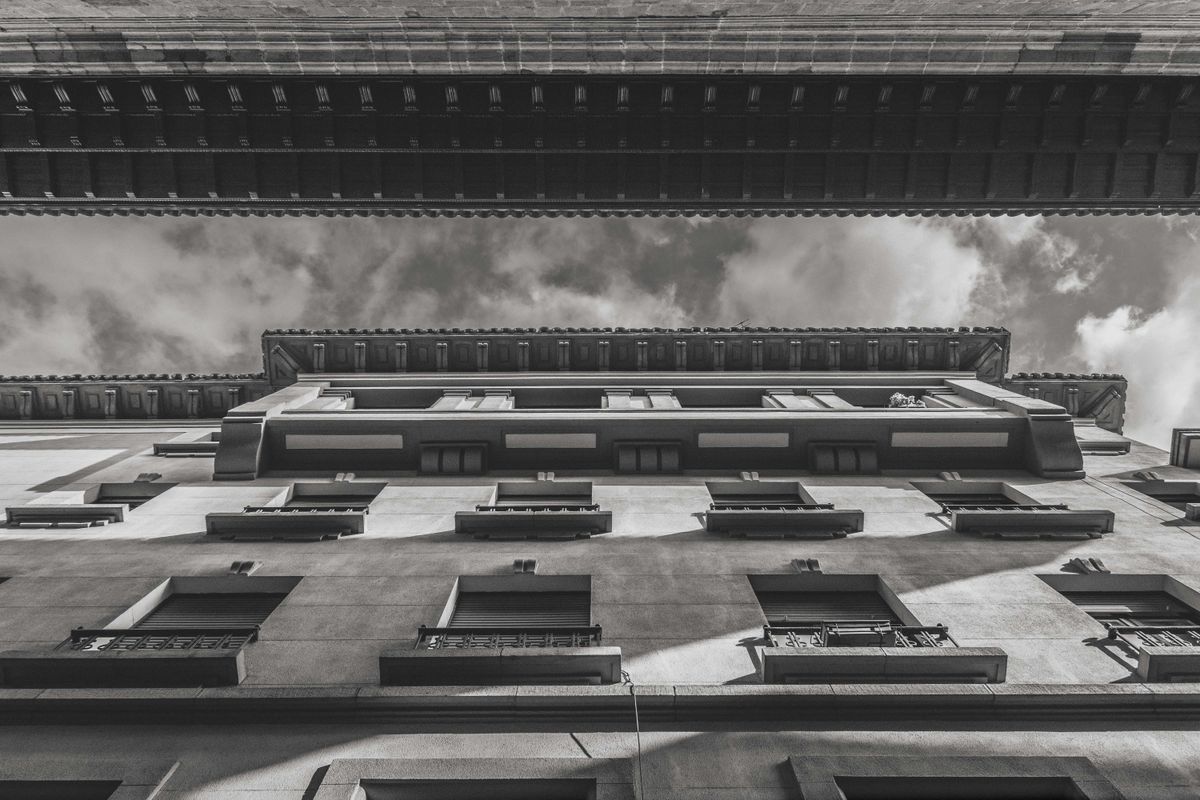
The rest comes from history and social structure: Oviedo was the city of civil servants, the church and the university, Gijon the city of the port, industry and workers. The difference is still visible, in the architecture and in the atmosphere.
Oviedo or Gijon, side by side
| Oviedo | Gijon | |
|---|---|---|
| Population | about 218,000 | over 260,000 |
| Status | regional capital | largest city |
| Sea | none, it is inland | beach in the city centre |
| Old quarter | compact, pedestrian, bourgeois | Cimadevilla, a fishing quarter on a headland |
| Strengths | UNESCO pre-Romanesque, cathedral, museum | beach, port, the Laboral, atmosphere |
| Pace | quiet, elegant, orderly | lively, more working class, louder |
Oviedo, the city of the pre-Romanesque
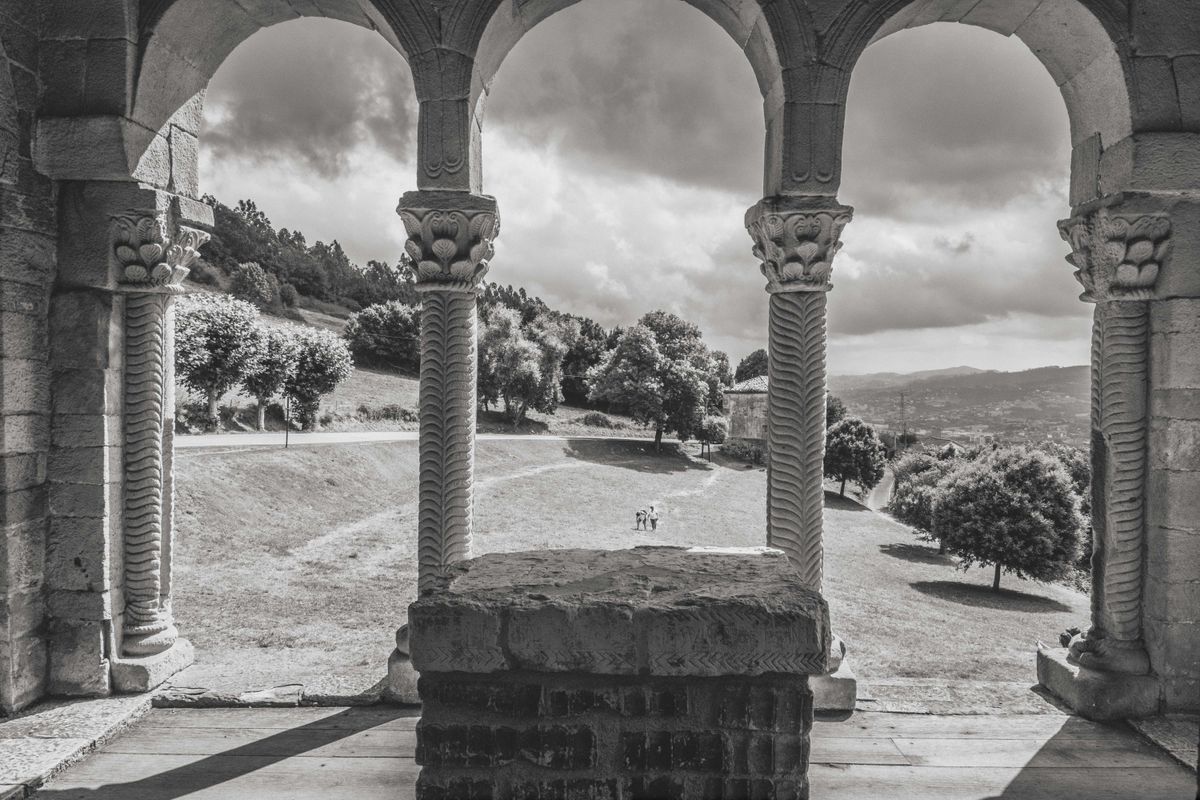
The main argument for the city is older than the city centre. On the Naranco hill, a few minutes away by car, stand Santa Maria del Naranco and San Miguel de Lillo, two ninth century buildings left from a period when the small Asturian kingdom was the only Christian state on the peninsula.
The style is called Asturian pre-Romanesque, it resembles nothing else in Europe and it is on the UNESCO world heritage list. They are small buildings, both can be seen in under an hour, and they are the real reason to come.
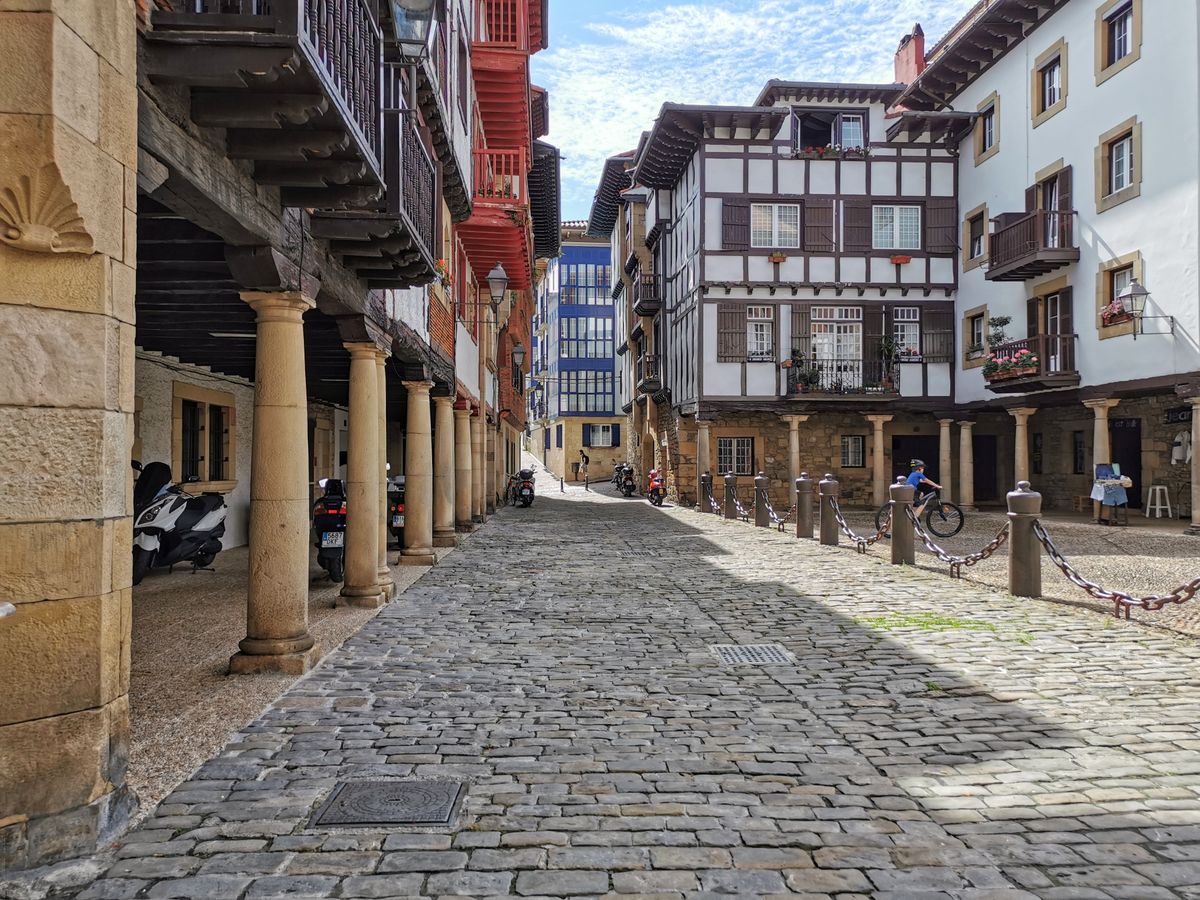
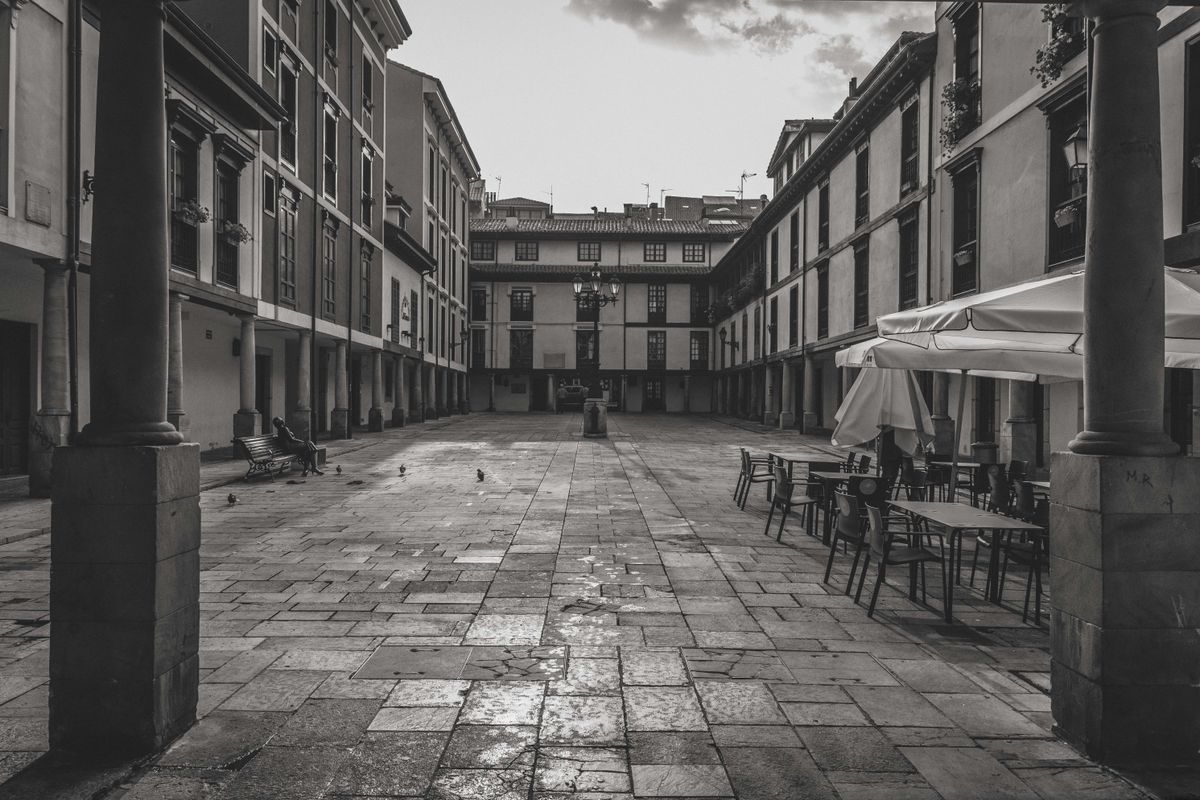
In town, San Salvador cathedral has one finished tower and holds the Camara Santa with the relics of the Asturian kingdom. The old centre is compact, almost entirely pedestrian and full of bronze statues at street level, including one of Woody Allen, who filmed here.
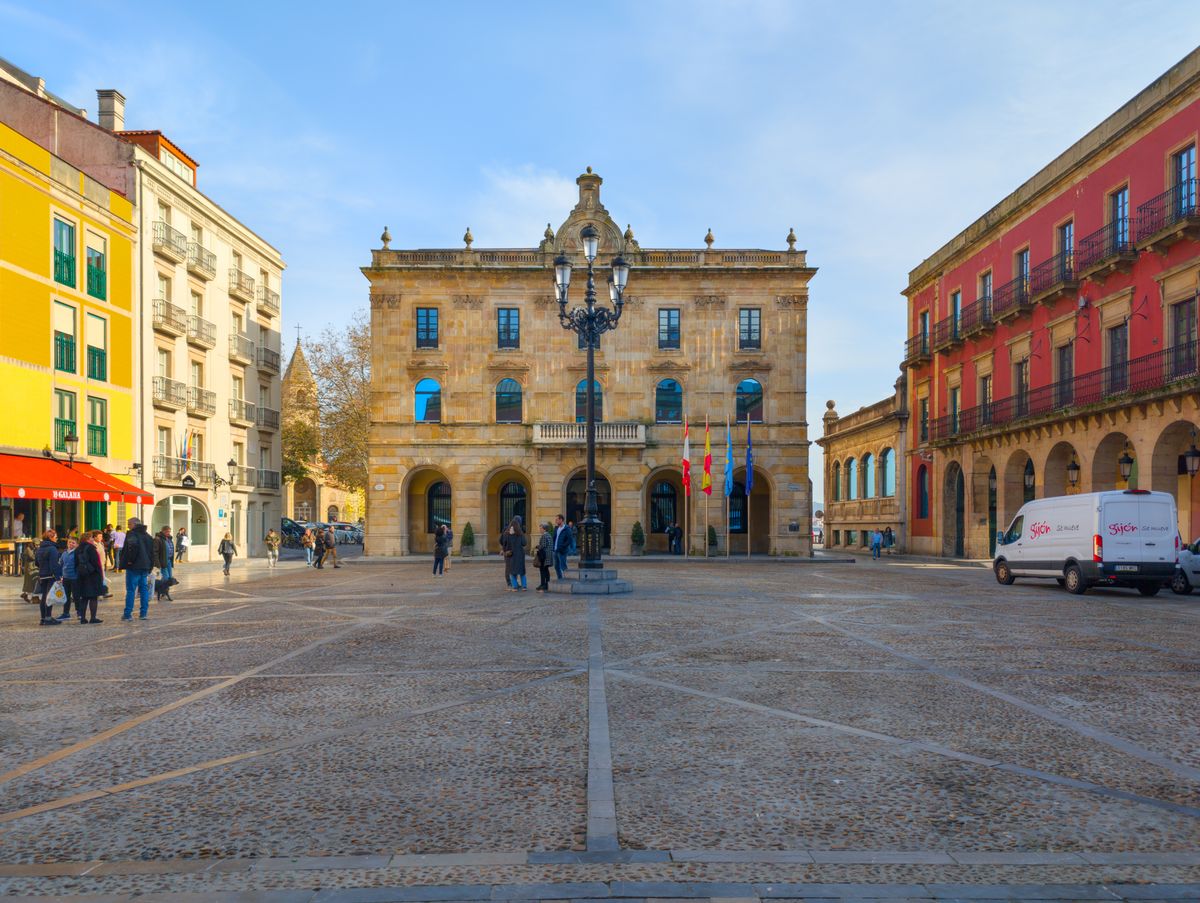
Gijon, the city with a beach in the middle
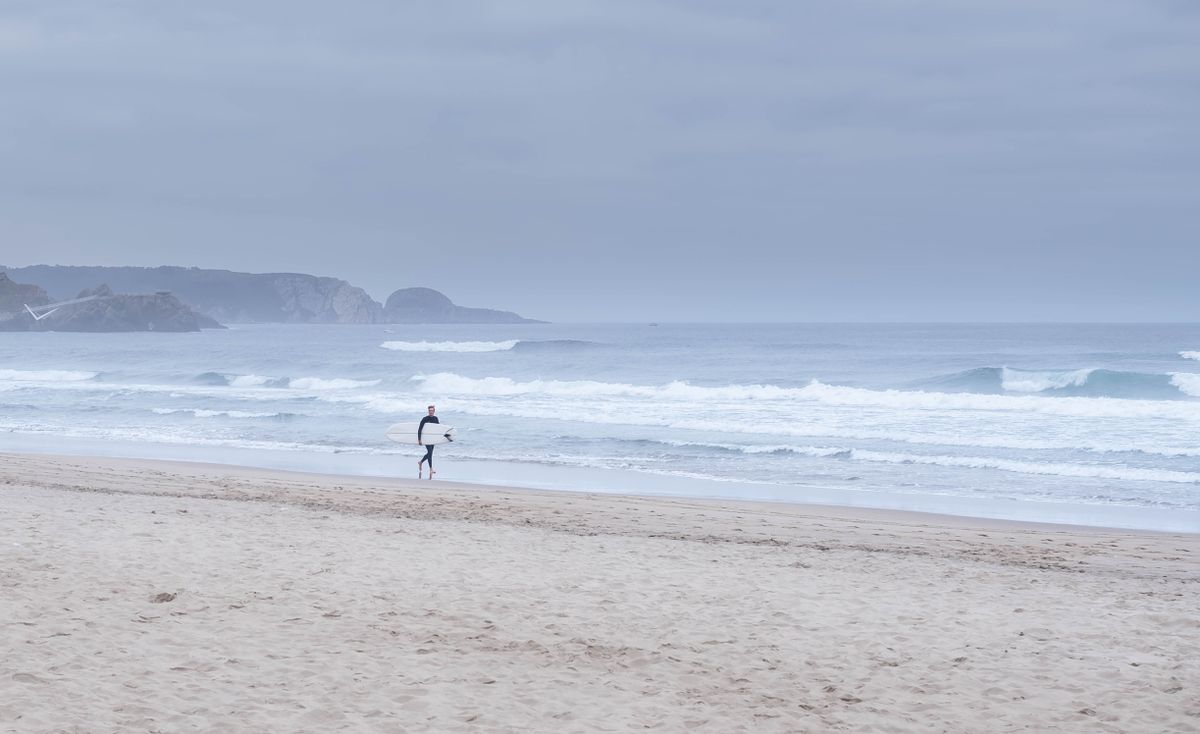
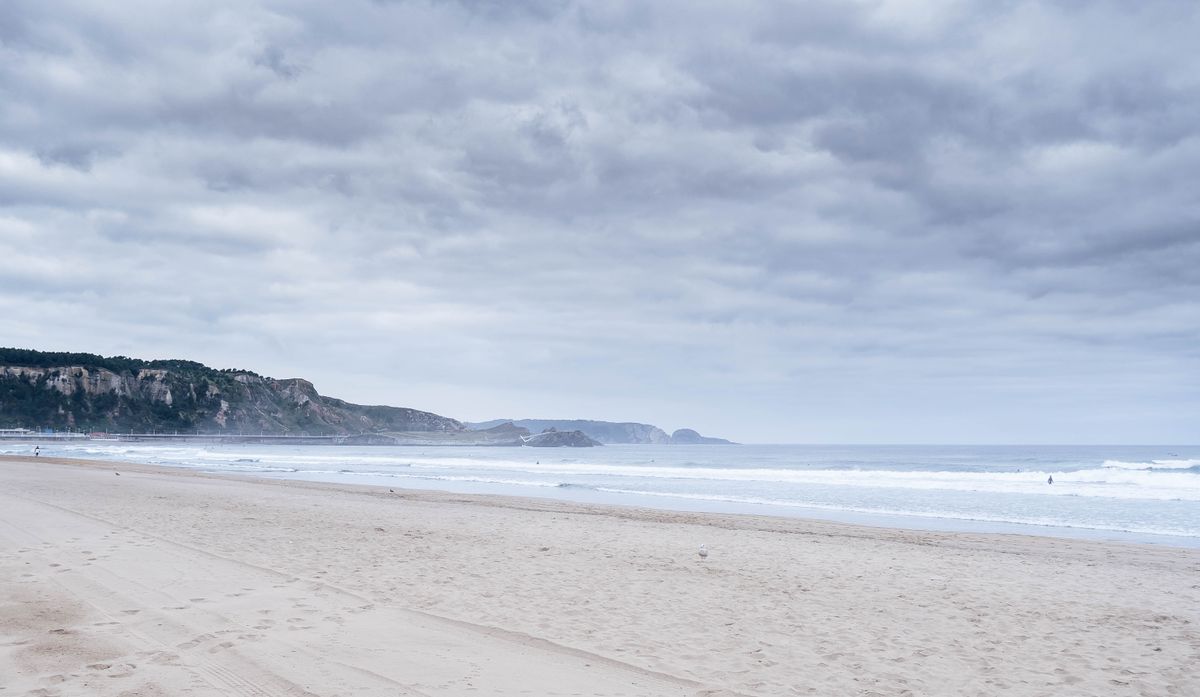
Gijon has something Oviedo will never have: a kilometre and a half of sand running through the middle of the city. San Lorenzo is a genuine urban beach, used daily by residents, with surfers in the water for most of the year.
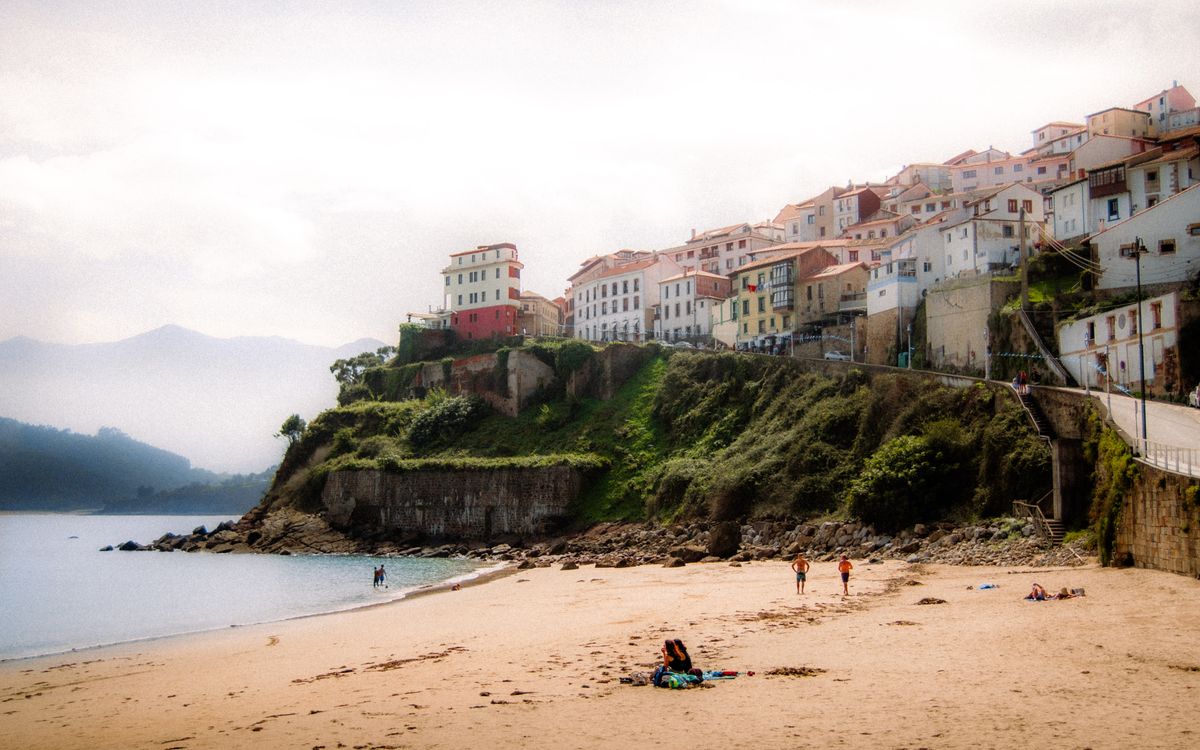
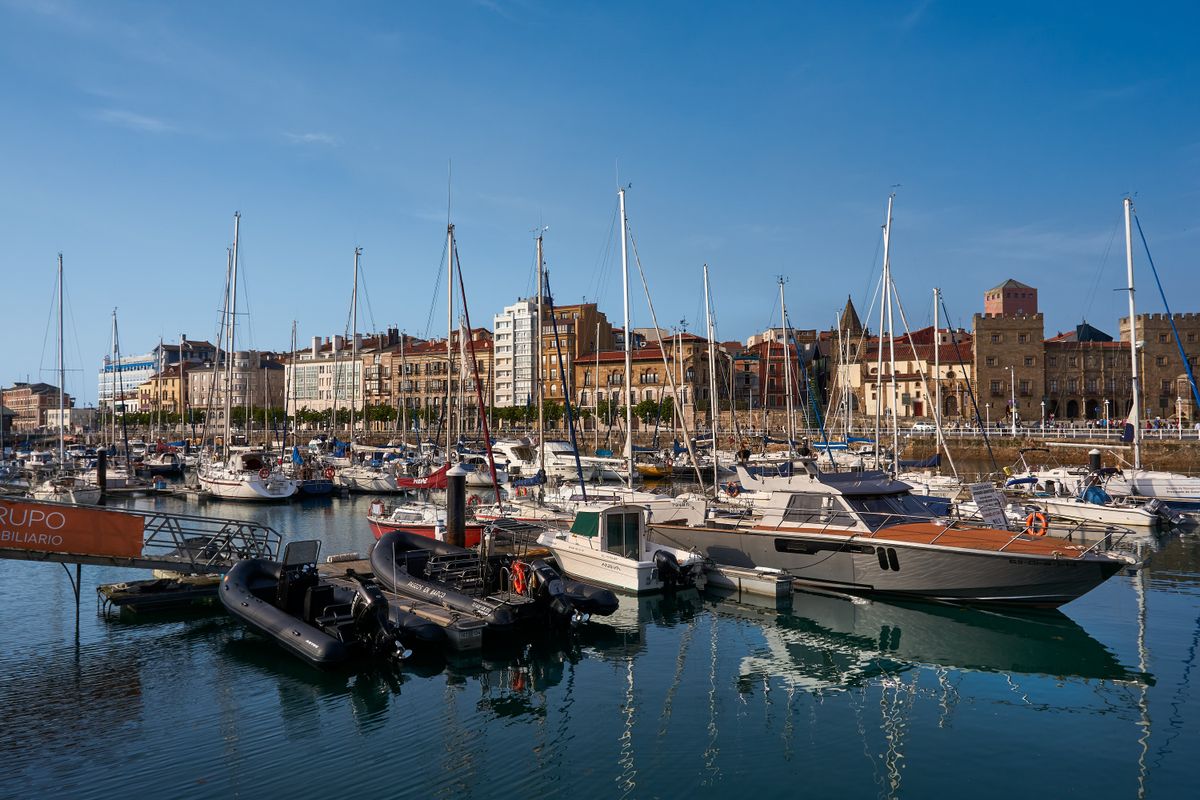
Cimadevilla, the old quarter, occupies a headland between the beach and the port. It was the fishermens quarter, has narrow streets and, at the top, Eduardo Chillida Elogio del Horizonte, a concrete form that amplifies the sound of the sea if you stand in the middle of it.
The Laboral Ciudad de la Cultura, at the edge of town, is the largest building raised in Francoist Spain, a monumental complex originally designed as an orphanage and vocational school and now a cultural centre. The tower is 117 metres and can be climbed.
Cider, the shared institution
Asturias produces around eighty per cent of Spanish cider, and the sidreria is the central social institution in both cities. Asturian cider is dry, natural and completely still, which is why it is poured escanciado, from the height of a raised arm, so it aerates on the way down.
A small measure is poured, a culin, you drink it straight away, and the last drops are thrown on the floor to rinse the rim of the glass. The bars have drains for exactly that. In Oviedo the cider street is Calle Gascona, in Gijon it is Cimadevilla.
- Fabada asturiana: white beans with chorizo, morcilla and pork. A lunch, not a dinner.
- Cachopo: two veal escalopes with ham and cheese between them, fried, and meant to be shared.
- Cabrales: blue cheese aged in mountain caves, and very strong.
- Arroz con leche: rice pudding with a burnt sugar crust.
- Escanciar: the high pour, which you can ask the staff to do.
- Espicha: a party around a cider barrel, with food eaten standing.
The verdict
Choose Oviedo if you want a compact, elegant, quiet city, if the pre-Romanesque architecture interests you, or if you are using the city as a base for the Picos de Europa, which are closer on this side.
Choose Gijon if you want the sea, a beach in the centre, an old quarter with character and a livelier evening. It also suits travelling with children, or wanting to surf.
Realistically, they are twenty five kilometres apart and the commuter train links them in about half an hour, every twenty minutes. You do not have to choose: stay in one and visit the other for an afternoon. Regional information is on the Asturias tourism site, and the pre-Romanesque monuments are described by UNESCO.
Frequently asked questions (FAQ)
Conclusion
Oviedo and Gijon complement each other better than either admits: one has ninth century buildings that resemble nothing else in Europe, the other has a kilometre and a half of beach in the middle of town.
Stay in whichever suits the trip, take the commuter train to the other for an afternoon, and drink at least one properly poured culin of cider in each.
