
 By

The hottest large city in Spain, the birthplace of flamenco, and the holder of a Moorish palace that is still a working royal residence. Seville is best walked in the early morning and the late evening, with a long gap in the middle that the locals have organised their entire day around.
The three big sights and how to book them, the neighbourhoods, where flamenco is real and where it is a show, and how ordering tapas actually works.
Why Seville
It has the largest historic centre in Spain, three UNESCO listed monuments within a few hundred metres of each other, and a climate that regularly passes 40 degrees in July. The heat is not a detail: it shapes when everything opens and when anyone goes outside.
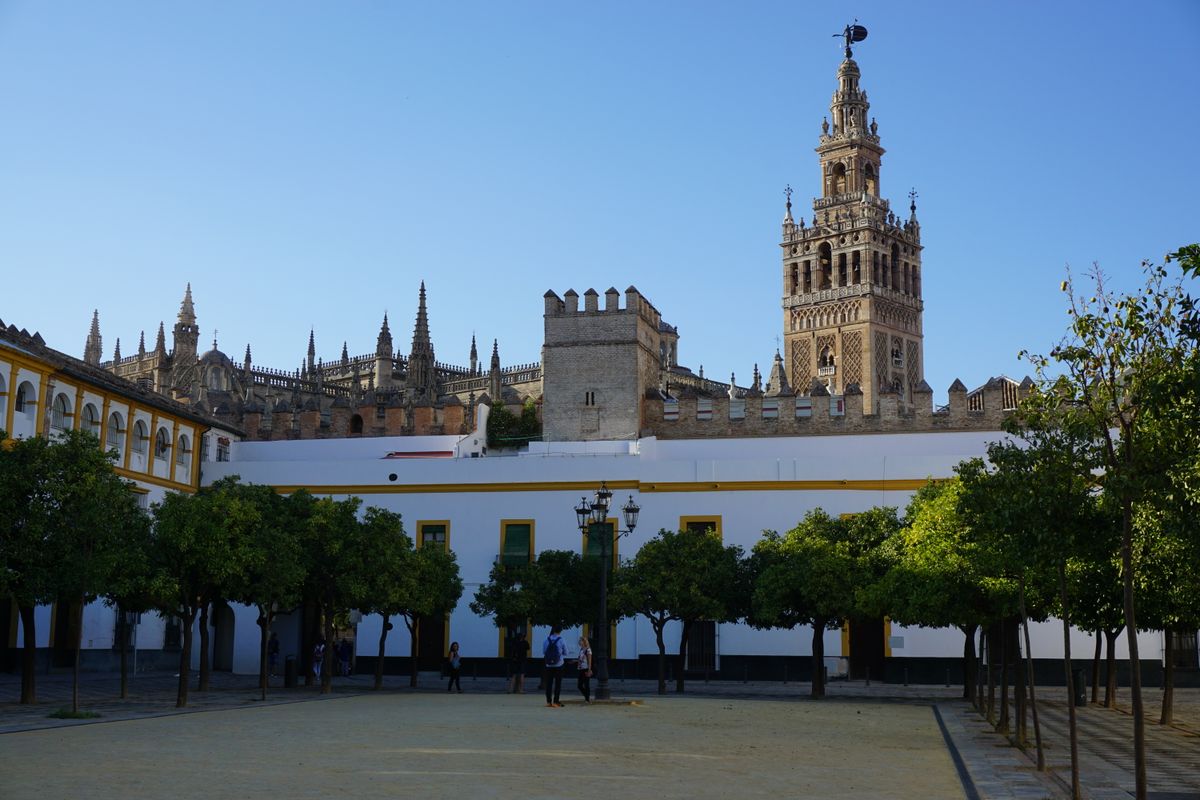
It was the richest city in Europe for a century, when all the silver from the Americas landed here, and the cathedral was built to prove it.
The Real Alcazar
A Moorish palace begun in the tenth century, rebuilt by Christian kings in the Mudejar style, and still used by the Spanish royal family, which makes it the oldest royal palace in Europe still in use.
The Patio de las Doncellas, the tiled halls and the gardens are the reason to come, and Game of Thrones used the gardens as the Water Gardens of Dorne. Tickets are timed, they sell out days ahead in season, and buying at the gate in summer usually means not getting in.
The cathedral and the Giralda
The largest gothic cathedral in the world by volume, built on the site of the main mosque, reportedly with the intention that anyone who saw it would think the builders mad. Columbus is buried inside, in a tomb carried by four kings, and DNA testing has confirmed at least part of the remains are his.
The Giralda beside it was the minaret of the mosque, converted to a bell tower. There are no stairs: a ramp spirals up inside, built wide enough to ride a horse to the top, and the view from it covers the whole centre.
Plaza de Espana
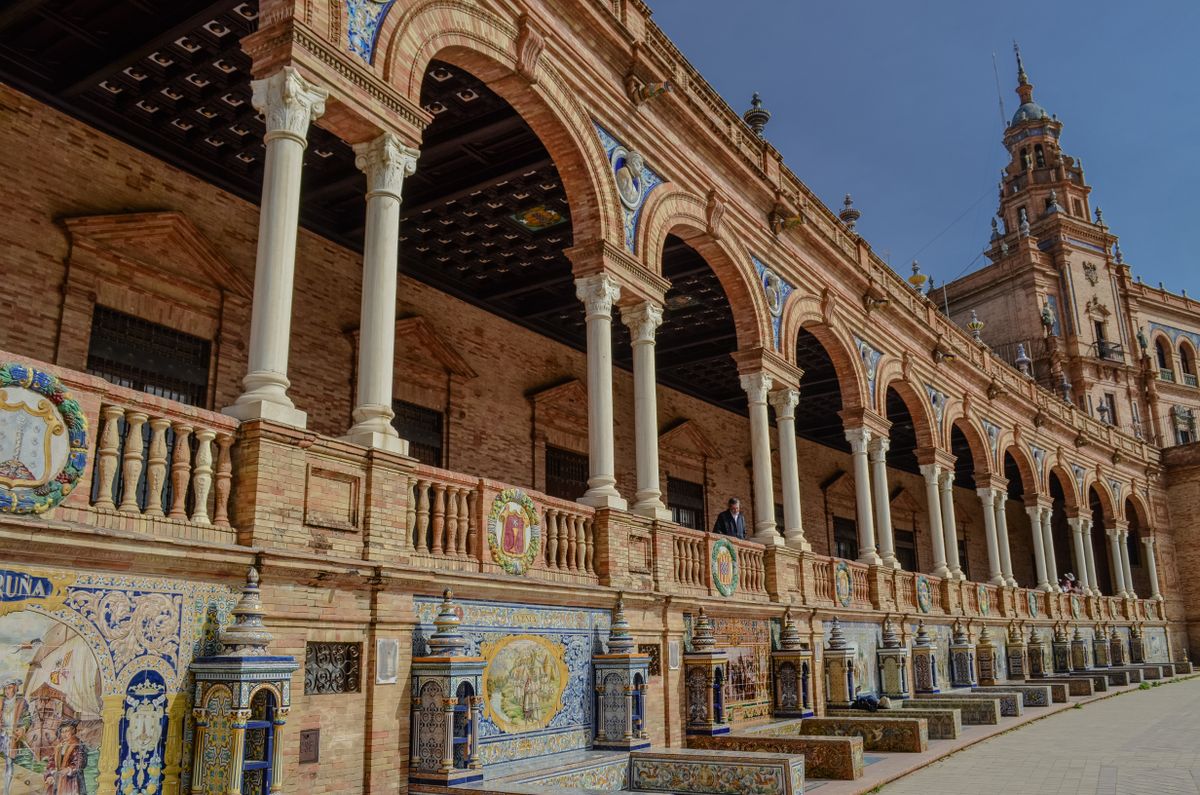
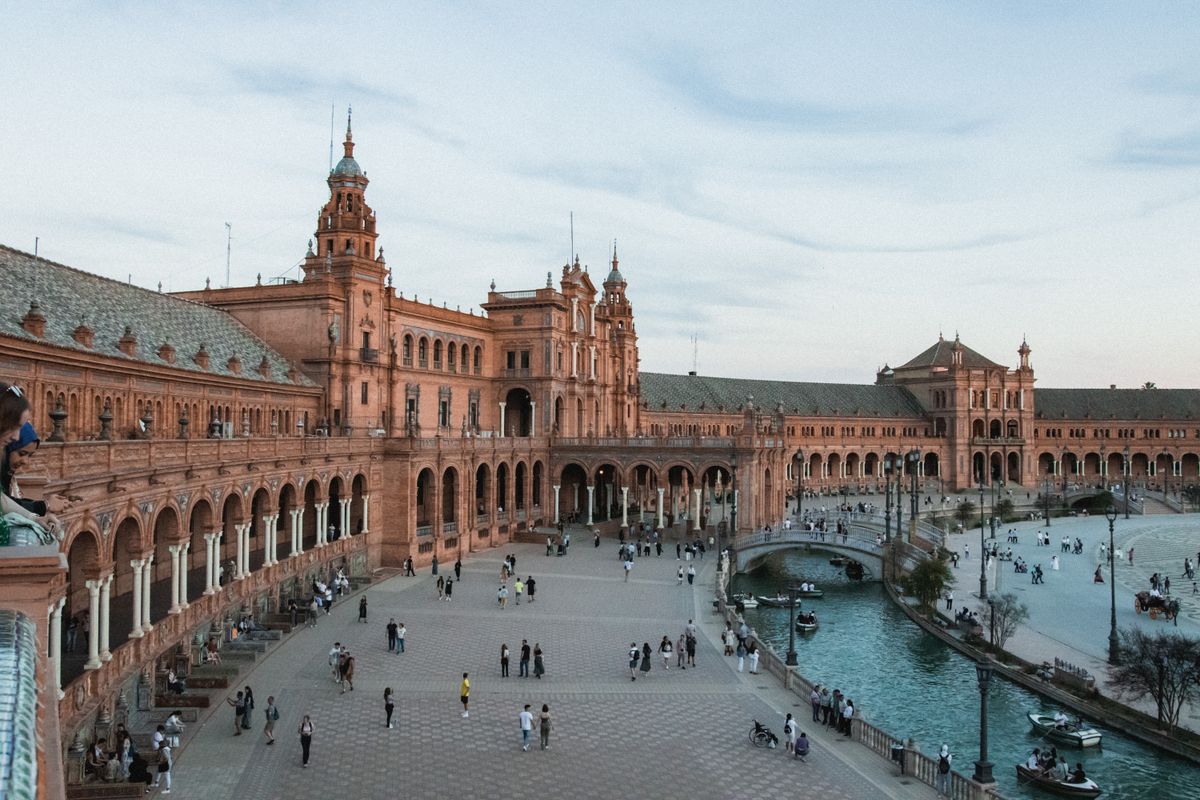
Built for the 1929 Ibero-American Exposition, a semicircle 200 metres across with a canal in front of it, four bridges and forty eight tiled alcoves, one for each Spanish province. People look for their own.
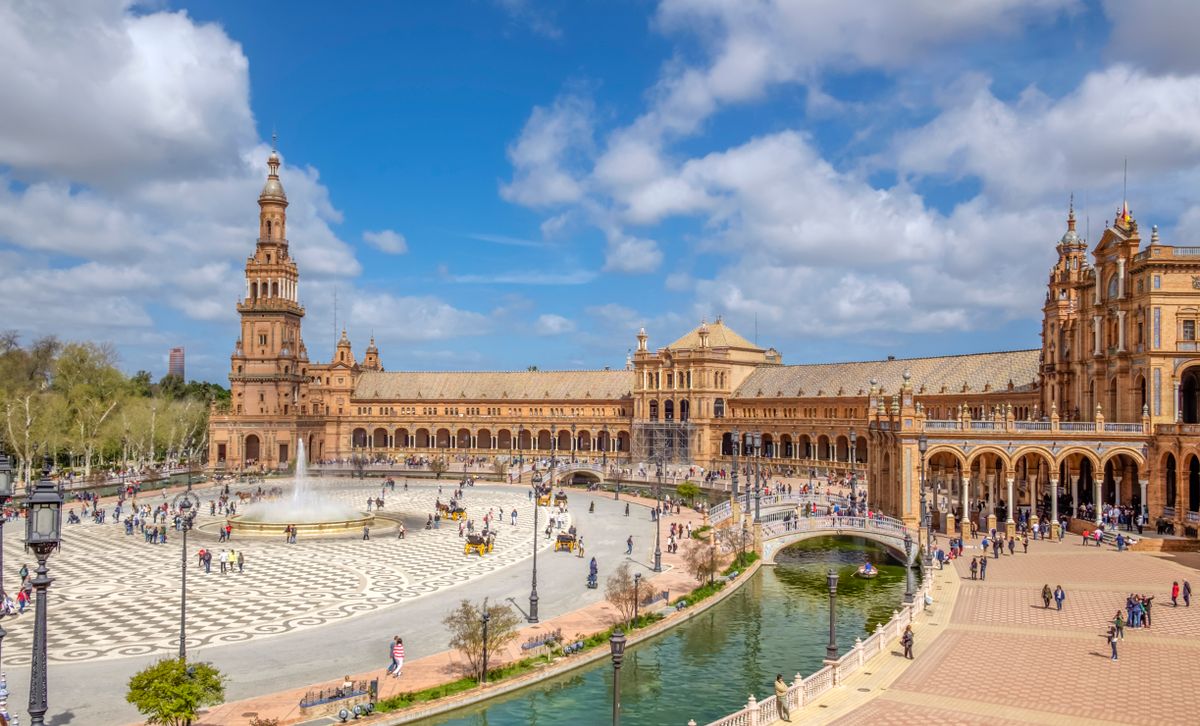
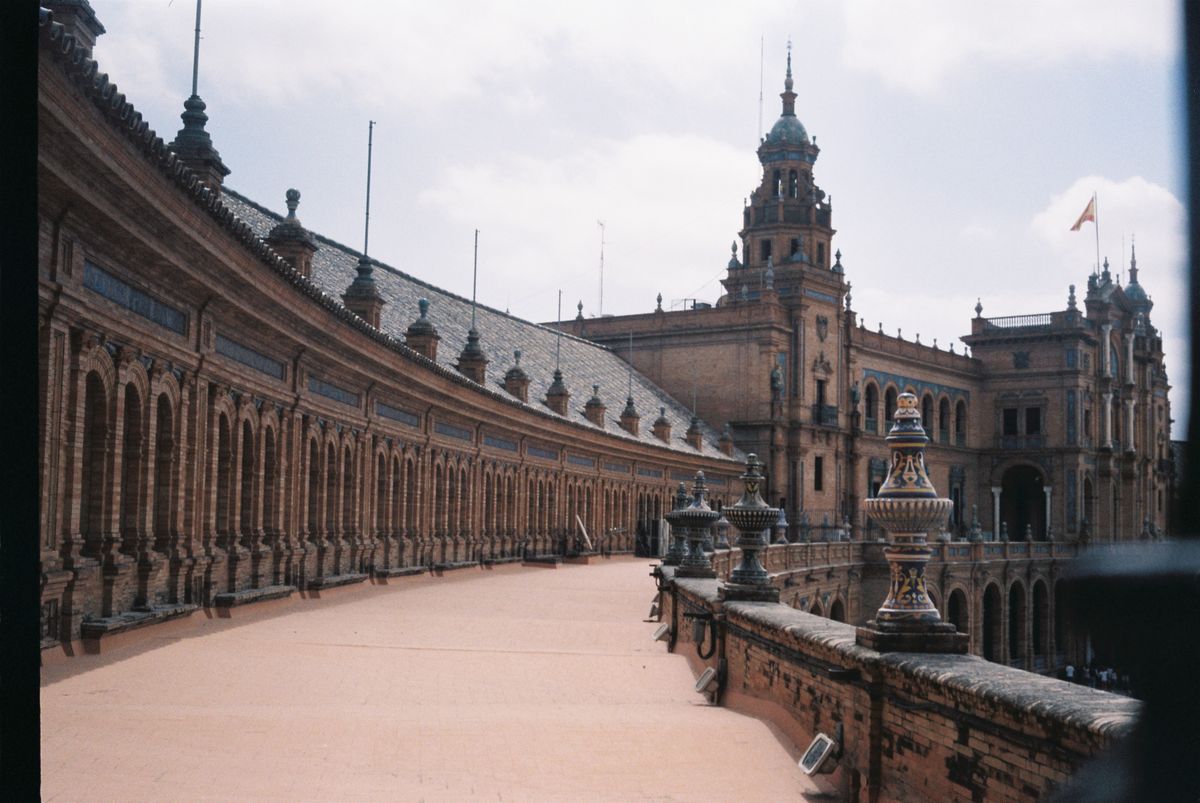
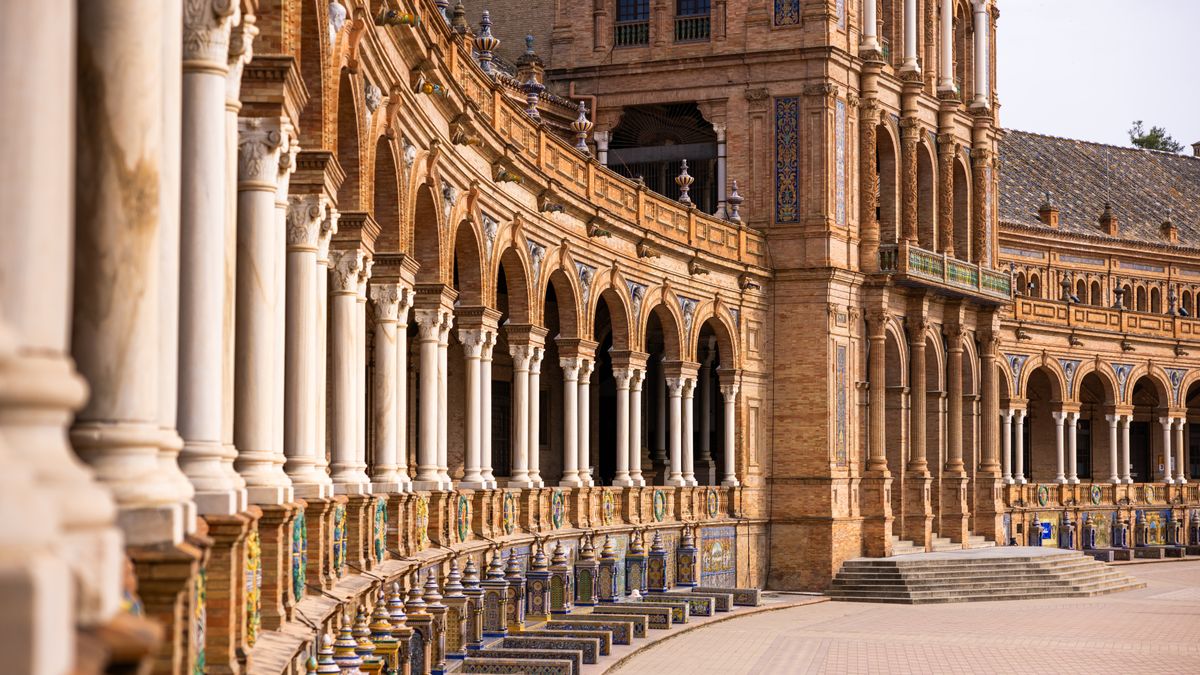
It has stood in for the planet Naboo in Star Wars and for Cairo in Lawrence of Arabia. Rowing boats are rented on the canal, entry is free, and early morning is the only time it is quiet.
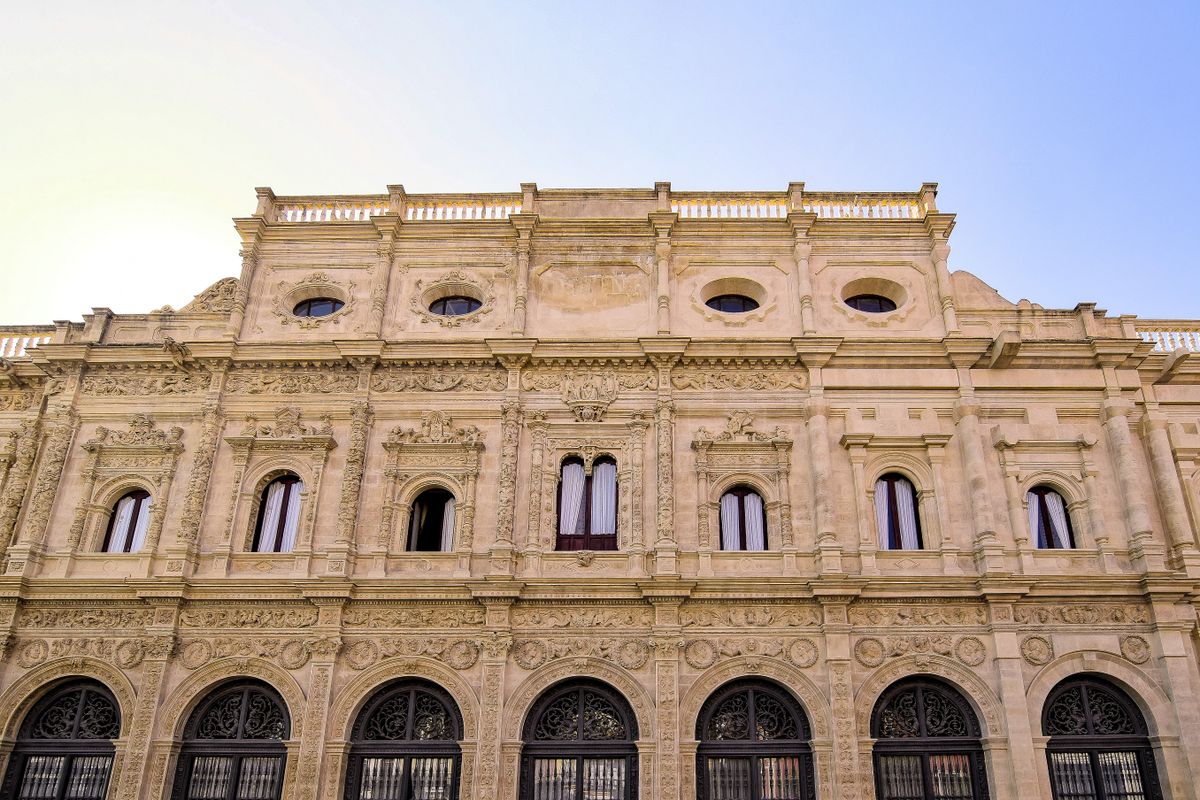
Santa Cruz, Triana and the neighbourhoods
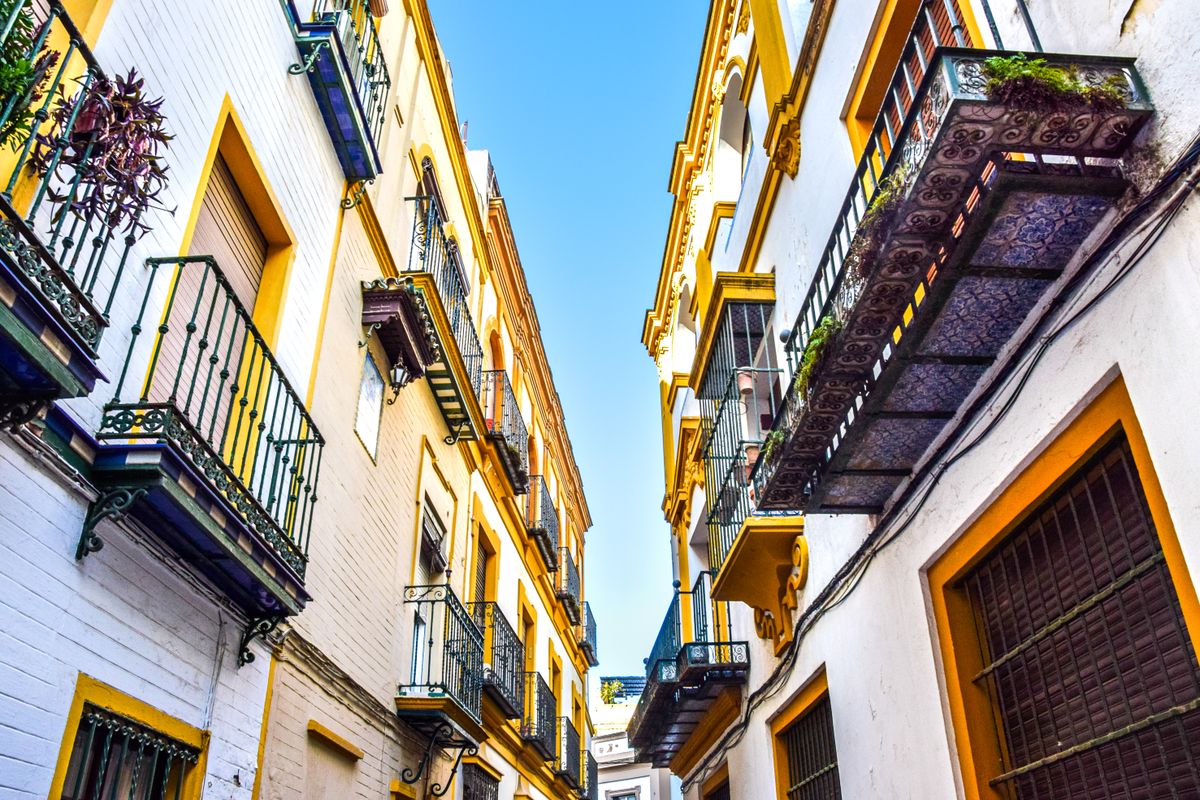
Barrio de Santa Cruz is the old Jewish quarter beside the Alcazar: narrow shaded lanes, small squares, orange trees and courtyards you glimpse through iron gates. It is genuinely easy to get lost in, which is the point.
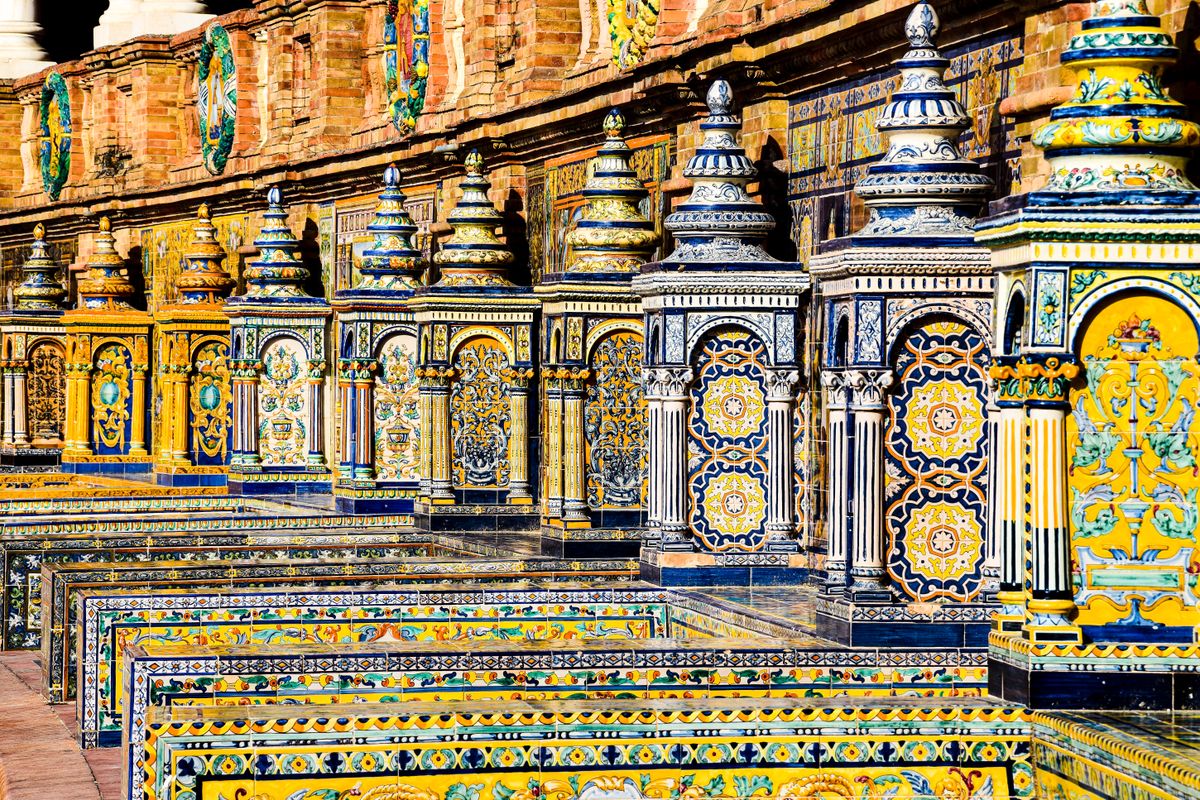
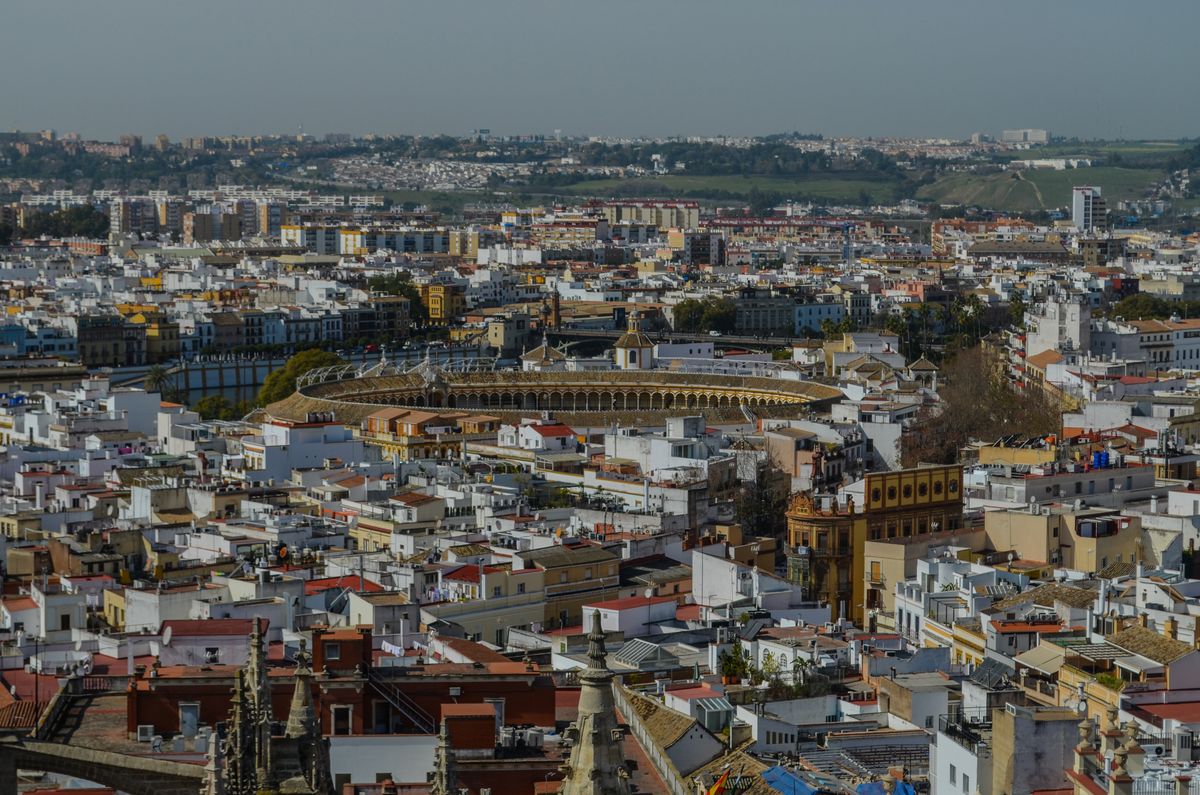
Triana across the river was the sailors and potters quarter and is where flamenco largely came from. It is less polished, has the ceramics workshops and the market, and it is where locals go in the evening.
Where flamenco is real
There are three kinds of performance here. The tablao is a professional show in a dedicated venue, ticketed and reliable. The pena is a members club where aficionados go, occasionally open to visitors and much harder to find. And there are the free bar performances, which vary from remarkable to embarrassing.
For a first visit, a small tablao in Santa Cruz or Triana is the honest choice: an hour, a small room and three performers. Avoid anything advertised with a free drink, and avoid the very large venues aimed at coaches.
How tapas work in Seville
- Order at the bar, standing. Sitting at a table often costs more for the same plate.
- A tapa is a small plate, a media racion is half a dish, a racion is a full one.
- The bill is chalked on the bar in front of you in the older places.
- Move on after two or three. Staying in one bar all evening is not the local pattern.
- Try espinacas con garbanzos, spinach with chickpeas, which is Moorish and everywhere.
- Salmorejo, the thicker cold cousin of gazpacho, topped with ham and egg.
Practical advice
| Item | Detail |
|---|---|
| Best months | March to May and October to November |
| Summer | regularly above 40 degrees. Plan around the siesta |
| Alcazar tickets | timed, booked days ahead in season |
| Cathedral | combined ticket with the Giralda climb |
| Semana Santa | Holy Week, extraordinary and completely full |
| Feria de Abril | two weeks after Easter, and equally full |

Seville is 2.5 hours from Madrid by high speed train and forty minutes from Cordoba. Monument information is published by the Real Alcazar site and city information at the Seville tourist board.
Frequently asked questions (FAQ)
Conclusion
A Moorish palace still used by a royal family, the largest gothic cathedral in the world, and the neighbourhood flamenco came out of, all within a walk of each other.
Book the Alcazar before you fly, walk in the early morning, disappear at midday like everyone else, and cross the river to Triana in the evening.
