
 By

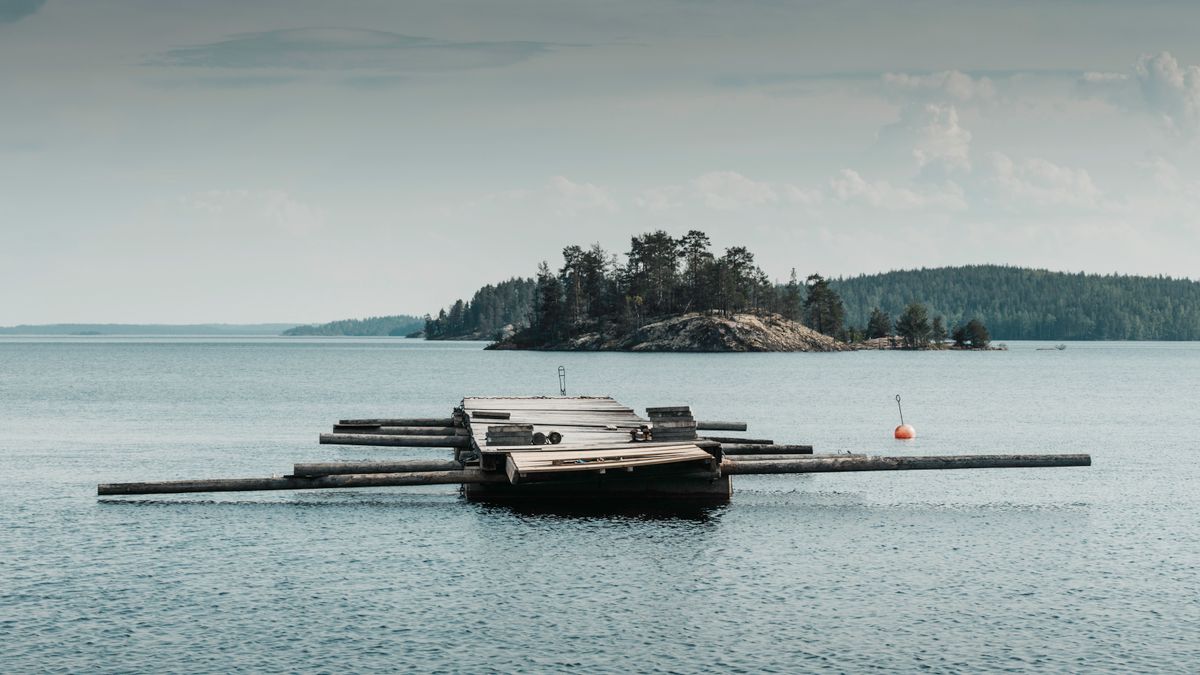
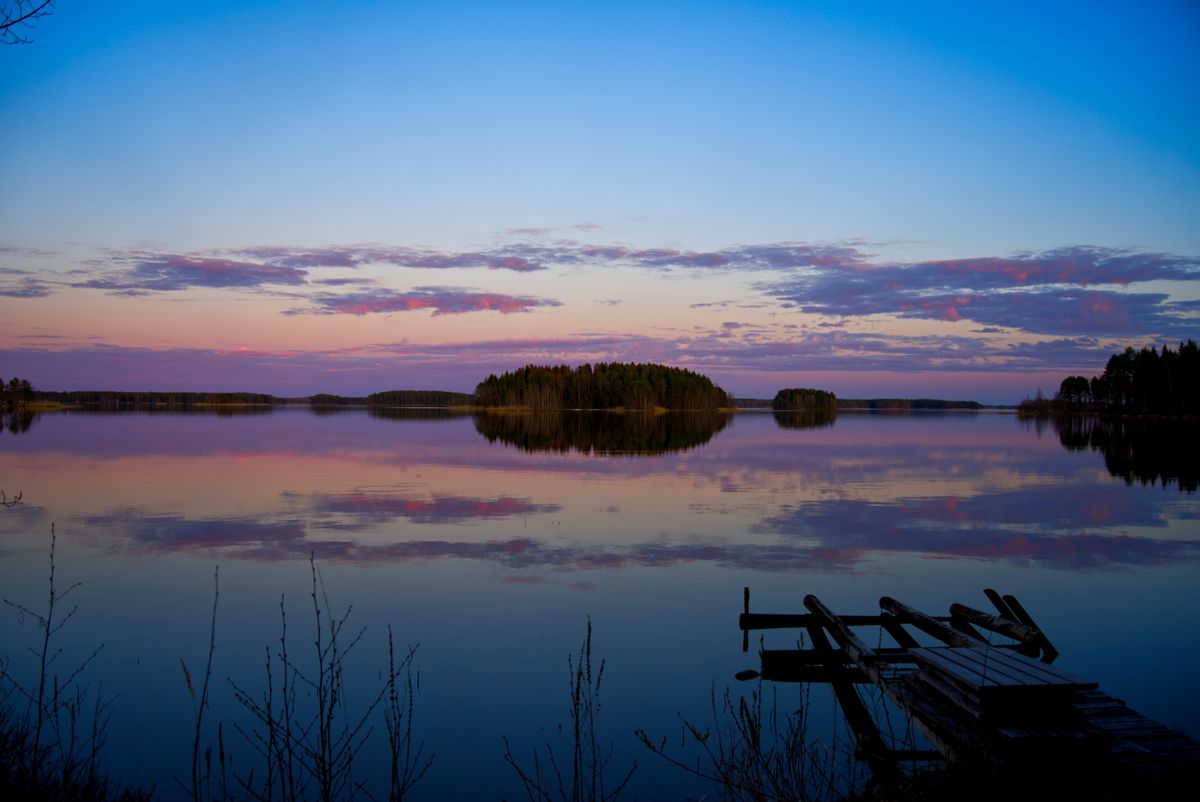
A mökki is the Finnish summer cabin on a lakeshore, and in Finland it is not an accommodation trend but an institution. There are around half a million of them in a country of fewer than six million people, roughly one for every eleven inhabitants. In summer the cities simply empty out and the rest of the country moves to the water.
What a Finnish cabin actually is, how to rent one, what it costs, how the sauna works and what to know before you arrive.
What a mökki means and what it does not
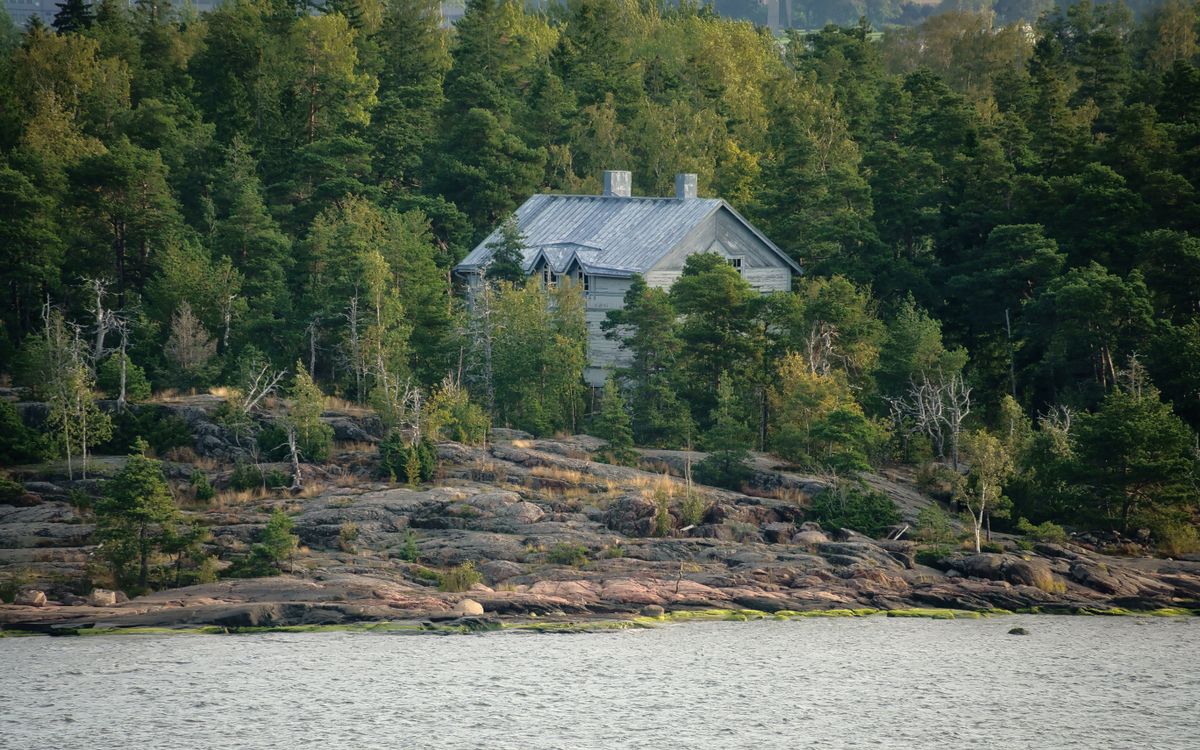
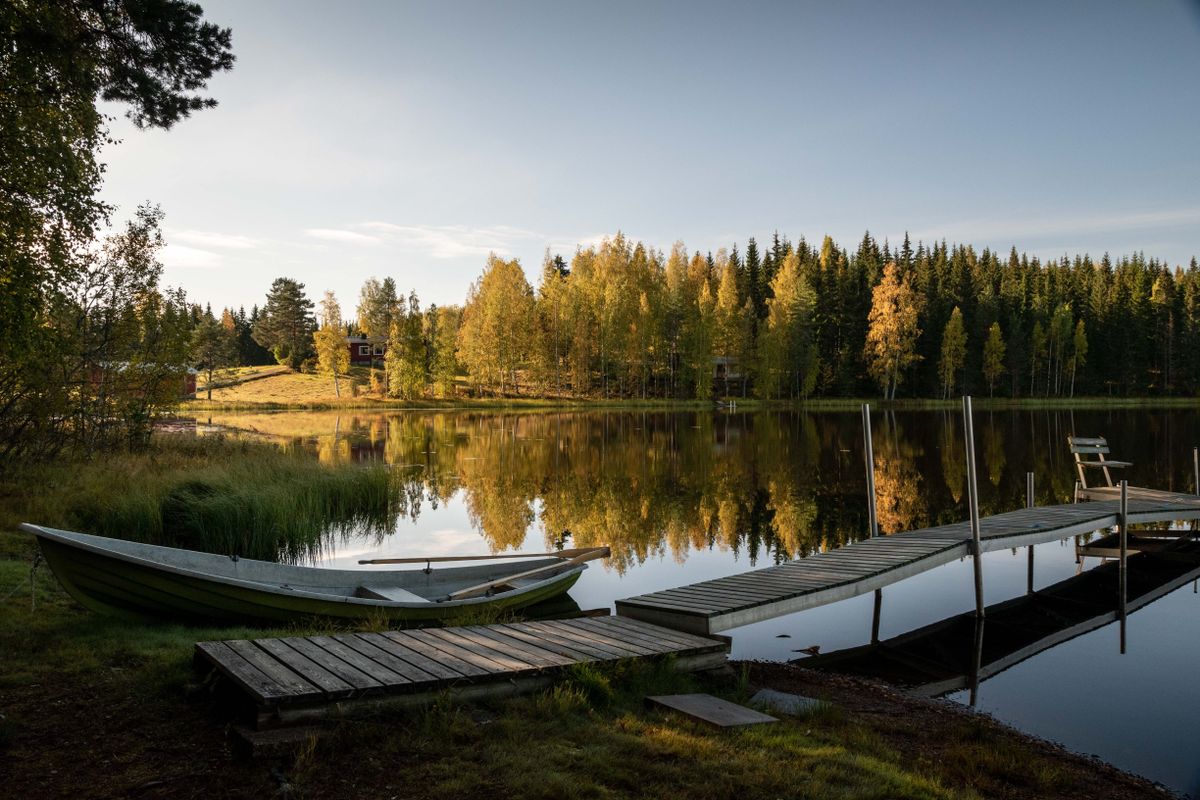
The classic cabin is wooden, small, set at the end of a dirt track, facing a lake with no neighbours in sight. It is not a guesthouse, it has no reception and often has no neighbours within shouting distance either. That is the entire idea: to see nobody.
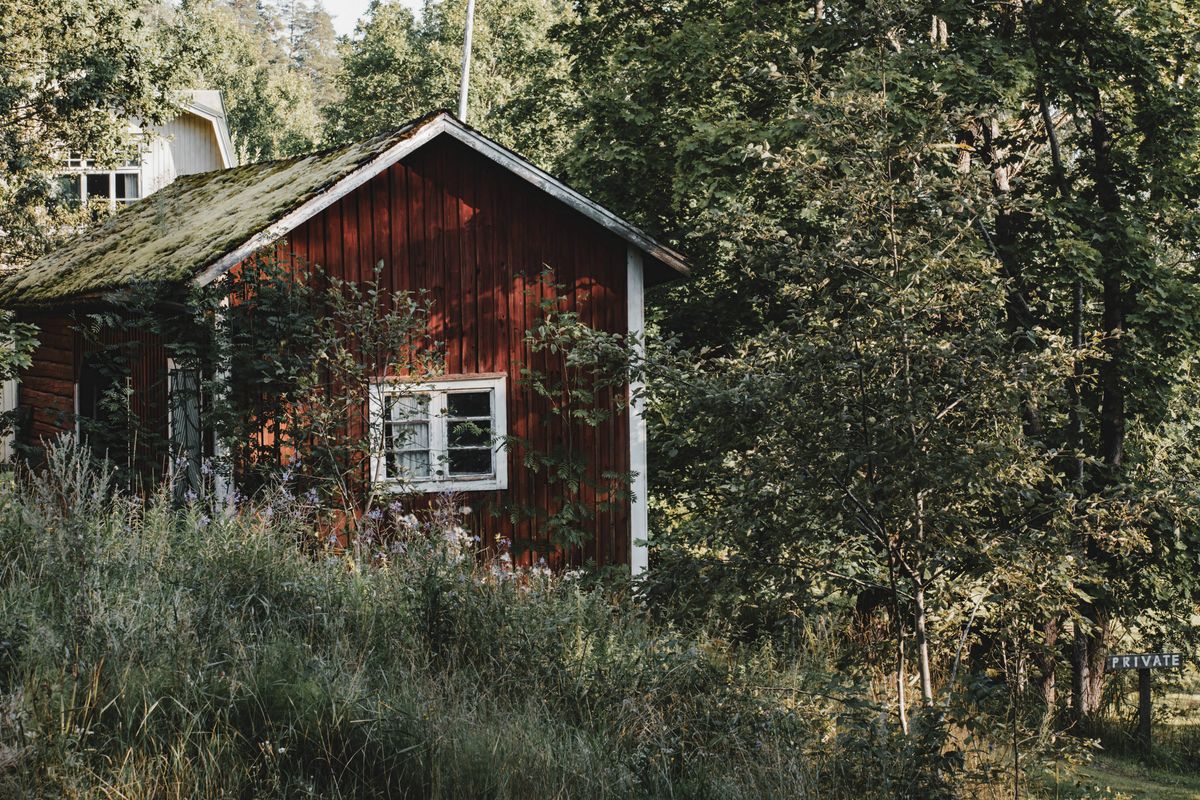
Standards vary enormously, and the difference matters at booking. At one end are traditional cabins with water drawn from a well, a dry toilet outside and a wood-fired sauna. At the other are modern ones with a full kitchen, dishwasher, hot water and internet.
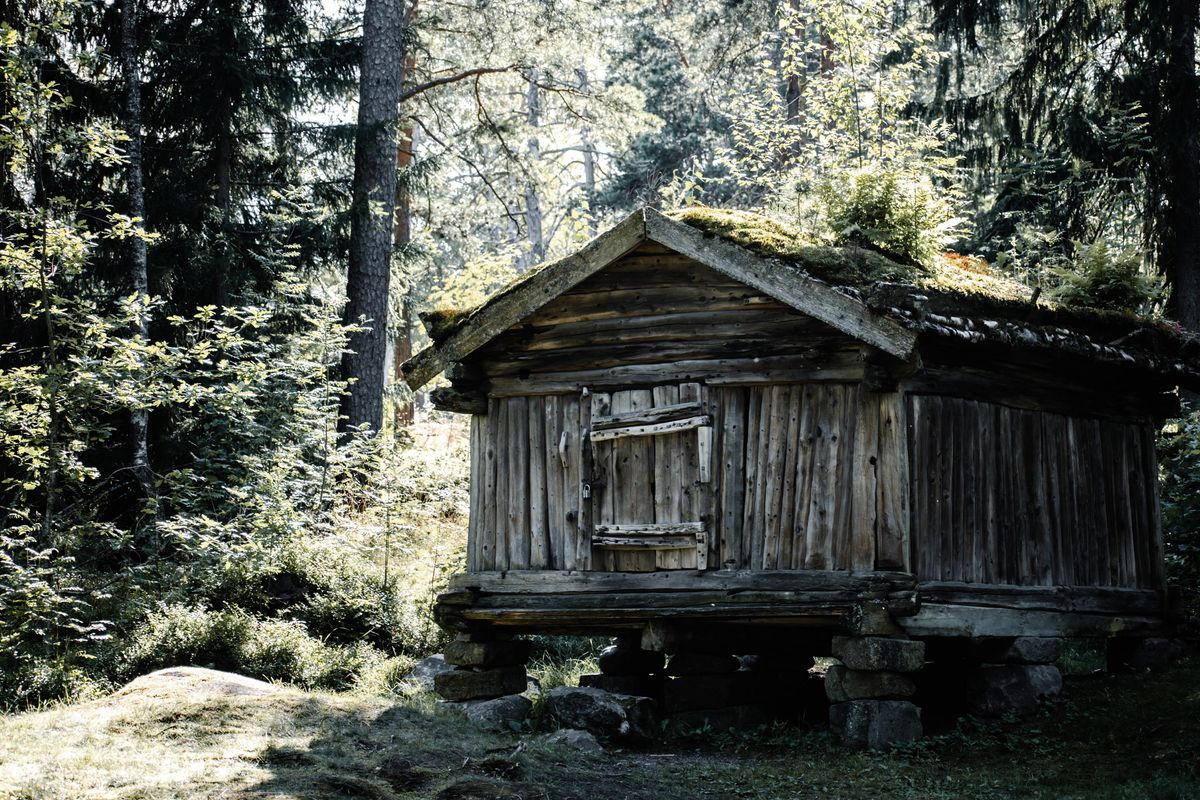
- Traditional cabin: no running water, dry toilet, wood-fired sauna, limited lighting. Cheap and authentic, but it asks something of you.
- Mid-range cabin: running water, shower, fitted kitchen, electric or wood-fired sauna.
- Modern cabin: everything a flat has, plus a fireplace, a large terrace and sometimes a hot tub.
- Winter cabin: properly insulated, with real heating, used for ski touring, ice fishing and auroras.
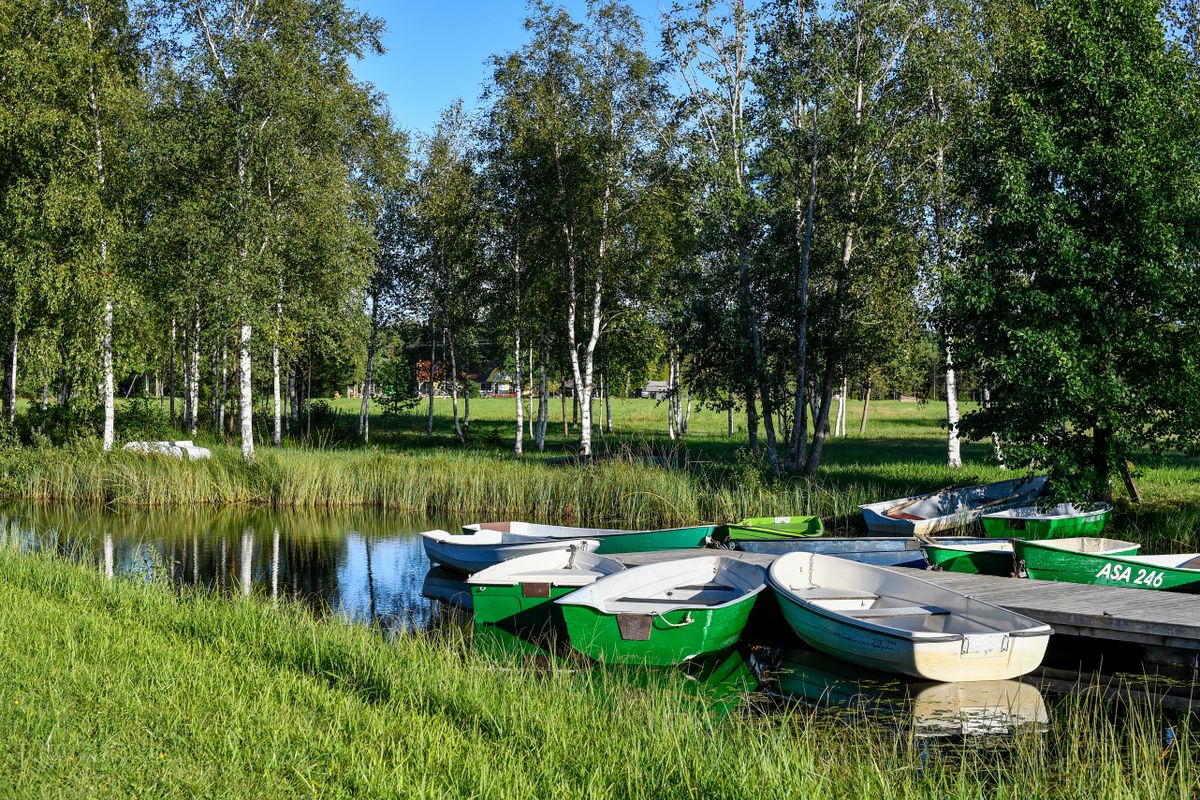
- Almost all of them include a rowing boat and a jetty.
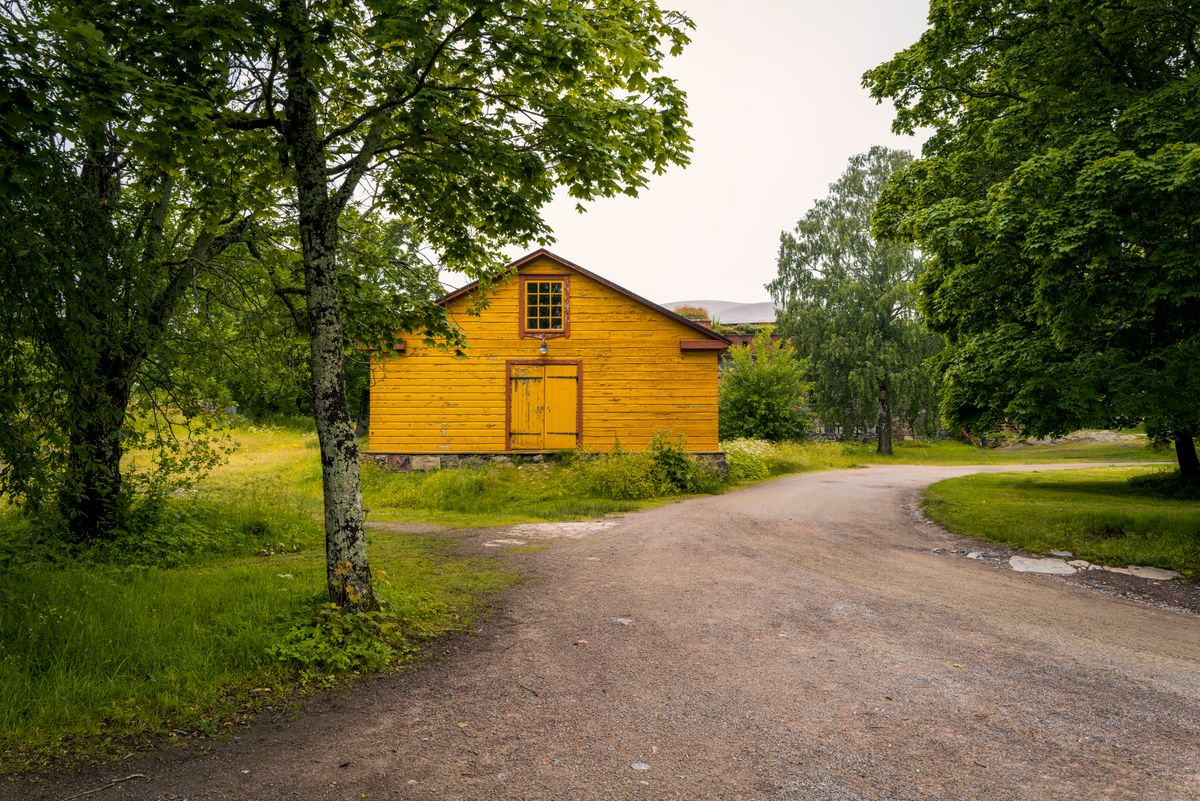
The words that matter are running water, indoor toilet and the type of sauna. A cabin without running water means exactly that: you carry it. That is not a drawback if you know in advance, and it is an unpleasant surprise if you do not.
How to book and what it costs
Cabins are usually let by the week, Saturday to Saturday, especially at the height of the season. Out of season you can find two or three night stays at noticeably lower prices.
| Type of cabin | Price |
|---|---|
| Traditional, out of season | from around 60 euros |
| Mid-range, out of season | 80 to 120 euros |
| Mid-range, high season | 120 to 200 euros |
| Modern, high season | above 200 euros |
| Juhannus week | the highest prices of the year |
| Linen and final cleaning | usually separate, 30 to 80 euros |
The best cabins for Juhannus week, the midsummer holiday, are booked half a year ahead. It is the most important weekend in the Finnish calendar, falls at the end of June, and effectively the whole country is at a cabin.
- Local specialist platforms have the widest choice and the most detailed descriptions.
- International booking platforms list fewer cabins but offer a familiar interface.
- Check the distance to the nearest shop. Ten kilometres is normal, thirty is not rare.
- Check whether firewood for the sauna and fireplace is included or charged separately.
- Ask about the boat, life jackets and whether the lake is directly accessible from the jetty.
The sauna, the part that is not negotiable
Finland has around three million saunas, and since 2020 sauna culture has been inscribed on the UNESCO intangible cultural heritage list. At a cabin it is not a facility, it is the evening programme.
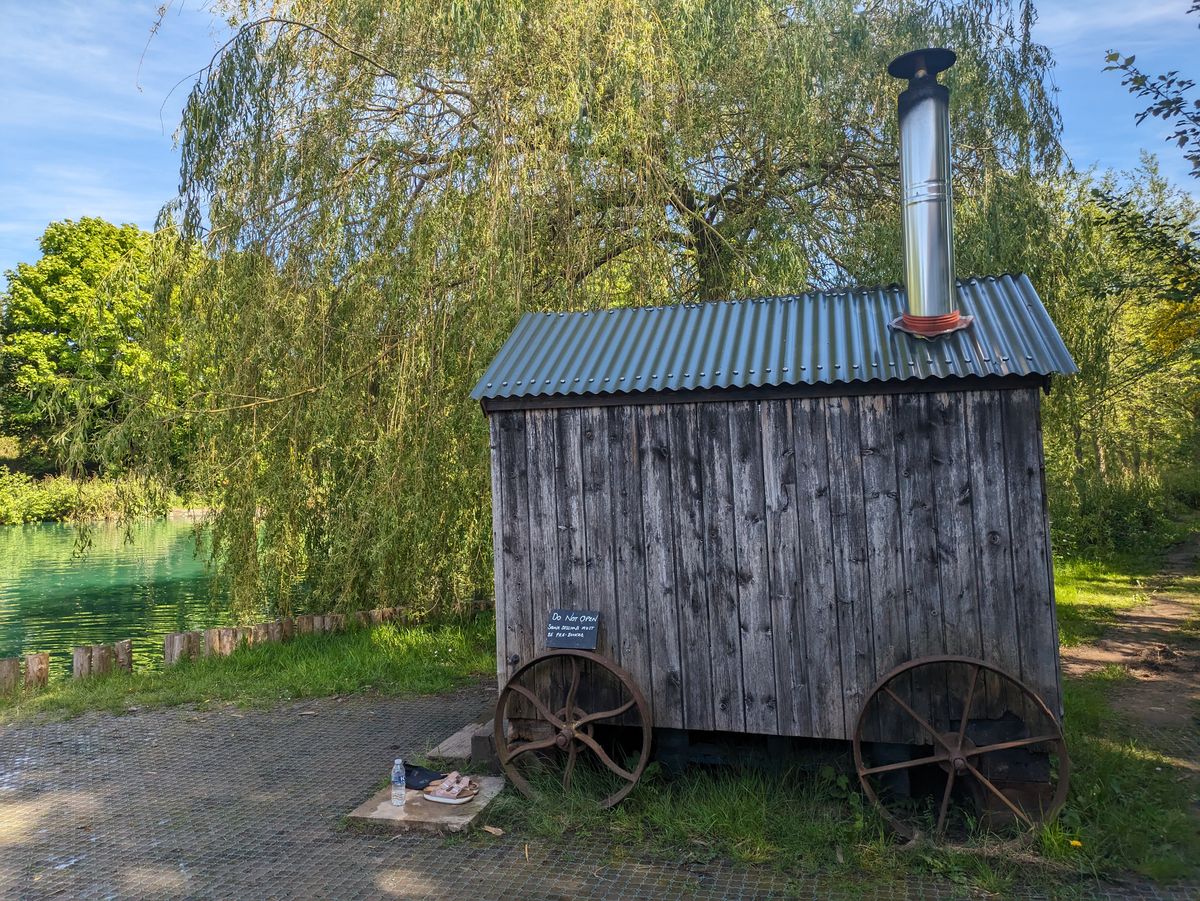
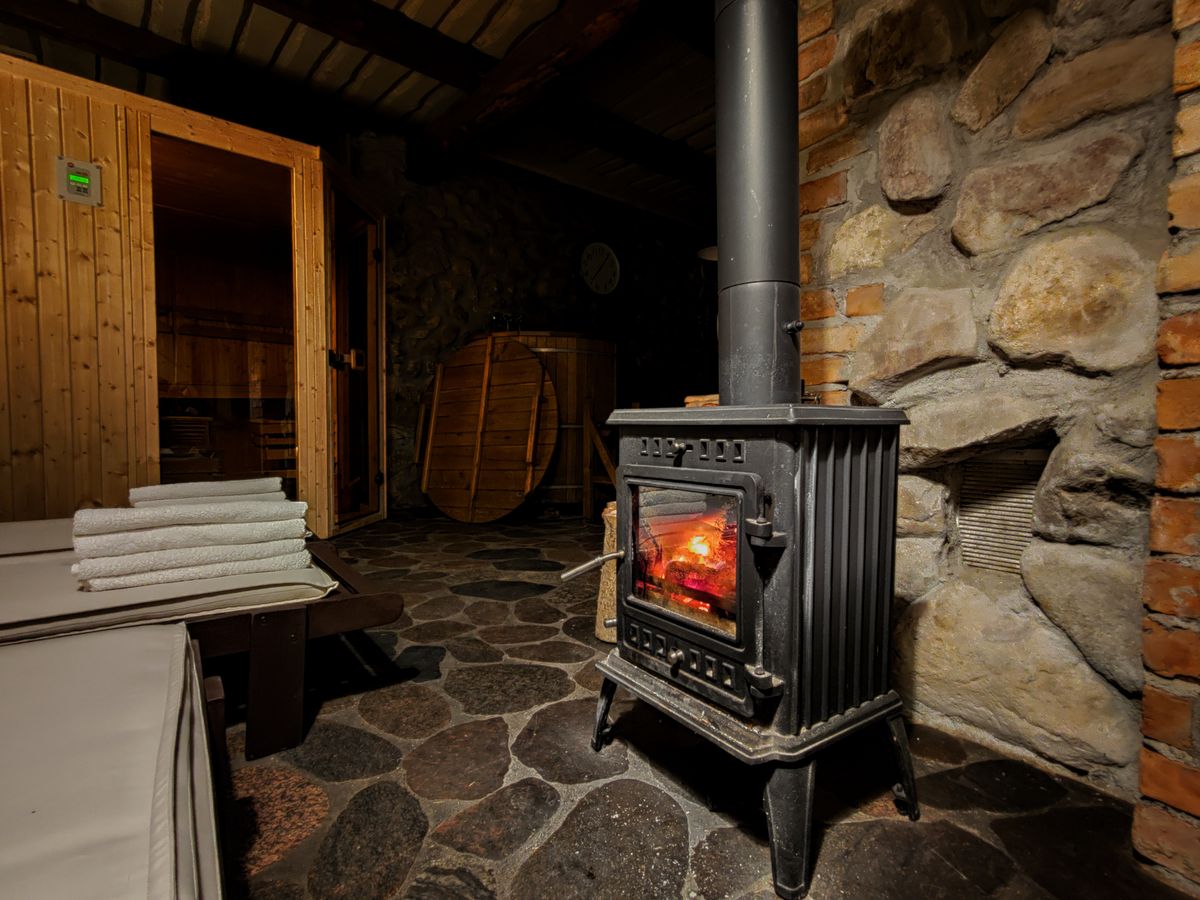
A wood-fired sauna needs about an hour to heat, so it is lit early. Normal temperature runs between seventy and ninety degrees. You sit on a bench, throw water on the stones, and the steam that results is called loyly and is in fact the whole point of the exercise.
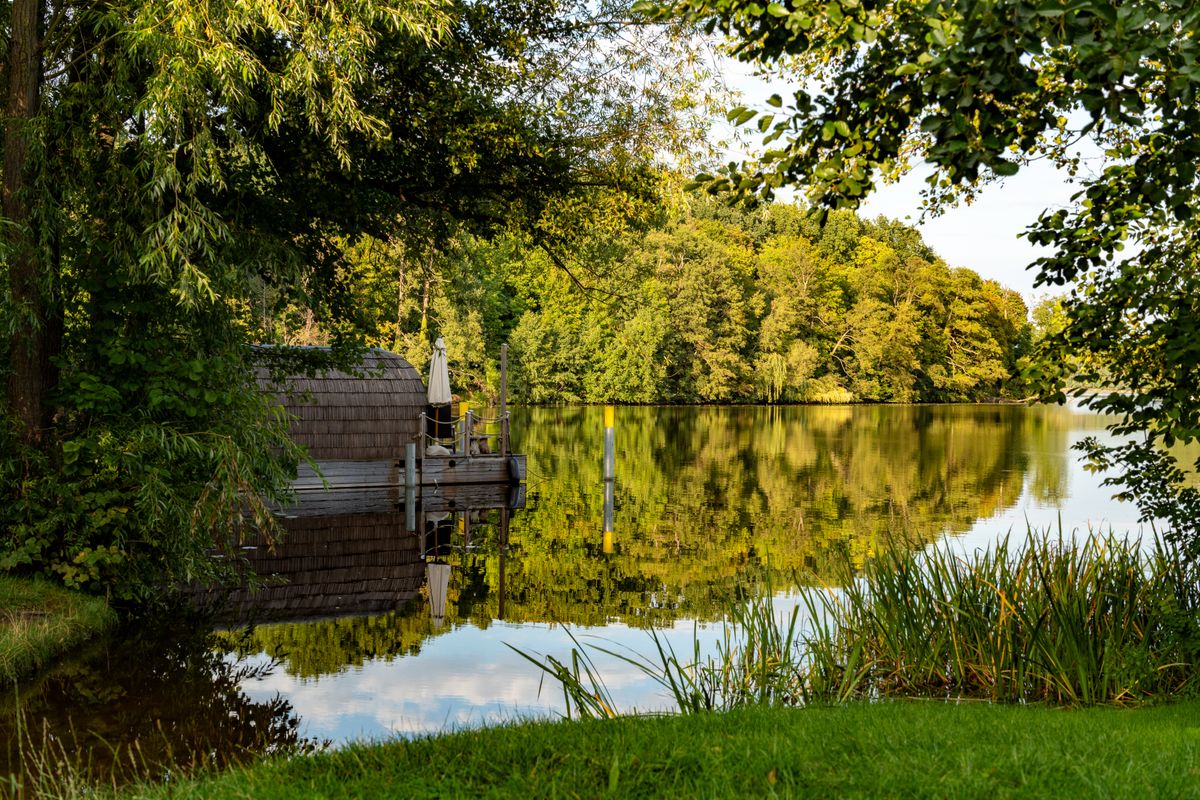
- You go in without clothes. The towel goes under you, not around you. In families and mixed groups a swimsuit is accepted, but it is not the norm.
- You sit a few minutes, come out, get into the lake or take a cold shower, and repeat two or three times.
- In winter you go straight out into the snow or into a hole in the ice. It is not compulsory, but it is the idea.
- The vasta or vihta, a bundle of birch twigs, is used to strike the skin lightly and stimulate circulation.
- Silence is perfectly acceptable. You are not expected to keep a conversation going.
- Alcohol and sauna do not mix well, especially followed by cold water.
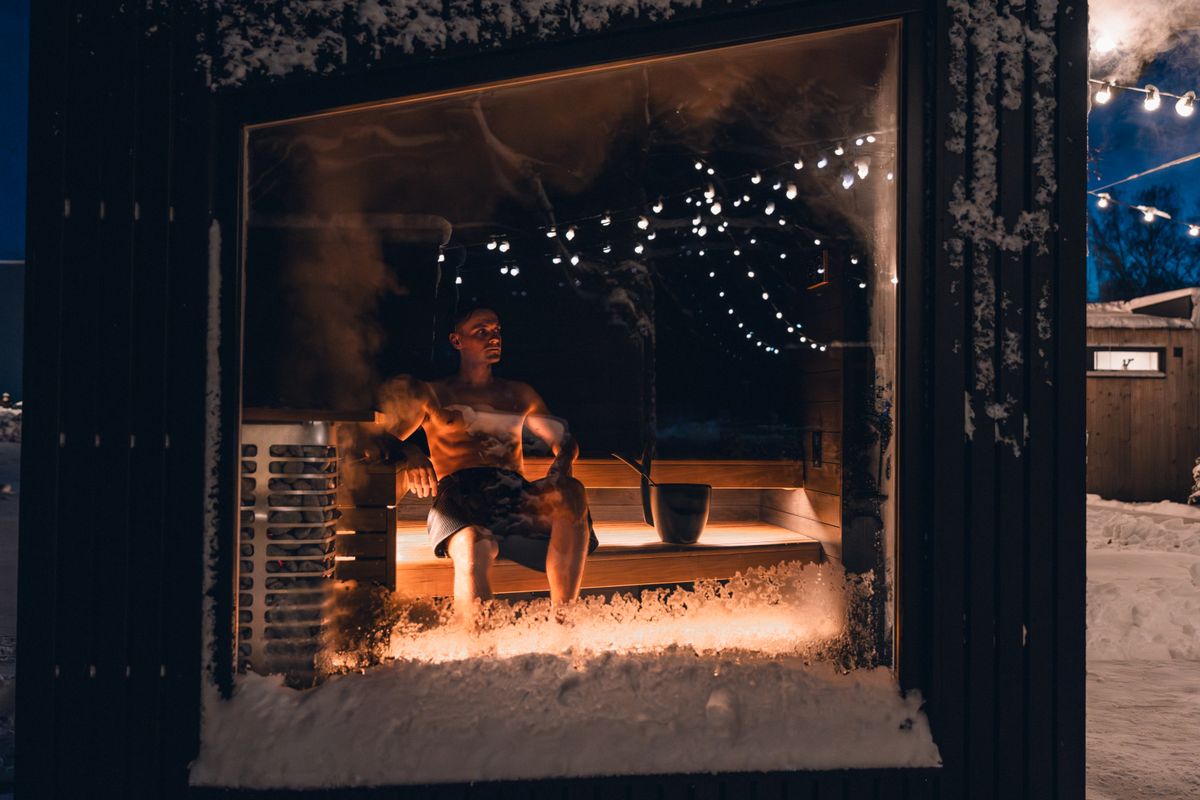
Do not use a sauna alone if you have a heart condition or have been drinking. Rehydrate between rounds. And do not jump into cold water after alcohol, however firmly somebody insists that this is how it is done. Most sauna accidents come down to exactly those two causes.
What to bring and what the rules are outdoors
Logistics are the part that catches people out. The cabin is far from everything, and Finnish shops close early and shut entirely on many holidays.
- Food for the whole stay, bought in the last sizeable town. Buy more than you think you need.
- Strong mosquito repellent, essential in June and July, especially near water.
- Layers of clothing. Even in July, evenings on the lakeshore are cold.
- Sandals and a towel for the sauna and the jetty.
- A head torch, if you travel outside summer, when the nights are genuinely dark.
- A sleeping bag or your own linen, if you have not paid for the linen option.
Finland has the everyman right, jokamiehenoikeus, which lets you walk, pick berries and mushrooms and camp briefly on unfenced land regardless of who owns it. It does not extend to somebody yard, it does not permit lighting fires without consent, and it does not give you licence to disturb anyone.
Waste sorting is strict and follows the instructions posted in the cabin. On departure the cabin is left clean and the sauna ash fully extinguished. These are simple rules, but they are taken seriously.
When it is worth going
Summer is the obvious answer but not the only one, and the difference between seasons is larger than you would expect.
| Period | What it is like |
|---|---|
| June | days with almost no night, water still cold, mosquitoes building |
| July | the warmest month, the water warms up, peak prices and occupancy |
| August | the best compromise: warm water, fewer mosquitoes, prices easing |
| September | ruska, the autumn colour, complete quiet, cold evenings |
| December to March | snow, frozen lake, ice fishing, auroras in the north |
| April and May | thaw, the least attractive window |
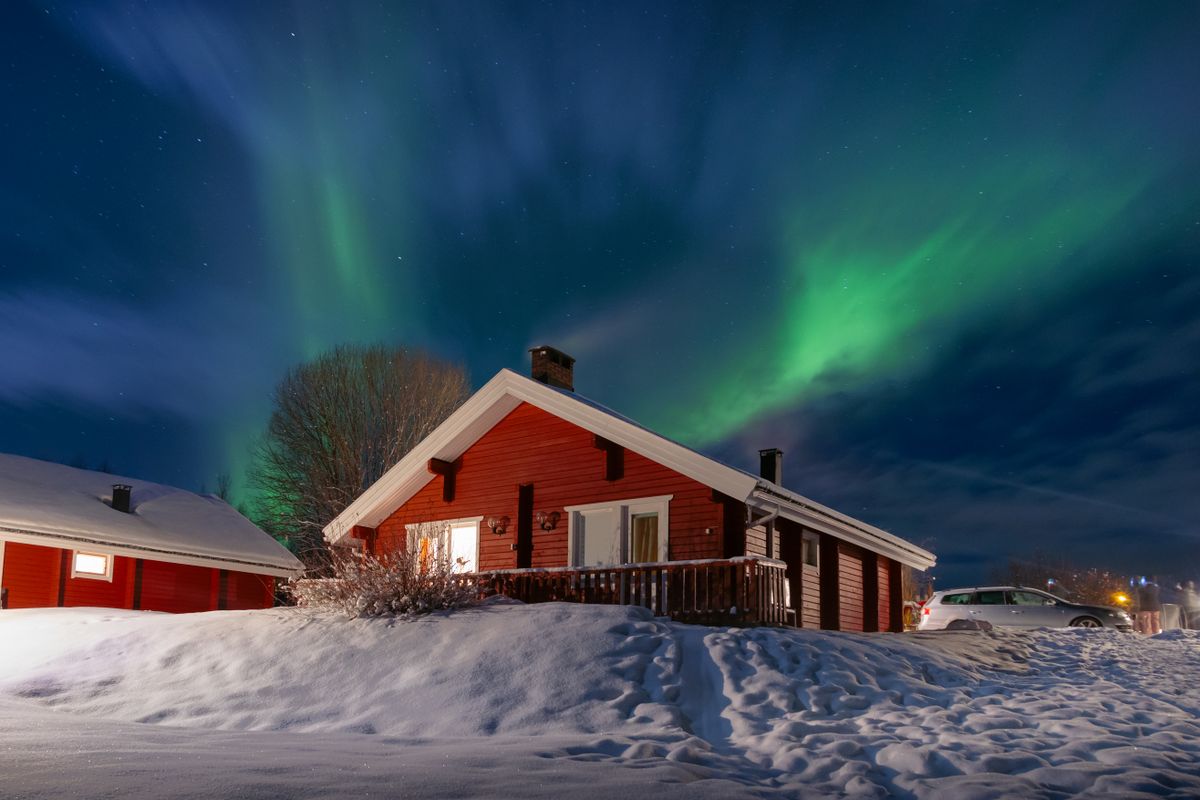
Winter changes the nature of the holiday entirely. In the north of the country the cabin becomes a base for auroras, ski touring and ice fishing, and the sauna followed by a roll in the snow acquires a point it does not have in summer. Winter cabins are a different stock from summer ones, properly insulated, and have to be sought out as such.
Getting there usually means flying to Helsinki, hiring a car and driving two to three hours east or north. General background and distances at Visit Finland.
Frequently asked questions (FAQ)
Conclusion
A mökki is not picturesque accommodation, it is how an entire country spends its summer: no neighbours, a boat at the jetty and the sauna lit in the evening. The difference between a good holiday and a poor one is decided at booking, in the details about running water, distance to the shop and the type of sauna.
Choose August, bring repellent and food for the week, and leave the phone indoors. That is what you go there for.
