
 By

Kopački Rit is a floodplain of about two hundred and thirty square kilometres in the north eastern corner of Croatia, where the Drava flows into the Danube. It is one of the largest and best preserved river wetlands left in Europe, and part of a transboundary biosphere reserve spanning five countries that UNESCO describes as the Amazon of Europe.
What you see there, how the boat trips work, why the water level decides everything, and what you need to know about mosquitoes.
What Kopački Rit is and why it is called the Amazon of Europe
The nickname does not refer to the park itself but to the whole of which it is part. In 2021 UNESCO declared a transboundary biosphere reserve along the Mura, Drava and Danube rivers, covering around nine hundred and thirty thousand hectares across five countries. It is the largest riverine protected area in Europe, and Kopački Rit is its heart.
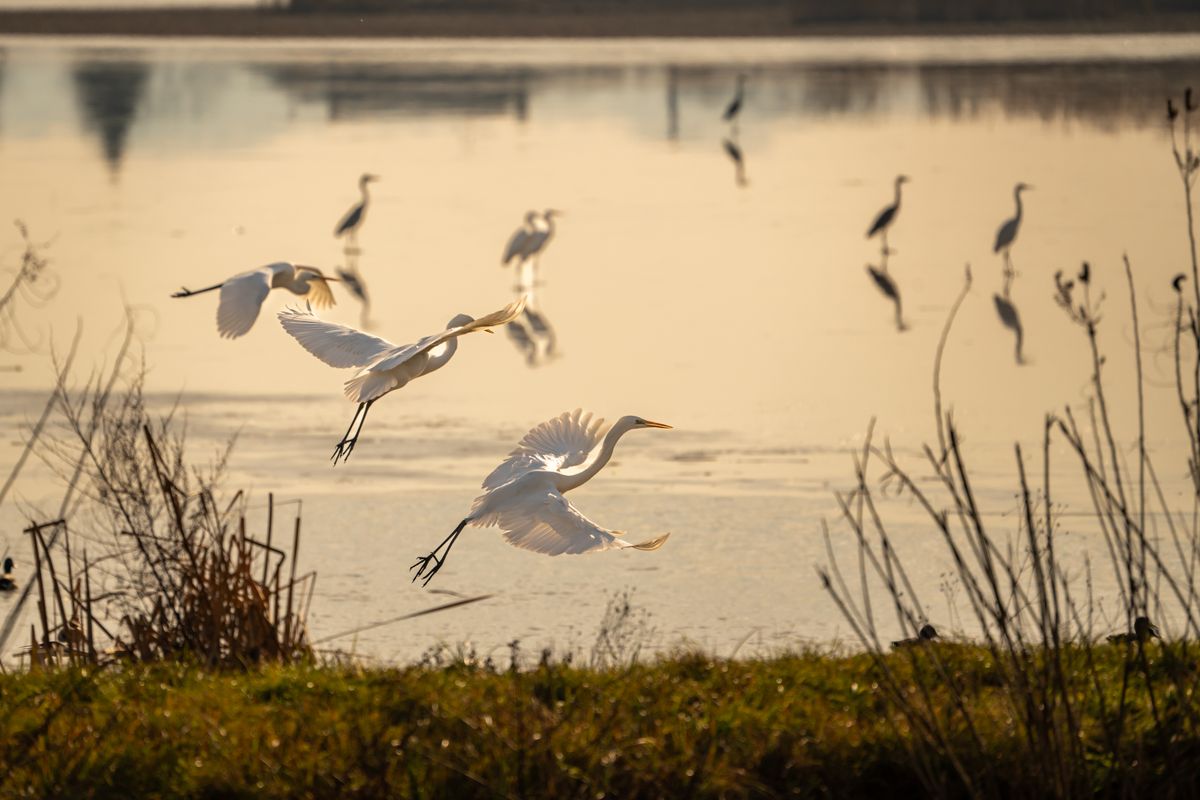
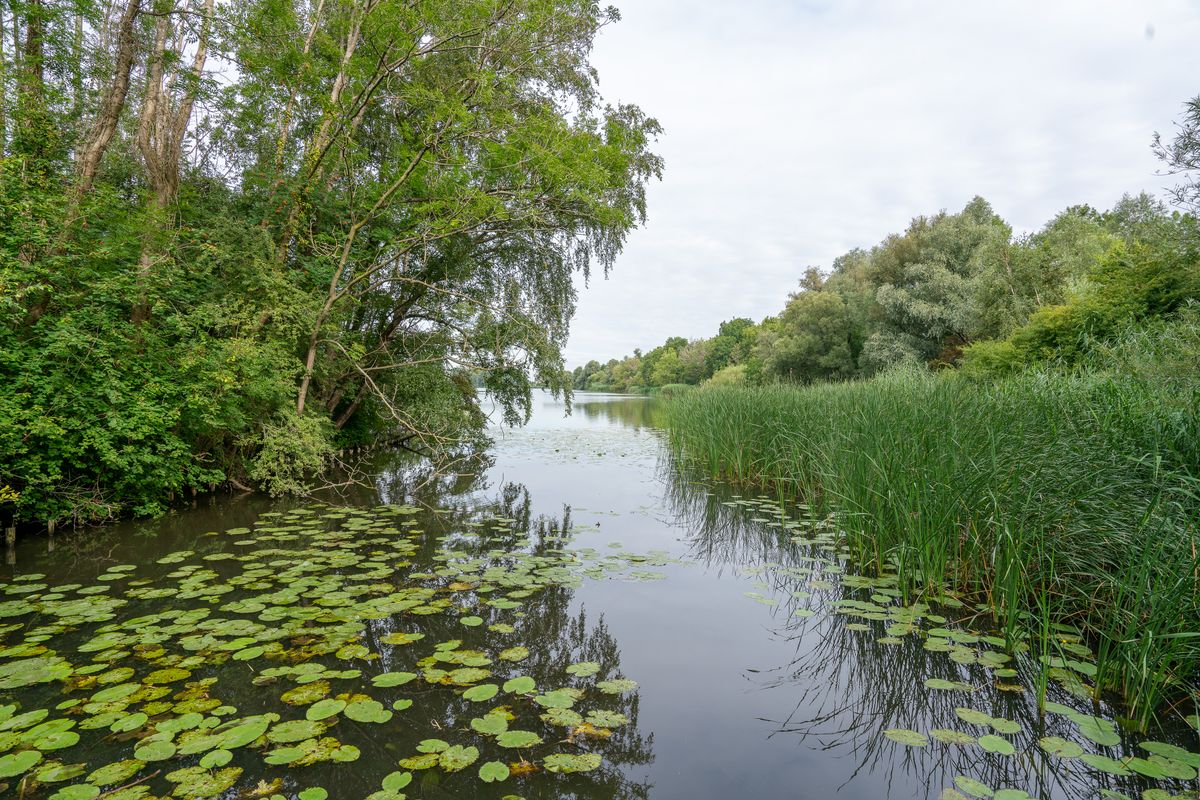
What makes it special is not the area but the fact that the natural flooding regime has been preserved. The rivers still break their banks in spring, cover the forest and withdraw, exactly as they did before the embankments of the nineteenth century. In Europe that has become the exception.
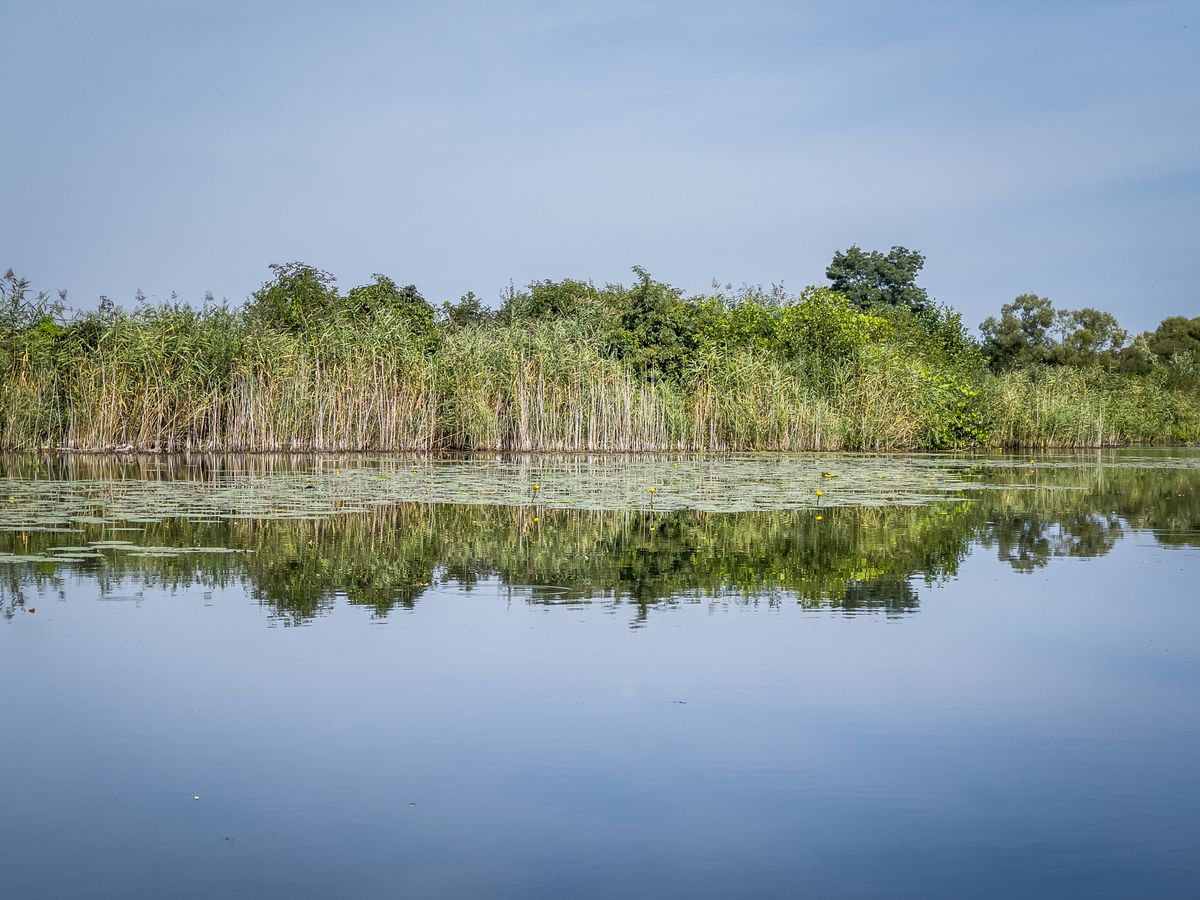
The area has also been a Ramsar site since 1993, meaning international recognition as a wetland of major importance for birds.
The birds and the rest of the wildlife
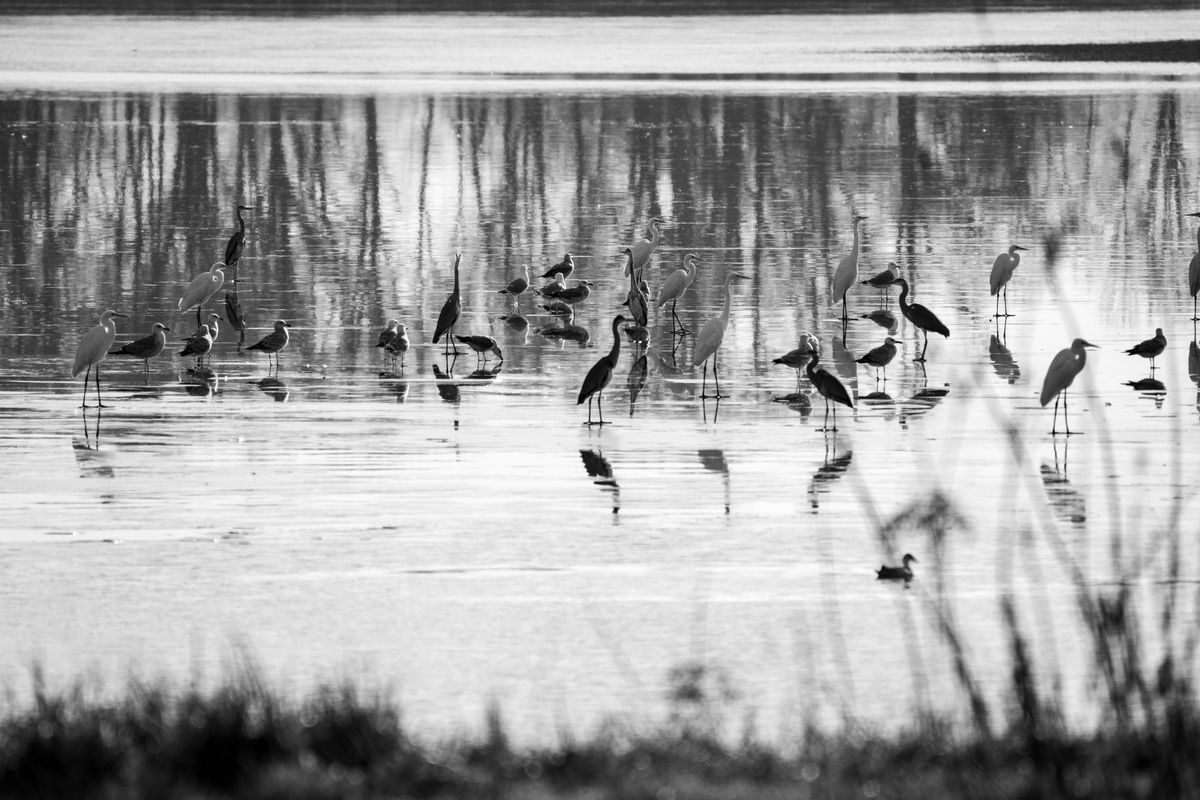
Over three hundred bird species have been recorded here, which puts the park among the best watching sites in Central Europe.
- The white-tailed eagle: the park holds the largest breeding population in Croatia.
- The black stork, far rarer and more retiring than the white.
- Large colonies of cormorants and herons, visible directly from the water.
- The spoonbill and the purple heron, both species of European interest.
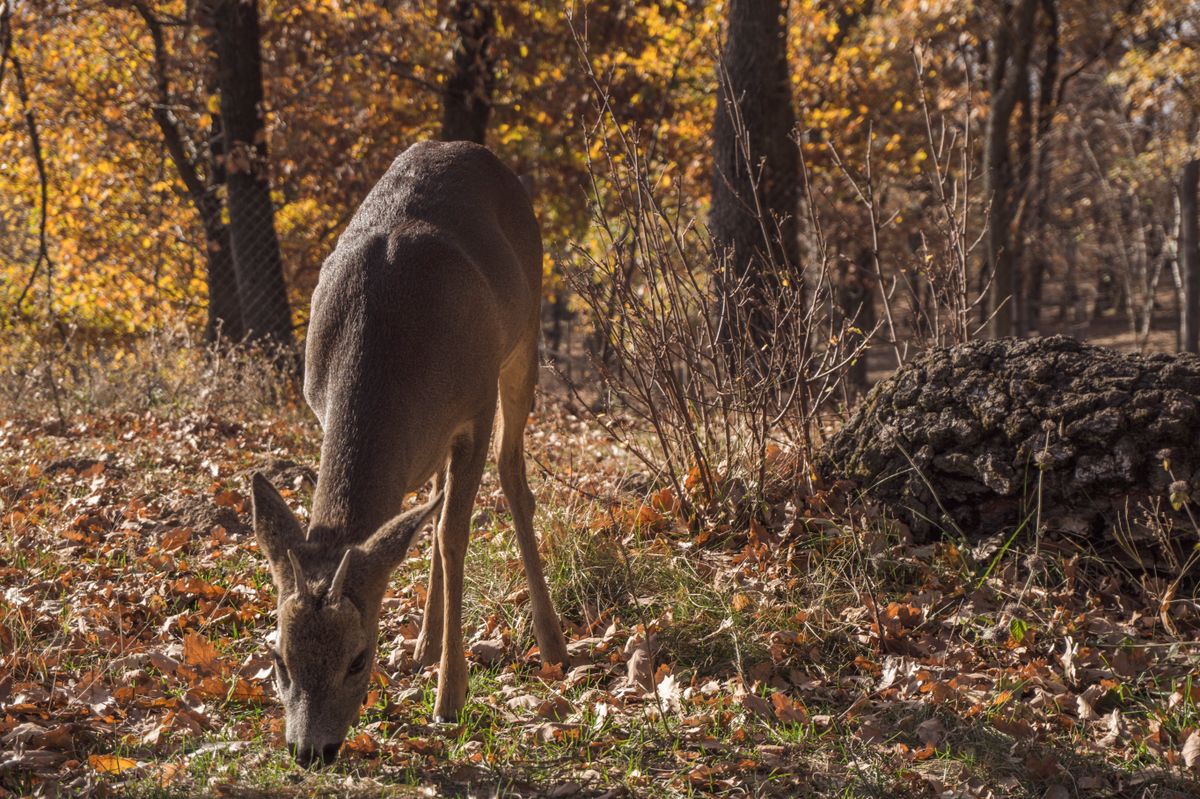
- Red deer, wild boar, beavers and otters, either reintroduced or returned naturally.
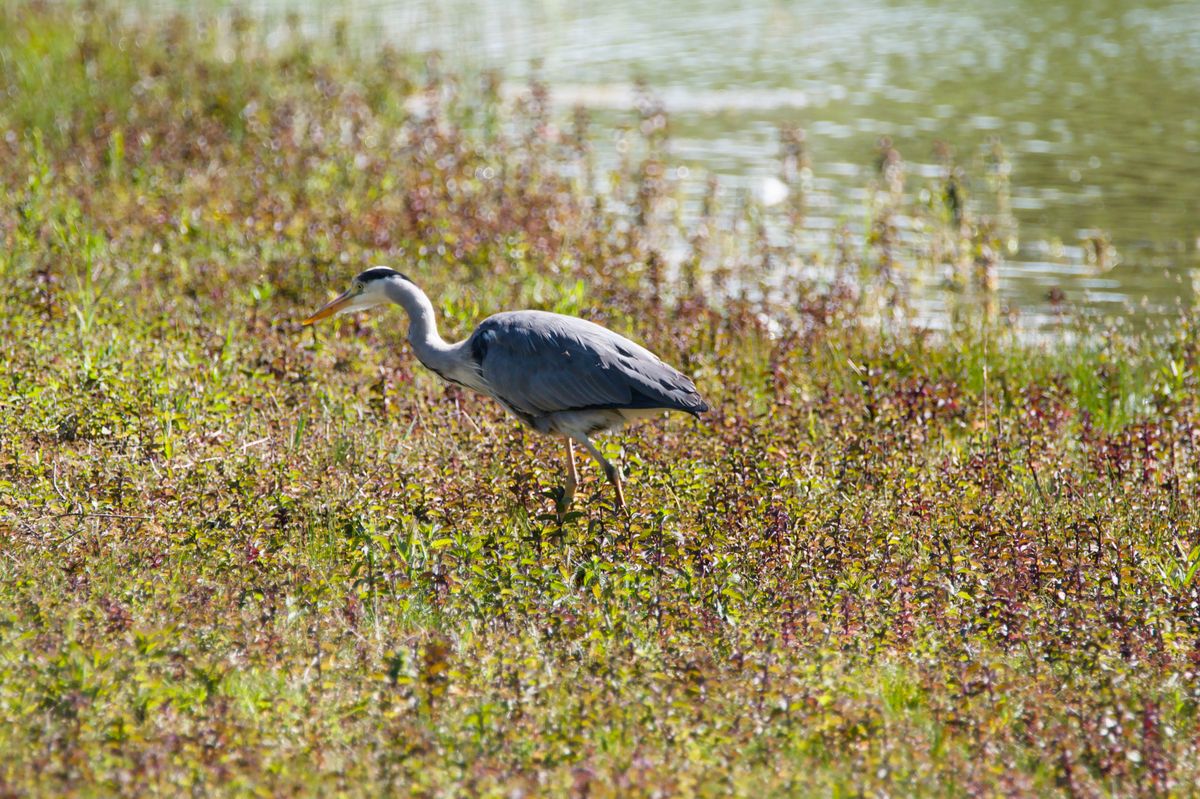
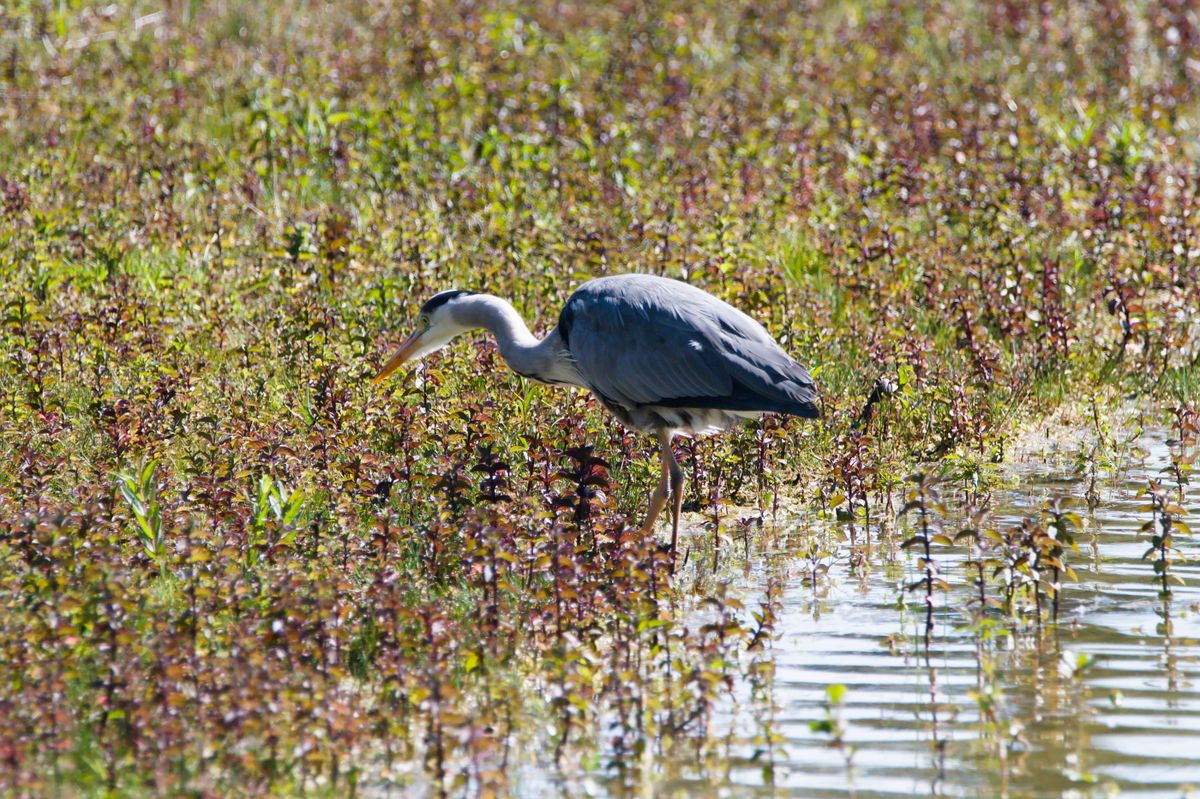
The best period for birds is April to June, in the middle of the breeding season. In autumn, in September, the deer rut takes place, and the sound carries to the boat. They are two entirely different experiences in the same place.
The water level decides everything
This is the most important practical point and the one most visitors miss. The park has no fixed appearance. It floods and drains, and what you can do there depends directly on how much water there is at that moment.
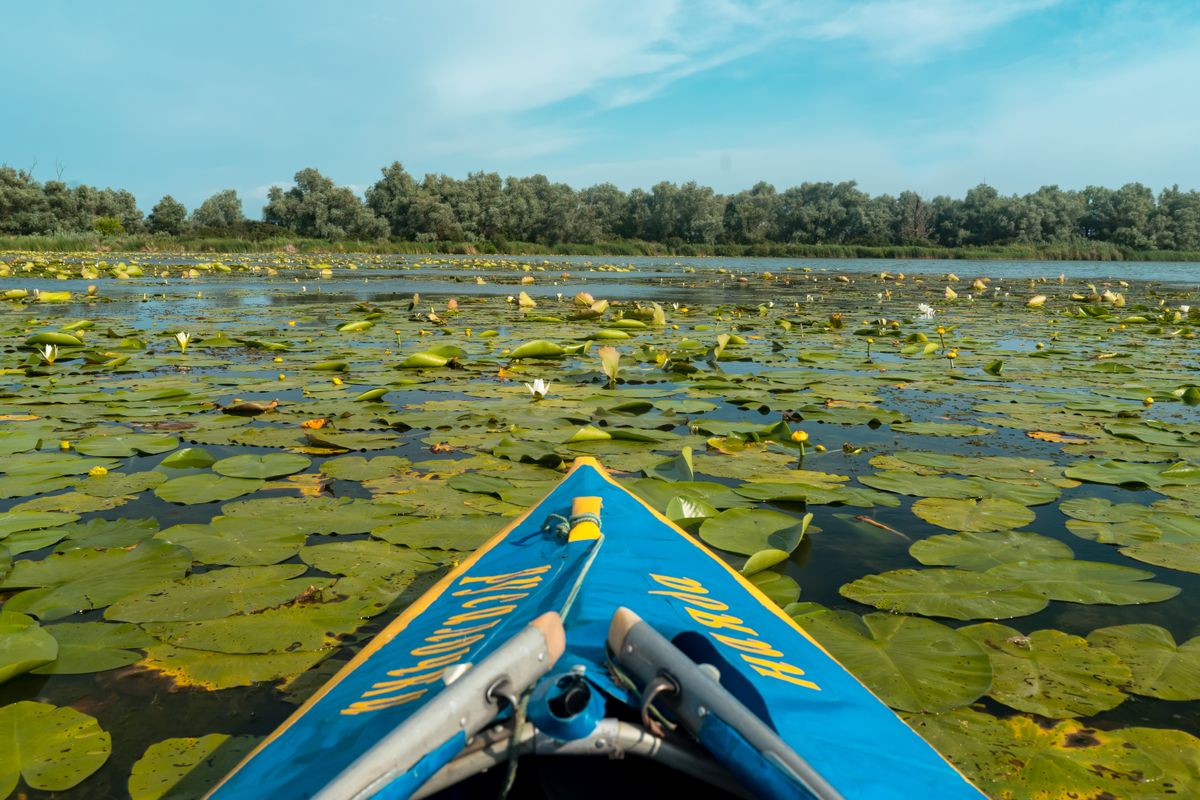
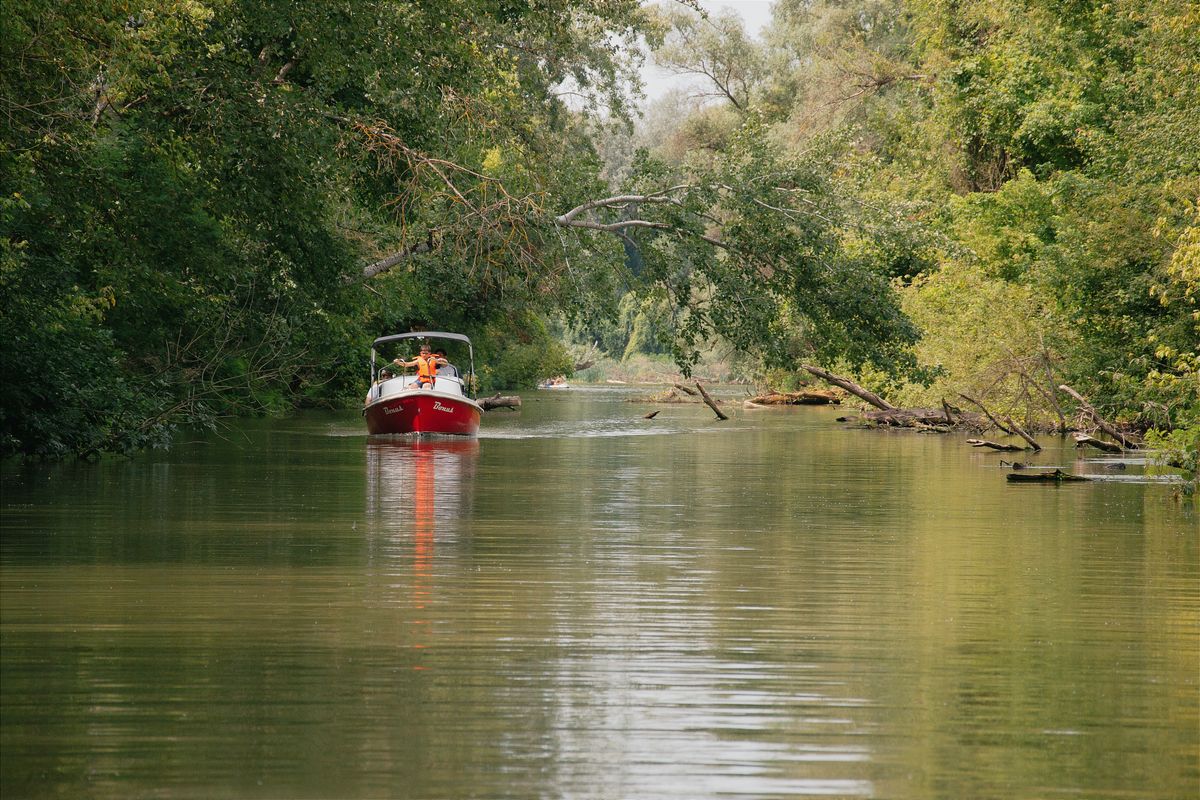
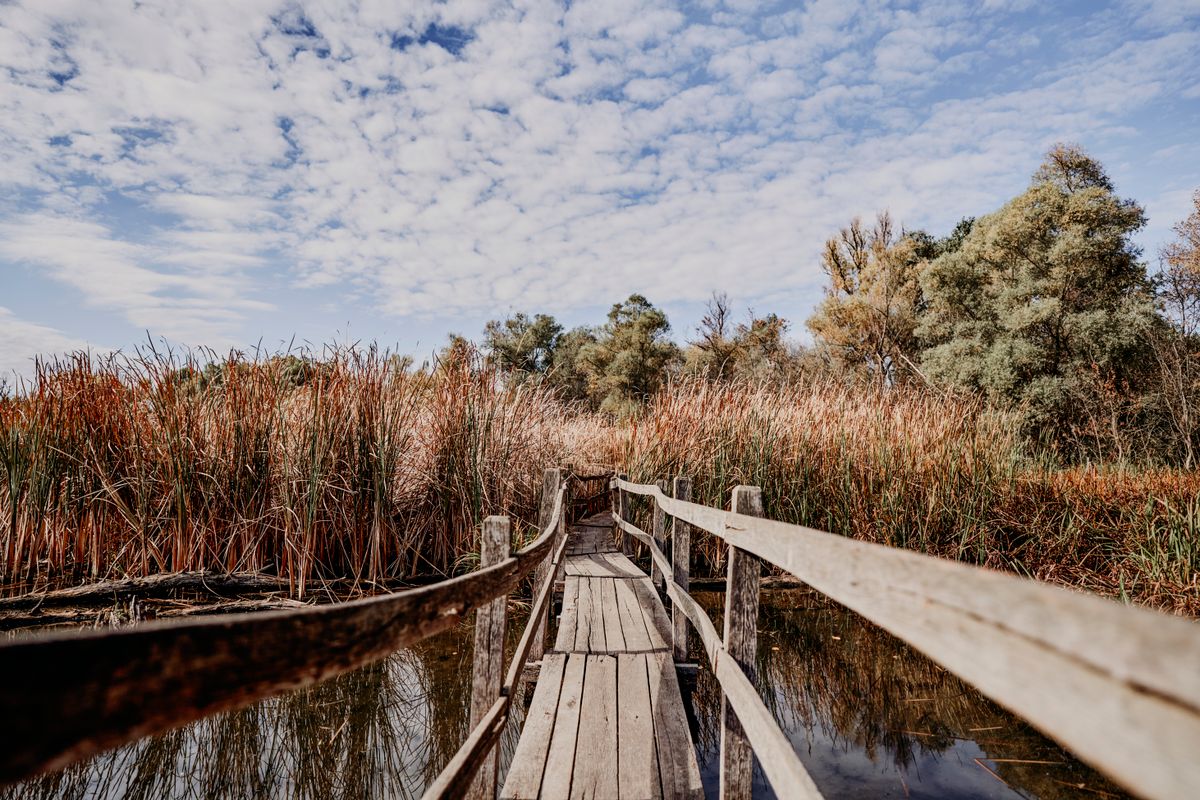
When the level is high, usually in spring and early summer, the boat trips run along the channels and the main lake, and the landscape looks exactly like the photographs. When the water drops, in late summer or in dry years, the trips can be suspended entirely and the lake is reduced to pools. Conversely, in a major flood the wooden boardwalk can be submerged and closed. It cuts both ways, but the conclusion is simple: telephone the visitor centre the day before and ask directly what is running. Do not commit a whole day of driving without confirming.
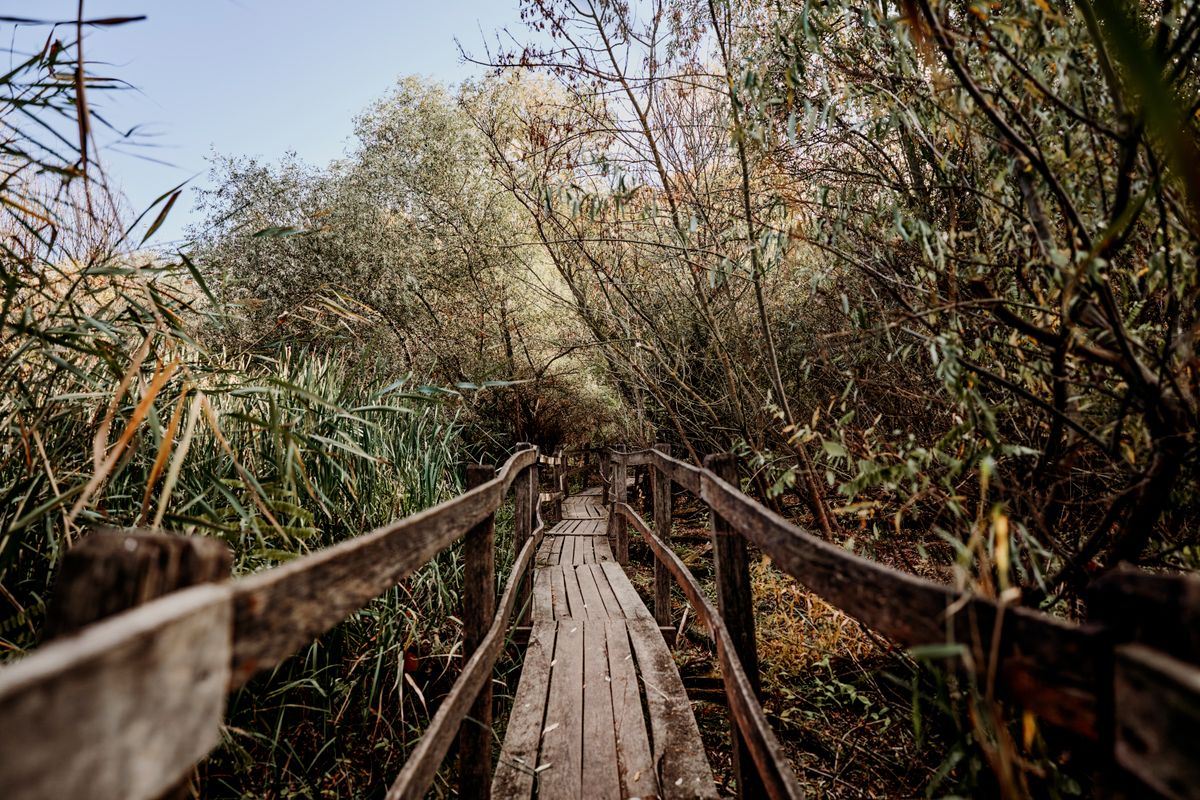
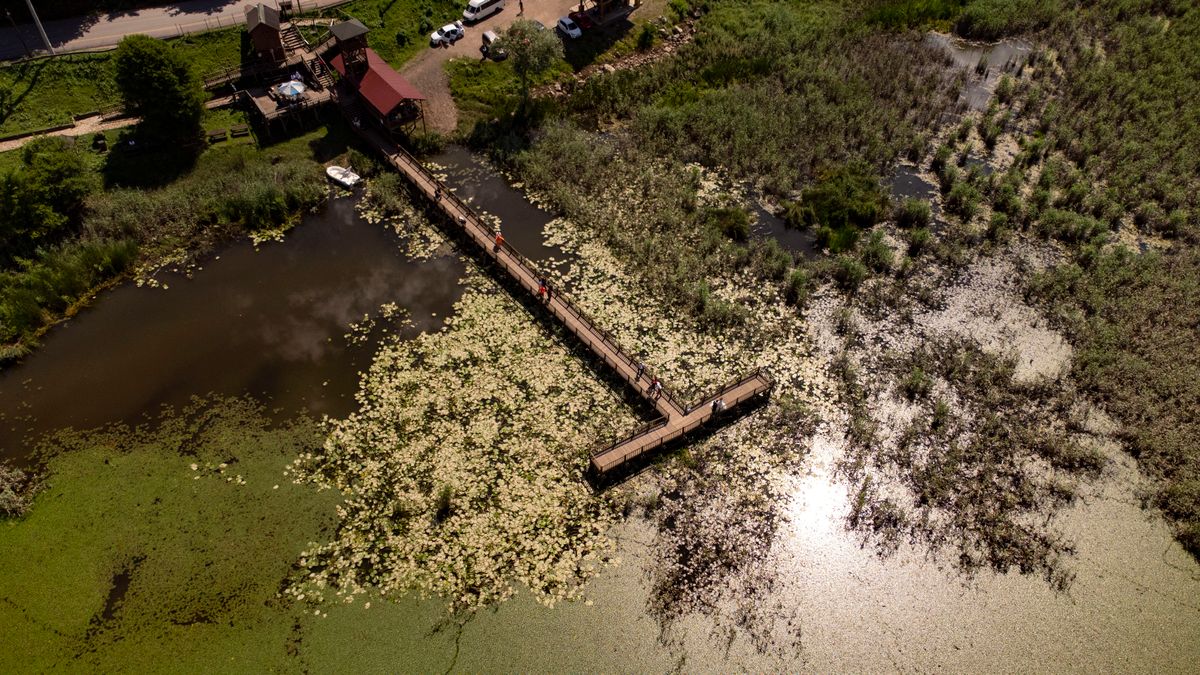
The wooden boardwalk of about two kilometres, crossing the floodplain forest, is the alternative when the boats are not running. You walk it, it is free once you have paid the entrance, and it offers the best chance of seeing birds close up.
The mosquitoes, which nobody writes about
It is worth saying plainly, because it changes the visit: from June to August the floodplain mosquitoes are present in very large numbers. This is not guidebook exaggeration, it is the main reason people leave earlier than they planned.
The solutions are simple and they work: strong repellent applied before you get out of the car, long sleeves and trousers even in the heat, and avoiding the hours around sunrise and sunset, when they are most active. The boat is better than the boardwalk in this respect, because you are moving.
In April, May, September and October the problem virtually disappears, which is a further argument for the shoulder seasons.
How a visit actually works
You enter the park through the visitor centre, where you pay the entrance fee and book the boat trip, if it is running.
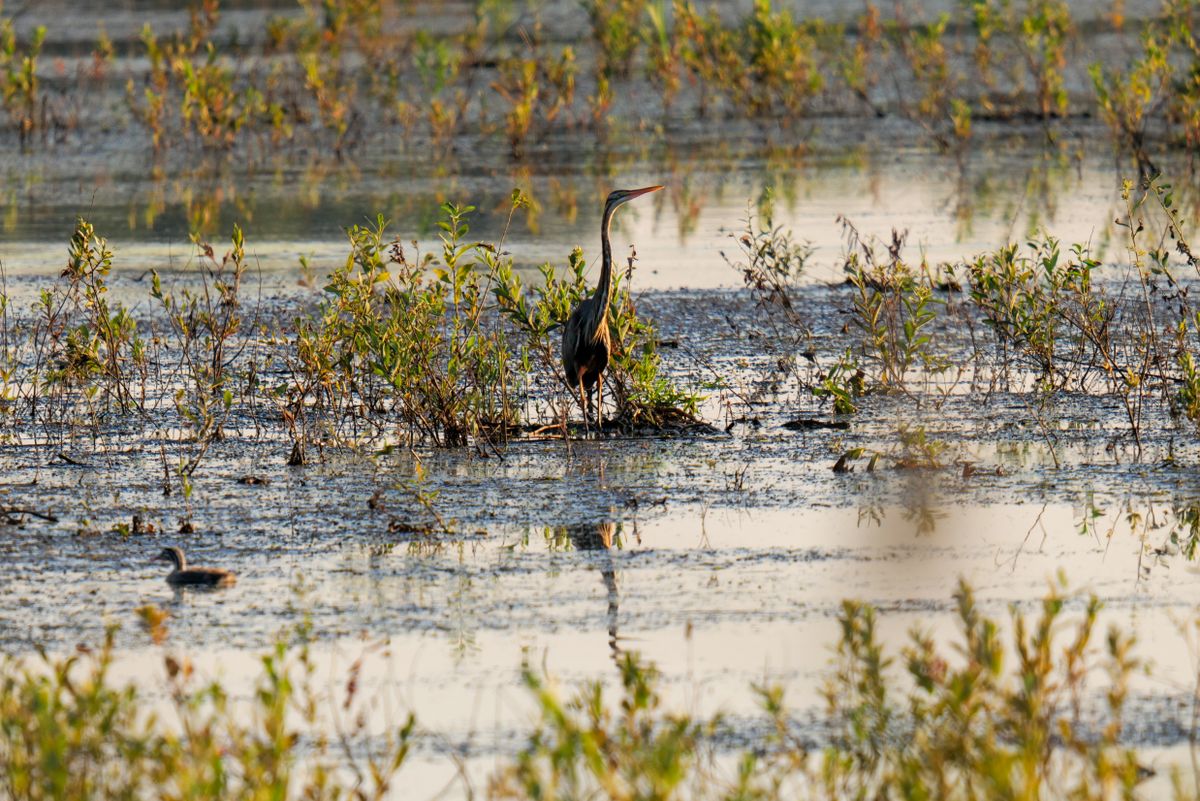
- The boat trip: about an hour along the channels and the main lake, with a guide. The best option when the water allows it.
- The wooden boardwalk: about two kilometres through the floodplain forest, on foot, at your own pace.
- The observation towers, for anyone coming specifically for the birds.
- The Tikveš complex: a former Habsburg hunting estate, later used as a hunting lodge by Tito. Under gradual restoration.
- Guided birdwatching tours, binoculars included, booked in advance.
One safety note tied to recent history: the Baranja region was affected by the conflict of the nineteen nineties and the land has been cleared of mines since. The trails and visitor areas are safe, but the rule anywhere in eastern Croatia remains not to leave the marked paths and boardwalks.
Getting there, where to stay and when to go
| Item | Detail |
|---|---|
| From Osijek | about 12 kilometres, 20 minutes |
| From Zagreb | around 3 hours |
| From Budapest | about 3 hours |
| Time needed | half a day, a full day with a bird tour |
| For birds | April to June |
| For deer | September, during the rut |
| Essential | strong repellent from June to August |
Most people stay in Osijek, twenty minutes away, or in the villages of Baranja, where there are rural guest houses and wineries. Baranja has its own wine region on the Bansko Brdo hills, and pairing the park with a tasting is the most natural combination in the area.
Opening hours, fees and the status of the boat trips are published by the nature park administration, and general travel information by the Croatian national tourist board.
Frequently asked questions (FAQ)
Conclusion
Kopački Rit is what remains of a river that was never denied the right to leave its bed: a forest that floods in spring, over three hundred bird species and a biosphere reserve across five countries.
Ring the visitor centre the day before to find out whether the boats are running, come in April or September, and bring repellent if you end up going in summer.
