
 By

Košice is the second city of Slovakia, with around two hundred and thirty thousand residents, at the far eastern end of the country. It has the easternmost Gothic cathedral in Europe, one of the longest pedestrian plazas on the continent, and, as the detail that surprises everyone, the oldest coat of arms ever granted to a European city, awarded in 1369.
What there is to see, what the European Capital of Culture year left behind, what to eat and what to combine the visit with.
What Košice is and why the trip east is worth it
The city lies in a broad valley about four hundred kilometres from Bratislava, closer to Budapest and to Uzhhorod than to its own capital. That position explains its history: for centuries it was a trading town at the crossroads between Hungary, Poland and the east of the continent.
In 1369 King Louis I of Hungary granted the city a coat of arms by written charter, which is regarded as the oldest formal grant of arms to a town anywhere in Europe. The original document survives and is presented as such.
For a visitor what matters is that the historic centre came through almost intact, and that the city is significantly cheaper than Bratislava or Prague. It is the sort of place you do not plan for and then stay an extra day in.
What to see in the centre
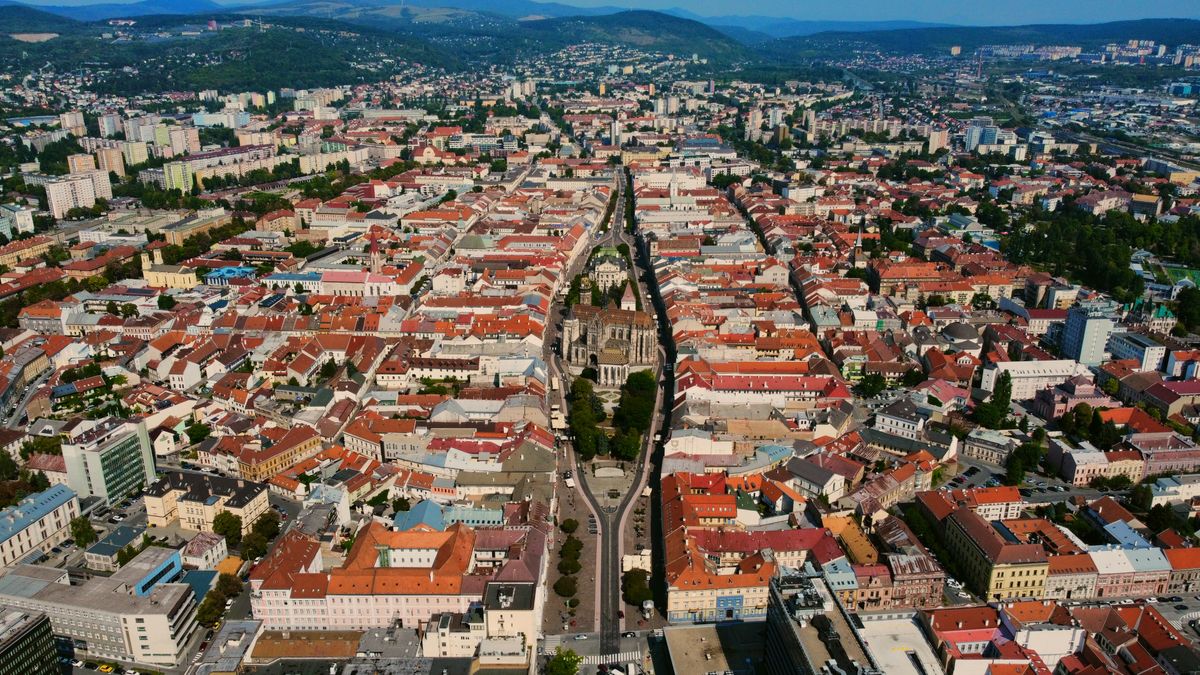
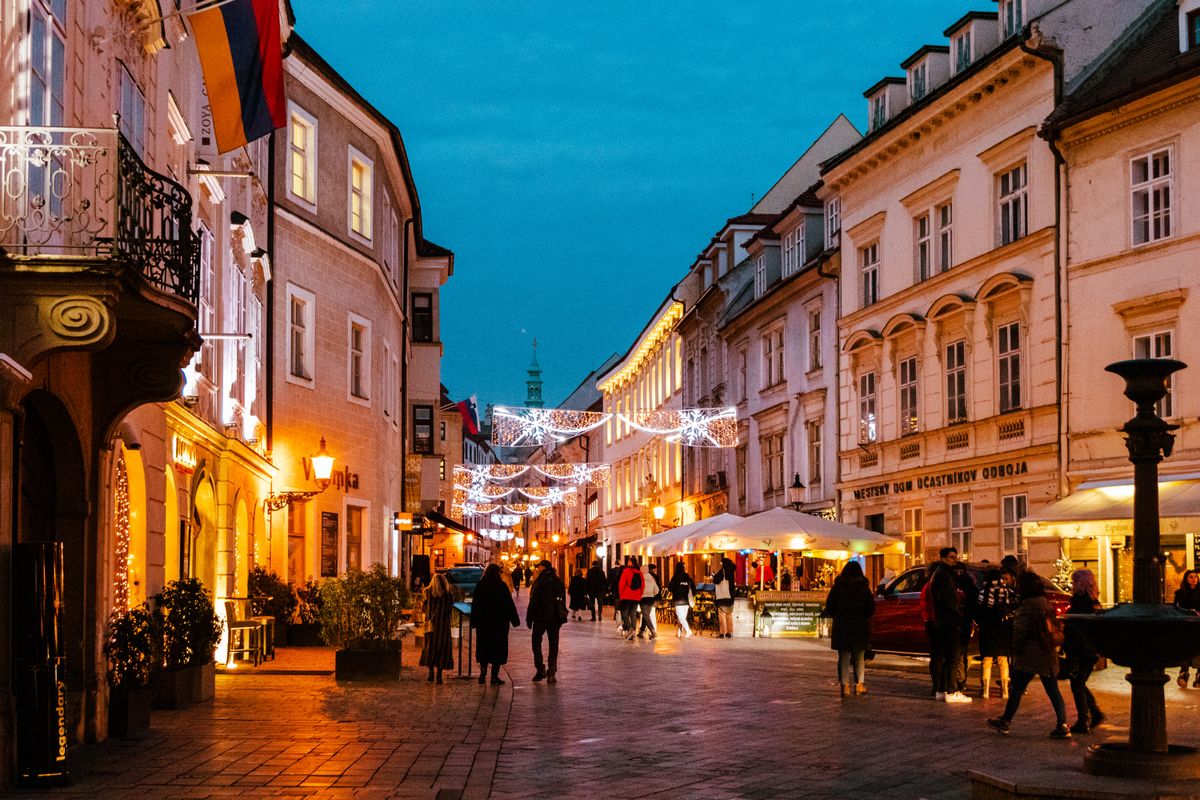
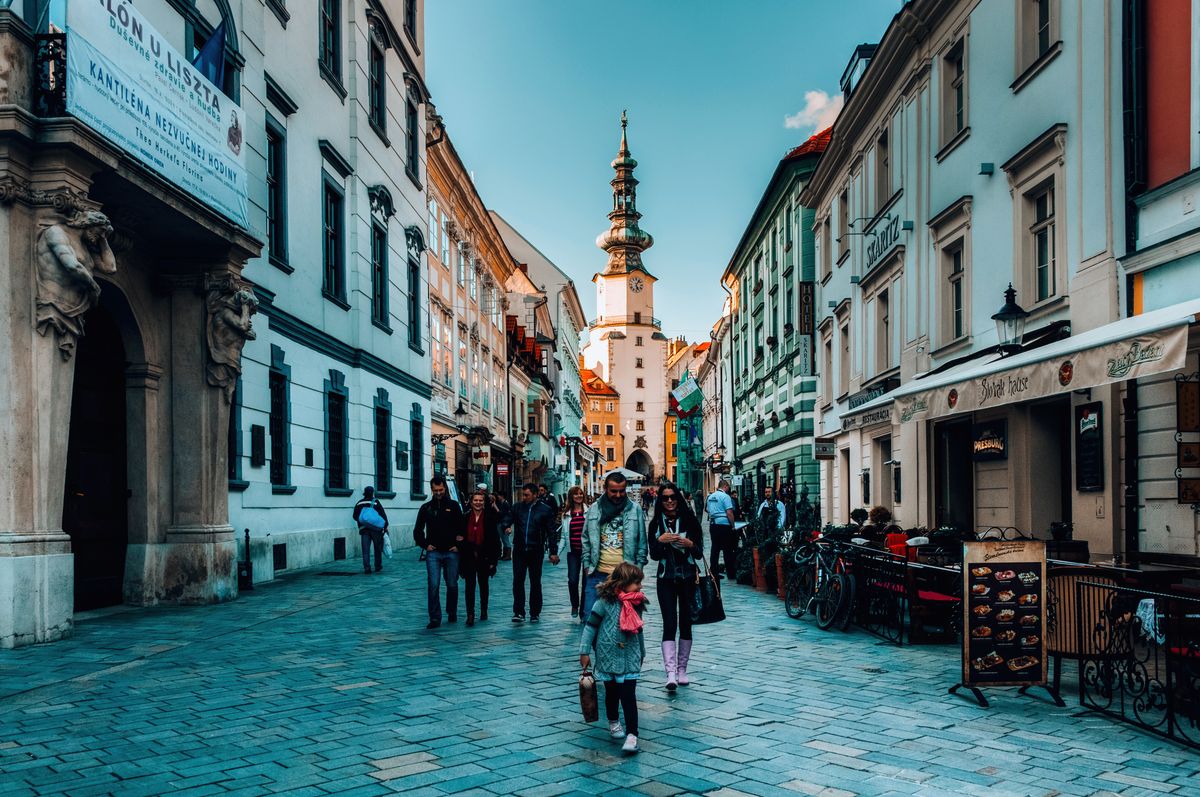
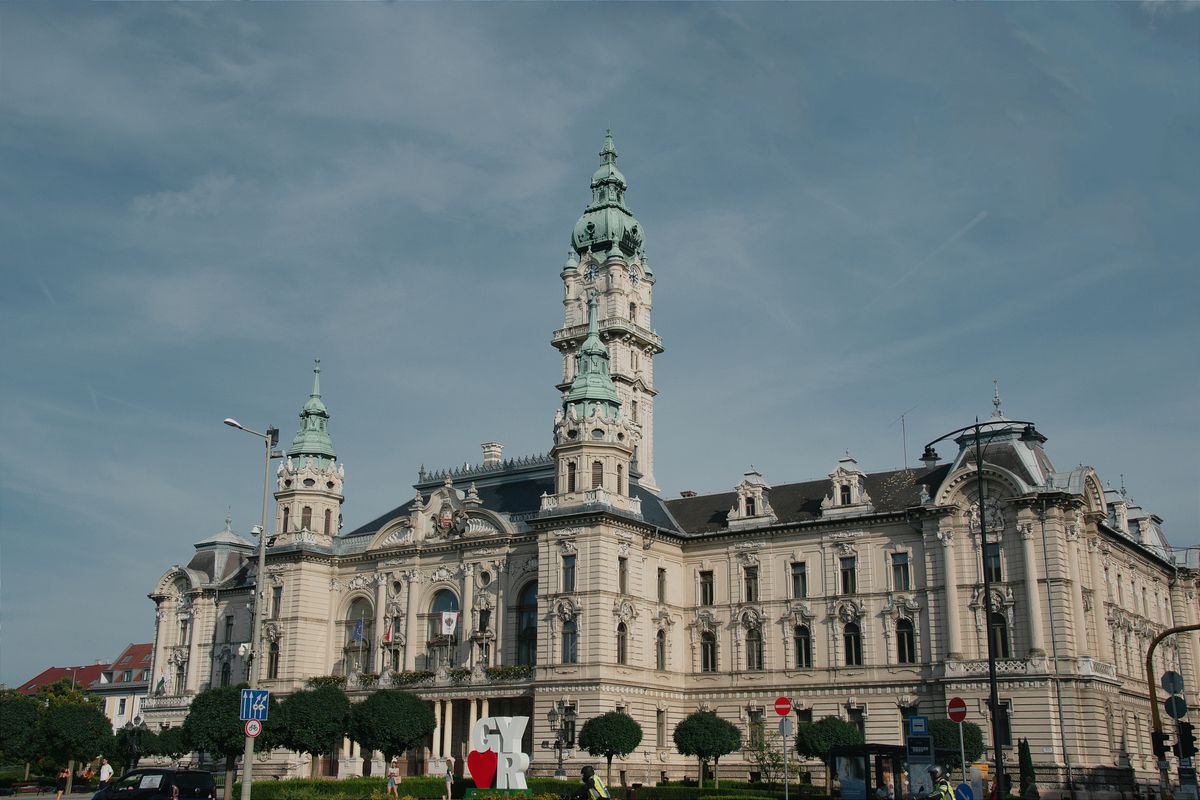
Everything revolves around a single street. Hlavná ulica is lens shaped, widening in the middle into an elongated plaza, and it holds practically every sight.
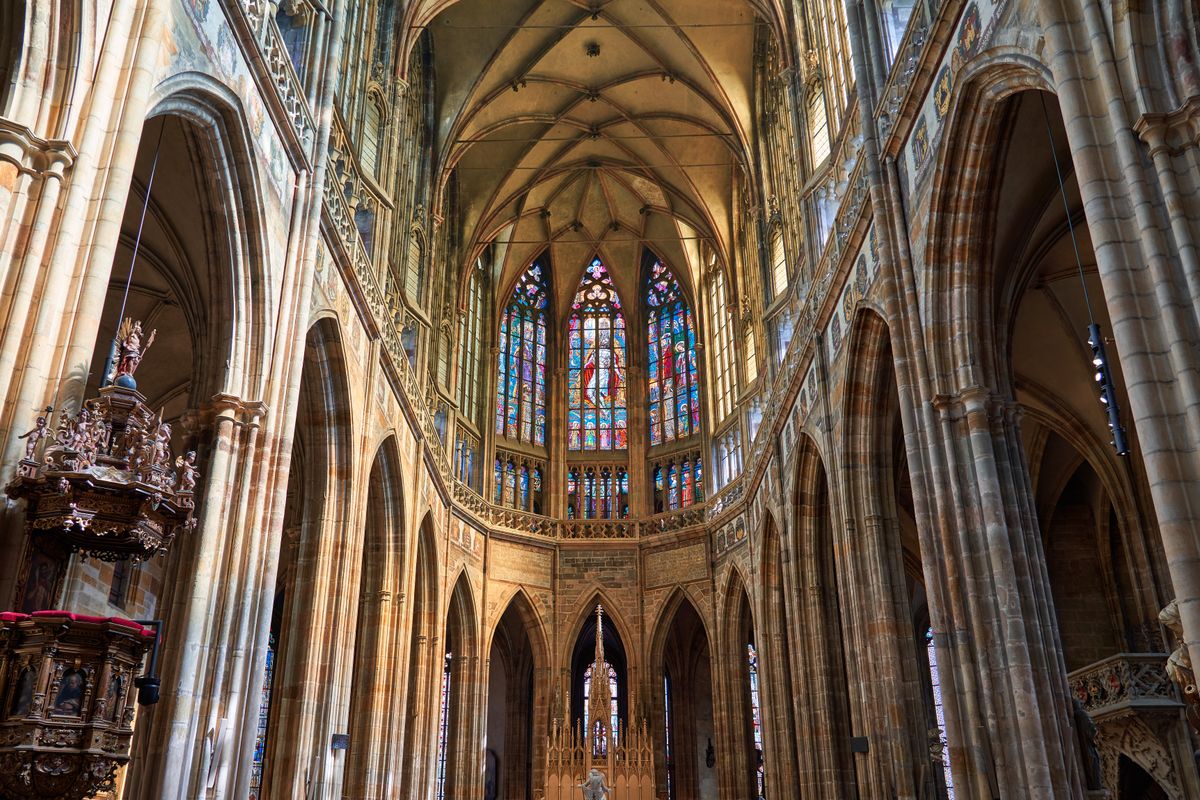
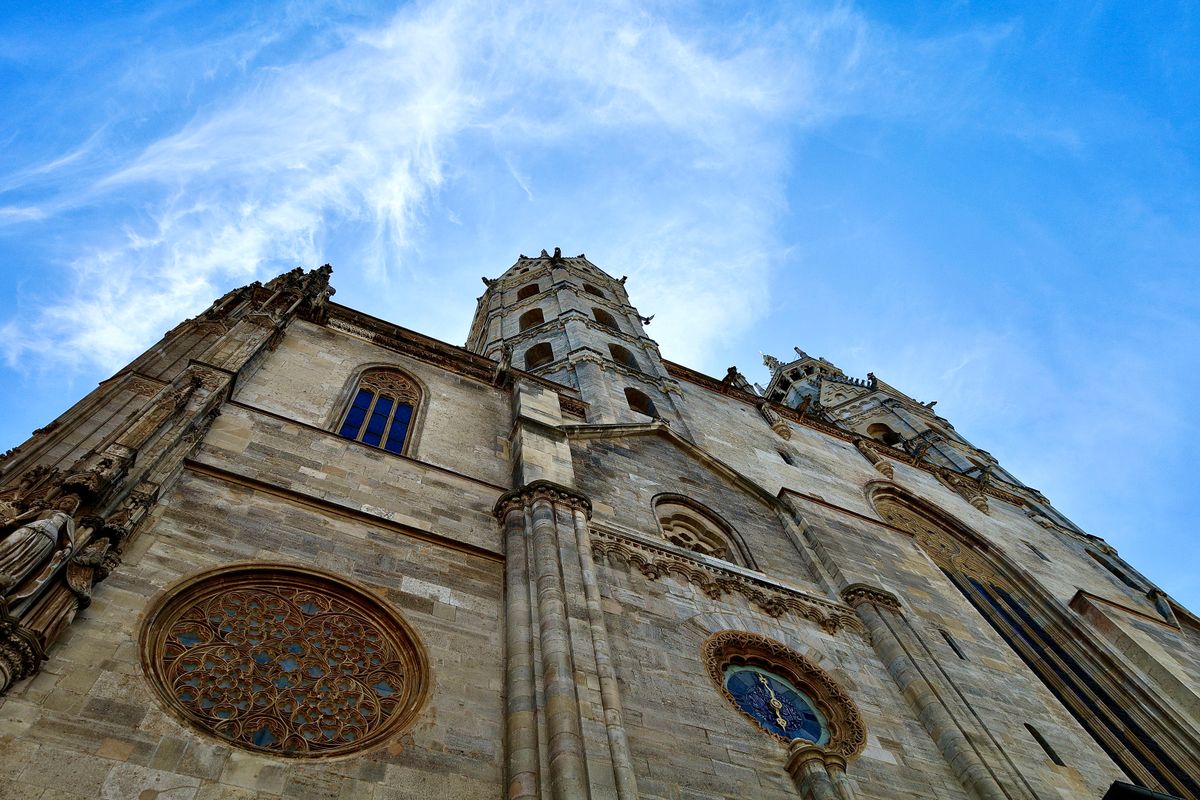
- St Elisabeth Cathedral: the largest church in Slovakia and the easternmost Gothic cathedral in Europe, built between the fourteenth and fifteenth centuries. You can climb the tower and go down into the crypt.
- The singing fountain and the musical clock, from 1986, directly in front of the cathedral.
- The State Theatre, a neo-Baroque building from 1899, in the middle of the street.
- The Lower Gate: an underground archaeological complex beneath the street, with medieval fortifications found during works.
- Mikluš Prison: a museum in two joined medieval houses, with cells and instruments of torture.
- Urban Tower and St Michael chapel, beside the cathedral.
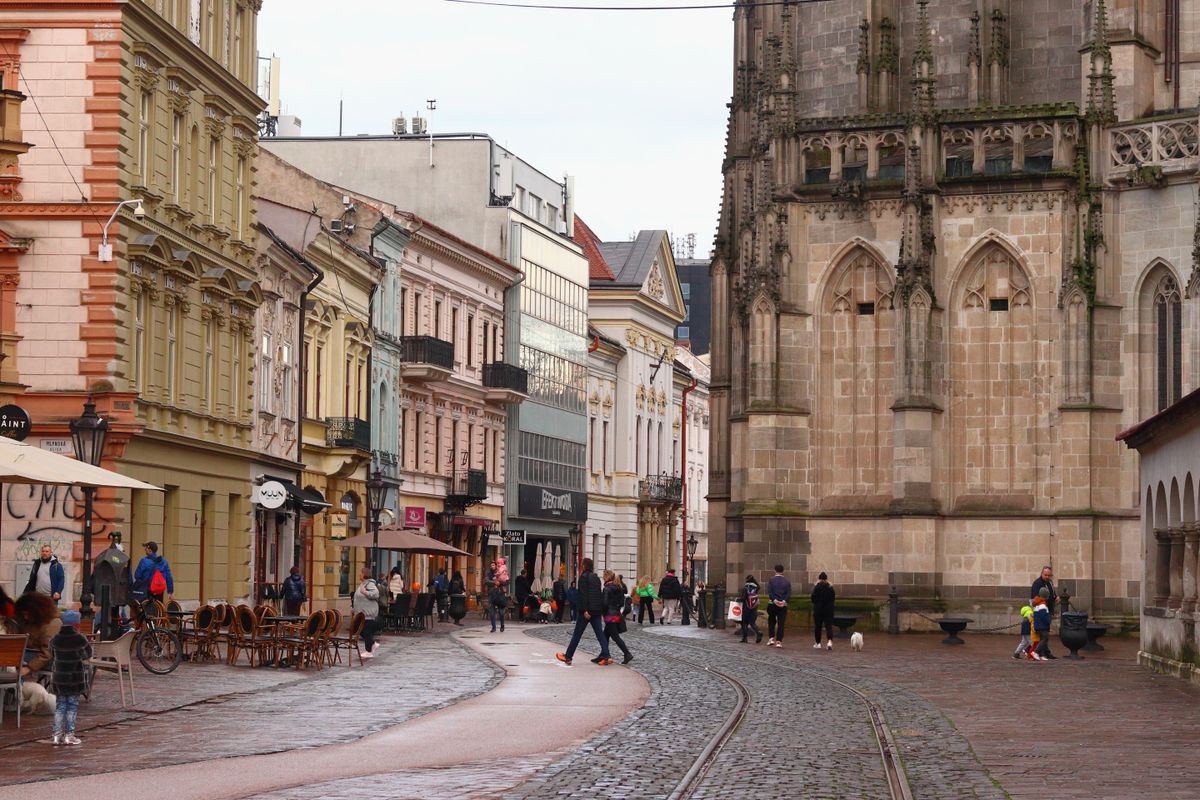
The cathedral repays the time most. The interior holds a fifteenth century Gothic altarpiece and a double spiral staircase, and the crypt contains the tomb of Francis Rákóczi the second, the Transylvanian prince who led the anti-Habsburg uprising and whose remains were brought here from Turkey in 1906.
What the European Capital of Culture year left behind
In 2013 Košice was European Capital of Culture, and unlike many cities that have held the title, something concrete remained here: two large industrial buildings converted into working cultural spaces.
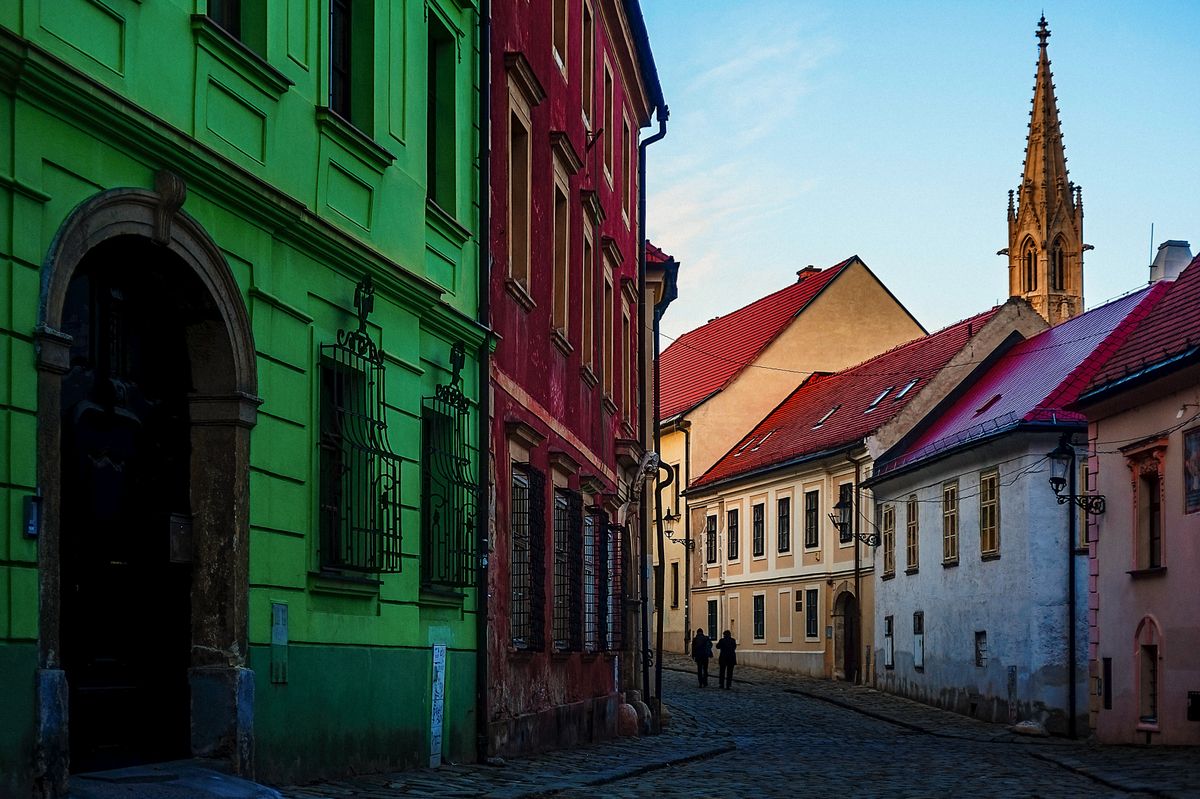
Kasárne Kulturpark occupies a nineteenth century barracks, with several pavilions around a courtyard, used for exhibitions, concerts and creative offices. Tabačka Kulturfabrik operates in a former tobacco factory and is more underground, with concerts, theatre and a bar that runs late.
Both are free to walk through and are the best place to see what is actually happening in the city, rather than what the brochures say. The programme changes weekly.
What to eat and what it costs
The cooking is Slovak with a Hungarian accent, which in the east of the country means more paprika and larger portions.
- Bryndzové halušky: potato dumplings with sheep cheese and bacon. The national dish, found everywhere.
- Thick soups: kapustnica with sauerkraut and sausage, and a local take on goulash.
- Pirohy filled with cheese or potato.
- Slovak beer by the half litre and, increasingly, local craft beer.
- Slovak Tokaj wine: yes, the Tokaj region extends into Slovakia too, over a few hundred hectares, an hour from the city.
Prices are low for the eurozone: a full meal with a drink rarely reaches fifteen euros a head, and a beer costs around two euros. Decent accommodation in the centre starts at forty euros a night.
What to see nearby
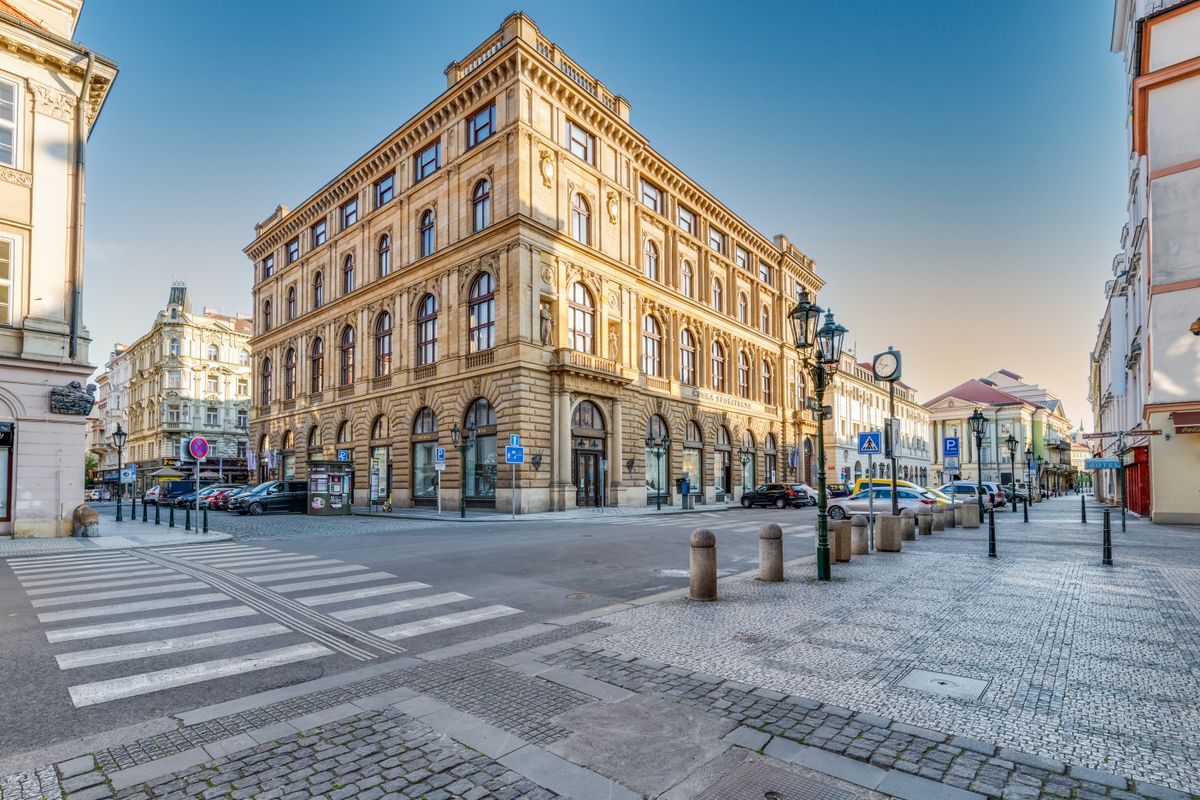
The city works very well as a base for eastern Slovakia, a region with three UNESCO sites within two hours.
- Spiš Castle: one of the largest fortified complexes in Central Europe, about an hour away.
- Slovak Paradise: the park with the gorges and ladders, an hour and a half away.
- Levoča: a walled medieval town with the tallest wooden Gothic altar in the world.
- Slovak Tokaj: a small wine region about an hour south, with the same varieties as the Hungarian side.
- Zádiel gorge: a narrow ravine in the Slovak Karst, about an hour away.
- Bardejov: an intact medieval square, a UNESCO site, an hour and a half to the north.
The train from Bratislava takes about five hours and is comfortable, with seat reservation. There are also domestic flights and a few seasonal international routes. For the surroundings, though, public transport becomes awkward: buses to Spiš and to the park exist but are infrequent and tie you to their timetable. If you want more than one day outside the city, hire a car in Košice, where it costs considerably less than in Bratislava.
Getting there, how long to stay and when to go
| Item | Detail |
|---|---|
| From Bratislava | about 5 hours by train |
| From Budapest | around 3 hours 30 by car |
| From Krakow | about 3 hours 30 |
| Airport | Košice, with limited connections |
| Days needed | 2 for the city, 4 to 5 with the region |
| Best months | May to June and September to October |
| Currency | the euro |
December deserves a separate mention, because the winter market takes over the whole main street and is one of the finest in Central Europe, without the crush of Prague or Vienna.
Visitor information is published by the city tourist office, and regional context by the Slovak national tourist board.
Frequently asked questions (FAQ)
Conclusion
Košice is the city Slovaks recommend and visitors skip: a Gothic cathedral, the oldest coat of arms granted to a European town, and a cultural scene left over from 2013.
Give it two days, climb the cathedral tower, walk into one of the former factories turned cultural space, and use it as a base for eastern Slovakia.
