
 By

The north west corner of Spain looks nothing like the Spain of the brochures: it rains all year, the landscape is green, people play the bagpipes and they eat more shellfish per head than almost anywhere on earth. Galicia is where a road walked by millions of people ends, and a place where bad weather is part of the appeal.
Santiago and the Camino, the rias and why the seafood is that good, the wild coast, the two big cities and the Celtic inheritance.
Why Galicia is not like the rest of Spain
The region occupies the north west corner of the peninsula, above Portugal, and takes everything the Atlantic delivers. It rains in every month of the year, and in some areas the annual average exceeds fifteen hundred millimetres, which explains the permanent green of the hills.
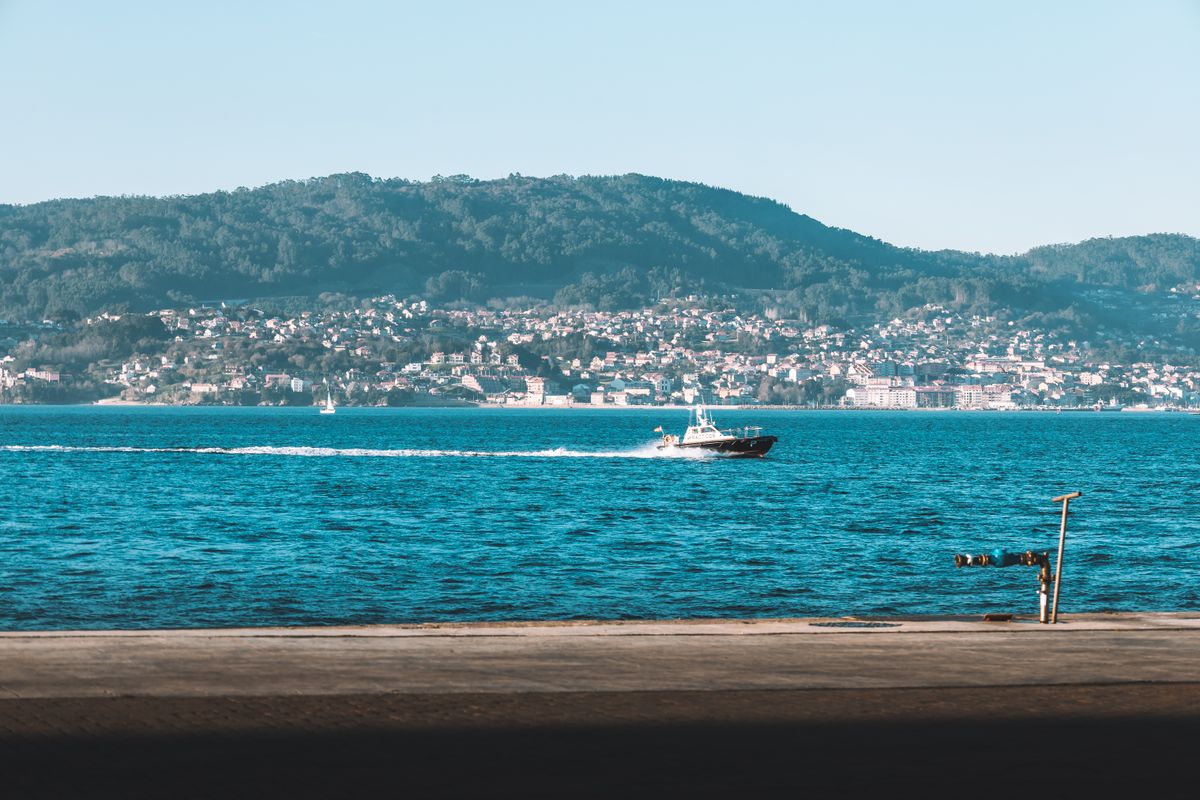
Galician is spoken here, a Romance language of its own, close to Portuguese and co-official with Spanish. Local culture defines itself as Celtic: the bagpipe, the gaita, is the traditional instrument, and the cultural links with Ireland, Scotland and Brittany are claimed with pride.
Santiago de Compostela and the Camino
The city exists in its present form because, in the ninth century, a hermit is said to have found a tomb there attributed to the apostle James. The road to that point became one of the great pilgrimages of Christendom, and the old town has been a UNESCO site since 1985.
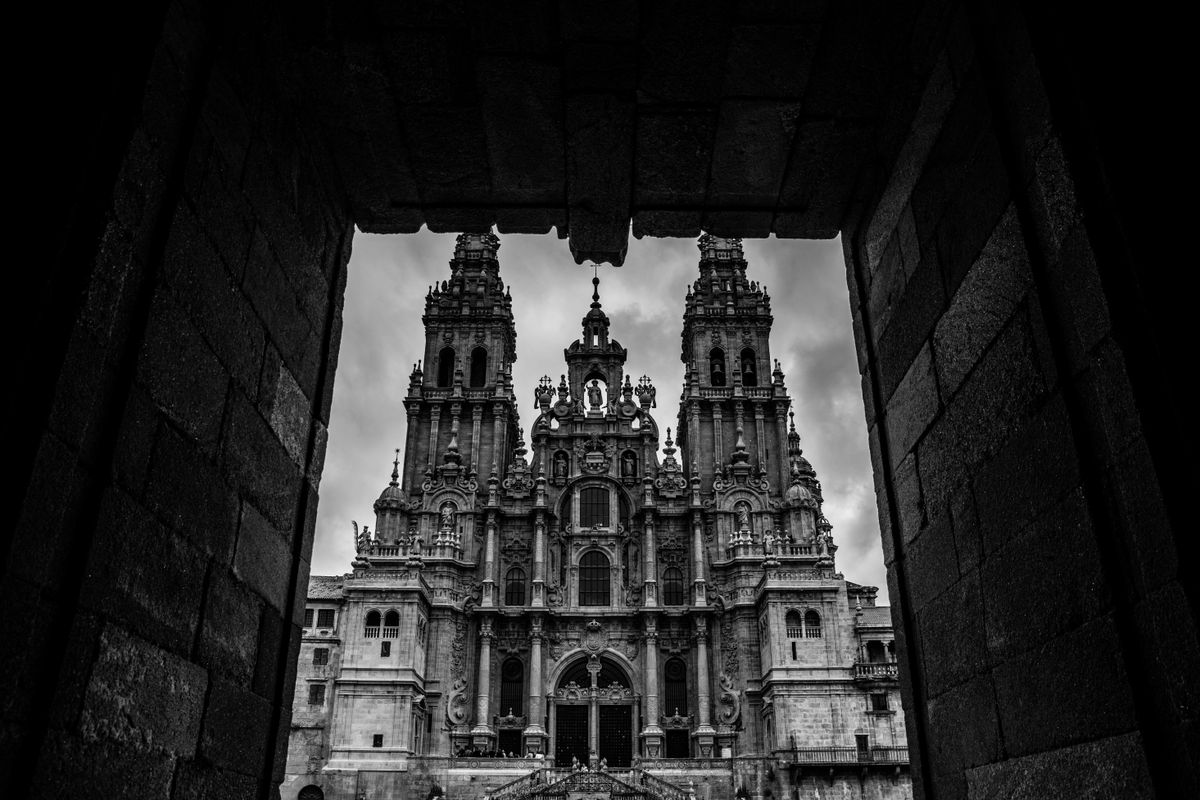
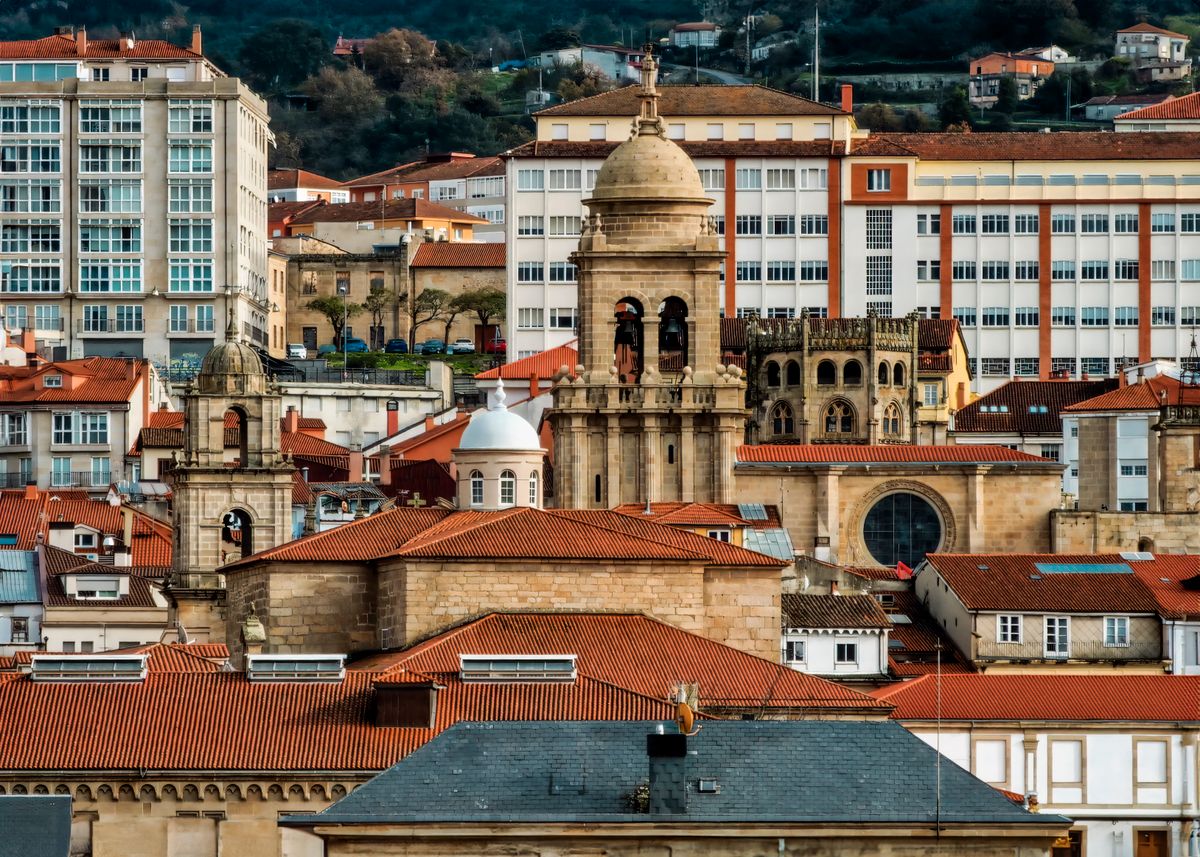
The cathedral dominates the Praza do Obradoiro, with a baroque facade raised over a twelfth century Romanesque structure. The Botafumeiro, an enormous censer of about eighty kilograms hung from the transept vault, is swung by eight men at certain services and crosses the church at a speed that surprises everyone.
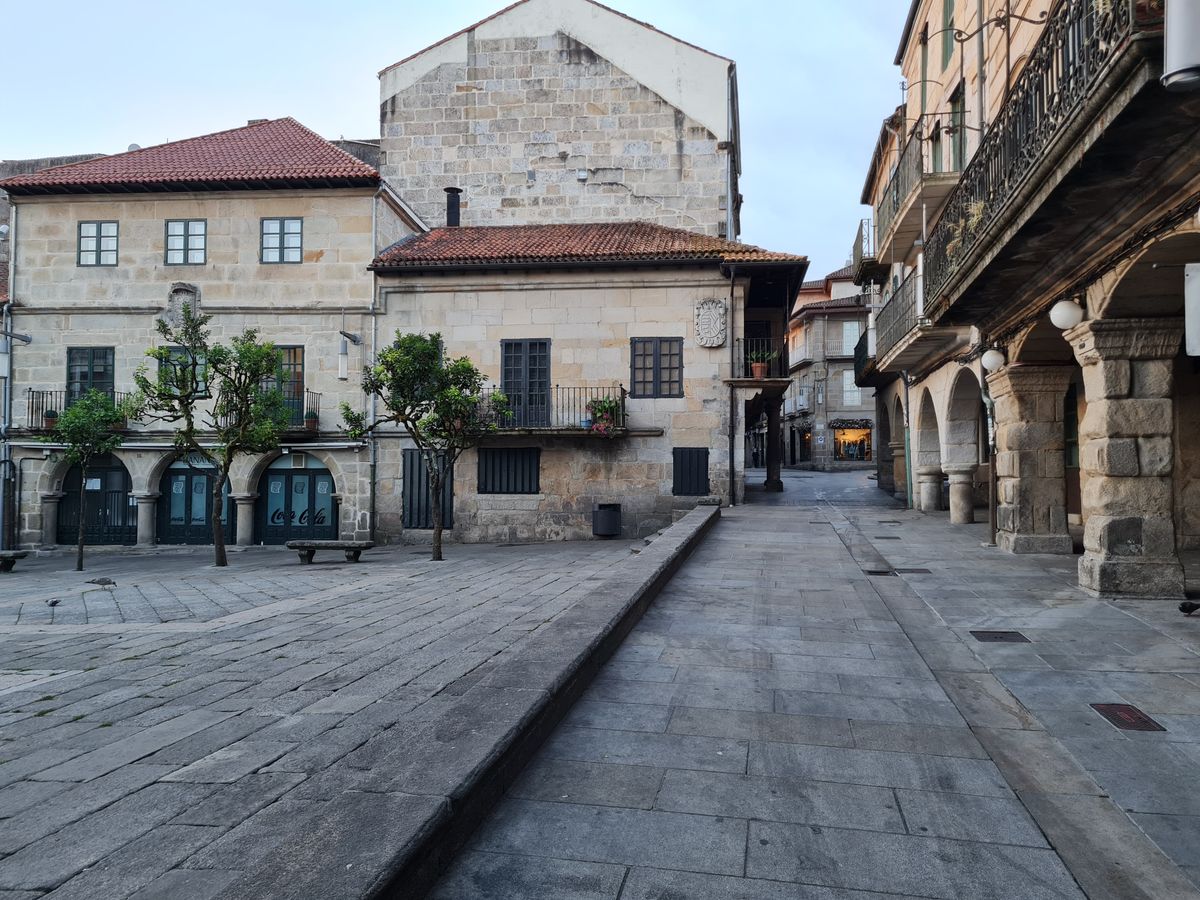
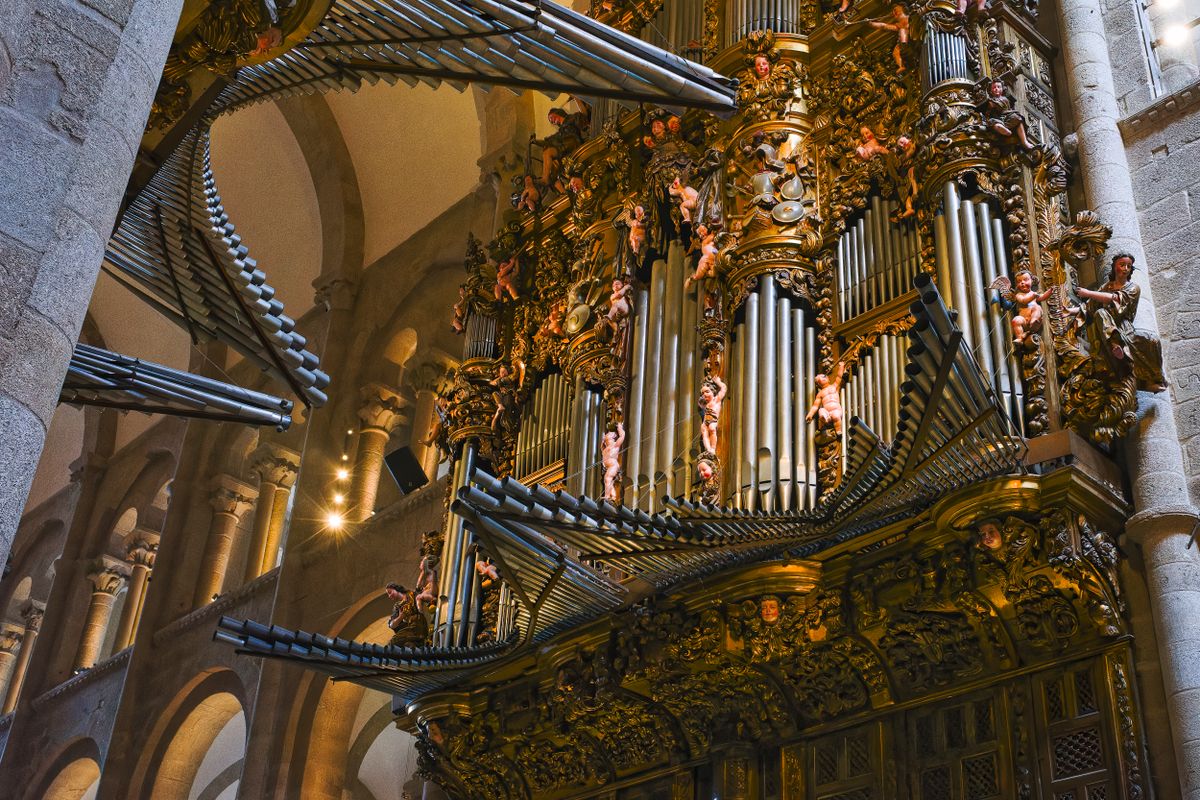
The Camino de Santiago is not one route but a network. The Camino Frances, the busiest, runs about eight hundred kilometres from the Pyrenees. For the Compostela, the official certificate, you need the last hundred kilometres on foot or the last two hundred by bicycle, with daily stamps in a credencial.
The rias and the seafood
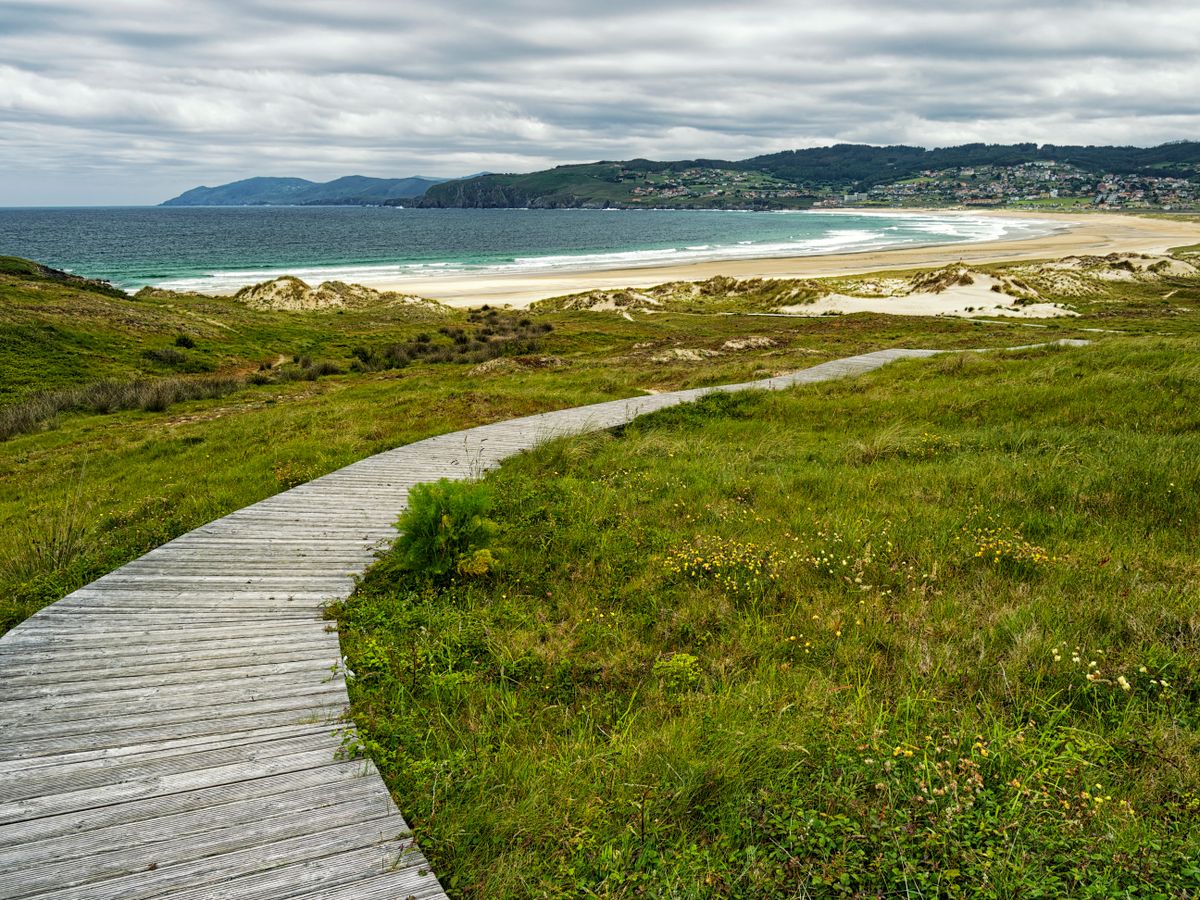
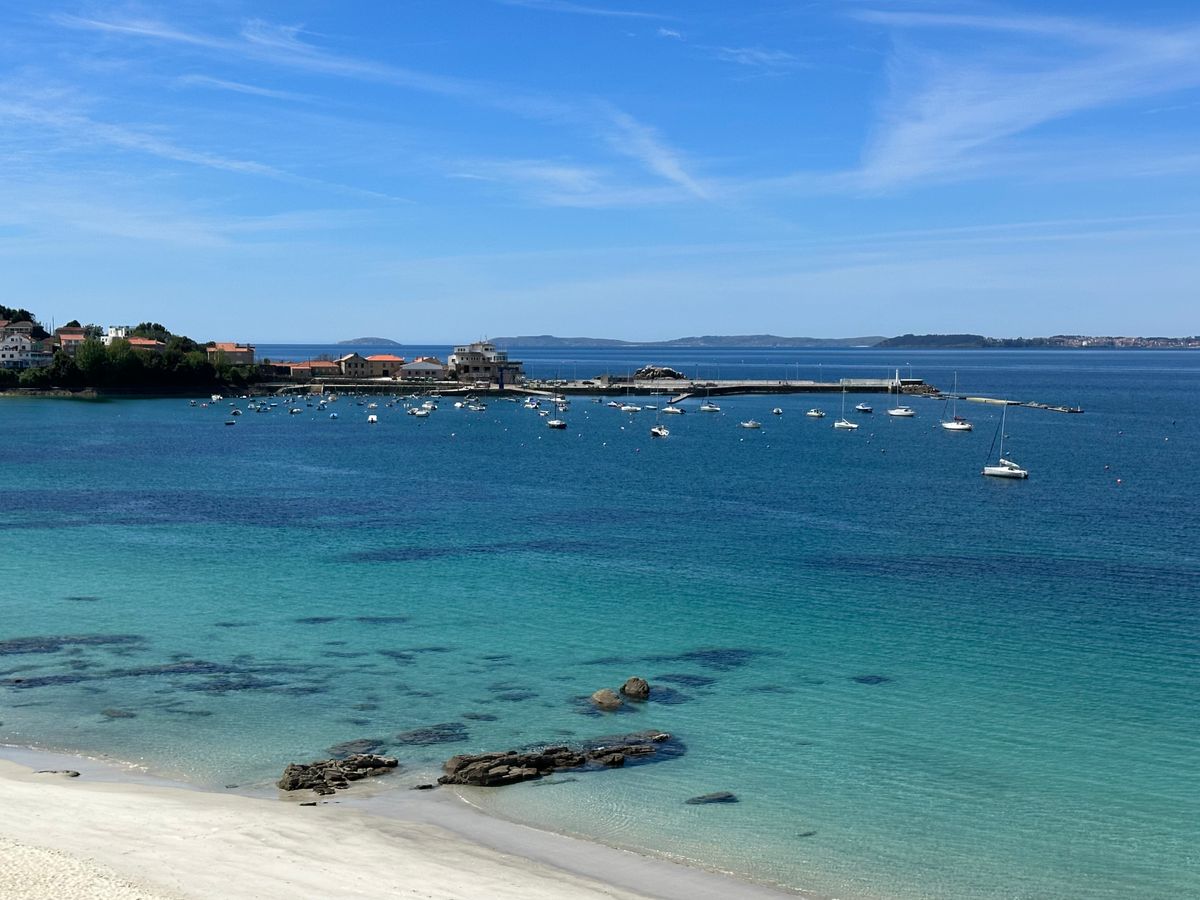
The Galician coast is cut by rias, drowned river valleys that look like gentle fjords. The Rias Baixas in the south are the widest and warmest, and the mix of fresh and salt water in them produces the best shellfish in Europe.
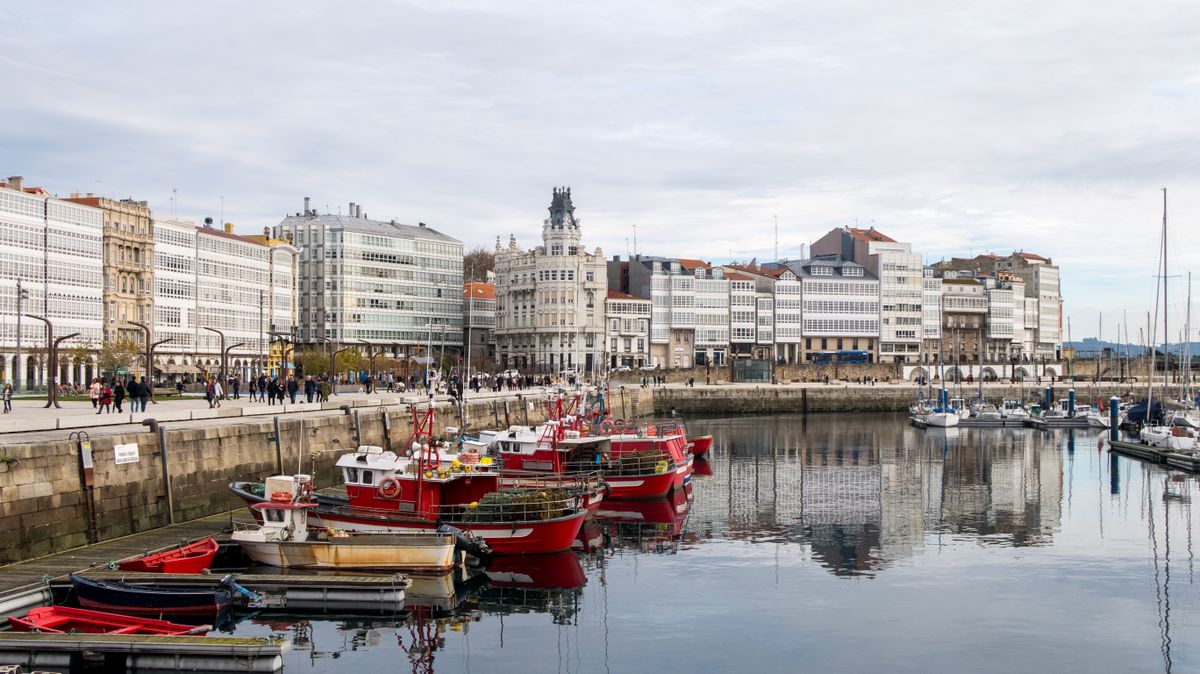
- Pulpo a feira: boiled octopus, cut with scissors, with olive oil, coarse salt and paprika.
- Percebes: goose barnacles, picked off wave battered rocks at real risk to the pickers.
- Vieiras: scallops, the symbol of the pilgrimage, cooked in the shell.
- Navajas, berberechos, mejillones: razor clams, cockles and mussels, from the same rias.
- Empanada gallega: a flat pie with tuna, cod or meat, cut into squares.
- Albarino: the white wine of the Rias Baixas, dry and mineral, made for shellfish.
The Costa da Morte and the wild coast
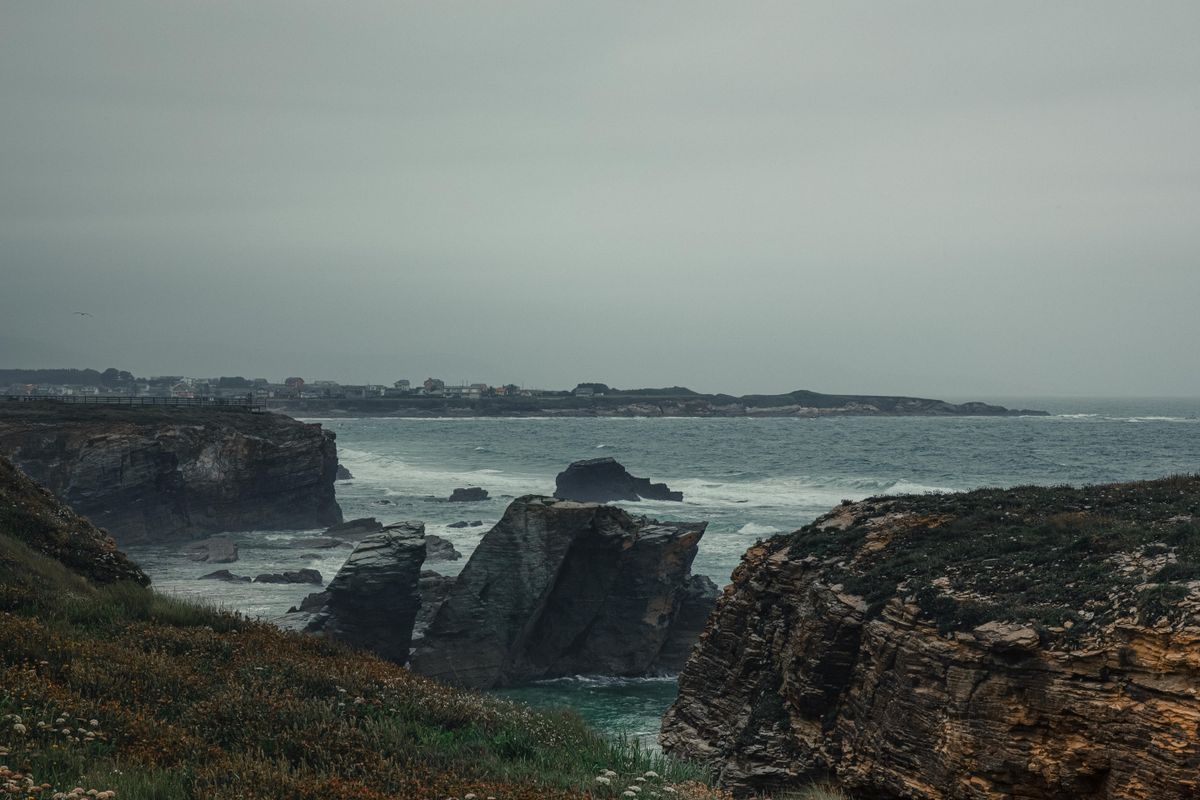
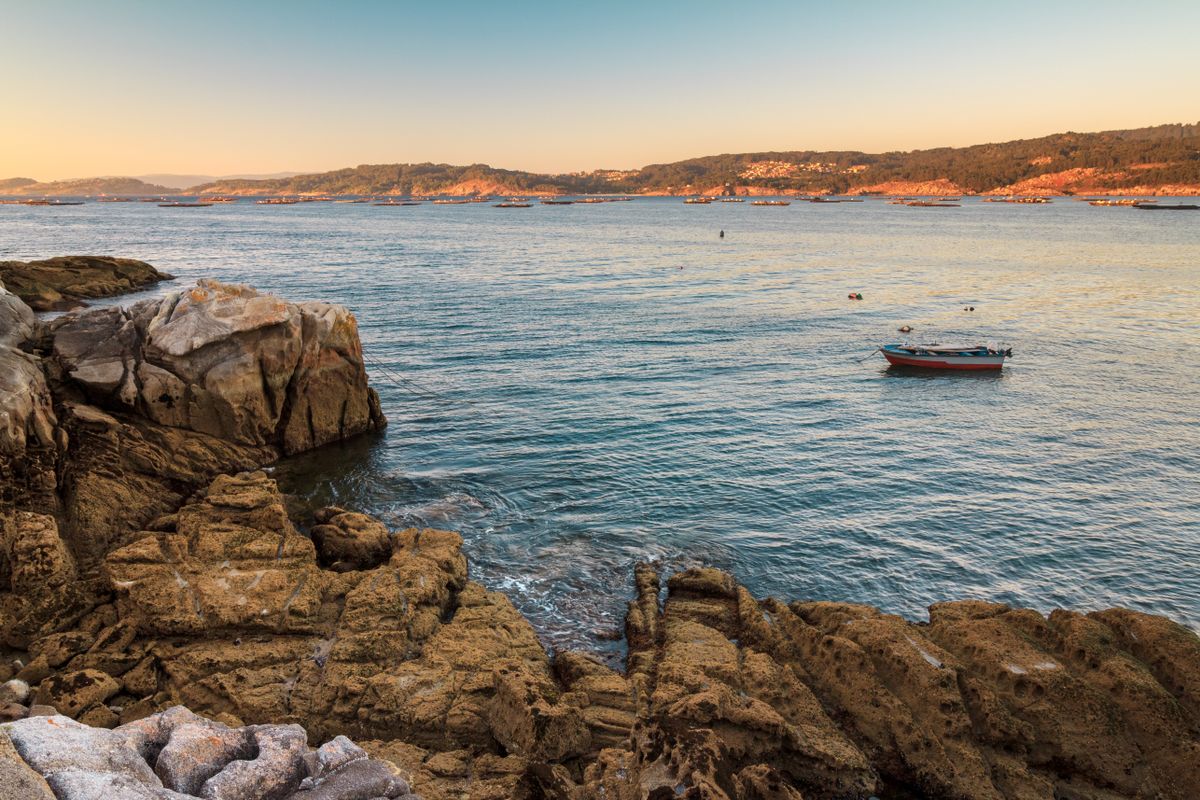
North of Vigo the coast turns hard. The Costa da Morte, the coast of death, takes its name from the number of shipwrecks on its rocks over the centuries, in an area of frequent fog and strong currents.
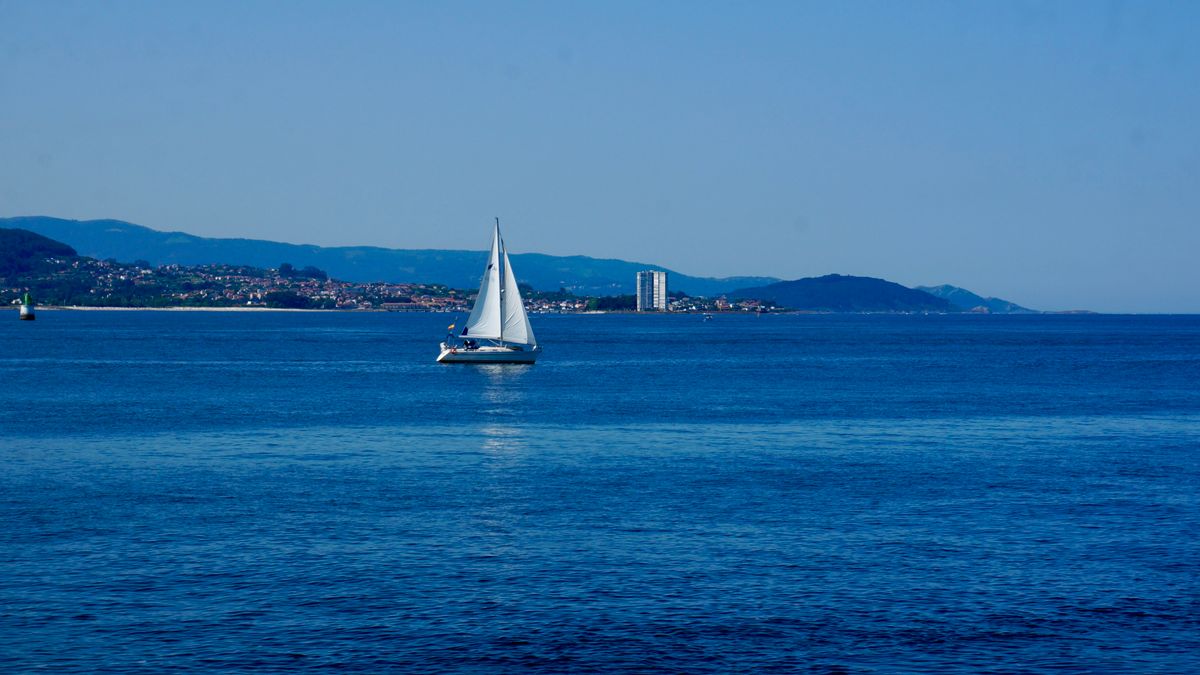
Cape Fisterra was long considered the end of the known world, and many pilgrims still walk the eighty seven kilometres from Santiago to reach it and see the ocean. The lighthouse at the point is one of the most visited in Spain.
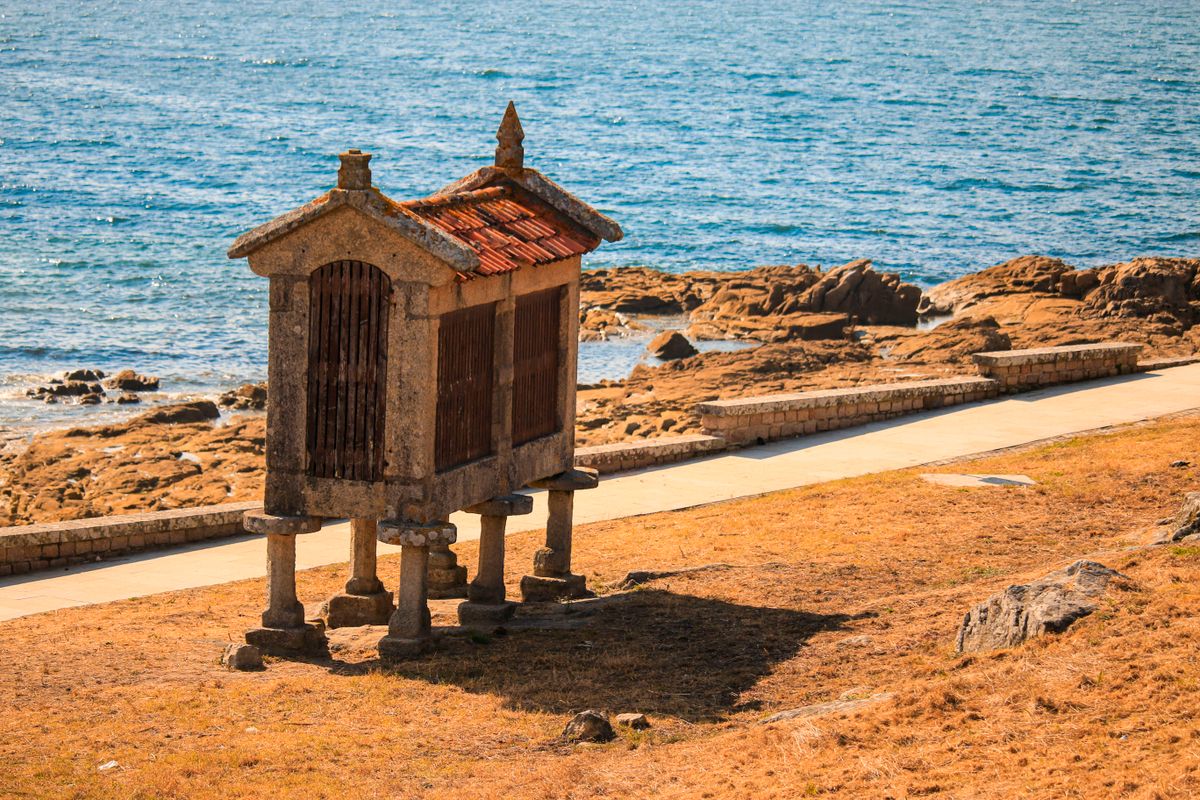
A Coruna, Vigo and the rest of the region
A Coruna has the Tower of Hercules, a second century Roman lighthouse that is still operating, which makes it the oldest working lighthouse in the world. It is a UNESCO monument and you can climb it.
Vigo is the largest fishing port in Europe and the departure point for the Cies islands, a protected archipelago with white sand beaches and a daily visitor cap that has to be booked ahead.
Inland, Lugo keeps the only complete Roman wall in the world that can be walked all the way round on top, and Ourense has thermal springs in the middle of the city, free at some of them.
Getting there, when to go and what it costs
| Item | Detail |
|---|---|
| Airports | Santiago, A Coruna and Vigo, plus Porto two hours away |
| Transport | a car for the coast and villages. Trains link the cities |
| Best months | June to September. It rains in any month |
| Holy Year | when 25 July falls on a Sunday, the city fills |
| Days needed | five for the region, seven with the Cies islands |
| Budget | below the Spanish average, especially for food |
Galicia is among the better value regions in Spain, and good food costs considerably less than in the south or on the Mediterranean. A full menu del dia, with shellfish, is frequently under fifteen euros.
Route and pilgrimage information is on the official Galicia tourism site, and the old town of Santiago is described by UNESCO.
Frequently asked questions (FAQ)
Conclusion
Galicia is the part of Spain that sounds like bagpipes, smells of the ocean and looks like Ireland. It has the cathedral where an eight hundred kilometre walk ends, a coast that has sunk hundreds of ships, and the best shellfish in Europe.
Give it five days, take a car for the coast, eat pulpo off a wooden plate with a glass of Albarino, and accept that it will rain at least once a day.
