
 By

The Wieliczka salt mine is the most spectacular day trip from Krakow, and one of the strangest places in Europe: nine underground levels, over 245 kilometres of galleries, and a cathedral sized chapel carved entirely from rock salt, chandeliers included, by miners working in their own time.
What the routes cover, how the tickets and timings work, what you actually see 135 metres underground, how to get there from Krakow, and what to wear.
What the Wieliczka salt mine is
Salt has been mined here since the thirteenth century, and the mine operated continuously for more than seven hundred years, only stopping commercial extraction in the 1990s. It made the Polish crown enormously rich: at its peak, salt from Wieliczka provided a third of the royal revenue.
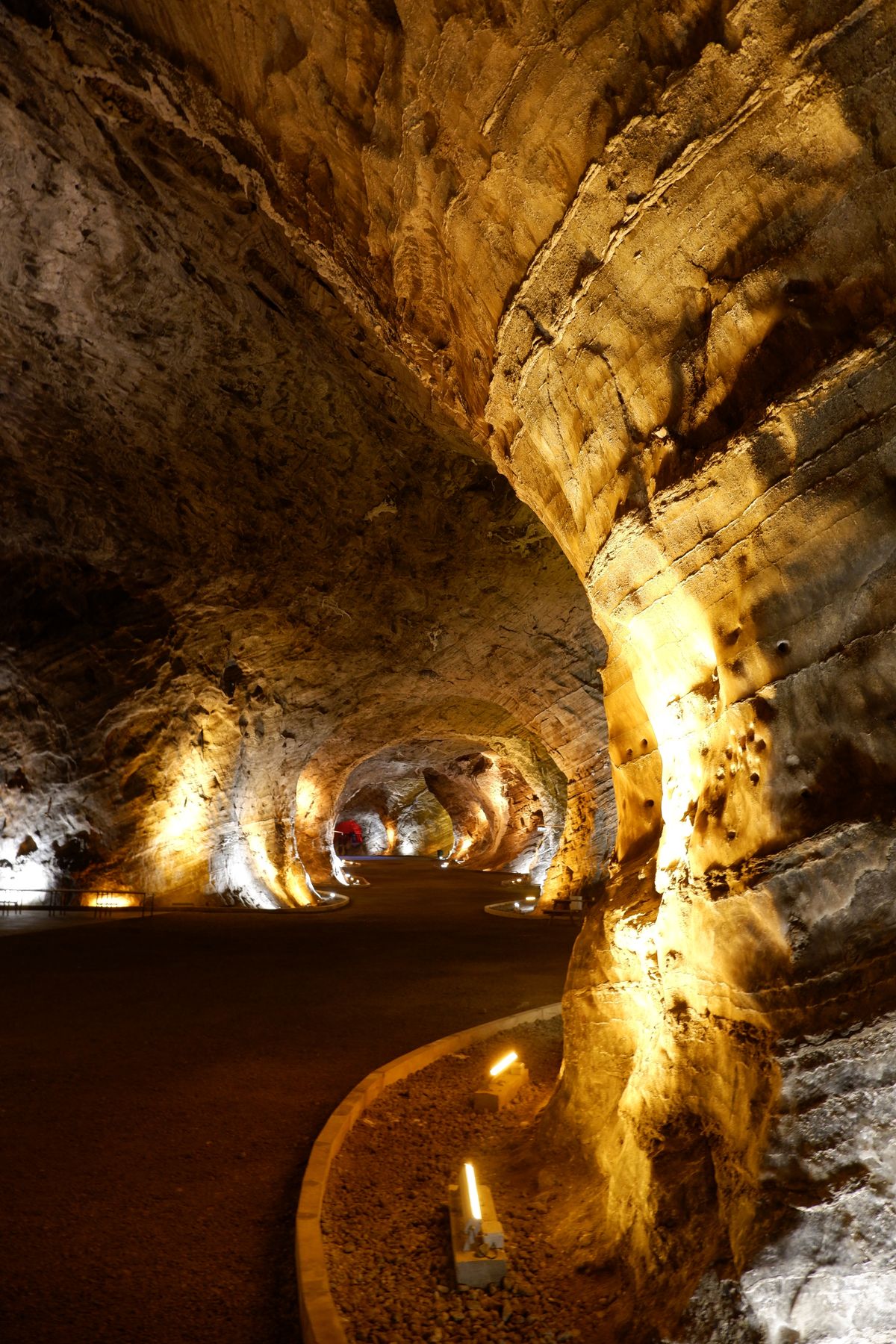
The scale is hard to convey. Nine levels descend to 327 metres, with over 245 kilometres of galleries, of which the tourist route covers about three and a half. It was one of the twelve sites on the original UNESCO World Heritage list in 1978.
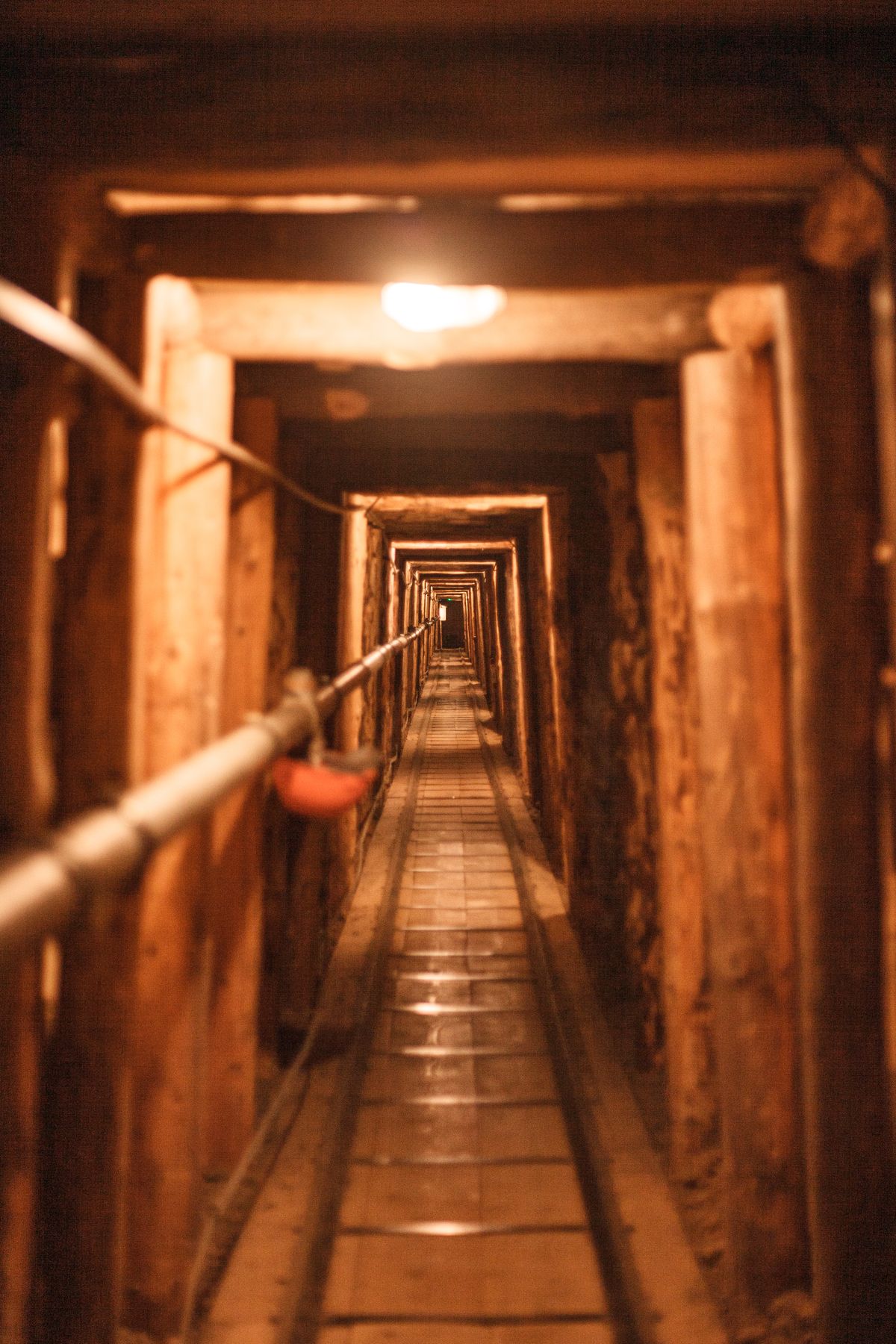
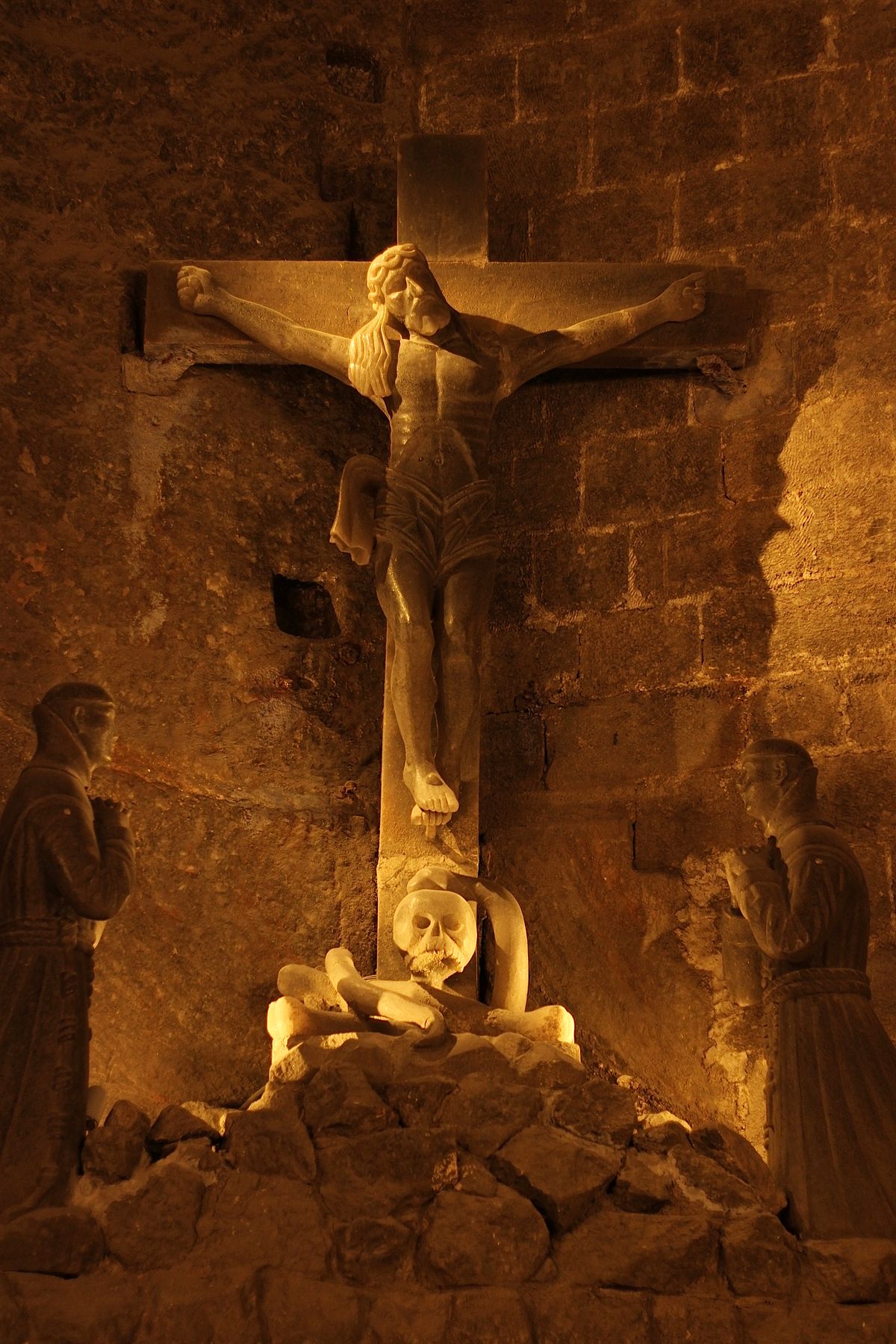
What makes it unique is not the mining but what the miners did with their spare time. Over centuries they carved chapels, altars, statues and reliefs directly into the rock salt, on a scale that has no equivalent anywhere.
The chapel of St Kinga
The centrepiece is the chapel of St Kinga, 101 metres underground, carved out over almost seventy years by three successive miner sculptors working in their own hours. It is 54 metres long, 18 wide and 12 high, and everything in it is salt.
The floor tiles are salt, cut and polished to look like ceramic. The altar reliefs are salt. The statues are salt. And the chandeliers are salt crystal, cleaned and reassembled by hand, because glass would have been imported and salt was to hand.
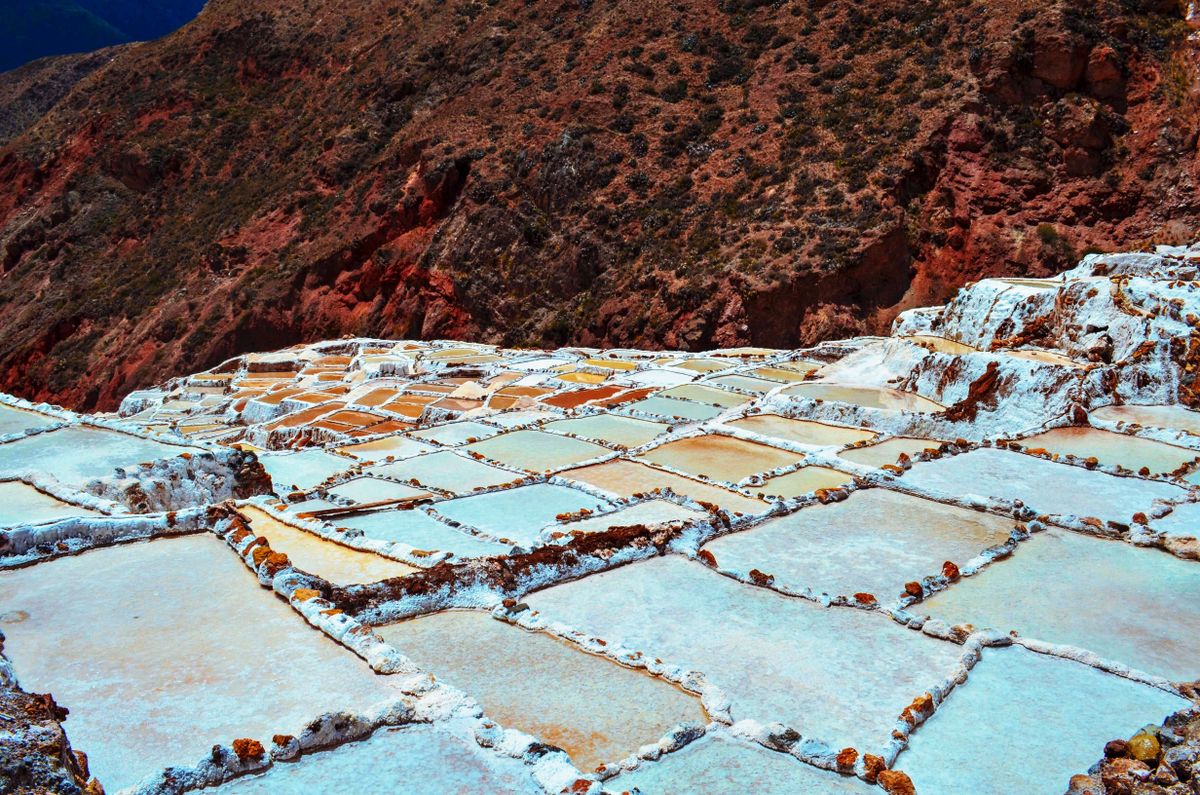
The most photographed relief is a copy of the Last Supper, carved in low relief into the wall in a way that gives it far more depth than its actual few centimetres. Mass is still celebrated in the chapel, and it is a popular and very expensive wedding venue.
The routes and what you see
There are several routes, and the choice matters more than most visitors realise.
| Route | Duration | What it covers |
|---|---|---|
| Tourist Route | about 3 h | the classic: 20 chambers, the St Kinga chapel, 800 steps down |
| Miners Route | about 3 h | hands on, with overalls and lamps, smaller groups |
| Pilgrims Route | about 2 h | the chapels and religious carvings |
| Underground health resort | varies | a separate facility for respiratory treatment |
| Combined with Auschwitz | full day | possible and exhausting, and not recommended |
For a first visit, take the Tourist Route. You descend 380 wooden steps at the start, walk about three and a half kilometres through chambers, past underground lakes and salt lit sculptures, and return to the surface by lift, in the original mining cage, nine people at a time.
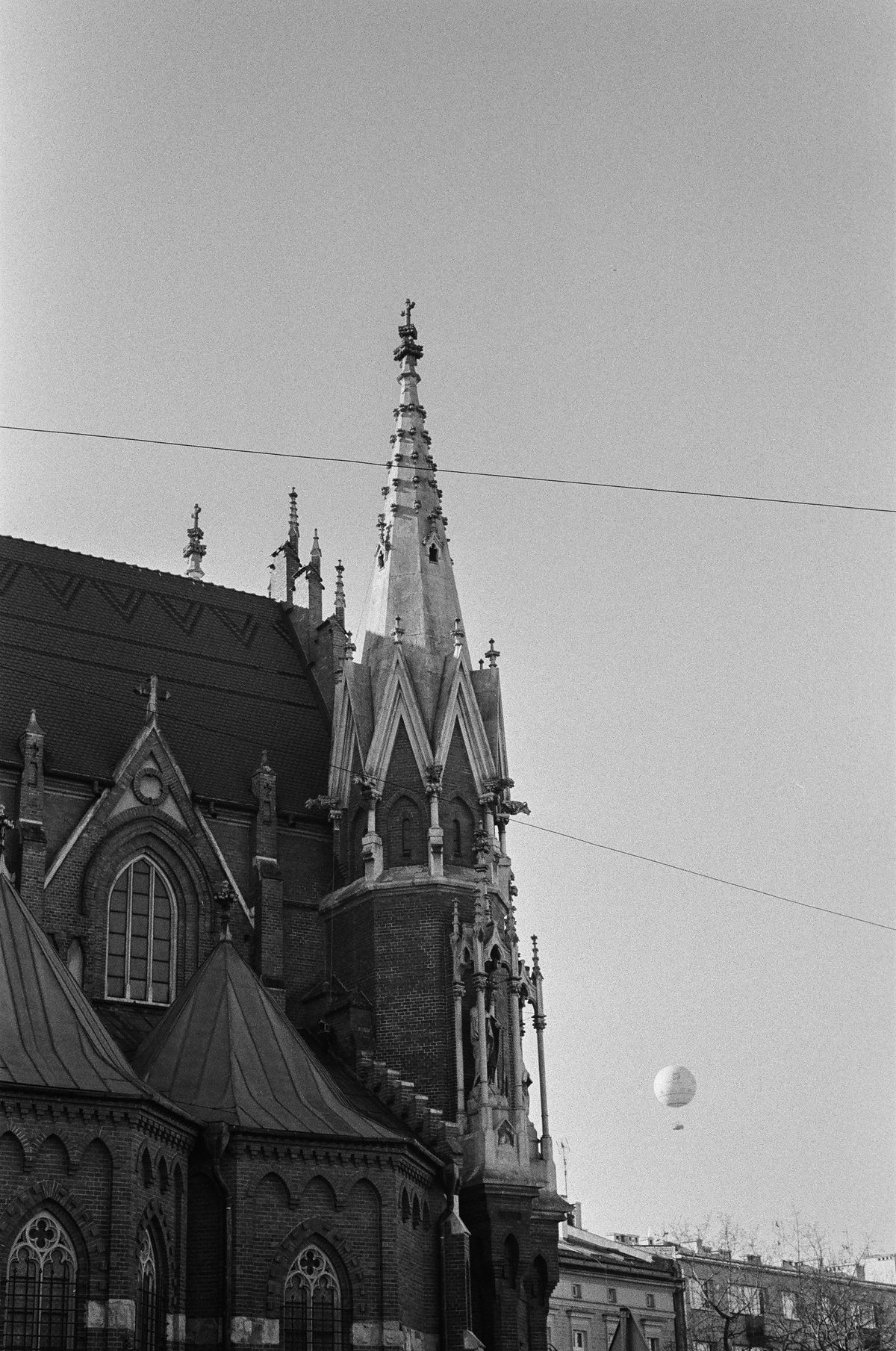
The Miners Route is the better choice for a second visit or for anyone travelling with older children: you wear overalls and a lamp, carry equipment and do small tasks, in groups far smaller than the main route.
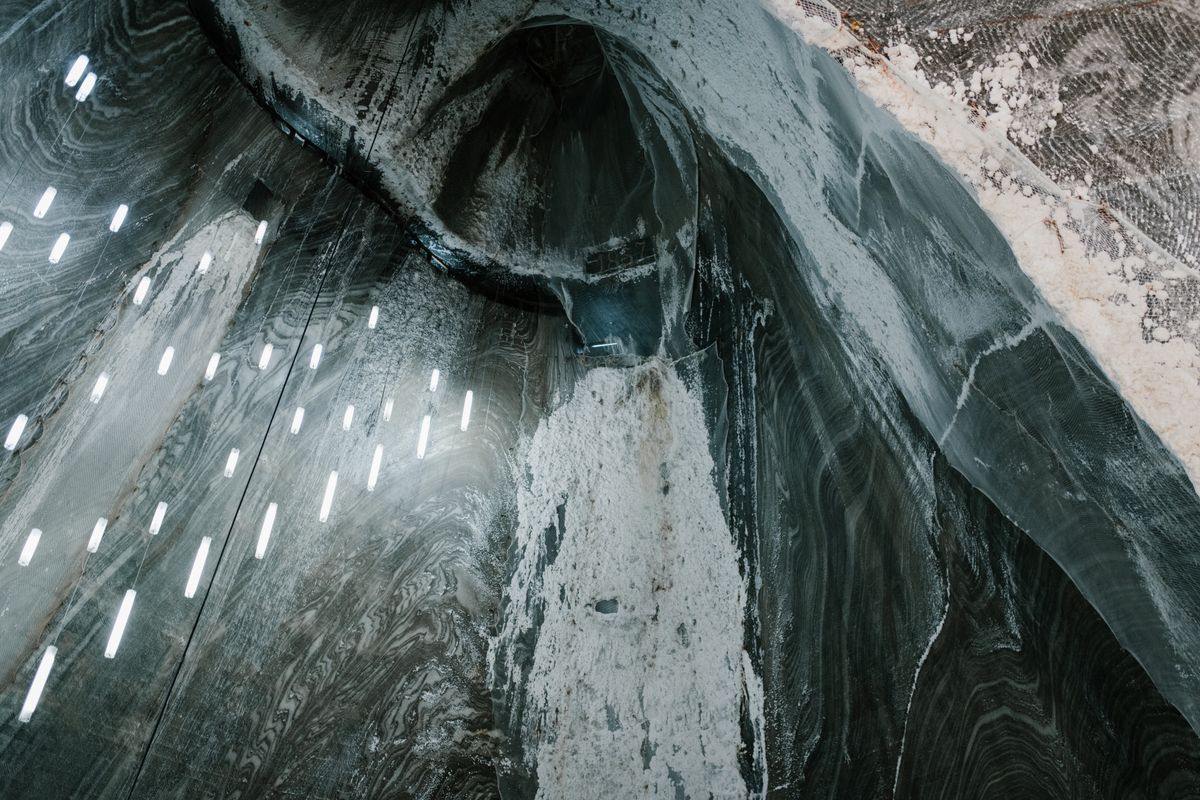
Tickets, timing and guides
Visits are guided only, in timed groups. Tickets are bought online in advance, and in summer the English language slots sell out days ahead. The site is one of the most visited in Poland, with well over a million visitors a year.
- Book online, choosing your language. English tours run frequently, but not every hour.
- Arrive twenty minutes before your slot for the security check and group assembly.
- Photography inside requires a small additional permit, bought at the entrance.
- The tour is not suitable for anyone unable to manage 380 steps down.
- There is an accessible route with lift access, bookable separately in advance.
On timing: the first tours of the day and the last are the quietest. Between eleven and three the mine is full of coach groups from Krakow, and the chambers, though large, feel it.
What to expect underground
The temperature stays at 14 to 16 degrees all year, regardless of the weather above. In August that is a relief and in November it is cold. Bring a jacket whatever the season, because three hours at that temperature is longer than it sounds.
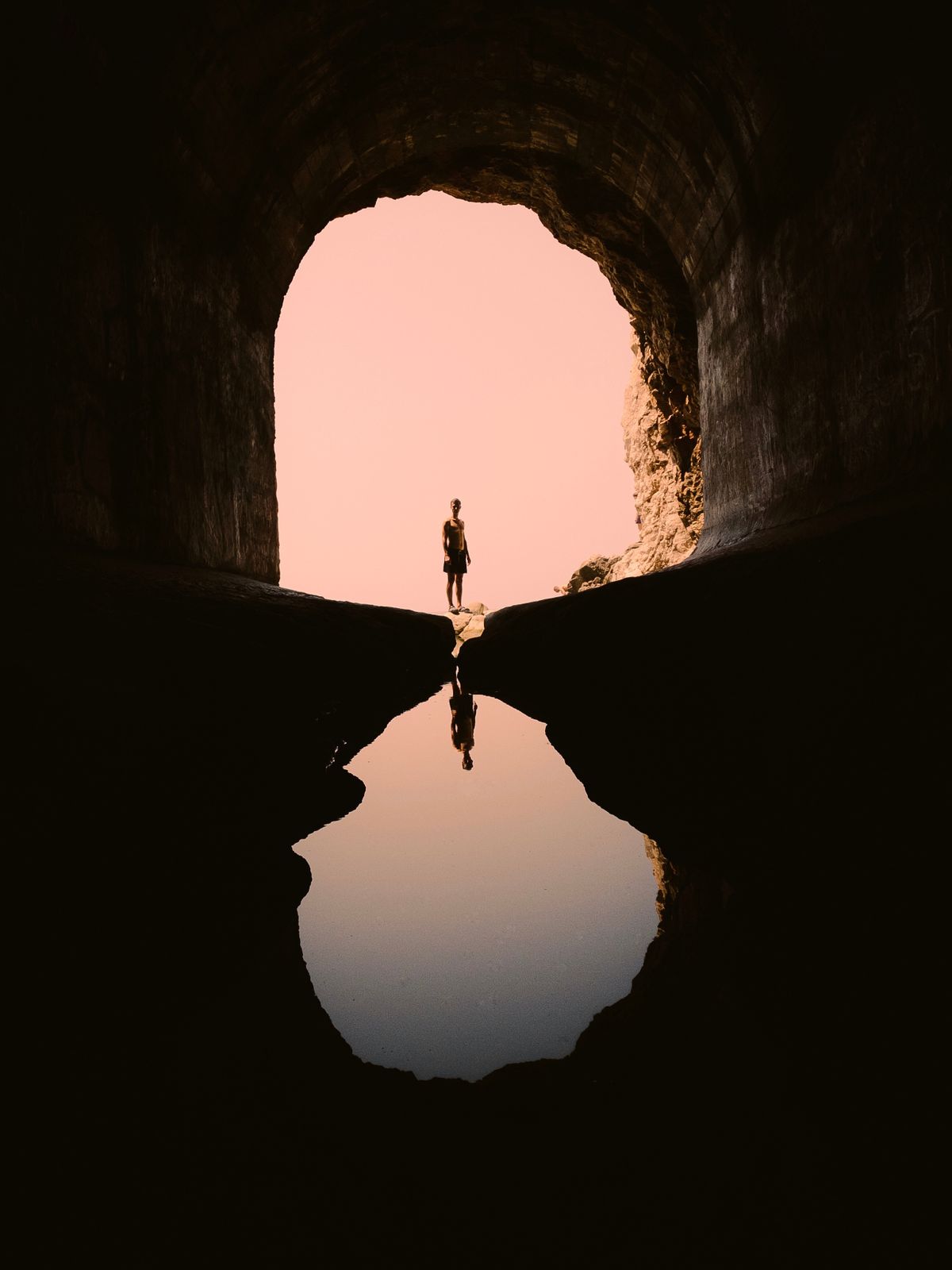
The air is famously clean, with a high salt content, which is why there is a working health resort on one of the lower levels treating respiratory conditions. Some people notice the taste of salt on their lips by the end of the tour.
The route is well lit throughout and the floor is even, though there are stairs between chambers. It is not claustrophobic in the way a cave is: the chambers are enormous, some the size of a church, and the timber supports are original and reassuringly substantial.

Wear comfortable shoes with grip, since salt floors can be slippery where they are polished. There is a restaurant on one of the underground levels, a shop, and toilets at several points. Booking and current routes are on the official mine site.
Getting there from Krakow
Wieliczka is fourteen kilometres southeast of Krakow, which makes it the easiest major excursion from the city.
| Option | Time | Cost |
|---|---|---|
| Train from Krakow Glowny | about 25 min | a few euros, then a 10 minute walk |
| Bus 304 from central Krakow | about 40 min | a few euros, stops near the entrance |
| Organised tour with transport | half day | 30 to 50 EUR including the ticket |
| Car | about 30 min | paid parking at the mine |
The train is the simplest option: frequent, cheap, and the Wieliczka Rynek Kopalnia station is a ten minute walk from the entrance. Allow half a day in total, or a full day if you combine it with anything else.
Do not combine it with Auschwitz on the same day. It is physically possible and it is a very poor idea: the two places demand entirely different frames of mind, and doing both means rushing through each.
Frequently asked questions (FAQ)
Conclusion
Wieliczka is the rare tourist site where the superlatives are literal: seven hundred years of continuous mining, 245 kilometres of galleries, and a chapel the size of a church with chandeliers made of salt crystal.
Take the train from Krakow, book an English tour a few days ahead, bring a jacket, and give the St Kinga chapel more than the ten minutes the group schedule allows.
