

 By
A Croatia road trip is the natural way to see the country, more so than for almost any other Mediterranean destination. The coast runs seventeen hundred kilometres with more than a thousand islands off it, the motorway is modern, and everything worth seeing is strung along one line from Istria down to Dubrovnik.
This guide runs the coast from north to south, region by region, with what to stop for, what the beaches are actually like, the tolls on the way, and what a fortnight costs.
Why a Croatia road trip works so well
Croatian roads are well maintained and the modern motorway from the north down to Split makes the long transfers fast, leaving the slow coastal road as a choice rather than a necessity.
The structure of the country does the planning for you: one coast, one direction, and towns spaced closely enough that no leg needs to be more than two or three hours.
Istria: the Italian-flavoured north
The Istrian peninsula, in the north, is the closest part of Croatia to central Europe and carries a strong Venetian imprint in its architecture, its food and its bilingual signage.
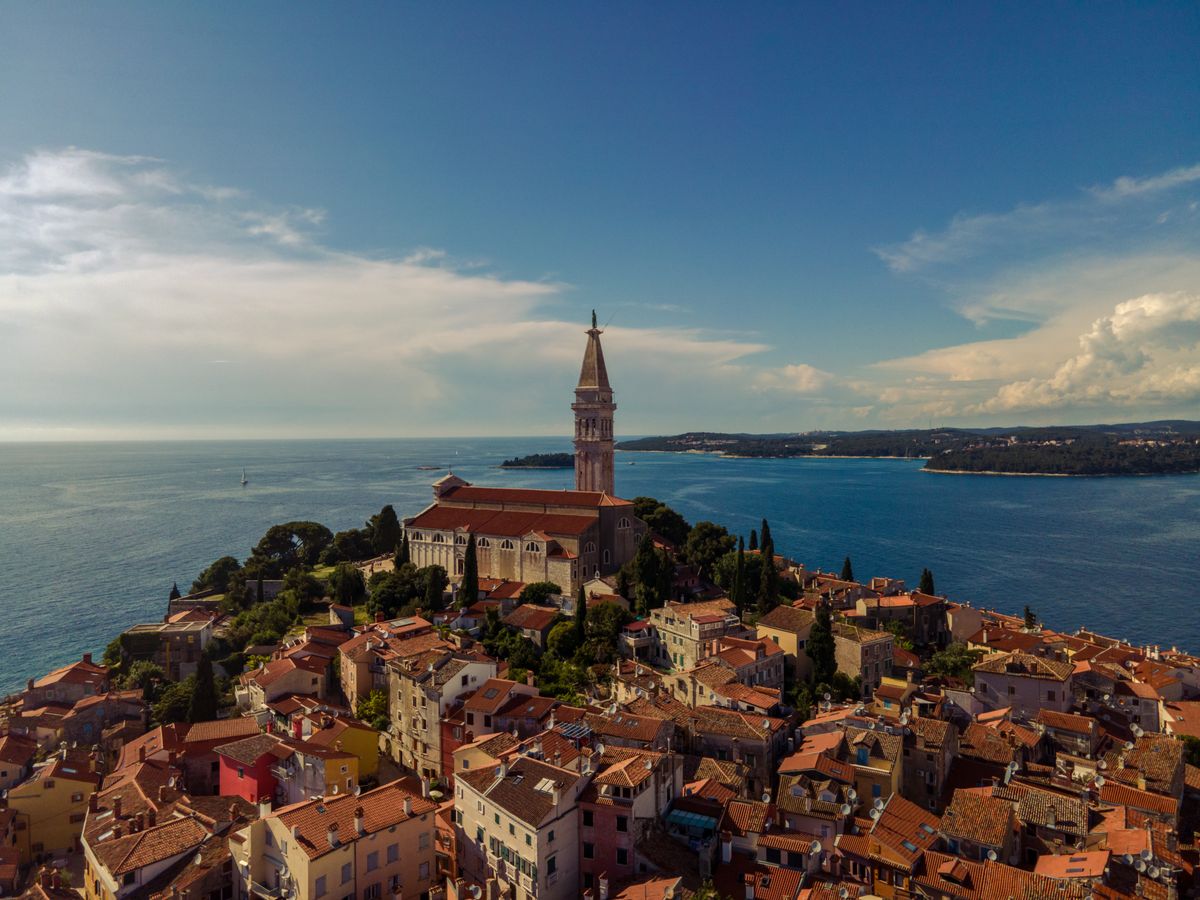
The star is Rovinj: pastel houses packed onto a peninsula, crowned by a bell tower modelled on the one in Venice, with lanes that end at the water. It is the most photogenic town on the whole coast.
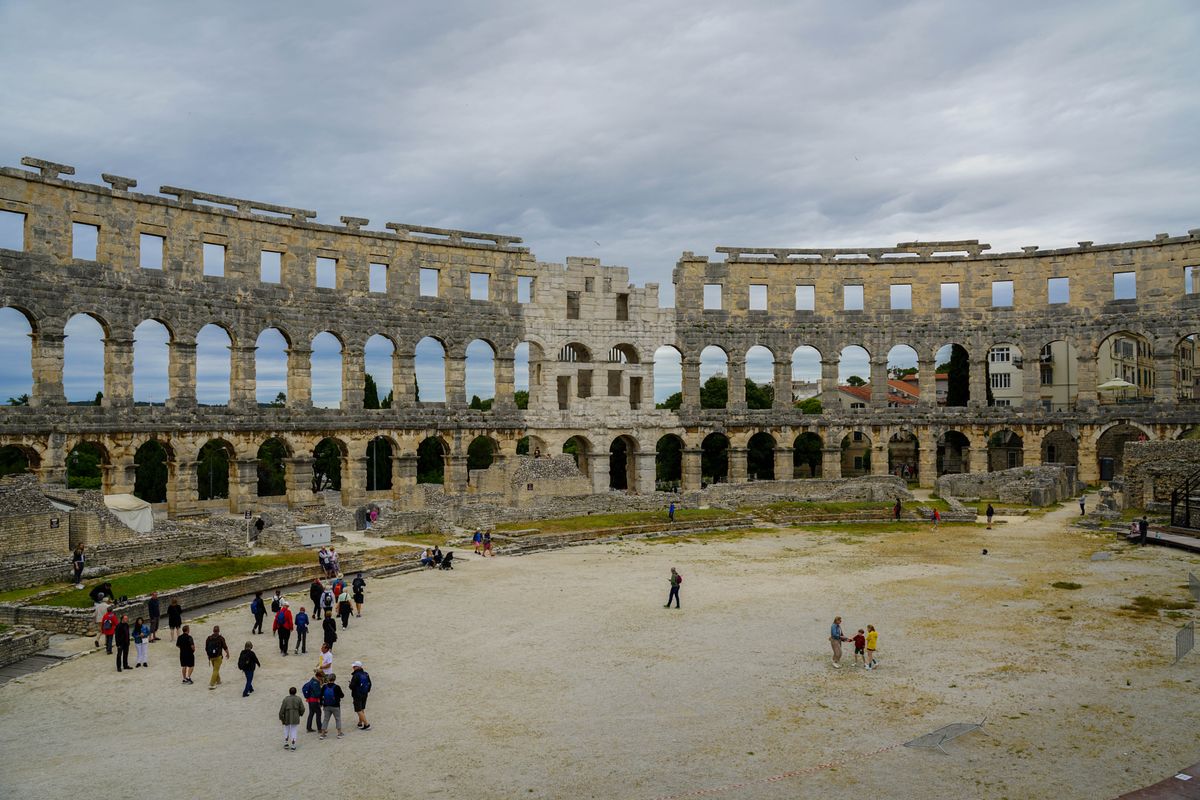
At Pula, in the south of the peninsula, stands one of the best preserved Roman amphitheatres in the world, still used for concerts, and unusual in retaining its complete outer wall.
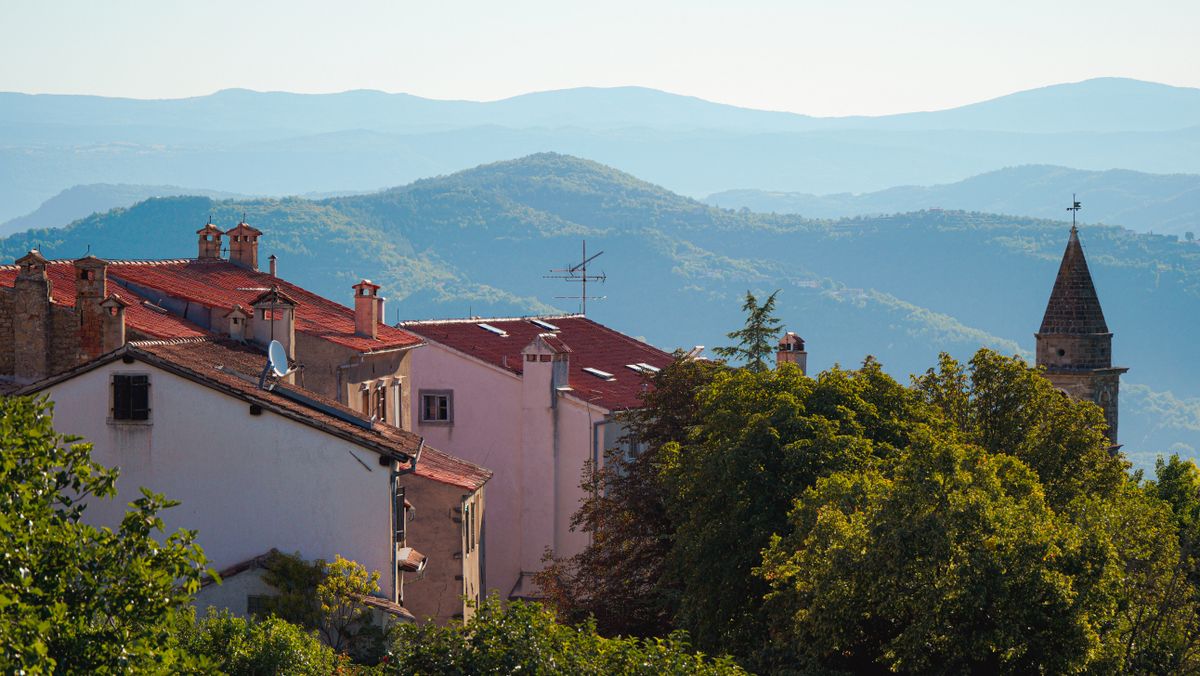
Inland Istria is a different country again: hill towns like Motovun and Groznjan above oak forests where white truffles are dug, and a wine region producing malvazija that is almost unknown outside Croatia.
Northern Dalmatia: Zadar and Sibenik
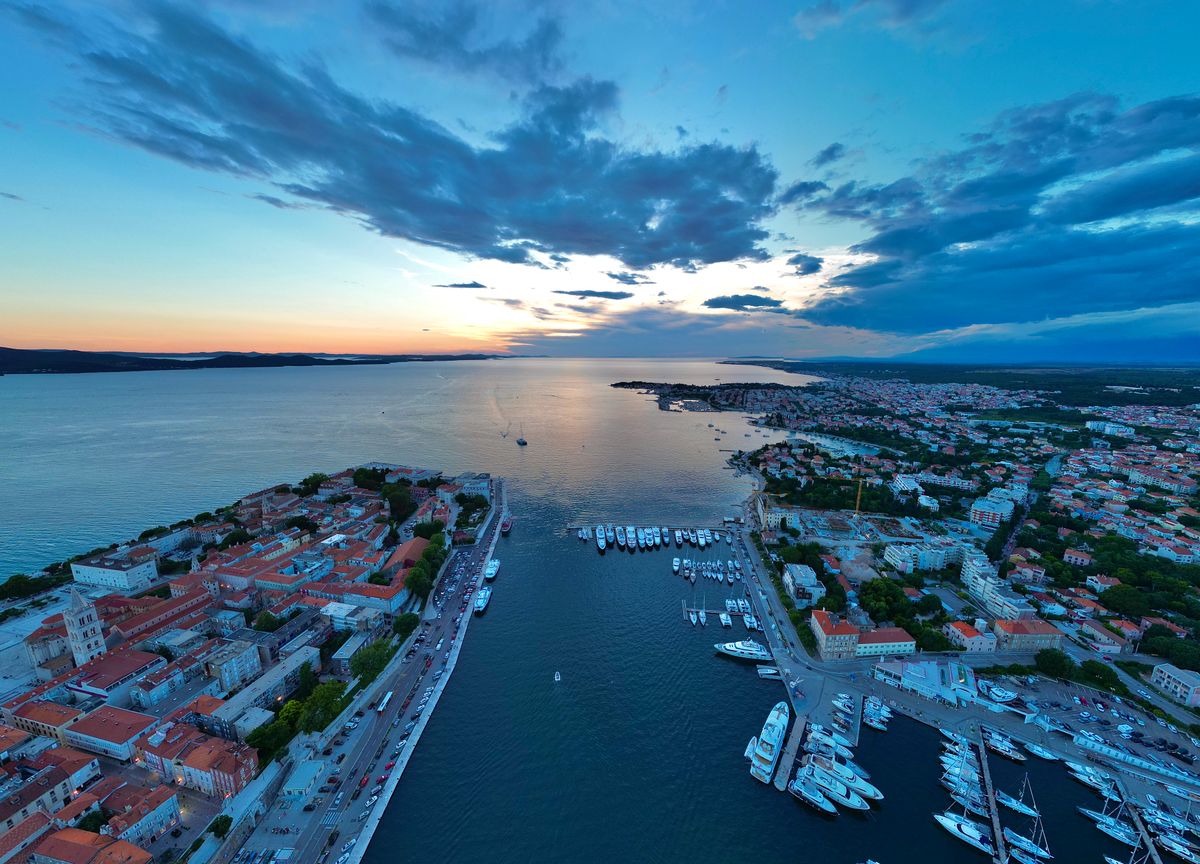
Zadar combines Roman remains with two modern installations on its waterfront: a sea organ, which plays through pipes cut into the promenade steps as the swell moves, and a solar disc that lights up after dark.
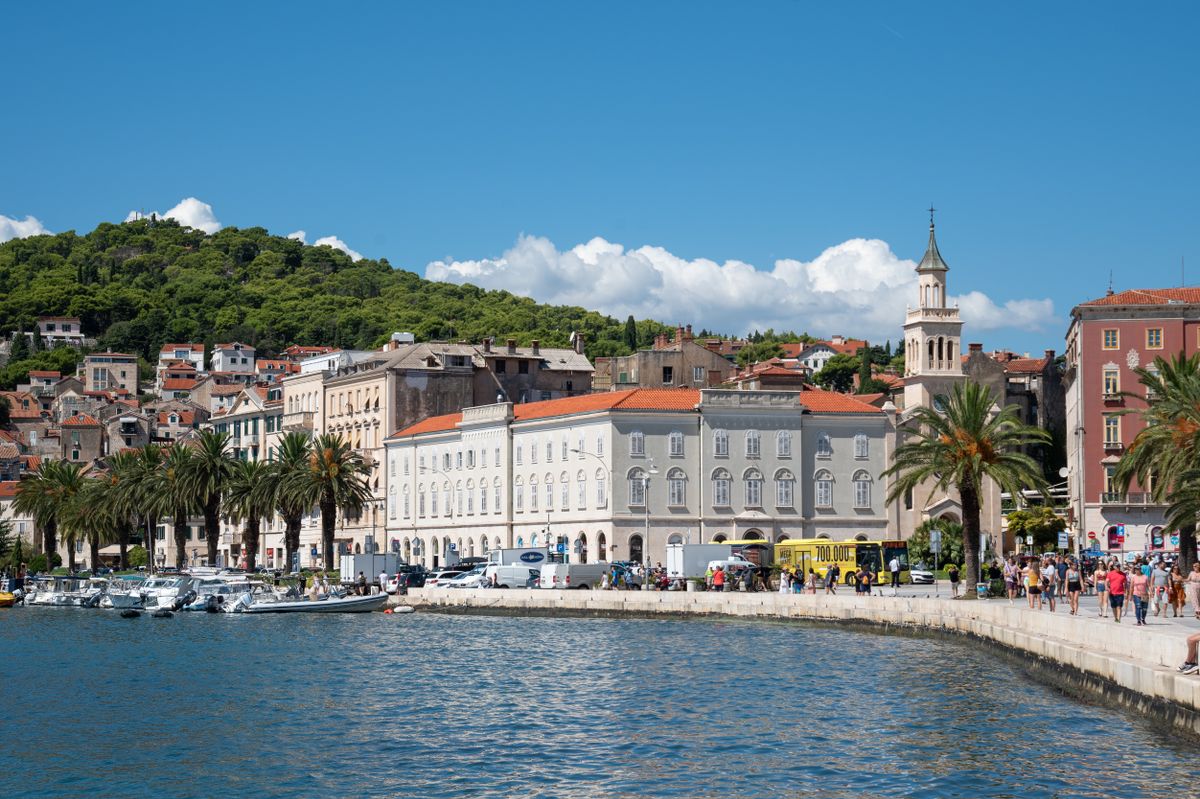
Sibenik has a cathedral of white stone built entirely without mortar, assembled from interlocking slabs, which is a UNESCO site and an engineering curiosity as much as a church.
This stretch is also the base for two national parks: Krka, with waterfalls that are less spectacular than Plitvice but far easier to reach, and the Kornati archipelago, which is nearly a hundred mostly barren islands.
Central Dalmatia: Split and the islands
Split is the second city of Croatia and the liveliest place on the coast. Its centre is Diocletian palace, a Roman imperial residence that people have been living inside continuously for sixteen centuries.
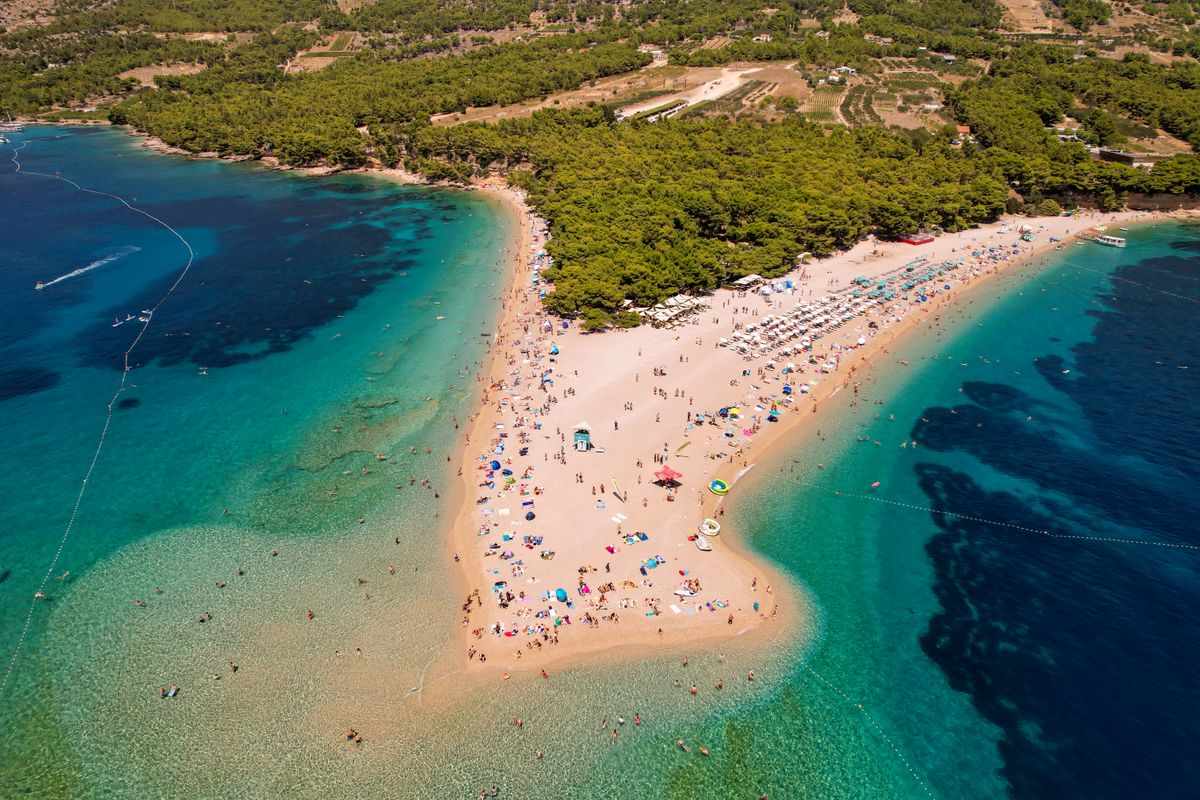
From Split, ferries run to the islands. Brac has Zlatni Rat, a shingle spit that changes shape with the current and appears on every Croatian tourist poster. Hvar has lavender fields and the loudest nightlife on the coast. Vis, furthest out, was closed to foreigners until 1989 and is the quietest of the three.
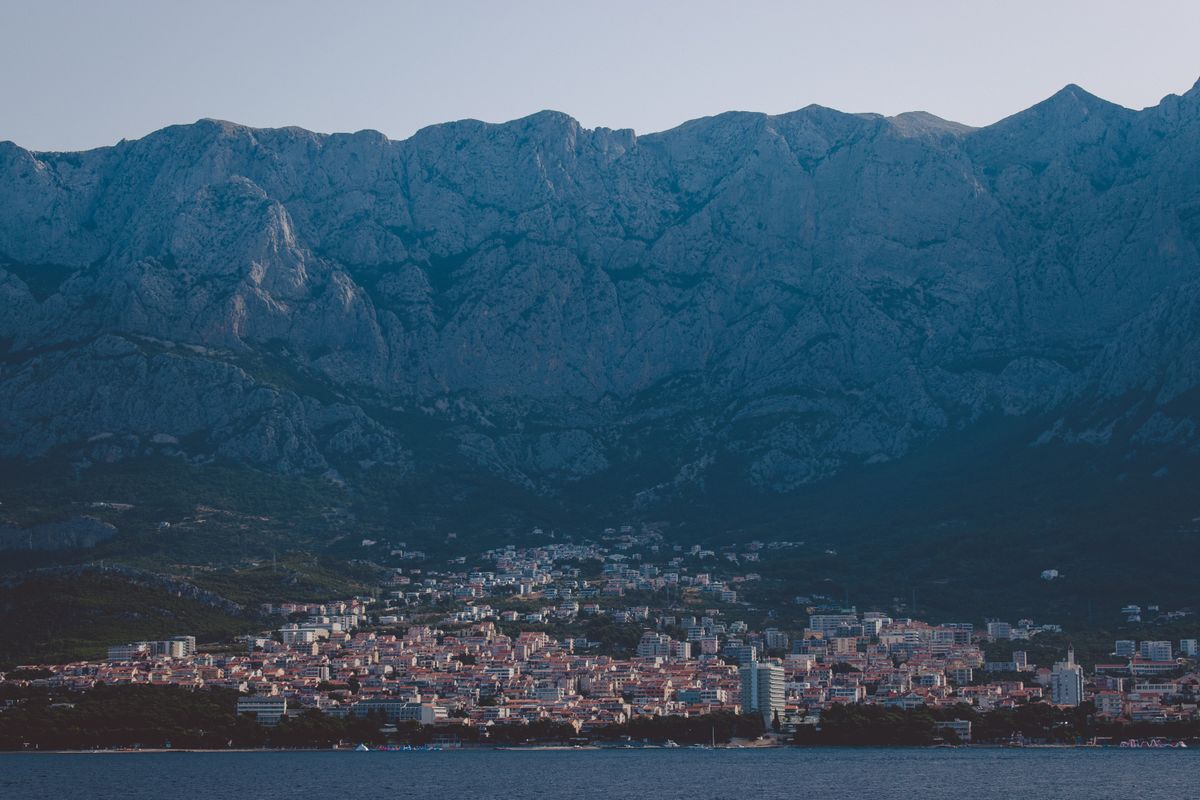
Just south of Split runs the Makarska riviera, a strip of beach resorts under the wall of the Biokovo mountain, which rises to seventeen hundred metres directly behind the shore.
Dubrovnik, at the southern end
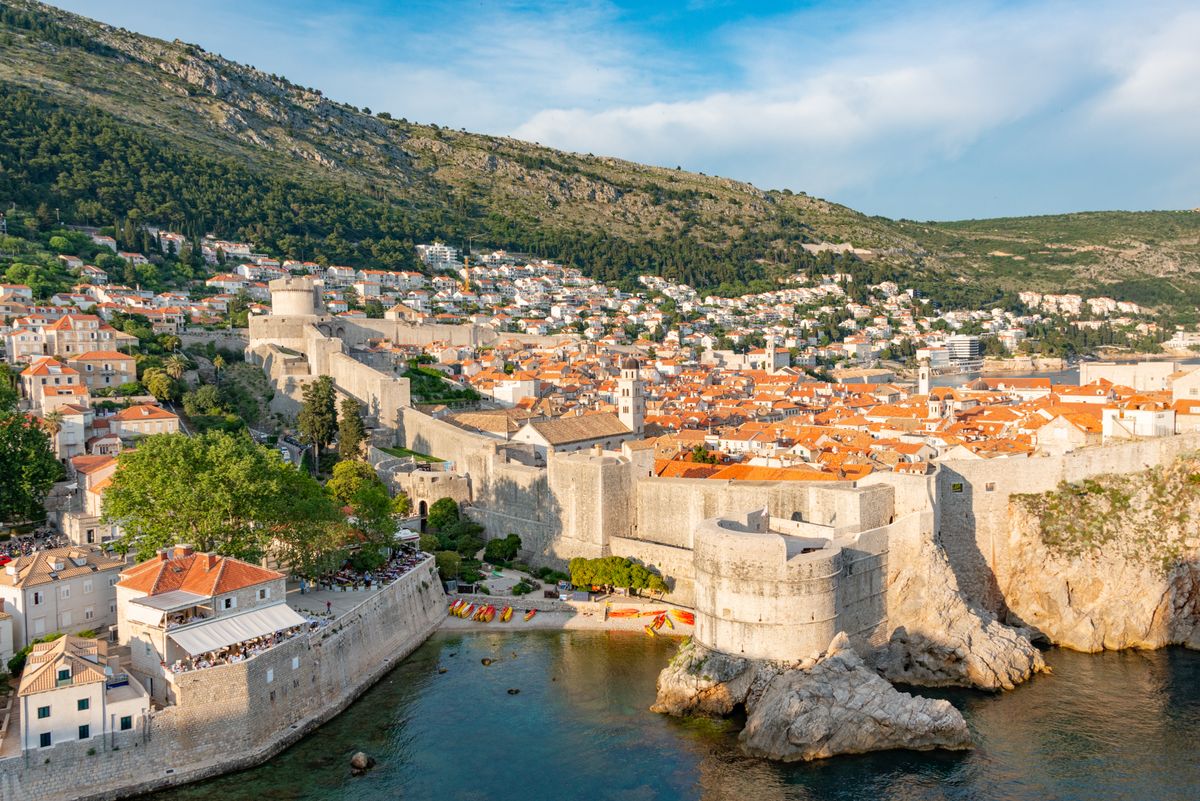
The old town is enclosed in walls two kilometres round, which can be walked in about an hour and a half for a view down onto the terracotta roofs.
The Stradun, polished by centuries of feet, is the main street and the heart of the town, busy in the morning and again in the evening.
Visit the old town and walk the walls either early in the morning or in the last hours of the afternoon. Between ten and five in summer the walls are exposed, unshaded and packed with cruise passengers, and the authorities now cap the number of people inside at any one time. Sleeping outside the walls and walking in at eight is both cheaper and far more pleasant.
The Adriatic beaches
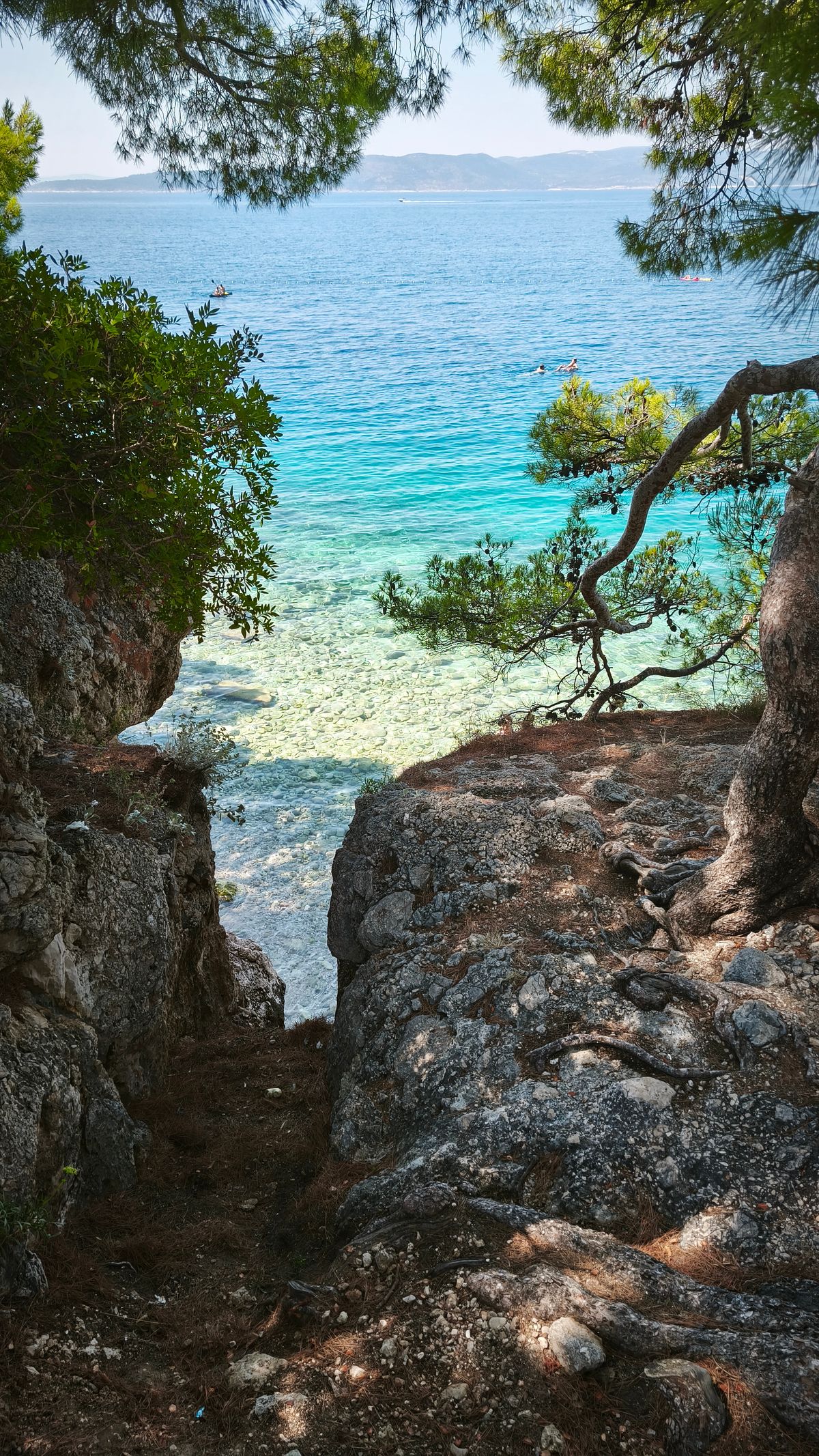
One thing to know before you go: Croatian beaches are mostly pebble and rock, not sand. The water is exceptionally clear precisely because there is no sand to stir up, which is the trade-off.
Water shoes are not an affectation here, they are standard equipment, and sea urchins on rocky entries are a genuine consideration.
Among the best are the beaches on the Makarska riviera, at Brela and Baska Voda, Zlatni Rat on Brac, and the countless unnamed coves that you reach only by boat or by walking down through pines.
Getting there and the tolls
From central and eastern Europe the route runs through Hungary and enters Croatia from the north, toward Zagreb, then down the motorway to the coast.
| Item | Cost |
|---|---|
| Hungarian e-vignette, 10 days | about 15 euros |
| Croatian motorway, Zagreb to Split | about 25 euros |
| Croatian motorway, Zagreb to Rijeka | about 10 euros |
| Petrol, roughly | similar to the EU average |
| Ferry to an island with a car, return | 30 to 60 euros |
One route note that matters: the Peljesac bridge, opened in 2022, means you no longer have to cross the short strip of Bosnian territory at Neum to reach Dubrovnik, which removes a border queue that used to cost hours in summer.
When to go, budget and food
The best window is late spring to early autumn. June and September are ideal: warm sea, open everything, and prices and crowds well below the July and August peak.
| Item | Cost |
|---|---|
| Fuel and tolls, return from central Europe | 400 – 600 euros |
| Apartments, 9 nights | 600 – 1,100 euros |
| Food and drink | 500 – 800 euros |
| Ferries and entries | 150 – 300 euros |
Croatia is somewhat more expensive than Greece or Bulgaria, particularly on the southern coast and in Dubrovnik, and it uses the euro since 2023.
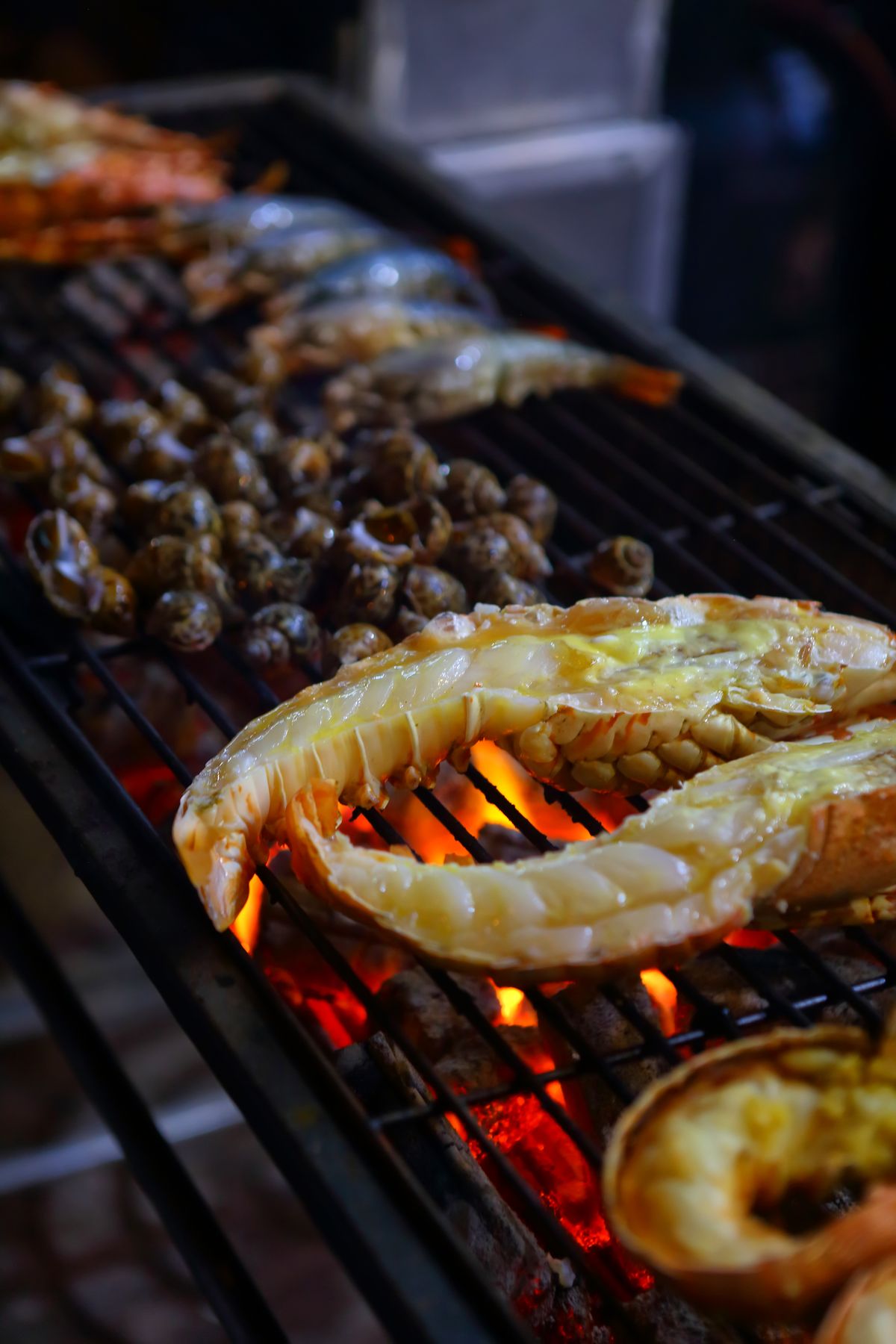
Coastal Croatian cooking is straightforwardly Mediterranean: grilled fish sold by weight, black risotto made with cuttlefish ink, meat and vegetables cooked peka style under an iron bell in embers, and olive oil that is genuinely worth carrying home. Regional information is on the national tourism portal, and toll information on the motorway operator site.
Frequently asked questions (FAQ)
Conclusion
Croatia is arranged for a road trip better than almost any Mediterranean country: one coast, a good motorway behind it, and towns spaced so no drive is long enough to be tiring.
Go in June or September, start in Istria and work south, put water shoes in the bag, and see Dubrovnik at eight in the morning rather than at noon.
