
 By

They are an hour and a half apart on the same coast and they attract completely different trips. Split or Zadar is a choice between a city built inside a Roman palace with ferries to everywhere, and a quieter peninsula with the best sunset on the Adriatic.
The case for each, then beaches, food, nightlife, island access and cost, and a verdict that does not sit on the fence.
Split: the Roman palace and the Riva
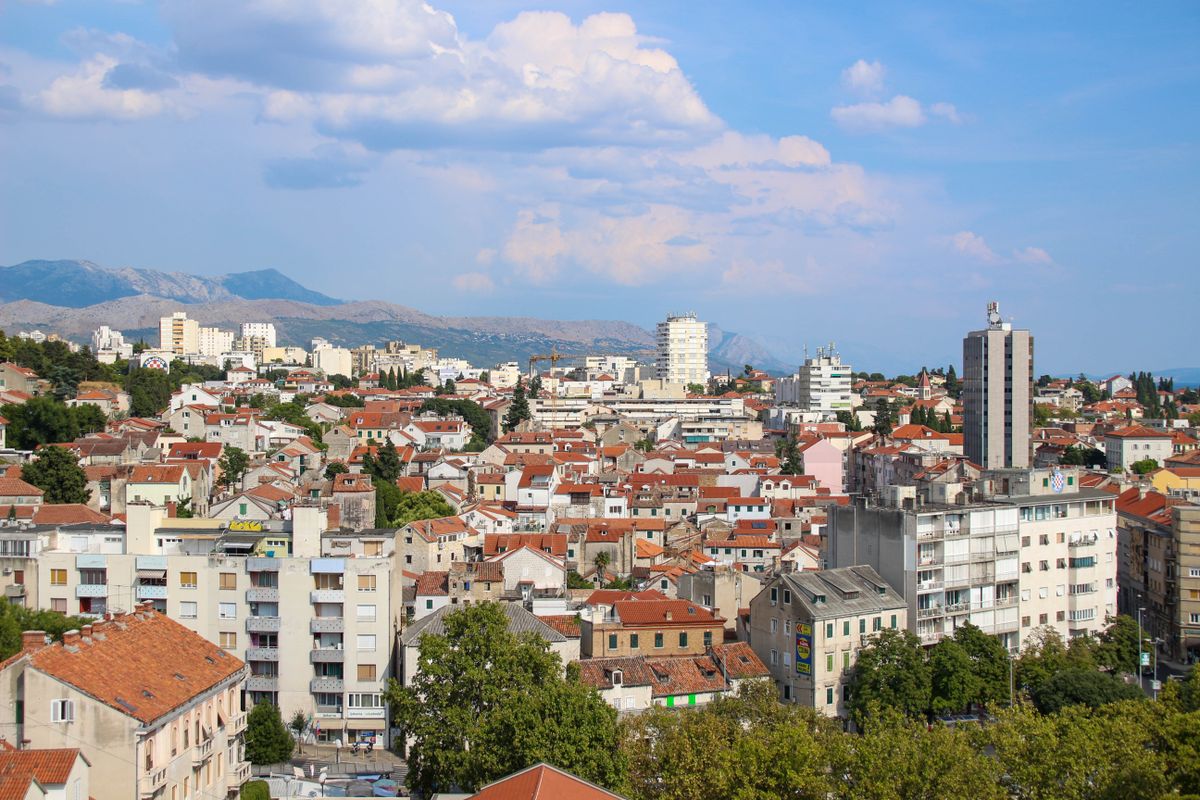
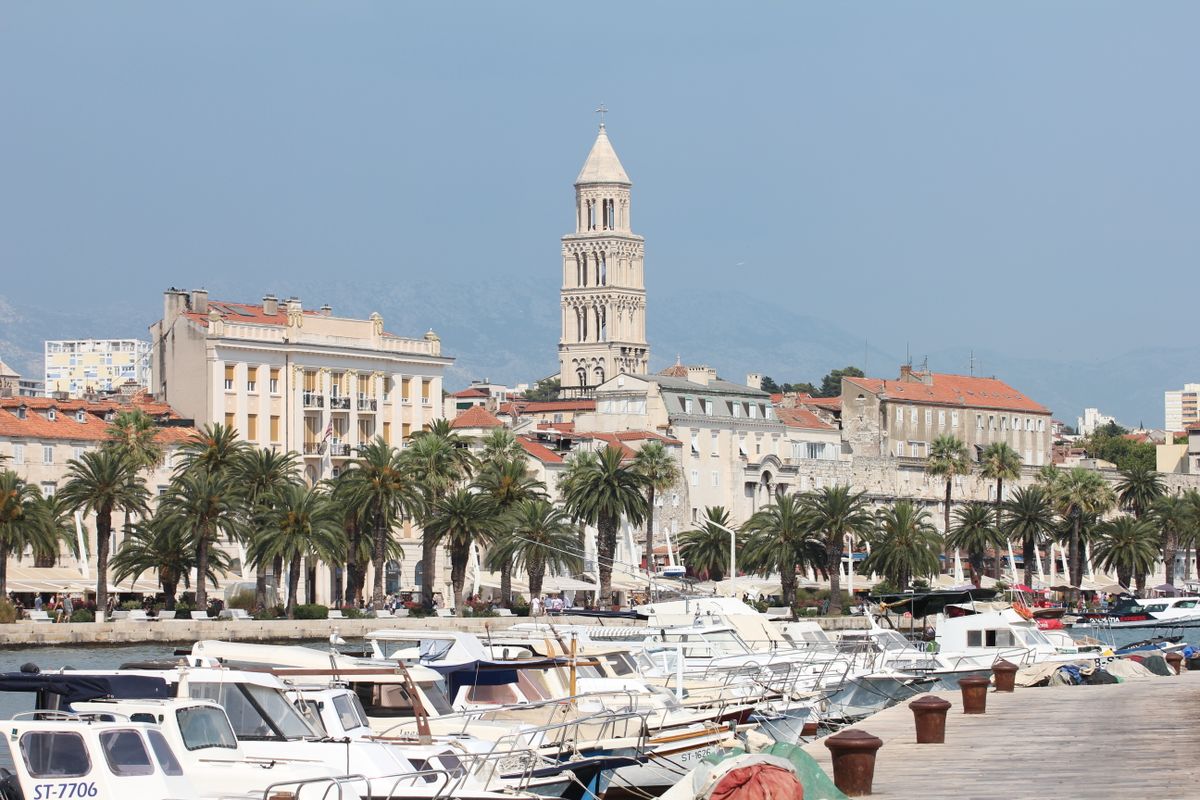
Split is unique in Europe: the old town is the retirement palace of the emperor Diocletian, built around 300 AD, and people have lived inside the walls continuously ever since. Shops, flats and bars occupy the substructures and the colonnades.

That means the old town is not a monument you visit, it is a neighbourhood you walk through. The cathedral is Diocletian mausoleum, converted by the Christians he persecuted, which is a historical irony nobody in Split lets you forget.
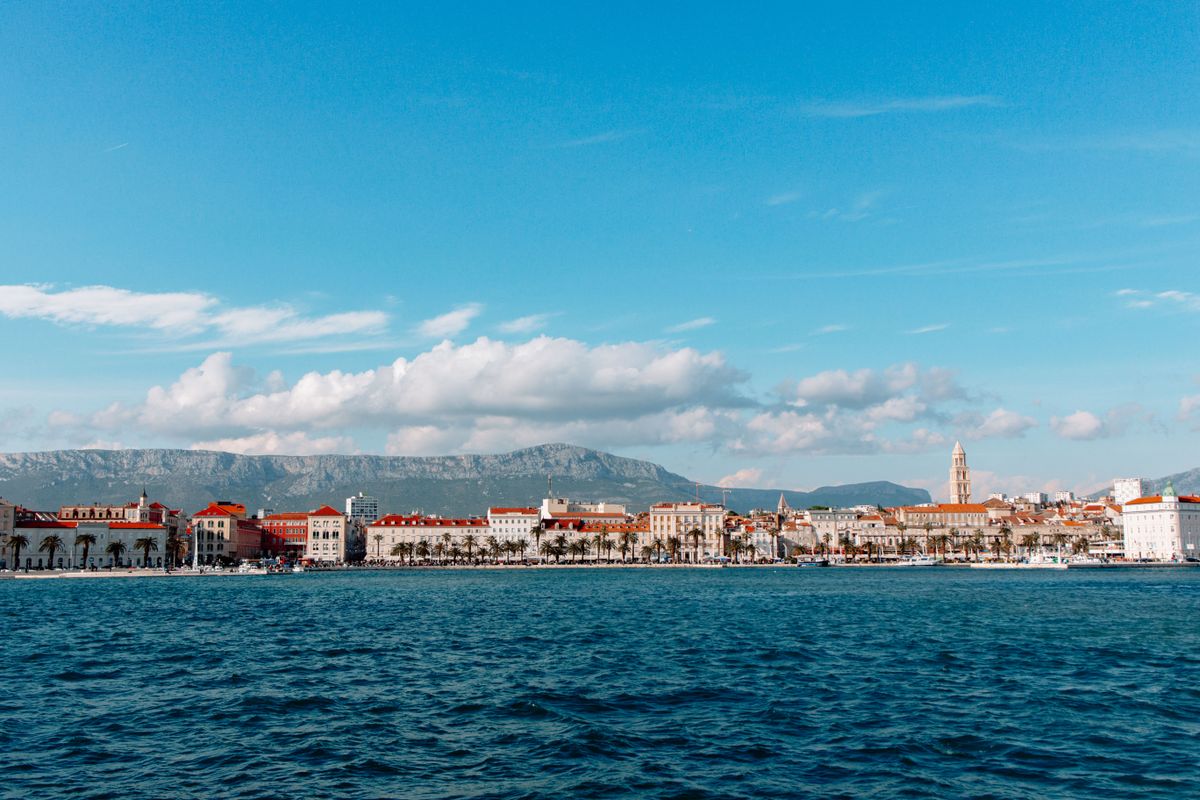
It is also the transport hub of Dalmatia. Ferries leave for Hvar, Brac, Vis and Korcula all day, and the airport and the motorway make it the easiest arrival point on the coast.

Zadar: the Sea Organ and the sunsets
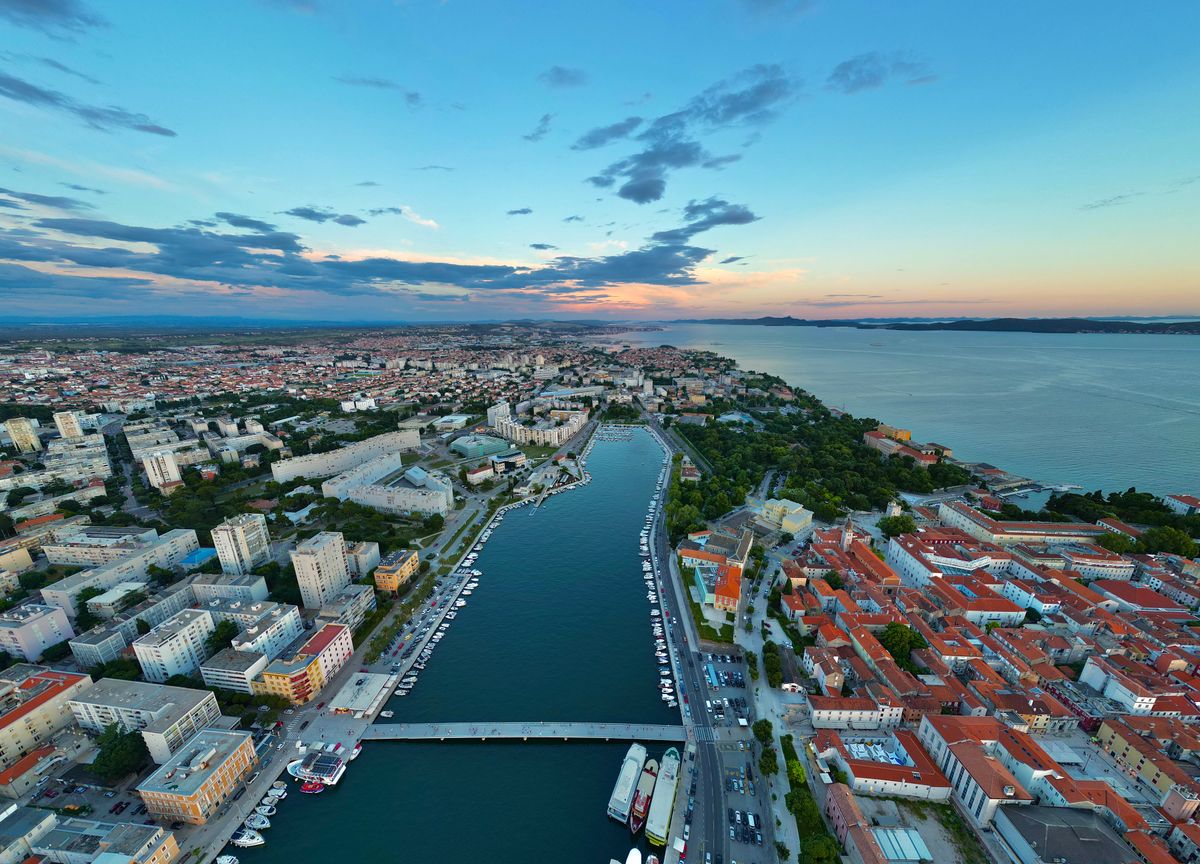
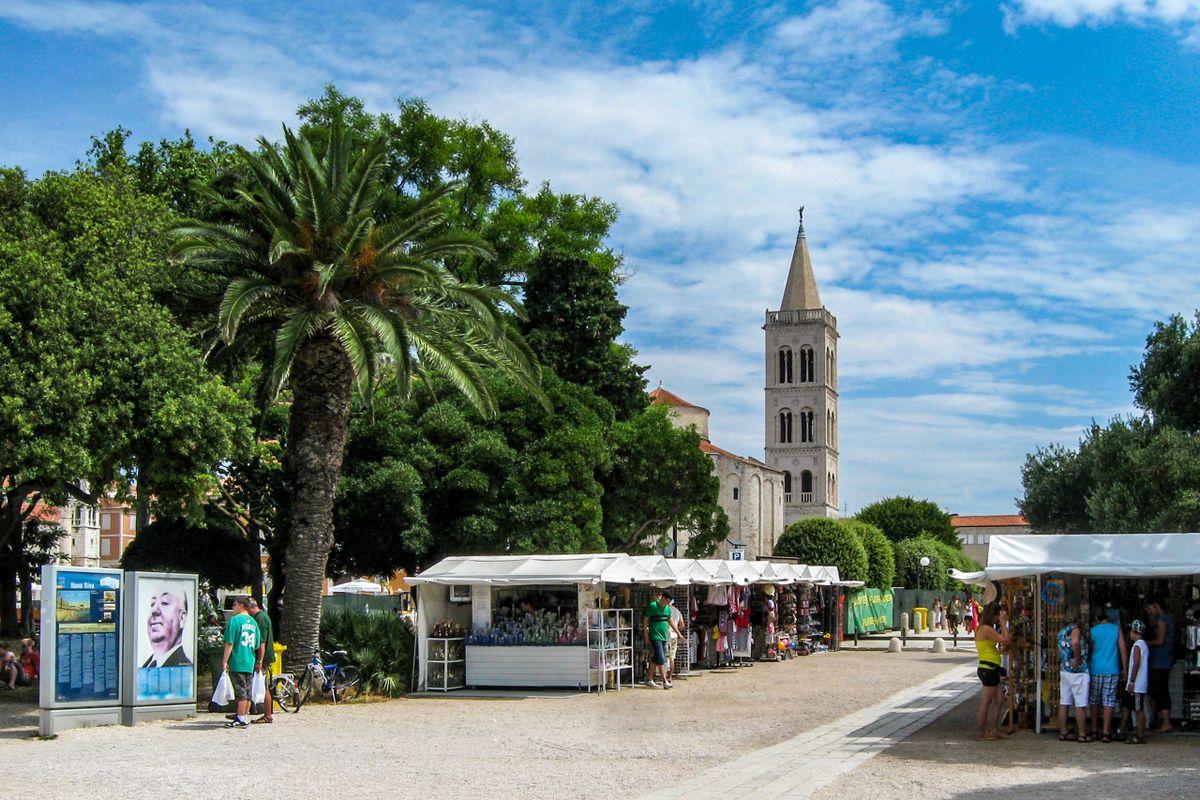
Zadar is older, smaller and much calmer. The old town sits on a peninsula with water on three sides, the Roman forum is still there in fragments, and the ninth century church of Saint Donatus was built out of recycled Roman stone.
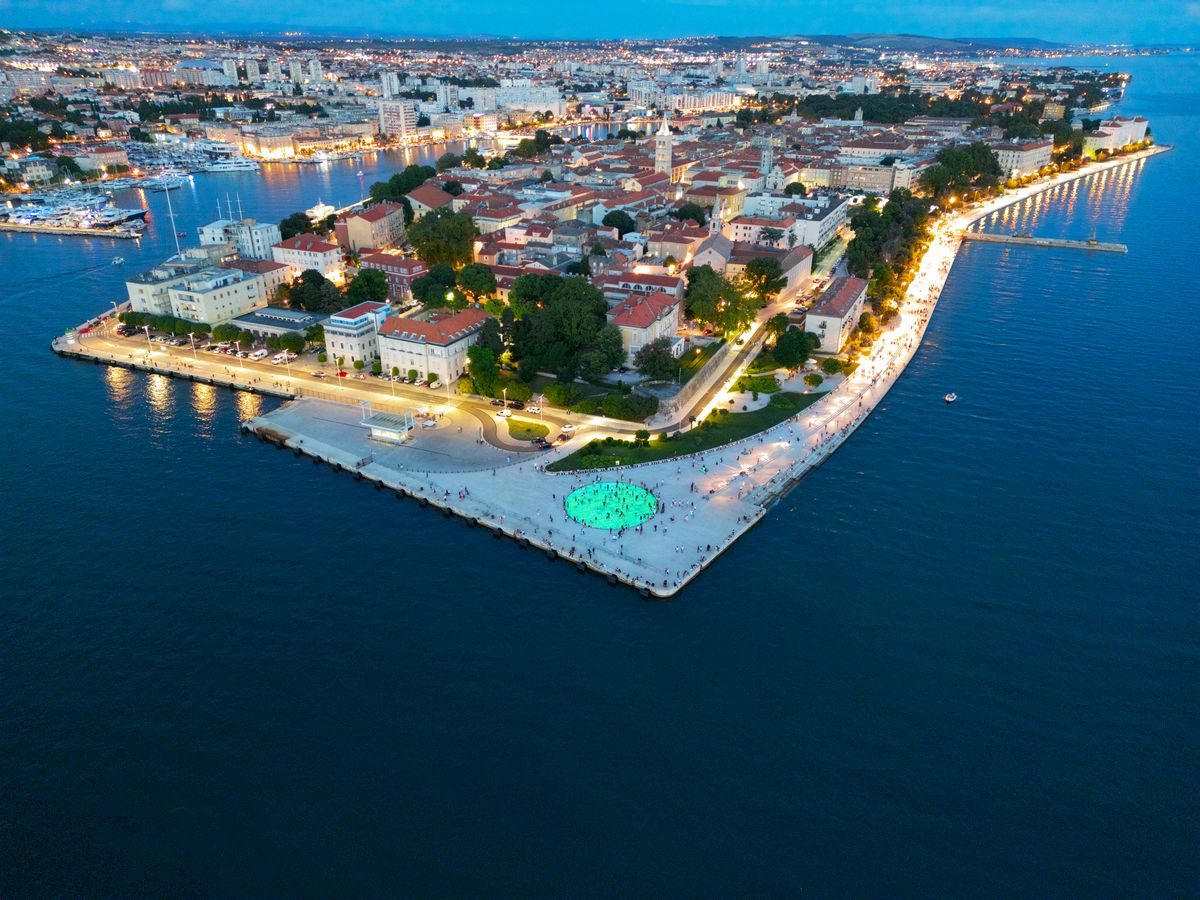
The two modern installations are what people come for. The Sea Organ is a set of pipes cut into the marble steps that plays notes as waves push air through them. Beside it, the Greeting to the Sun is a disc of solar panels that lights at dusk.
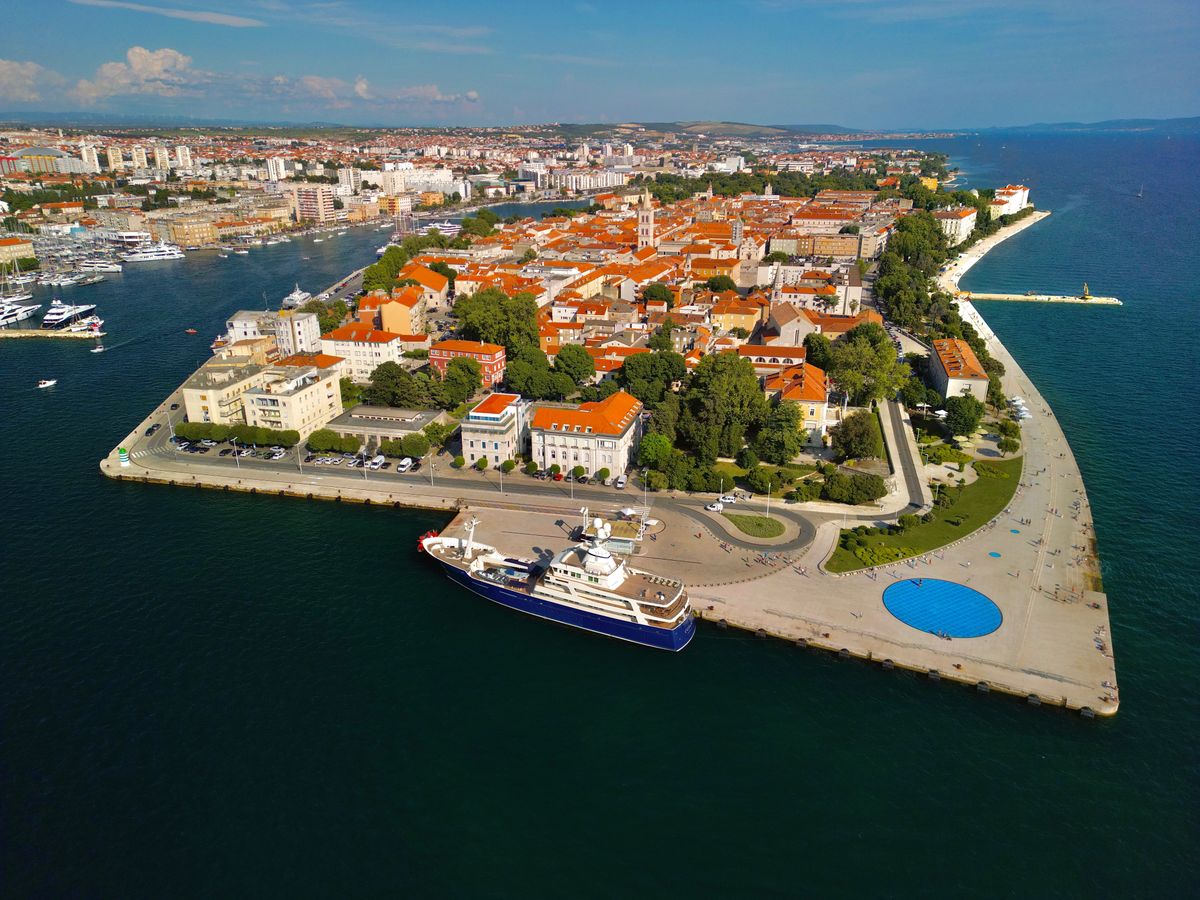
Alfred Hitchcock said the sunset here was the most beautiful in the world. It is quoted on every menu in the city, and standing on those steps at dusk it is difficult to argue.
Beaches
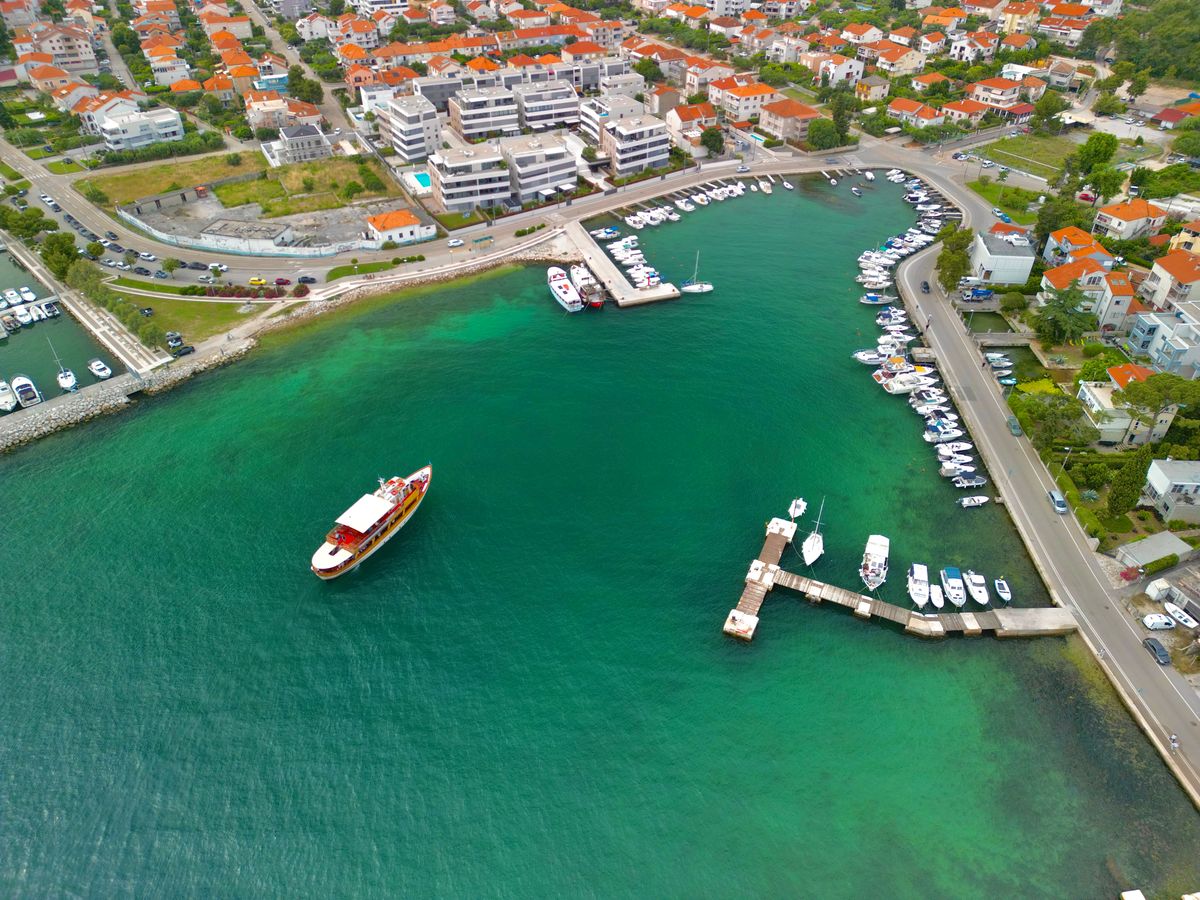
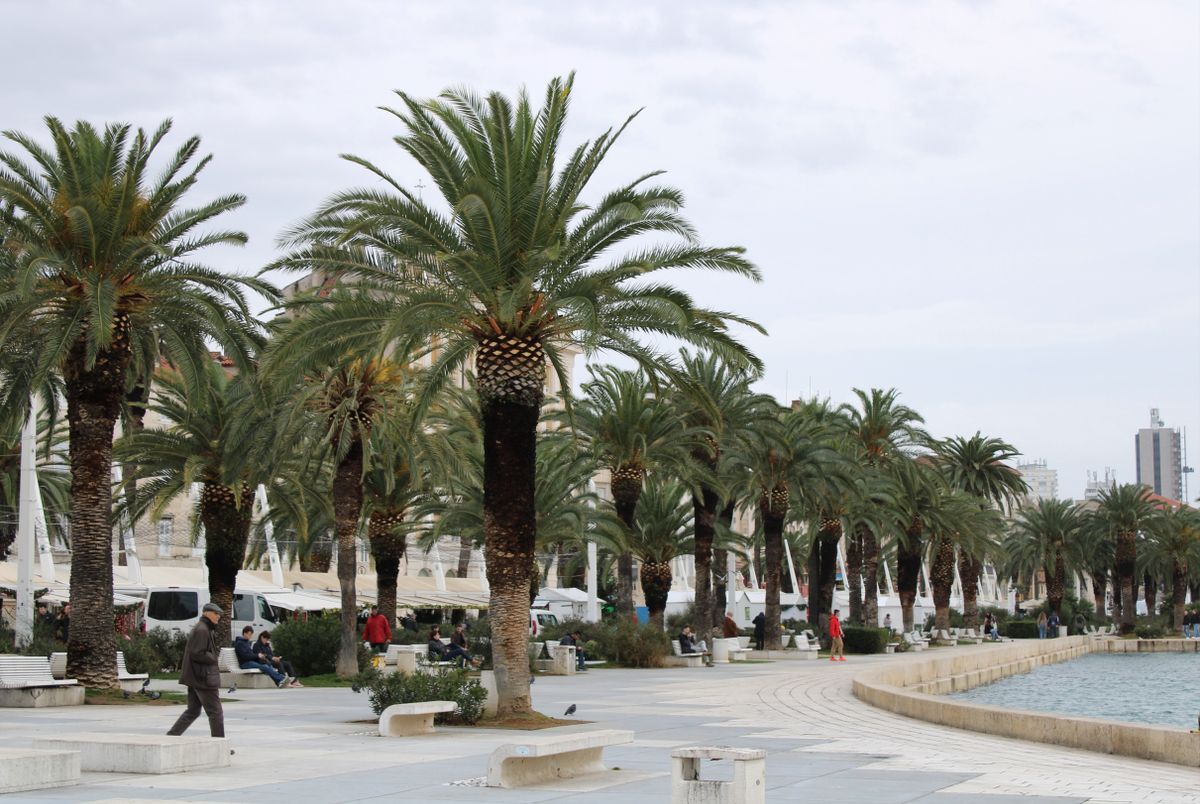
Both are pebble, as almost everything on this coast is. Split has Bacvice, a rare sand beach within walking distance of the centre, and the pine covered Marjan peninsula with small coves along its edge.
Zadar has the better beaches within a short drive: Sakarun on Dugi Otok is a long pale beach with shallow water, and the Kornati islands are a national park of eighty islands reached by boat.
Food and nightlife
- Peka, meat or octopus cooked slowly under an iron bell with coals, ordered hours ahead.
- Black risotto with cuttlefish ink, on every Dalmatian menu and better than it looks.
- Grilled fish sold by the kilo, which is how you should read the price.
- Maraschino, the cherry liqueur, which comes from Zadar and has since 1821.
- Split for clubs and summer festivals, including a beach club scene aimed at visitors.
- Zadar for wine bars and quiet terraces, with far less of the party crowd.
Split or Zadar: islands, day trips and cost
| Split | Zadar | |
|---|---|---|
| Old town | a lived in Roman palace | a Roman forum and a peninsula |
| Islands | Hvar, Brac, Vis, Korcula | Dugi Otok, Ugljan, the Kornati |
| Day trips | Krka, Trogir, Salona | Plitvice, Krka, Paklenica |
| Nightlife | busy, loud, festival driven | relaxed, wine bars |
| Crowds in August | severe | moderate |
| Prices | higher | noticeably lower |
Zadar is also the better base for the national parks: Plitvice is under two hours away, Krka about an hour and Paklenica forty minutes. From Split, Krka is the easy one and Plitvice is a long day.
The verdict
Choose Split for the palace, the island ferries, the nightlife and a first trip to Dalmatia. Choose Zadar for lower prices, fewer people, the national parks and evenings that are actually pleasant in August.
If you have a week, do both: the bus takes about an hour and a half and runs frequently, and the two cities are different enough that neither repeats the other. Background on the palace is on Wikipedia and the listing at UNESCO.
Frequently asked questions (FAQ)
Conclusion
Split is a Roman palace that people still live in, with ferries to half of Dalmatia. Zadar is quieter, cheaper and has an installation that makes music out of the sea.
First trip and island hopping to Split, second trip and national parks to Zadar, and if you have a week, an hour and a half of bus gets you both.
