

 By
An eSIM Europe package is the answer to a problem that, for most of the continent, no longer exists. Inside the European Union your phone already works as it does at home. The question is only what to do about the handful of countries where it does not, and that is where people either overpay badly or get it right in five minutes.
This guide splits Europe into the places where you need nothing and the places where you do, then compares the three real options and tells you how much data you actually consume on a normal holiday.
Where you need nothing: roaming inside the EU
Since 2017, operators in the European Union have not been permitted to charge roaming surcharges for calls, messages or data used in another member state. The rule is called roam like at home and it does exactly what the name says.
In practice, if you travel to Greece, Italy, Spain, France, Germany, Hungary, Bulgaria, Croatia or anywhere else in the Union, your phone works on your normal allowance with no action required and no extra cost. Iceland, Norway and Liechtenstein are included as well.
There is a data ceiling, called a fair use limit, calculated from the price of your own tariff. On expensive contracts the ceiling is so high you will never reach it on a two week holiday. On very cheap prepaid plans it can be a few gigabytes. Your operator must tell you the figure, and it is usually in the contract or in the app. Exceeding it does not cut you off; it adds a small per-gigabyte charge that is capped by law.
Where you actually need a solution
These are the European countries where roaming stays expensive, because they are outside the Union and not covered by the regulation.
| Country | Situation |
|---|---|
| United Kingdom | after leaving the EU, most operators reintroduced charges |
| Switzerland | never in the regulation, and among the highest rates in Europe |
| Turkey | outside the regulation, expensive for data |
| Serbia, Montenegro, Albania, North Macedonia, Bosnia | outside the EU, though some regional deals exist |
| Moldova, Ukraine, Georgia | outside, rates vary widely by operator |
Here, without a solution, ordinary holiday use turns into a bill of a hundred euros or more. And if your route crosses several of these countries, as any Balkan road trip does, the risk multiplies.
The eSIM Europe option: the simplest answer for most people
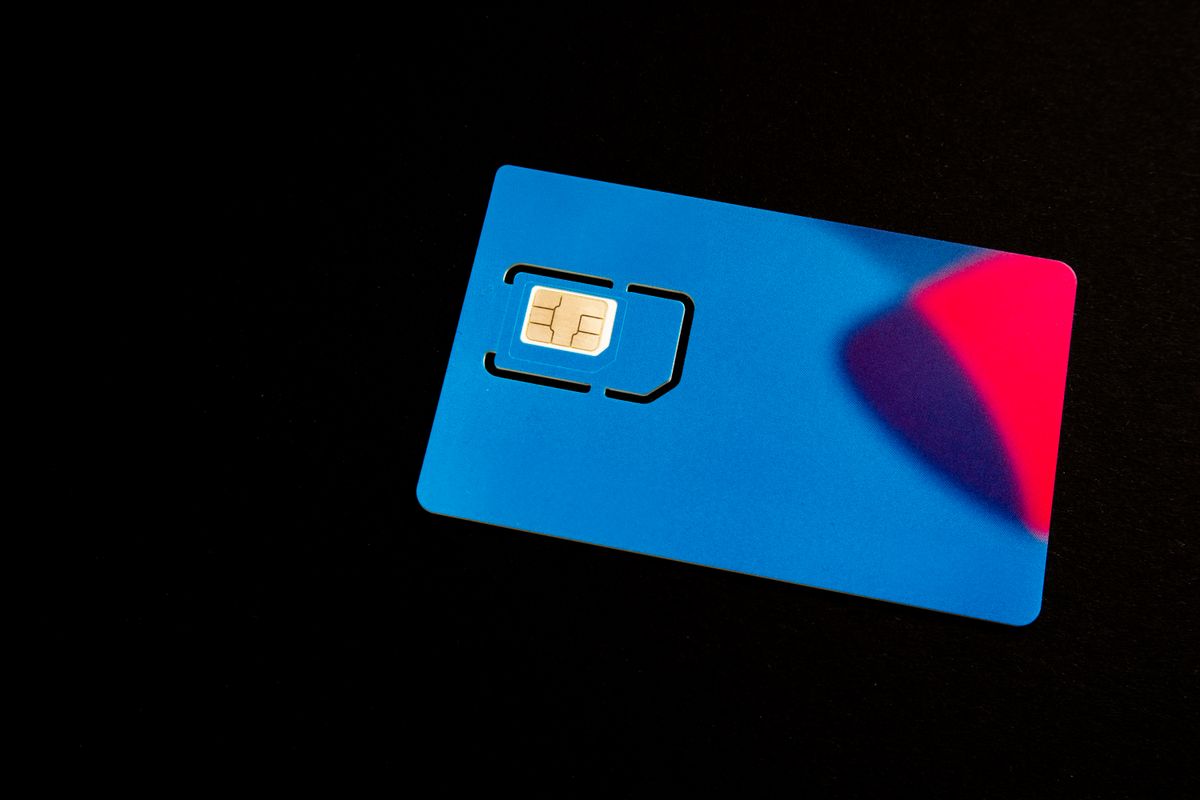
An eSIM is a digital SIM that installs by scanning a code. Nothing comes out of the phone, nothing goes in, and you never enter a shop.
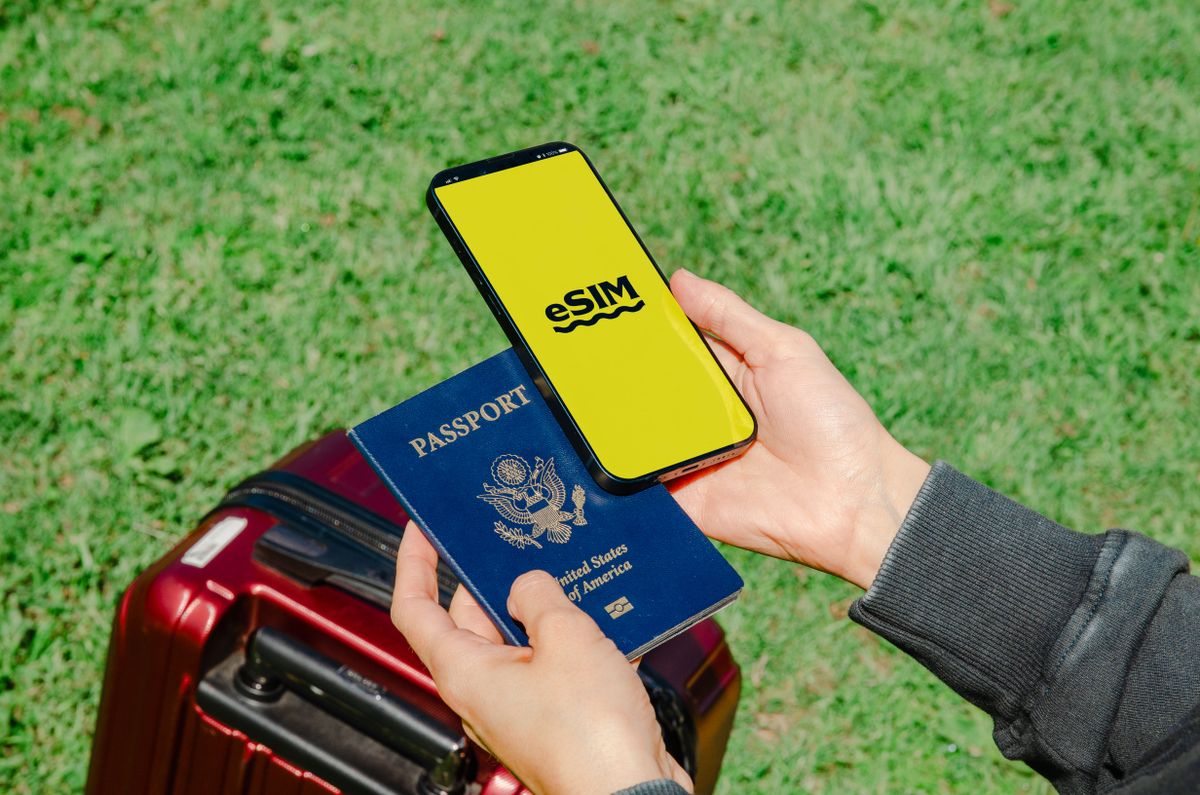
How it works in practice: you buy a data package online for the country or region you are visiting, receive a QR code, scan it from your phone settings, and activate it when you land. The whole process takes about five minutes and can be done from your sofa before departure.
| Package | Approximate price |
|---|---|
| 5 GB, one country, 7 days | 8 to 14 euros |
| 10 GB, one country, 30 days | 15 to 25 euros |
| 10 GB, regional European, 30 days | 18 to 30 euros |
| Unlimited, one country, 7 days | 25 to 40 euros |
The real advantages: you buy it before you leave, so you have data from the second you land; you do not lose or swap your physical card; and a regional package covers several countries without any change at borders.

Most phones released in the last five or six years do, but not every model and not every regional variant. Check in settings, under mobile networks or SIM cards, for an option to add an eSIM or a digital SIM. Do this before buying anything, because eSIM packages are generally not refundable once issued.
The local SIM: cheaper, with more friction
A prepaid card bought at your destination is almost always the cheapest option per gigabyte. In Turkey, Serbia or the United Kingdom, a large data package costs a fraction of the eSIM equivalent.
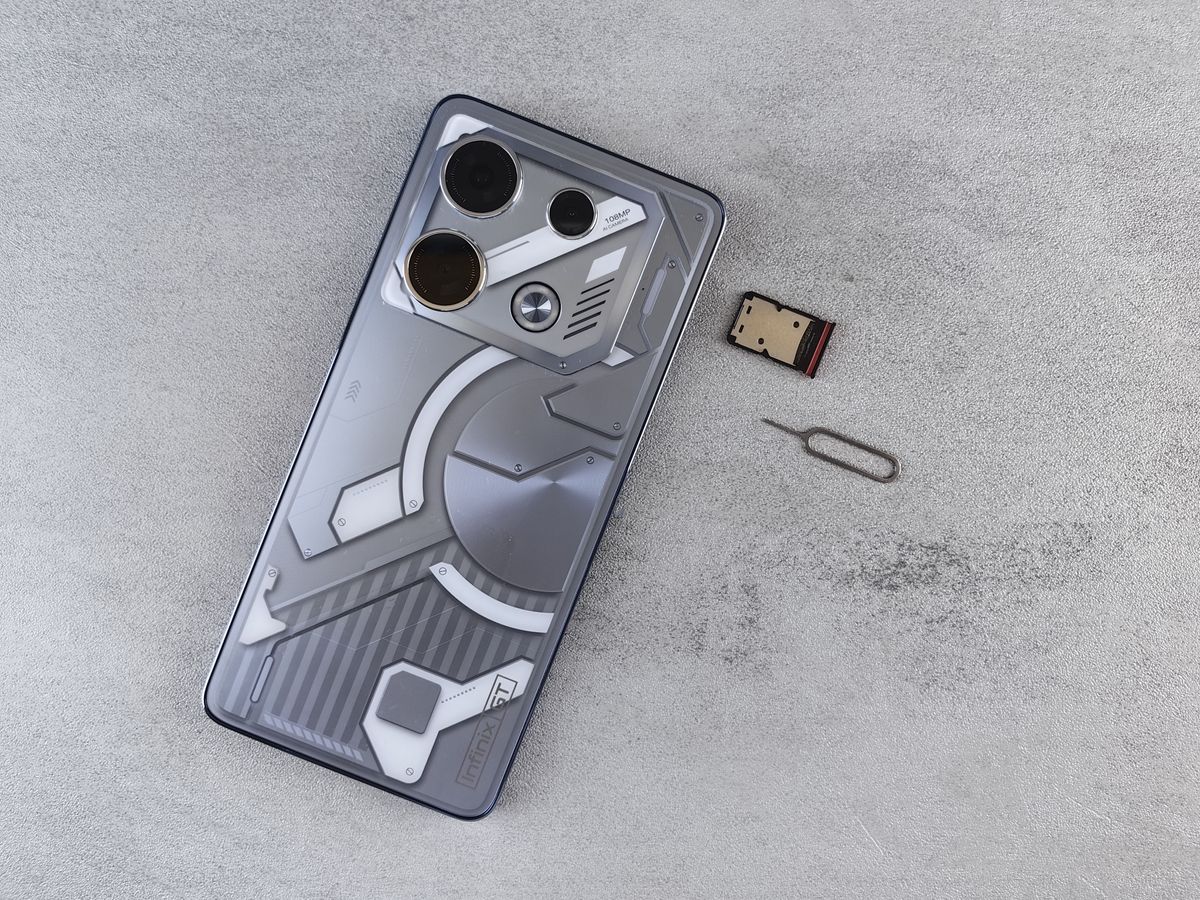
The drawbacks are real. Many countries require identity documents to register a card, which means time lost in a shop rather than on holiday. Your own number stops working while the card is in the phone unless you have dual SIM. And the cheapest deals are usually in the local language only.
It is worth it if you are staying more than two weeks in a single country, if you need a lot of data, or if your phone does not support eSIM at all.
The three options compared
| Your situation | What to choose |
|---|---|
| Holiday inside the European Union | nothing, you have roam like at home |
| Weekend in the UK or Switzerland | eSIM with a small package |
| Two weeks in Turkey | local SIM, best price per gigabyte |
| Road trip across several Balkan countries | regional eSIM, covers all of it |
| Phone without eSIM support | local SIM or accept the roaming charge |

Close to a frontier, your phone can connect automatically to a network in the neighbouring country. If that neighbour is outside the Union, as at the Romanian border with Serbia, Moldova or Ukraine, you pay full roaming rates without ever having left. The fix is to turn off automatic network selection near borders and pick the local operator manually.
How much data you actually use
People massively overestimate this. Here is the real daily consumption for an ordinary tourist.

- Maps and navigation: 50 to 150 MB a day
- Messaging and social media without video: 100 to 300 MB a day
- Browsing, email and bookings: 100 to 200 MB a day
- Photos uploaded to cloud backup: 200 MB to 1 GB, depending on settings
- Video streaming: 1 to 3 GB an hour, which is where budgets die

The practical conclusion: without streaming, a couple uses somewhere between three and five gigabytes in a week. Ten gigabyte packages are, for most holidays, twice what anyone needs.
Tricks that cut consumption to almost nothing
Four settings, changed before departure, remove most of the problem.

- Download offline maps for the whole region before you go. This alone removes the largest single use
- Turn off automatic cloud backup for photos, or set it to wifi only
- Turn off automatic app updates on mobile data
- Download entertainment before you travel rather than streaming it
The official rules on roaming in the European Union are explained on the Your Europe portal, and the regulatory framework is published by the body that coordinates European telecom regulators.
Frequently asked questions (FAQ)
Conclusion
For most of Europe the honest answer is that you need to do nothing at all, and anyone selling you a package for a week in Spain is selling you something you already have.
Buy an eSIM only for the countries outside the Union, take the smallest package rather than the largest, download your maps before you leave, and turn off automatic network selection when you drive near a border.
