
 By

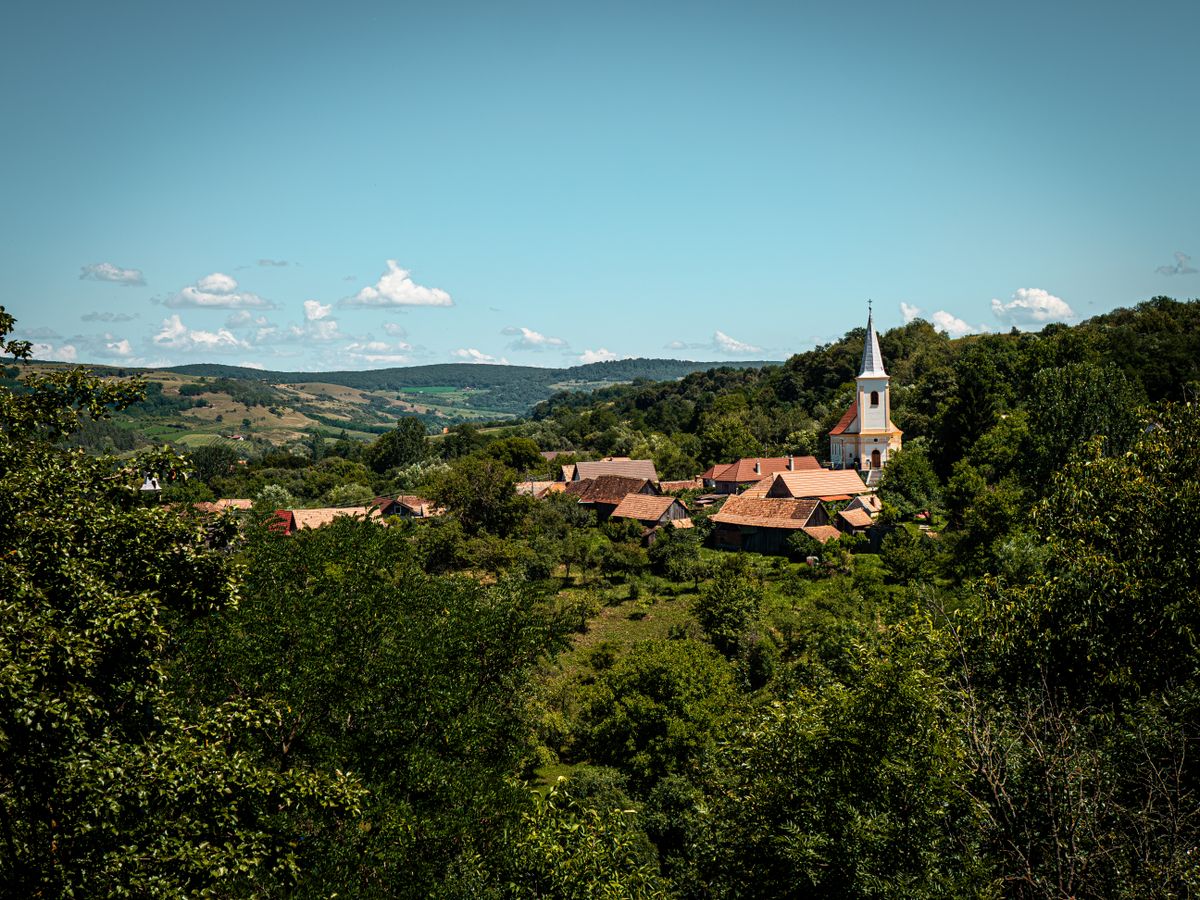
Between the twelfth and fourteenth centuries, German settlers were invited east to defend a frontier, and they built villages with churches you could live inside during a siege. Transylvania still has around 150 of them, seven are on the UNESCO list, and the landscape around them has barely been touched.
Who built the villages and why, how a fortified church actually worked, the two towns worth days of their own, and a four day route.
Who built the Saxon villages of Transylvania
From about 1150, Hungarian kings invited settlers from the Rhineland and Luxembourg to colonise and defend the eastern frontier. They were called Saxons regardless of where they actually came from, and they were granted autonomy in exchange for military service.
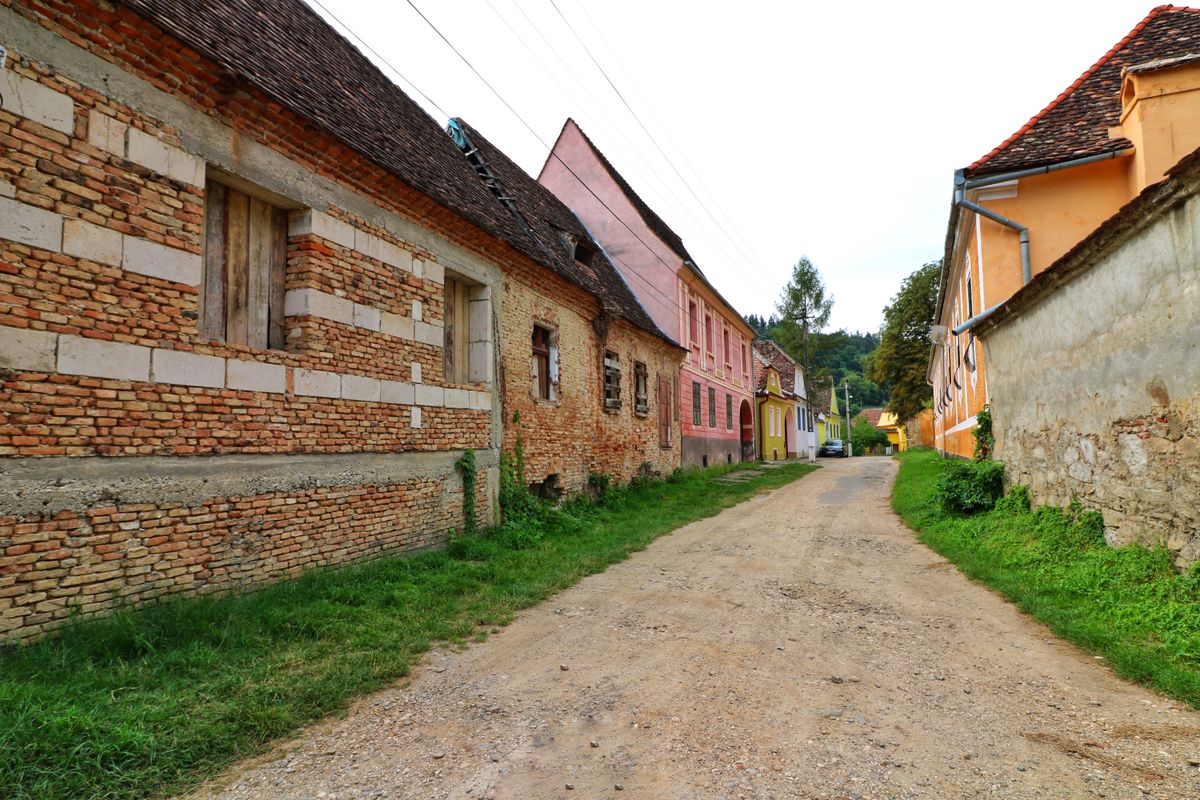
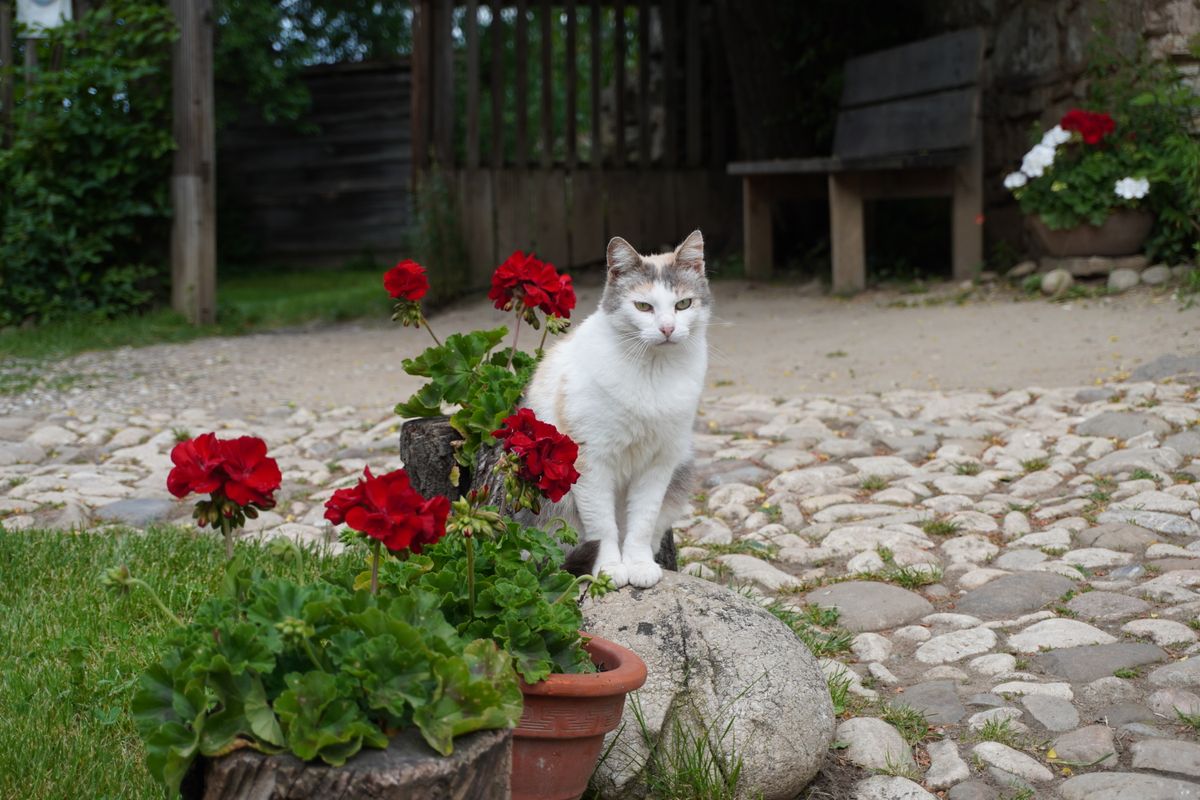
They stayed for eight hundred years. Most left between 1945 and the early 1990s, and a very large emigration followed the fall of communism, so many villages now have a handful of Saxon families or none. The buildings remain.
How the fortified churches worked
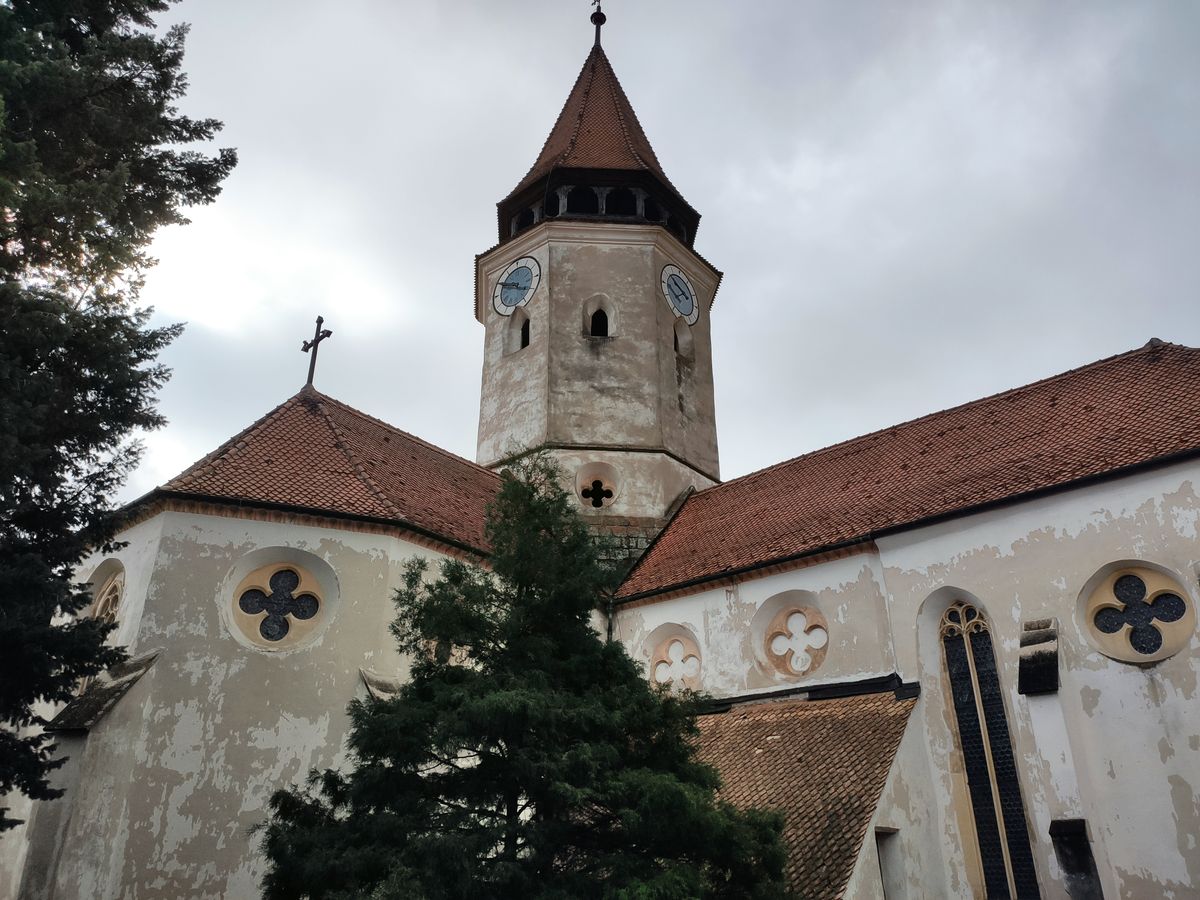
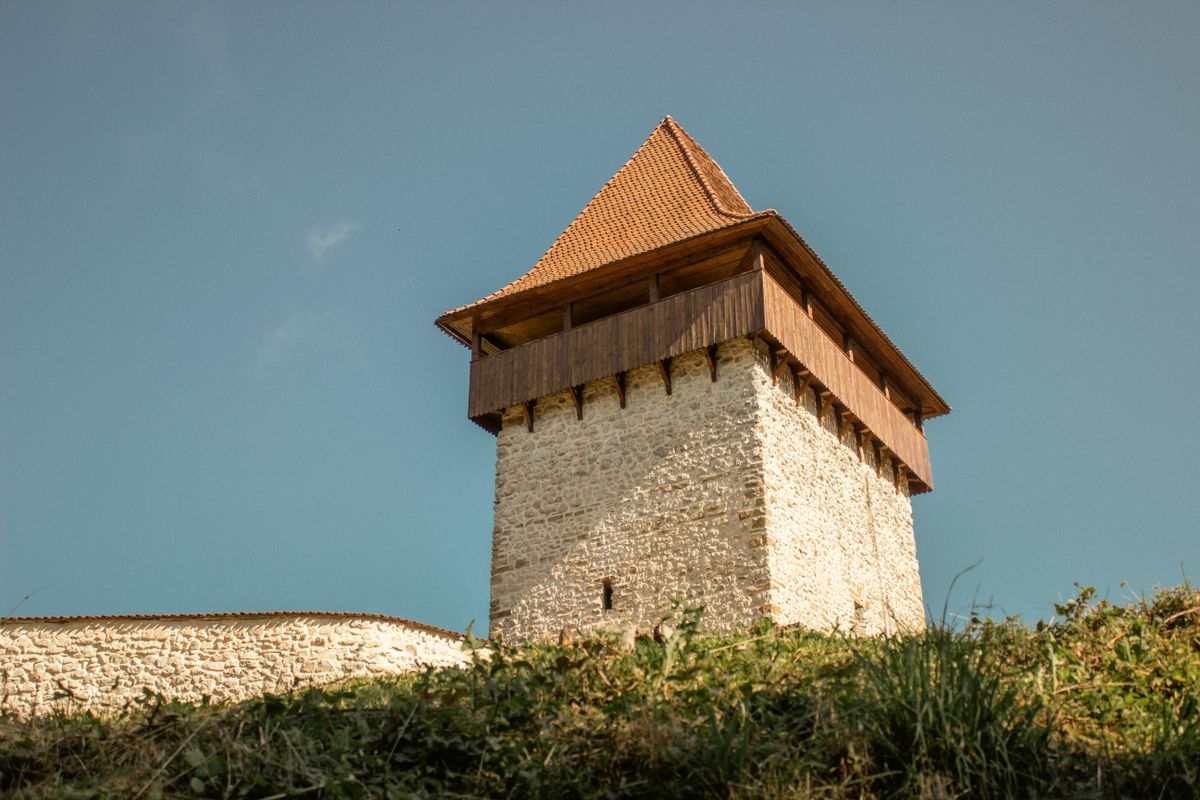
A village could not defend a wall around all its houses, so it fortified the church instead: thick walls, towers, a covered walkway and storerooms built into the ring wall, one for each family.
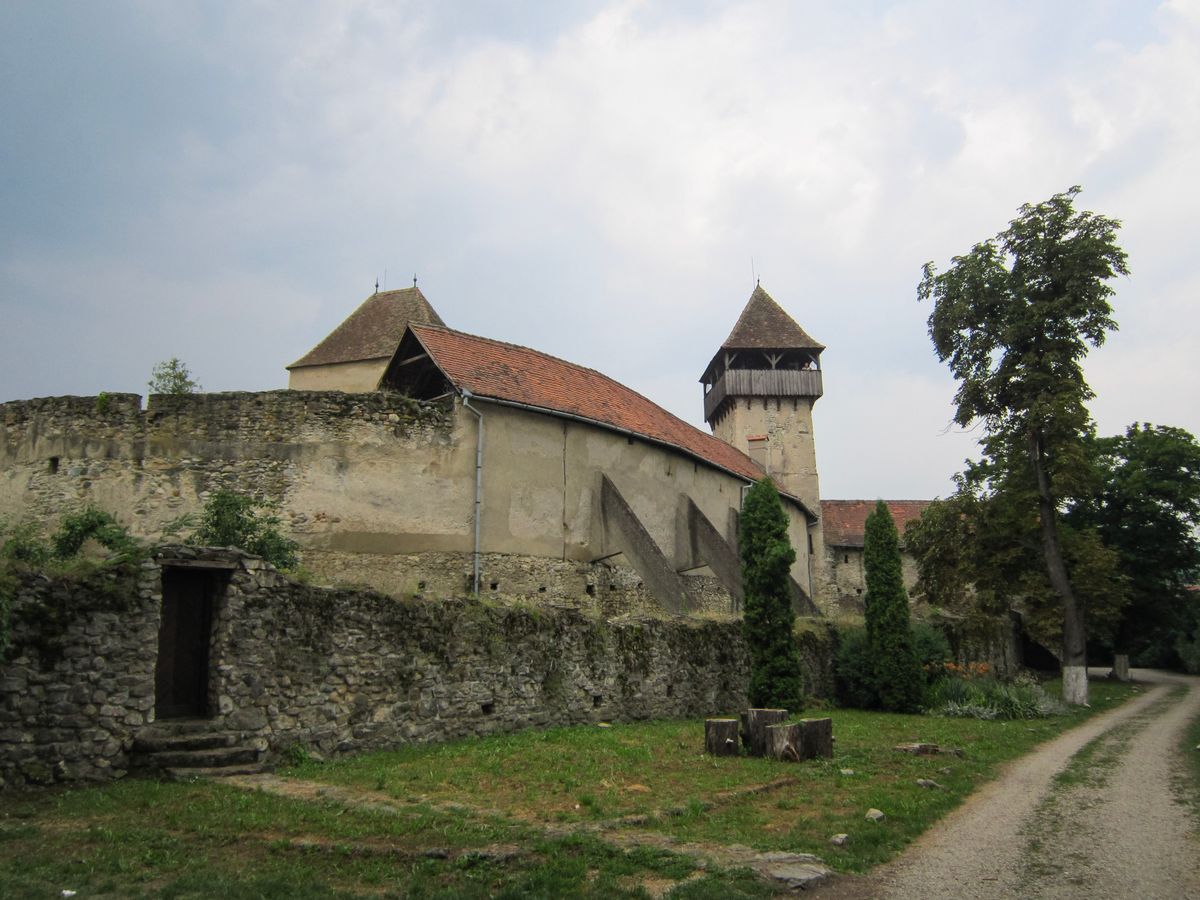
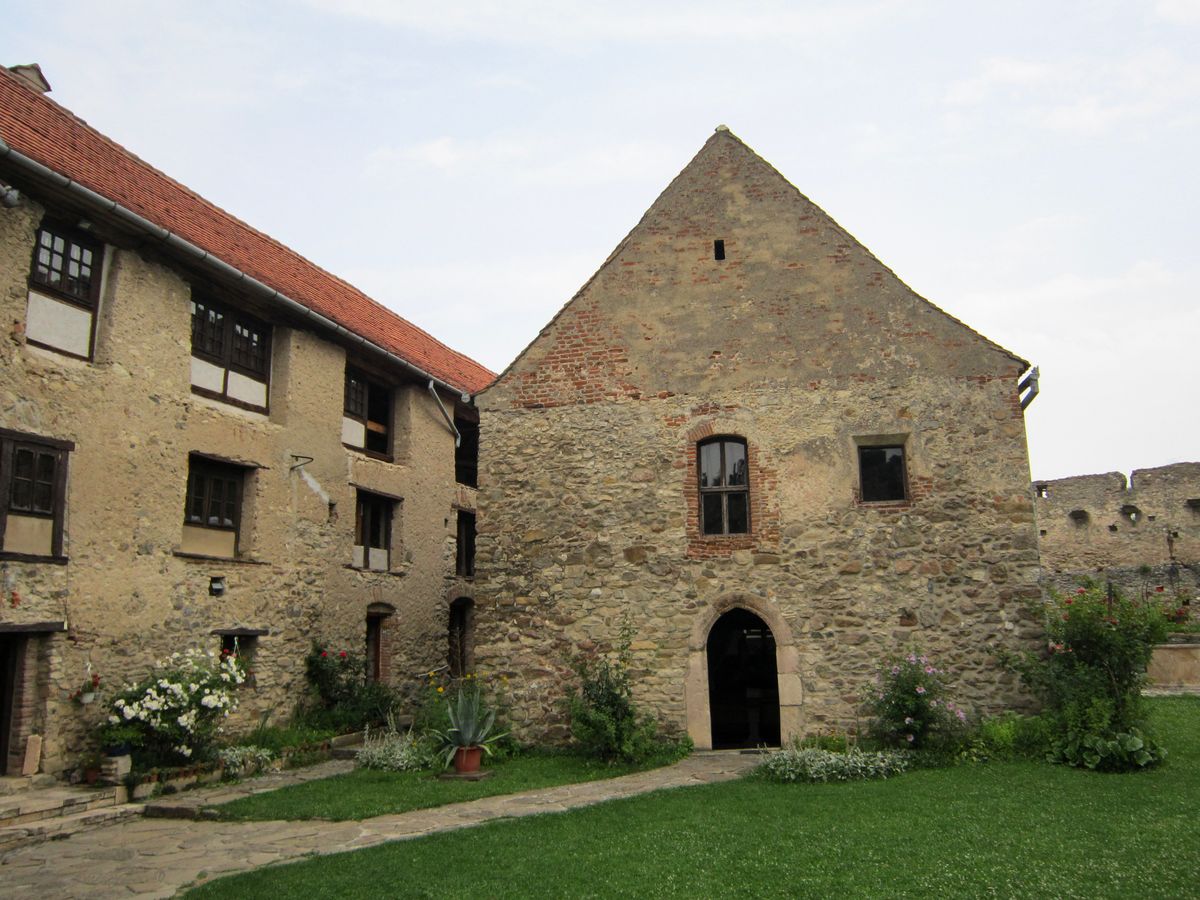
When raiders came, the village moved inside with its food and livestock and waited. The bacon tower at Prejmer, where each household kept its meat under a numbered hook, is the clearest surviving illustration of how ordinary the arrangement was.
Sighisoara
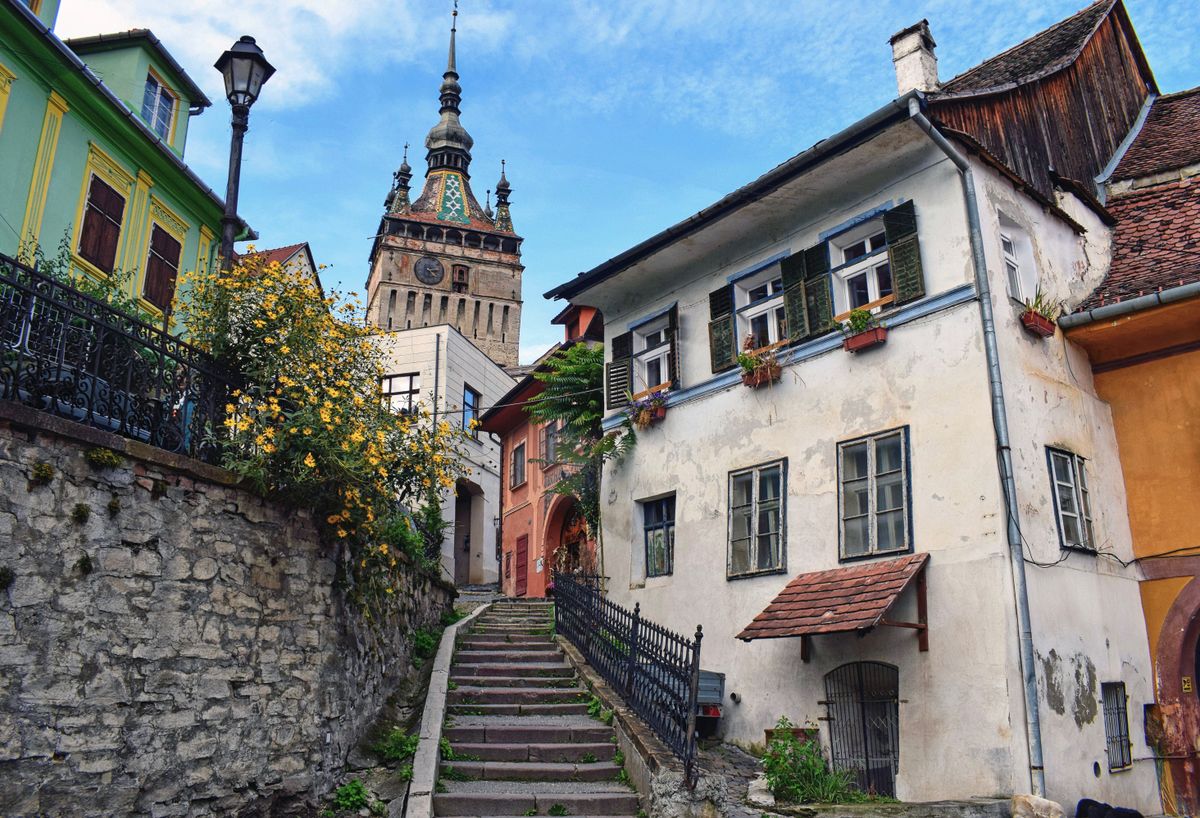
The only inhabited medieval citadel in Europe: a walled hilltop town of about nine hundred residents, with nine of its original fourteen towers still standing, each once maintained by a different guild.
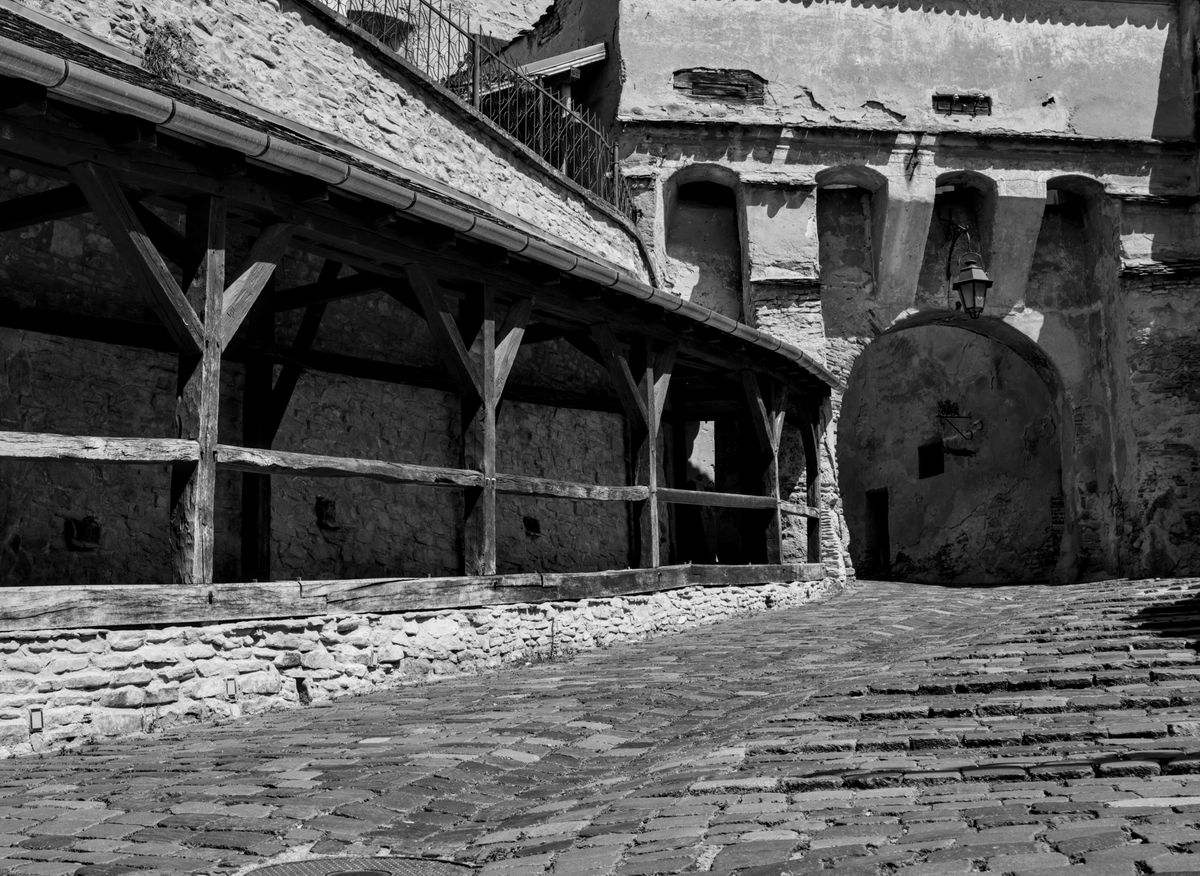
A covered wooden stairway of 175 steps climbs to the church and the school at the top. The house where Vlad the Impaler is said to have been born is now a restaurant, and the connection is thin, but the citadel does not need it.
Sibiu
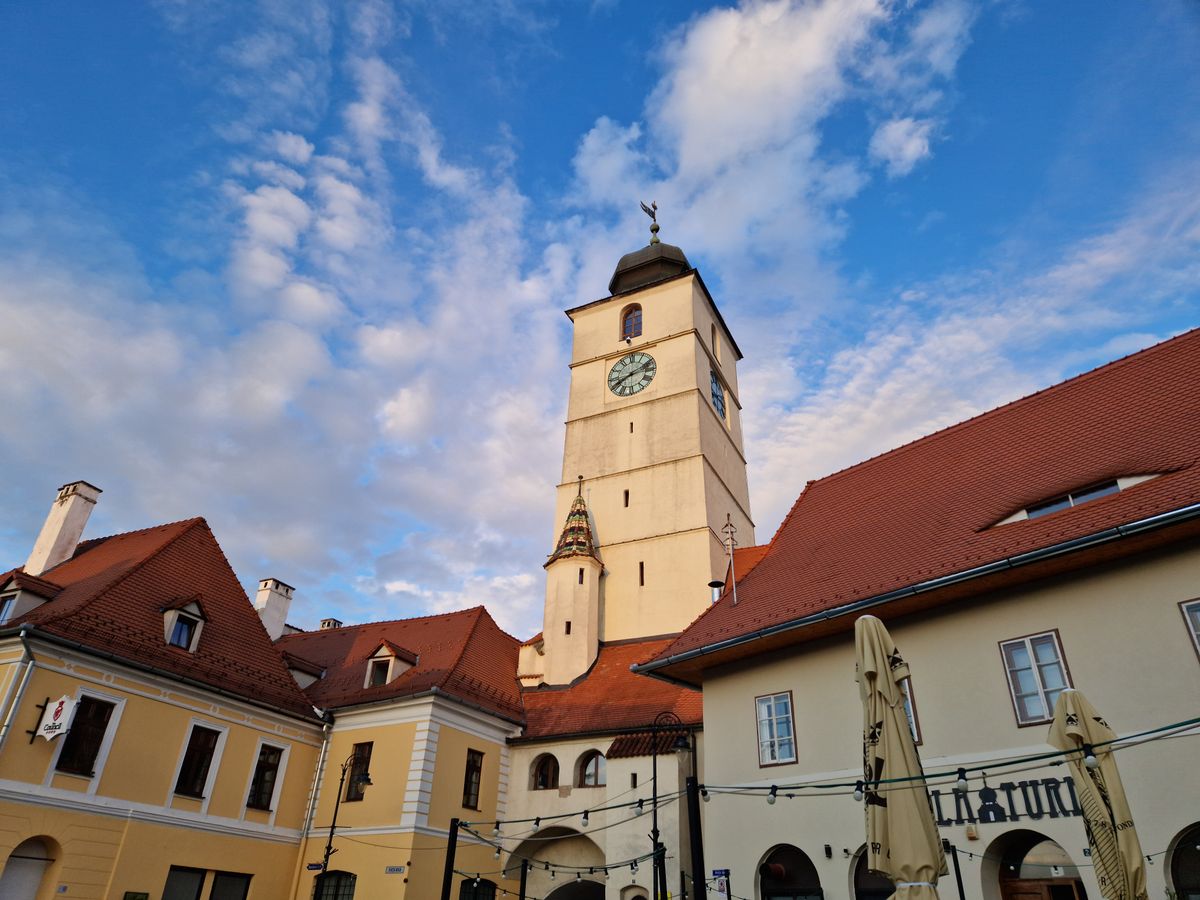
Sibiu was the administrative centre of the Saxons and it is the most polished city in the region. It has three linked squares, a passage bridge that local legend says creaks when someone lies on it, and the Brukenthal, one of the oldest museums in Europe.
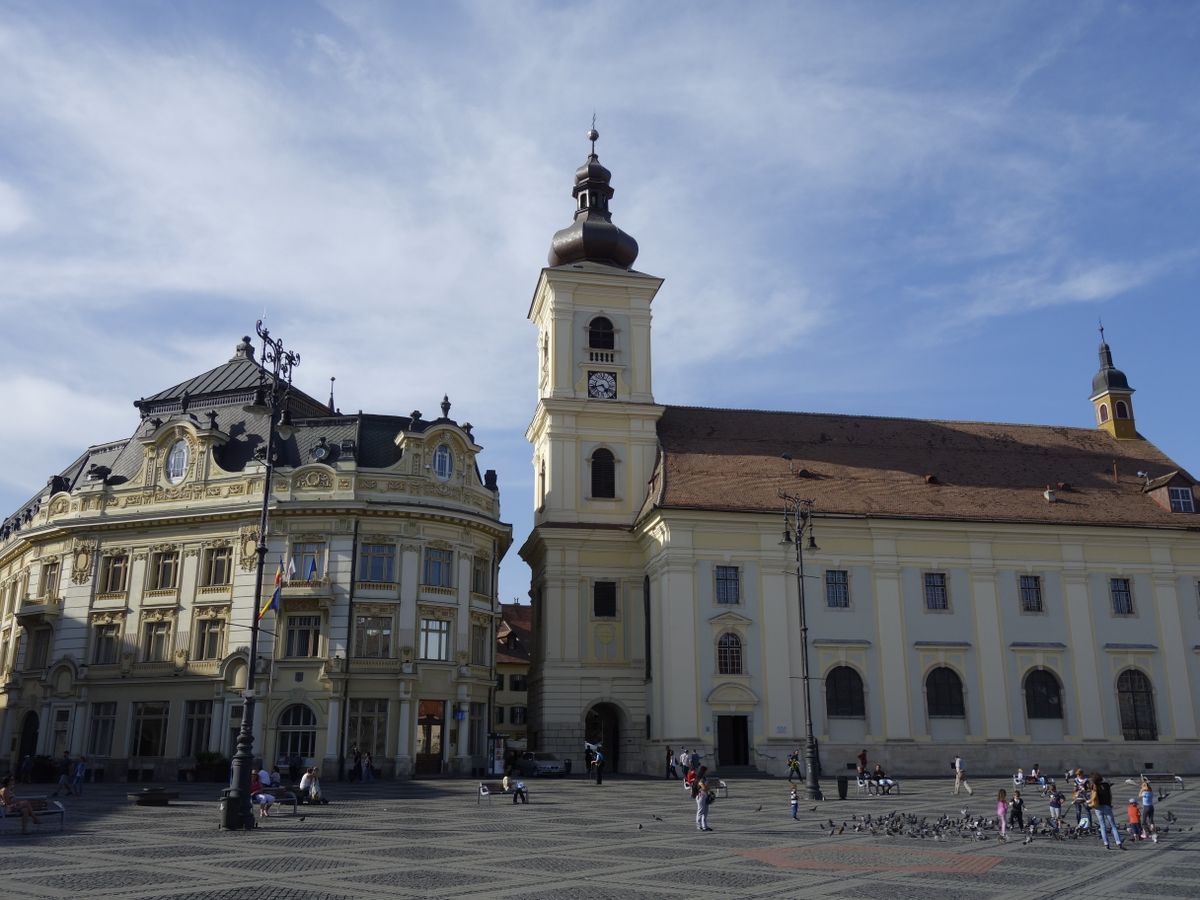
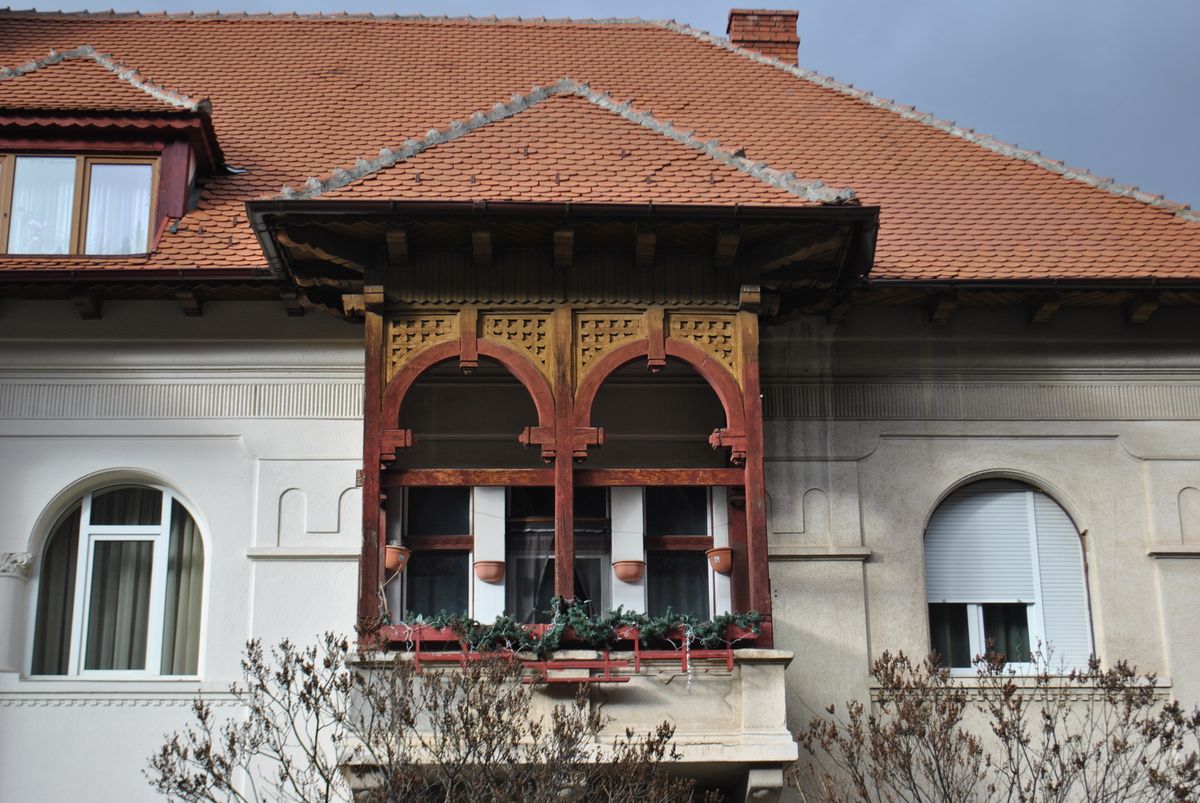
The roofs have eyelid dormer windows that look like half closed eyes watching the street, which is the detail every visitor photographs. It was European Capital of Culture in 2007 and the restoration from that period is still visible.
Brasov and the fortresses around it
Brasov sits under a forested mountain with a large square, a gothic church known as the Black Church after a fire, and a cable car to a viewpoint. It is the busiest town in the region and the usual base for the fortresses nearby.
Rasnov is a peasant refuge fortress above its town, Prejmer is the best preserved fortified church anywhere, and Bran castle, marketed as Dracula castle, has essentially no connection to Vlad the Impaler or to the novel. It is a pleasant castle with an unhelpful reputation.
The villages worth the drive
- Viscri: a whitewashed street, a fortified church and a restoration project that made it internationally known.
- Biertan: a hilltop church with three defensive walls and a famous multiple locking door.
- Malancrav: the largest surviving Saxon community and medieval frescoes in the church.
- Copsa Mare and Richis: quiet, barely restored, and the closest to how the region looked twenty years ago.
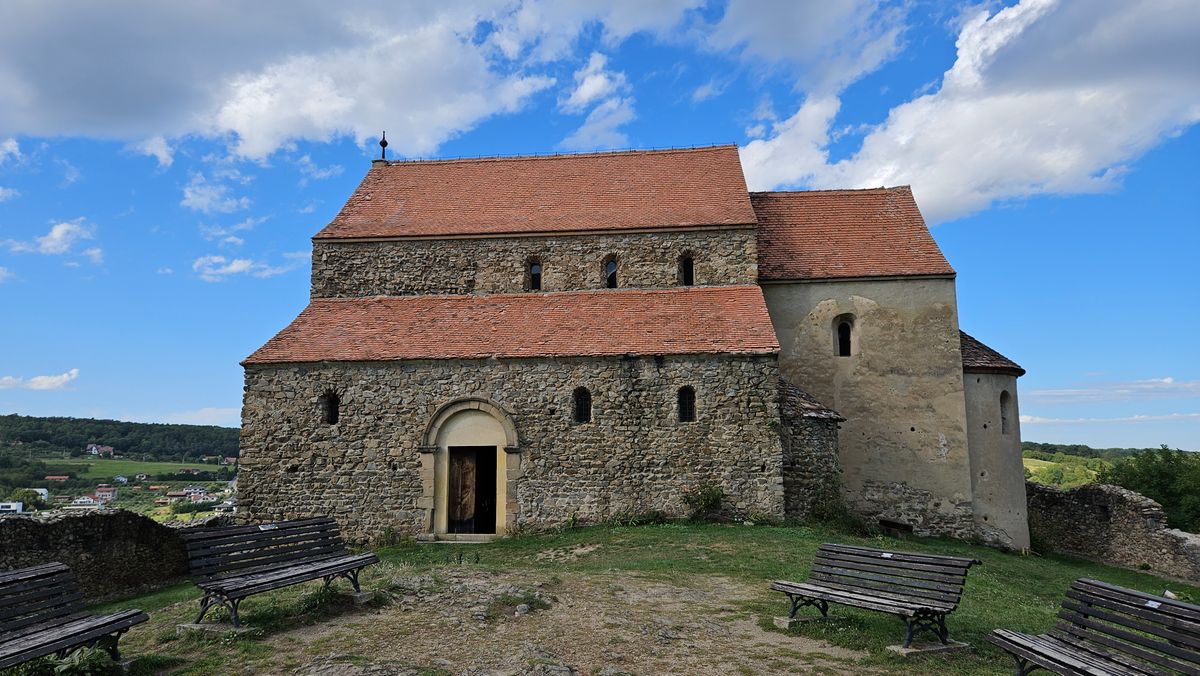
- Cisnadioara: a Romanesque basilica on a hill above the village, and a short steep climb.
- Calnic: a small fortified enclosure and one of the seven UNESCO listed sites.

A four day route
| Day | Where |
|---|---|
| 1 | Brasov, the Black Church, Rasnov and Prejmer |
| 2 | Sighisoara, staying overnight in the citadel |
| 3 | Biertan, Malancrav and Viscri |
| 4 | Sibiu, the squares and the Brukenthal |
| Extra | the Transfagarasan road, from July to October |
| Driving | a car is essential. Village roads are slow and often unpaved |
Accommodation, costs and when to go
Restored Saxon houses are rented as guesthouses in several villages, which is the best way to stay and puts money directly into the communities that maintain the churches. Prices are low by western European standards.
May, June and September are the best months, when the meadows are in flower or the light is long. Many village churches are locked and opened by a neighbour who holds the key, and a small donation is customary. Regional information is on the national tourism site and the listed villages are described by UNESCO.
Frequently asked questions (FAQ)
Conclusion
Eight hundred years of German settlement in the middle of Romania, left behind in the form of a hundred and fifty churches you could survive a siege inside.
Take a car and four days, sleep in the citadel at Sighisoara and in a village guesthouse, and remember that the key to the church is usually next door.
