
 By

Three world class museums within about a kilometre of each other on one boulevard, which is a concentration nowhere else in Europe matches. The golden triangle of art in Madrid can be done in a day if you are ruthless, and is much better across two.
What each museum actually holds, which one suits you, the free hours, the combined ticket and a strategy that does not end in a headache.
What the golden triangle of art is
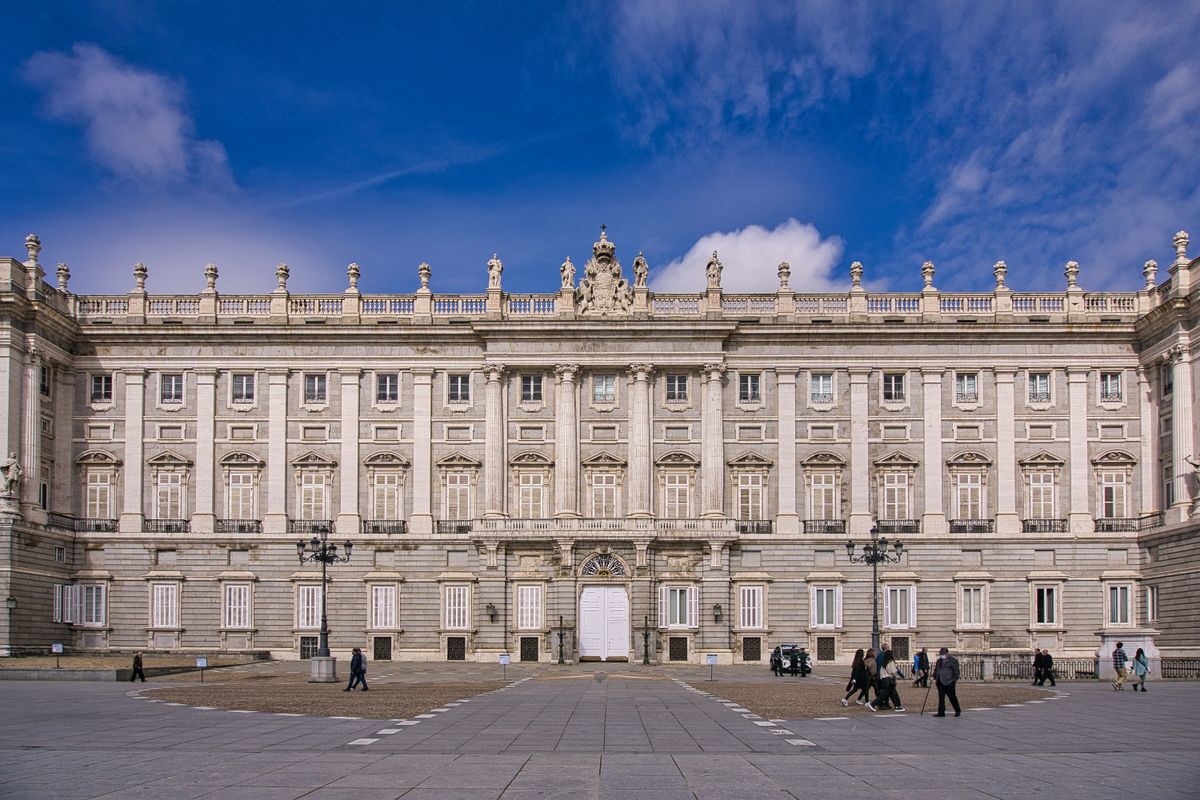
The Prado, the Reina Sofia and the Thyssen-Bornemisza stand along the Paseo del Prado, a boulevard that became a UNESCO site in 2021 together with Retiro park behind it. Between them they cover European art from the twelfth century to the present.
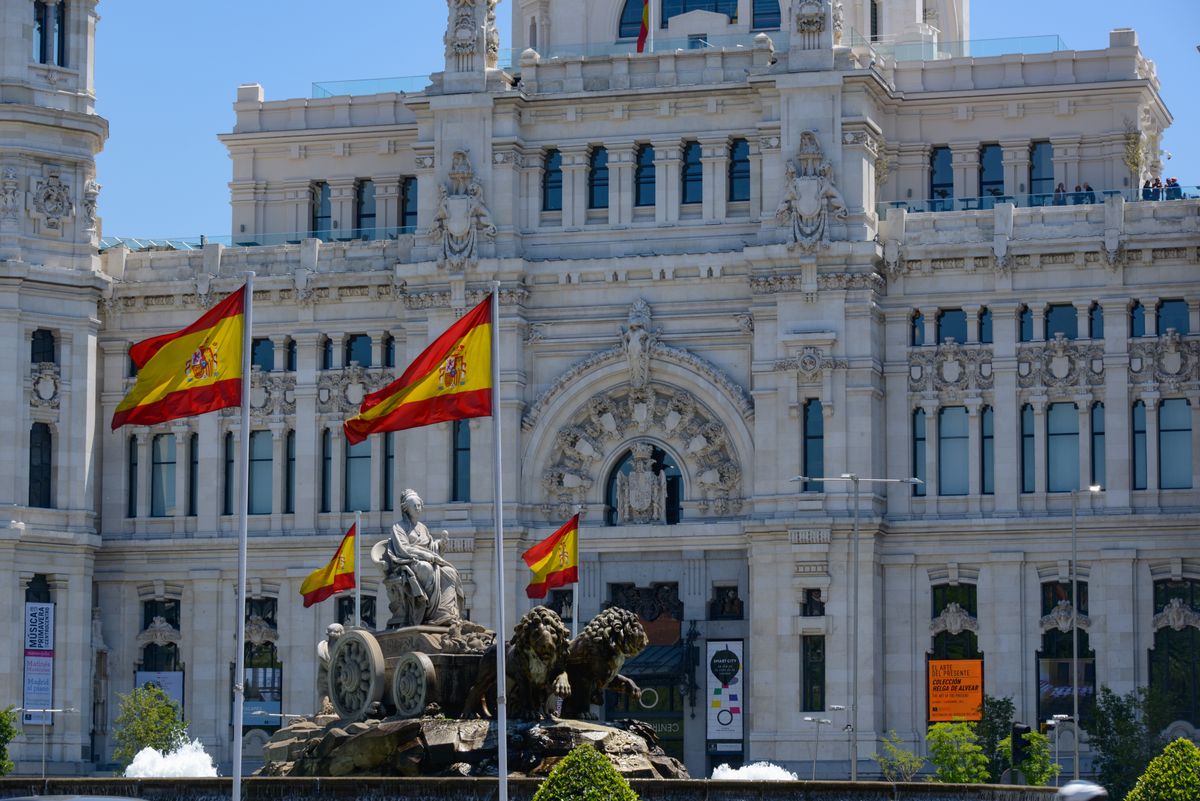
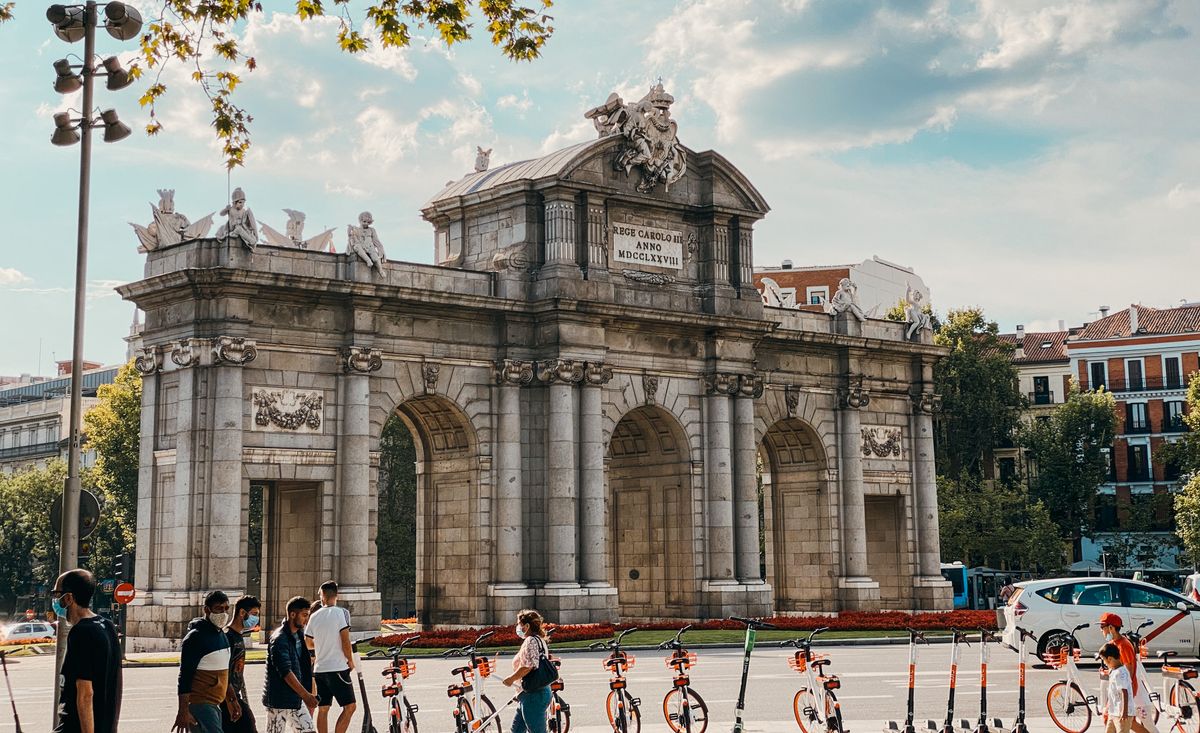
The distances are short: the Prado to the Thyssen is a two minute walk, and the Prado to the Reina Sofia about ten.
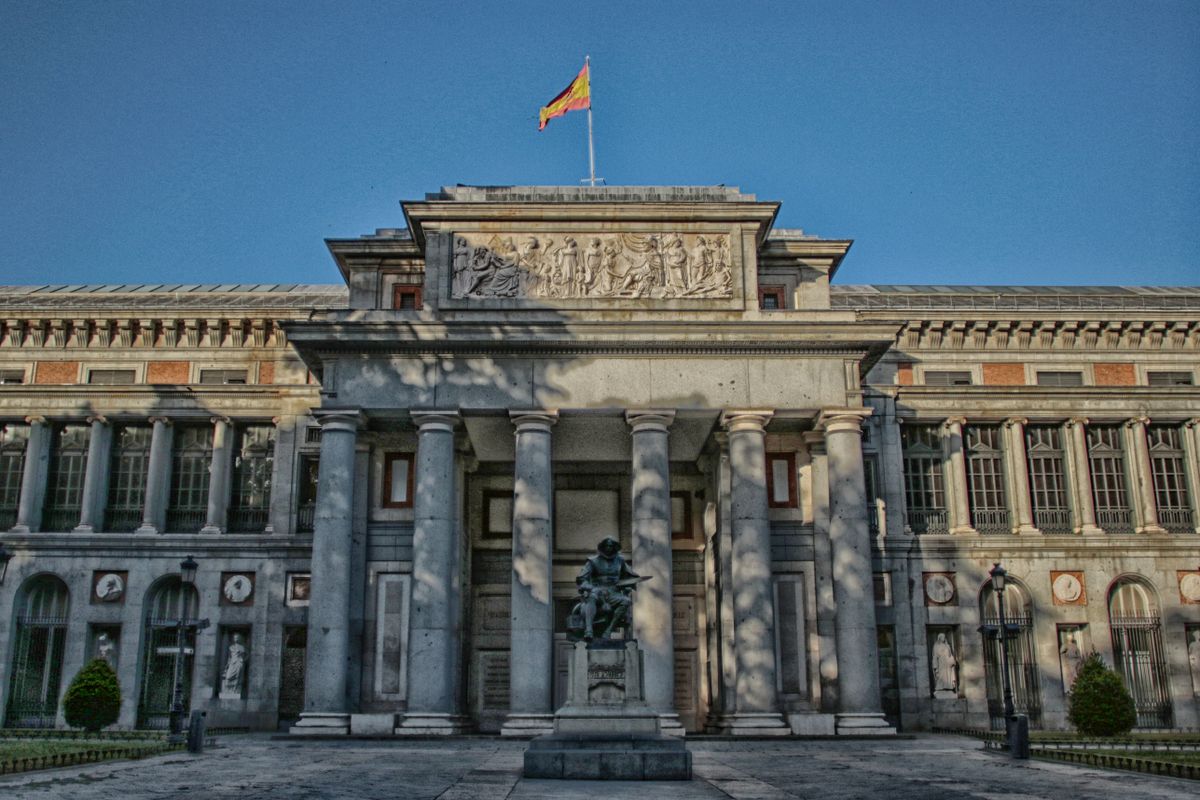
The Prado: the royal collection
The Prado is the Spanish royal collection, which means it is not an encyclopaedic museum but the taste of a series of kings. That taste ran to Velazquez, Goya, Titian, Rubens and Bosch, so the result is extraordinary.
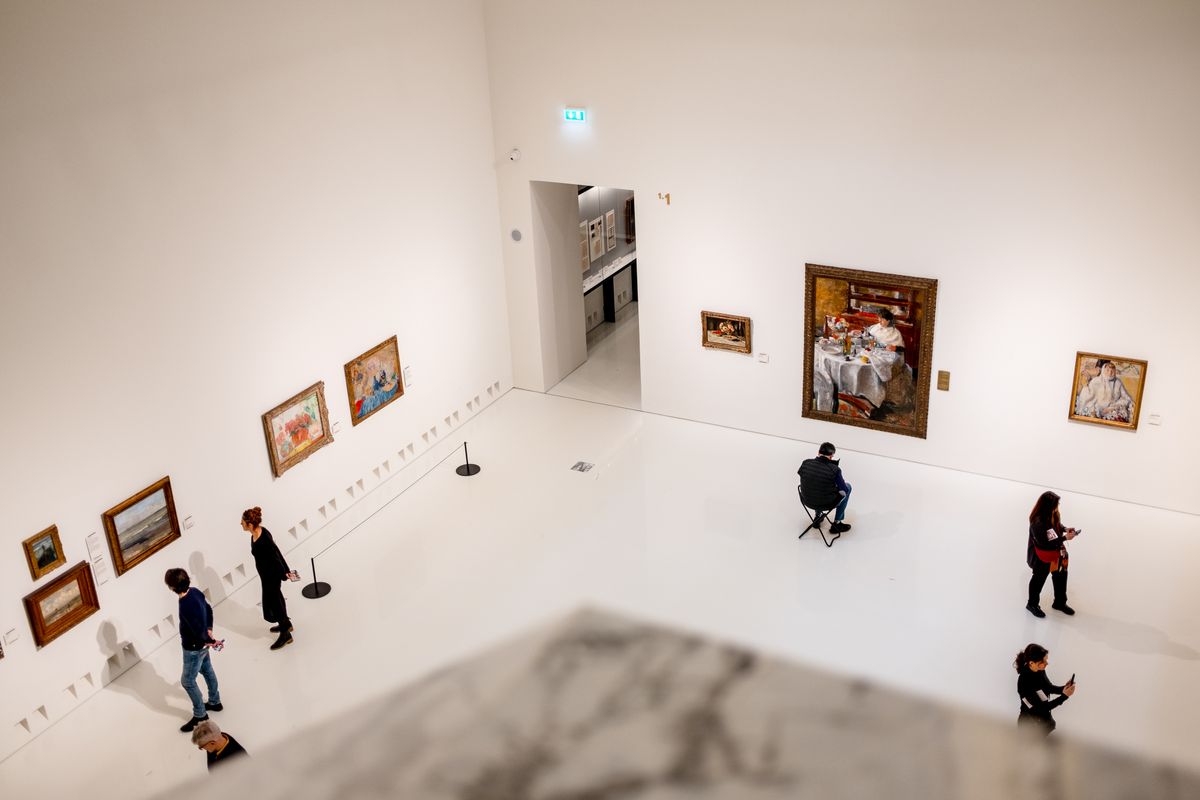
Las Meninas by Velazquez is the single most argued about painting in Spain, and the Black Paintings by Goya, made on the walls of his own house at the end of his life, are the most disturbing rooms in any European museum.
The Reina Sofia: the twentieth century
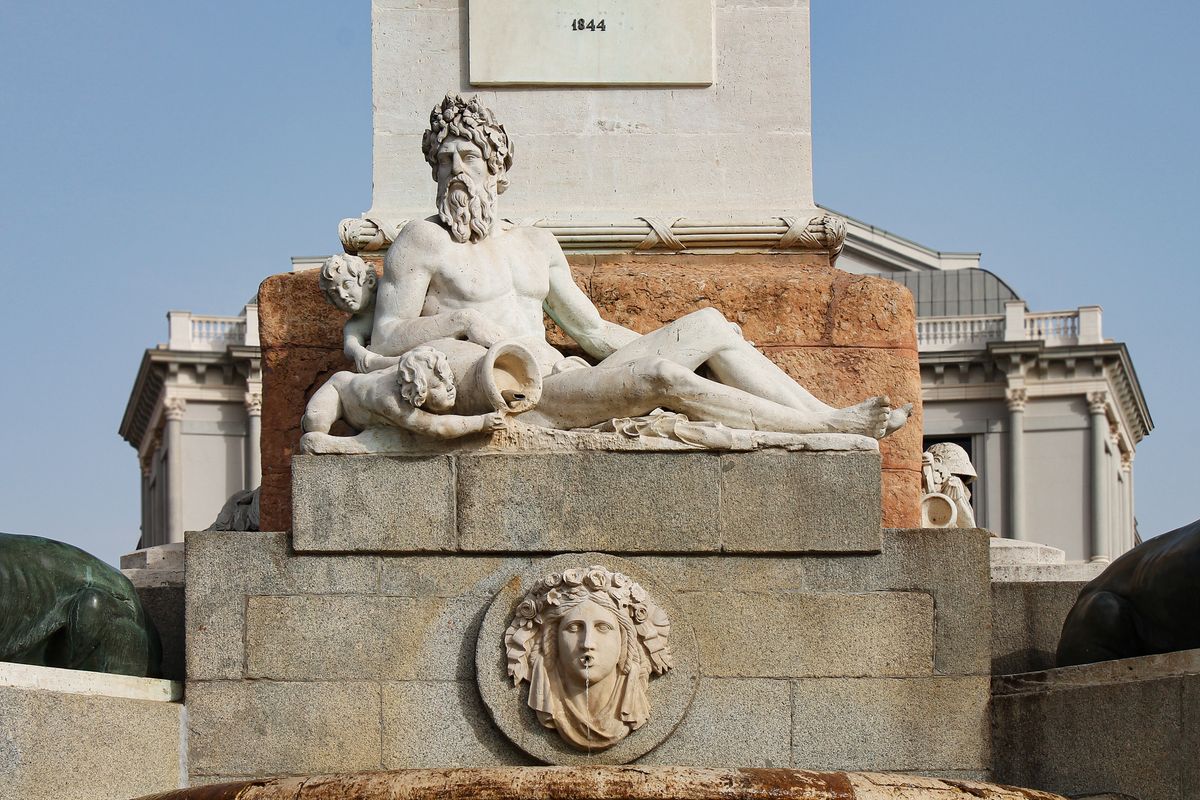
A former hospital converted into the national museum of twentieth century art, and the home of Guernica. Picasso painted it in 1937 after the bombing of the Basque town, it toured for decades, and it only came to Spain in 1981 after Franco died, in accordance with the painter conditions.
It hangs alone with the preparatory sketches around it, and photography is forbidden in that room. The rest of the collection covers Dali, Miro and the Spanish avant garde.
The Thyssen-Bornemisza: the whole story
A private collection assembled by two generations of a family and bought by Spain in 1993. It runs chronologically from the thirteenth century to pop art, which makes it the one museum of the three that gives you the complete narrative in one building.
It is also the smallest and the least crowded, and it holds the impressionists and the Americans that the other two lack. For many visitors it is the most enjoyable of the three.
Which one suits you
| If you want | Go to |
|---|---|
| Old masters and Spanish painting | the Prado |
| Guernica and the twentieth century | the Reina Sofia |
| A complete chronological survey | the Thyssen-Bornemisza |
| Two hours and one museum | the Thyssen |
| The single greatest room | the Prado, for Velazquez |
| The least crowded | the Thyssen, comfortably |
Tickets, free hours and the combined card
All three offer free entry in the last hours of the day, at different times and on different days. The queues at those hours are long and the galleries are full, which is a fair trade if you are on a budget and a poor one if you are not.
The Paseo del Arte card covers all three at a discount and is valid over a longer period, which is what makes it useful: you can spread the visits rather than compressing them.
A strategy that works
Museum fatigue is real and sets in after about two hours. The way to beat it is to pick fifteen works per museum in advance and walk past everything else without guilt.
One museum in the morning, lunch, Retiro park in the afternoon, and the second museum the following morning. Three in one day is possible and almost nobody enjoys the third.
Retiro, and the rest of the day
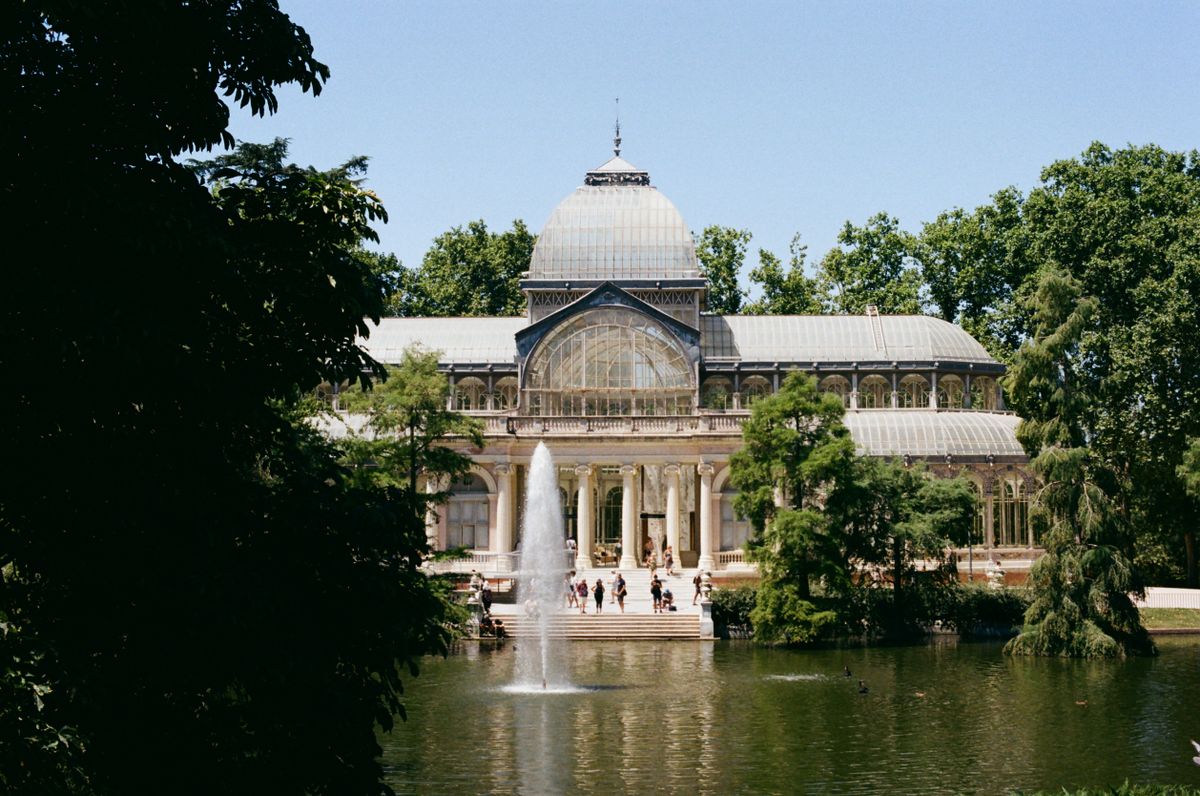
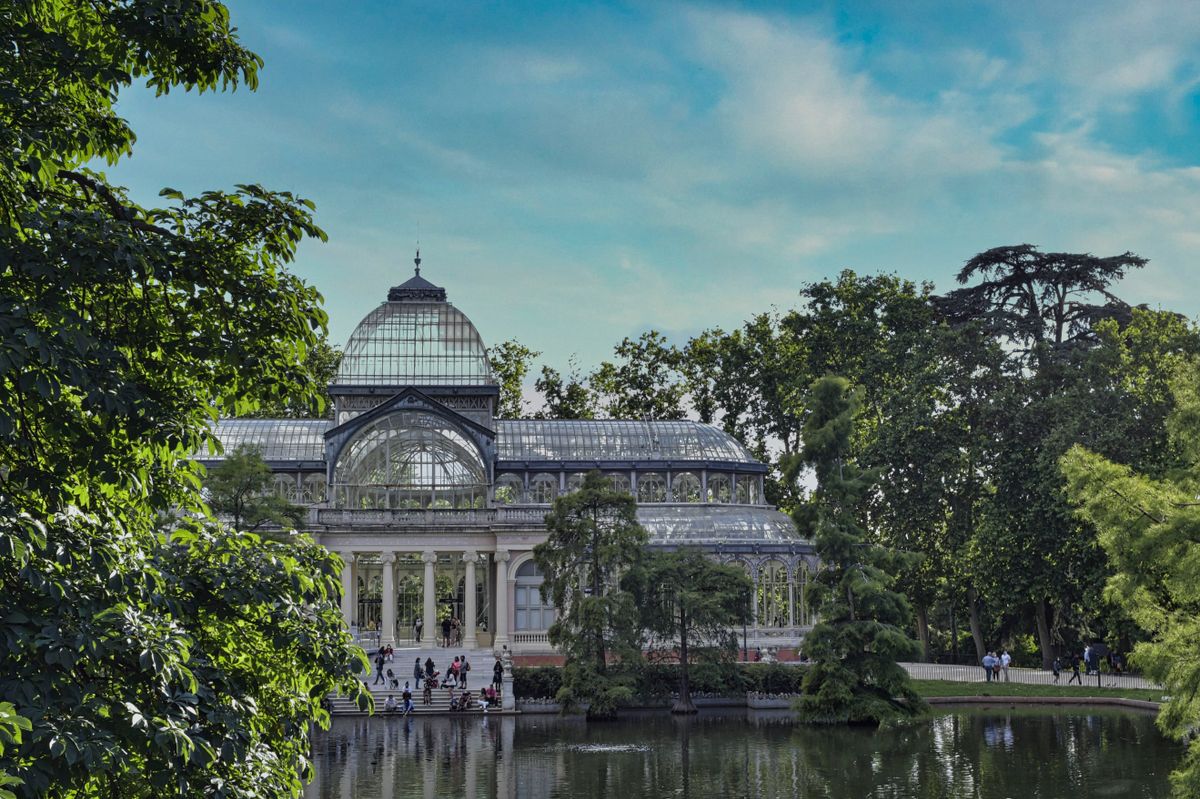
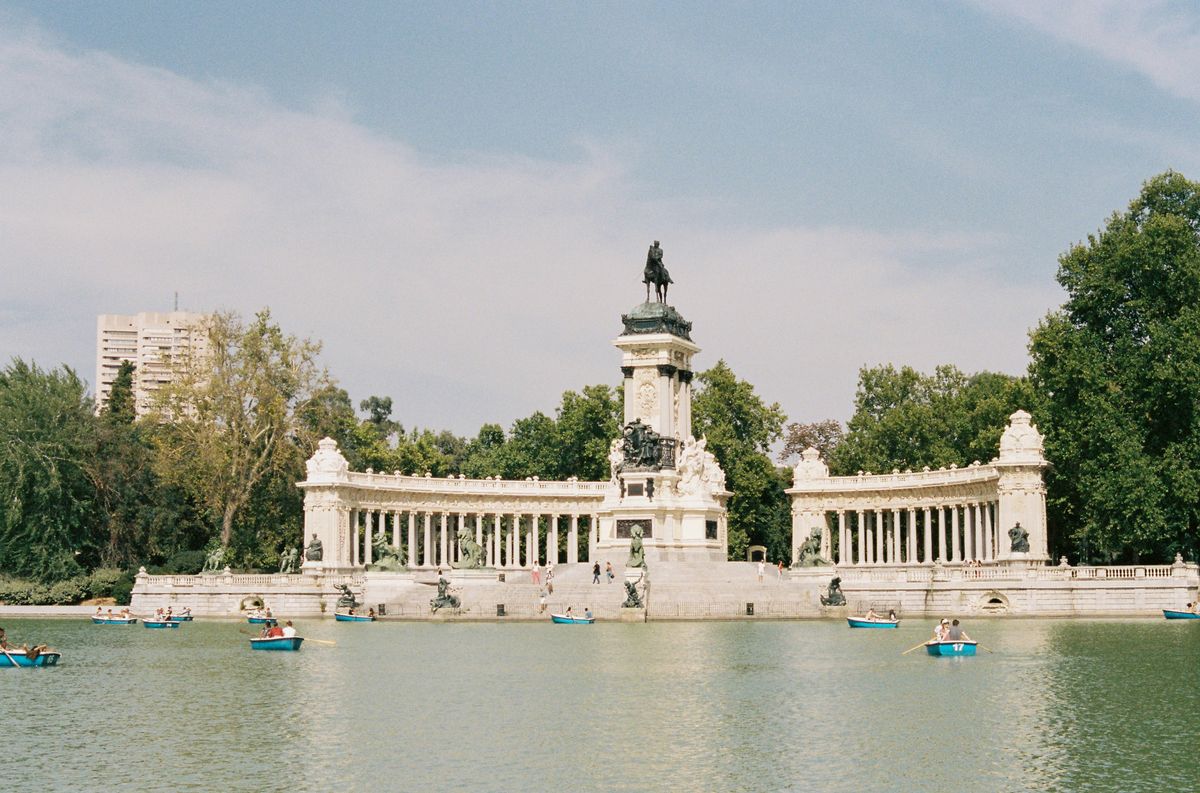
Retiro park was the royal garden and is now the lung of the city: a lake with rowing boats, a colonnade, and the Palacio de Cristal, a glasshouse used for exhibitions that is free and usually empty.
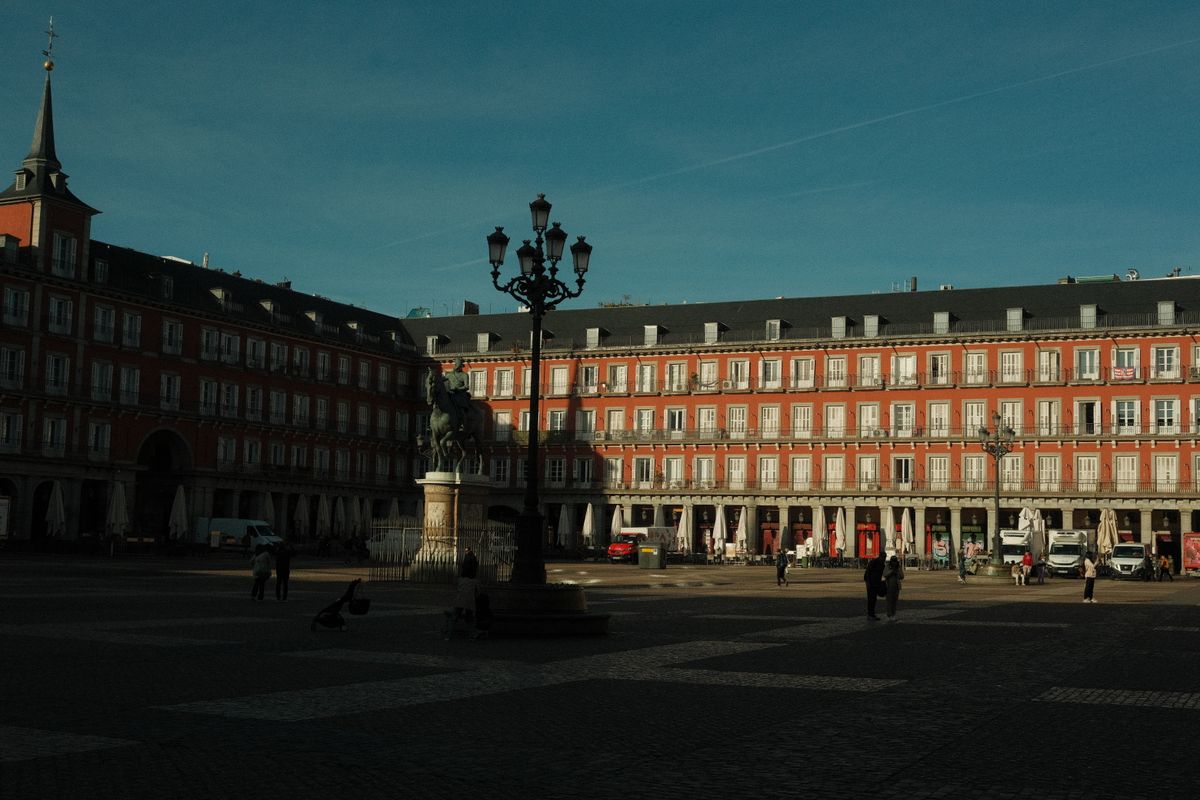
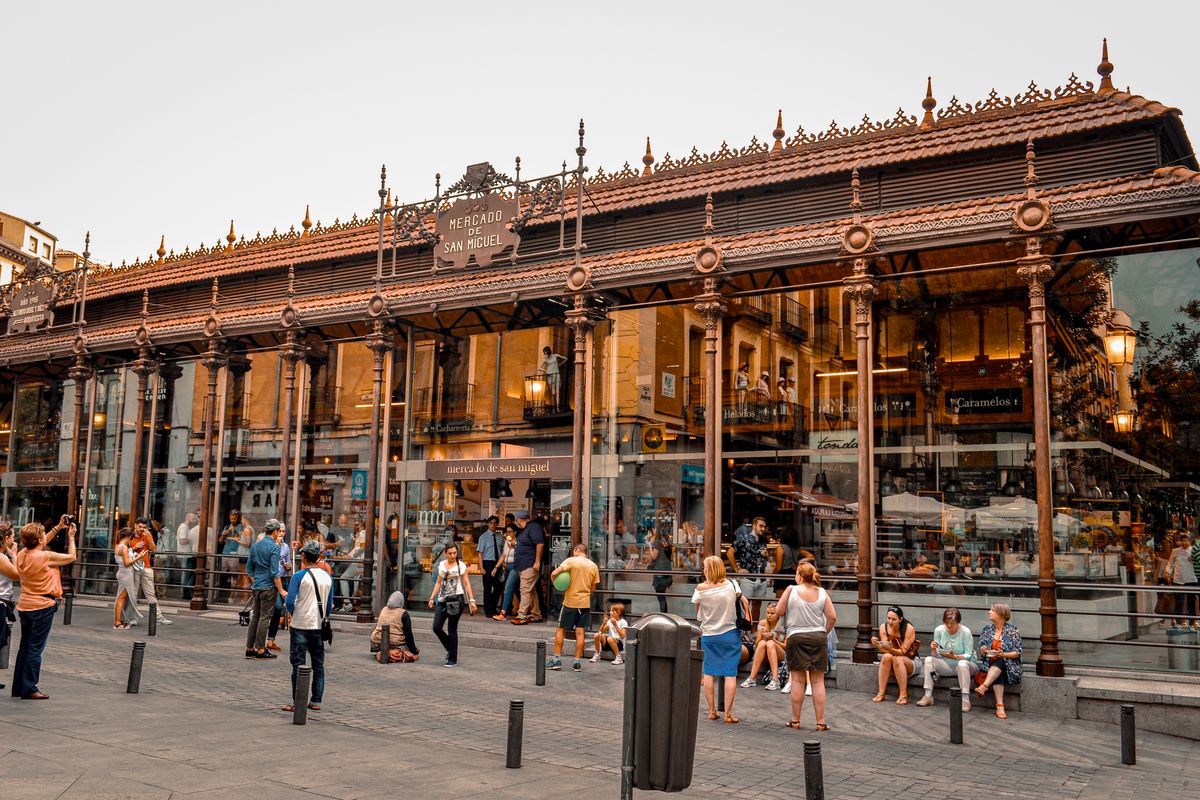
Beyond it, Plaza Mayor and the old town are ten minutes west, and the San Miguel market is beside them. Madrid eats late: dinner before nine marks you out immediately.
Practical advice
All three museums close one day a week or open shorter hours, and the days differ. Check before you plan. Large bags must be left in the cloakroom, and photography rules vary by museum and by room.
Collection details are on the Prado site and background on Wikipedia.
Frequently asked questions (FAQ)
Conclusion
Three of the best museums in Europe on one boulevard, holding a royal collection, Guernica and a complete survey of Western painting between them.
Take two days rather than one, pick fifteen works in each, use the combined card, and put Retiro park in the middle of it.
