
 By

Krakow in 3 days is one of the best value city breaks in Europe. Spectacular medieval architecture, food that is generous and cheap, public transport that costs less than a coffee, and a historic centre so compact that you never need to use it.
The three days laid out, the sights that matter, where to eat for a few euros, what everything costs, and the two day trips worth adding.
Why Krakow in 3 days works
Krakow is the second city of Poland and was its capital for over five hundred years. Today it is the cultural and university centre of the country, and its historic centre has been a UNESCO World Heritage site since 1978, the first Polish entry on the list.
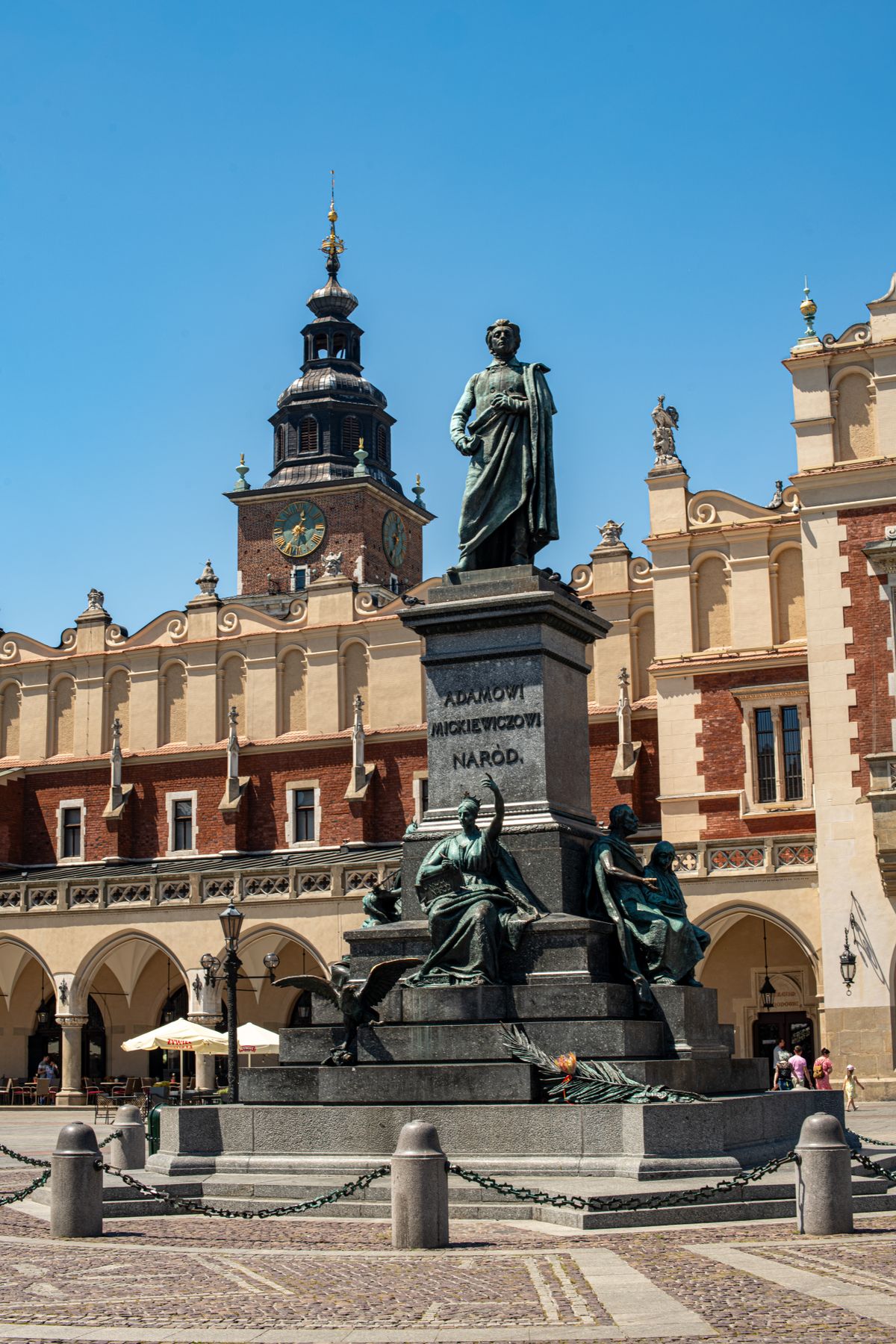
It survived the Second World War almost undamaged, which is why the medieval layout is genuinely medieval rather than reconstructed, and it is the direct counterpoint to Warsaw an hour and a half up the railway line.
| Period | What to expect |
|---|---|
| May to September | the best weather, long days, busiest in July and August |
| April and October | quieter, cheaper, still comfortable |
| December | the Christmas market on the main square, cold and magical |
| January to March | cheapest, short days, everything open |
The main sights
Rynek Glowny, the main square
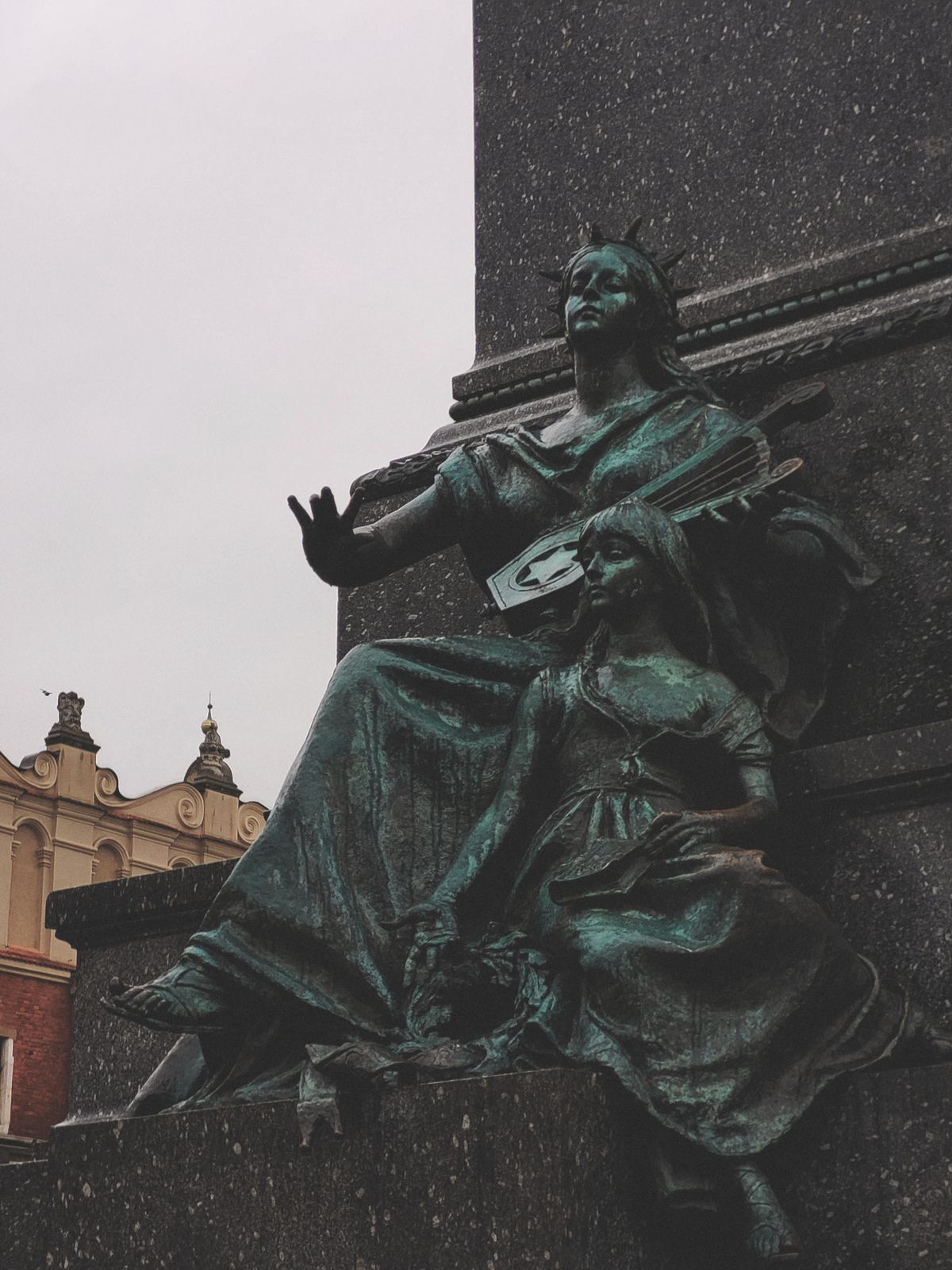
Two hundred metres by two hundred, the largest medieval square in Europe, and the heart of the city. In the middle stands the Cloth Hall, a Renaissance building that housed merchants from across Europe and now holds souvenir stalls at ground level and a gallery of Polish painting upstairs.
St Mary basilica
Two mismatched gothic towers dominate the square. Every hour a trumpeter plays the Hejnal from the taller one, a tradition dating from the middle ages, and the tune breaks off abruptly mid-phrase to commemorate a trumpeter shot in the throat by a Tatar arrow while sounding the alarm.
The interior is spectacular. The main altar, carved in wood by Veit Stoss, is the largest gothic altarpiece in the world, and the vivid colours and detail are worth the small entry fee.
Wawel Castle
The supreme symbol of Krakow, on a hill above the Vistula, and the residence of the Polish kings. The complex includes the cathedral, the royal apartments and the treasury. The cathedral holds the tombs of the Polish kings and the climb to the Sigismund bell is included in the ticket.
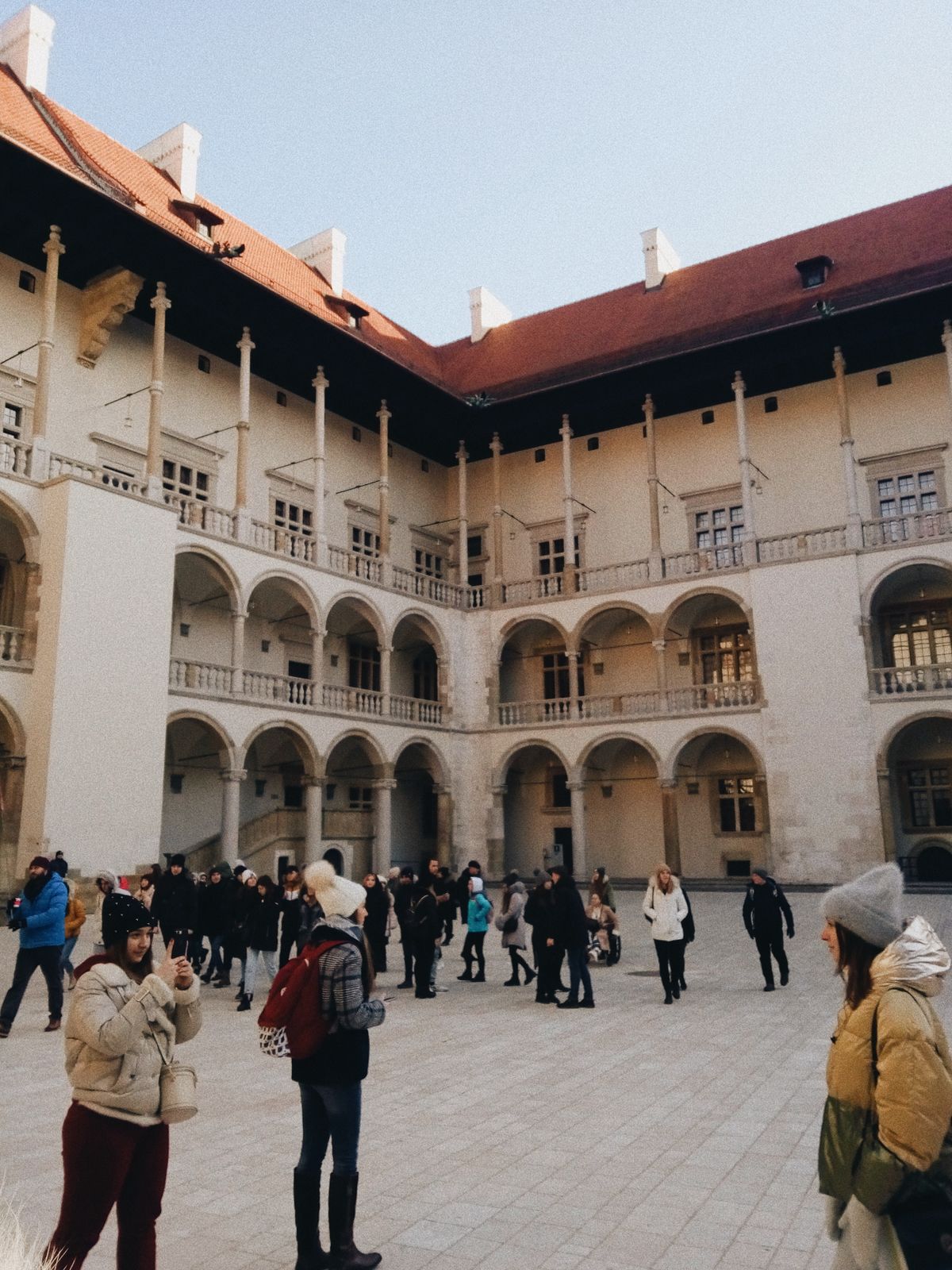
The courtyard itself is free, and the dragon sculpture at the foot of the hill breathes real fire every few minutes, which children find considerably more compelling than the tombs.
Planty park and the Rynek Underground
Planty is a green ring laid out on the line of the old defensive moat, encircling the whole old town. Walking it takes about half an hour. Beneath the main square, the Rynek Underground museum shows the archaeology of the medieval city with digital reconstructions, and it is much better than it sounds.
Kazimierz and the evenings
Kazimierz was the historic centre of Jewish life in Krakow and is today the most interesting district in the city: cobbled streets, artisan cafes, galleries, vintage shops and the best nightlife.
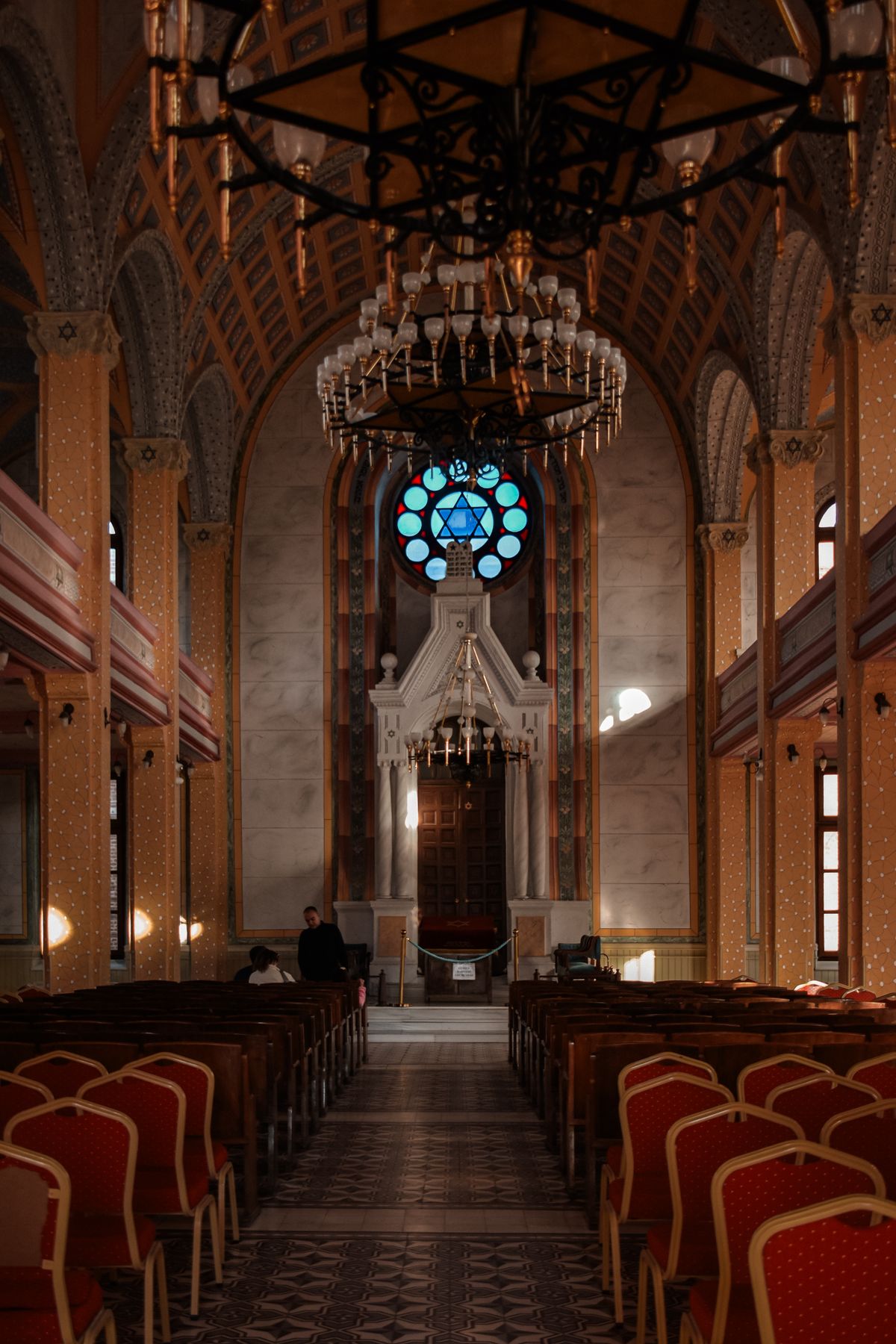
Do not miss the historic synagogues. The Old Synagogue is the oldest surviving Jewish building in Poland. The Schindler Factory museum, across the river in Podgorze, is an exceptional account of the Nazi occupation of the city, and it needs booking ahead.
For a completely different perspective, Nowa Huta is the district built in the communist era as an ideal socialist city, and the socialist realist architecture is a sharp contrast to the medieval centre. It is a tram ride from the middle of town.
Food, and the milk bars
Polish cooking is generous, filling and remarkably cheap. A full lunch in a traditional restaurant runs six to twelve euros.
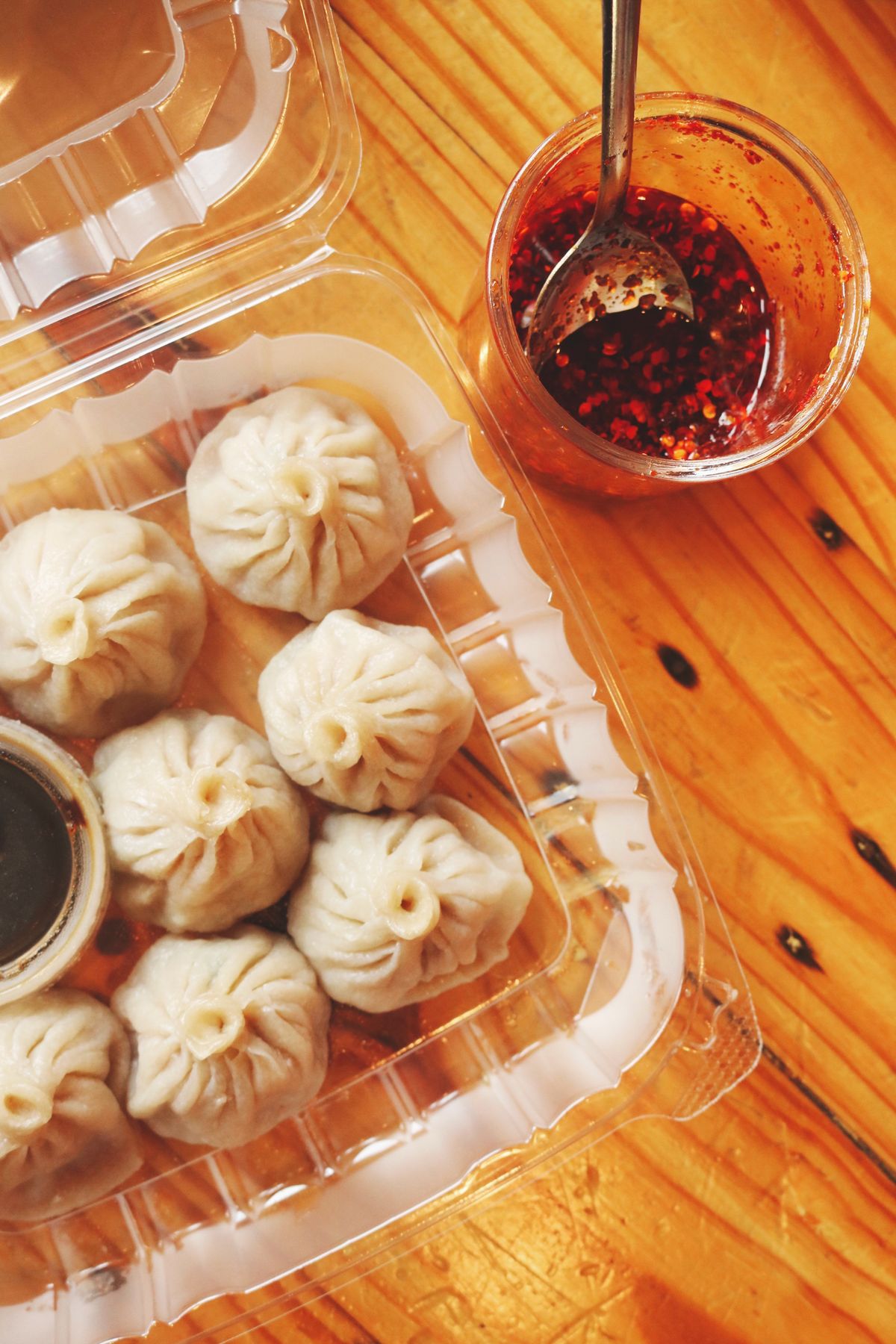
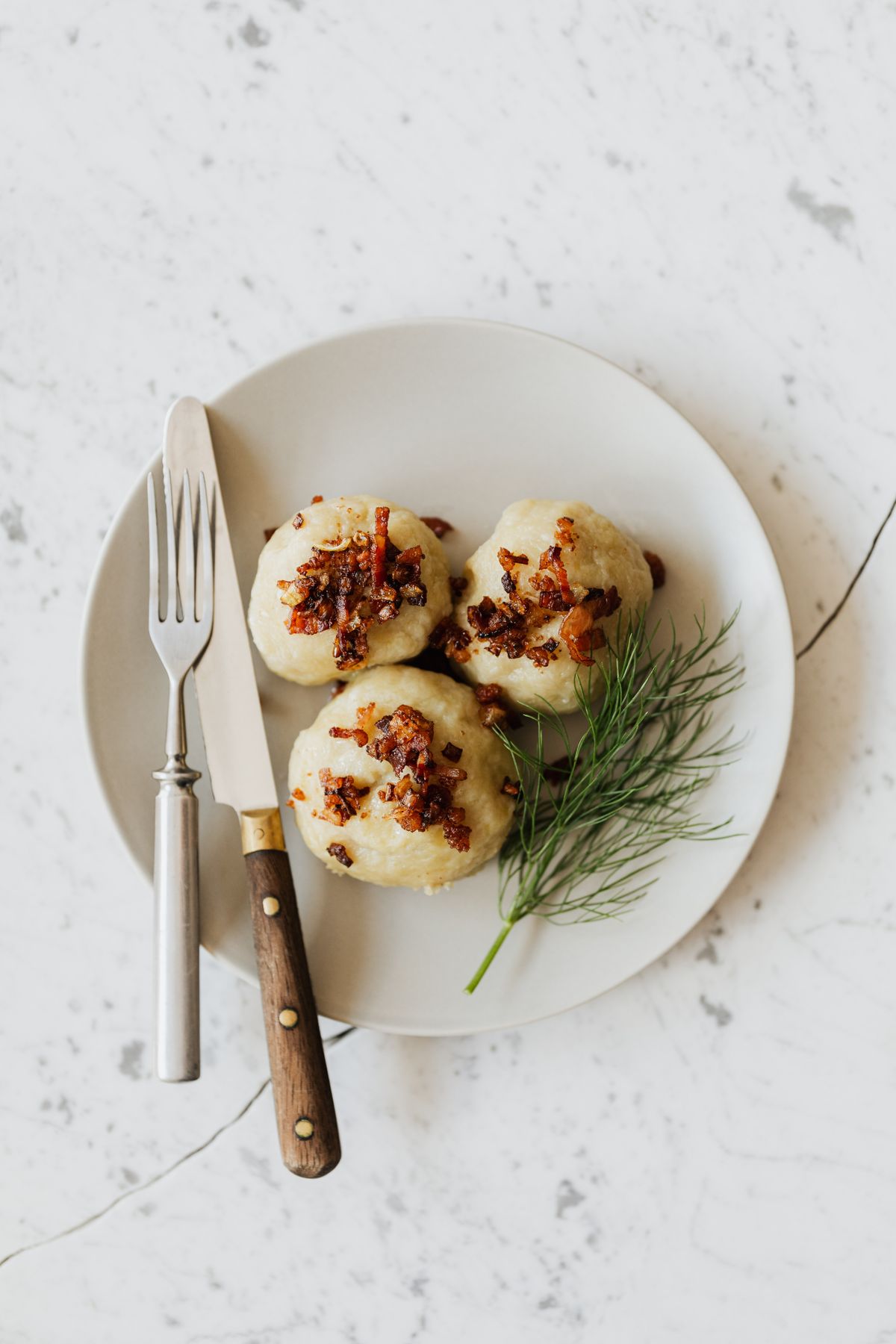
- Pierogi: dumplings boiled or fried, filled with potato and cheese, meat, cabbage and mushroom, or fruit. A portion is a meal.
- Zapiekanka: half a baguette with mushrooms, cheese and toppings, grilled. The best ones are sold from the round kiosks in Kazimierz until late.
- Zurek: sour rye soup, often served in a hollowed bread loaf.
- Bigos: the hunter stew of cabbage, sauerkraut and several meats.
- Obwarzanek: the ring shaped bread sold from carts on every corner for a few zloty.
Bar mleczny are subsidised canteens left over from the communist era, still operating and still cheap. You order at a hatch, often from a menu only in Polish, and clear your own tray. A full lunch costs a few euros. There is usually a queue at lunchtime, which is the best possible endorsement.
For a drink, the vodka bars with retro communist decor serve shots for around a euro, and Polish craft beer has become genuinely good in the last decade.
Transport, accommodation and budget
The centre is compact and walked. For longer distances the tram and bus network is excellent, with tickets sold by time rather than distance, bought from machines at stops or on board.
From the airport, the train takes about twenty minutes into the centre and costs a couple of euros. Buses 208 and 252 take about forty minutes for less.
| Level | Total, excluding flights | What it covers |
|---|---|---|
| Budget | 120 to 180 EUR | hostel, milk bars, free sights, one museum |
| Mid range | 250 to 380 EUR | central hotel, restaurants, several museums, a day trip |
| Individual costs | Wawel about 5 EUR, Rynek Underground about 7, Schindler Factory about 8 |
Where to stay: inside the old town for atmosphere and the highest prices, Kazimierz for the evenings and better value, and the area around the main station for the cheapest beds within walking distance of everything.
The three days
Day 1, the old town
Morning: the main square, the Cloth Hall and St Mary basilica, timed for the hourly trumpet. Then the Rynek Underground museum. Afternoon: walk the Planty ring, the Barbican and the Florian Gate, and the Jagiellonian University courtyard. Evening: dinner in the old town and a walk round the lit square.
Day 2, Wawel and Kazimierz
Morning: Wawel Castle, the cathedral and the royal apartments, with the dragon at the bottom of the hill on the way out. Afternoon: cross to Kazimierz, the synagogues and the Jewish museum, then across the river to the Schindler Factory. Evening: Kazimierz for dinner, bars and zapiekanka at midnight.
Day 3, a day trip
Either the Wieliczka salt mine, twenty-five minutes by train, for a half day underground, or Auschwitz-Birkenau, an hour and forty minutes by bus, for a full day that needs the rest of the day left empty. Return for a last evening in the city.
Practical information is on the city site and the UNESCO listing on the World Heritage site.
Frequently asked questions (FAQ)
Conclusion
Krakow is what Warsaw would look like if the war had gone differently: a genuinely medieval centre, the largest square in Europe, and a castle above the river that has been standing since the eleventh century.
Three days covers it, one of them spent underground at Wieliczka or at Auschwitz. Eat in a milk bar at least once, spend the evenings in Kazimierz, and time your first morning for the trumpeter on the hour.
