
 By

Dubrovnik in 3 days is enough time to do the city properly rather than at the pace the cruise ships set. It was never simply a town: it was an independent republic, the Republic of Ragusa, which rivalled Venice in Mediterranean trade for five centuries and whose motto was Libertas.
The five sights that matter, the filming locations you can reach for free, a day by day plan built around the crowds rather than against them, what to eat and what it all costs.
The republic that rivalled Venice
Ragusa was independent from the thirteenth century until 1808. A strategic treaty with the Ottoman Empire gave it access to Balkan trade routes while Venice fought for them, and by the sixteenth century Ragusan merchant fleets reached India and the Americas.
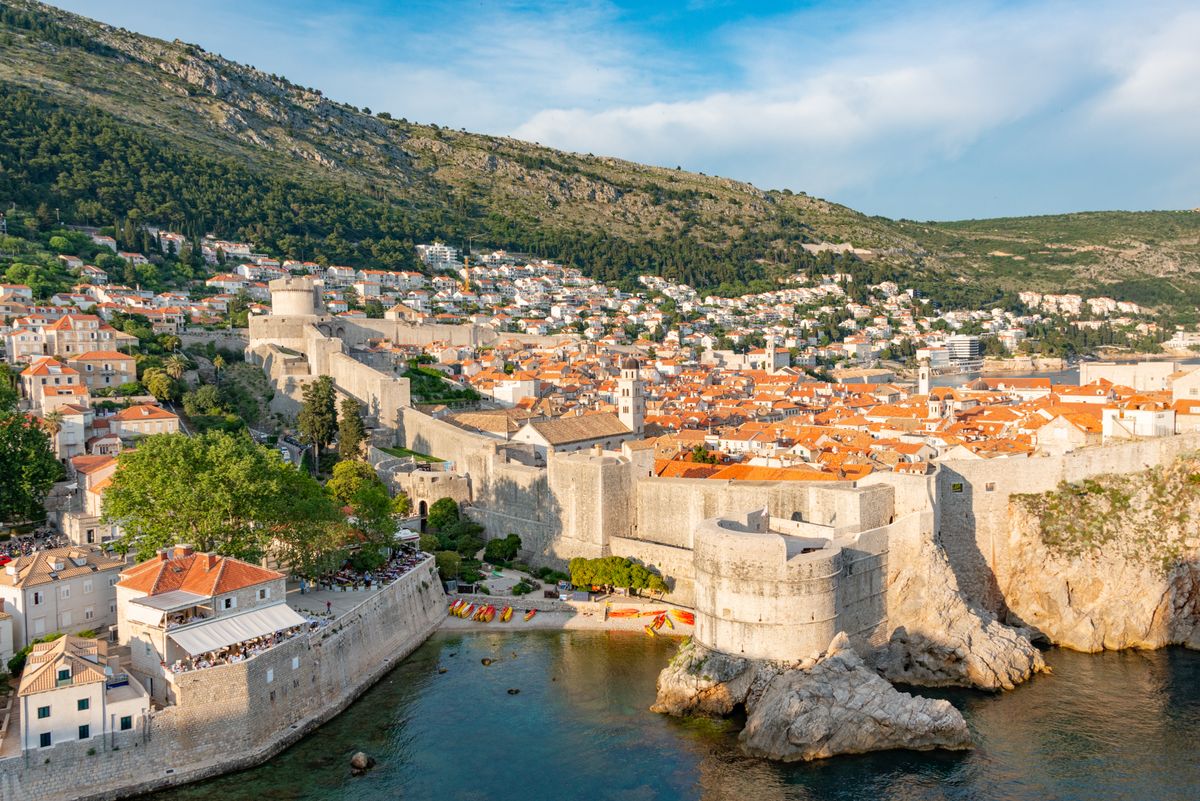
The 1667 earthquake destroyed much of the city and also redefined it: the baroque Dubrovnik you see today is the result of that reconstruction. It was listed by UNESCO in 1979.
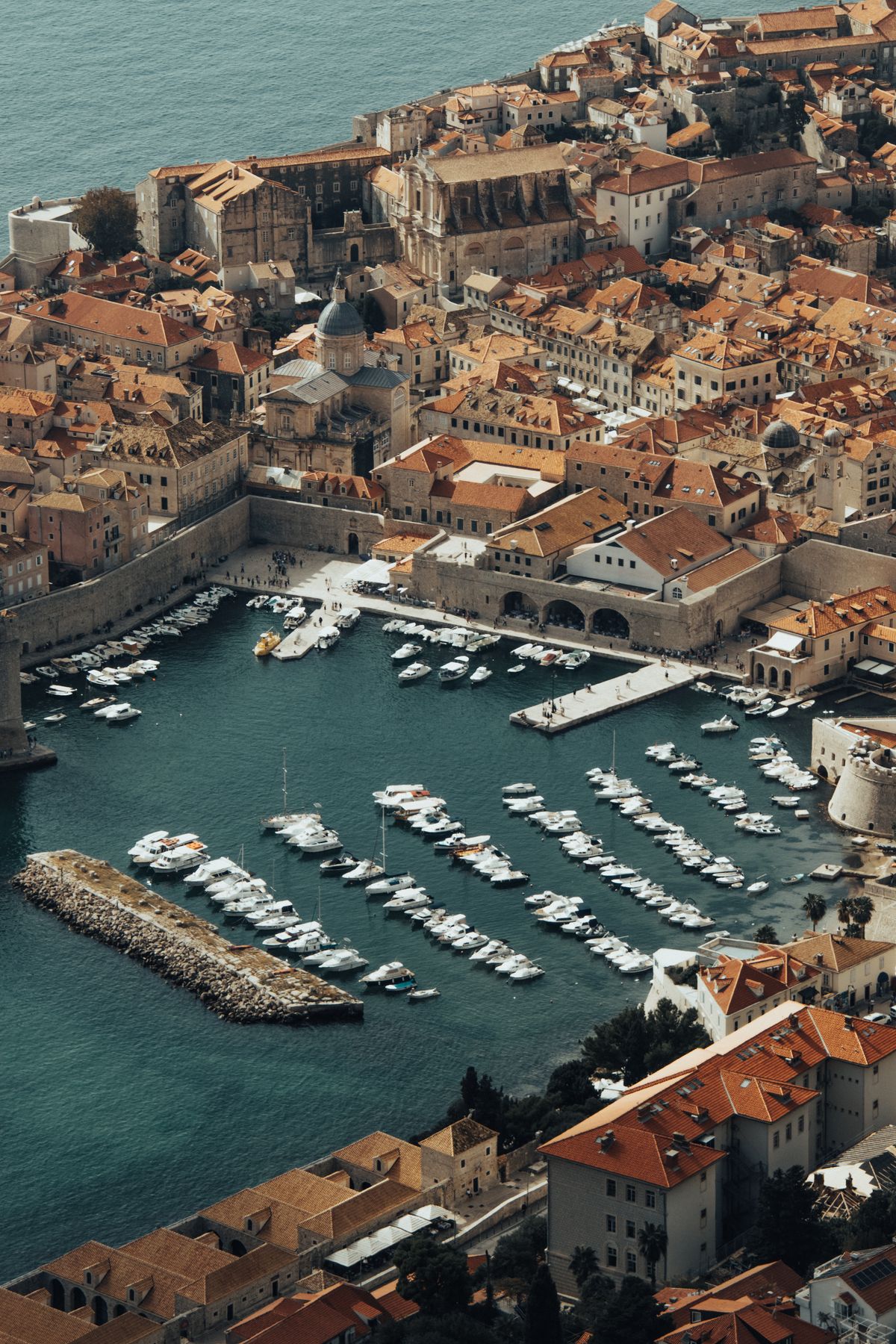
The city suffered again in 1991. The seven month siege during the Croatian war of independence damaged 56 per cent of the buildings in the old town, and 114 civilians died. The reconstruction between 1995 and 1999 followed UNESCO guidance, using original materials and techniques. Look at the roofs from above: the brighter tiles mark what was rebuilt.
The five essential sights
The city walls
1,940 metres of medieval wall, walked in one direction in an hour and a half to two hours, with four or five cafes along the way for a pause. You enter at Pile Gate, Ploce or the maritime museum. Go at eight in the morning or after five, because the middle of the day on an unshaded wall in July is punishing.
The Stradun
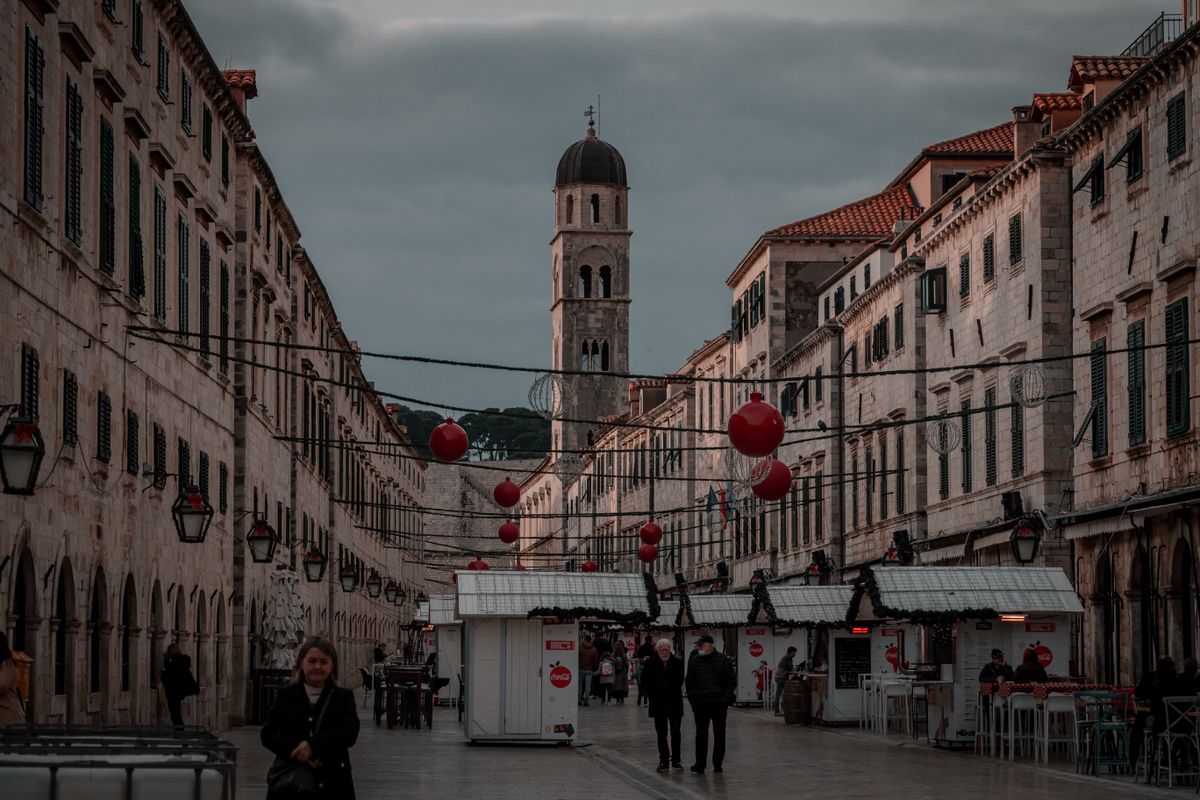
298 metres of polished limestone running through the city from Pile Gate to Luza square. At the western end are Onofrio Great Fountain, from 1438 with sixteen faces, and the entrance to the Franciscan monastery. At the eastern end are Orlando Column, St Blaise church, the Sponza Palace and the bell tower.
The Franciscan monastery
Founded in 1317, it holds one of the oldest working pharmacies in Europe. It has operated for over seven hundred years and still sells preparations made to medieval Franciscan recipes. The collection includes more than three thousand rare medical books, and the cloister is the quietest place inside the walls.
Mount Srd
778 metres of cable car in three and a half minutes takes you to 405 metres. The panorama from the top is probably the most spectacular urban view in the Mediterranean. At the summit are the Imperial Fort, now the museum of the war of independence, and a restaurant.
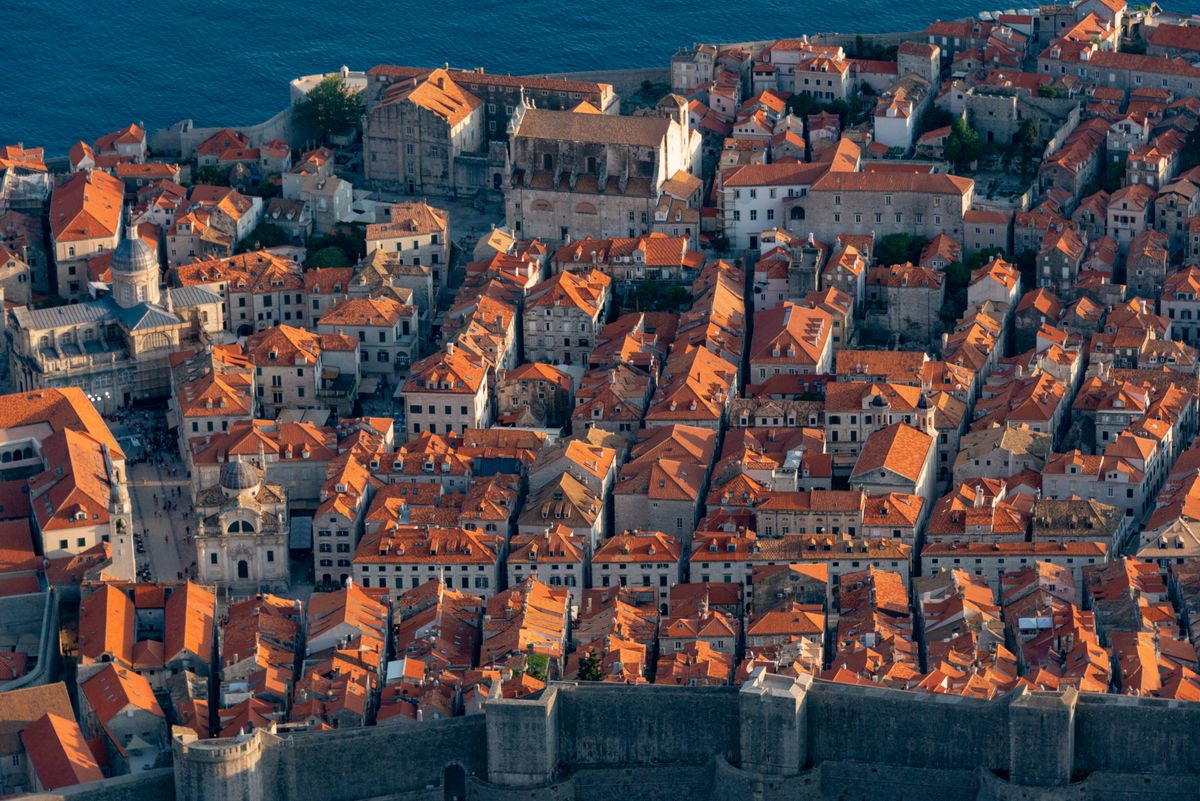
Lokrum island
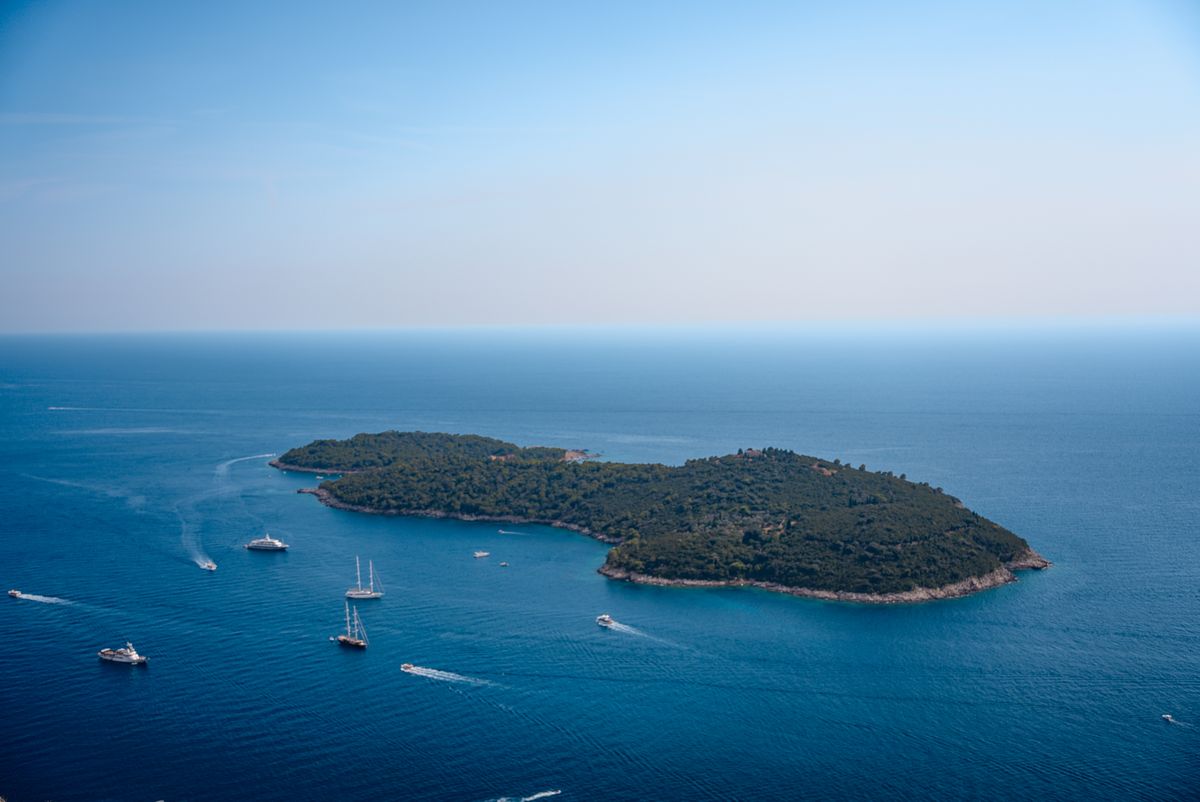
Fourteen minutes by ferry from the old harbour. Lokrum has the ruins of a Benedictine monastery, the Dead Sea salt lake, nineteenth century botanical gardens and wild peacocks. It also has an Iron Throne replica donated by the production company, free to photograph.
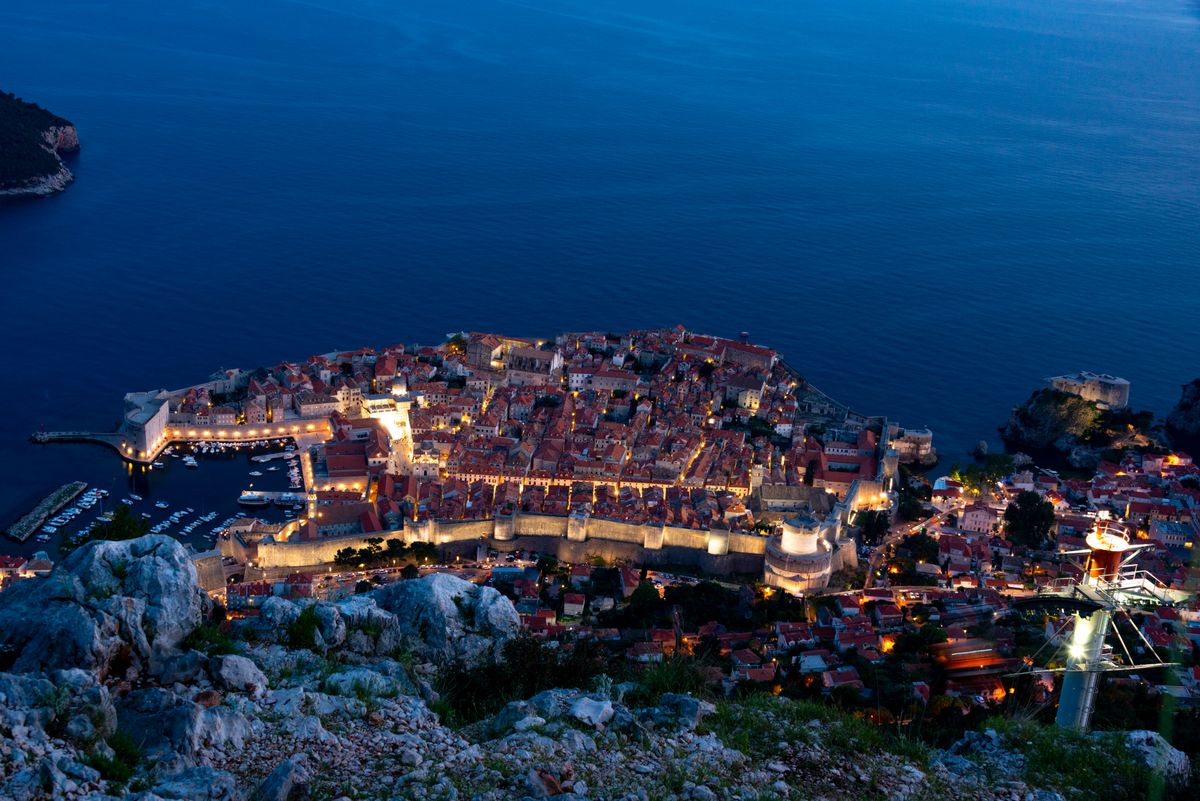
The Game of Thrones locations
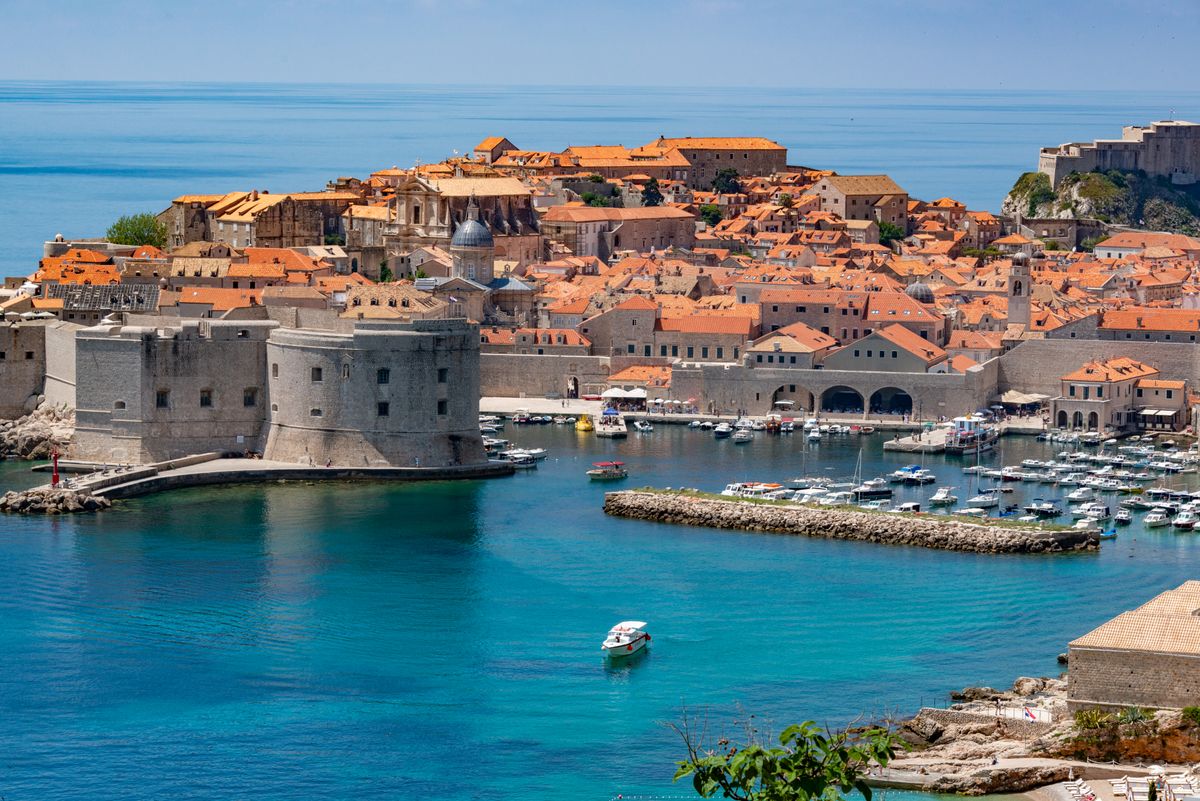
Dubrovnik was the principal location for King s Landing from season two onwards. The whole old town, the walls, streets, forts and harbour, appears extensively. Half a day covers the locations comfortably, and most of them are free public space.
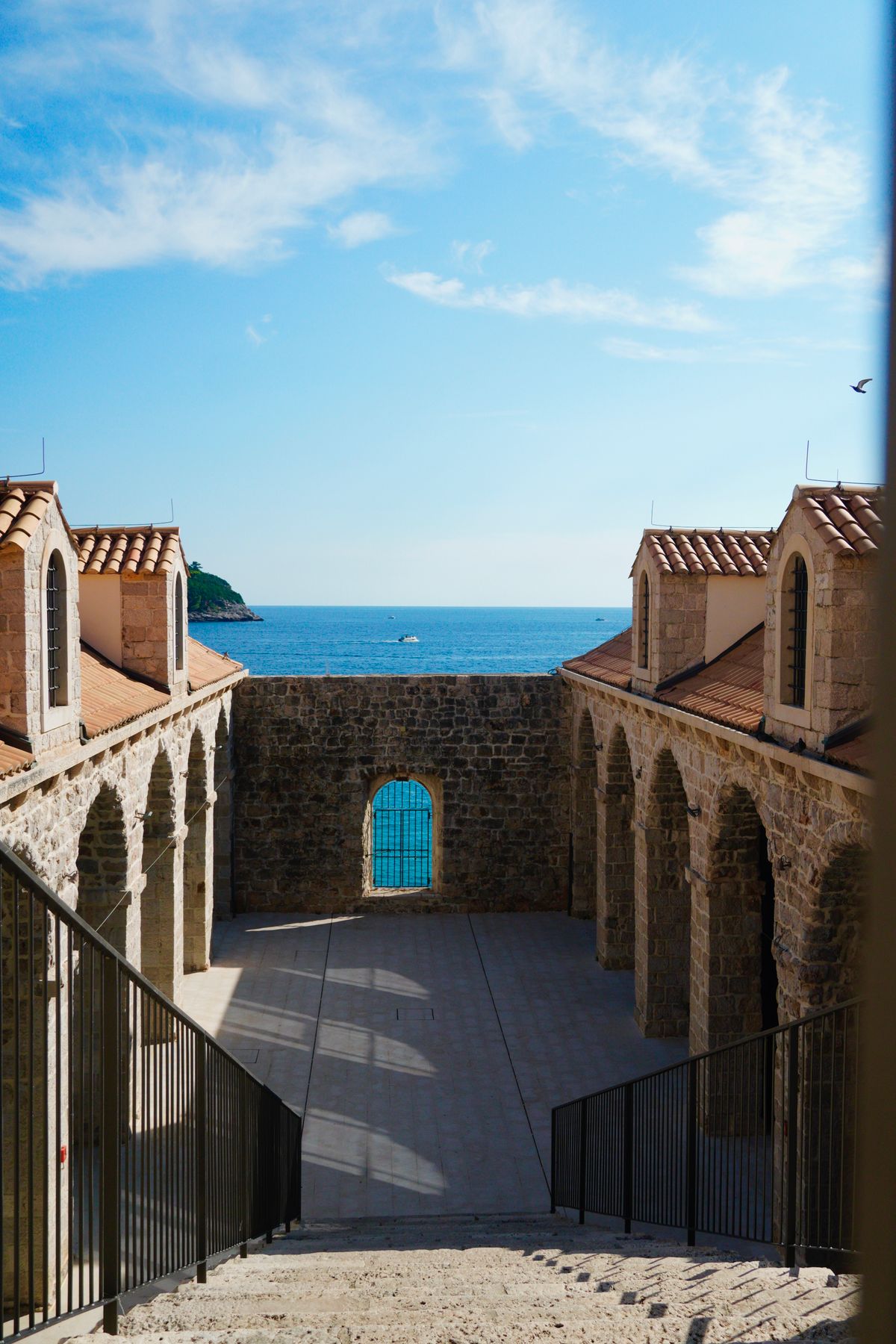
| Location | Scene | Cost |
|---|---|---|
| Jesuit Stairs | the walk of shame | free |
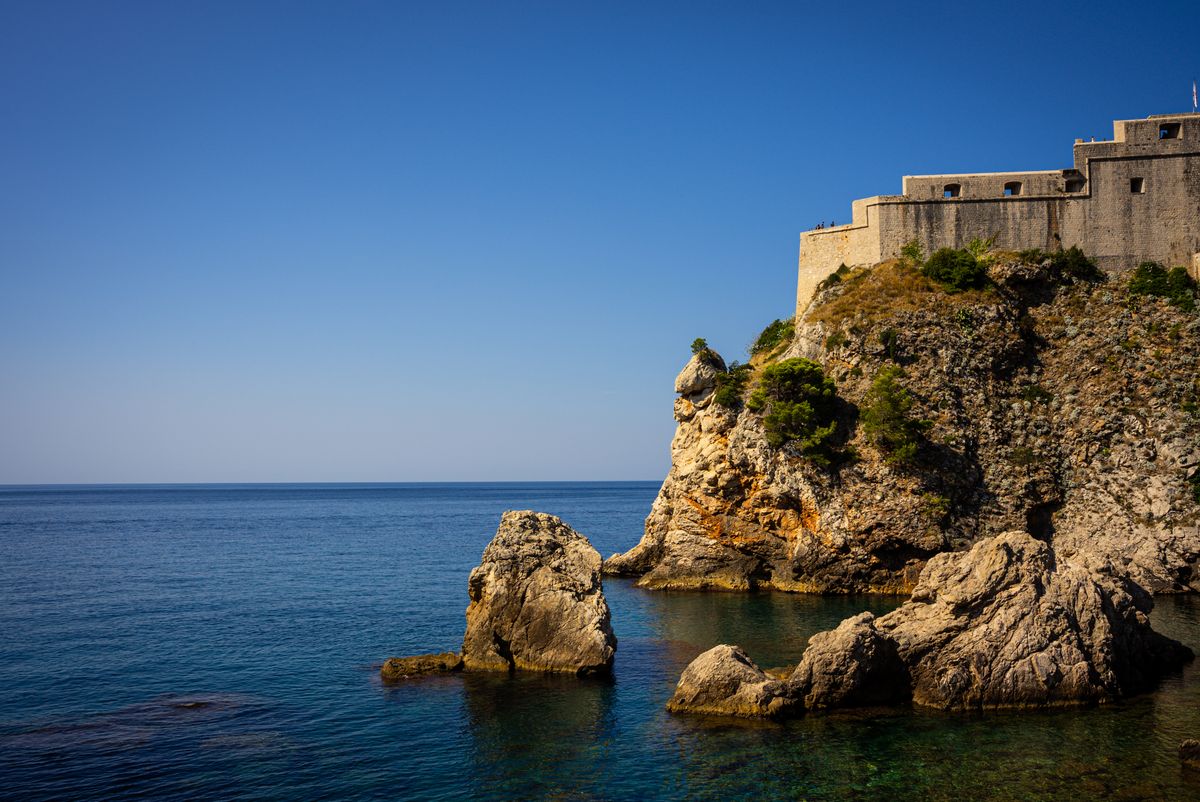
| Fort Lovrijenac | the Red Keep exterior | included in the walls ticket |
| Gradac Park | the Purple Wedding | free, public park |
| Minceta Tower | the House of the Undying | included in the walls ticket |
| Rector Palace courtyard | the Spice King residence | about 15 EUR |
| Lokrum gardens | the Qarth party | ferry plus entry |
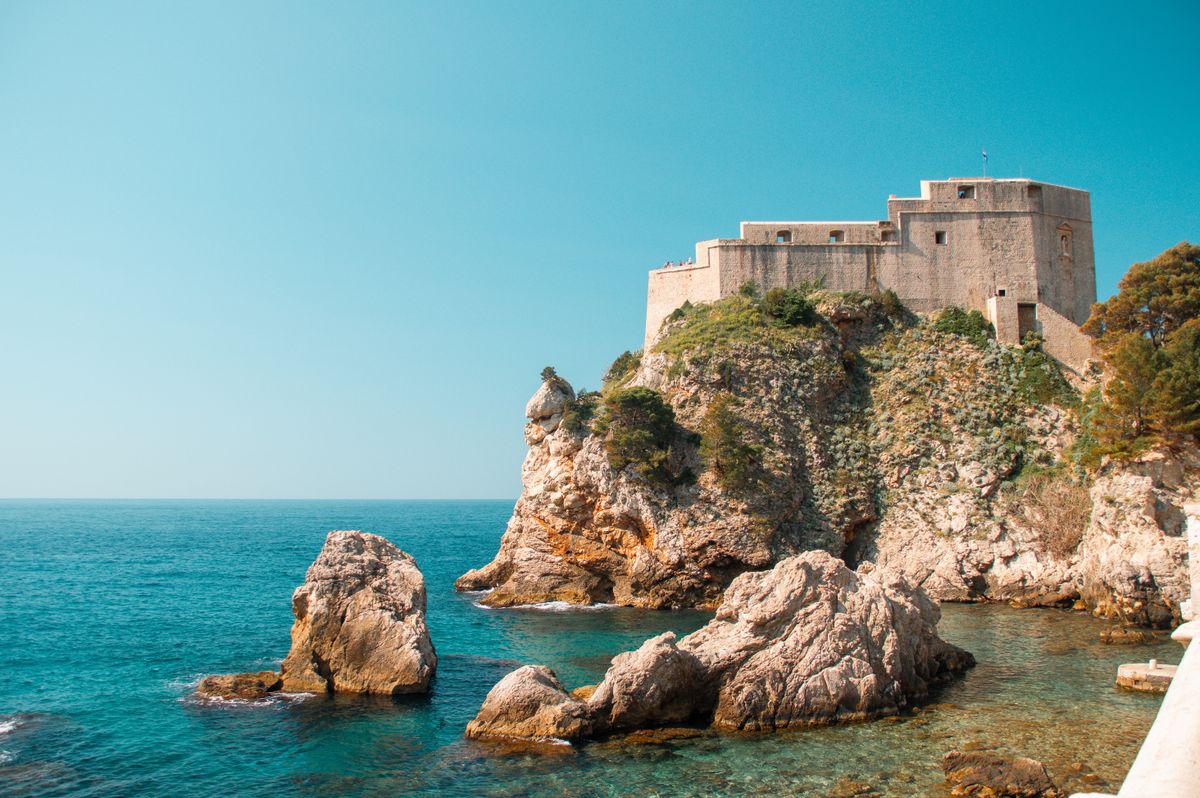
A guided tour costs around 25 euros and adds context. Doing it yourself costs nothing beyond the tickets you were buying anyway, since the stairs, the park, Pile Gate and the harbour are all open public space.
Dubrovnik in 3 days, day by day
Day one, the old town
Be at Pile Gate at a quarter to eight. Buy the Dubrovnik Pass. Walk the walls from eight, the full circuit taking an hour and a half to two hours, stopping at Minceta Tower. Then down onto the Stradun. Afternoon: the Franciscan monastery and the old pharmacy, lunch, then the Rector Palace and the Sponza Palace with its memorial room for the 1991 defenders. Evening: a drink at the cliff bar outside the walls, dinner, and the Stradun lit after the day visitors have gone.

Day two, filming locations and Lokrum
Morning: the Game of Thrones route on foot, Pile Gate to the west harbour, Gradac Park, the Jesuit Stairs and the Rector Palace. Afternoon: ferry to Lokrum, the monastery, the Iron Throne, a swim in the Dead Sea and the climb to Fort Royal. Evening ferry back, then dinner and Croatian wine.
Day three, Srd and the sea
Morning: cable car to Mount Srd, the Imperial Fort and the war museum. Then down for the Dominican monastery and the cathedral treasury. Afternoon: oysters from Ston, then a beach, either Banje with its view of the walls or the quieter Sveti Jakov. Evening: back up Srd for sunset, arriving 45 minutes early, and a farewell dinner.
What to eat
Dubrovnik cooking is Dalmatian Mediterranean: fresh seafood, olive oil, white wine and simple preparation that lets the ingredients speak. Prices stay reasonable if you eat outside the walls.
- Crni rizot, black risotto with cuttlefish ink and white wine, the iconic dish of the city.
- Buzara, shellfish or scampi in white wine, garlic and breadcrumbs.
- Peka, lamb, veal or octopus cooked slowly under an iron bell. Order a day ahead.
- Ston oysters, farmed in Mali Ston bay since Roman times.
- Croatian wines, particularly the reds from the Peljesac peninsula an hour up the coast.
Pass, transport and budget
| Item | Price |
|---|---|
| City walls ticket alone | 35 to 40 EUR |
| Dubrovnik Pass, one day | about 40 EUR, includes the walls, 13 museums and transport |
| Dubrovnik Pass, three days | about 50 EUR |
| Cable car return | 27 to 30 EUR |
| Airport shuttle | 10 EUR one way, 15 return |
| Daily budget, economical | 60 to 80 EUR per person |
| Daily budget, mid range | 120 to 180 EUR per person |
The airport is 22 kilometres from the centre. The Platanus shuttle costs 10 euros, a taxi 30 to 40, and the local bus around 2.50. The old town is entirely pedestrian, with no vehicles at all.
| Area | Price per night | Trade off |
|---|---|---|
| Inside the walls | 100 to 200 EUR | magical at night, luggage on steps, noisy by day |
| Pile or Ploce | 70 to 120 EUR | the best compromise, steps from the old town, quiet at night |
| Lapad | 55 to 90 EUR | family friendly, beaches, pools, 10 to 15 minutes by bus |
| Gruz | 40 to 70 EUR | budget, by the port, 15 minutes walk to the old town |
Best months: May to June and September to October, with warm weather, manageable crowds and good prices. September and October are the sweet spot, with the sea still warm, fewer cruise passengers and 22 to 26 degrees. July and August are very busy with daily cruise calls, over 30 degrees and peak prices. Background on the republic is on Wikipedia, and practical information on the city tourism site.
Frequently asked questions (FAQ)
Conclusion
Dubrovnik is a small city with an enormous amount packed inside 1,940 metres of wall, and its whole rhythm is set by when the cruise ships are in port. Learn that rhythm and the city is yours twice a day, in the early morning and after five.
Three days is the right length. Buy the pass, walk the walls at eight, eat outside the gates, and keep one sunset for the top of Mount Srd.
